Floating cage buoys are one of the most critical components determining the safety, stability, and service life of an entire aquaculture cage system. Choosing the right floating cage buoys for sea, river, or pond farming models based on material quality, load-bearing capacity, water conditions, and actual investment costs helps minimize structural risks, optimize operational efficiency, and ensure long-term performance.
This article provides a practical and technical guide to selecting suitable floating cage buoys for different aquaculture environments. If you are seeking reliable technical advice or a long-lasting, stable supplier of floating cage buoys, the following content will help you make a more informed and accurate decision.
1. What Are Floating Cage Buoys and Why Is Proper Selection So Important?
Floating cage buoys are the primary buoyancy elements in aquaculture cage systems. Their core function is to keep the entire cage frame, net cages, and auxiliary equipment stable and afloat on the water surface.
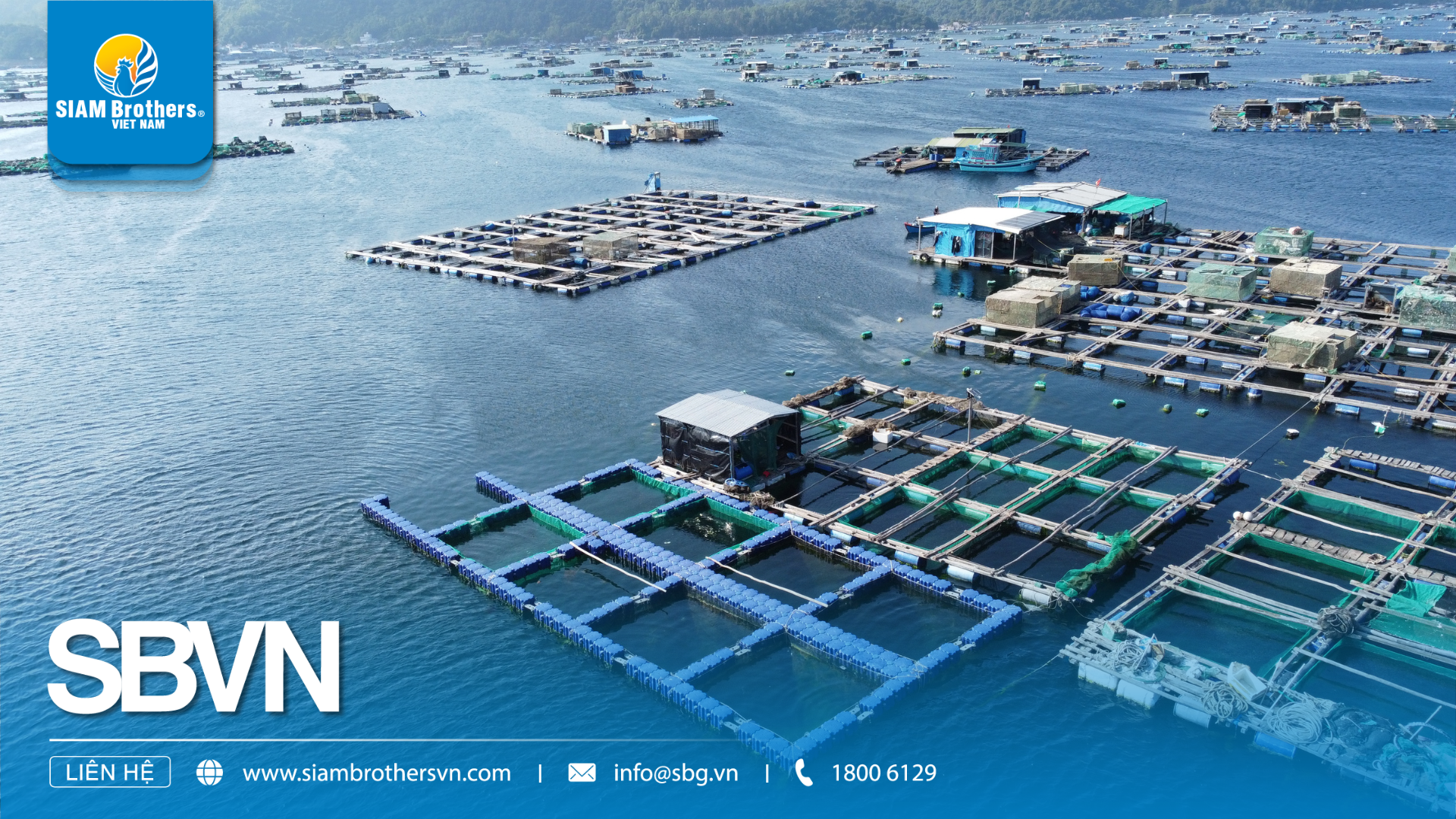
Floating cage buoys:
- Are installed directly beneath the cage frame
- Provide buoyant force to balance the total system load
- Maintain structural stability in sea, river, or pond environments
- Are typically manufactured from HDPE plastic to ensure durability and long service life
- Selecting the correct floating cage buoys is essential for maintaining system integrity under real operating conditions.
1.1. The Role of Floating Cage Buoys in Aquaculture Systems
Properly selected floating cage buoys ensure stable and efficient long-term operation:
- Keep cages evenly afloat without tilting or sinking
- Distribute loads uniformly across the entire cage system
- Reduce vibration caused by waves, currents, or water level fluctuations
- Protect cage frames, nets, and aquatic species inside
- For large-scale aquaculture operations, low-quality floating cage buoys can pose serious economic and safety risks.
1.2. Why Choosing the Wrong Floating Cage Buoys Creates Major Risks
1.2.1. Technical Risks During Aquaculture Operations
- Cage systems become unbalanced, increasing the risk of tilting or submersion
- Accelerated wear and reduced lifespan of frames and connecting ropes
- Poor system control during harsh weather or rising water levels
1.2.2. Cost and Operational Risks
- Premature replacement of floating cage buoys
- Increased maintenance and repair costs
- Production interruptions that negatively impact yield and profitability

2. Key Technical Criteria When Selecting Floating Cage Buoys
2.1. Material Selection for Floating Cage Buoys
Material quality directly affects durability, safety, and overall service life.
- High-quality floating cage buoys should:
- Be made from virgin HDPE plastic
- Offer strong UV resistance without cracking or embrittlement
- Prevent chemical leaching into the water environment
- Perform reliably in saltwater, brackish water, and freshwater conditions
Based on practical manufacturing experience, premium HDPE significantly reduces replacement and maintenance costs throughout the product lifecycle.
One of the most important factors when choosing floating cage buoys is ensuring adequate load-bearing capacity.
Key considerations include:
- Total weight of cages, frames, and auxiliary equipment
- Increasing biomass weight as aquatic species grow
- Proper load distribution across all buoys in the system
Accurate buoyancy calculations help keep cage systems balanced and prevent localized sinking or structural deformation during operation.
2.3. Durability in Different Water Environments
Each aquaculture environment places unique demands on floating cage buoys.
2.3.1. Marine (Sea) Environments
- Resistance to high salinity and continuous wave action
- No corrosion or material degradation over time
- Stable buoyancy under changing weather conditions
2.3.2. River and Canal Systems
- Ability to withstand strong currents and fluctuating water levels
- Reduced algae and barnacle attachment
- Easy inspection and routine maintenance
2.3.3. Pond Systems
- Long-term buoyancy stability in static water
- Easy installation and removal during pond renovation or system adjustments
2.4. Size and Design of Floating Cage Buoys
Buoy design directly affects installation efficiency and system stability.
An effective floating cage buoy design should:
- Match the dimensions and structure of different cage frames
- Feature a surface design that evenly distributes buoyant force
- Allow secure connections with anchor lines, ropes, and metal or plastic frames
- Well-designed floating cage buoys enable faster installation while ensuring long-term operational stability for aquaculture systems.
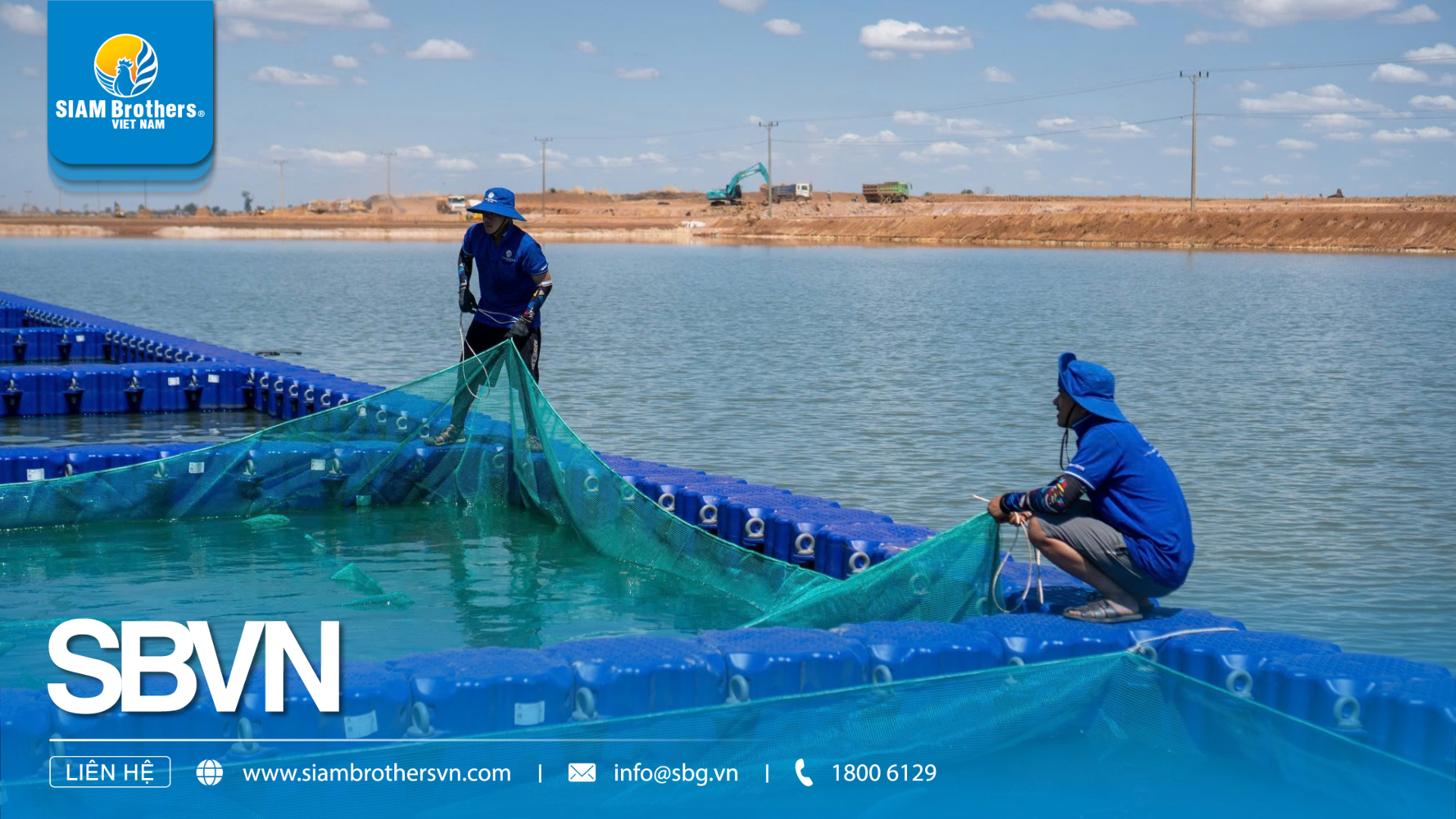
3. How to Choose Floating Cage Buoys for Sea, River, Canal, and Pond Aquaculture Models
Selecting the right floating cage buoys according to specific water environments is essential to ensure system safety, structural stability, and long-term operational efficiency.
3.1. How to Choose Floating Cage Buoys for Marine Aquaculture Systems
Marine environments present the most demanding conditions; therefore, floating cage buoys must meet high technical standards.
Recommended criteria include:
- Prioritize floating cage buoys made from virgin HDPE material
- Thick buoy walls with a fully sealed structure to ensure stable buoyancy
- Strong resistance to waves, wind, and UV exposure over long periods
- Large buoy volume to effectively distribute the load of cages and growing biomass
Investing in the right floating cage buoys from the outset significantly reduces the risk of structural damage and minimizes replacement costs in long-term offshore aquaculture operations.
3.2. How to Choose Floating Cage Buoys for River and Canal Aquaculture Models
For river and canal systems, water current and fluctuating water levels are the most critical factors.
Key selection criteria include:
- Floating cage buoys with high stability under continuous water flow
- Moderate buoy size to avoid excessive water resistance
- Designs that allow easy integration with cage frames and anchoring systems
- High impact resistance against floating debris and obstacles
In practice, properly selected floating cage buoys help prevent cage displacement, ensuring operational safety and protecting aquatic stock.
3.3. How to Choose Floating Cage Buoys for Pond Aquaculture Systems
Although pond environments are less affected by waves, technical suitability remains essential.
Recommended considerations:
- Floating cage buoys with stable buoyancy, suitable for small to medium load capacities
- Safe materials that do not affect water quality
- Service life sufficient for multiple consecutive farming cycles
Choosing the right HDPE floating cage buoys allows farmers to maintain system control while optimizing overall investment costs for pond-based aquaculture.
3.4. General Considerations When Selecting Floating Cage Buoys for All Aquaculture Models
Regardless of whether the system is deployed in the sea, rivers, or ponds, buyers should consider the following:
- Do not select floating cage buoys based solely on price
- Always calculate the actual total load of the entire cage system
- Prioritize suppliers with proven manufacturing experience and technical expertise
- Choose products with clear technical specifications suitable for local conditions
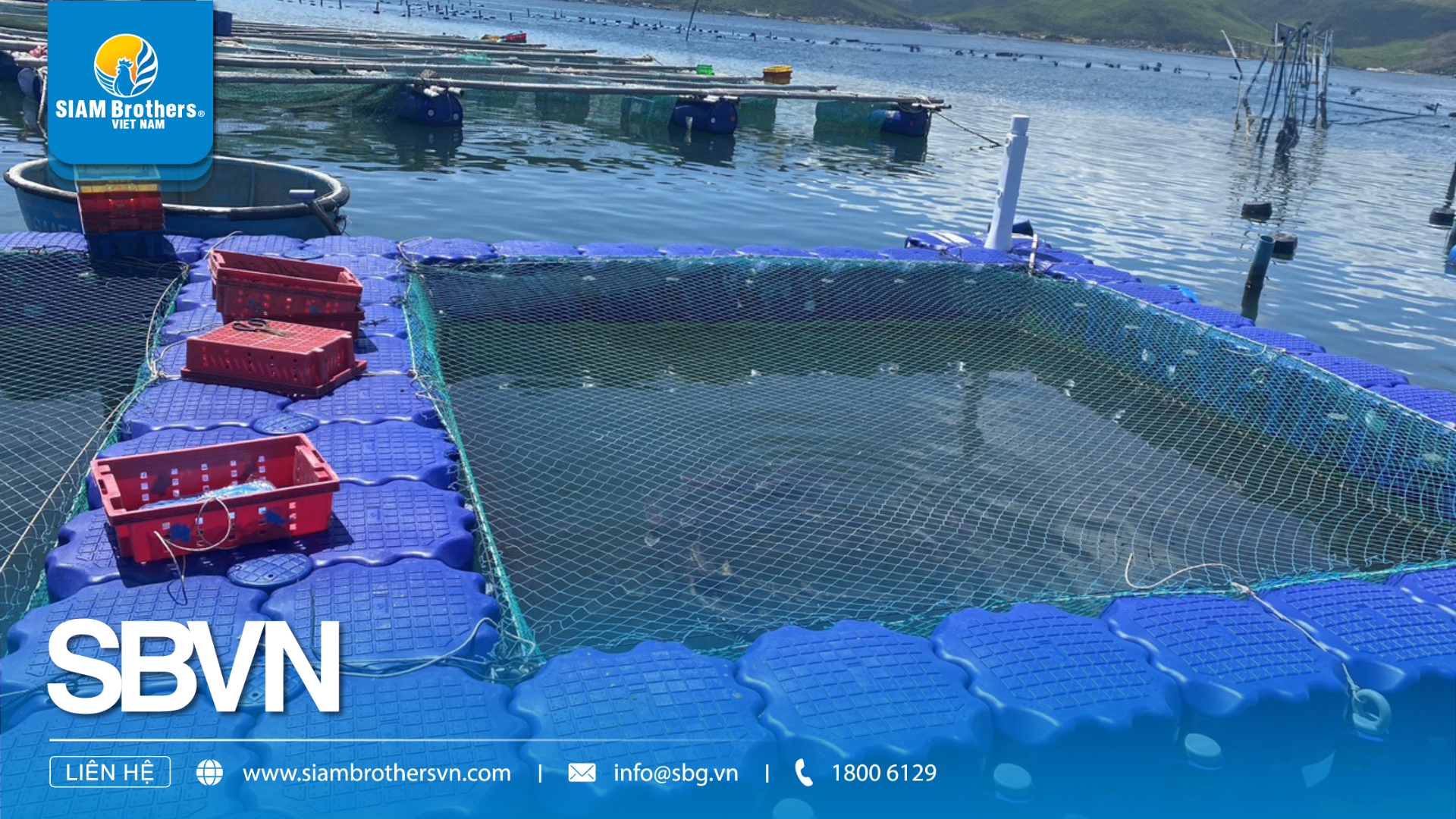
4. Frequently Asked Questions About Floating Cage Buoys
4.1. Can HDPE Floating Cage Buoys Be Used for Sea, River, and Pond Systems?
Yes, HDPE floating cage buoys are suitable for all three environments:
- HDPE material offers excellent resistance to salinity, UV exposure, and long-term sunlight without becoming brittle
- Buoy volume and wall thickness must be selected according to each specific aquaculture model
- A single buoy type should not be used across all environments if load requirements and water conditions differ
4.2. What Is the Average Service Life of Floating Cage Buoys?
The service life depends on material quality, operating conditions, and installation methods:
- High-quality HDPE floating cage buoys can operate stably for many years
- Marine environments typically require higher durability compared to pond systems
- Regular inspection and maintenance help extend product lifespan
4.3. How to Determine the Required Quantity and Volume of Floating Cage Buoys?
Selection should be based on:
- The total load of cage frames, nets, and aquatic biomass
- Progressive weight increases throughout farming stages
- Even distribution of buoyancy across the entire system
- Technical consultation from experienced manufacturers and installers is strongly recommended.
4.4. Should Low-Cost Floating Cage Buoys Be Chosen to Reduce Investment Costs?
This approach is not advisable:
- Shorter service life leads to higher long-term replacement costs
- Increased risk to cage safety and farming efficiency
- Investing in high-quality floating cage buoys optimizes total lifecycle costs
4.5. Where Should Floating Cage Buoys Be Purchased to Ensure Quality and Technical Support?
Best practices include:
- Prioritizing direct manufacturers of HDPE floating cage buoys to ensure strict control over materials, production processes, and output quality
- Selecting suppliers with hands-on experience in fisheries and aquaculture, who understand the technical requirements of sea, river, and pond systems
- SIAM Brothers Vietnam is a manufacturer and distributor of floating cage buoys, ropes, and HDPE products for fisheries, offering technical consultation based on load capacity, water conditions, and real-world usage
- Choosing suppliers with transparent technical specifications, clear material origins, and integrated solutions for cage systems
- Warranty policies, technical support, and stable supply capacity are critical factors for long-term investment by enterprises, distributors, and farmers
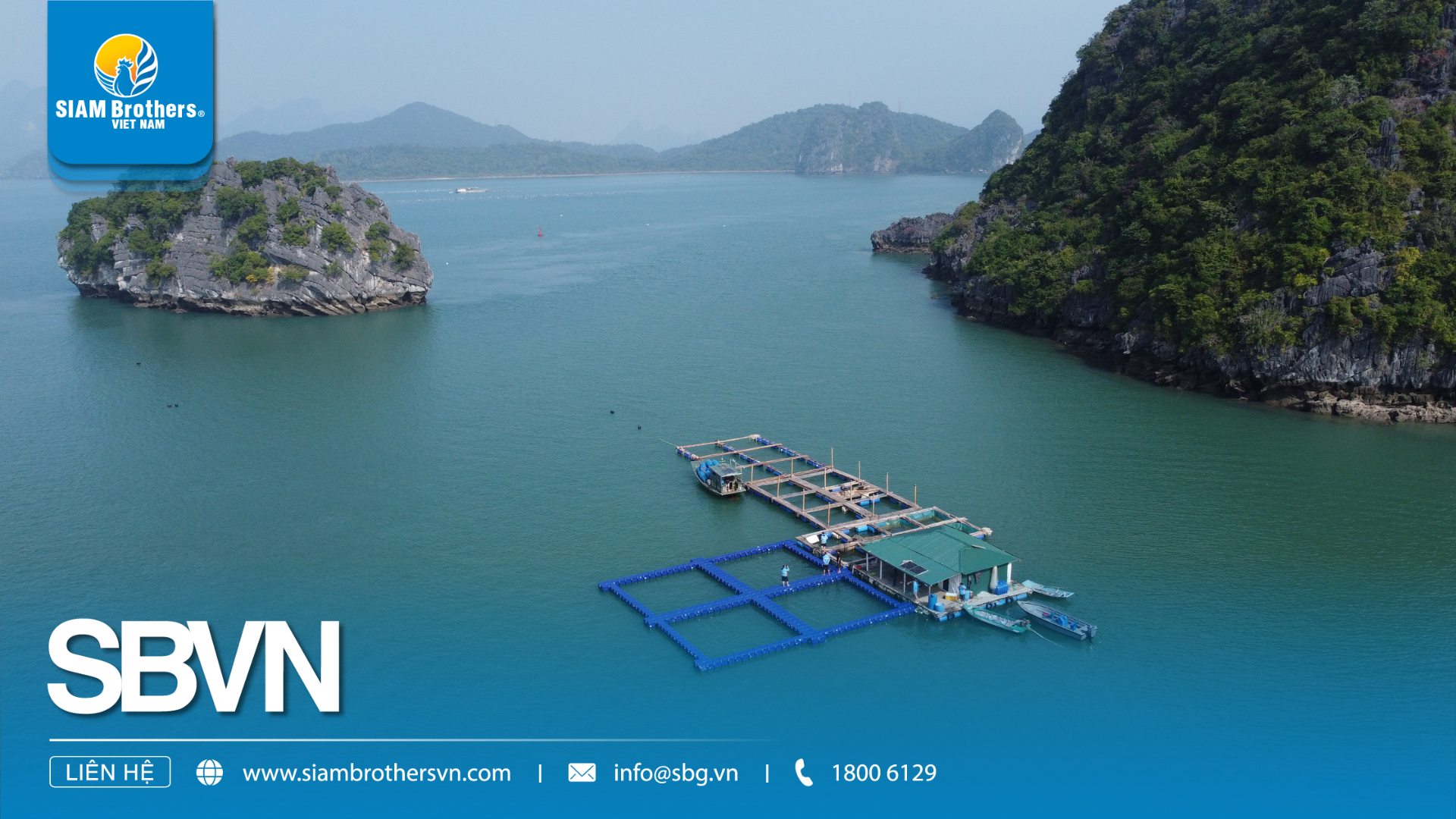
Floating cage buoys play a critical role in ensuring safety, stability, and long-term operational efficiency in aquaculture systems. Selecting the right floating cage buoys for sea, river, canal, or pond models enables farmers and businesses to control load capacity, minimize structural risks, and optimize investment costs throughout the system’s lifecycle.
Rather than choosing buoys based on habit or short-term pricing, enterprises, distributors, fishermen, and farmers should carefully evaluate material quality, buoyancy performance, environmental durability, and supplier capabilities. If you are looking for floating cage buoys tailored to real aquaculture conditions, contact SIAM Brothers Vietnam for professional technical consultation, buoy configuration recommendations, and support in selecting the most suitable solutions before making your investment.
Source: SIAM Brothers Vietnam
Contact us:
► Address: 5th floor, VRG Building, 177 Hai Ba Trung Street., Xuan Hoa Ward, Ho Chi Minh City, Vietnam
► Hotline: 1800 6129
► Tel: (+84) 28 38 912 889
► Email: info@sbg.vn
► Follow us for more details at: Facebook - Zalo OA - Tiktok - Youtube - LinkedIn
Download SBVN ID app here:
► CHPlay
► Appstore