
- 1800 6129

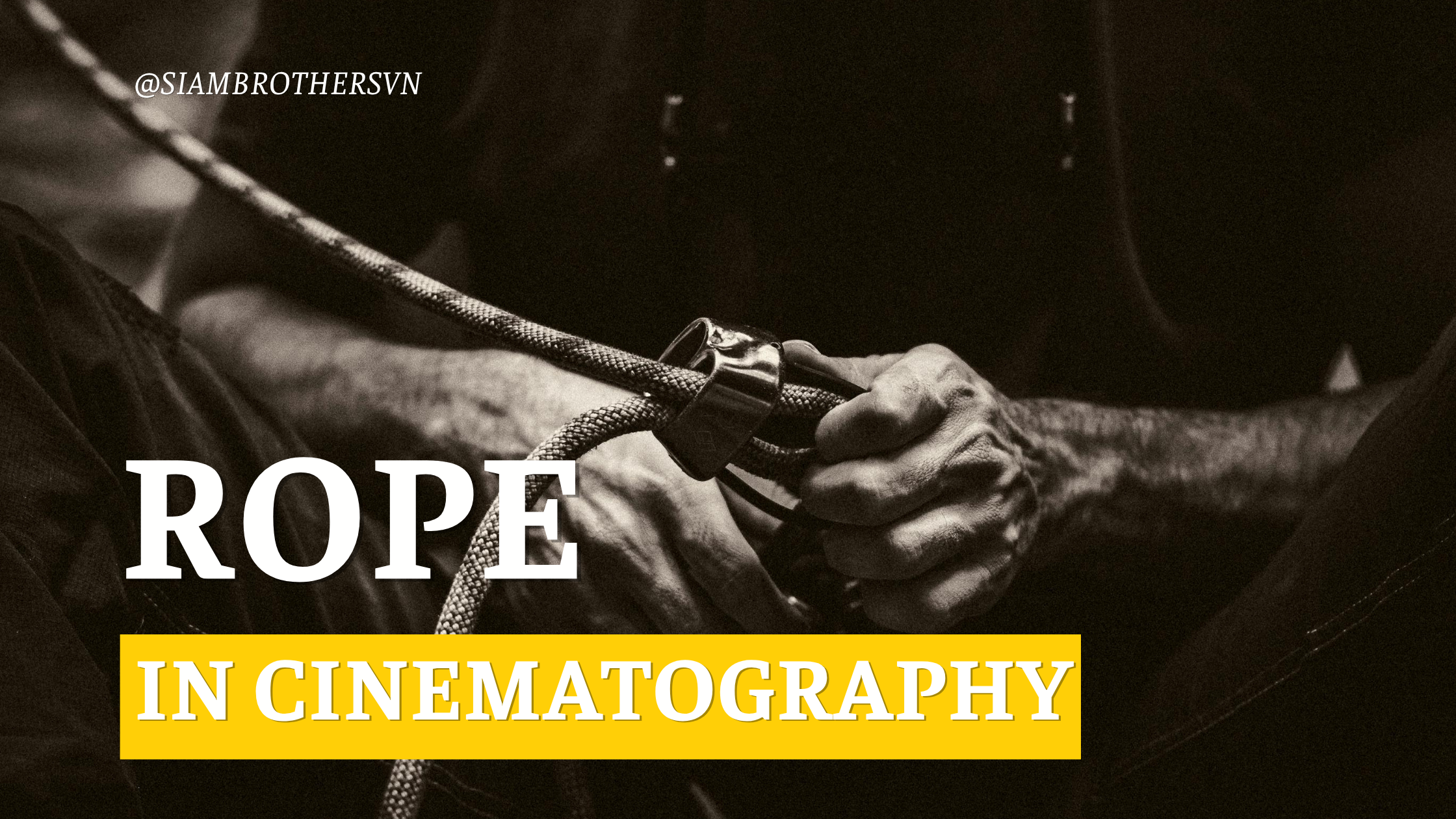
You know those iconic movie scenes like Spider-Man swinging between skyscrapers or the high-octane action sequences in James Bond films? They aren’t created entirely with visual effects. Before being polished with CGI, most of them were achieved using specialized wire and rope systems that allowed actors to perform stunts safely while maintaining a realistic feel. However, the role of ropes and wires in cinema goes far beyond large-scale action scenes. In the film Giant (1956), James Dean simply holds a small piece of rope and twirls it lightly in his hand during a dialogue scene. This seemingly insignificant action became a highlight of the shot, conveying the character’s inner turmoil and distinctive personality.
In film and theater production, ropes and wires are not just technical tools — they are part of the cinematic language, helping to create rhythm, space, and emotion for every scene. That’s why SIAM Brothers Vietnam invites you to explore in depth the role of ropes and wires in the art of cinematic storytelling through the article below.
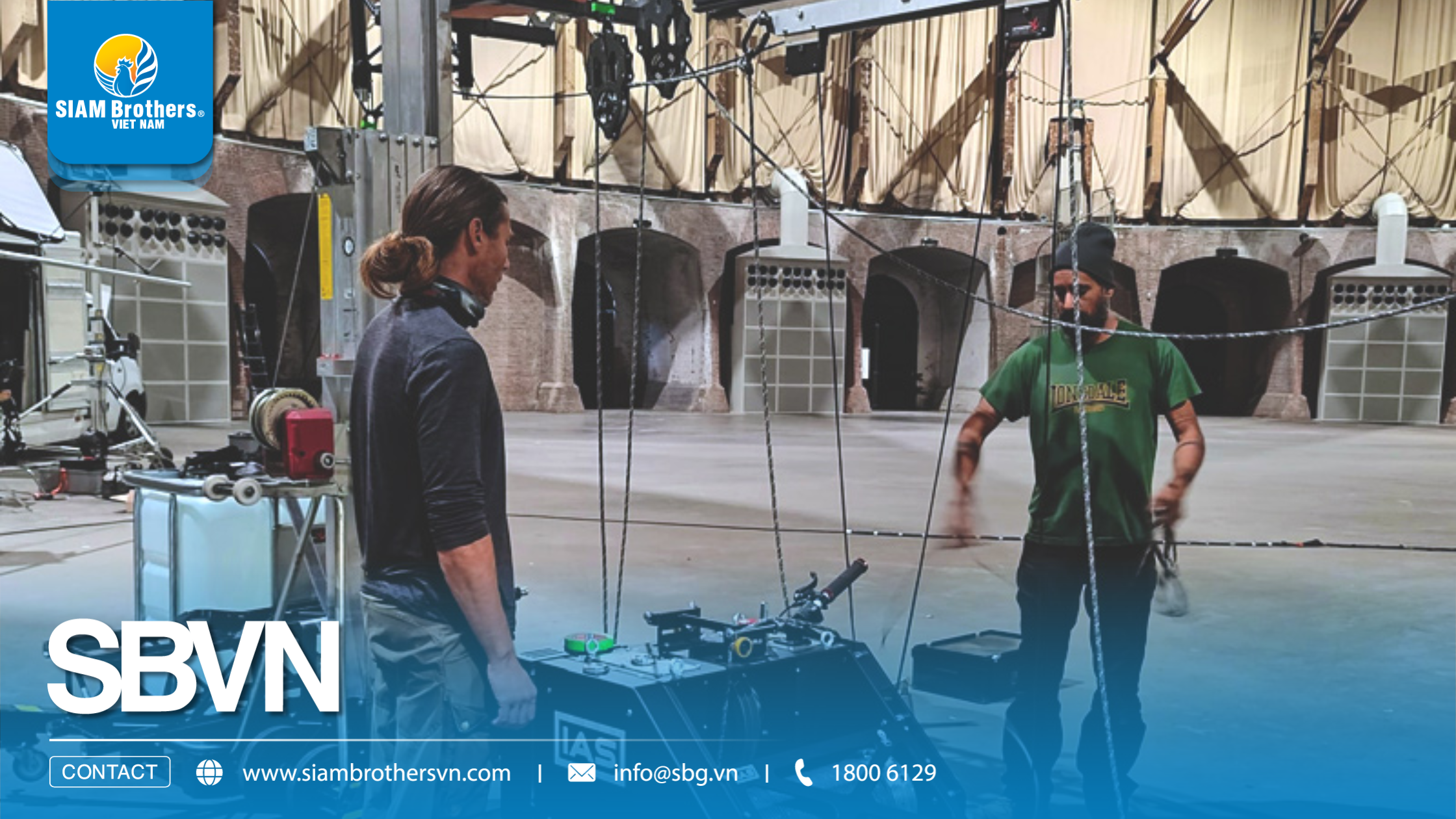
Source: actionpact.nl
1.1. What Are Ropes and Wires in the Film Industry?
Ropes and wires in the film industry refer to specialized technical cords designed to bear loads, suspend, lift, and control the movement of sets, props, or actors. Unlike everyday ropes used in daily life, these cords must meet extremely high safety standards, operate stably, and perform with precision in a professional production environment.
In simple terms, ropes and wires are tools that help the crew control motion on set — from small details like making a prop vibrate slightly to complex aerial action sequences.
Source: Pexels
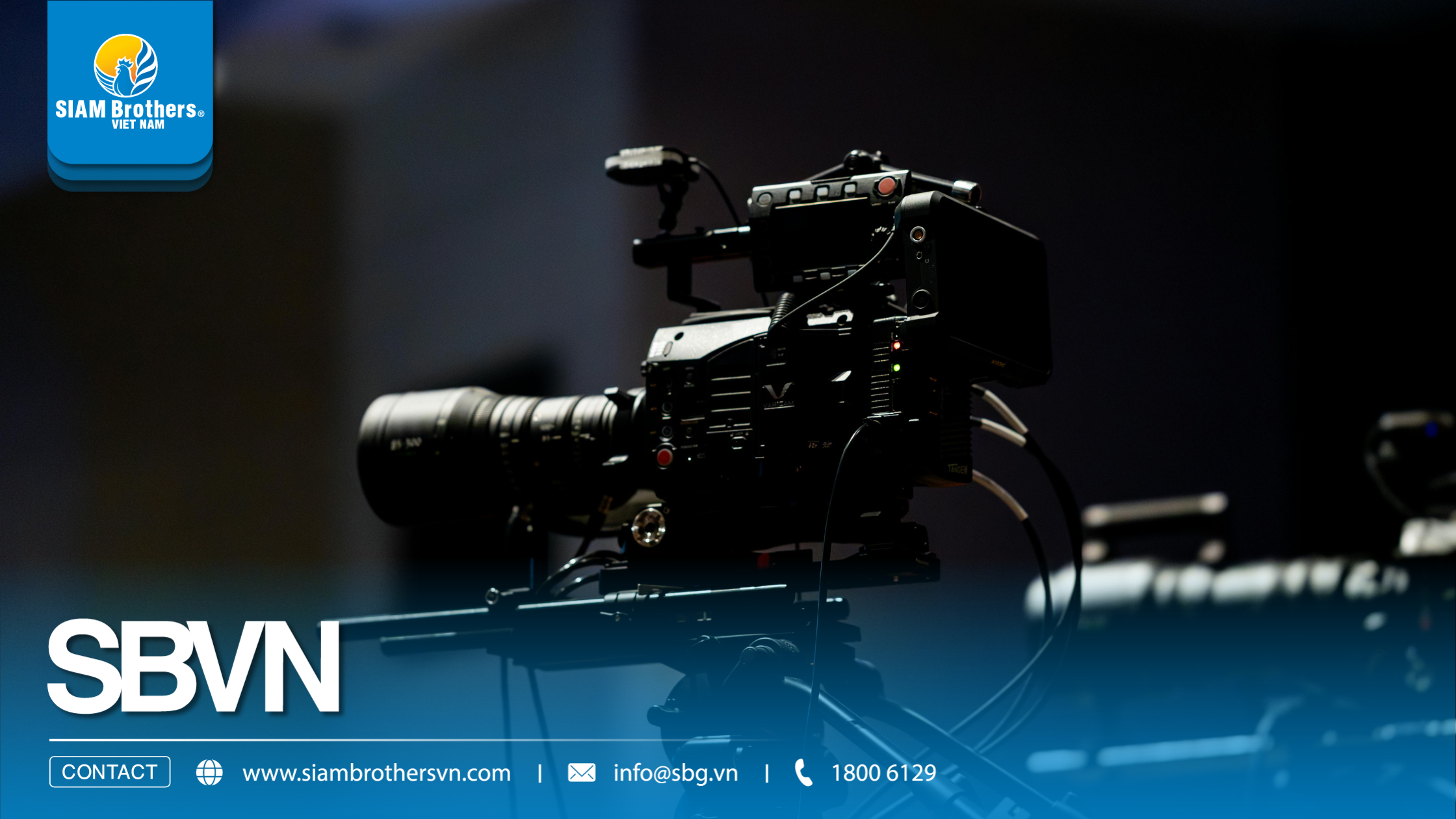
The use of ropes and wires in cinema dates back to the very early days of the film industry. At that time, visual effects barely existed, so every effect had to be performed live in front of the camera. Scenes involving falls, suspension, or moving props were created using simple mechanical methods, with ropes and wires as the core component.
Over time, as film technology advanced, the use of ropes and wires became increasingly sophisticated. From serving only basic effects, they gradually became a vital element in action scenes and visual effects. This evolution mirrors the overall development of the film industry, particularly in terms of safety standards and integration with modern technology.
Source: Pexels
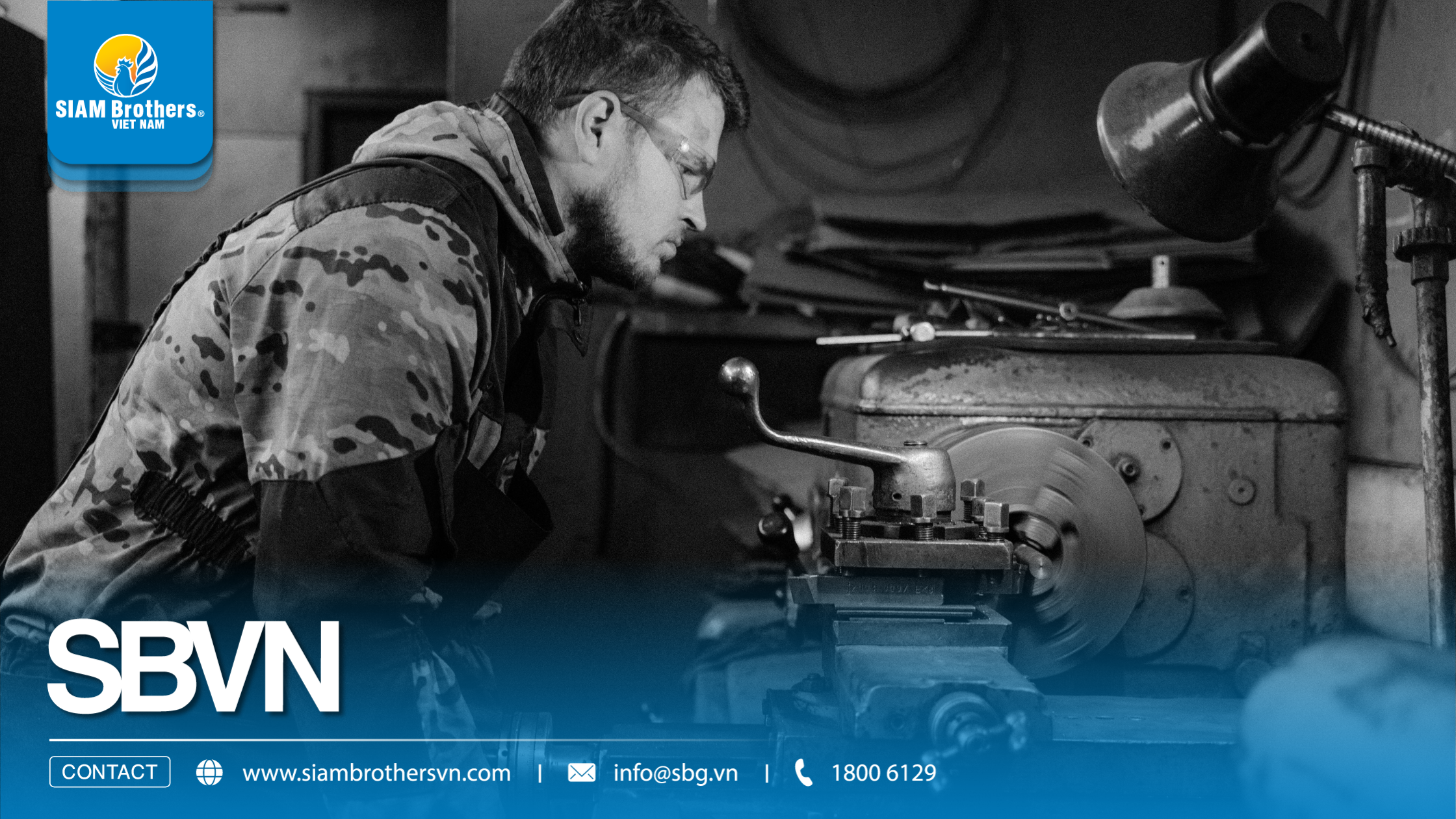
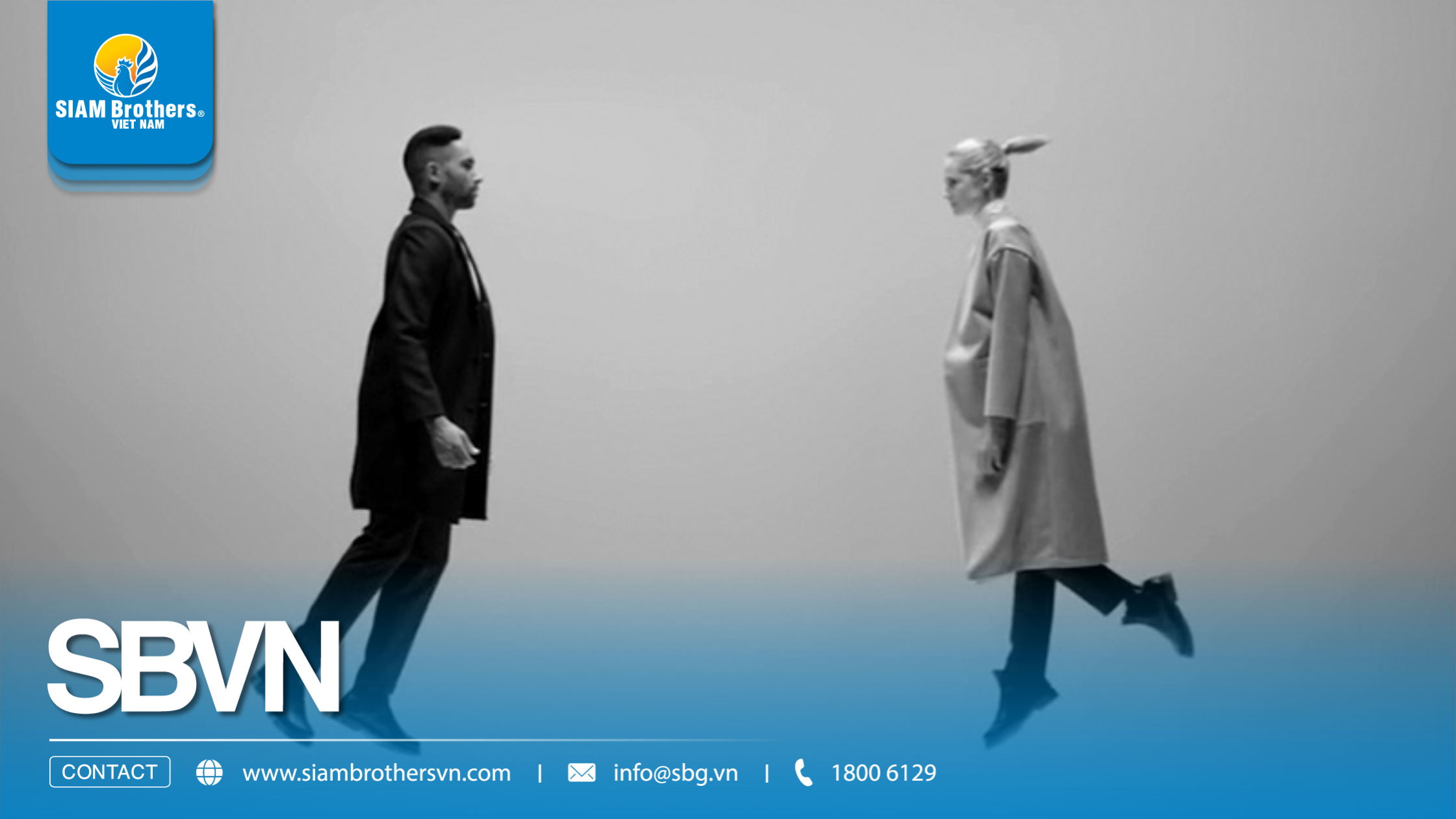
From the silent film era through the mid-20th century, ropes and wires were mainly used as simple mechanical tools. Every effect had to be executed live on set without the support of digital effects.
Ropes and wires were used to suspend set pieces, assist actors in dangerous scenes, and create movement for props. Scenes of falling, climbing, or hanging in adventure and war films all relied on rope systems combined with camera angles and editing. In this period, the imperfect nature of the effects actually added a sense of authenticity and heightened the dramatic tension of the shot.
Source: actionpact.nl
In modern cinema, ropes and wires are no longer merely support tools — they have become part of a much more complex technical system. They are combined with mechanical devices, control systems, and especially digital visual effects to create movements that would be nearly impossible in real life. After filming, the ropes and wires are removed during post-production, so audiences only see the final result without noticing their presence.
The biggest difference from the past is that ropes and wires now not only serve the execution of the shot but also contribute to the visual language of modern cinema.

Source: Pexels
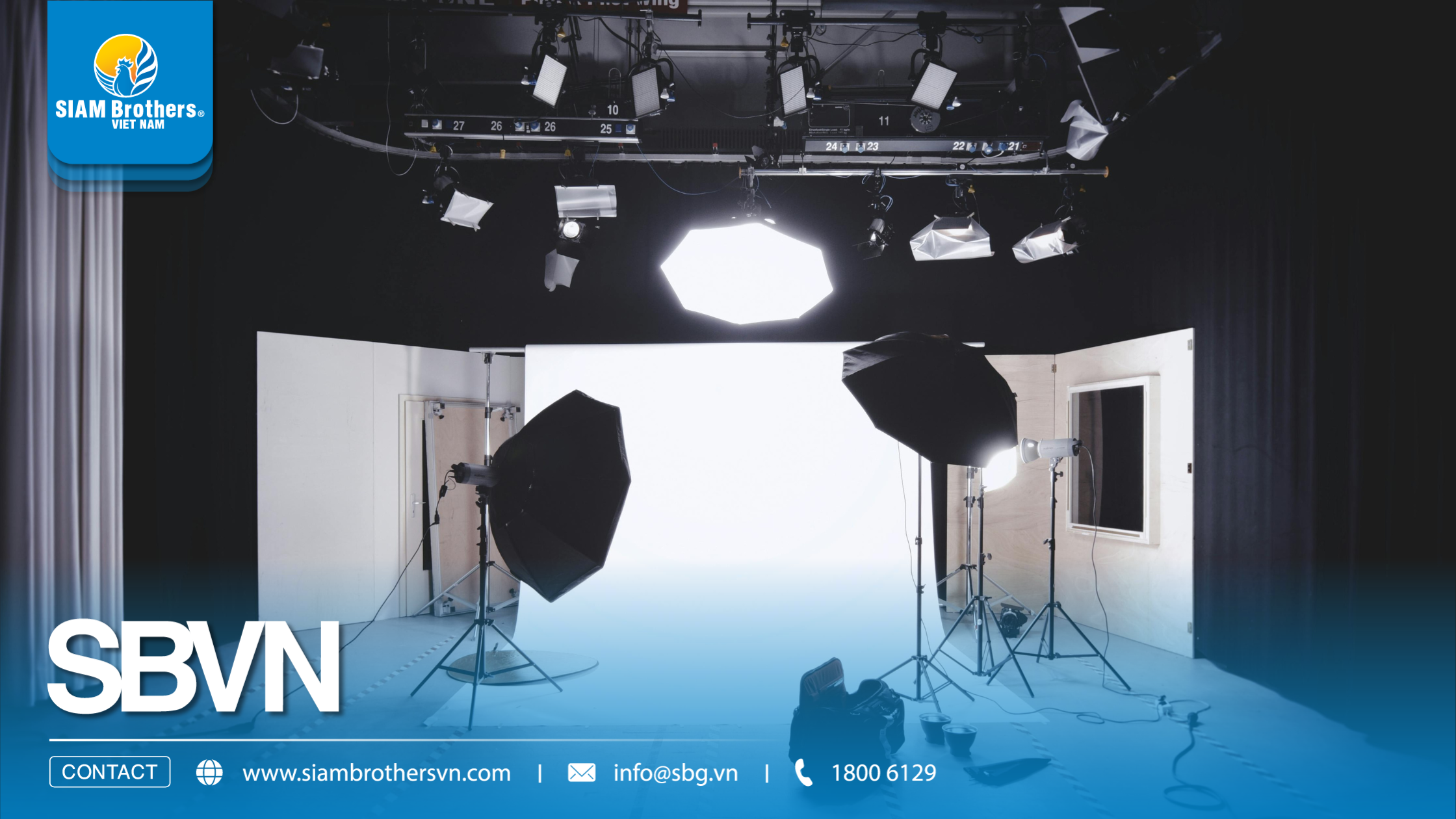
Rigging is the term for the entire system of suspending, lifting, and controlling objects or people in space. It is one of the most important techniques in film and theater production.
This system includes ropes or cables, pulleys, safety harnesses, and anchor points. When combined, they allow the crew to suspend sets, control props, or support actors during action scenes. Simply put, rigging is how the crew “masters gravity” on the film set.
Source: Pexels
During production, ropes and wires play a crucial role in suspending and moving set pieces. Thanks to ropes, backdrops, stage curtains, or large props can be raised, lowered, or repositioned with great flexibility.
This is especially important in film environments, where sets often need to change according to the script. The flexibility of ropes helps the crew save time and ensures a smooth, continuous shooting process.
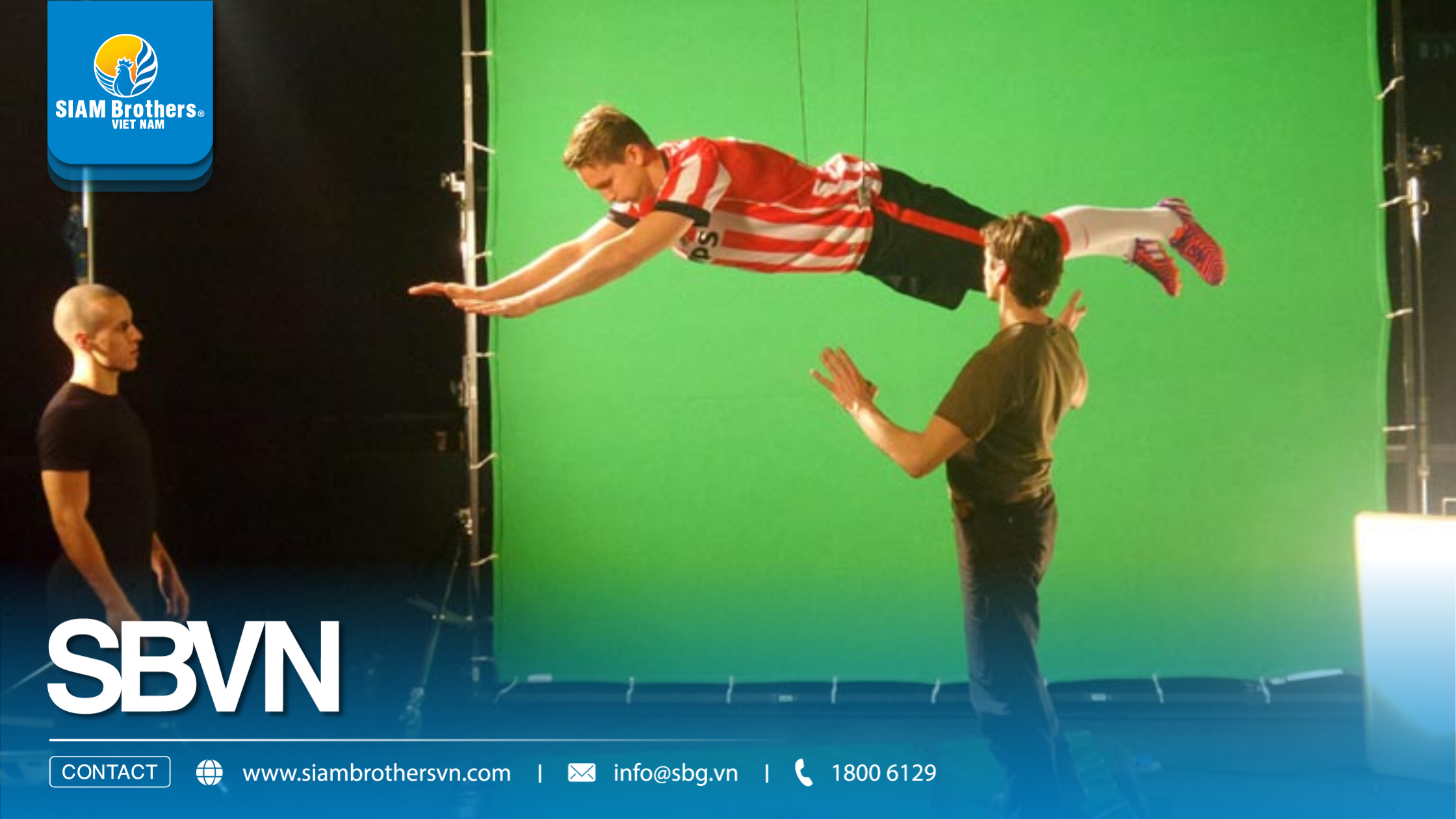
In action sequences, ropes and wires serve both as technical tools and as safety elements. They enable actors and stunt performers to execute movements such as flying, long jumps, or falling from heights while remaining fully controlled.
Ropes also help adjust the pace of movement to match the camera angle and emotional tone of the scene. In many cases, wires are even used as part of the action choreography, creating fluid and highly cinematic motion.
Source: actionpact.nl
Even as CGI technology continues to advance, ropes and wires remain essential for creating authentic physical movement. These real movements help actors deliver natural performances with a tangible sense of physics.
After filming, filmmakers use visual effects to erase the wires and enhance the imagery. This combination allows scenes to retain realism while achieving high visual impact.
In some motion-capture projects, ropes and wires are used to support actors during difficult movements. This helps accurately recreate the effects of force and weight, thereby improving the quality of the digital character’s motion.
Ropes and wires in the film industry always come with strict safety protocols. Before every shot, the crew must inspect equipment, test the system, and assess risks.
Safety depends not only on the quality of the ropes but also on the design and operation of the entire system. This is a critical factor in protecting actors and ensuring smooth production.
In the future, ropes and wires in the film industry will continue to be improved with lighter, stronger, and safer materials. Some new technologies even allow the integration of sensors to monitor force and rope status in real time.
These advancements will not only enhance safety but also open up new creative possibilities for filmmakers.
Ropes and wires in the film industry are a silent but indispensable element. From the early days of cinema to modern blockbusters, they have always played a vital role in creating movement, ensuring safety, and elevating image quality. Although audiences never see them directly, these ropes and wires help create the memorable scenes that appear on the silver screen.
Q1: Are ropes and wires used in the film industry different from ordinary ropes?
A1: Yes. Film ropes are technical cords specially designed to handle loads, resist abrasion, and meet strict safety standards. They are completely different from household or decorative ropes.
Q2: What is the difference between static and dynamic ropes?
A2: Dynamic ropes have stretch capability to absorb force during falls, making them suitable for action sequences. Static ropes have little or no stretch and are used for precise fixing and controlled movement in rigging.
Q3: Why are ropes and wires still necessary even with CGI?
A3: Ropes help create genuine physical movement, support acting, and enable real spatial interaction. CGI is mainly used to refine the image and does not completely replace real-world motion.
Q4: Are ropes and wires visible in the final shot?
A4: In most cases, the wires are hidden from the frame or digitally removed in post-production to ensure a seamless image for viewers.
Q5: Who is responsible for the safety of the rope and wire system?
A5: The stunt coordinator and the rigging department are responsible for designing, inspecting, and supervising the entire rope and wire system throughout the filming process.
Source: SIAM Brothers Vietnam
Contact us:
Address: 5th floor, VRG Building, 177 Hai Ba Trung Street, Vo Thi Sau Ward, Ho Chi Minh City, Vietnam
Tel: (+84) 28 38 912 889
Hotline: 1800 6129
Facebook: www.facebook.com/siambrothersvn
Email: info@sbg.vn
YouTube: youtube.com/@siambrothersvietnam1728
OA Zalo: zalo.me/1402339229697925373
App SBVN ID:
CHPlay: https://bit.ly/SBVNID-Android
Appstore: https://bit.ly/SBVNID-iOS








Specializing in Agricultural and Fisheries Products & Multipurpose Wire