
- 1800 6129

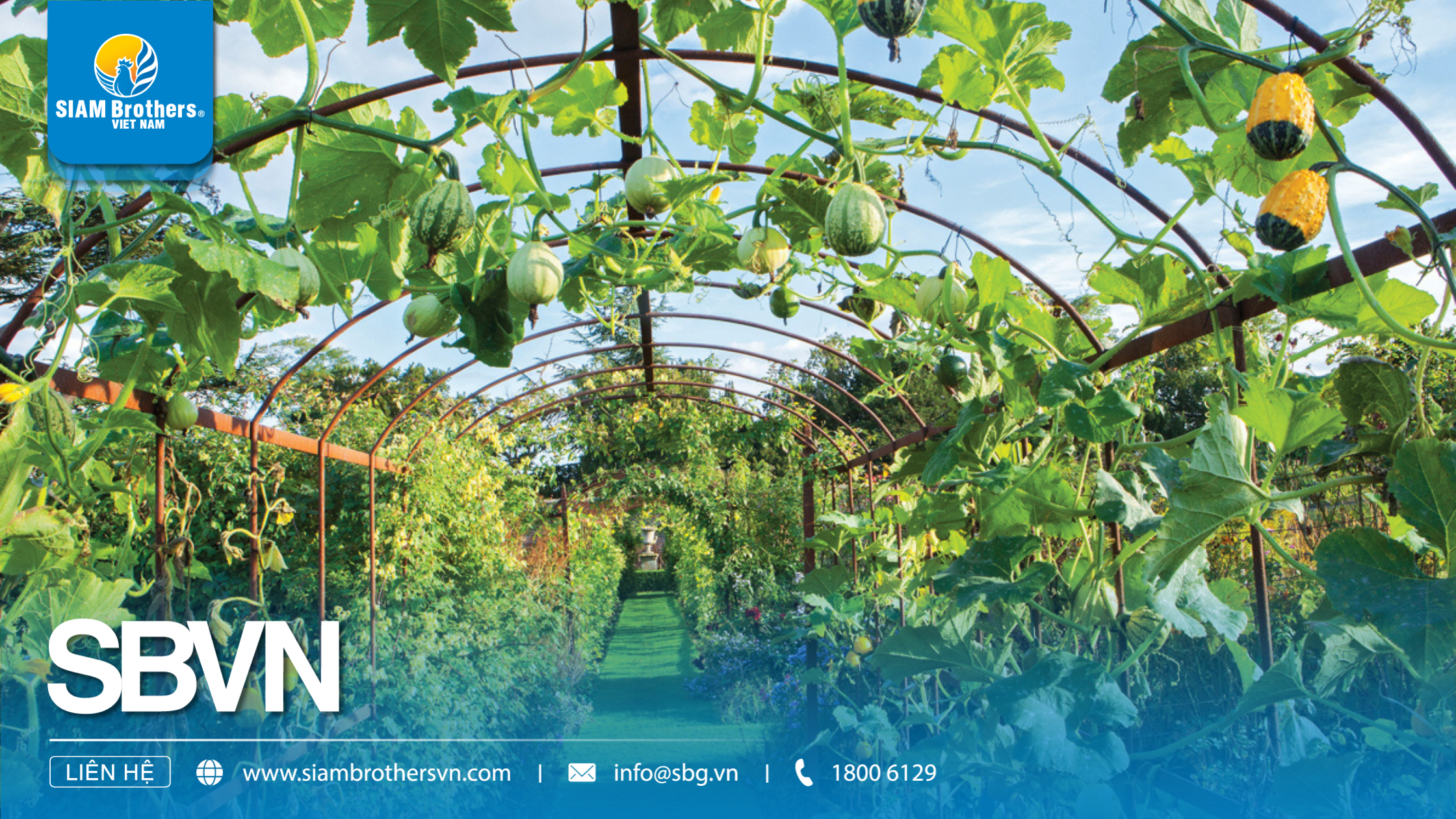
In 2026, high-tech agriculture trends have become a key driving force helping Vietnam overcome challenges from climate change, shrinking arable land, and fierce international competition. With agricultural, forestry, and aquatic product exports reaching a record of over 70 billion USD in 2025, Vietnam’s agricultural sector is transforming thanks to the application of automation technology, IoT, smart greenhouses, and biotechnology. However, the current situation still faces many bottlenecks regarding capital, human resources, and infrastructure. This article provides an in-depth analysis of the real situation, outstanding achievements, and the indispensable role of ropes in supporting high-tech agriculture models.
Source: SIAM Brothers Vietnam
Agriculture has always been a pillar of Vietnam’s economy. Yet, under pressure from population growth, declining cultivated land, and climate change, high-tech agriculture trends have become inevitable. According to the latest reports, in 2025 the agricultural sector recorded many bright spots despite facing natural disasters and diseases. Rice production reached 43.54 million tons – the highest level in 4 years – thanks to average productivity rising to 61.1 quintals per hectare through new varieties and advanced cultivation techniques.
The export value of agricultural, forestry, and aquatic products in 2025 set a new record of approximately 70.09 – 70.63 billion USD, up 12% from the previous year and far exceeding the government’s target of 65 billion USD. Within this, agricultural products reached 37.25 billion USD (up 13.7%), fruits and vegetables hit a record of 8.5 – 8.56 billion USD (up nearly 20%), and aquatic products reached 11.3 billion USD. These figures clearly demonstrate the vitality of high-tech agriculture trends by improving quality, enabling traceability, and meeting strict export standards.
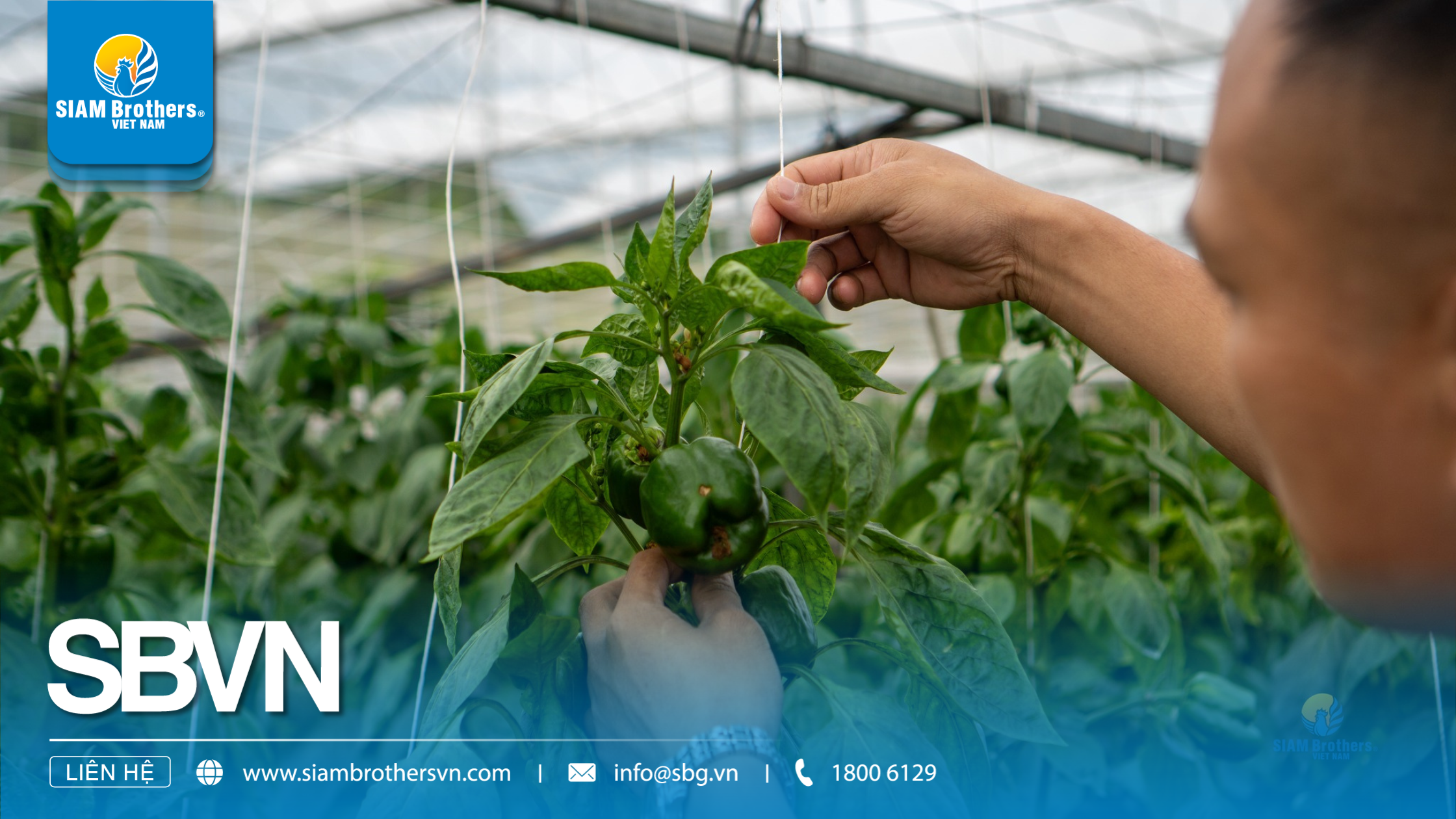
The area applying high technology is expanding significantly. In Lam Dong province, the high-tech production area exceeded 107,300 hectares (accounting for nearly 40% of the total cultivated area), including about 1,200 hectares under smart agriculture models. Many provinces such as Son La, Can Tho, Nghe An, and Hanoi are vigorously building concentrated production zones with greenhouses, net houses, automatic drip irrigation systems, spraying drones, and IoT sensors for environmental monitoring.
Automation: Combined harvesters, rice transplanters, and smart irrigation systems.
Information technology: IoT, remote AI monitoring, and greenhouse control via mobile phones.
Biotechnology: New varieties (such as ST25), tissue culture, and gene editing.
Mechanization: Land preparation reaching over 95%, and rice harvesting in the Mekong Delta up to 90%.
These applications help increase productivity by 15-20%, reduce fertilizer and pesticide costs, minimize post-harvest losses, and protect the environment more effectively.
Despite many advances, the high-tech agriculture situation in Vietnam 2026 still shows a large gap between potential and actual implementation.
Approximately 290 enterprises and nearly 2,000 cooperatives are applying high technology.
More than 70% of agricultural production zones meet high-tech criteria.
Many typical models: TH True Milk dairy farm (closed-loop chain), WinEco hydroponic vegetable farming, and melon cultivation in greenhouses in Soc Trang or Lam Dong.
Strong policy support: Resolution 57-NQ/TW, pilot superior policies for high-tech agriculture in 2026, credit incentives (loans without collateral up to 70-80%), interest rate support, and corporate income tax incentives for high-tech agricultural zones.
Source: SIAM Brothers Vietnam
Fragmented land, difficult to accumulate on a large scale despite the 2025 Land Law opening opportunities.
High initial investment capital (building a 1,000m² greenhouse or net house can cost hundreds of millions of VND).
Low-skilled workforce: Most farmers have not received in-depth technology training.
Inadequate infrastructure (roads, electricity, internet in remote areas).
Limited access to technology and markets for premium products.
Lack of clear and stable regional planning orientation.
High operating and maintenance costs for high-tech systems.
Risks from natural disasters even with greenhouses (still requiring strong anchoring).
Low application rates in the northern mountainous regions (only about 10% of cooperatives use biotechnology).
According to surveys, 64% of farming households have no plans to apply high technology due to concerns about capital, labor, and market access. Overall application levels are still in the “developing” stage and lag behind advanced countries in the region.
These figures show that high-tech agriculture trends are progressing but require synchronized solutions to scale up, especially harmonious integration between modern technology and traditional supporting materials.
Even as agriculture shifts strongly toward high technology, ropes still play an important and irreplaceable role in many stages. From traditional to modern agriculture, ropes serve as a highly effective supporting tool that enhances safety, stability, and efficiency across the entire production system.
Ropes are commonly used for ox-cart harnesses, climbing trellises for vegetables, tying plants, securing livestock, and bundling items… helping farmers manage fields and gardens in a simple, cost-effective, and efficient way.
When greenhouse, net house, and membrane house models become the standard for environmental control (temperature, humidity, light), ropes act as the “backbone” supporting the structure. High-quality ropes help secure greenhouse frames against strong winds and storms, create trellises for climbing crops (melons, tomatoes, cucumbers), prop up fruit trees bearing heavy loads, and support irrigation systems and automatic pulleys.
Specifically, the prominent roles of ropes include:
Greenhouse ropes, net house ropes, membrane house ropes: Anchoring and fixing the entire frame structure, ensuring durability under harsh weather conditions.
Straw-baling ropes: Supporting harvest and neat, safe storage of straw in mechanized models.
Climbing trellis ropes: Used for climbing plants in net houses, optimizing space and increasing productivity.
Banana-propping ropes and anti-lodging ropes for crops: Preventing trees from falling due to strong winds or heavy fruit weight – especially important for export fruit trees.
Tying and pulley ropes: Supporting equipment operation, securing drip irrigation systems, and other mechanized tools.
Ropes are truly a valuable supporting tool – from small tasks (bundling items) to large-scale operations (building and maintaining greenhouse and net house systems). Thanks to durable ropes, high-tech agriculture models become more solid, minimize damage risks, and allow farmers to invest confidently while improving long-term production efficiency.
Combining high-tech agriculture trends with ropes brings many practical benefits:
Clearly increasing productivity and product quality.
Reducing manual labor, freeing up workforce for other stages.
Better environmental control in cultivation and limiting natural disaster risks.
Long-term cost savings thanks to high durability and stability.
Moving toward green, clean, and sustainable agriculture that meets export standards.
If you are looking for high-quality, durable ropes suitable for all agricultural models from traditional to high-tech, Siam Brothers Vietnam is a reliable choice.
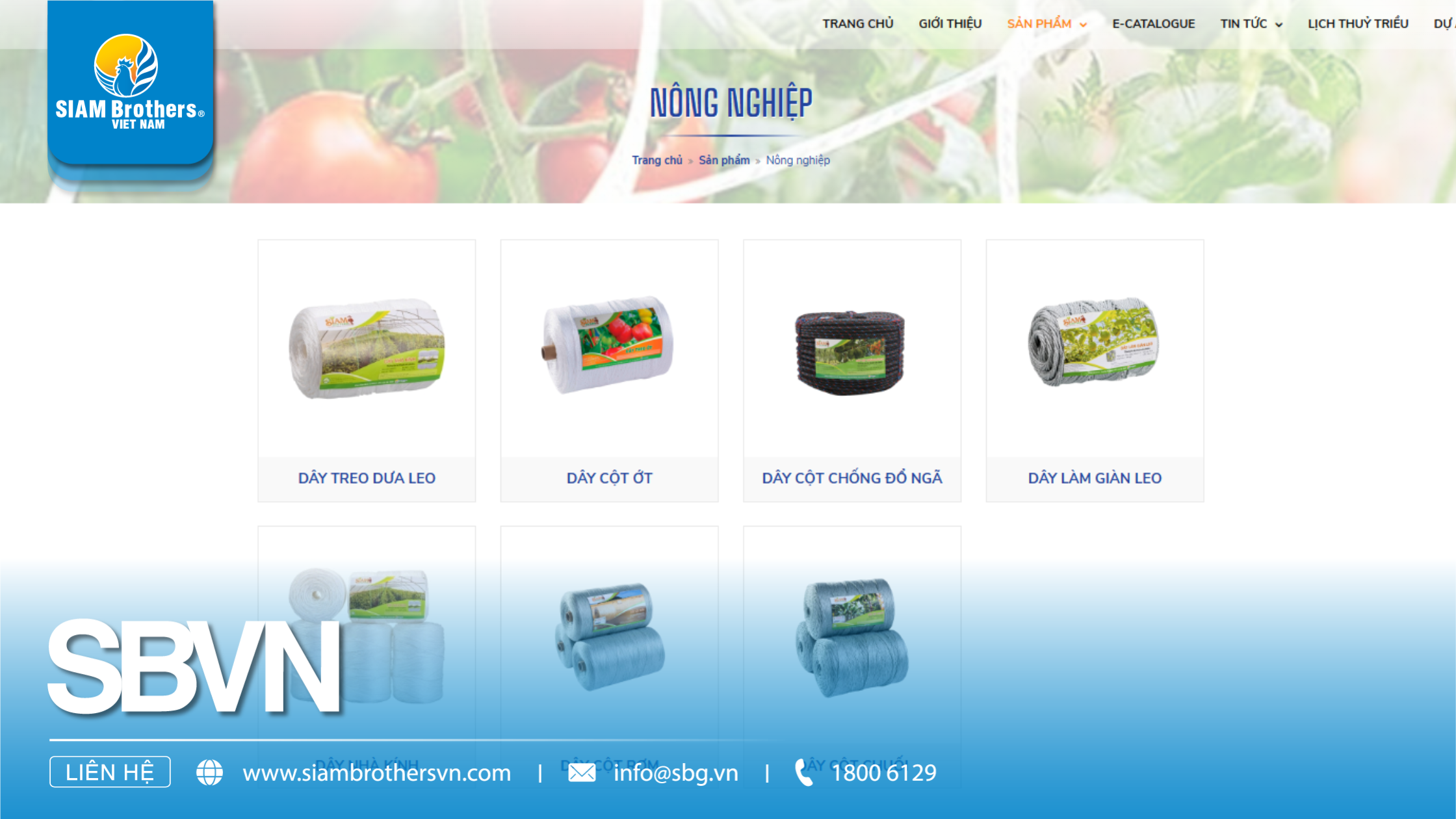
We specialize in supplying specialized ropes for cultivation support:
Straw-baling ropes
Climbing trellis ropes
Banana-propping ropes
Anti-lodging tying ropes for crops
Greenhouse ropes, net house ropes, membrane house ropes
Source: SIAM Brothers Vietnam
With international standards, competitive prices, and dedicated consulting services, Siam Brothers is committed to contributing to Vietnam’s journey of applying high-tech agriculture trends, helping increase productivity, reduce human effort, and achieve sustainable development.
High-tech agriculture trends are reshaping Vietnam’s agricultural sector with impressive achievements in exports and productivity. However, to overcome real-world challenges related to capital, human resources, and infrastructure, close coordination is needed among state policies, businesses, and farmers, together with essential supporting materials like ropes.
No matter how advanced technology becomes, ropes remain a “silent companion” that helps greenhouse and net house systems operate safely and efficiently. Act today to seize the trend, optimize production, and elevate the value of Vietnamese agricultural products on the world map.
Read more: 5 Common Mistakes When Building a Plant Trellis That Reduce Crop Yield
Source: SIAM Brothers Vietnam
Contact us:
Address: 5th floor, VRG Building, 177 Hai Ba Trung Street, Vo Thi Sau Ward, Ho Chi Minh City, Vietnam
Tel: (+84) 28 38 912 889
Hotline: 1800 6129
Facebook: www.facebook.com/siambrothersvn
Email: info@sbg.vn
YouTube: youtube.com/@siambrothersvietnam1728
OA Zalo: zalo.me/1402339229697925373
App SBVN ID:
CHPlay: https://bit.ly/SBVNID-Android
Appstore: https://bit.ly/SBVNID-iOS








Specializing in Agricultural and Fisheries Products & Multipurpose Wire