Virgin Plastic has long been regarded as the gold standard when evaluating durability, material stability, and resistance in marine environments. However, many operators still hesitate between choosing Virgin Plastic or recycled plastic for floating cage buoys and ropes. This decision directly affects the lifespan of aquaculture structures, operational safety, and total lifecycle costs.
This article provides a clear breakdown of the core differences between the two materials and explains why Virgin Plastic consistently outperforms recycled alternatives in load-bearing applications. If you are seeking an optimal solution for floating cage buoy systems or marine ropes, this in-depth analysis is not to be missed.
1. What Is Virgin Plastic? What Is Recycled Plastic?
1.1 What Is Virgin Plastic?
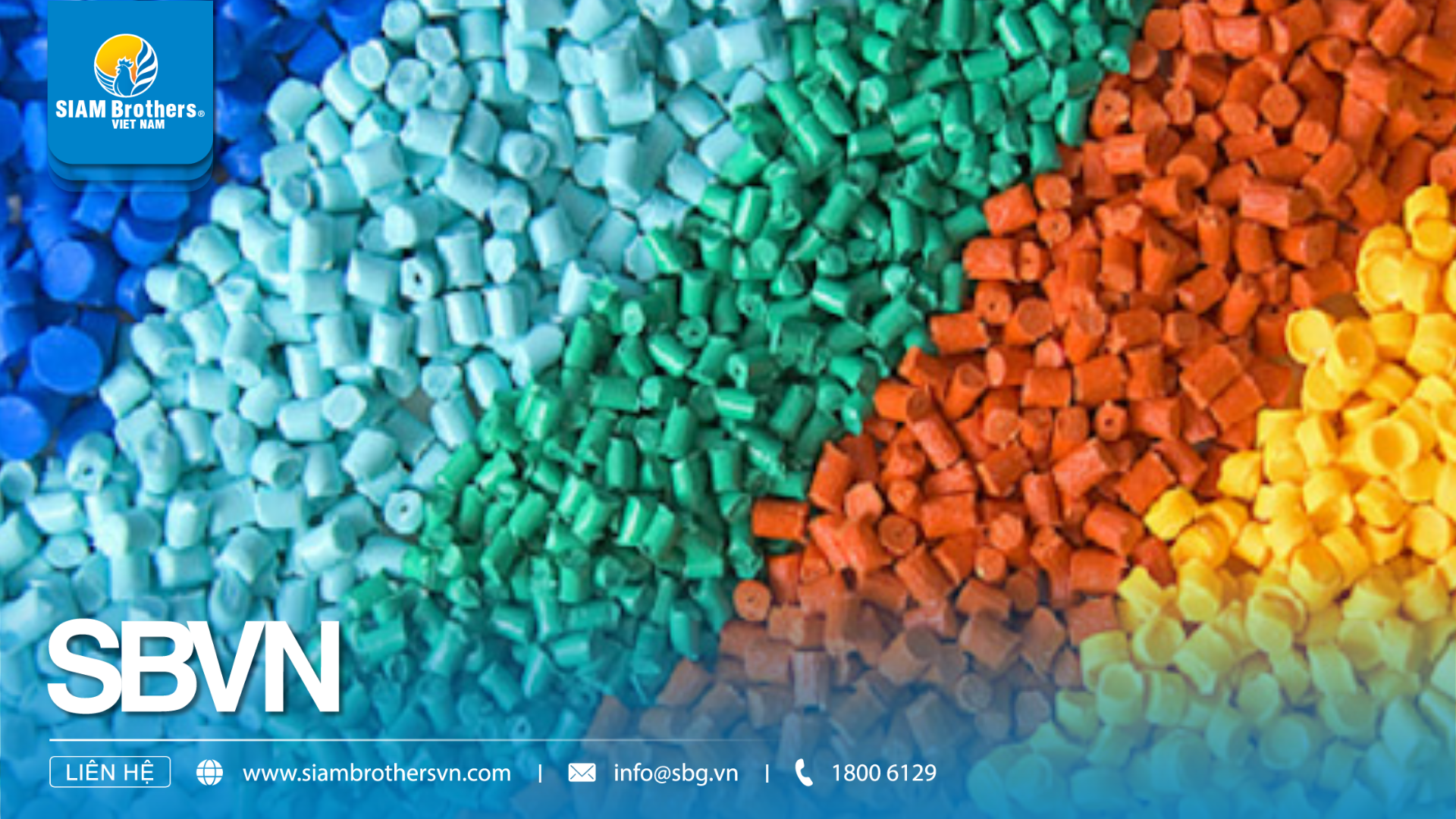
Virgin Plastic is produced directly from unused polymer resin, free from contaminants or recycled additives, ensuring high purity and material consistency.
- This material offers superior mechanical properties, including tensile strength, toughness, UV resistance, and anti-aging performance—making it highly suitable for harsh marine conditions characterized by salinity, UV radiation, and temperature fluctuations.
- For floating cage buoys and ropes, Virgin Plastic delivers high reliability because each polymer molecule maintains a uniform structure, reducing the risk of brittleness, cracking, or load degradation over long-term use.

1.2 What Is Recycled Plastic?
- Recycled plastic is collected from post-consumer or post-industrial products, then shredded, cleaned, and reprocessed into new plastic pellets.
- While it offers cost advantages and is suitable for low-load applications, recycled plastic often contains impurities or degraded polymer chains resulting from repeated thermal processing.
- In marine environments or load-intensive applications such as buoys, mooring lines, and cage ropes, recycled plastic is more prone to reduced tensile strength, lower toughness, faster color fading, and deformation compared to Virgin Plastic.
2. Detailed Comparison: Virgin Plastic vs Recycled Plastic
2.1 Material Composition and Purity
- Virgin Plastic and recycled plastic differ fundamentally at the material structure level, leading to clear performance gaps in floating buoys and ropes.
- Virgin Plastic is manufactured from new polymer resin without contaminants, ensuring long-term purity and stability.
- Recycled plastic, formed through material recovery and reprocessing, shows significant variation in quality, strength, and durability.
2.2 Mechanical Strength and External Forces
2.2.1 Load-Bearing Capacity
- Virgin Plastic offers superior tensile strength, elongation, and shape recovery, making it ideal for ropes operating under continuous load conditions.
- Recycled plastic typically experiences a 10%–30% reduction in mechanical properties due to prior material aging.
2.2.2 Resistance to UV, Saltwater, and Temperature
- Virgin Plastic maintains stable UV resistance, minimizing brittleness under prolonged sun exposure.
- Recycled plastic oxidizes more rapidly, leading to discoloration and reduced service life of HDPE floating cage buoys and marine ropes.
- Virgin Plastic features consistent density, enabling SIAM Brothers Vietnam products to achieve high structural stability and minimal deformation during use.
- Recycled plastic exhibits density and pellet-size variations, increasing the risk of warping and dimensional inconsistency in finished products.
2.4.1 Safety Characteristics
- Virgin Plastic contains no contaminants, heavy metals, or residual byproducts, making it safer for direct contact with aquatic species and water sources.
- Recycled plastic may retain chemical residues from previous use cycles, posing potential risks to aquaculture systems and surrounding environments.
2.4.2 Odor and Color Stability
- Virgin Plastic maintains stable color and does not emit unpleasant odors, even under high temperatures.
- Recycled plastic is more likely to discolor and release odors due to high-temperature reprocessing.
2.5 Suitability for Floating Buoys and Ropes
- Virgin Plastic is the optimal choice for products requiring high durability, structural stability, and environmental safety.
- Recycled plastic is better suited for low-cost applications with minimal mechanical stress or limited long-term exposure to seawater.
3. What Makes Virgin Plastic (PP/PE) Ropes Different?
3.1. Raw Material Origin
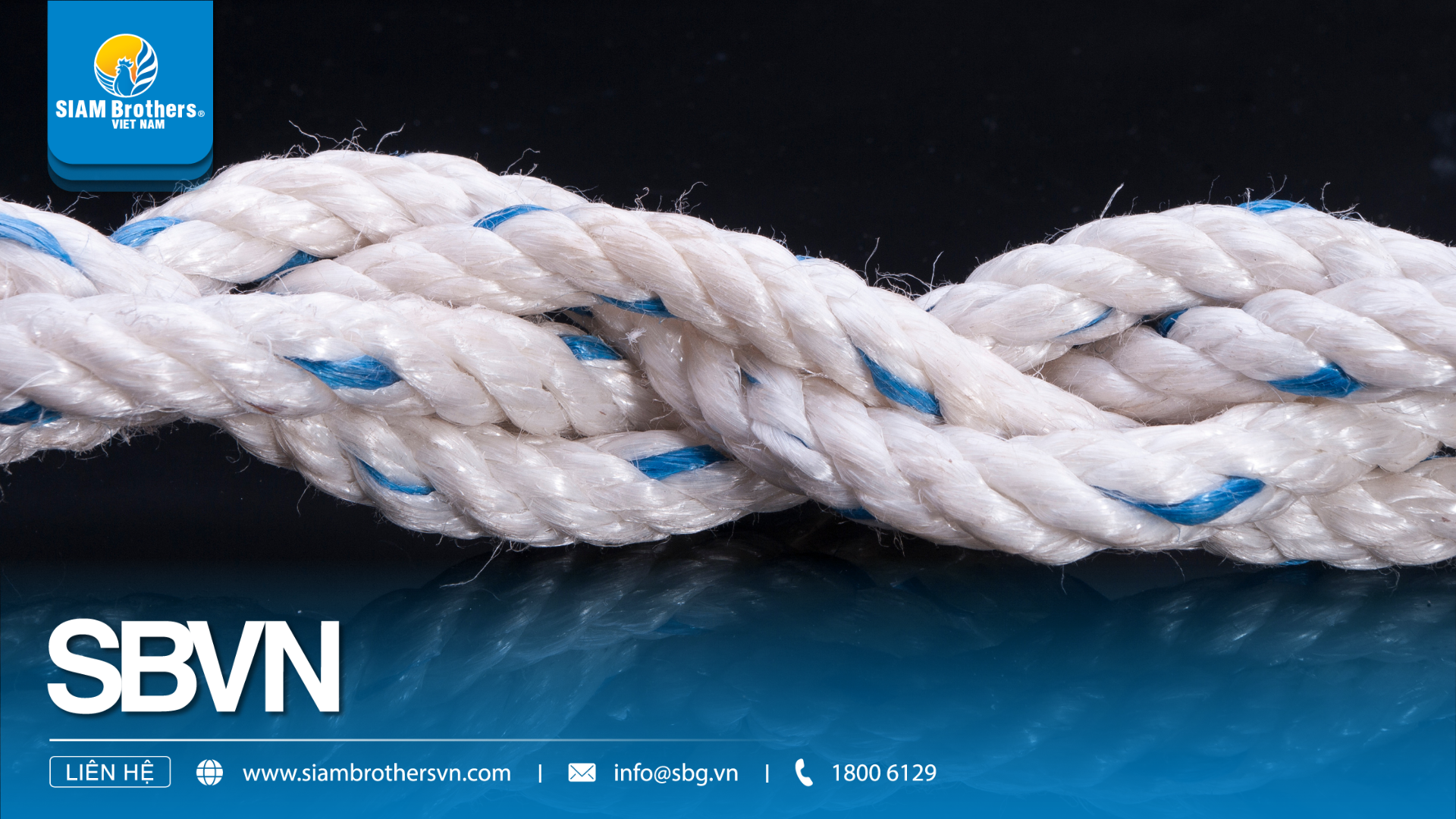
Ropes manufactured from Virgin Plastic PP/PE offer superior structural stability because they are produced from new polymer resin. When used in marine environments or floating cage aquaculture systems, the differences are clearly noticeable through:
- High fiber uniformity, minimizing impurities that weaken rope strength
- Stable density, allowing the rope to maintain its designed buoyancy or sinking performance
- Smooth surface quality, reducing friction during handling and operation
3.2. Durability and Load-Bearing Capacity
- Virgin Plastic enables PP/PE fibers to maintain high tensile strength, ensuring reliable performance under heavy loads or continuous tension during aquaculture operations.
- Stable elongation properties help ropes resist deformation and retain structural integrity throughout their service life.
3.2.2. Resistance to Natural Environments
- Strong UV resistance prevents brittleness or cracking under prolonged sunlight exposure
- Excellent resistance to seawater, alkalinity, and chemicals ensures safe use near HDPE floating cages and aquaculture equipment
3.3. Service Life and Manufacturing Reliability
- Ropes made from Virgin Plastic have a significantly longer service life than those produced from recycled plastic, reducing the risk of unexpected failure in critical tasks such as buoy mooring, cage anchoring, or system stabilization.
- Consistent fiber performance helps maintain operational efficiency while minimizing unplanned maintenance and replacement costs.
3.4. Safety and Versatility Across Applications
3.4.1. Safety for Users and Aquaculture Operations
- Virgin Plastic contains no impurities or residual chemicals, reducing the risk of negative impacts on aquaculture ponds or water sources.
- Color stability and odor resistance meet the strict requirements of professional floating cage systems.
3.4.2. Suitable for Multiple Scales and Environments
- From small fishing vessels to large-scale aquaculture farms, PP/PE ropes made from Virgin Plastic provide the stability needed to operate confidently under harsh weather conditions.
- Their versatility allows use in anchoring, buoy fastening, floating platform stabilization, or machinery towing applications.
3.5. Long-Term Value and Total Cost of Ownership
- Although the initial cost is higher than ropes made from recycled plastic, the superior durability and extended lifespan of Virgin Plastic ropes result in lower replacement costs over time.
- Stable performance reduces the risk of breakage, limits operational losses, and ensures safety throughout system operation.
4. Frequently Asked Questions About Virgin Plastic
4.1. How Is Virgin Plastic Different from Recycled Plastic When Used for Ropes and Floating Buoys?
- Virgin Plastic features high purity and contains no contaminants, delivering excellent tensile strength and stability for PP/PE ropes and HDPE floating buoys.
- Recycled plastic may combine multiple material sources, resulting in less uniform molecular structures and reduced load-bearing capacity in marine environments.
- Under UV exposure, waves, and saltwater conditions, products made from Virgin Plastic consistently offer longer service life with lower risks of brittleness or deformation.
4.2. Is Virgin Plastic Safe for Use in Saltwater Environments?
- Virgin Plastic, particularly PP and PE, has proven resistance to chemicals, corrosion, and oxidation in marine conditions.
- This is why HDPE buoy systems, offshore nets, and mooring lines often prioritize Virgin Plastic to ensure durability and operational safety.
- For industrial-scale marine aquaculture projects, Virgin Plastic helps minimize long-term maintenance and replacement costs.
4.3. What Are the Key Advantages of Ropes Made from Virgin Plastic?
- PP/PE ropes produced from Virgin Plastic achieve higher tensile strength than recycled alternatives, reducing fiber fraying and strength loss over time.
- They absorb minimal water, resist rot, and remain lightweight even during continuous marine operation.
- These characteristics make them ideal for vessel mooring lines, cage anchoring ropes, lifting lines, and safety-critical applications.
4.4. What Certifications Should Be Considered When Choosing Virgin Plastic for Aquaculture Products?
- Common certifications include ISO 9001, national mechanical standards, UV stabilizer compliance, and notably Lloyd’s Register certification for materials used in marine environments.
- Products that meet these standards provide users with confidence in quality, durability, and long-term performance.
- These certifications are also key selection criteria for many SIAM Brothers Vietnam customers operating industrial marine systems.
4.5. When Should Virgin Plastic Be Prioritized Over Recycled Plastic?
- When products are subject to high loads, outdoor exposure, or continuous contact with saltwater
- When long-term stability and extended service life are critical, especially in marine farming, fishing, ports, or river debris barrier systems
- When businesses aim to optimize long-term costs rather than short-term savings from less stable recycled materials
- For critical equipment such as mooring ropes, floating cage buoys, and HDPE floats, choosing Virgin Plastic is a strategic decision that minimizes risk and enhances operational safety.

Virgin Plastic remains the optimal choice for ropes and floating buoys due to its high tensile strength, superior UV resistance, and long-term stability in saltwater environments. Compared to recycled plastic, Virgin Plastic maintains a more consistent structure, reduces the risk of brittleness, and supports safer, more reliable marine aquaculture operations. Selecting the right material not only determines equipment lifespan but also directly impacts overall investment efficiency. If you need expert consultation on ropes, HDPE buoys, or Virgin Plastic solutions for marine projects, contact SIAM Brothers Vietnam for professional support and tailored quotations.
Source: SIAM Brothers Vietnam
Contact us:
► Address: 5th floor, VRG Building, 177 Hai Ba Trung Street., Xuan Hoa Ward, Ho Chi Minh City, Vietnam
► Hotline: 1800 6129
► Tel: (+84) 28 38 912 889
► Email: info@sbg.vn
► Follow us for more details at: Facebook - Zalo OA - Tiktok - Youtube - LinkedIn
Download SBVN ID app here:
► CHPlay
► Appstore