
- 1800 6129

Is your HDPE Plastic Float still capable of protecting your fish cage system or floating structure as storm season approaches? It's a question every aquaculture business, fish farmer, and floating infrastructure operator should be asking before severe weather arrives.
In this article, SIAM Brothers Vietnam shares three key warning signs that indicate it's time to replace your HDPE Plastic Float before the storm season. You'll also learn how to choose the right replacement solution to keep your floating system safe, reliable, and operating efficiently for years to come.
Storm season places enormous stress on floating fish cages, floating docks, pontoons, and other water-based structures. Strong waves, high winds, changing currents, and floating debris can all put your floating system under constant pressure.
Although an HDPE Plastic Float is well known for its durability, corrosion resistance, and long service life, regular inspections are still essential to ensure the system performs reliably under extreme weather conditions.
Based on SIAM Brothers Vietnam's field experience, many failures are not caused by manufacturing defects. Instead, they happen because aging floats are left in service for too long without proper inspection or timely replacement. In many cases, the reduced performance of just a few floats is enough to compromise the stability of an entire floating structure.
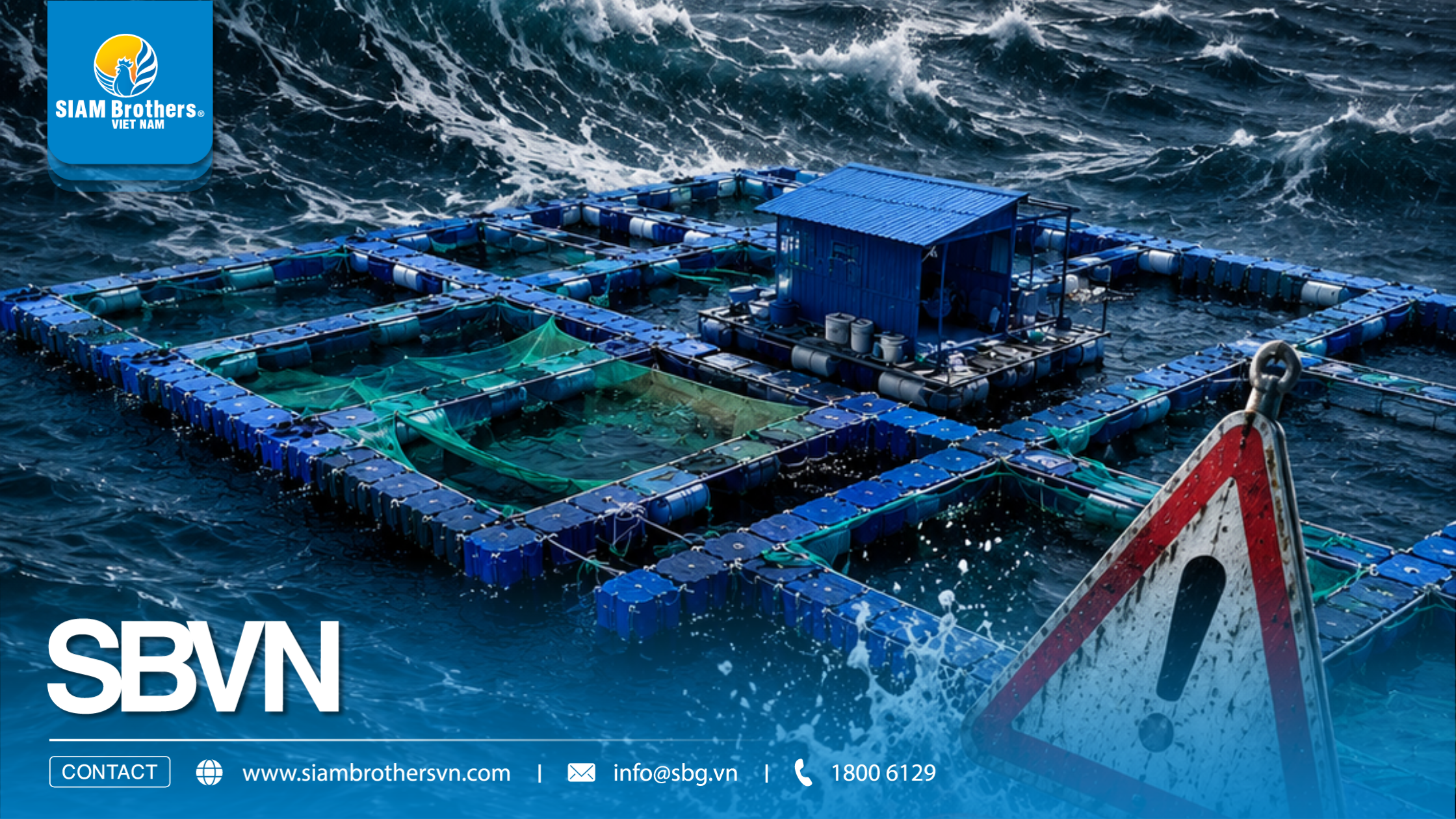
Under normal operating conditions, a floating system usually remains stable. However, when storms or tropical depressions arrive, structural loads increase significantly.
Common factors include:
If an HDPE Plastic Float has already begun to age or lose part of its structural strength, these conditions can accelerate deterioration and increase the risk of system failure during severe weather.
Many operators wait until after a storm to inspect their floating systems. Unfortunately, that's often when the damage has already been done—and repair costs can be much higher.
Inspecting your system before storm season offers several advantages:
For example, replacing only a few worn HDPE Plastic Floats before storm season is typically far more cost-effective than repairing an entire marine fish cage system after severe weather has caused extensive damage.
A damaged float affects much more than the structure itself. It can also create safety risks for workers and disrupt normal operations.
Potential consequences include:
Not every HDPE Plastic Float needs to be replaced after the same number of years. In reality, its service life depends on several factors, including the operating environment, workload, maintenance practices, and weather exposure.
Instead of relying solely on age, it's more effective to assess the float's actual condition. Identifying early warning signs allows you to replace damaged units at the right time—before they become a safety risk during the storm season.
Based on field inspections and technical support provided by SIAM Brothers Vietnam, the following are the three most common indicators that your HDPE Plastic Float may be ready for replacement.
This is often the easiest sign to spot, yet it's also one of the most overlooked. Many operators assume that small surface imperfections are simply cosmetic and don't affect performance.
Take a closer look if you notice any of the following:
Under continuous exposure to strong sunlight, heavy waves, and repeated impacts, even small cracks can gradually expand. Once storm conditions arrive, these weakened areas are much more likely to fail under increased loads.
For example, a fish cage installed near a coastal inlet is constantly exposed to wave action. If one or more floats already have surface cracks before storm season, the risk of structural failure increases significantly when strong winds and floating debris hit the system.
A high-quality HDPE Plastic Float should provide stable buoyancy throughout its service life. If your floating system begins to lose balance or sit lower in the water than usual, it's time for a thorough inspection.
Common warning signs include:
These symptoms may indicate that the float's performance has declined or that the system is carrying more weight than it was originally designed to handle.
According to SIAM Brothers Vietnam's technical team, many customers only recognize the issue after the floating structure has already become noticeably unstable. Regular inspections before the storm season make it much easier to detect these problems early and take corrective action before serious damage occurs.
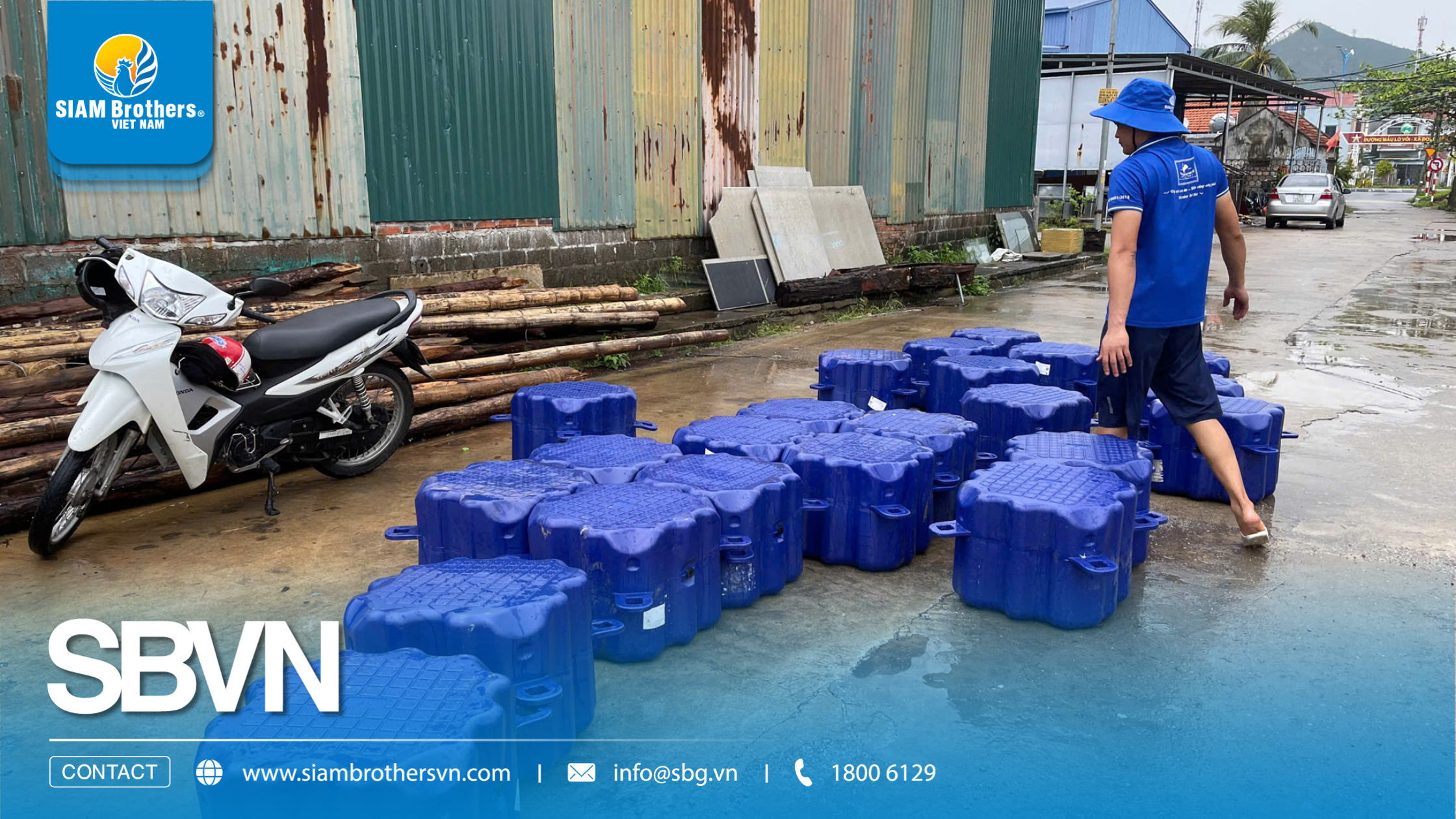
Even if there are no obvious signs of damage, an HDPE Plastic Float that has been operating for many years in demanding environments should be evaluated before storm season begins.
This is particularly important for systems installed in:
Over time, environmental conditions and continuous operation gradually affect the material's overall performance. While replacing every float at once is rarely necessary, a comprehensive inspection helps identify which units should be replaced and which remain safe for continued use.
The technical and engineering team at SIAM Brothers Vietnam recommends scheduling a full system inspection before every storm season. This proactive approach helps extend the service life of your floating system, reduces unexpected maintenance costs, and improves operational safety when severe weather arrives.
Ignoring early signs of wear may seem like a way to save money, but in reality, delaying replacement often leads to greater risks and higher repair costs. Based on SIAM Brothers Vietnam's technical experience, many storm-related failures begin with a small issue that could have been identified and resolved during routine inspections.
When an HDPE Plastic Float loses part of its load-bearing capacity, the impact is rarely limited to a single float. It can affect the stability of the entire floating structure.
Common issues include:
For example, if only a few floats at one corner of a fish cage lose buoyancy, the entire structure can become unevenly loaded. Once storm conditions arrive, waves and strong winds place even greater stress on the remaining floats, increasing the likelihood of widespread structural damage.
This is one of the most common consequences of failing to inspect and replace an HDPE Plastic Float at the right time.
Potential costs may include:
In many real-world cases, repairing storm damage costs significantly more than replacing aging floats before severe weather arrives.
For aquaculture businesses and fish farmers, the stability of a floating system directly affects daily operations and production efficiency.
When an HDPE Plastic Float can no longer perform as intended, you may experience:
Even a few days of downtime for repairs can disrupt production schedules and increase operating expenses.
Beyond equipment damage, worker safety should always be a top priority.
A floating system supported by deteriorated HDPE Plastic Floats may result in:
These risks often go unnoticed until severe weather exposes the weaknesses of the entire system.
According to the engineering and technical team at SIAM Brothers Vietnam, evaluating the condition of your HDPE Plastic Float before storm season should be part of a routine maintenance program—not something that happens only after a failure.
To minimize risk, consider the following steps:
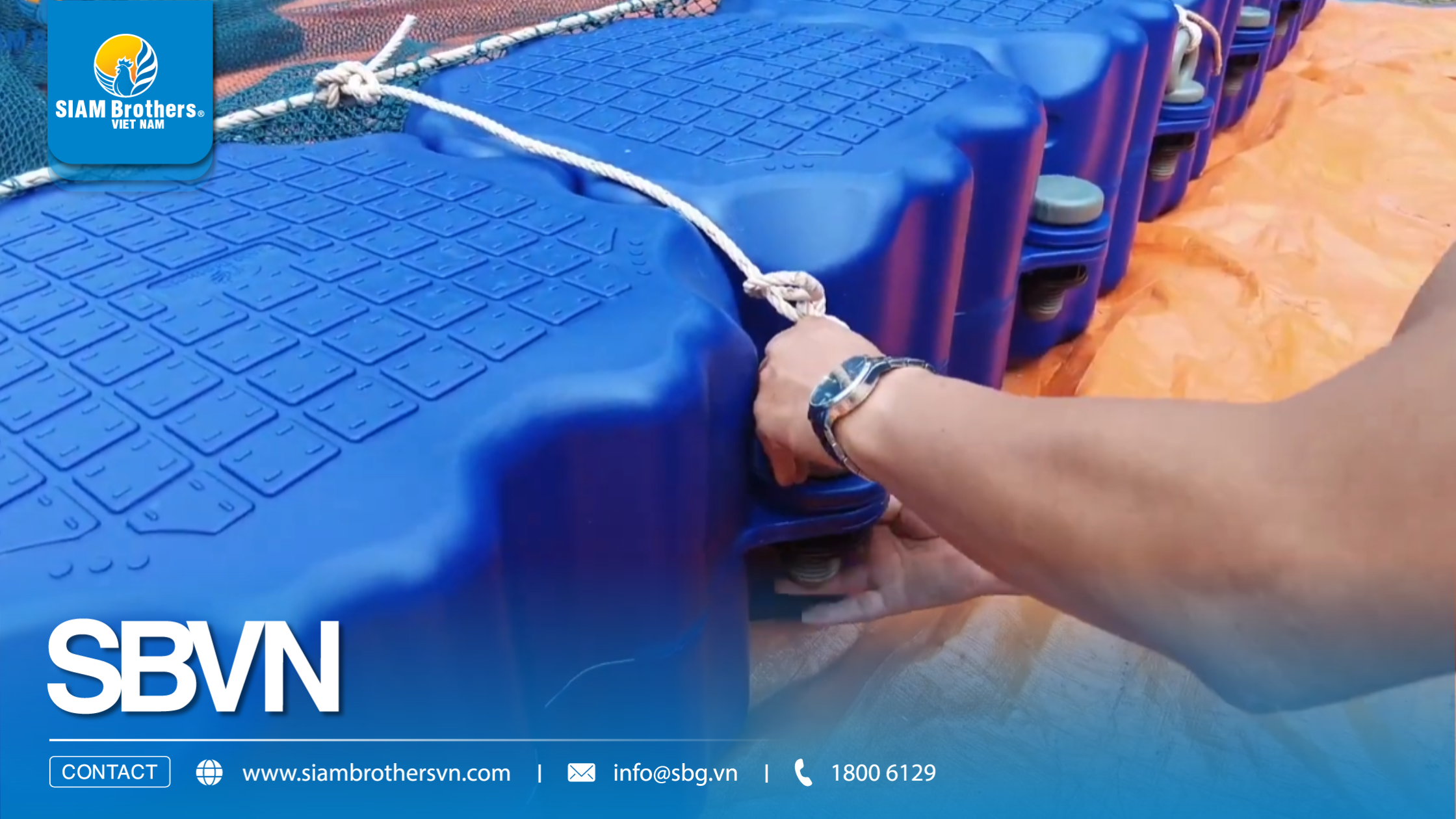
Replacing worn floats is only part of the solution. Choosing the right HDPE Plastic Float for your operating environment is equally important to ensure long-term safety, reliability, and cost efficiency.
The material used to manufacture an HDPE Plastic Float plays a major role in its durability and service life.
Look for products that offer:
For floating structures that operate outdoors year-round, investing in premium-quality floats from the beginning is often more economical than frequent replacements.
One of the most common mistakes is choosing an HDPE Plastic Float based only on size or price.
Before making a decision, consider:
For example, offshore fish cages exposed to frequent wave action require floats with higher load capacity and impact resistance than systems installed in reservoirs or freshwater ponds.
In many cases, instability is caused by more than just the HDPE Plastic Float itself.
A complete inspection should also include:
A comprehensive inspection helps identify the root cause of the problem and prevents situations where new floats are installed but the system still performs poorly.
Selecting the right supplier is just as important as selecting the right product.
Look for a manufacturer that offers:
These advantages give businesses and project owners greater confidence, especially when preparing for storm season.
SIAM Brothers Vietnam's engineering and R&D teams recommend replacing aging HDPE Plastic Floats before severe weather arrives rather than waiting until damage occurs.
A practical replacement plan should include:
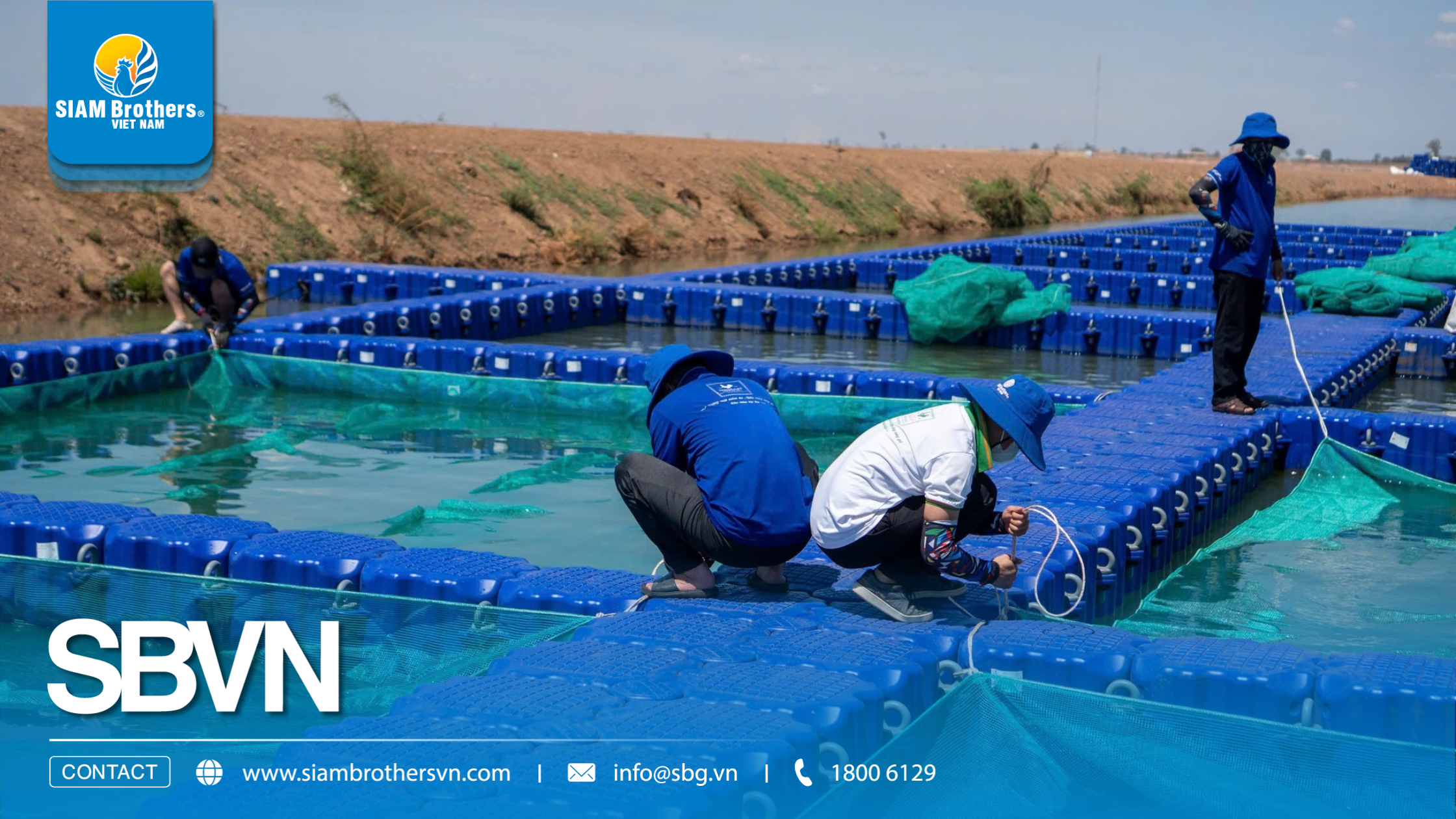
There isn't a one-size-fits-all inspection schedule for every floating structure. The ideal inspection frequency depends on the operating environment, usage intensity, and weather conditions.
It's recommended to inspect your HDPE Plastic Float at the following times:
For offshore installations, regular inspections help detect potential issues early, extend the service life of the system, and significantly reduce future repair costs.
Not necessarily.
In many cases, only the floats installed in high-load areas or those exposed to harsher operating conditions require replacement.
The technical team at SIAM Brothers Vietnam generally recommends:
This approach helps optimize maintenance costs while maintaining the structural integrity and safety of the floating system.
Not always.
Surface fading is usually a sign that the float has been exposed to sunlight and UV radiation over an extended period. However, color alone isn't enough to determine whether replacement is necessary.
You should also check for:
If the float has only changed color while its structure remains intact and continues to meet technical requirements, the HDPE Plastic Float can typically remain in service after a thorough inspection.
You don't need specialized equipment to identify the early warning signs. Careful visual inspections during routine maintenance are often enough.
A well-performing HDPE Plastic Float should have the following characteristics:
If several warning signs appear at the same time, a comprehensive inspection is recommended to determine whether maintenance or replacement is the best solution.
Based on the experience of SIAM Brothers Vietnam's engineering team, proactive replacement before storm season is both safer and more cost-effective than waiting for damage to occur.
Key benefits include:
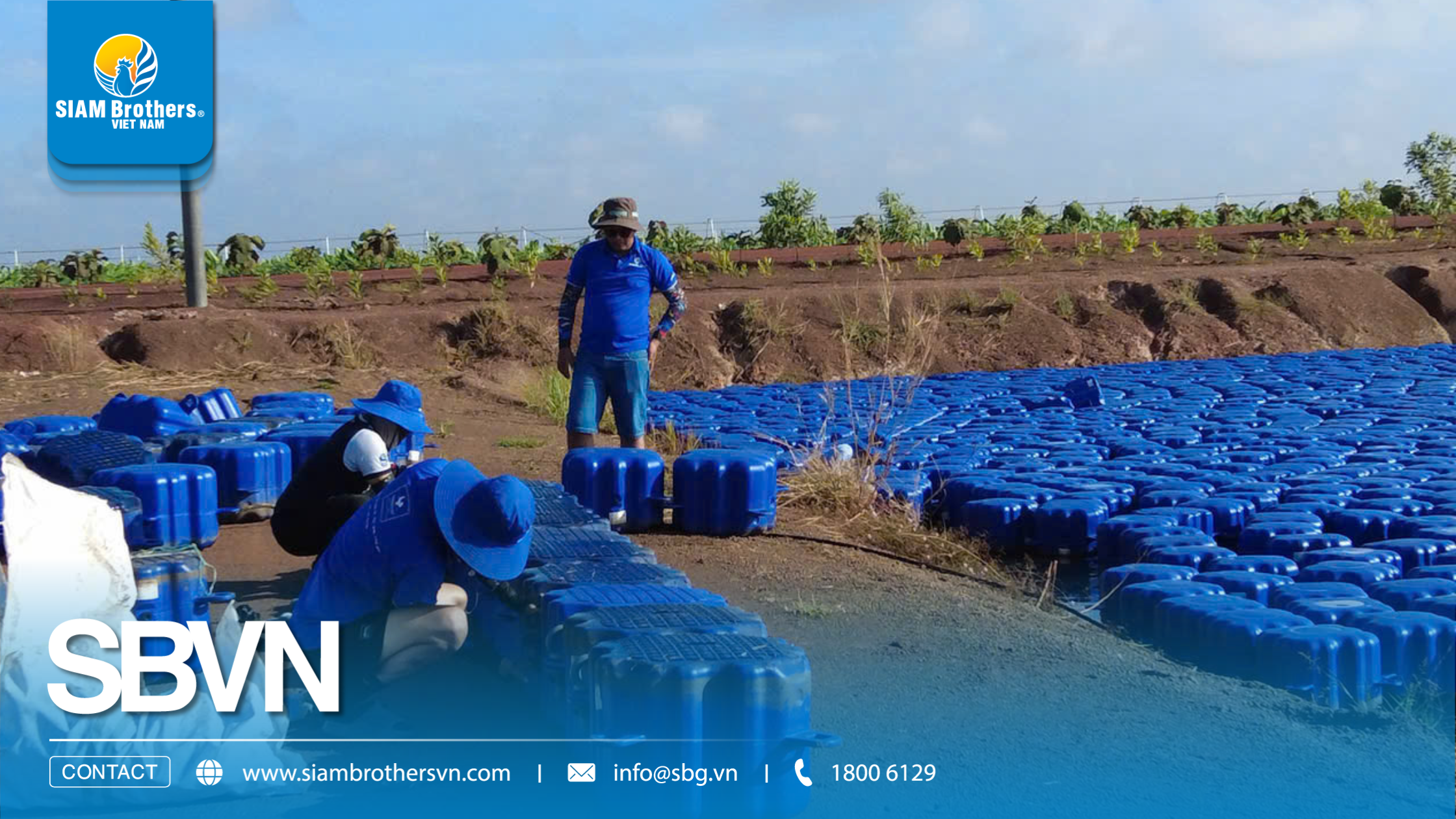
An HDPE Plastic Float plays a vital role in maintaining the stability, safety, and long-term performance of fish cage systems, floating docks, and other floating structures—especially as storm season approaches. By recognizing the three key warning signs of deterioration, performing regular inspections, and replacing aging floats at the right time, you can reduce the risk of structural damage, minimize operational downtime, and lower long-term maintenance costs.
If you're looking for expert advice on selecting the right HDPE Plastic Float for your application or would like a professional assessment of your existing floating system, contact SIAM Brothers Vietnam. Our engineering team is ready to provide tailored recommendations and reliable solutions to help your operations stay safe, efficient, and prepared for the challenges of the storm season.
Source: SIAM Brothers Vietnam
Contact us:
► Address: 5th floor, VRG Building, 177 Hai Ba Trung Street., Xuan Hoa Ward, Ho Chi Minh City, Vietnam
► Hotline: 1800 6129
► Tel: (+84) 28 38 912 889
► Email: info@sbg.vn
► Follow us for more details at: Facebook - Zalo OA - Tiktok - Youtube - LinkedIn
Download SBVN ID app here:
► CHPlay
► Appstore









Specializing in Agricultural and Fisheries Products & Multipurpose Wire