
- 1800 6129

Can beach safety buoys really keep swimming boundaries in place when strong waves hit and currents change direction? The answer isn't just about the buoys themselves. It's about choosing and installing the right boundary system. For resorts, coastal tourist destinations, and beach operators, buoys need to be highly visible, suitable for local water conditions, and securely connected with ropes, fittings, and properly designed anchors. Choosing the wrong materials, spacing the buoys incorrectly, or skipping regular inspections can cause the boundary to shift, making swimming areas harder to manage. In this guide, we'll walk you through how beach safety buoy systems work, what to look for when choosing equipment, the basic installation process, and what information you'll need to request a quote from SIAM Brothers Vietnam.
Beach safety buoys are floating markers installed on the water's surface and connected with ropes and anchoring systems to mark designated swimming boundaries. They help swimmers identify where they should stay while making it easier for beach operators to manage swimming areas.
Picture a busy resort beach. A line of floating buoys stretches across the water, connected by marine-grade ropes and secured to anchors beneath the surface. Together, these components help keep the swimming boundary in position despite the movement of waves and currents.
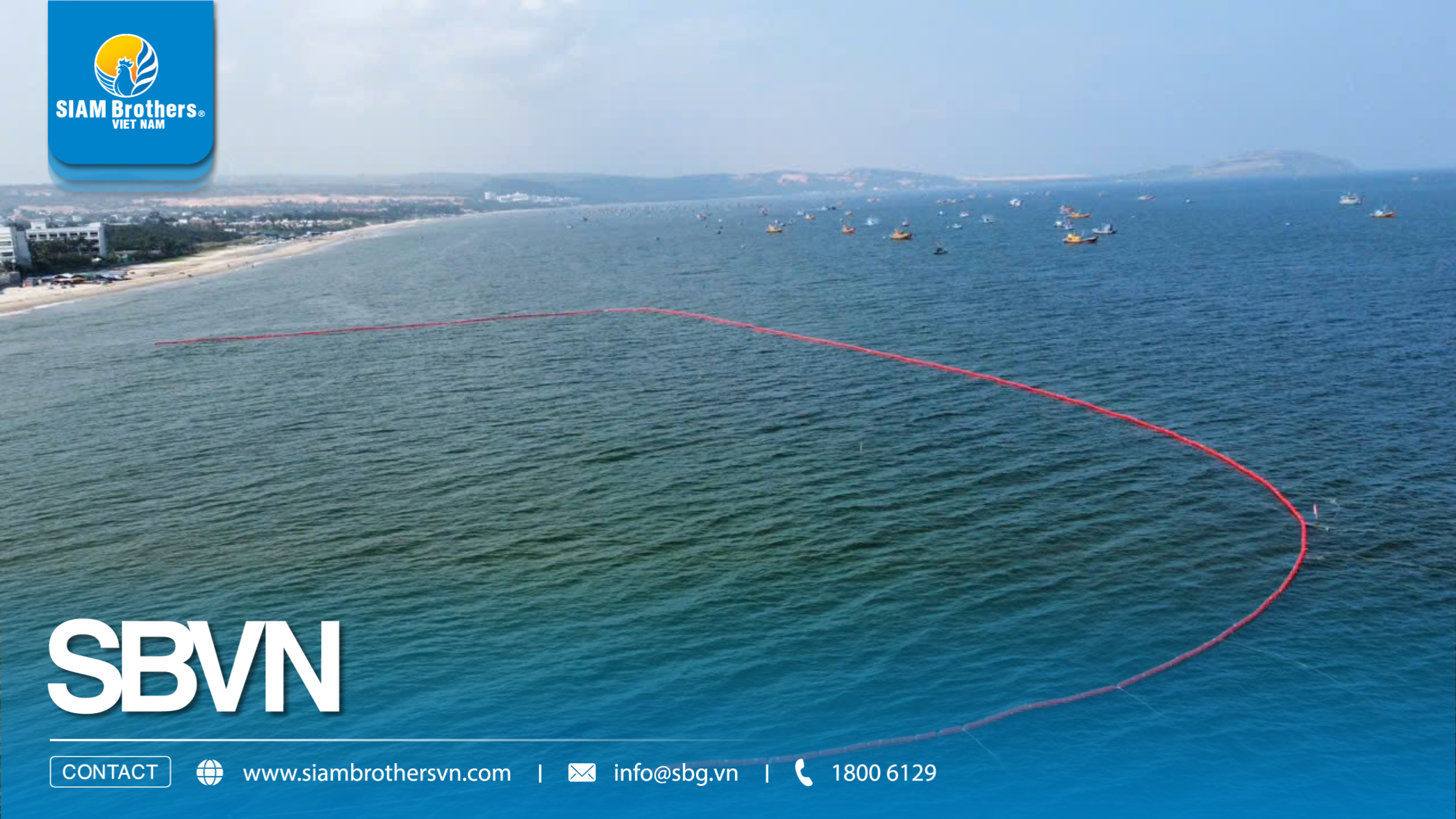
A typical swimming area boundary system includes several key components:
So, how does the system actually work? It's fairly straightforward. The buoys provide flotation, the connecting ropes maintain the boundary line, and the anchoring system helps limit movement caused by waves, wind, and currents.
Keep in mind that no buoy can prevent drifting entirely on its own. How well the system holds its position depends on water depth, wave conditions, external loads, and the overall anchoring design.
At resorts, tourist beaches, and public swimming areas, beach safety buoys do more than mark a boundary. They also help operators organize and monitor activities in the water.
Here are some of their main benefits:
For example, imagine a beachfront resort located near an area where boats regularly pass. A clearly marked buoy boundary helps guests recognize the designated swimming zone and makes it easier for staff to monitor the area and guide swimmers when needed. However, boundary buoys are only one part of beach safety. They do not replace lifeguards, warning signs, or other safety measures.

Choosing the right beach safety buoys isn't just about finding the largest or cheapest option. You also need to consider the materials, buoy size, water conditions, connecting ropes, and anchoring system. The best choice is one that works as a complete system and suits the conditions of your beach.
When selecting swimming area boundary buoys, pay attention to the following factors:
For example, at a busy resort beach, the buoys should be visible enough for swimmers to recognize the boundary. If the area regularly experiences waves, you'll also need to consider how well the buoys withstand movement and repeated loading.
Not every beach needs the same buoy layout or anchoring arrangement.
Before purchasing beach safety buoys, consider these factors:
For instance, a small beach sheltered from strong waves may need a relatively simple boundary arrangement. A larger beach with seasonal currents, however, will usually require a more detailed site assessment and engineering calculations to reduce unwanted movement.
Found the right buoys but still worried they'll move when the sea gets rough?
That's where the connecting ropes and anchoring system come in.
For example, when installing a swimming boundary near an area with strong currents, using high-strength rope is important, but it isn't enough on its own.
If the anchors aren't secure or the rope lengths are unsuitable, the buoy line may still move significantly when larger waves arrive.
The key takeaway? Think of the buoys, ropes, fittings, and anchors as one complete system rather than separate products.
For long-term installations, consulting equipment suppliers and qualified technical specialists can help you select materials that suit the site and avoid unnecessary repairs or replacement costs.
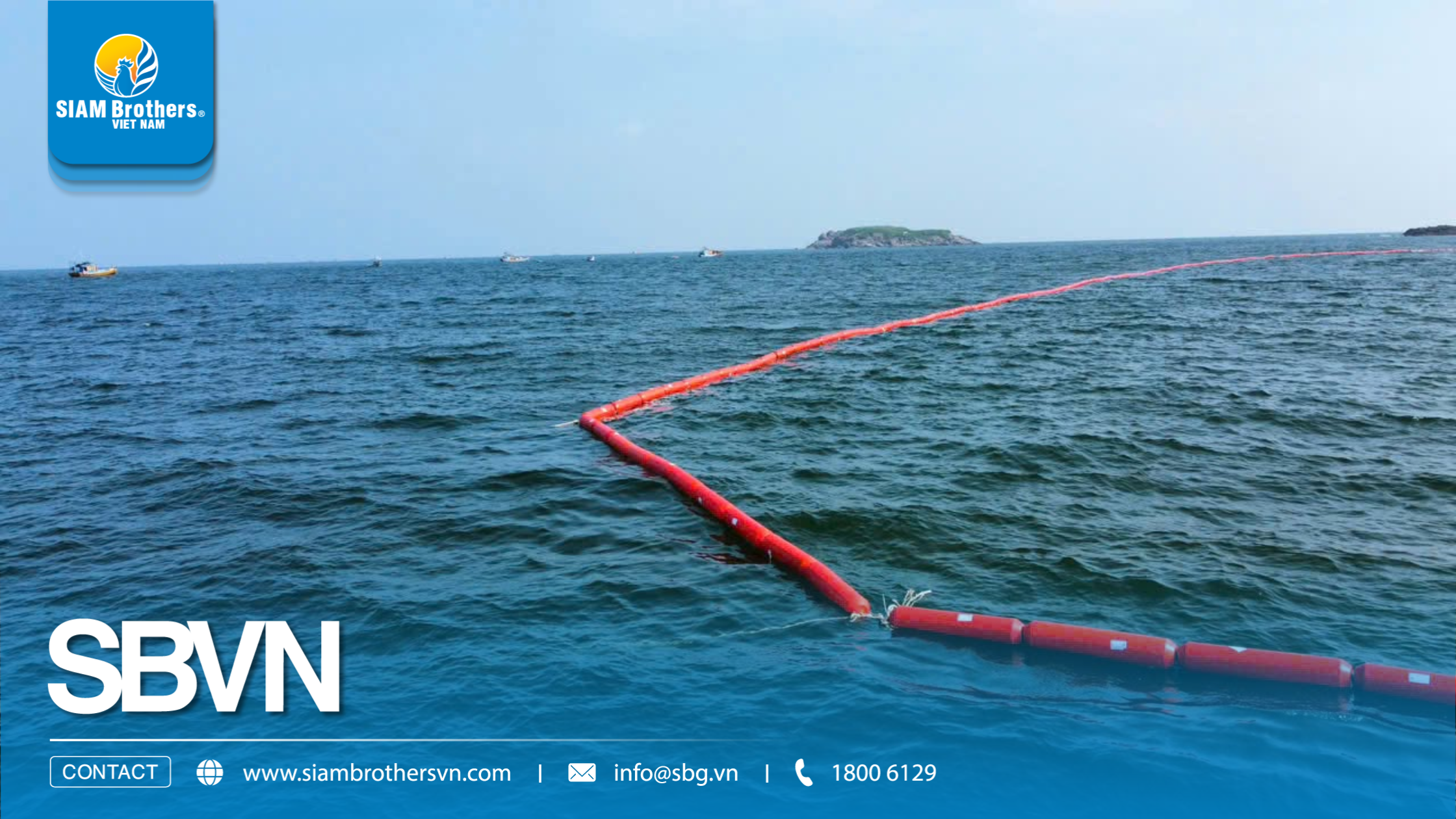
Installing a beach safety buoy system involves three main stages: surveying the site, positioning the buoys and anchors, and inspecting the completed system. Following a properly engineered installation plan helps reduce unwanted buoy movement and creates a clear boundary for managing swimming areas.
Before installing the buoys, start with a site survey.
Here are the main factors to assess:
For example, imagine a resort beach with a gently sloping seabed and noticeable tidal changes.
A proper survey helps the installation team identify suitable anchor positions and avoid mooring ropes becoming excessively tight or slack as water levels change.
Once the site assessment is complete, the next step is installing the swimming area boundary buoys, connecting ropes, and anchoring system.
Key steps include:
The distance between buoys and anchor points should be determined by the system design, expected loads, and actual site conditions.
For instance, at a beach exposed to strong waves, simply choosing a thicker rope doesn't guarantee a stable installation.
If the anchors or connecting hardware cannot handle the loads, the buoy line may still shift out of position.
Once installation is complete, don't open the swimming area immediately.
First, inspect the entire buoy line to make sure the system is working as intended.
For example, after a period of rough weather, beach staff might notice that part of the buoy line has shifted or a mooring rope has started to fray.
In that situation, the affected area should be restricted until the system has been inspected and any necessary repairs have been completed.
An important safety reminder: Offshore buoy installations should be carried out by qualified professionals and follow the approved engineering design and relevant regulatory requirements. Moving buoys or changing anchor positions without assessing the safety implications can create unnecessary risks.
And remember, proper installation is only the beginning. Regular inspections, maintenance, and timely repairs are essential for long-term operation.
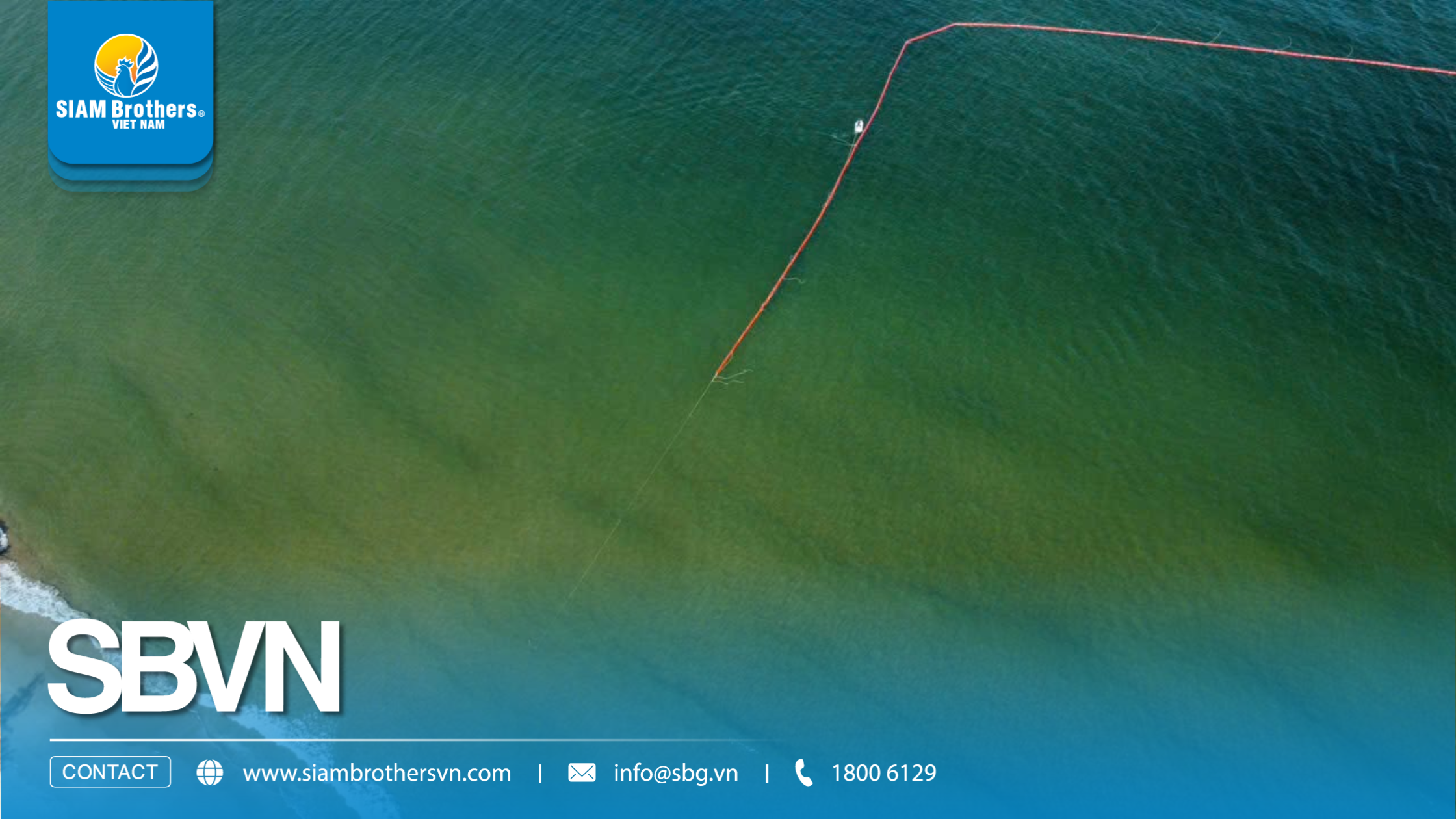
Yes, provided the complete buoy system is engineered for the site's actual wave conditions. Its ability to maintain position depends on the buoy design, connecting ropes, and anchoring system.
Key factors include:
For example, a beach frequently exposed to rough waves will need a different anchoring arrangement from a sheltered swimming area.
If weather conditions exceed the system's design limits, swimming activities may need to be restricted or suspended.
The number of buoys depends on the boundary length, buoy spacing, and water conditions. There isn't a fixed quantity that works for every beach.
To estimate the number required, you'll need to know:
For example, a 100-meter swimming boundary cannot be accurately specified based on length alone.
The installation team must first determine suitable buoy spacing and anchoring requirements before calculating the total equipment needed.
Yes. Regular inspection and maintenance are essential for keeping beach safety buoy systems in good working condition.
Routine checks help identify damage, reduce the risk of unwanted movement, and maintain the visibility of swimming boundaries.
Important inspection points include:
After rough seas or storms, inspect the complete system before allowing swimmers back into the affected area. The maintenance schedule should follow technical guidance and reflect the site's actual operating conditions.
The cost of a beach safety buoy system depends on the buoy type, size, quantity, and anchoring arrangement.
Since every installation has different requirements, project costs should be assessed individually.
The main factors affecting price include:
If you're planning to purchase beach safety buoys for a resort, tourist destination, or public beach, it's helpful to prepare information about the installation location, boundary length, water depth, and typical wave conditions.
These details will make it easier for a supplier to understand your needs and prepare a more accurate quotation.
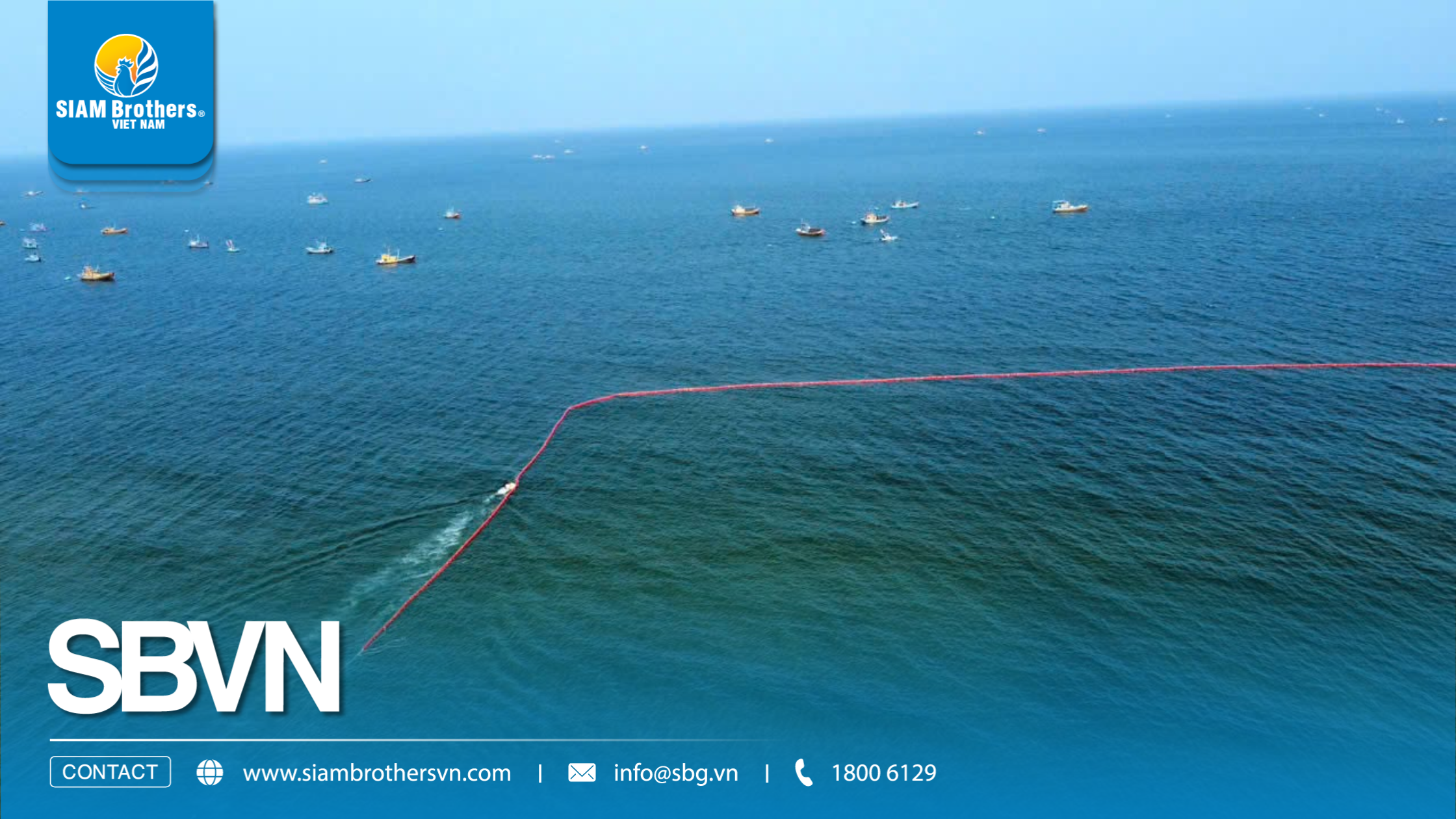
SIAM Brothers Vietnam supplies ropes and marine-related materials for a wide range of applications. You can contact our team to discuss suitable products from our available range and request a quotation based on your requirements. For a complete swimming area boundary system, the equipment configuration and scope of supply should be confirmed before placing an order.
Beach safety buoys help define swimming boundaries, support beach management, and make designated swimming areas easier for visitors to recognize. For the system to perform reliably, you need to choose buoys that suit local wave conditions and pair them with properly designed connecting ropes, fittings, and anchors. A thorough site survey, correct installation, and regular inspections are just as important. Together, these steps help reduce unwanted buoy movement and identify potential damage before it becomes a bigger problem.
Planning a swimming area boundary system for a resort, tourist destination, or public beach? Contact SIAM Brothers Vietnam today to discuss suitable materials and request a quotation based on your project's requirements. Our team can help you explore available options to manage costs and support long-term operation.
Source: SIAM Brothers Vietnam
Contact us:
► Address: 5th floor, VRG Building, 177 Hai Ba Trung Street., Xuan Hoa Ward, Ho Chi Minh City, Vietnam
► Hotline: 1800 6129
► Tel: (+84) 28 38 912 889
► Email: info@sbg.vn
► Follow us for more details at: Facebook - Zalo OA - Tiktok - Youtube - LinkedIn
Download SBVN ID app here:
► CHPlay
► Appstore







Specializing in Agricultural and Fisheries Products & Multipurpose Wire