
- 1800 6129

Is choosing a Marine Trash Barrier Float based on price alone really the smartest investment? In reality, the long-term performance of a floating debris barrier system depends on much more than its material. Wave conditions, water currents, debris loads, and installation methods all play a critical role in determining how effectively the system performs. In this article, you'll discover five essential criteria for selecting the right Marine Trash Barrier Float for different operating environments. We'll also share practical insights to help businesses, project owners, and contractors make informed, cost-effective, and sustainable investment decisions.
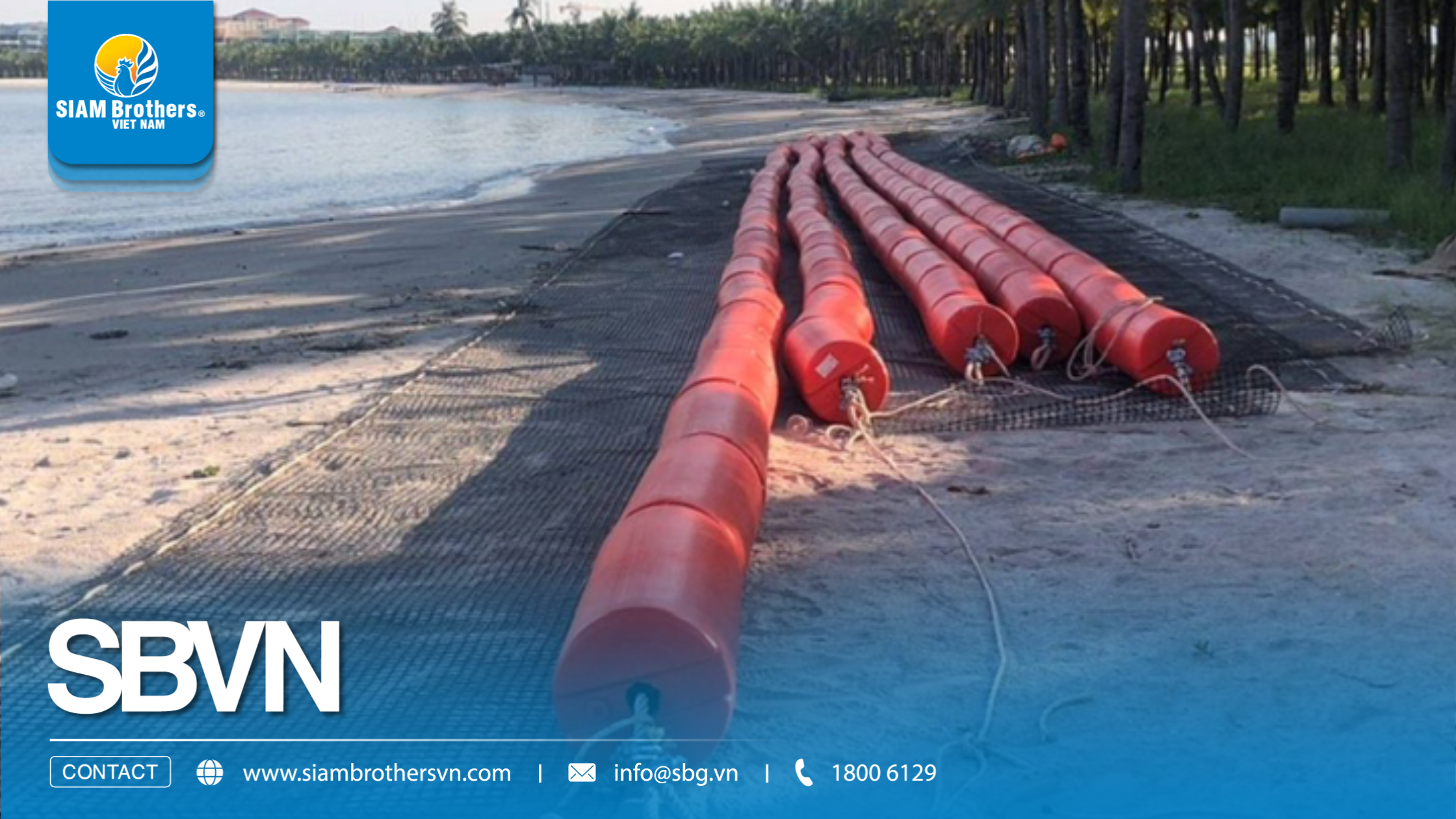
A Marine Trash Barrier Float is a floating barrier system designed to intercept, collect, and contain floating debris before it drifts into open waters or reaches environmentally sensitive areas. These systems are commonly installed at river mouths, drainage outlets, seaports, coastal tourist destinations, marinas, and other waterways where floating waste accumulates.
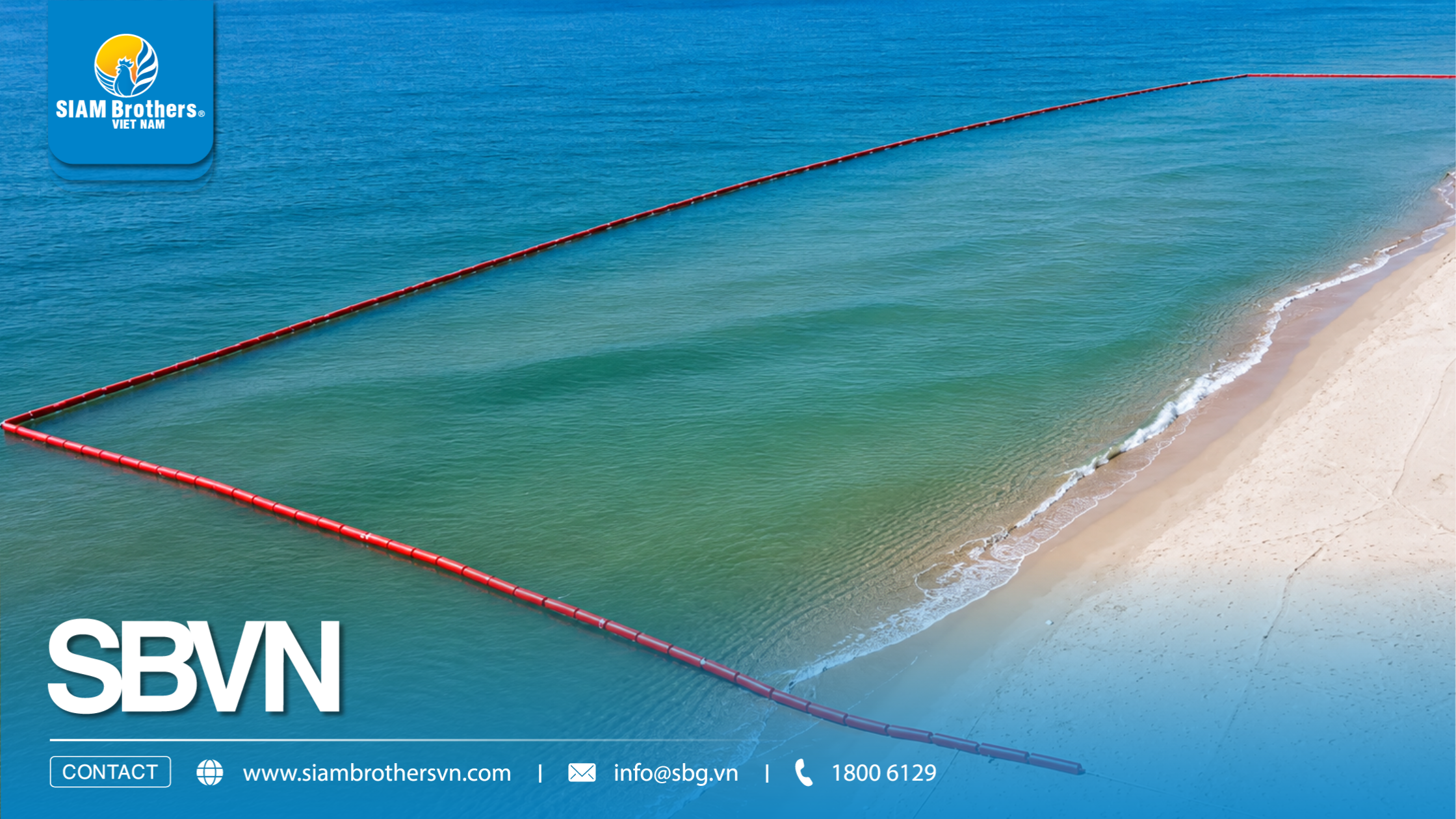
A complete Marine Trash Barrier System typically includes:
Rather than collecting debris after it has spread across a large area, a Marine Trash Barrier Float captures floating waste at its source. This approach improves collection efficiency, reduces labor requirements, and lowers long-term maintenance and operational costs.
Why Is It Important to Choose the Right Marine Trash Barrier Float from the Beginning?
One of the most common mistakes in infrastructure projects is focusing primarily on the purchase price while overlooking the site's actual operating conditions. As a result, many floating barrier systems experience premature wear, reduced performance, or costly repairs.
Choosing the right Marine Trash Barrier Float offers several long-term advantages:
For example, a floating barrier installed at a river mouth with strong seasonal currents requires a completely different configuration from one used in a calm coastal resort lagoon. Applying the same design to both locations can significantly reduce collection efficiency and increase the risk of system failure.
Key Factors That Affect the Performance of a Marine Trash Barrier Float
To ensure reliable long-term operation, selecting the right system should always begin with a comprehensive site assessment rather than simply comparing product specifications.
Key factors to evaluate include:
According to the engineering, R&D, and manufacturing teams at SIAM Brothers Vietnam, every project presents unique environmental challenges. Conducting a detailed site survey before designing and manufacturing the system helps optimize performance, improve durability, and maximize long-term return on investment.
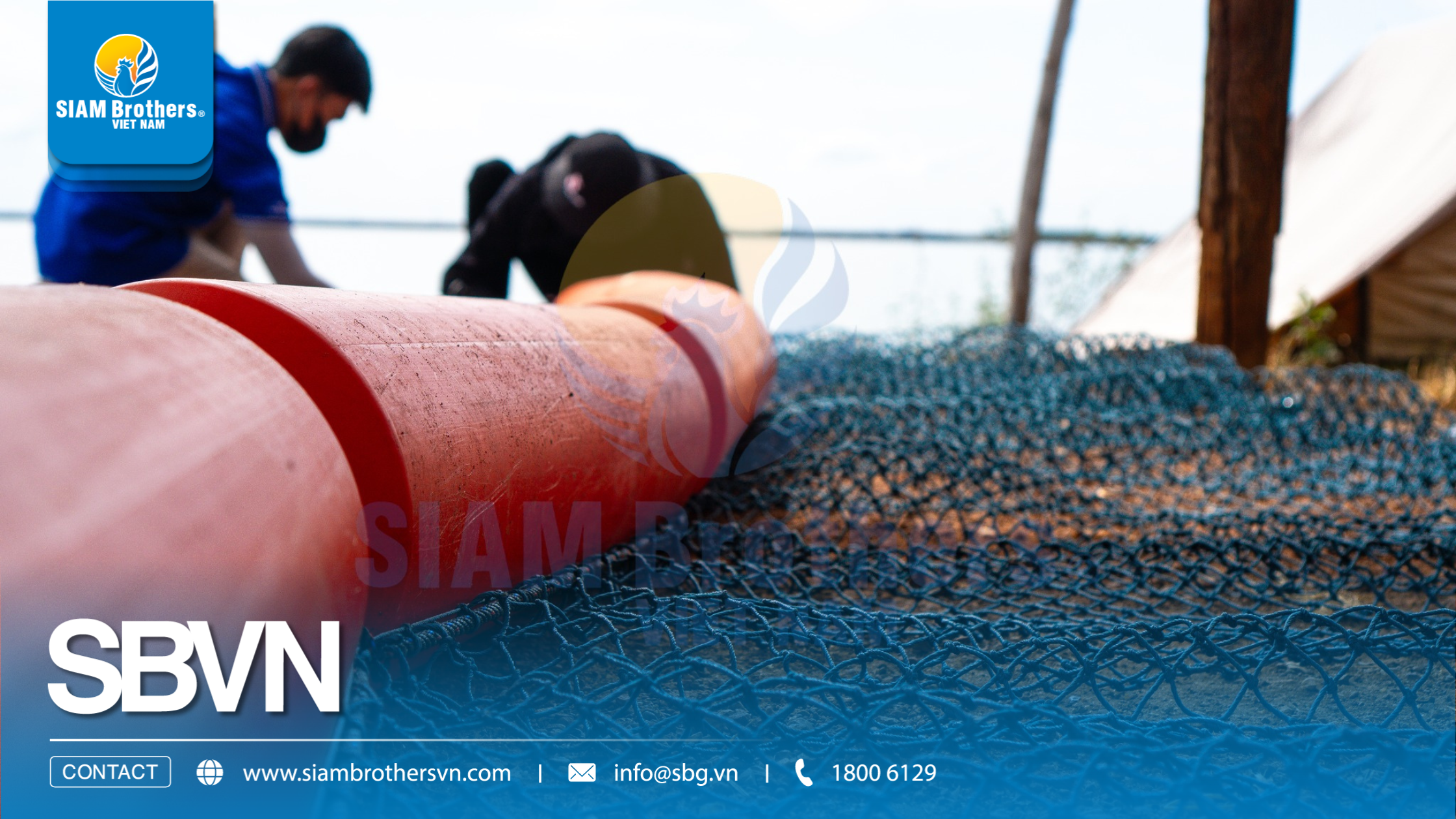
Now that you understand the role of a Marine Trash Barrier Float, the next question is: How do you choose the right system for your project?
The answer depends on where the system will be installed. A floating barrier that performs well at a river mouth may not be the best choice for a busy seaport or a coastal tourist destination. Each site has its own environmental conditions, debris characteristics, and operational requirements.
Based on practical project experience, the engineering, R&D, and manufacturing teams at SIAM Brothers Vietnam recommend evaluating the following five criteria before selecting a Marine Trash Barrier Float.
Marine environments are among the harshest operating conditions for floating infrastructure. Continuous exposure to sunlight, saltwater, waves, and wind means that the material quality directly affects the lifespan and reliability of the entire barrier system.
When selecting a Marine Trash Barrier Float, look for the following features:
For example, floating barriers installed in busy seaports are frequently exposed to vessel traffic and accidental impacts. If the buoy material lacks sufficient durability, surface cracks or reduced buoyancy can develop after only a few years of service.
Many projects overlook this step, yet it is one of the most important factors influencing the effectiveness of a Marine Trash Barrier Float.
Before finalizing the system design, conduct a comprehensive site assessment covering:
Different environments require different engineering approaches.
For example:
Not every location generates the same type of floating waste. That's why every Marine Trash Barrier Float should be designed around the actual debris it is expected to capture.
Before selecting a system, determine:
Real-world examples include:
Accurately estimating debris volume allows engineers to specify the appropriate buoyancy, barrier dimensions, and structural capacity, reducing the risk of overload during peak seasons.
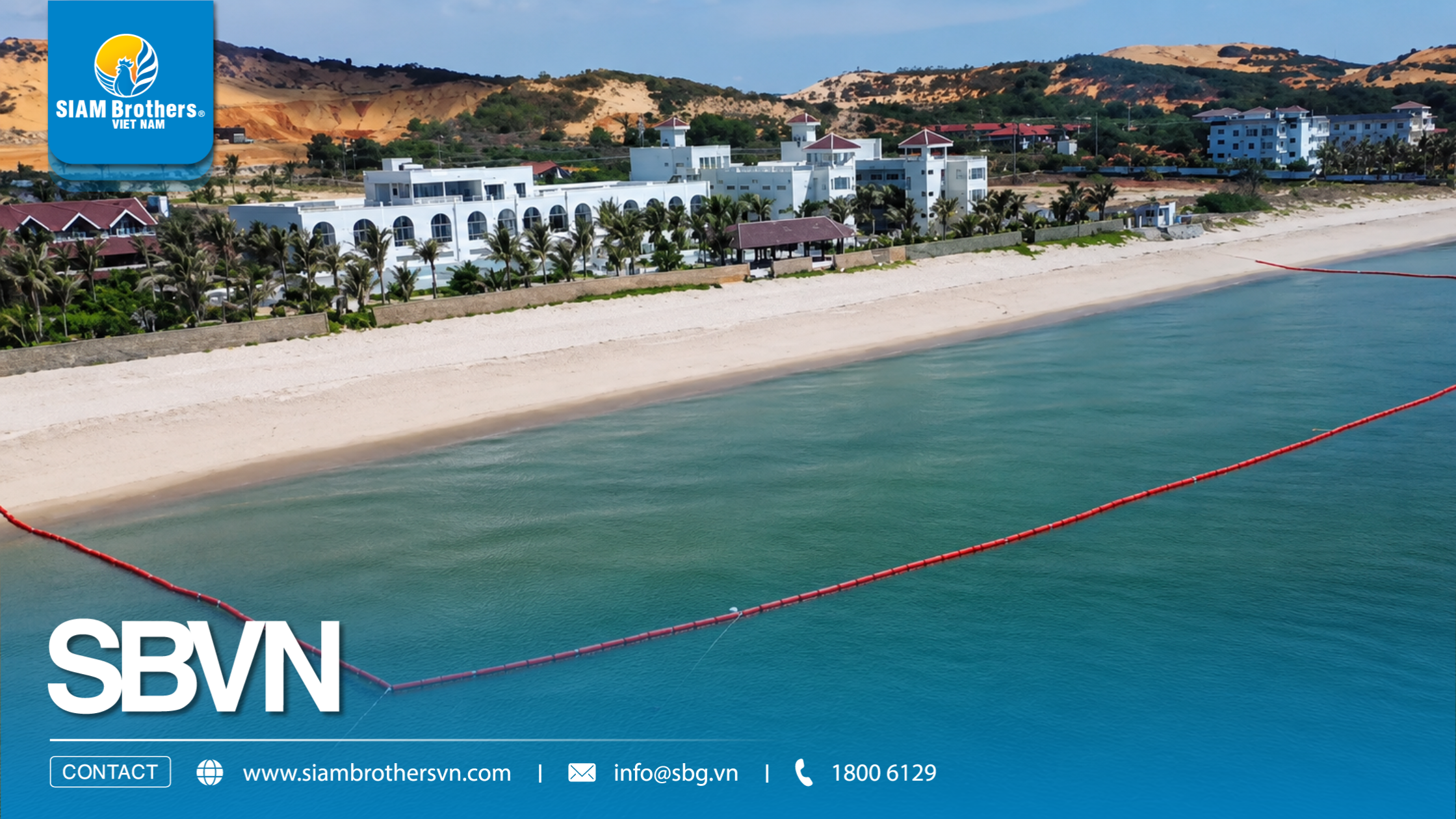
Even the highest-quality floating buoy cannot perform well if the supporting components are not properly matched.
A reliable Marine Trash Barrier Float should include a fully integrated mooring system designed for the site's environmental conditions.
Key components to evaluate include:
In practice, many system failures are caused not by the floating buoys themselves, but by worn connectors, damaged mooring lines, or anchoring systems that cannot withstand severe weather conditions.
While budget is always an important consideration, it should never be the only factor when choosing a Marine Trash Barrier Float.
An experienced manufacturer can provide far more than just the product itself.
Look for a supplier that offers:
For projects at river mouths, seaports, and coastal tourist areas, partnering with a manufacturer that has in-house engineering, R&D, and production capabilities helps ensure the system is designed specifically for the site's operating conditions.
At SIAM Brothers Vietnam, engineering teams collaborate closely with manufacturing specialists throughout every stage of the project—from site assessment and product design to production and installation support. This integrated approach helps customers reduce operational risks, improve system reliability, and maximize long-term investment value.
After understanding the key selection criteria, the next step is matching the right Marine Trash Barrier Float to its intended application. Every installation site has unique environmental conditions, operational challenges, and debris characteristics. A solution designed for a fast-flowing river mouth, for example, may not perform as efficiently in a seaport or a coastal tourist destination.
Below are practical recommendations based on real-world engineering experience to help you choose the most suitable floating barrier system for each environment.
River mouths are exposed to both upstream water flow and tidal movements from the sea. During the rainy season, floating debris can increase dramatically, placing significant pressure on the entire barrier system.
When selecting a Marine Trash Barrier Float for this type of environment, prioritize the following:
For example, a river mouth located near a residential area may receive several times more household waste and natural debris after heavy rainfall than during normal conditions. Without sufficient buoyancy or a properly engineered mooring system, the floating barrier can shift out of position or become overloaded, reducing its collection efficiency.
In seaports, floating barrier systems must do more than collect debris. They must also operate safely alongside vessel traffic without disrupting port operations.
When evaluating a Marine Trash Barrier Float for these environments, consider the following:
Before determining the installation location, engineering teams typically assess vessel traffic patterns, navigation routes, and operational zones. This planning process helps minimize collision risks while maximizing floating debris collection efficiency.
For coastal resorts and public beaches, performance is only part of the equation. The floating barrier should also preserve the natural beauty of the surrounding environment while maintaining a safe and pleasant experience for visitors.
Key selection criteria include:
For example, at a popular public beach, keeping the water free from floating debris significantly enhances the visitor experience while improving the destination's environmental image. A properly designed Marine Trash Barrier Float enables maintenance teams to remove debris more quickly and efficiently, reducing labor requirements and keeping coastal areas attractive throughout the year.
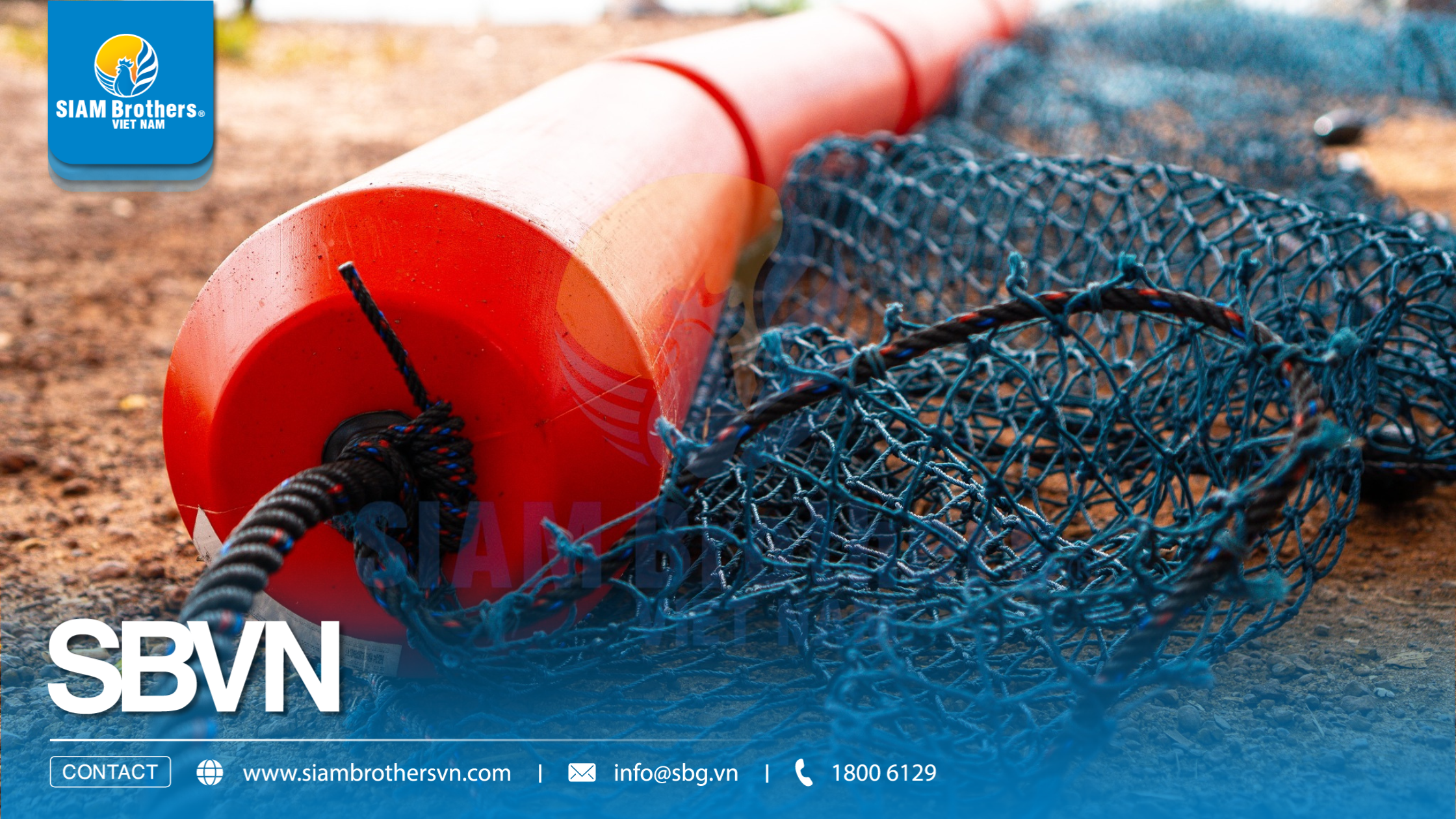
A Marine Trash Barrier Float is suitable for a wide range of locations where floating debris needs to be intercepted and controlled before it spreads into larger bodies of water.
Typical applications include:
The ideal installation location should always be determined through a site assessment that considers water currents, tidal conditions, and the volume of floating debris to ensure optimal system performance.
The service life of a Marine Trash Barrier Float depends on more than just the material used. Environmental conditions, engineering design, and routine maintenance all play an important role.
Key factors that affect durability include:
When properly engineered and maintained, a high-quality floating barrier system can deliver reliable performance for many years while minimizing maintenance and replacement costs.
Yes but only when the system is specifically engineered for the site's operating conditions.
To ensure reliable performance during adverse weather, consider the following:
For example, a floating barrier installed at a river mouth with strong currents and high waves requires a significantly different configuration from one designed for a calm coastal resort lagoon.
There is no standard price because every project has different engineering requirements.
The total investment typically depends on:
For an accurate quotation, project owners should provide information such as the installation location, the size of the protected area, and the expected operating conditions. This enables engineers to recommend the most suitable solution.
Routine inspections are essential for maintaining long-term performance and maximizing the service life of the system.
Maintenance should include checking:
For installations exposed to heavy waves or large debris loads, inspections should be carried out more frequently, particularly before and after the rainy or storm season.
Choosing the right Marine Trash Barrier Float is about more than improving floating debris collection—it is an investment in long-term environmental protection, lower maintenance costs, and greater operational reliability for river mouths, seaports, and coastal tourist areas. By carefully evaluating material quality, site conditions, debris loads, and mooring system design, project owners can build a solution that delivers lasting performance and maximizes return on investment. Backed by experienced engineering, R&D, and manufacturing teams, SIAM Brothers Vietnam provides tailored floating barrier solutions designed for real-world operating environments. Contact us today to schedule a site assessment, receive expert technical advice, and request a customized quotation for a Marine Trash Barrier Float that fits your project's specific needs.
Source: SIAM Brothers Vietnam
Contact us:
► Address: 5th floor, VRG Building, 177 Hai Ba Trung Street., Xuan Hoa Ward, Ho Chi Minh City, Vietnam
► Hotline: 1800 6129
► Tel: (+84) 28 38 912 889
► Email: info@sbg.vn
► Follow us for more details at: Facebook - Zalo OA - Tiktok - Youtube - LinkedIn
Download SBVN ID app here:
► CHPlay
► Appstore









Specializing in Agricultural and Fisheries Products & Multipurpose Wire