Durian branch support ropes are an essential solution for protecting branches from the weight of developing fruit, strong winds, and seasonal storms—significantly reducing the risk of breakage and yield loss. If you are looking for an effective way to stabilize durian branches, this guide provides a comprehensive explanation of how to choose the right rope, apply proper tying techniques, and use long-lasting, safe methods for Vietnamese durian orchards. When applied correctly, Durian Branch Support Ropes not only strengthen the branches but also improve fruit quality, reduce maintenance costs, and protect long-term orchard investment. Let’s explore how to use these ropes safely and effectively today!
1. Why Durian Branch Support Is Necessary in Cultivation
1.1. Factors That Increase the Risk of Durian Branch Breakage
When learning how to use a Durian Branch Support Rope, growers must first understand the factors that can damage or weaken the branches. Identifying the root causes helps you take preventive action and choose solutions that match the actual conditions of your orchard.
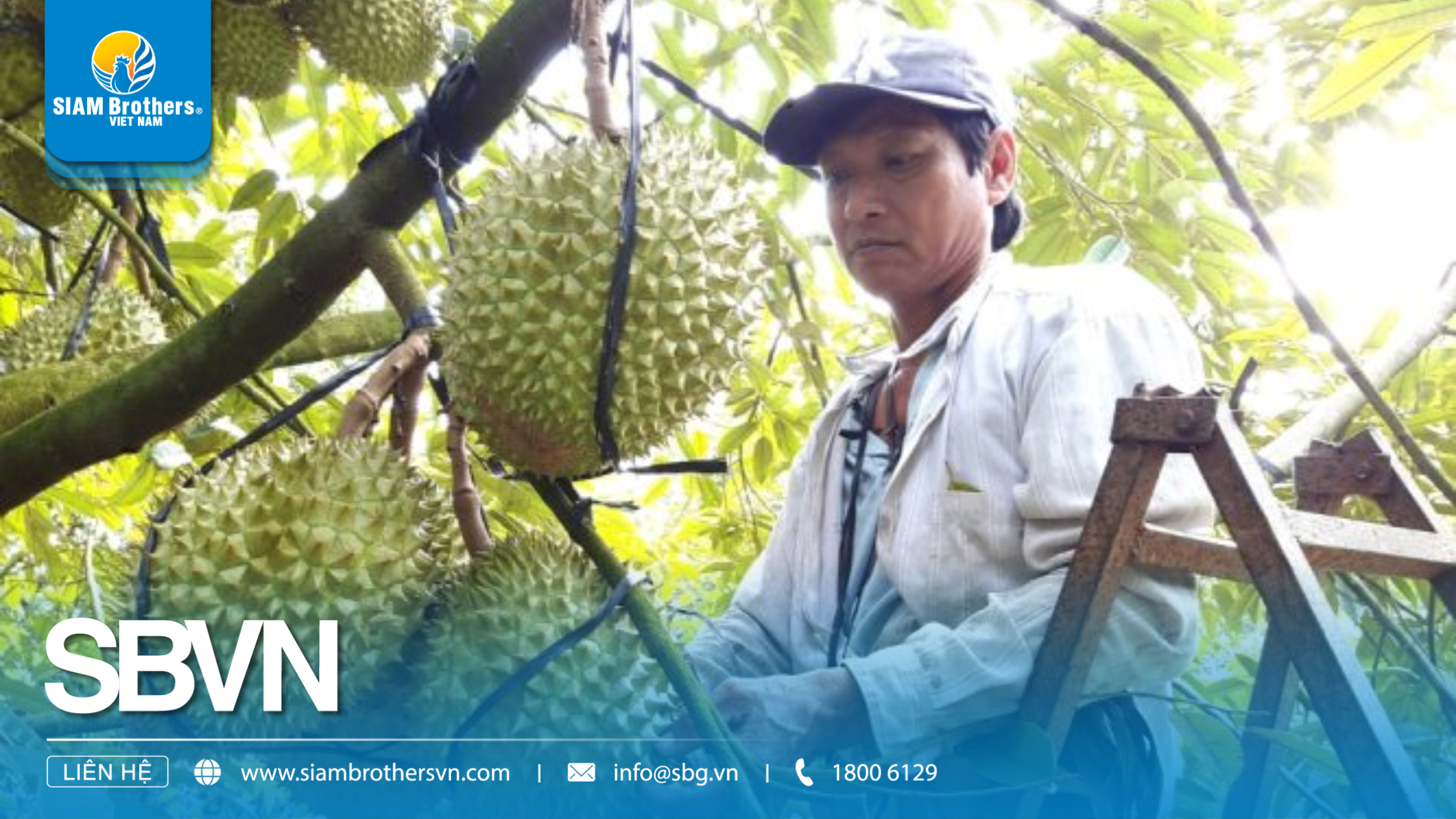
Common causes include:
- Branches carrying fruit that exceed the tree’s natural load-bearing capacity.
- Strong winds, storms, or unpredictable weather conditions increasing pressure on the branches.
- Branches that become weakened due to pests, diseases, or nutrient deficiencies.
- Uneven branch angles that cause weight distribution imbalance, increasing the risk of sudden breakage.
1.2. The Role of Support Ropes in Protecting Durian Branches
- To minimize damage, using Durian Branch Support Ropes has become a widely adopted practice in orchards across Vietnam. When applied correctly, these ropes offer several clear benefits:
- Reduce pressure on fruit-bearing branches and help maintain tree stability throughout the season.
- Keep branches steady during strong winds, reducing breakage and fruit loss.
- Assist in shaping the canopy for easier care and harvesting.
- Maintain long-term tree health and lower recovery or pruning costs after damage.
1.3. How Support Ropes Directly Impact Yield and Fruit Quality
- Proper use of Durian Branch Support Ropes does more than just “hold branches in place”—it has a measurable impact on the orchard’s economic value:
- Minimize fruit loss caused by branch breakage.
- Strengthen branches, allowing fruit to grow evenly with better weight and quality.
- Improve worker safety during tree care, fertilization, and harvesting.
2. Common Types of Durian Branch Support Ropes
2.1. PP Rope – The Most Popular and Easy-to-Use Option
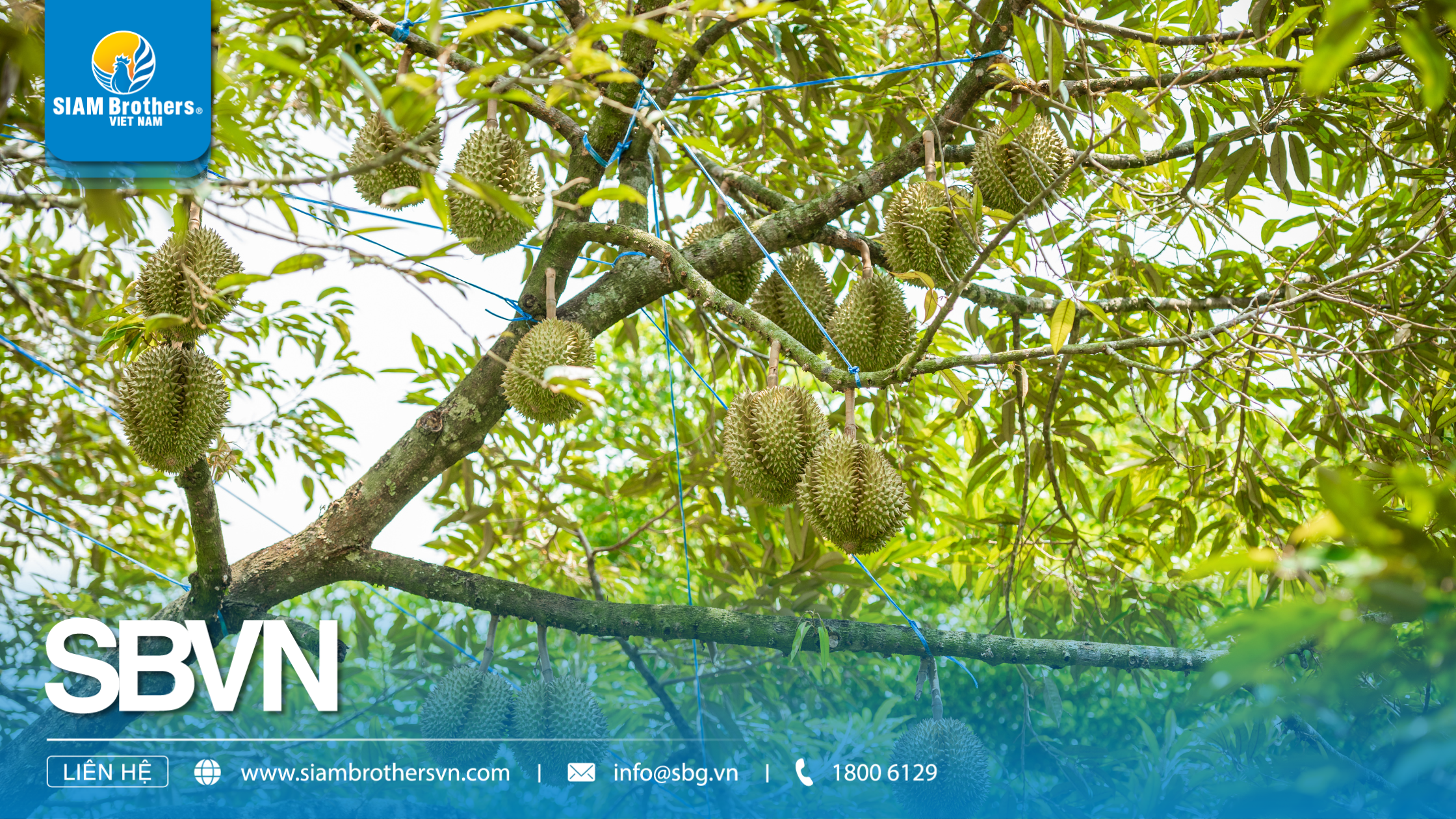
Among various Durian Branch Support Rope types, PP rope is widely favored thanks to its lightweight structure, moderate durability, and easy handling. It is ideal for small to medium branches, especially during the fruit-setting stage.
Key advantages of PP rope include:
- Soft texture that reduces bark abrasion.
- Lightweight and easy to tie or adjust throughout the season.
- Sufficient tensile strength for moderate support needs.
- Affordable cost suitable for all orchard sizes.
2.2. PE Rope – A More Durable Option for Larger Branches
Compared to PP rope, PE rope offers stronger tensile strength and durability, making it ideal for branches bearing heavy fruit or exposed to strong winds.
Outstanding advantages include:
- High mechanical strength with minimal stretching under heavy loads.
- Excellent weather resistance for long-term stability.
- Suitable for long-duration support throughout the fruiting season.
- Ideal for main branches or large branches during peak harvest periods.
2.3. Polyester/Nylon Rope – A Heavy-Duty Solution for Fixed Support
Polyester or nylon rope (often known as “parachute cord”) is valued for its superior strength and friction, keeping branches stable even in harsh weather.
Key strengths include:
- Exceptional durability with minimal degradation over time.
- High load-bearing capacity for large-scale orchards.
- Strong friction prevents slipping when tied.
- Best suited for fixed support points requiring maximum safety.
3. Step-by-Step Guide to Tying Durian Branch Support Ropes
3.1. Preparation Before Tying
3.1.1. Inspect the Tree and Branch Condition
- Identify branches at risk of breaking: heavily fruit-bearing, wind-exposed, or young and not yet rigid.
- Choose a secure anchor point on the trunk or trellis to prevent misaligned pressure when applying the Durian Branch Support Rope.
- Select soft, durable ropes that will not scratch the bark.
- Measure rope length properly to avoid excess or shortage during tying.
- Clean reused ropes to prevent cross-contamination or disease transmission.
3.2. Proper Technique for Tying Durian Branch Support Ropes
3.2.1. Identify a Fixed Anchor Point
- Choose a solid anchor on the trunk or supporting stake.
- Avoid tying ropes to soft tissue or damaged bark to prevent infection or breakage.
3.2.2. Wrap the Rope Around the Branch
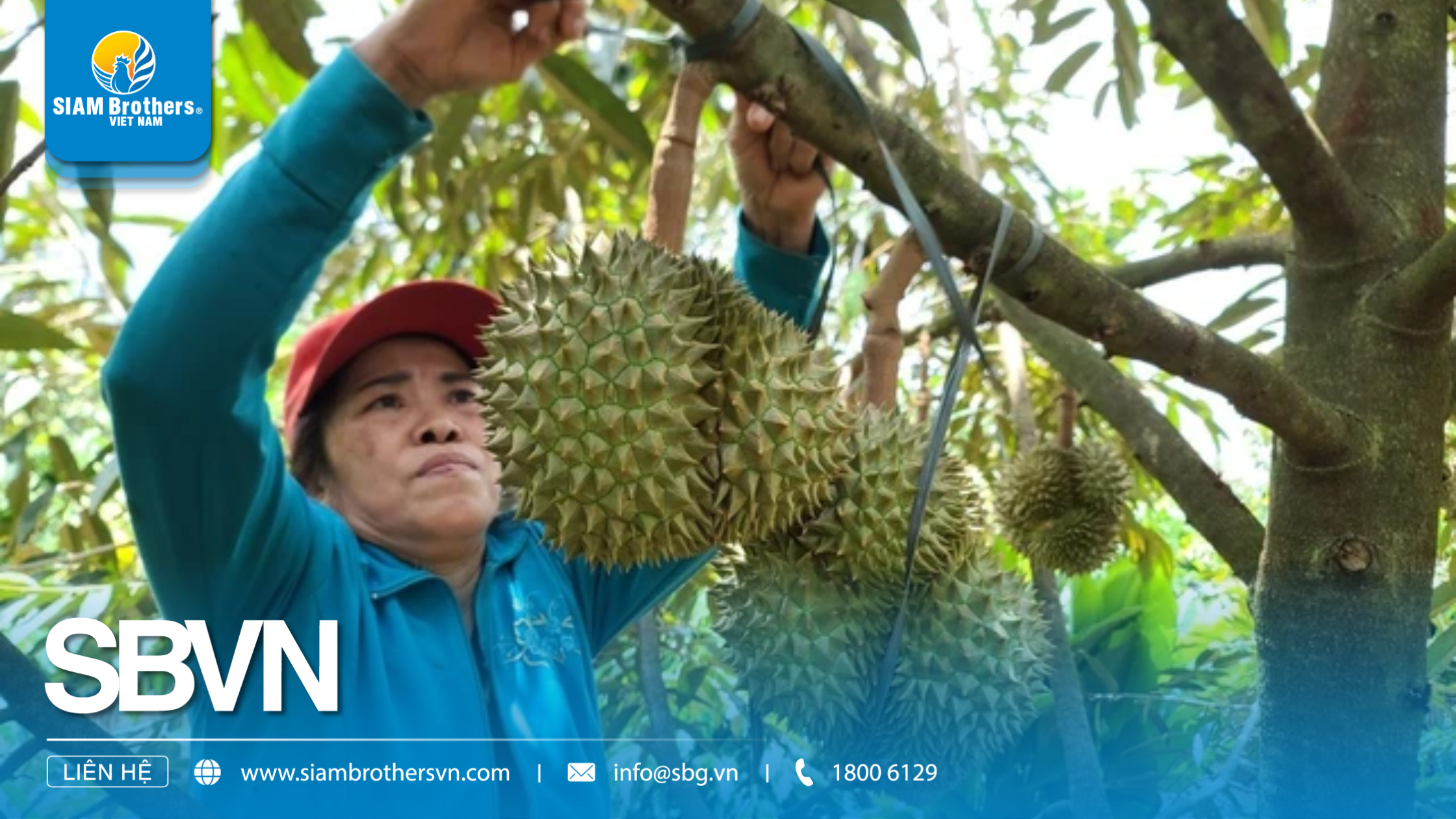
- Wrap the rope around the branch 1–2 times to create natural friction.
- Leave a small gap between the bark and rope to allow for growth, especially during fruit swelling.
3.2.3. Create a Secure Knot
- Use a U-knot or double knot to distribute tension evenly.
- Ensure the rope is snug but not too tight—tight ropes may girdle the branch, while loose ropes may fail to stabilize it.
3.3. Adjustments After Tying
3.3.1. Check Tension
- Gently pull the branch to verify its stability.
- Adjust the branch’s movement range to maintain the correct position during heavy fruit development.
3.3.2. Monitor Regularly
- Recheck the rope every 7–10 days and loosen it if the branch expands.
- Look for signs of abrasion or moisture accumulation at the tying point to prevent rot or bark damage.
3.4. Important Notes When Using Durian Branch Support Ropes
3.4.1. Avoid Tying Too Low or Too High
- Tying too low may pull the branch downward.
- Tying too high reduces support force and increases breakage at the joint.
3.4.2. Do Not Use Ropes That Are Too Thin or Too Rigid
- Thin ropes may cut into the bark.
- Hard ropes may damage the surface and increase infection risk.
4. Tips to Improve the Effectiveness of Durian Branch Support Ropes
4.1. Choose the Right Timing for Branch Support
4.1.1. Install Support Ropes Before the Rainy Season
- Setting up the ropes before strong winds begin allows the branches to gradually adapt to the pulling force.
- This helps stabilize the branches early, especially for trees in the initial fruit-bearing stage.
4.1.2. Avoid Tying Ropes When Branches Are Wet
- When the branch surface is moist, the bark becomes more fragile and prone to peeling. Using a Durian Branch Support Rope at this time can easily cause damage.
- It is best to tie the ropes in the morning or late afternoon to minimize rope expansion caused by high temperatures.
4.2. Add a Protective Layer for the Branch
4.2.1. Use a Cushion Layer Before Tying the Rope
- Use burlap, soft mesh, or padded wrapping material to create a buffer between the rope and the bark.
- This reduces friction, especially for young branches or those with thin bark.
4.2.2. Check the Cushion Layer Regularly
- The cushion layer may become damp or deteriorate during continuous rainfall; replace it every 15–20 days.
- This helps maintain branch strength and reduces the risk of infection.
4.3. Optimize the Rope Direction to Distribute Force
4.3.1. Align the Rope with the Main Wind Direction in the Orchard
- Observe the seasonal wind patterns in your area and adjust rope placement accordingly.
- This reduces direct wind pressure on the branch, especially during periods when the fruit becomes heavier.
4.3.2. Avoid Low-Angle Rope Installation
- A rope angle that is too low creates downward force, causing the branch to bend or stress at the joint.
- The optimal rope angle is between 30–45 degrees to ensure even force distribution.
4.4. Adjust the Rope Throughout the Fruit Development Cycle
4.4.1. Increase Rope Length as the Fruit Grows
- As the fruit becomes heavier, the branch naturally lowers; loosen the Durian Branch Support Rope in time to prevent girdling.
- Many growers often overlook this step, leading to restricted sap flow or sudden breakage due to concentrated pressure.
4.4.2. Tighten the Rope Slightly When the Branch Becomes Stronger
During woody development, the branch structure becomes firmer; the support tension can be slightly increased to maintain optimal stability.
4.5. Use Multiple Support Points for Heavily Fruit-Bearing Branches
- For branches carrying multiple clusters, using two or more support points helps reduce pressure at each location.
- This method enhances the overall performance of the Durian Branch Support Rope, especially under strong wind conditions.
5. FAQs — Frequently Asked Questions About Durian Branch Support Ropes
5.1. Which Rope Should Be Used to Prevent Branch Breakage?
- Choose soft, elastic ropes such as PP rope, PE rope, or nylon rope depending on the orchard size.
- Prioritize ropes with anti-slip properties, good tensile strength, and bark-friendly material to prevent abrasions.
- Depending on fruit load and branch size, growers should select suitable rope diameters and thickness levels.
5.2. How Often Should Support Ropes Be Checked?
- Inspect the ropes every 10–15 days, especially during the rainy season or when the fruits are rapidly enlarging.
- Adjust the rope if it becomes too tight or too loose to avoid girdling or loss of support.
- Regularly observe the contact point between the rope and branch to replace the cushion layer when worn.
5.3. Do Durian Support Ropes Affect Tree Growth?
- When used correctly, Durian Branch Support Ropes do not hinder growth; instead, they help stabilize branches during heavy fruiting periods.
- Avoid tying ropes too tightly, as this may restrict sap flow or cause uneven branch development.
- Choose rope types suitable for each growth stage to reduce natural stress on the branch.
5.4. Should Support Ropes Be Removed After Harvest?
- Yes. Loosen or remove the ropes after harvest so the branch can return to its natural balance.
- Leaving the ropes for too long may deform the branch or leave marks due to prolonged tension.
- Removing the ropes also allows growers to inspect branch health before the next season.
5.5. When Should Support Ropes Be Replaced?
- Replace the rope when it shows signs of wear, fading, loss of elasticity, or fraying caused by friction.
- Ropes used under intense sunlight or prolonged rainfall may degrade faster and should be replaced earlier for safety.
- If the support force weakens or the rope slips out of position, replace it immediately to prevent breakage.
5.6. Should Multiple Support Points Be Used on a Single Branch?
- For branches bearing multiple clusters, using two or more support points helps distribute force evenly.
- Multiple ropes also reduce wind impact and minimize the risk of breakage at the joint between the trunk and branch.
- Depending on fruit load, growers can adjust Durian Branch Support Rope placement in different directions.
5.7. Where Can You Buy High-Quality Durian Branch Support Ropes?
- Growers should purchase ropes from reputable agricultural rope manufacturers to ensure durability and safety.
- SIAM Brothers Vietnam is a trusted supplier offering a wide variety of PP, PE, nylon, and specialized ropes designed for agricultural use.
- When purchasing, request guidance on rope diameter, tensile strength, and softness to match different branch sizes.
- Avoid unreliable or low-quality ropes, which may degrade quickly and increase the risk of branch breakage during the fruiting season.
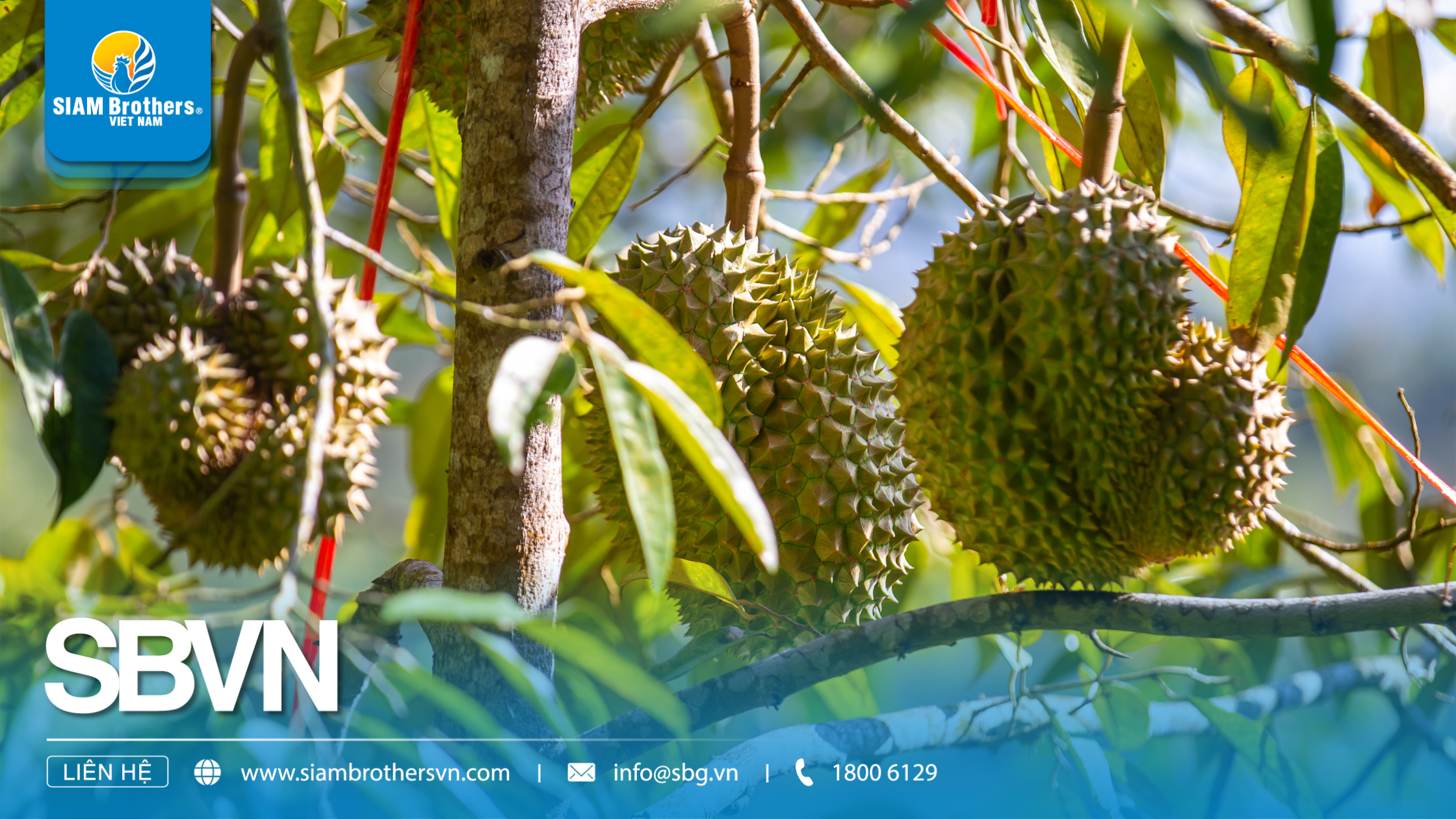
Using Durian Branch Support Ropes correctly plays a crucial role in protecting fruit-bearing branches, minimizing breakage, and maximizing yield in durian orchards. By selecting the right rope type, tying it at the correct position, and monitoring regularly, growers can significantly reduce risks during stormy months and peak fruiting periods.
Proper tension adjustment, multi-point support, and timely rope replacement also ensure a more stable and durable support system.
If you want to keep your branches securely supported and extend tree health across multiple seasons, start applying the above techniques today. For high-quality and reliable rope solutions tailored to your orchard, contact SIAM Brothers Vietnam for expert advice and the right product selection.
Source: SIAM Brothers Vietnam
Contact us:
► Address: 5th floor, VRG Building, 177 Hai Ba Trung Street., Xuan Hoa Ward, Ho Chi Minh City, Vietnam
► Hotline: 1800 6129
► Tel: (+84) 28 38 912 889
► Email: info@sbg.vn
► Follow us for more details at: Facebook - Zalo OA - Tiktok - Youtube - LinkedIn
Download SBVN ID app here:
► CHPlay
► Appstore