
- 1800 6129

Oyster farming requires a floating system that can support ropes and loads that change as oysters grow. Choosing a suitable float and a reliable supplier is therefore an important part of setting up a farm. What should you consider when choosing an HDPE float and a reputable HDPE oyster float manufacturer? Let’s find out with SIAM Brothers Vietnam...
Aquaculture plays an important role in Vietnam’s fisheries sector. According to Vietnam’s General Statistics Office, aquaculture production in 2024 was estimated at more than 5.72 million tonnes, up 4% from the previous year. This figure covers aquaculture as a whole, not oyster production specifically.
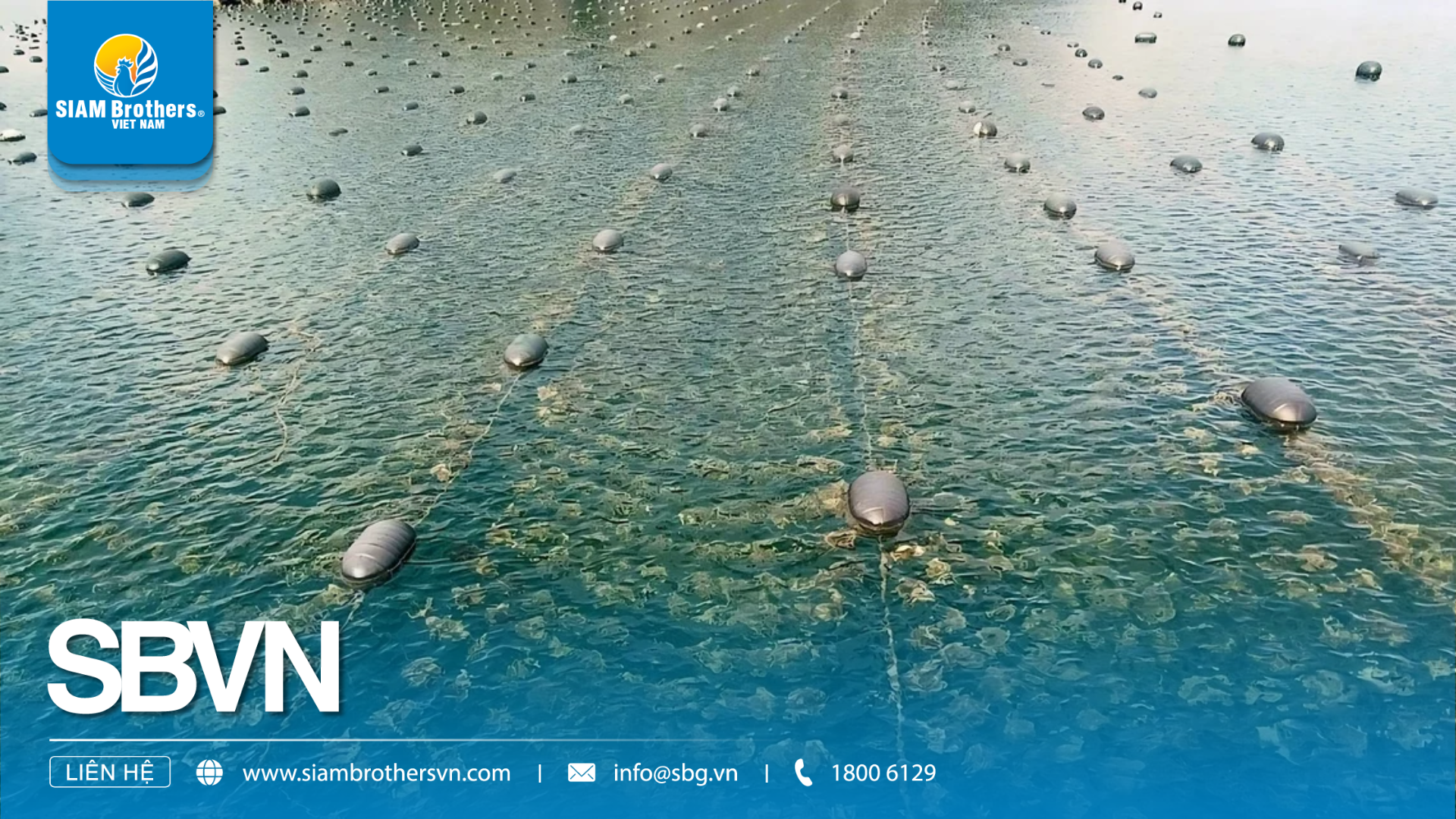
Hiện trạng nuôi hàu tại Việt Nam - Ảnh: nongnghiepmoitruong.vn
Oyster farming takes place in coastal areas with suitable conditions. A study of northern Vietnam’s oyster supply chain identified Quang Ninh and Hai Phong as the region’s main production areas. The study also described oyster farming there as a relatively new and developing industry, with a supply chain that includes farmers, buyers, processors, and distributors.
Depending on local conditions and water depth, farmers may use bottom culture or suspend oysters from ropes, racks, or floating rafts. In suspended systems, the floating structure must support the mainline, dropper ropes, cultivation materials, and oysters. The load can change throughout the growing cycle as oysters grow and marine organisms accumulate on the equipment.
Mollusc farming, including oyster farming, is practiced in several Southeast Asian countries. According to SEAFDEC’s 2023 statistics, farmed oyster production in the region reached approximately 51,880 tonnes, representing around 0.5% of reported mariculture production. This figure provides regional context, but it should not be used to claim that oyster production is growing rapidly without separate, comparable data for oysters.
Whatever the farm’s size, its floating system should suit the site conditions and expected load. Farmers generally need to consider:
The system’s ability to support ropes and oysters as they approach harvest size.
Exposure to saltwater, UV rays, currents, and weather.
The stability of floats, mainlines, dropper ropes, and connection points.
Access for inspection, maintenance, and replacement.
If one component is unsuitable for the load or environment, the line may sag, tilt, or become unstable. Floats should therefore be selected as part of a complete system, rather than judged by purchase price alone.
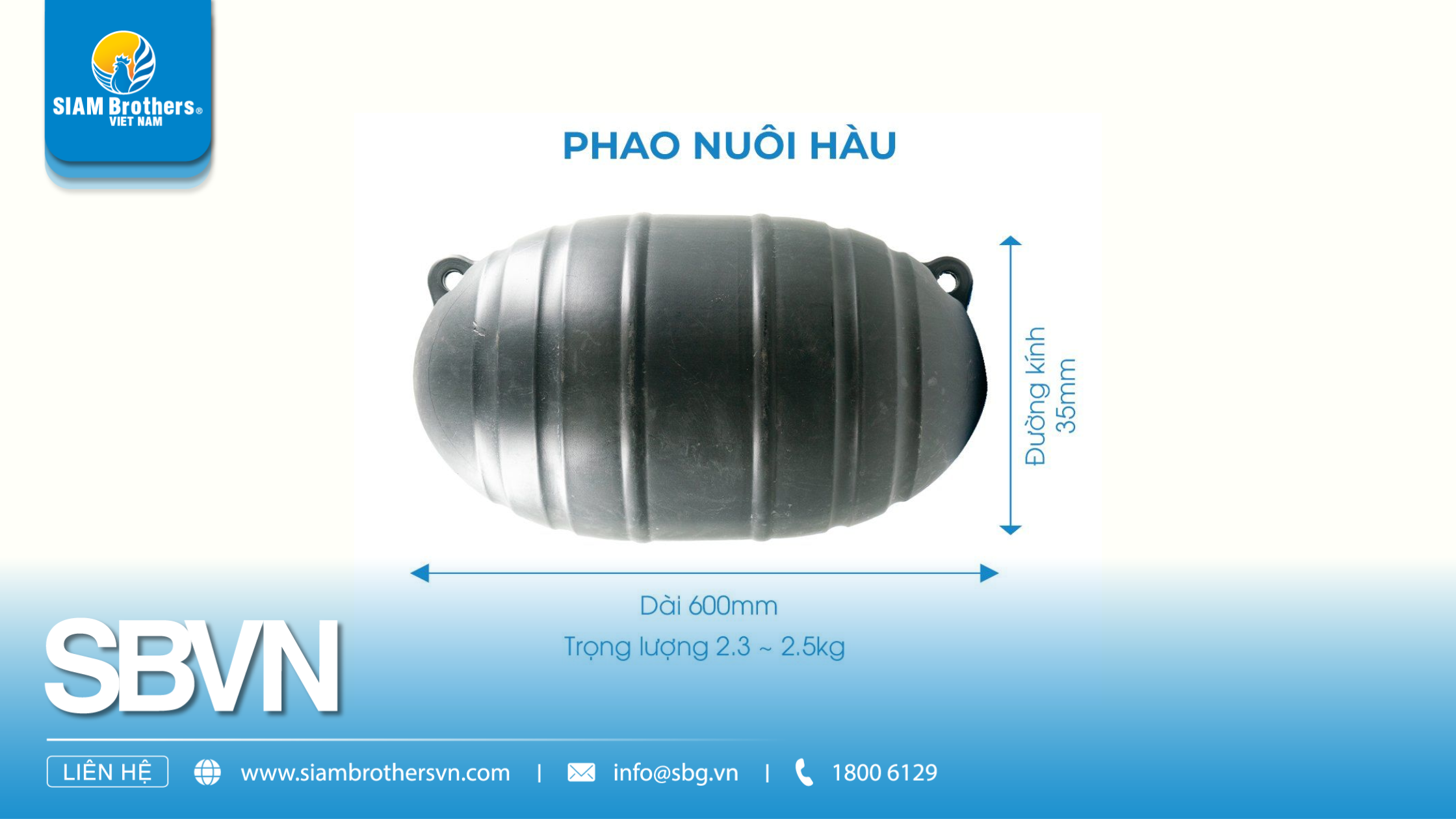
HDPE Oyster Float Manufacturer - Source: SIAM Brothers Vietnam
Floats provide buoyancy and help keep the suspended lines in position. As oysters grow, the total load increases. If buoyancy is insufficient or floats are unevenly distributed, the mainline may sag and oyster clusters may shift from their intended position.
Floats help support the lines and keep the system at the intended height in the water. Stable buoyancy can also make it easier to handle, inspect, and manage oyster clusters.
A farming system carries the weight of ropes, cultivation materials, oysters, and accessories. Properly positioned floats can distribute lift along the line and help limit sagging or concentrated loads.
Floats are used outdoors and are regularly exposed to water. Suitable materials, construction, and connections help the system cope with actual operating conditions. Farmers should still inspect floats, ropes, and knots regularly, especially after severe weather.
Clearly specified products with suitable dimensions, weight, and connection points can make transport, installation, and inspection easier. Choosing floats that work with the ropes also helps farmers manage the system, rather than relying on mismatched components.
HDPE is used in float products designed for outdoor use and aquaculture. When choosing an HDPE float, check its specific dimensions, buoyancy, weight, and instructions for use. Do not rely on the material name or appearance alone to determine whether a product suits your operation.
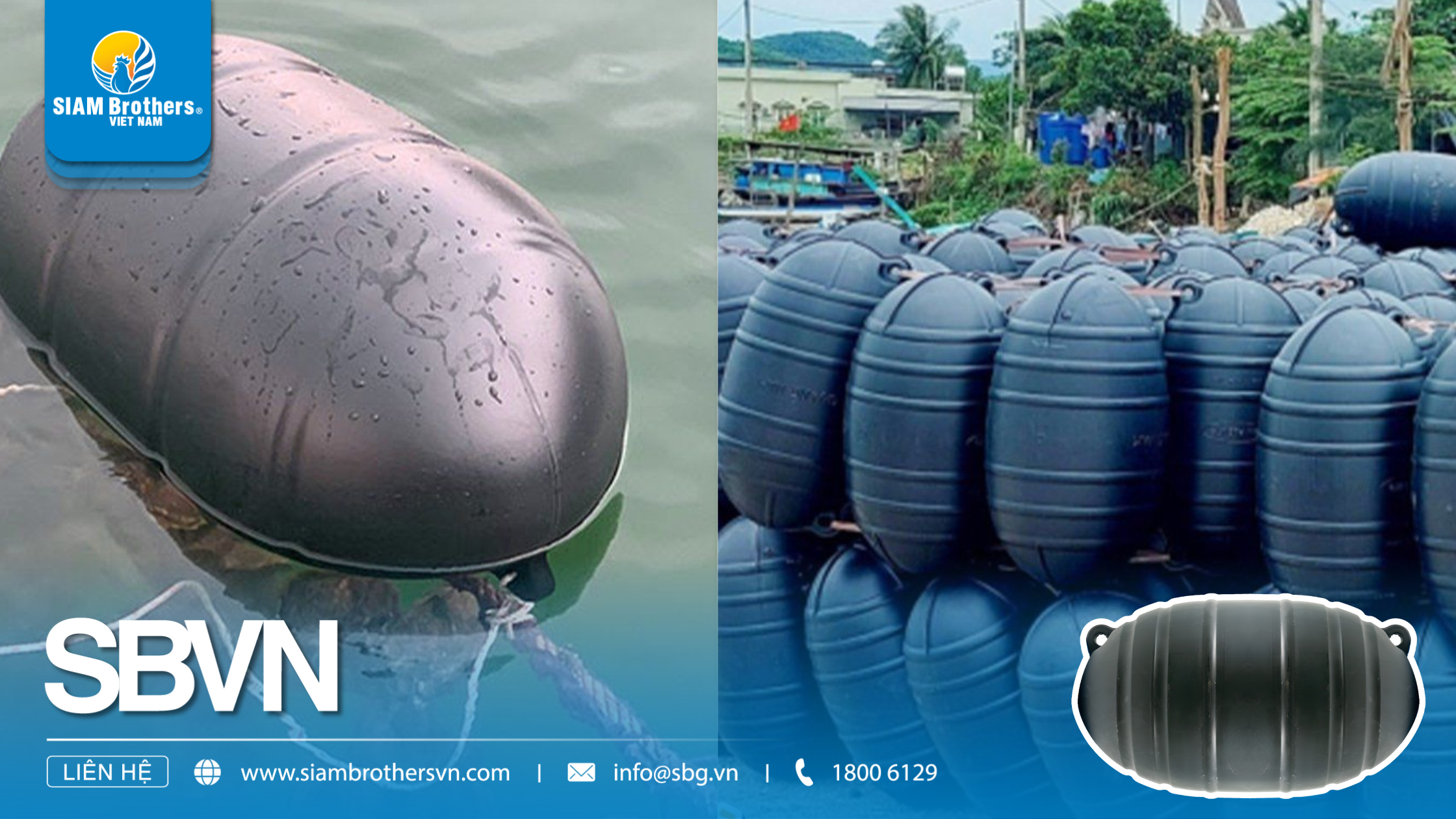
HDPE Oyster Float Manufacturer - Source: SIAM Brothers Vietnam
A float should suit the expected load, water conditions, and rope configuration. Before purchasing, compare the product specifications with the requirements of your farming system.
Check the float’s material and the manufacturer’s information about its intended use in saltwater, sunlight, and impact-prone environments. If your operation requires specific material safety information or standards, ask the supplier for supporting documentation.
Published buoyancy is an important specification, but it does not represent a safe working load under every condition. System calculations should account for oysters at their expected harvest size, ropes, accessories, currents, waves, and wind. An appropriate safety margin should also be maintained.
Dimensions and weight affect layout, transport, and installation. Check how the float connects to the mainline, dropper ropes, or accessories used in your system.
Ask for usage and care instructions, as well as warranty details. If the supplier states that a float is UV-resistant, corrosion-resistant, or impact-resistant, check whether those claims are supported by product documentation or warranty terms.
Floats and ropes work together to support, connect, and position the farming system. Rope specifications, float quantity, and placement should be considered in relation to load, water depth, current, and stocking density. SIAM Brothers Vietnam also provides guidance on combining oyster floats and ropes to optimize a farming system.
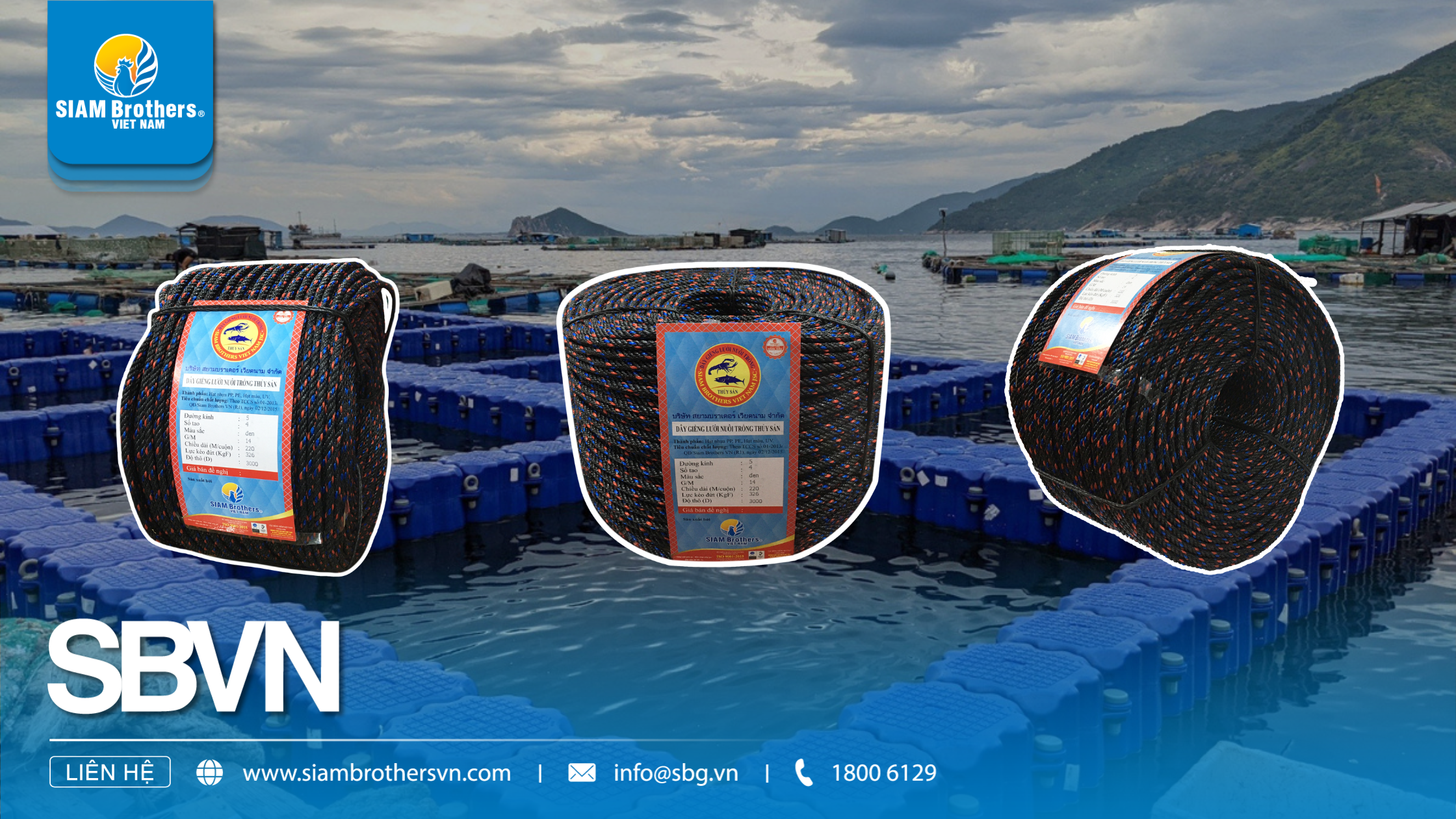
FISH & SHRIMP AQUACULTURE ROPE - Source: SIAM Brothers Vietnam
After identifying your needs, compare suppliers based on product information, service, and the support they provide before and after purchase.
A supplier should publish key specifications such as material, dimensions, weight, buoyancy, and color. Clear information helps buyers assess whether a product suits their farming system.
Before ordering, review the warranty period, coverage, and support process. Buying through the company’s official website, hotline, or authorized distribution channels can help reduce the risk of receiving counterfeit or unsuitable products.
A capable supplier should ask about your farming model, expected load, environment, and rope configuration. This helps match the product to your needs instead of relying on one specification alone.
Check the brand, seller details, product specifications, and any accompanying documentation. For large orders, request a written quotation and confirmation of the product specifications.
The purchase price is only one factor. Also consider transport, installation, maintenance, and replacement costs. A product that suits the load and site conditions may help the system operate more reliably over time.
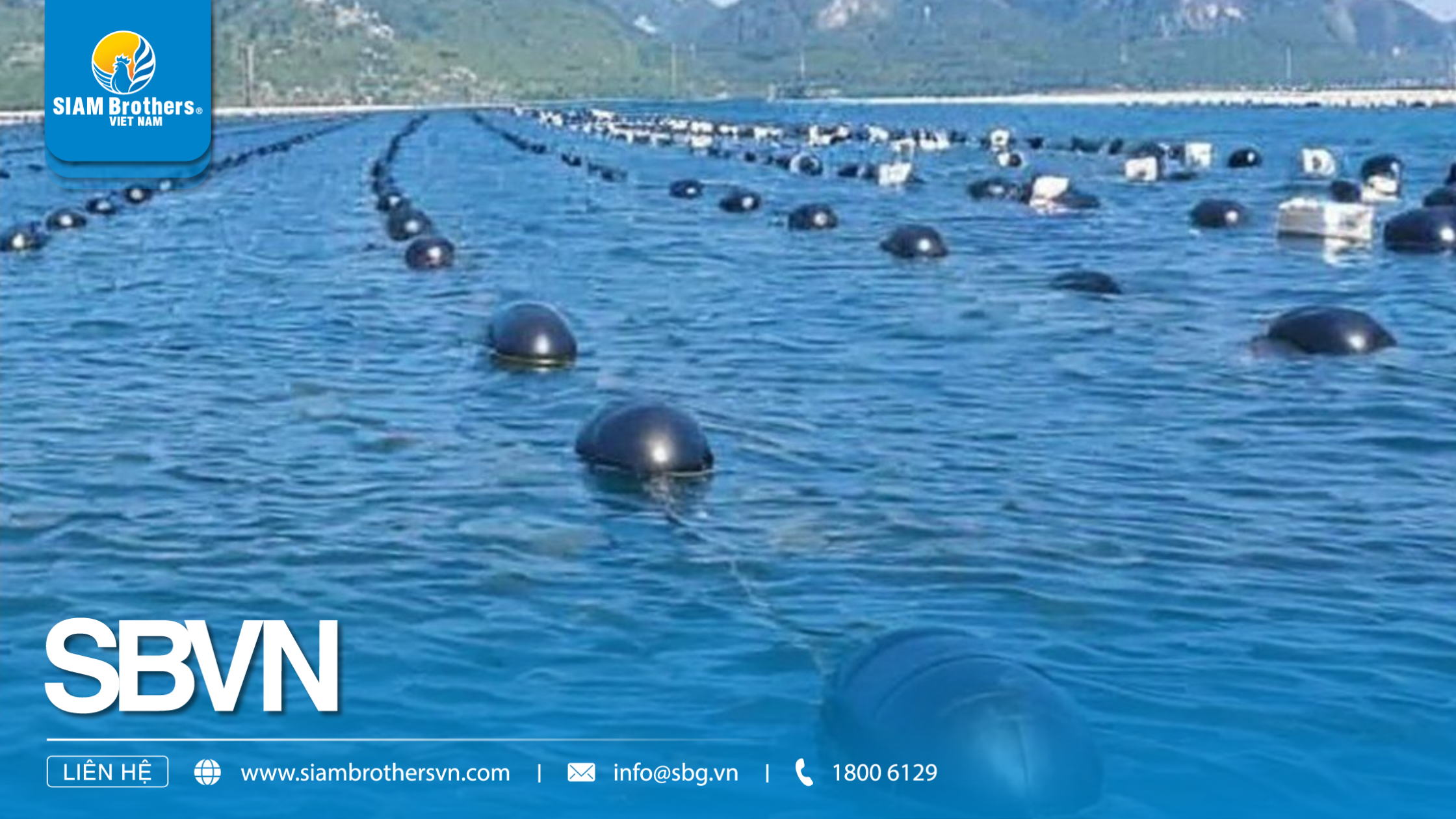
HDPE Oyster Float Manufacturer
SIAM Brothers Vietnam offers an HDPE oyster float for oyster and other mollusc farming systems. The company’s product page lists the following specifications:
Material: HDPE
Dimensions: 300 × 600 mm
Published buoyancy: 80 kg
Weight: 2.3–2.5 kg
Color: Black
The product is described as impact-resistant, UV-resistant, and corrosion-resistant. When assessing whether it suits your operation, compare these features with the site conditions, expected system load, and planned rope configuration.
A float’s published buoyancy does not replace a full system assessment. The number and placement of floats should be considered in relation to the expected total load, line length, dropper rope density, waves, and currents. If you are unsure which configuration to choose, contact SIAM Brothers Vietnam to discuss your specific requirements.
SIAM Brothers Vietnam’s product page lists a 12-month warranty for manufacturing defects, subject to the company’s warranty terms. Review the current policy and purchase through an official channel to access the company’s support.
When setting up an oyster farm, floats form part of the system that supports and connects the farming ropes. Choose them based on material, buoyancy, dimensions, actual load, and compatibility with the ropes. Also check the supplier’s specifications, warranty, and official sales channels.
SIAM Brothers Vietnam’s HDPE oyster float is listed with dimensions of 300 × 600 mm and published buoyancy of 80 kg. Farmers can review the product specifications and contact the company for guidance based on their farming system.
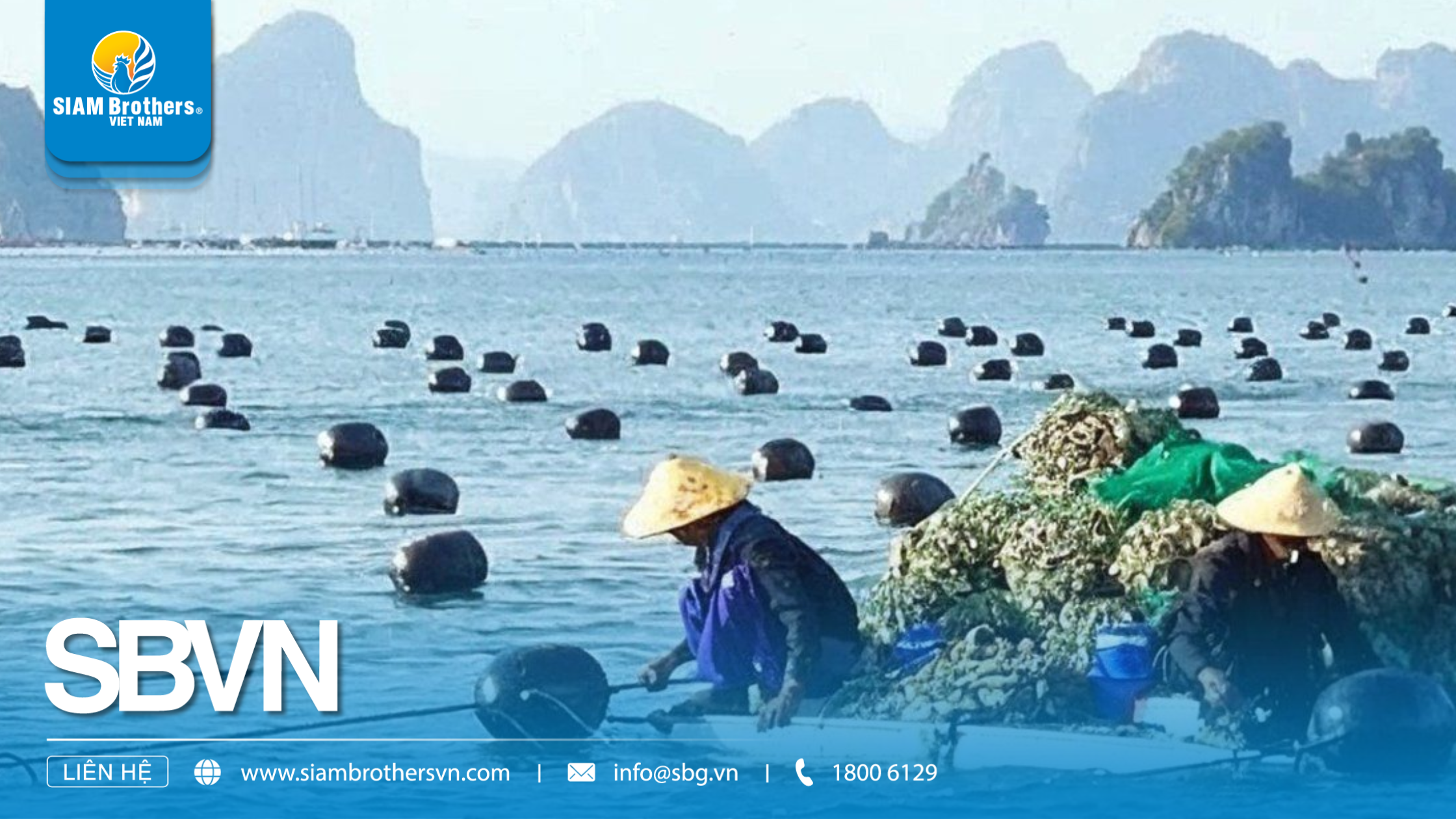
HDPE Oyster Float Manufacturer
Read more:
Source: SIAM Brothers Vietnam
FAQ – Frequently Asked Questions
Q: What are the advantages of HDPE oyster floats?
A: HDPE floats are selected based on their material properties and suitability for a particular farming system. Before buying, check the product’s buoyancy, dimensions, weight, instructions for use, and warranty.
Q: What is the buoyancy of SIAM Brothers Vietnam’s oyster float?
A: The product page lists buoyancy of 80 kg. This is a product specification; the system’s working load should be assessed based on its configuration and operating conditions.
Q: Can HDPE oyster floats be used for other mollusc farming systems?
A: SIAM Brothers Vietnam lists oysters and other molluscs, such as clams and sea snails, among the potential applications. Check the load and installation requirements for your specific system before use.
Q: What should I look for in an HDPE oyster float manufacturer?
A: Check the product specifications, origin, warranty, official sales channels, and the supplier’s ability to advise you based on your farming conditions.
Q: Where can I buy SIAM Brothers Vietnam oyster floats?
A: Visit the official SIAM Brothers Vietnam product page or contact the company at 1800 6129 for assistance.
Contact us:
Address: 5th floor, VRG Building, 177 Hai Ba Trung Street, Vo Thi Sau Ward, Ho Chi Minh City, Vietnam
Tel: (+84) 28 38 912 889
Hotline: 1800 6129
Facebook: www.facebook.com/siambrothersvn
Email: info@sbg.vn
YouTube: youtube.com/@siambrothersvietnam1728
OA Zalo: zalo.me/1402339229697925373
App SBVN ID:
CHPlay: https://bit.ly/SBVNID-Android
Appstore: https://bit.ly/SBVNID-iOS







Specializing in Agricultural and Fisheries Products & Multipurpose Wire