
- 1800 6129

In modern high-tech agriculture, investing in a greenhouse, an efficient irrigation system, and premium crop varieties is only part of the equation for achieving high yields. To keep plants healthy and productive throughout the growing season, every supporting material plays an important role especially Greenhouse Twine.
Designed specifically for greenhouse cultivation, Greenhouse Twine securely supports plant stems, holds heavy fruit-bearing branches in place, and helps minimize many of the risks that can arise during production.
Despite these benefits, many growers still choose standard nylon twine or inexpensive alternatives to reduce upfront costs. While this may seem like a smart way to save money, it can lead to significant losses once crops begin producing heavy fruit. So, why has specialized greenhouse twine become the preferred choice for modern commercial farms? Let's explore the answer with SIAM Brothers Vietnam.
A greenhouse support system does much more than keep plants upright. It also plays a key role in plant development, crop quality, and overall production efficiency.
Popular greenhouse crops include:
Although each crop is different, they share several important characteristics:
If the support twine cannot withstand the increasing weight of the plants, the entire growing system may lean, collapse, or break, resulting in lower yields and reduced crop quality.
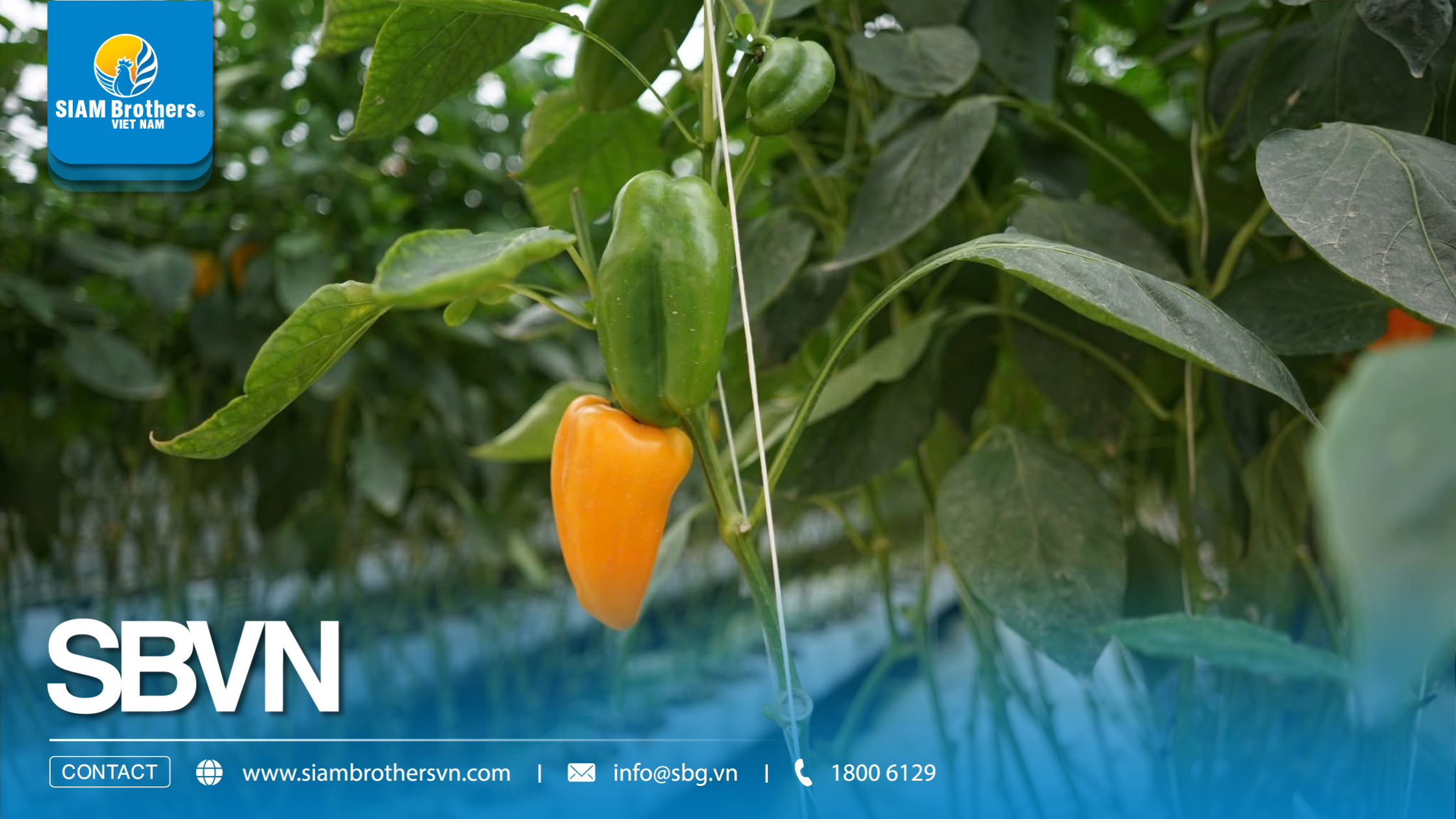
Compared with open-field farming, greenhouse cultivation exposes support materials to more demanding conditions, including:
These environmental factors can quickly degrade conventional twine that was not designed specifically for greenhouse applications.
The cost of Greenhouse Twine represents only a small portion of the total investment required for a greenhouse operation. However, choosing the wrong type of twine can significantly increase production costs over time.
Standard nylon twine and low-cost alternatives often have several limitations:
As crops reach the fruiting stage and become considerably heavier, weakened twine can snap unexpectedly, causing plants or even entire growing rows to collapse and resulting in substantial financial losses.
Some conventional twines absorb and retain moisture, creating ideal conditions for disease development.
Common problems include:
As a result, growers often face higher expenses for crop protection products and additional labor to manage disease outbreaks.
Twine with a rough surface can cause continuous friction against plants, leading to:
For export-quality crops such as tomatoes and bell peppers, even minor cosmetic damage can reduce market value and affect overall profitability.
Frequently replacing damaged twine can create several hidden costs, including:
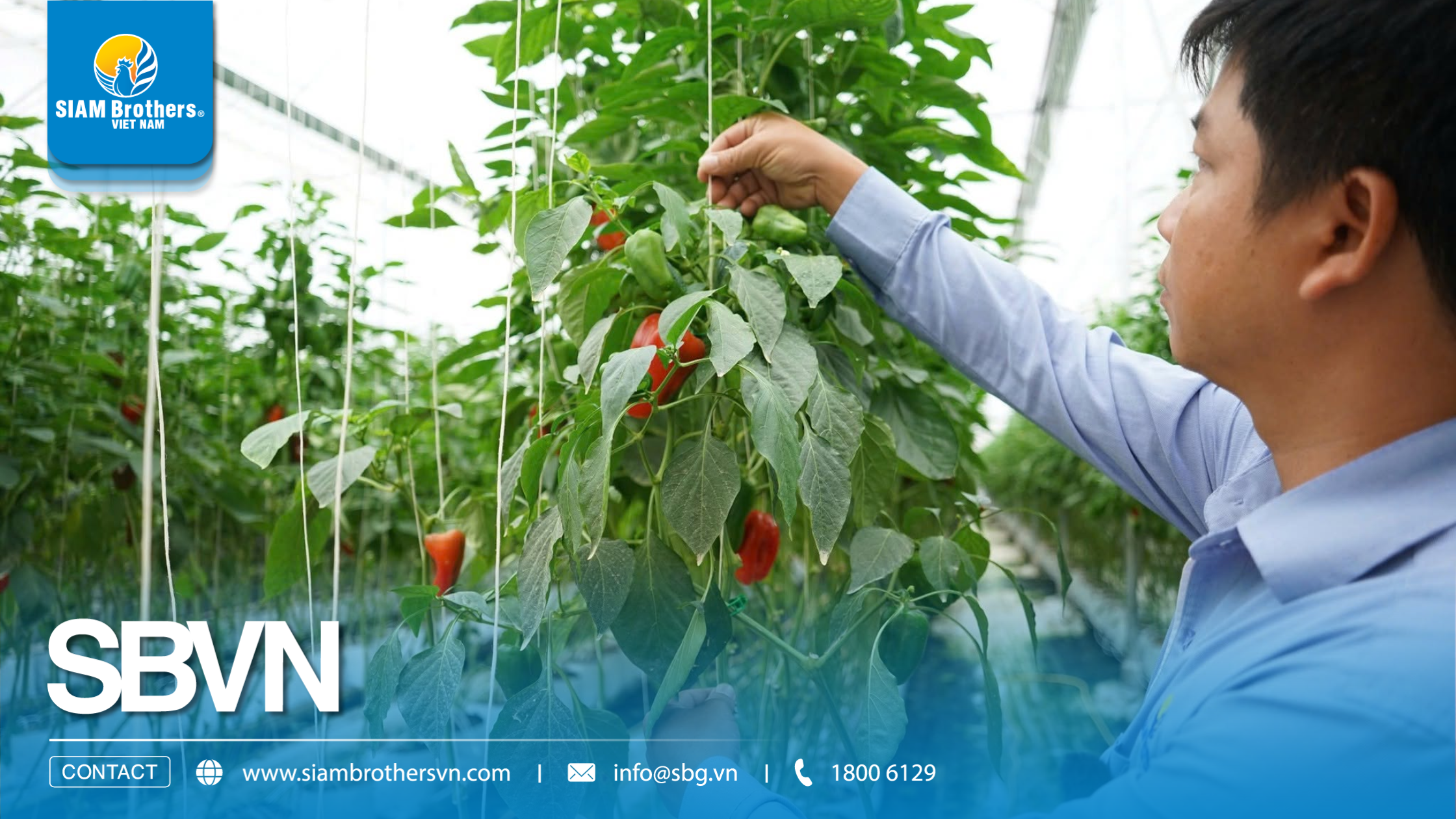
Today, most commercial growers and large-scale greenhouse operations choose Greenhouse Twine over conventional twine. While it may cost slightly more upfront, its long-term performance, durability, and reliability make it a smarter investment for high-tech agriculture.
High-quality Greenhouse Twine is engineered to:
These features are especially valuable for crops such as tomatoes and melons, where mature fruit can place significant weight on the support system.
Professional-grade Greenhouse Twine is manufactured with UV stabilizers that help it withstand prolonged exposure to sunlight.
Key benefits include:
Unlike conventional twine, specialized Greenhouse Twine features a smooth, non-absorbent surface that helps:
Its soft construction and smooth finish help:
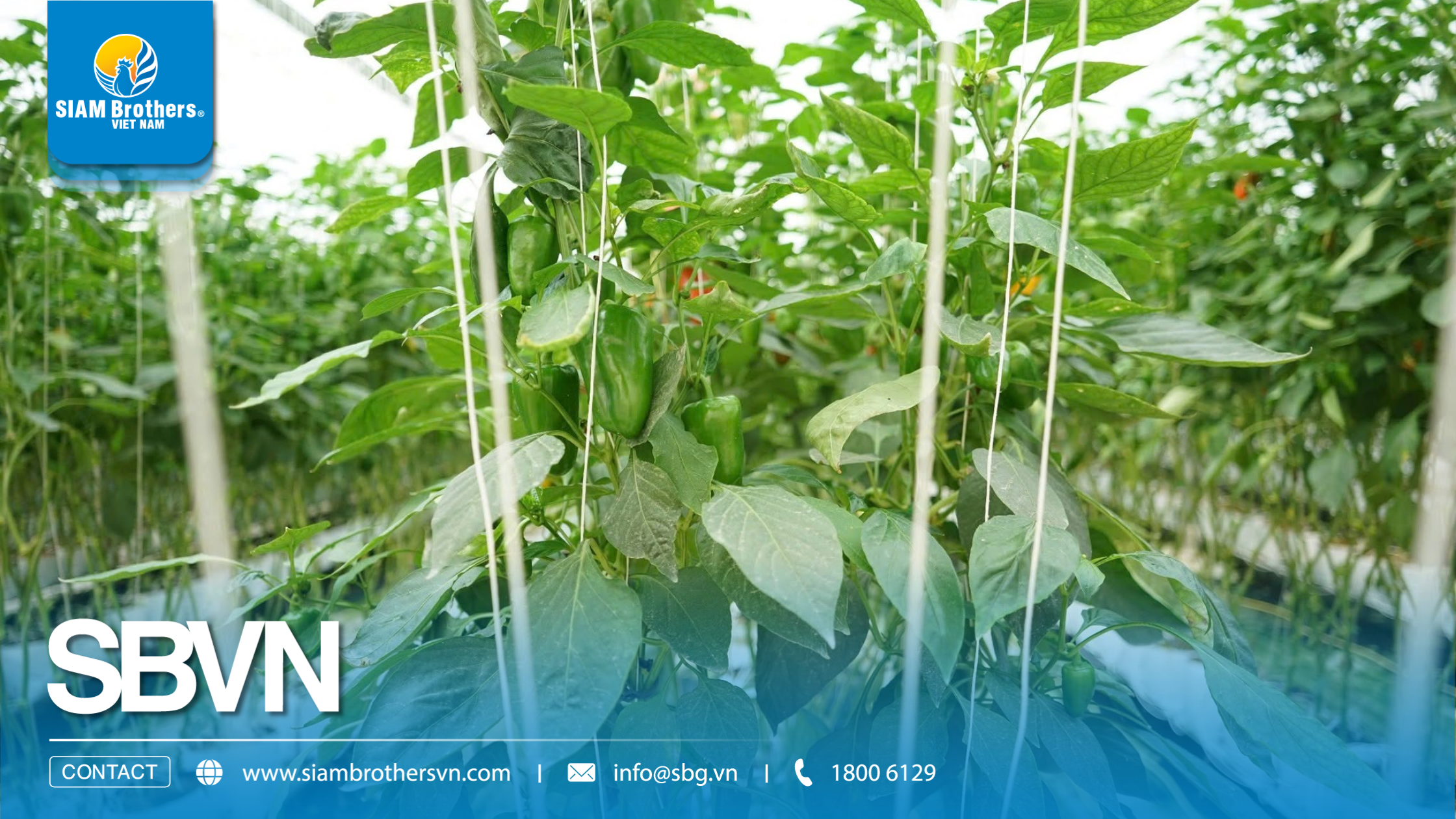
Specifically developed for greenhouse cultivation, SIAM Eco Farm Greenhouse Twine is designed to meet the demanding requirements of high-tech farming. From durability to crop protection, every feature is engineered to improve growing efficiency and reduce long-term production costs.
Manufactured using premium-quality virgin PP resin, SIAM Eco Farm Greenhouse Twine offers:
This allows the twine to safely support fruit-heavy crops throughout the entire production cycle.
The twine is enhanced with UV-resistant additives to ensure long-lasting performance under greenhouse conditions.
Benefits include:
Its carefully engineered smooth surface helps:
The non-absorbent material provides several important advantages:
Greenhouse Twine is an ideal solution for a wide range of greenhouse and protected cultivation systems, including:
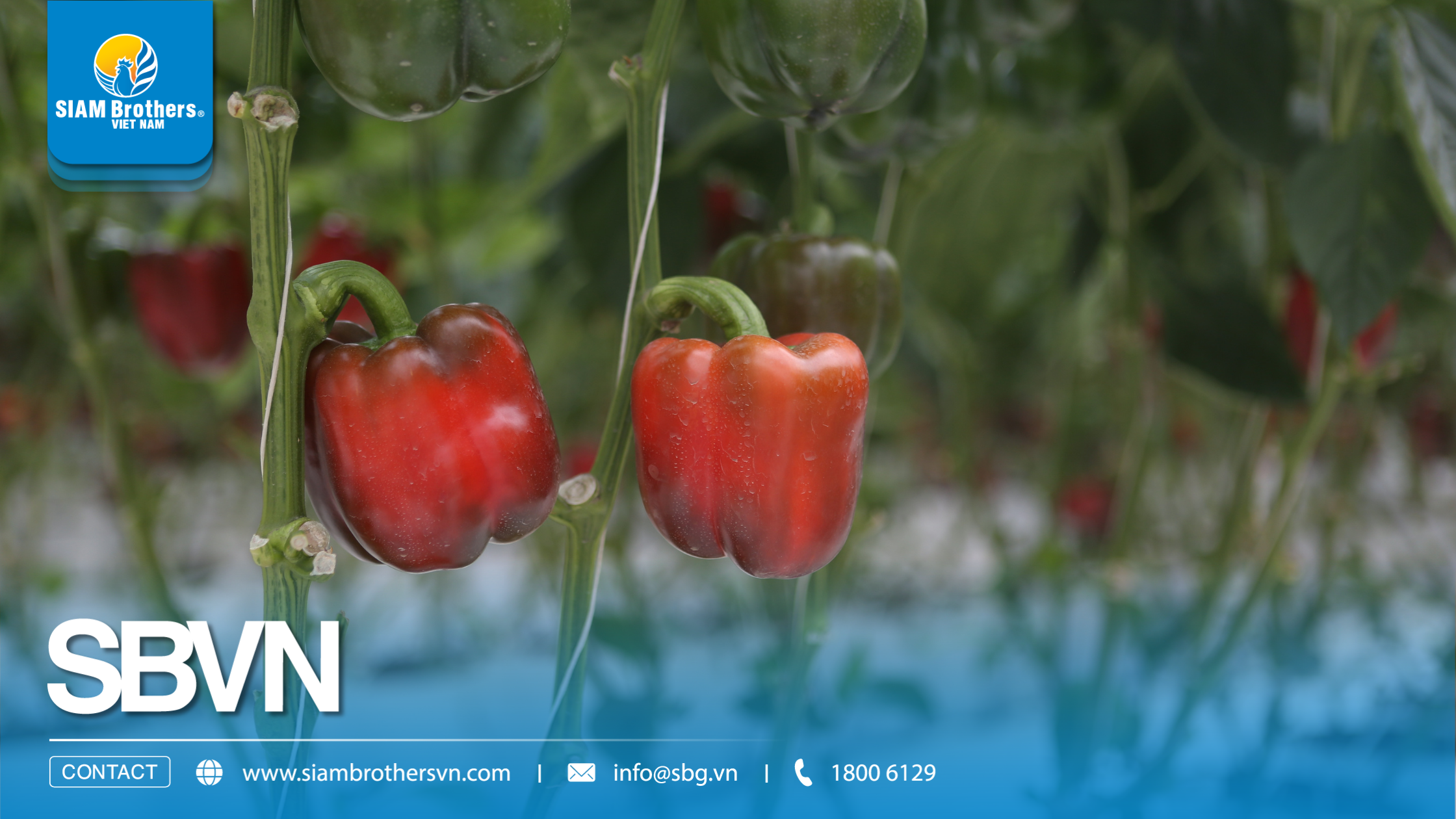
Yes. Greenhouse Twine is suitable for melons, tomatoes, bell peppers, cucumbers, and many other climbing or vine crops that require reliable vertical support.
Yes. Virgin polypropylene (PP) offers superior tensile strength, better resistance to aging, and enhanced UV protection compared to conventional nylon twine. These properties make it much better suited for long-term greenhouse use.
In many cases, yes. If the twine remains structurally sound and shows no signs of brittleness, excessive stretching, or damage, it can be reused. However, growers should carefully inspect the twine before each new crop cycle to ensure the safety and stability of the plant support system.
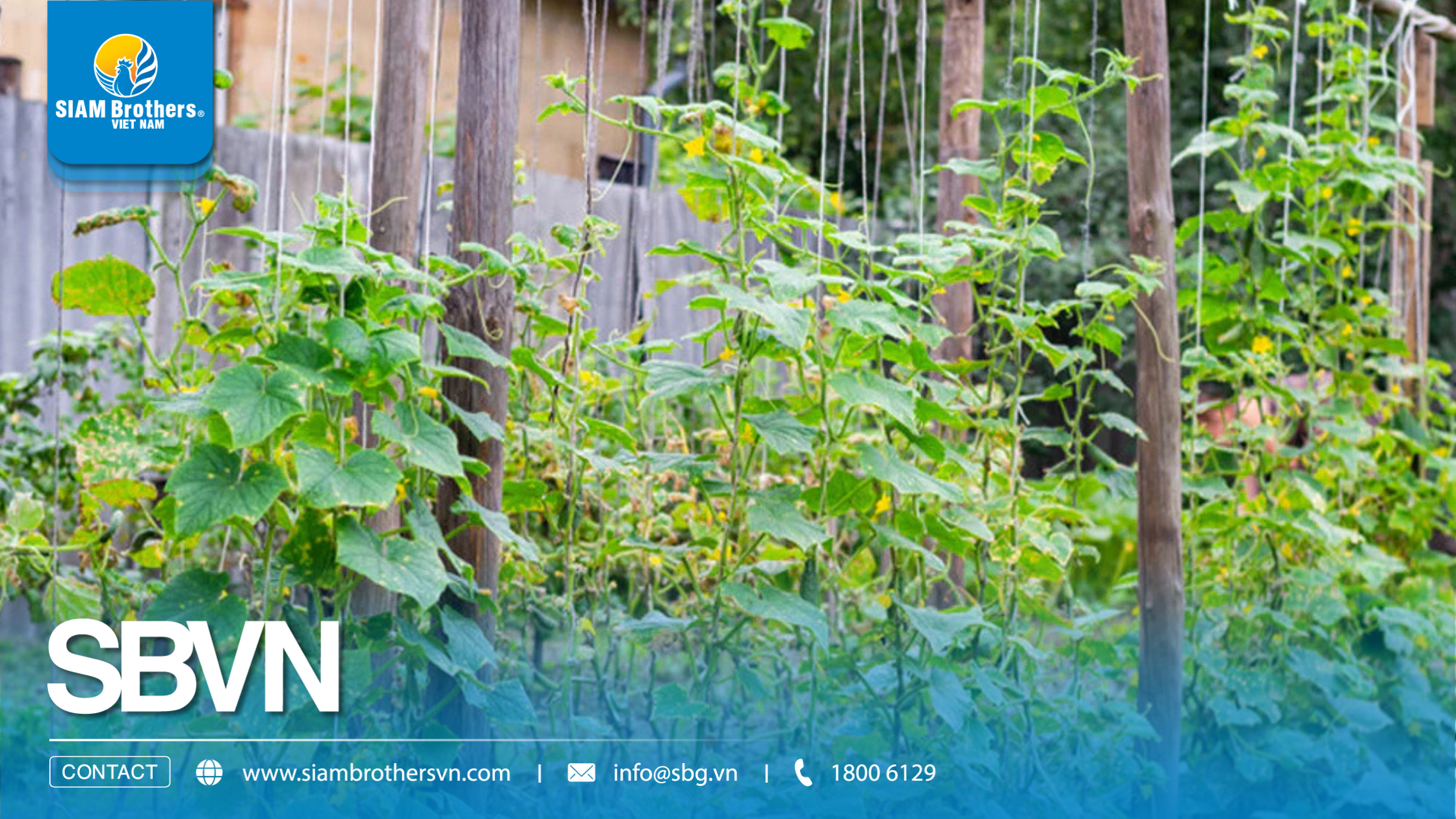
Choosing the right Greenhouse Twine is more than just selecting another farming supply—it's a long-term investment in crop protection, production efficiency, and profitability. In greenhouse environments where high temperatures, humidity, and heavy fruit loads place continuous stress on support systems, specialized greenhouse twine helps maintain stable plant growth while reducing maintenance costs and minimizing production risks.
Backed by more than 30 years of manufacturing experience in agricultural and fisheries products, SIAM Brothers Vietnam has developed SIAM Eco Farm Greenhouse Twine to meet the practical needs of modern growers. Made from 100% virgin polypropylene (PP), it delivers outstanding tensile strength, UV resistance, and long-lasting performance across a wide range of greenhouse applications.
Whether you're a commercial grower, agricultural cooperative, greenhouse investor, or agricultural supply distributor, SIAM Eco Farm Greenhouse Twine offers a reliable and sustainable solution to improve growing efficiency and maximize the value of every harvest.
Source: SIAM Brothers Vietnam
Contact us:
► Address: 5th floor, VRG Building, 177 Hai Ba Trung Street., Xuan Hoa Ward, Ho Chi Minh City, Vietnam
► Hotline: 1800 6129
► Tel: (+84) 28 38 912 889
► Email: info@sbg.vn
► Follow us for more details at: Facebook - Zalo OA - Tiktok - Youtube - LinkedIn
Download SBVN ID app here:
► CHPlay
► Appstore









Specializing in Agricultural and Fisheries Products & Multipurpose Wire