
Product News

Experience in Choosing Cage Fish Farming Nets for Grouper, Pompano and Cobia

  • 16/03/2026

Experience in choosing cage fish farming nets for grouper, pompano, and cobia plays a critical role in improving productivity and reducing operational costs in marine aquaculture.

Cage fish farming nets play a decisive role in the success of farming high-value marine species such as grouper, pompano, and cobia. Choosing the wrong type of net can lead to fish escape, rapid net deterioration, and increased maintenance costs after each farming cycle.

In this article, SIAM Brothers Vietnam shares practical experience in selecting the right cage fish farming nets for grouper, pompano, and cobia. This guide helps farmers and aquaculture businesses understand key technical criteria, choose suitable nets for each growth stage, optimize costs, and improve overall efficiency in both nearshore and offshore cage farming systems.

1. What Are Cage Fish Farming Nets?

Cage fish farming nets are a critical component of aquaculture systems used in rivers, coastal areas, and offshore environments. These specialized nets are designed to create an enclosed farming space within floating cages, keeping fish contained while allowing natural water circulation to support healthy growth.
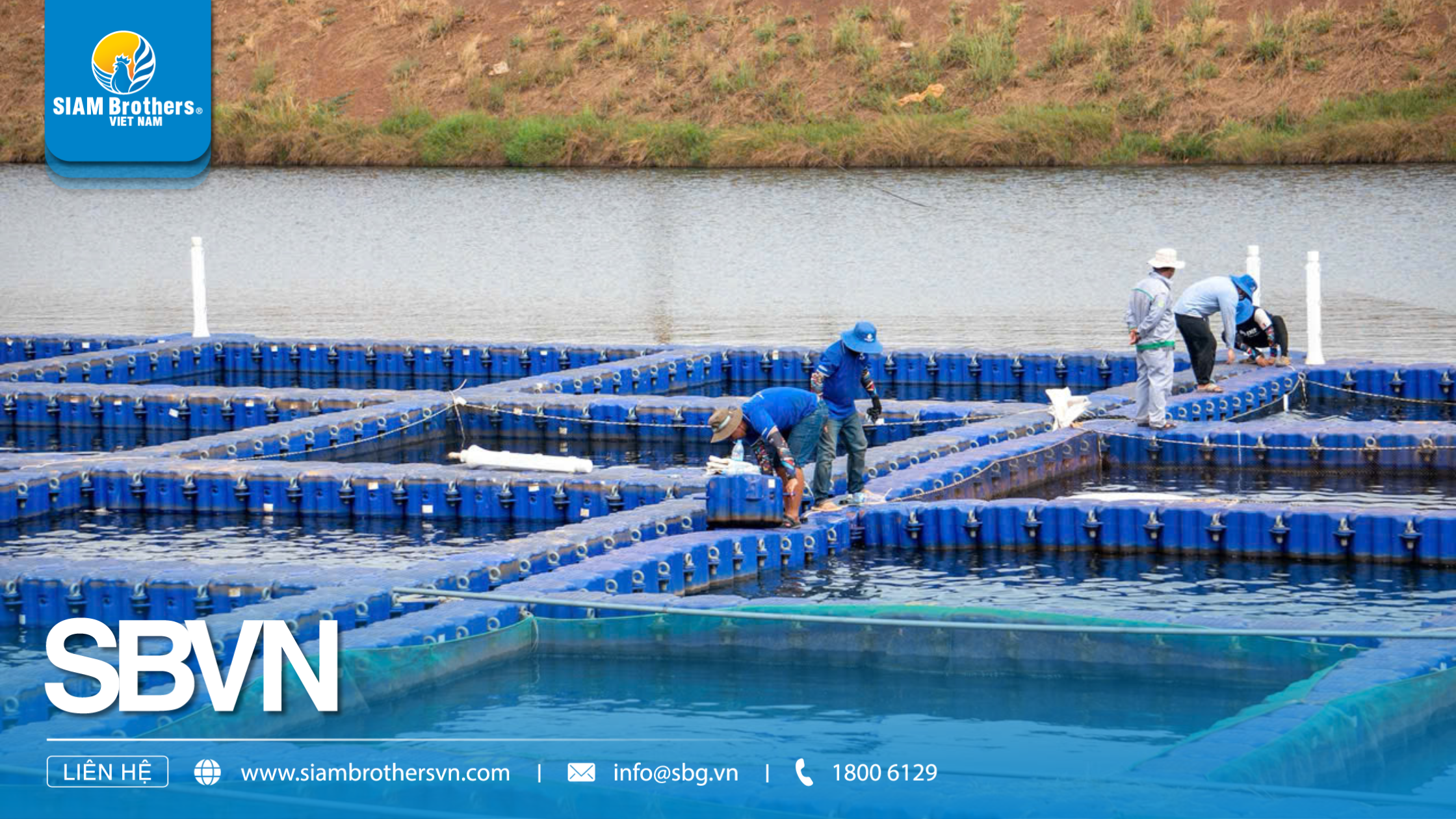
Kinh nghiệm chọn lưới nuôi cá lồng bè cho cá mú, cá chim, cá bớpHigh-quality cage fish farming nets help maintain a stable farming environment for grouper, pompano, and cobia in offshore cage systems – Source: SBVN 

1.1 Basic Structure of Cage Fish Farming Nets

A typical cage fish farming nets system consists of the following main components:

Net body

  • Forms the primary enclosure for fish inside the cage
  • Manufactured from durable materials such as PE, HDPE, or Nylon to withstand saltwater and currents

Mesh size

  • Determines the size of fish retained within the cage
  • Designed according to different growth stages, from fingerlings to commercial-size fish

Border rope (frame line)

  • Surrounds the top edge of the net to secure it to the cage frame
  • Enhances durability and reduces the risk of tearing under wave impact

Anchoring and fastening system

  • Connects the net to cage frames, floating buoys, and mooring ropes
  • Maintains structural stability in strong currents or offshore conditions

Thanks to this structure, cage fish farming nets help maintain a stable aquatic environment and ensure continuous oxygen supply through natural water flow.

1.2 Role of Cage Fish Farming Nets in Cage Systems

In modern marine aquaculture, cage fish farming nets serve not only as containment materials but also as a key factor influencing overall farming performance.
1.2.1 Providing a Safe Farming Environment

  • Keeps fish securely within the cage system
  • Prevents intrusion from predators and harmful marine species
  • Protects fish under strong waves and water currents

1.2.2 Ensuring Natural Water Circulation

  • Mesh design allows continuous water exchange
  • Supplies natural oxygen essential for fish growth
  • Helps remove waste and excess feed from the cage

1.2.3 Direct Impact on Farming Productivity

  • Durable nets reduce replacement and maintenance costs
  • Proper mesh size supports healthy growth and disease prevention
  • Well-designed nets maintain stable stocking density

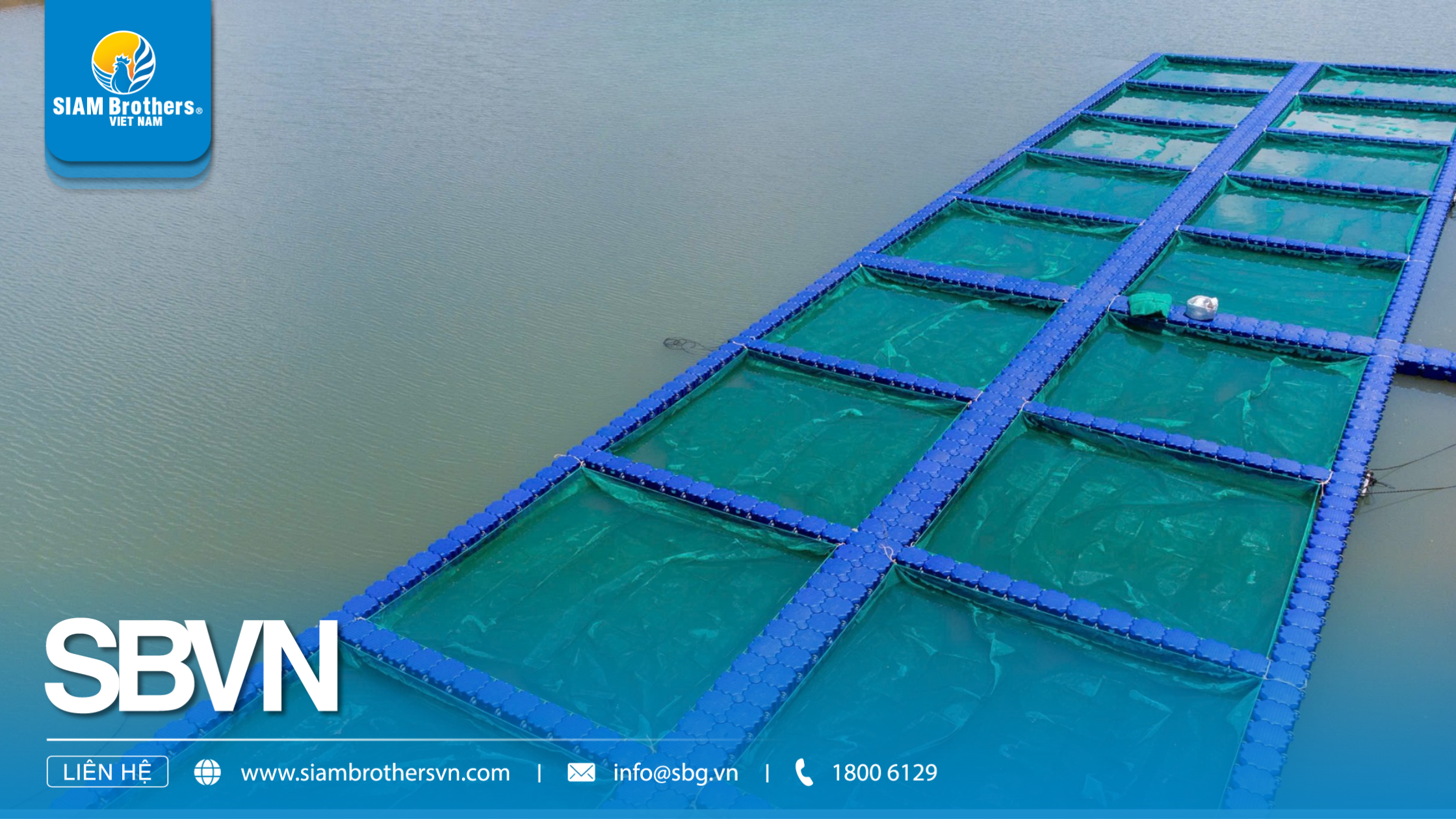
Kinh nghiệm chọn lưới nuôi cá lồng bè cho cá mú, cá chim, cá bớpA properly engineered cage fish farming nets system enhances water flow and protects fish throughout the farming process – Source: SBVN 

2. Environmental Characteristics for Farming Grouper, Pompano, and Cobia in Cages

2.1 Grouper Farming Environment

Grouper is a high-value marine species widely farmed in Vietnam.

2.1.1 Suitable Environmental Conditions

  • Typically farmed in coastal waters, sheltered bays, or low-wave areas
  • Optimal water temperature ranges from 24–30°C
  • Stable salinity between 28–35‰
  • Requires moderate water flow for proper circulation

2.1.2 Requirements for Cage Fish Farming Nets

  • Mesh size must be small enough to prevent juvenile fish escape
  • Nets must be strong to withstand fish growth and impact
  • Materials should resist fouling organisms to maintain water flow

Selecting appropriate cage fish farming nets for grouper ensures stable conditions and minimizes loss throughout the farming cycle.

2.2 Pompano Farming Environment

Pompano is a fast-growing species commonly farmed in areas with good water exchange.

2.2.1 Environmental Conditions

  • Typically farmed in open sea areas with moderate to strong currents
  • Requires clean water with high dissolved oxygen levels

2.2.2 Requirements for Cage Fish Farming Nets

  • Nets must have high tensile strength to withstand waves and currents
  • Structural stability is essential to prevent deformation
  • Mesh design must match stocking density

In these conditions, cage fish farming nets must offer high durability and strength to ensure operational safety.

2.3 Cobia Farming Environment

Cobia is a fast-growing species often farmed in large-scale offshore cage systems.

2.3.1 Environmental Conditions

  • Typically farmed in deep waters with strong currents
  • Optimal temperature ranges from 26–30°C
  • Requires well-oxygenated and open water environments

2.3.2 Requirements for Cage Fish Farming Nets

  • Nets must withstand strong pulling forces as fish grow large
  • Structural integrity is critical under rough sea conditions
  • Materials should resist abrasion and harsh marine environments

With its rapid growth and large size, using high-quality cage fish farming nets is essential to ensure fish safety and system durability.

2.4 Why Choosing the Right Cage Fish Farming Nets Matters

Understanding the environmental characteristics of grouper, pompano, and cobia highlights the importance of selecting the right cage fish farming nets.
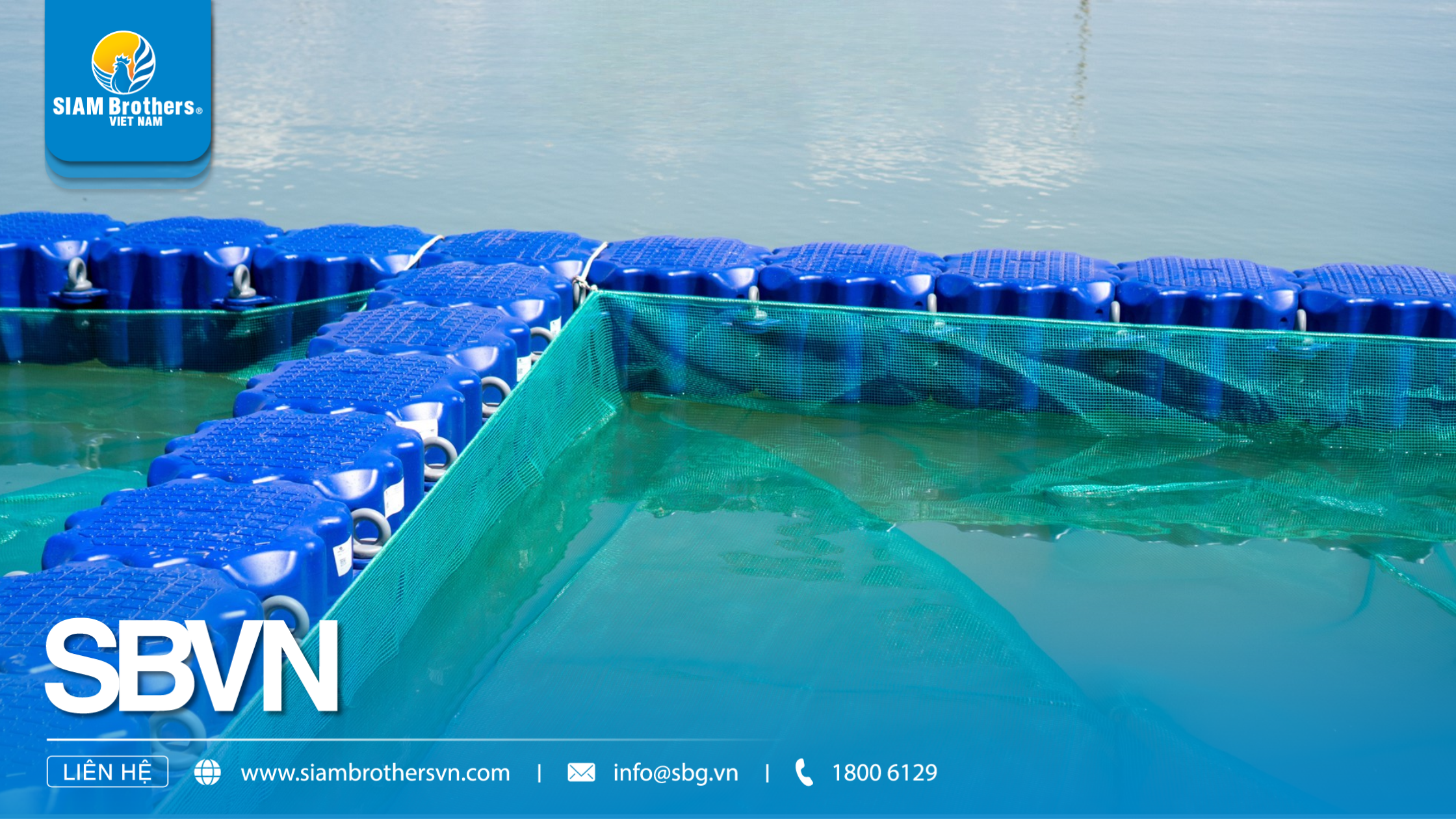
  • Strong wave conditions require high-strength and durable nets
  • High stocking density demands efficient water circulation
  • Different fish sizes require appropriate mesh sizes to prevent escape

Kinh nghiệm chọn lưới nuôi cá lồng bè cho cá mú, cá chim, cá bớp

3. Experience in Choosing Suitable Cage Fish Farming Nets

After understanding farming conditions, selecting the right cage fish farming nets is essential to ensure long-term performance and cost efficiency. The right choice helps reduce fish loss, minimize maintenance, and improve overall productivity in marine aquaculture systems.

3.1 Choosing the Right Materials for Cage Fish Farming Nets

Material selection directly determines the durability and lifespan of cage fish farming nets in marine environments.

3.1.1 PE Nets (Polyethylene)

  • Lightweight and easy to install in floating cage systems
  • Good resistance to saltwater and low risk of degradation
  • Cost-effective initial investment, suitable for various farming models

3.1.2 HDPE Nets

  • High mechanical strength, suitable for high-density farming
  • Excellent resistance to abrasion and harsh wave conditions
  • Longer service life compared to conventional net materials

3.1.3 Nylon Nets

  • High elasticity and flexibility
  • Strong tensile strength when farming large fish
  • Suitable for systems requiring adaptable net structures

When selecting cage fish farming nets, farmers should consider environmental conditions and production scale to ensure long-term efficiency.

3.2 Choosing the Right Mesh Size for Each Fish Species

Mesh size directly affects fish retention and water circulation in cage systems.

3.2.1 For Grouper

  • Smaller mesh size during the juvenile stage to prevent escape
  • Larger mesh can be used as fish grow to improve water flow

3.2.2 For Pompano

  • Requires good water circulation due to active swimming behavior
  • Mesh must be strong enough to resist deformation

3.2.3 For Cobia

  • Fast growth and large size require durable mesh
  • Mesh size should match each growth stage

Selecting the correct mesh size ensures that cage fish farming nets effectively retain fish while maintaining optimal water exchange.

3.3 Selecting Durable Nets for Marine Conditions

In marine aquaculture, cage fish farming nets are constantly exposed to waves, currents, and biofouling organisms.

  • Nets must have high tensile strength to withstand large fish
  • Fibers should resist abrasion in saltwater environments
  • Net structure must remain stable under strong currents and waves

High-quality cage fish farming nets help prevent tearing and reduce fish loss during operation.

3.4 Prioritizing Anti-Fouling and Easy Maintenance Nets

Biofouling from algae, barnacles, and marine organisms can significantly impact net performance.

  • Nets should be made from materials that reduce biofouling
  • Structure should allow easy cleaning and maintenance
  • Durable nets simplify long-term operation and reduce labor costs

A well-designed cage fish farming nets system helps maintain stable water quality and reduces cleaning frequency.
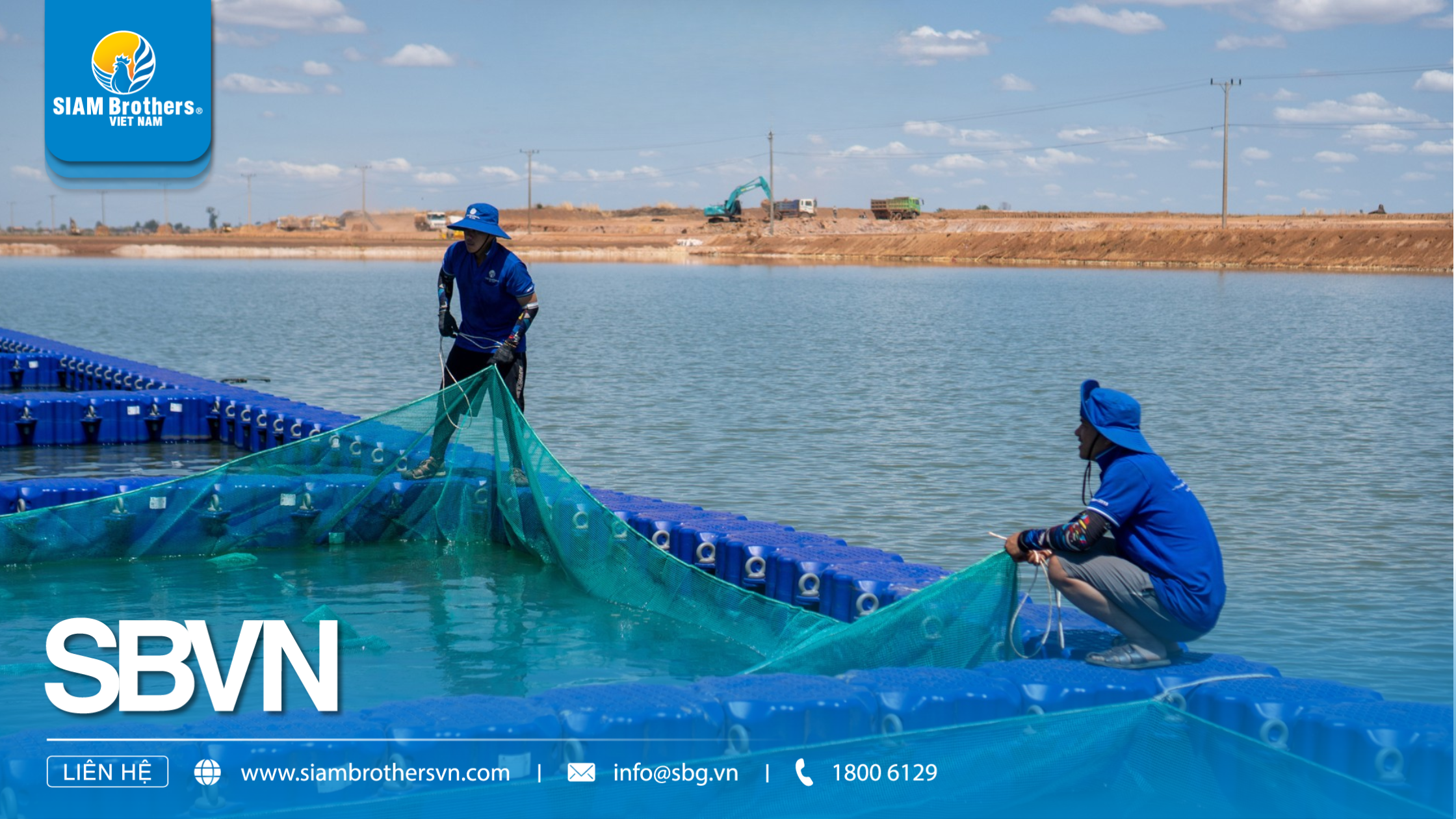
Kinh nghiệm chọn lưới nuôi cá lồng bè cho cá mú, cá chim, cá bớpModern marine farming systems use durable cage fish farming nets to ensure fish safety under strong wave conditions – Source: SBVN

4. Common Mistakes When Choosing Cage Fish Farming Nets

4.1 Choosing Nets Based Only on Price

A common mistake is selecting low-cost cage fish farming nets without evaluating quality.

  • Low-cost nets often use weaker fibers
  • Limited resistance to tension and abrasion
  • Short lifespan requiring frequent replacement
  • Higher long-term operational costs

Investing in high-quality cage fish farming nets reduces overall costs in the long run.

4.2 Choosing the Wrong Mesh Size

4.2.1 Mesh Too Small

  • Restricts water circulation
  • Increases biofouling buildup
  • Reduces dissolved oxygen levels

4.2.2 Mesh Too Large

  • Juvenile fish may escape
  • Increased loss during early stages
  • Not suitable for high-density farming

Proper mesh size selection ensures cage fish farming nets perform effectively throughout the farming cycle.

4.3 Ignoring Environmental Conditions

Different farming locations require different net specifications.

  • High-wave areas require strong, durable nets
  • Strong currents require stable net structures
  • Biofouling-prone areas require easy-to-clean nets

Failure to consider these factors can lead to rapid net deterioration.

4.4 Not Checking Net Quality and Structure

  • Uneven fibers may break under tension
  • Weak structures may deform as fish grow
  • Poor-quality nets tear easily

For large-scale farming, verifying technical specifications is essential when selecting cage fish farming nets.

4.5 Lack of Maintenance and Timely Replacement

  • Fouling reduces water circulation
  • Weak points may develop into tears
  • Damaged nets increase the risk of fish escape

Regular inspection and maintenance extend the lifespan of cage fish farming nets.

Standard-compliant cage fish farming nets help maintain stable stocking density and support healthy fish growth – Source: SBVN

5. Frequently Asked Questions About Cage Fish Farming Nets

5.1 Which Material Should Be Used?

  • PE nets: lightweight, cost-effective, suitable for coastal farming
  • HDPE nets: durable, ideal for offshore and high-wave conditions
  • Nylon nets: flexible and strong for large fish

5.2 How Long Do Cage Fish Farming Nets Last?

Lifespan depends on:

  • Material quality and manufacturing process
  • Environmental conditions (waves, salinity, currents)
  • Fish size and stocking density
  • Maintenance frequency

With proper care, cage fish farming nets can be used for multiple farming cycles.

5.3 How Often Should Nets Be Cleaned?

  • Inspect nets regularly
  • Clean when fouling begins to accumulate
  • Maintain water flow and oxygen levels
  • Reduce risks in high-density systems

5.4 When Should Nets Be Replaced?

  • When fibers show wear or weakening
  • When tears or deformation appear
  • When fouling becomes difficult to remove
  • When changing mesh size for growth stages

5.5 How to Choose a Reliable Supplier?

  • Clear technical specifications
  • Materials suitable for marine environments
  • Proven experience in aquaculture
  • Ability to provide tailored solutions

Choosing a trusted supplier ensures long-term performance of cage fish farming nets.
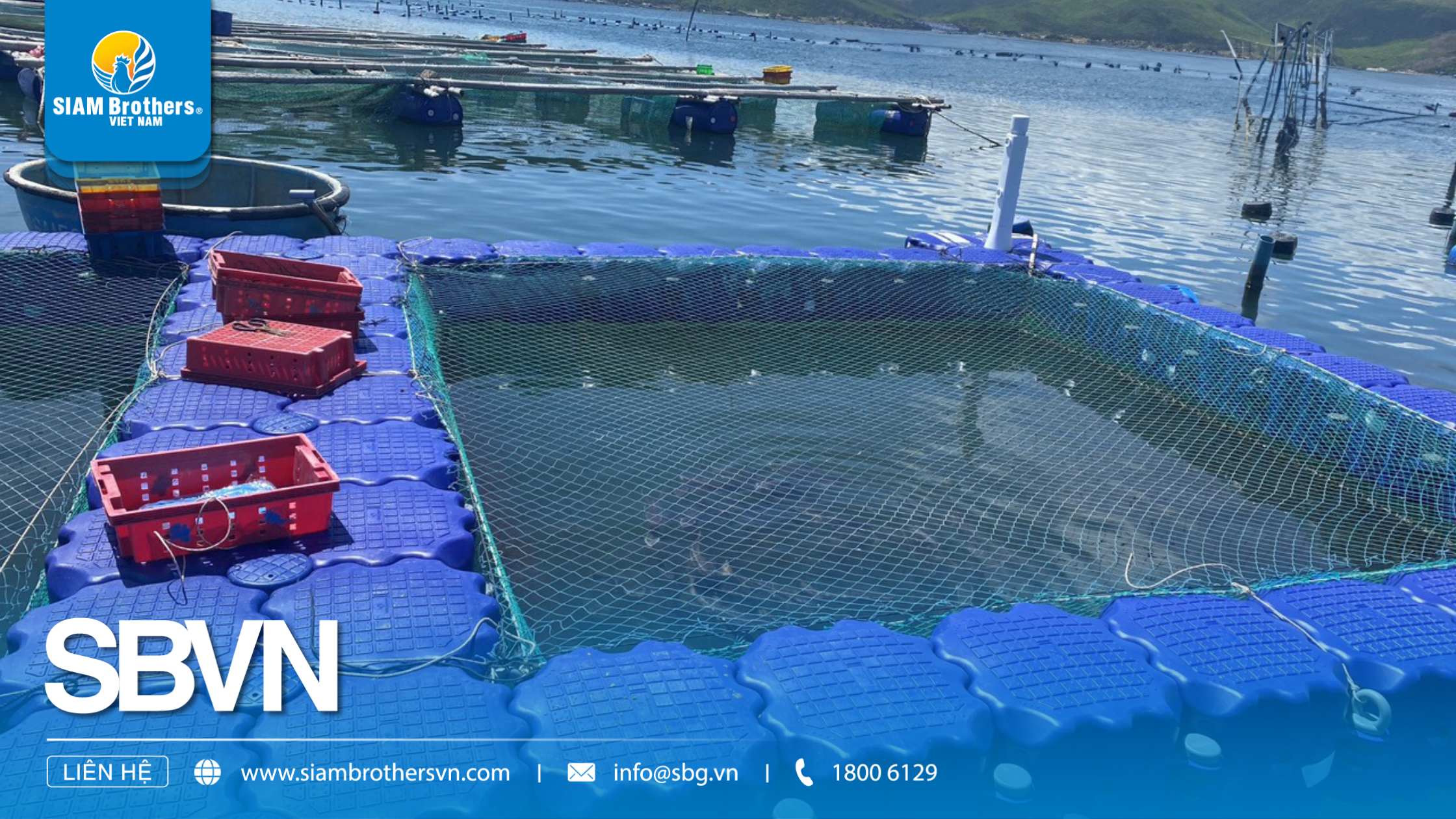
Kinh nghiệm chọn lưới nuôi cá lồng bè cho cá mú, cá chim, cá bớp

Cage fish farming nets are essential for maintaining a stable farming environment and protecting fish stocks in both coastal and offshore cage systems. Selecting the right nets helps grouper, pompano, and cobia grow efficiently while reducing loss and maintenance costs. For optimal results, farmers should carefully consider material, mesh size, durability, and environmental conditions before investing.

If you are looking for high-quality, durable cage fish farming nets for marine aquaculture, choosing an experienced manufacturer is key. Contact SIAM Brothers Vietnam for expert consultation and tailored net solutions for your farming model.

Source: SIAM Brothers Vietnam


Contact us:

► Address: 5th floor, VRG Building, 177 Hai Ba Trung Street., Xuan Hoa Ward, Ho Chi Minh City, Vietnam

► Hotline: 1800 6129

► Tel: (+84) 28 38 912 889

► Email: info@sbg.vn

 Follow us for more details at: Facebook - Zalo OA - Tiktok - Youtube - LinkedIn

Download SBVN ID app here:

 CHPlay

► Appstore

Kinh nghiệm chọn lưới nuôi cá lồng bè cho cá mú, cá chim, cá bớp