
- 1800 6129

HDPE Fish Farming Floating Platforms have become the preferred solution for aquaculture companies, cooperatives, and fish farmers thanks to their exceptional durability, lower maintenance costs, and outstanding performance across a wide range of water conditions. Compared with traditional wooden floating platforms, HDPE systems offer a longer service life, greater structural stability, and the flexibility to support both small-scale and commercial fish farming operations.
In this guide, SIAM Brothers Vietnam provides the latest pricing insights for HDPE Fish Farming Floating Platforms based on platform size, load capacity, and project scale. We'll also explore the key factors that influence pricing, share practical tips for selecting the right system, and explain the technical considerations that help maximize long-term performance while optimizing your investment.
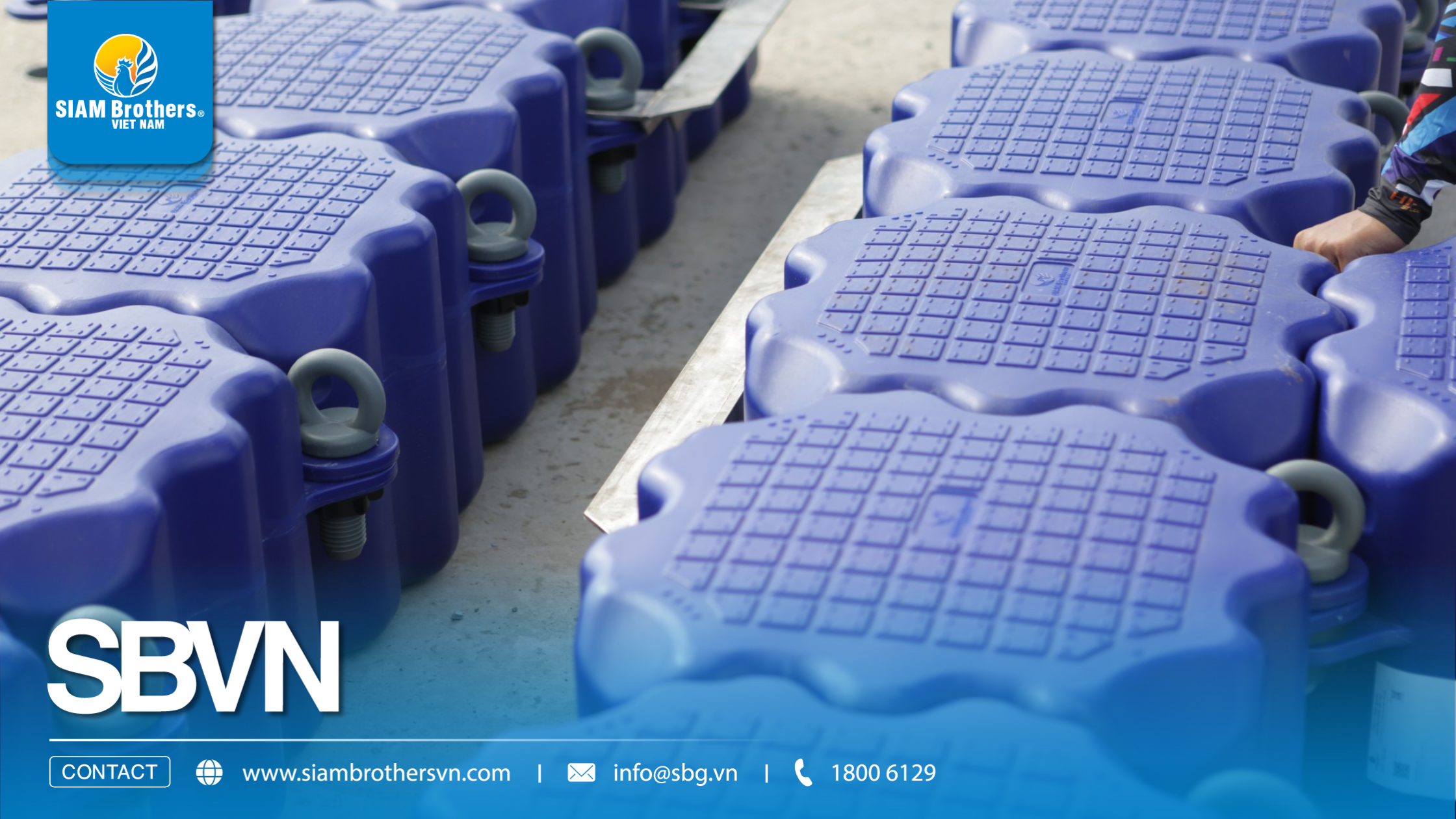
An HDPE Fish Farming Floating Platform is a modular floating structure engineered from High-Density Polyethylene (HDPE). It combines high-buoyancy HDPE floats, structural framing, connecting components, and fish cages to create a stable, durable, and long-lasting aquaculture platform.
These systems are widely used in reservoirs, rivers, estuaries, coastal waters, and offshore fish farming projects because they deliver reliable performance even in demanding environments.
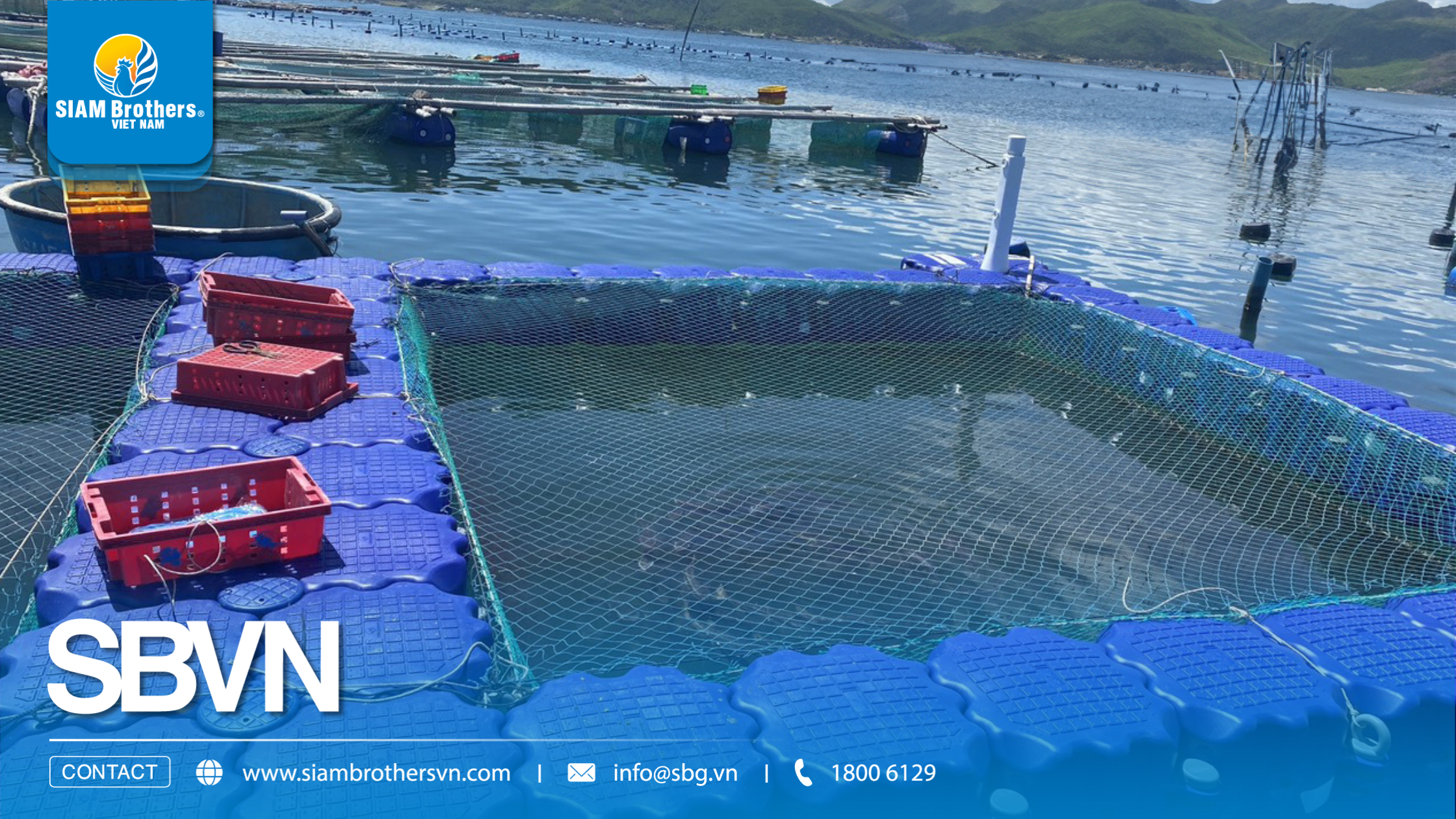
A standard HDPE Fish Farming Floating Platform typically includes:
Together, these components create a stable platform that supports safe fish farming operations while reducing long-term maintenance requirements.
If you've spoken with fish farmers in coastal provinces or around large reservoirs, you've probably heard a common concern: maintaining traditional wooden platforms can become increasingly expensive over time. Constant exposure to sunlight, rain, and saltwater often causes wooden structures to deteriorate, leading to frequent repairs and replacement costs.
This is one of the main reasons why more aquaculture operators are switching to HDPE Fish Farming Floating Platforms.
Longer Service Life
Compared with conventional wooden platforms, HDPE offers significant durability advantages:
This long lifespan helps reduce replacement frequency and lowers the overall cost of ownership.
Lower Maintenance Costs
Routine maintenance is one of the biggest hidden expenses in aquaculture infrastructure.
With an HDPE Fish Farming Floating Platform, operators benefit from:
For example, a commercial marine fish farm operating 8-10 cages can typically achieve noticeably lower annual maintenance expenses with an HDPE system than with a traditional wooden platform.
Improved Safety During Daily Operations
A stable working environment is essential for feeding, inspection, and harvesting.
HDPE platforms provide:
One of the biggest advantages of modular HDPE systems is their scalability.
As production increases, operators can easily:
This flexibility makes HDPE platforms an ideal choice for cooperatives, commercial aquaculture companies, and large-scale offshore fish farming projects.
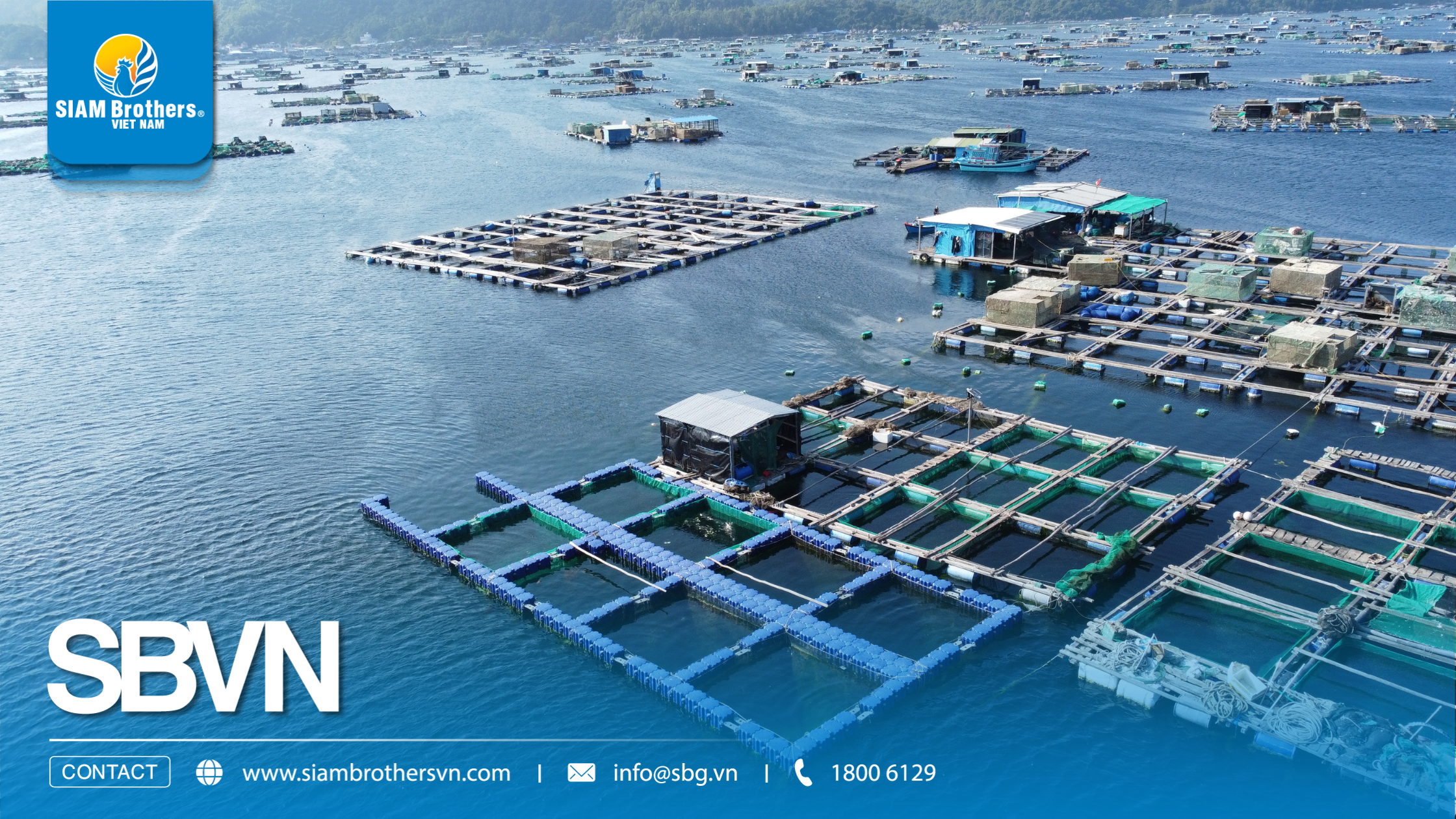
Different aquaculture operations require different platform sizes. Choosing the appropriate configuration helps maximize productivity while optimizing your investment.
Recommended for:
Typical features include:
These systems are ideal for farmers who want to begin with a manageable investment while retaining the flexibility to expand in the future.
Suitable for:
Key advantages include:
This configuration provides an excellent balance between production efficiency and investment cost for growing aquaculture businesses.
Designed for:
Typical characteristics include:
Large commercial projects often require site-specific engineering to ensure optimal performance under local wave, wind, and tidal conditions.
The total investment for an HDPE Fish Farming Floating Platform also depends on the number of fish cages included in the system.
Common project configurations include:
Selecting the right HDPE Fish Farming Floating Platform is not simply about choosing the largest system available. The ideal solution depends on your production goals, farming environment, investment budget, and future expansion plans.
A platform that is too small may limit growth, while an oversized system can result in unnecessary upfront costs. Based on SIAM Brothers Vietnam's experience in aquaculture projects, choosing the right configuration from the beginning can help maximize operational efficiency and reduce long-term investment costs.
This type of platform is well suited for:
When selecting a platform for a small-scale operation, it is recommended to prioritize:
For example, if your operation currently manages only 2–4 fish cages, investing in a large commercial system may not be necessary. A properly sized platform can significantly reduce initial investment costs while still providing room for future growth.
For commercial aquaculture companies, the goal extends beyond increasing production volume. Long-term operational reliability and cost efficiency are equally important.
A large-scale HDPE Fish Farming Floating Platform should be designed to meet the following requirements:
This category of project often requires a comprehensive site assessment before engineering and fabrication begin. Site-specific design helps ensure the platform performs reliably under real operating conditions while minimizing future maintenance challenges.
Beyond project size, several other factors should be carefully evaluated before selecting an HDPE Fish Farming Floating Platform.
The farming environment has a direct impact on platform design and structural requirements.
Important considerations include:
These factors influence everything from buoyancy requirements to anchoring system design and structural strength.
Different aquatic species have different farming requirements.
Key considerations include:
For example, offshore species such as grouper or cobia typically require stronger and more robust platform structures than freshwater fish farming systems due to harsher environmental conditions.
Before investing, it is worth asking a few important questions:
If long-term growth is part of your business strategy, a modular platform design is often the most practical solution. It allows future expansion while minimizing disruption to ongoing operations.
According to SIAM Brothers Vietnam's engineering team, many aquaculture operators can achieve significant savings simply by making the right decisions during the planning stage.
Here are several recommendations:
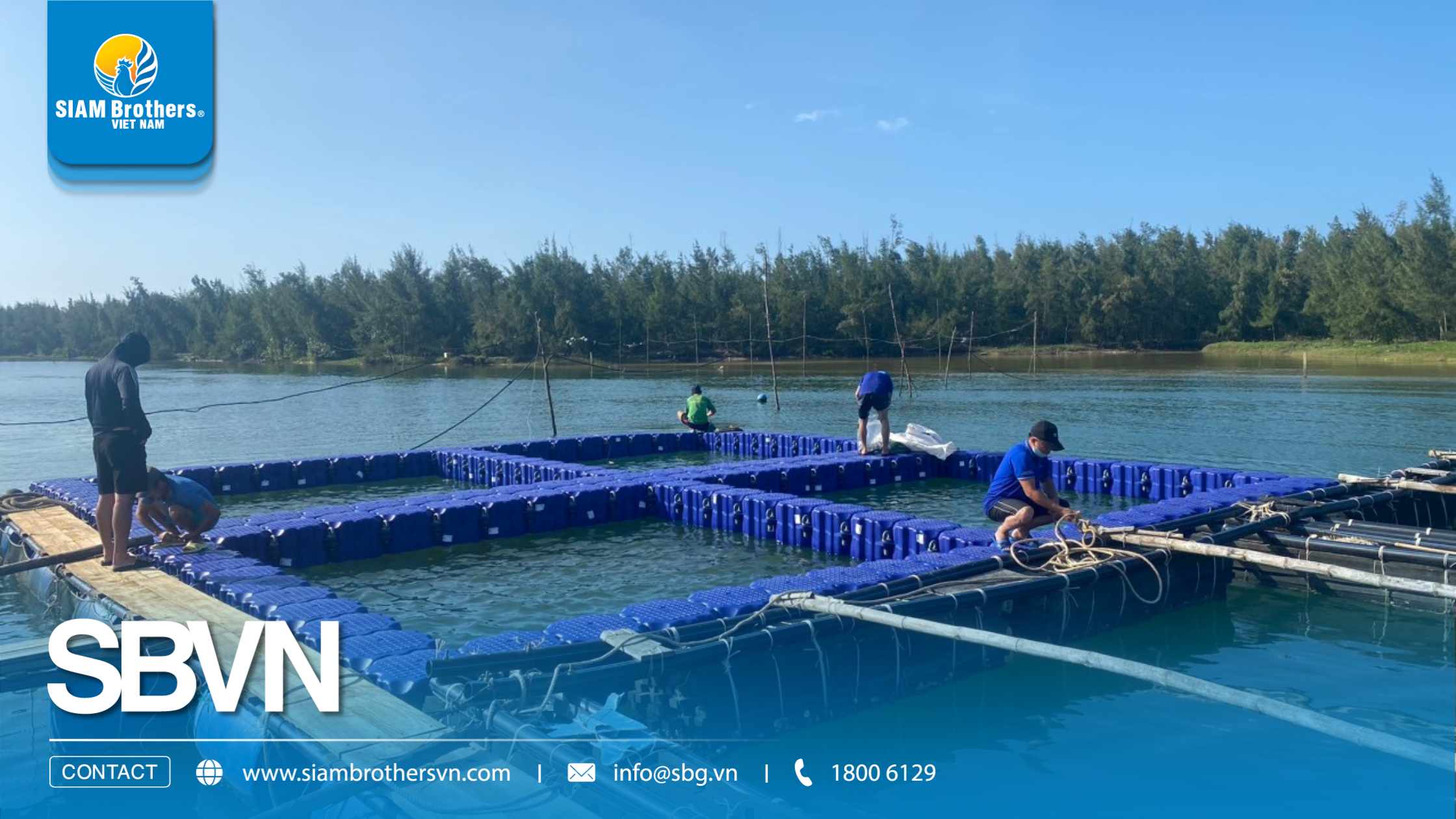
When comparing aquaculture infrastructure, many buyers focus primarily on the initial purchase price. However, experienced fish farmers understand that the real cost of ownership extends far beyond the upfront investment.
An HDPE Fish Farming Floating Platform is designed to deliver long-term value through greater durability, lower maintenance requirements, and improved operational efficiency. According to SIAM Brothers Vietnam's engineering and R&D teams, evaluating the Total Cost of Ownership (TCO) provides a much more accurate picture of long-term investment performance than simply comparing purchase prices.
One of the greatest advantages of an HDPE Fish Farming Floating Platform is its exceptional durability under demanding operating conditions.
Compared with traditional wooden platforms, HDPE offers several long-term benefits:
Because of these characteristics, platform owners spend far less on replacing floating buoys, structural components, or support frames throughout the system's service life.
For commercial aquaculture operations, this translates into significant savings over many years of continuous use.
Routine maintenance is one of the largest hidden expenses in fish farming infrastructure.
Wooden platforms typically require regular maintenance such as:
An HDPE Fish Farming Floating Platform, on the other hand, is specifically engineered to withstand harsh aquatic environments with minimal maintenance requirements.
Key maintenance advantages include:
These benefits are particularly valuable for offshore fish farms, where maintenance activities are often more expensive and logistically challenging.
Beyond maintenance, operational efficiency also plays an important role in determining the overall return on investment.
A properly engineered HDPE Fish Farming Floating Platform provides several operational advantages:
| Criteria | HDPE Fish Farming Floating Platform | Traditional Wooden Platform |
| Service Life | Long-lasting with stable performance over many years | Depends on timber quality and environmental conditions |
| Saltwater Resistance | Excellent corrosion resistance | Vulnerable to rot and saltwater deterioration |
| Maintenance Costs | Low maintenance requirements | Frequent repairs and ongoing maintenance |
| Expandability | Modular design allows easy expansion | Difficult and costly to modify |
| Operational Stability | High structural stability in various water conditions | Performance gradually declines as the structure ages |
| Long-Term Investment Value | Lower Total Cost of Ownership and higher lifecycle value | Higher maintenance and replacement costs over time |
One of the best ways to evaluate the quality of an HDPE Fish Farming Floating Platform is by looking at completed projects in real operating environments. Every aquaculture site presents unique challenges, from water depth and wave conditions to production scale and environmental factors.
With decades of experience in aquaculture infrastructure, SIAM Brothers Vietnam has successfully delivered HDPE floating platform solutions for both domestic and international projects. These real-world applications provide valuable insights into how proper engineering and customized design contribute to long-term operational success.
Van Don, Quang Ninh Province, is one of Northern Vietnam's leading marine aquaculture regions, known for its dynamic coastal environment and demanding farming conditions.
For this project, the HDPE Fish Farming Floating Platform was engineered to achieve several key objectives:
During project implementation, SIAM Brothers Vietnam's engineering team optimized both the HDPE floating buoy design and the structural connection system to match the specific environmental conditions of Quang Ninh's coastal waters. This project demonstrates the importance of tailoring each floating platform to its operating environment rather than applying a one-size-fits-all design.
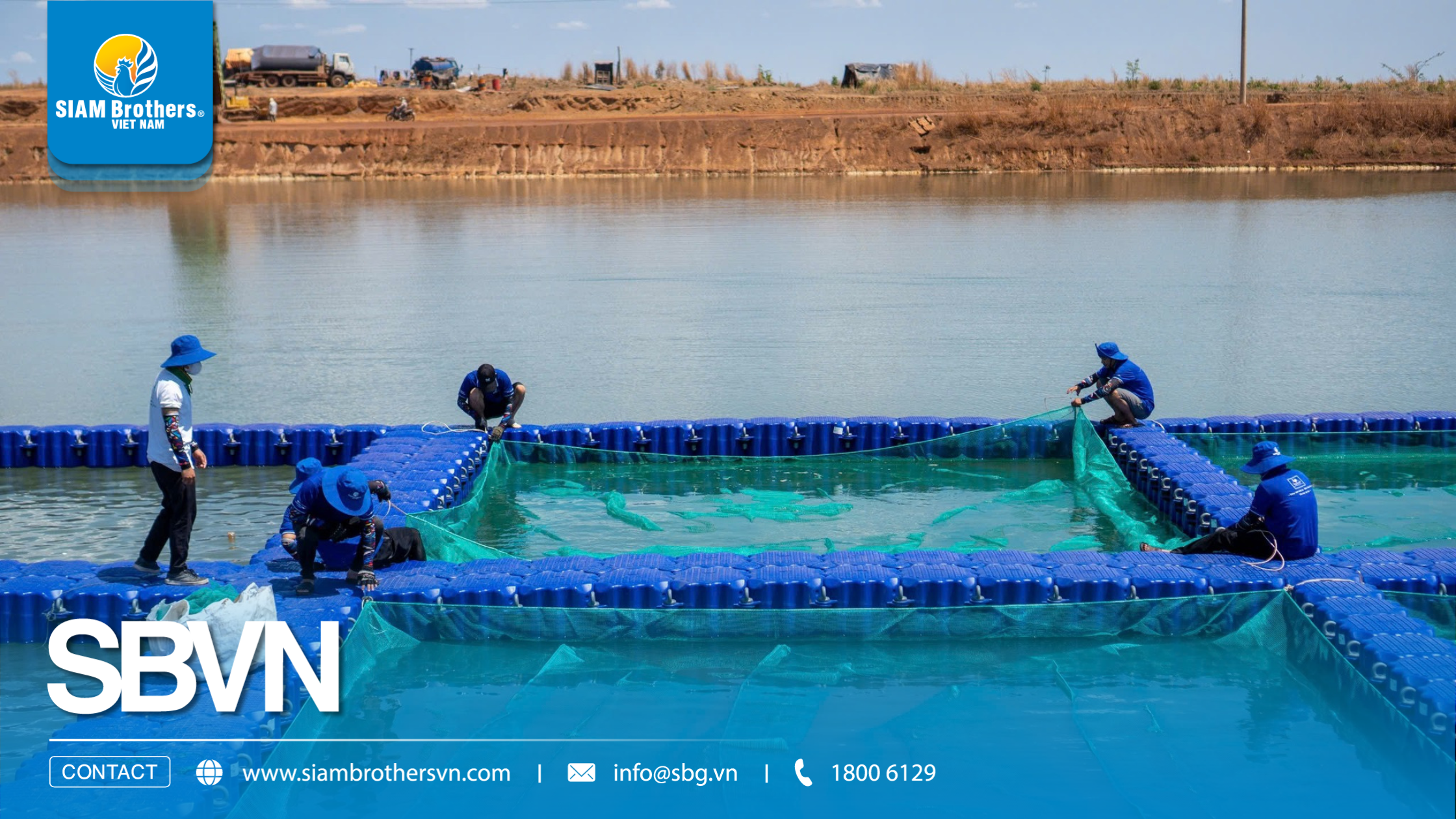
SIAM Brothers Vietnam's HDPE solutions are not limited to the domestic market. They have also been successfully deployed in international aquaculture projects, including a large-scale installation in Cambodia.
The 20-module HDPE Fish Farming Floating Platform was developed with the following objectives:
The project highlights one of the greatest strengths of modular HDPE construction: additional fish cages and working areas can be integrated easily as production capacity increases, allowing investors to expand without redesigning the entire system.
Based on SIAM Brothers Vietnam's experience across numerous aquaculture installations, the long-term performance of an HDPE Fish Farming Floating Platform depends on much more than material quality alone.
Successful projects always begin with a comprehensive engineering assessment.
Before production starts, the technical team typically evaluates:
Collecting accurate site data enables engineers to recommend the most suitable platform configuration while minimizing future maintenance costs and operational risks.
Every completed project strengthens SIAM Brothers Vietnam's engineering expertise and contributes to continuous product improvement.
Key benefits gained from practical project experience include:
Rather than applying a standard design to every project, each new HDPE Fish Farming Floating Platform is engineered using knowledge gained from previous installations. This project-based approach helps ensure reliable performance under a wide range of operating conditions.
If you're planning to invest in an HDPE Fish Farming Floating Platform, reviewing completed projects can provide valuable insights into a supplier's engineering capabilities and real-world experience.
Before making a decision, consider the following questions:
Answering these questions will help you select a solution that not only meets your current production requirements but also supports your long-term business development.
By partnering with an experienced manufacturer like SIAM Brothers Vietnam, aquaculture operators gain more than a floating platform—they gain a reliable engineering partner capable of delivering customized, scalable, and durable aquaculture infrastructure solutions.
Source: SIAM Brothers Vietnam
Contact us:
► Address: 5th floor, VRG Building, 177 Hai Ba Trung Street., Xuan Hoa Ward, Ho Chi Minh City, Vietnam
► Hotline: 1800 6129
► Tel: (+84) 28 38 912 889
► Email: info@sbg.vn
► Follow us for more details at: Facebook - Zalo OA - Tiktok - Youtube - LinkedIn
Download SBVN ID app here:
► CHPlay
► Appstore







Specializing in Agricultural and Fisheries Products & Multipurpose Wire