Are HDPE Modular Floating Pontoons truly a more cost-effective solution than foam floats, or are they simply more expensive upfront? This is a common question among aquaculture businesses, floating platform owners, and marine equipment distributors when evaluating long-term operational costs. In reality, the initial purchase price does not reflect the total ownership cost over a 3-year period, especially when durability, replacement frequency, and damage risks in harsh marine environments are considered. In this article, SIAM Brothers VN provides a detailed comparison between HDPE Modular Floating Pontoons and foam floats based on practical performance data, including lifespan, load-bearing capacity, and maintenance costs, helping you determine the most efficient solution for your aquaculture systems or floating structures.
1. Overview of HDPE Modular Floating Pontoons and Foam Floats
1.1. What Are HDPE Modular Floating Pontoons?
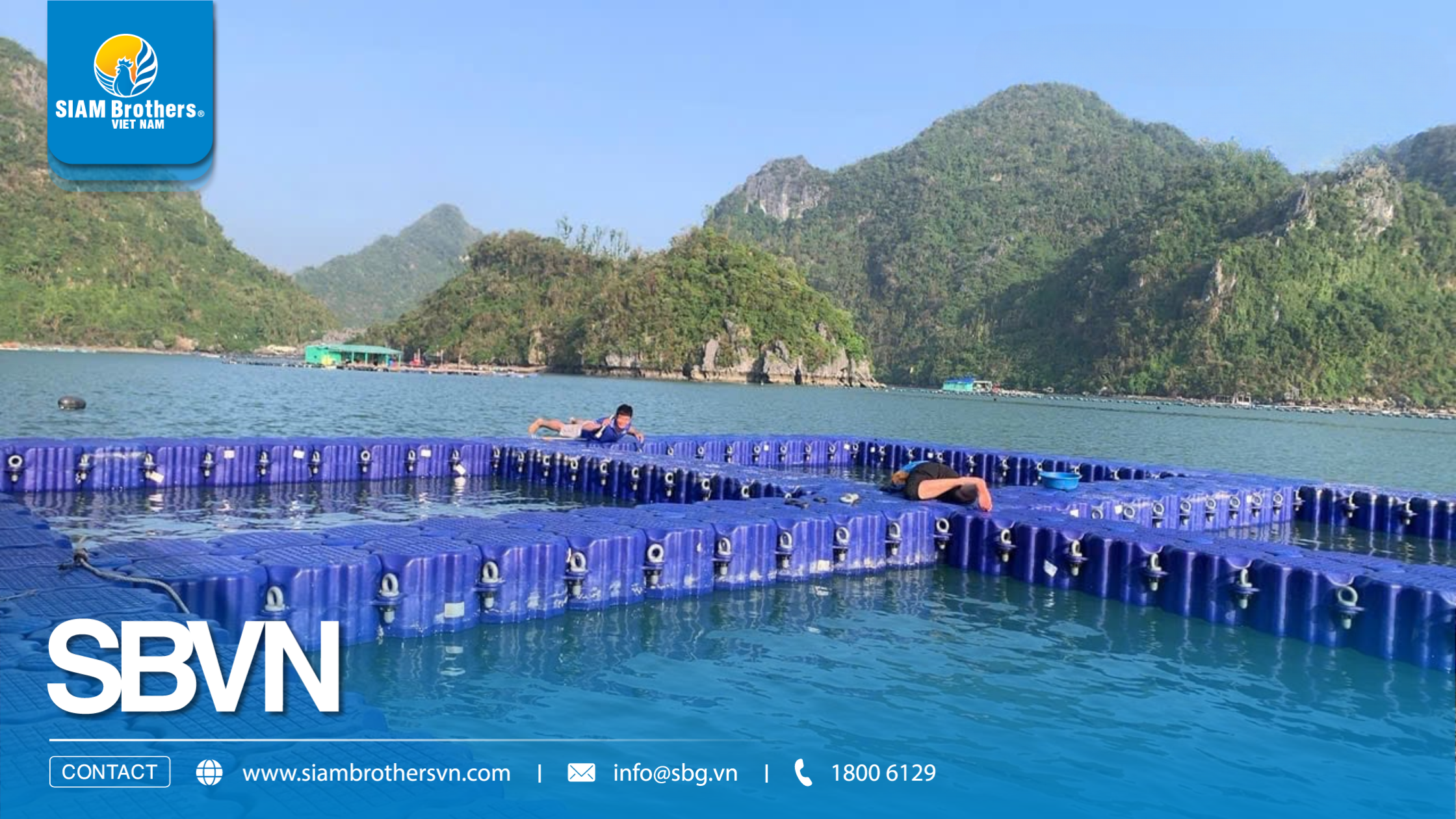
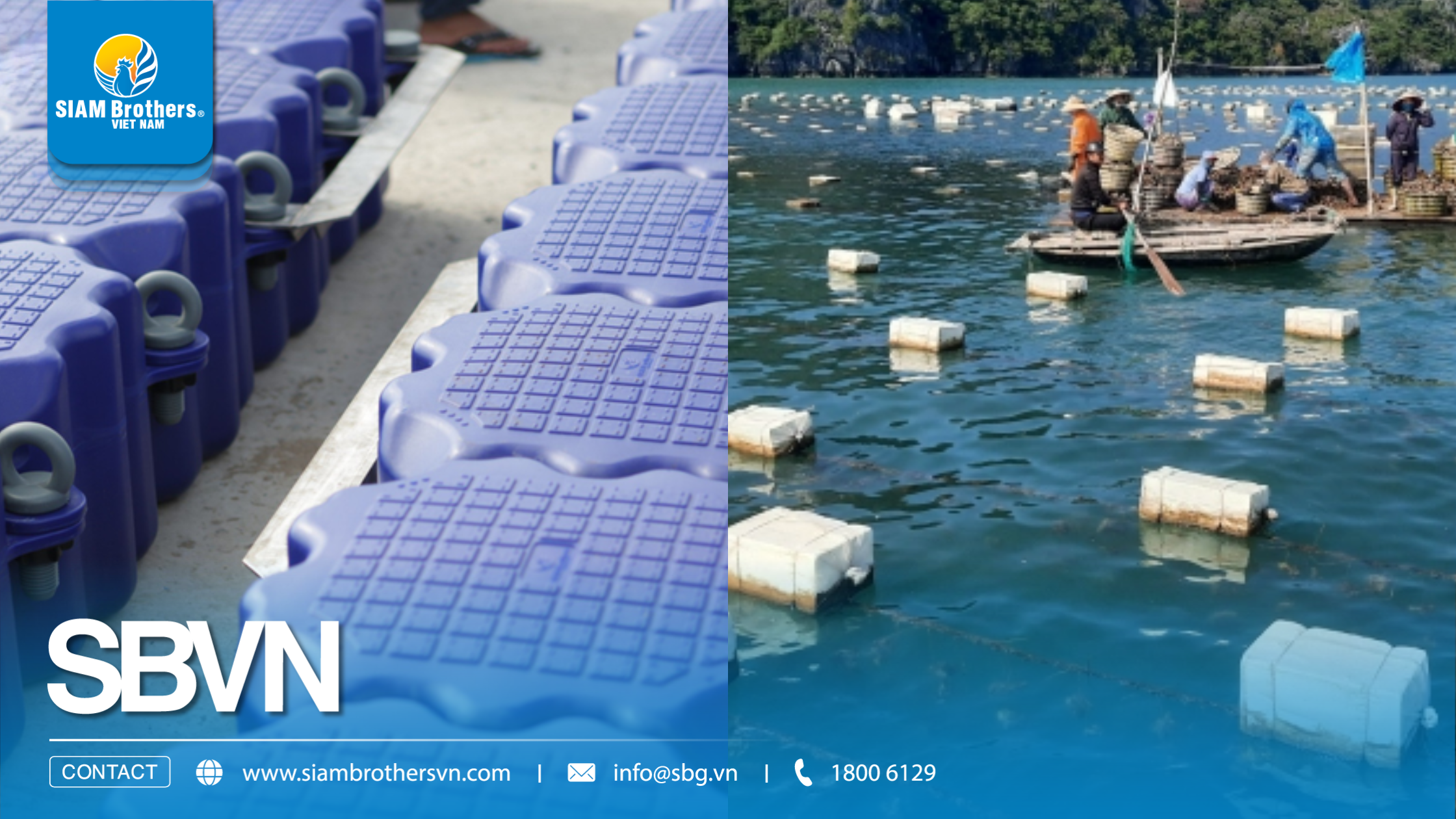
HDPE Modular Floating Pontoons are floating systems manufactured from High-Density Polyethylene (HDPE) with a modular design that allows flexible assembly for different applications.
Structural Features:
- Made from virgin HDPE material with excellent UV resistance and seawater corrosion resistance
- Closed hollow structure that prevents water absorption
- Connected through integrated joints or modular locking systems
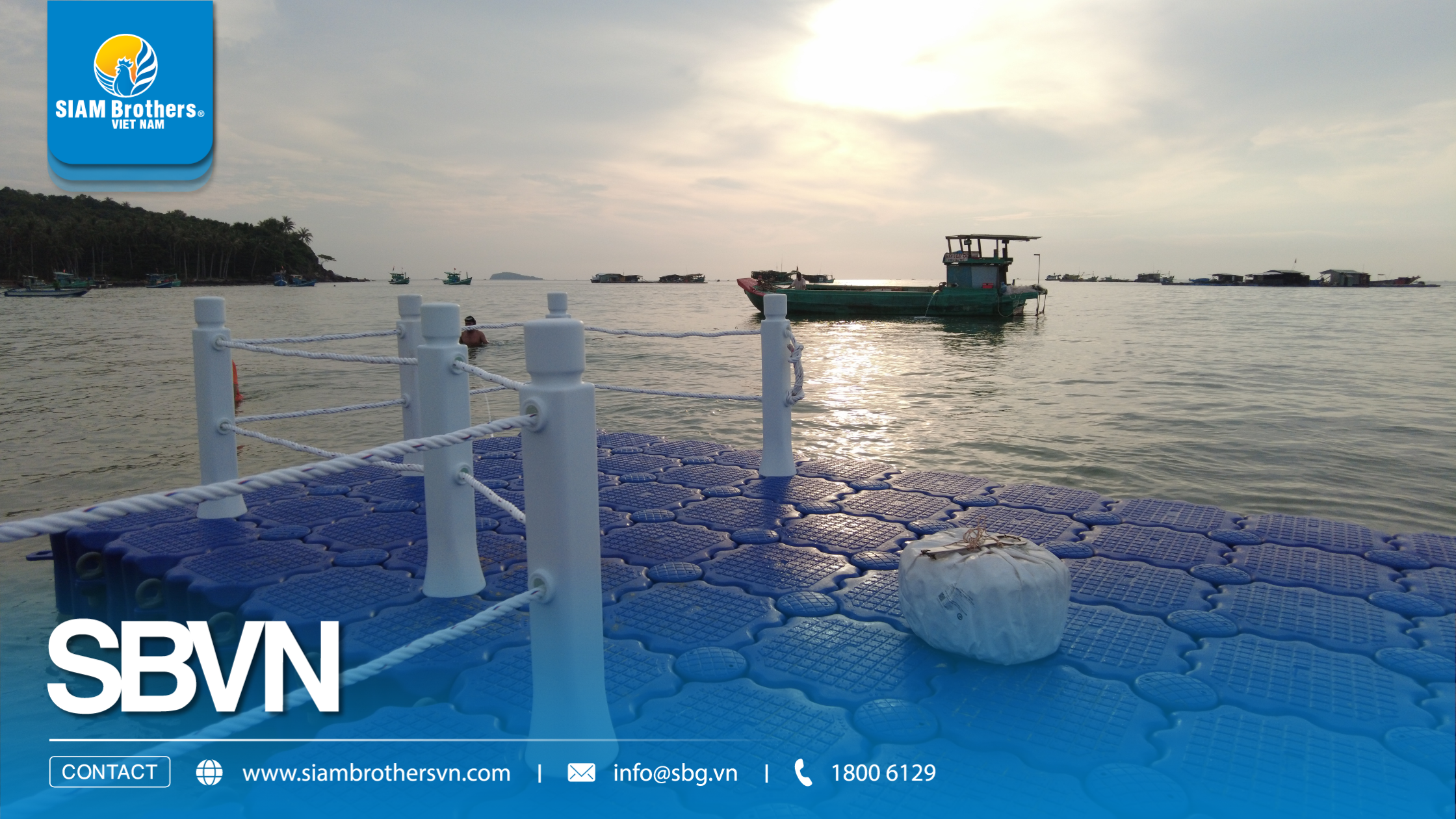
- Non-slip HDPE pontoon surface with high load-bearing capacity
Practical Applications:
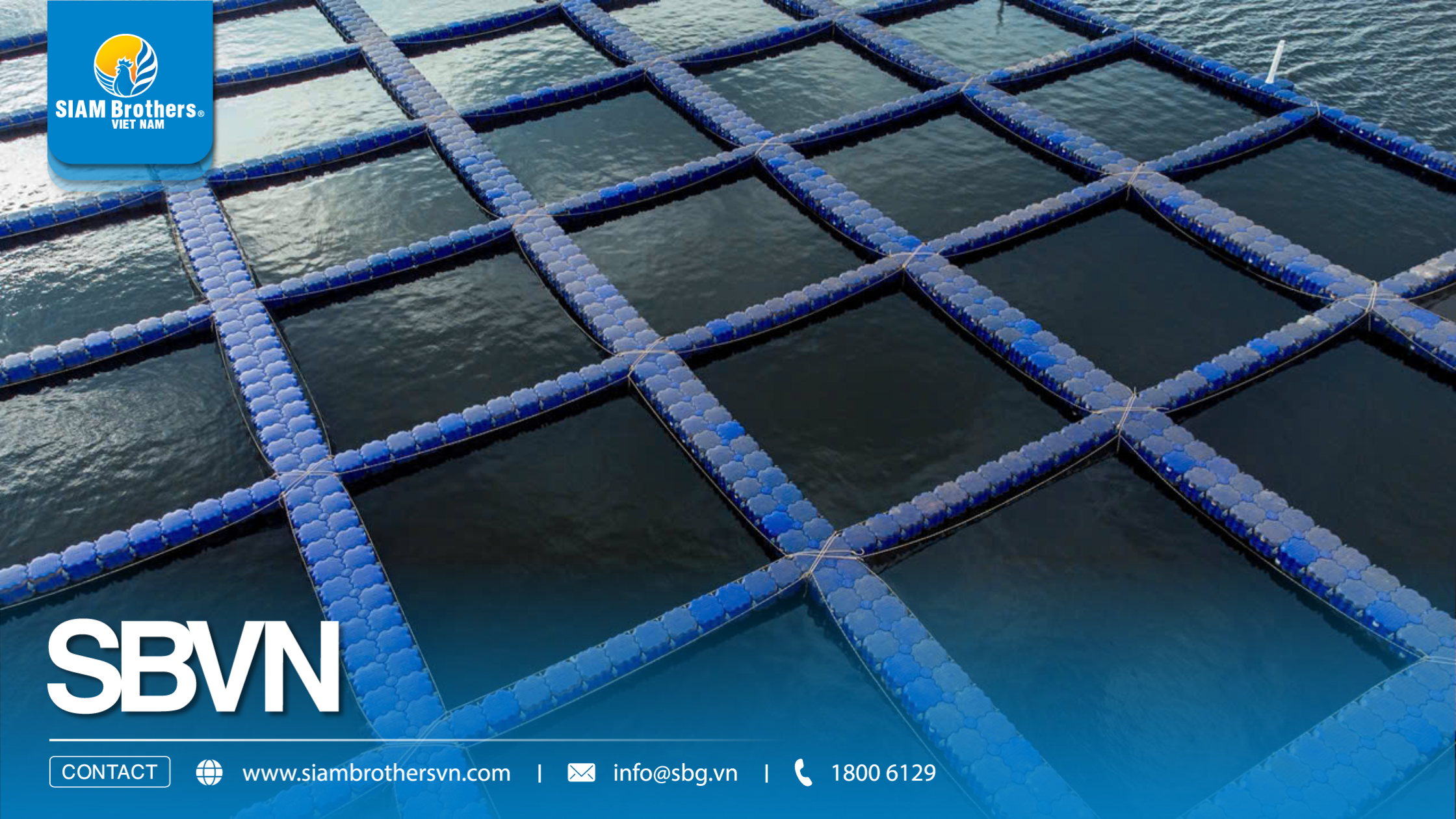
- Fish farming cages, oyster farming floats, and industrial aquaculture systems
- Floating docks, floating marinas, and floating stages
- Residential and commercial floating structures
Usage Benefits:
- Average lifespan of 5–10 years depending on environmental conditions
1.2. What Are Foam Floats?
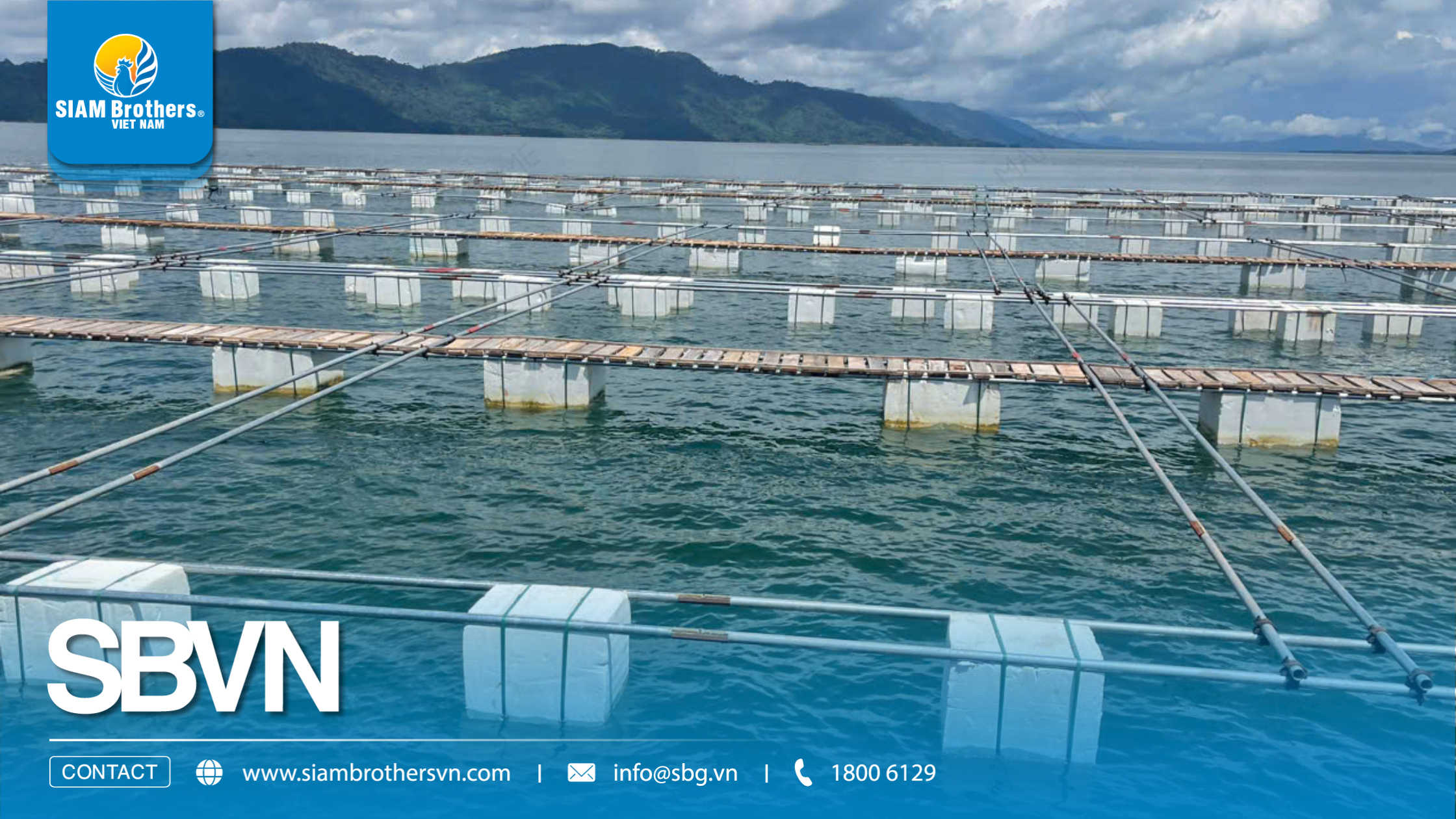
Foam floats are traditional floating devices commonly made from EPS foam cores, with optional plastic coating depending on the product type.
Structural Features:
- Lightweight foam core that is easy to shape
- Good buoyancy performance during the initial stage of use
- Lacks the strong modular connection structure found in HDPE floating pontoons
Common Applications:
- Small-scale aquaculture models
- Temporary floating solutions with low initial investment
- Areas with calm water conditions and minimal wave impact
Limitations to Consider:
- Easily cracked or broken under impact or continuous pressure
- Short lifespan, requiring frequent replacement
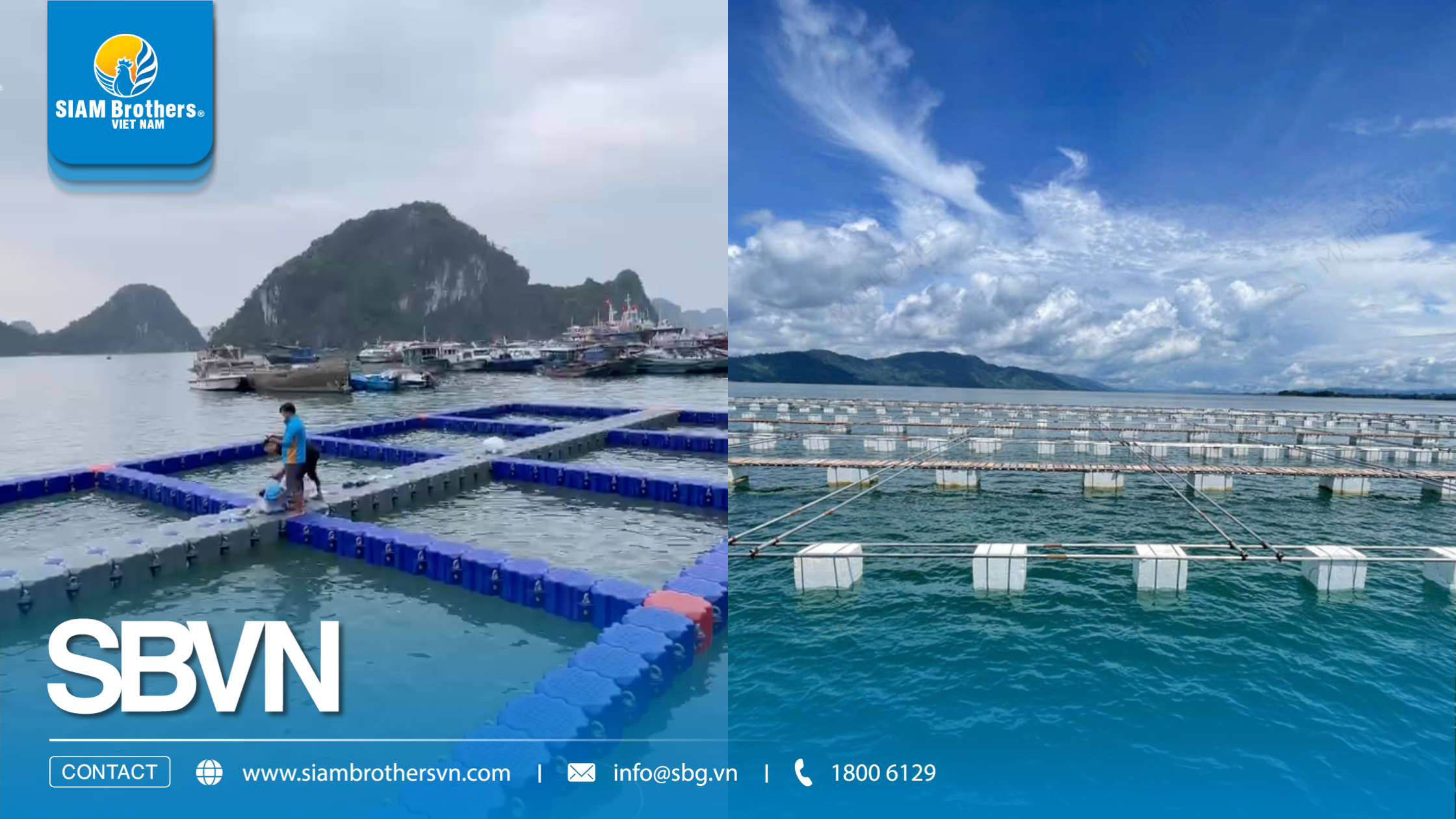
2. Detailed Comparison Between HDPE Pontoons and Foam Floats
2.1. Durability and Lifespan Comparison
This factor directly affects long-term operational costs, especially in saltwater environments and harsh weather conditions.
HDPE Modular Floating Pontoons:
- Resistant to seawater corrosion and mild chemicals
- Maintain structural stability over long periods of use
Foam Floats:
- Typical lifespan ranges from 6–18 months
- Easily cracked or damaged under impact or constant pressure
- Gradually absorb water, reducing buoyancy performance
2.2. Load Capacity and Stability Comparison
Load-bearing capability plays a critical role in ensuring the safety of floating platforms and aquaculture cage systems.
HDPE Modular Floating Pontoons:
- Modular design evenly distributes loads
- High load-bearing capacity suitable for large-scale operations
- Minimizes imbalance and localized sinking
- Maintains stability under waves and strong currents
Foam Floats:
- Lower load-bearing capacity
- Difficult to maintain stable balance for floating structures
2.3. Initial Investment Cost Comparison
Initial investment is often the main concern for users, especially when launching new projects.
HDPE Modular Floating Pontoons:
- One-time investment for long-term operation
- Suitable for enterprises and large-scale aquaculture farms
Foam Floats:
- Lower purchase cost and easier market access
- However, the low price does not represent the actual long-term operating cost
2.4. Environmental Impact and Safety Comparison
Environmental sustainability is becoming increasingly important, particularly for businesses pursuing long-term development strategies.
HDPE Modular Floating Pontoons:
- Do not break down into small pollutant particles
- Safer for aquatic environments and marine life
Foam Floats:
- Easily fragmented and dispersed into the environment
- Contribute to water pollution and environmental degradation
3. The Real Cost Analysis After 3 Years
3.1. Foam Float Usage Scenario Over 3 Years
In practical applications, especially in small-scale aquaculture systems and coastal areas, foam floats often generate significant hidden costs over time.
Usage Cycle: Foam floats typically need to be replaced at least 2–3 times within a 3-year period
Additional Costs:
- Expenses for purchasing new floats after each damage cycle
- Risk of aquaculture interruptions due to unstable floating systems
- Losses caused by raft imbalance, partial sinking, or equipment damage
Actual Total Cost: The accumulated cost is often 1.5–2 times higher than the initial investment
3.2. HDPE Modular Floating Pontoons Usage Scenario Over 3 Years
With HDPE Modular Floating Pontoons, the cost structure is optimized through a one-time investment approach for long-term use.
Usage Cycle:
- Average lifespan ranges from 5–10 years
- No replacement is typically required during the first 3 years
Operating Costs:
- Almost no replacement expenses during operation
- Low maintenance costs, mainly periodic inspections
Economic Benefits:
- Stable structural performance helps reduce the risk of property damage
- Easy to expand the HDPE floating system without redesigning the entire structure
3.3. Comparing Total Costs After 3 Years
When both solutions are evaluated within the same timeframe, the difference becomes much clearer.
Foam Floats:
- Lower initial investment
- Total costs gradually increase due to repeated replacements
HDPE Modular Floating Pontoons:
- Higher upfront investment
- Stable total cost over a 3-year period
- Minimal unexpected expenses during operation
Cost Conclusion:
- Short-term: foam floats offer a lower purchase price
- Medium and long-term: HDPE Modular Floating Pontoons provide significantly better cost savings
3.4. Investment Efficiency Perspective
If you are considering floating systems for aquaculture or marine construction projects, evaluating return on investment is more important than focusing only on initial costs.
HDPE Modular Floating Pontoons:
- Minimize operational risks while protecting assets and production output
- Suitable for sustainable long-term investment strategies
Foam Floats:
- Lower profitability due to continuous replacement requirements
- More suitable for temporary or trial-use applications
4. When Should You Choose HDPE Modular Floating Pontoons?
4.1. For Medium and Large-Scale Aquaculture Systems
If you are operating or planning to expand your aquaculture model, long-term structural stability should be a top priority.
Suitable Applications:
- Fish cage farming in rivers, lakes, or coastal waters
- Oyster farming and industrial aquaculture systems
- Projects requiring continuous long-term operation
Why Choose HDPE Floating Pontoons:
- HDPE Modular Floating Pontoons provide stable floating systems and reduce raft displacement risks
- Easy system expansion without affecting the original structure
4.2. For Harsh Environmental Conditions
Saltwater environments, strong waves, and unstable weather conditions clearly highlight the differences between floating solutions.
Recommended Conditions:
- Coastal areas with heavy waves and currents
- High-salinity water environments
- Regions exposed to prolonged sunlight and heat
Advantages of HDPE Floating Pontoons:
- UV-resistant material reduces brittleness caused by sun exposure
- Resistant to seawater corrosion
- Maintains structural stability under harsh weather conditions
4.3. When Prioritizing Long-Term Cost Optimization Over Initial Cost
This is a strategic factor, especially for businesses and professional aquaculture farms.
Best Suited For:
- Investors planning operations for 3–5 years or longer
- Businesses seeking stable and predictable operating costs
- Distributors requiring high-quality floating products for customers
Key Benefits:
- Lower total ownership cost throughout the product lifecycle
- Improved cost-efficiency during long-term operation
4.4. For Projects Requiring High Safety and Structural Stability
For floating structures, safety should never be compromised for lower initial costs.
Recommended Applications:
- Floating bridges, floating docks, and floating restaurants
- Floating projects with high traffic or heavy cargo loads
Practical Benefits:
- HDPE Modular Floating Pontoons distribute loads evenly across the system
- Reduce accident risks that could affect people and property
4.5. When HDPE Modular Floating Pontoons May Not Be Necessary
To optimize your budget, it is also important to identify cases where HDPE floating systems may not yet be essential.
Alternative Solutions May Be Suitable For:
- Small-scale or short-term projects
- Trial applications before full-scale expansion
5. Frequently Asked Questions About HDPE Modular Floating Pontoons
5.1. How Much Weight Can HDPE Modular Floating Pontoons Support?
Key Information:
- Load capacity depends on the size and design of each pontoon module
- On average, each floating block can support from several hundred to thousands of kilograms
- The modular floating system helps distribute loads evenly across the structure
Important Considerations:
- The total load capacity of the entire system should be carefully calculated
- Technical consultation is recommended to ensure safety for floating cages or floating structures
5.2. What Is the Lifespan of HDPE Modular Floating Pontoons?
In Real-World Applications:
- The average lifespan is approximately 5-10 years
- Service life can be extended with proper installation and maintenance
Factors Affecting Lifespan:
- Water environment conditions (saltwater, brackish water, or freshwater)
- UV exposure and sunlight intensity
- Installation quality and regular maintenance practices
5.3. Can Foam Floats Completely Replace HDPE Floating Pontoons?
Short Answer: In most long-term applications, foam floats are not a suitable replacement
Detailed Explanation:
- Foam floats are mainly suitable for short-term or low-budget projects
- They cannot provide the same durability and stability required for large-scale systems
- Repeated replacement often leads to higher long-term costs
5.4. What Is the Current Price of HDPE Modular Floating Pontoons?
Factors Affecting Pricing:
- Pontoon size and load-bearing capacity
- Order quantity and project scale
Recommendations:
- Request quotations based on your specific project requirements
- Choose suppliers that provide clear technical specifications and product standards
5.5. Are HDPE Modular Floating Pontoons Difficult to Install?
Installation Features:
- The modular design allows easy assembly and installation
- Floating pontoons can be dismantled and relocated when necessary
Important Notes:
- Proper connection techniques should always be followed
- Suitable ropes and accessories should be used to ensure long-term durability
5.6. Should You Invest in HDPE Modular Floating Pontoons From the Beginning?
Recommended Cases:
- Long-term aquaculture projects
- Floating structures requiring high stability and durability
Cases to Reconsider:
- Small-scale or short-term trial projects
- Limited initial investment budgets
HDPE Modular Floating Pontoons are not simply an alternative to foam floats; they are a more efficient long-term solution when evaluating operational costs and durability over a 3-year period. Through comparisons of lifespan, load-bearing performance, and actual ownership costs, it becomes clear that foam floats may suit short-term needs, while HDPE floating pontoons provide more sustainable economic value for aquaculture systems and floating structures. Choosing the right solution from the beginning helps reduce operational risks, stabilize production, and optimize long-term budgets. If you are considering investing in an HDPE Modular Floating Pontoon system tailored to your project needs, contact SIAM Brothers Vietnam for detailed consultation and customized quotations.
Source: SIAM Brothers Vietnam
Contact us:
► Address: 5th floor, VRG Building, 177 Hai Ba Trung Street., Xuan Hoa Ward, Ho Chi Minh City, Vietnam
► Hotline: 1800 6129
► Tel: (+84) 28 38 912 889
► Email: info@sbg.vn
► Follow us for more details at: Facebook - Zalo OA - Tiktok - Youtube - LinkedIn
Download SBVN ID app here:
► CHPlay
► Appstore