
- 1800 6129

Jet Ski Guide Floats are more than just mooring aids, they provide a practical solution for making watercraft operations safer, more organized, and more professional. As Jet Ski operations continue to grow at resorts, marinas, and coastal recreational facilities, choosing the right floating system has become increasingly important.
In this guide, SIAM Brothers Vietnam (SBVN) explains how Jet Ski Guide Floats work, what components make up a professional Jet Ski mooring system, and why HDPE floats are increasingly preferred for modern marine applications.
Jet Ski Guide Floats are a floating guidance system designed to create a designated access path, assist watercraft when approaching a dock, maintain a stable position, and reduce the risk of collisions during mooring.
Unlike conventional floating buoys that are primarily used to mark locations on the water, Jet Ski Guide Floats work together with connecting components and anchoring equipment to create a dedicated and professional parking or mooring area for watercraft.
This type of solution is commonly used at coastal resorts, marinas, water sports facilities, and commercial Jet Ski operators where watercraft are launched, returned, and handled frequently throughout the day.
According to the technical team at SIAM Brothers Vietnam, designing a floating system for a marine environment requires careful consideration of several factors, including watercraft load, wave and wind conditions, installation location, and material properties.
This is one reason HDPE floats are increasingly preferred for floating structures. HDPE offers good impact resistance, corrosion resistance, and long-term suitability for demanding water environments.
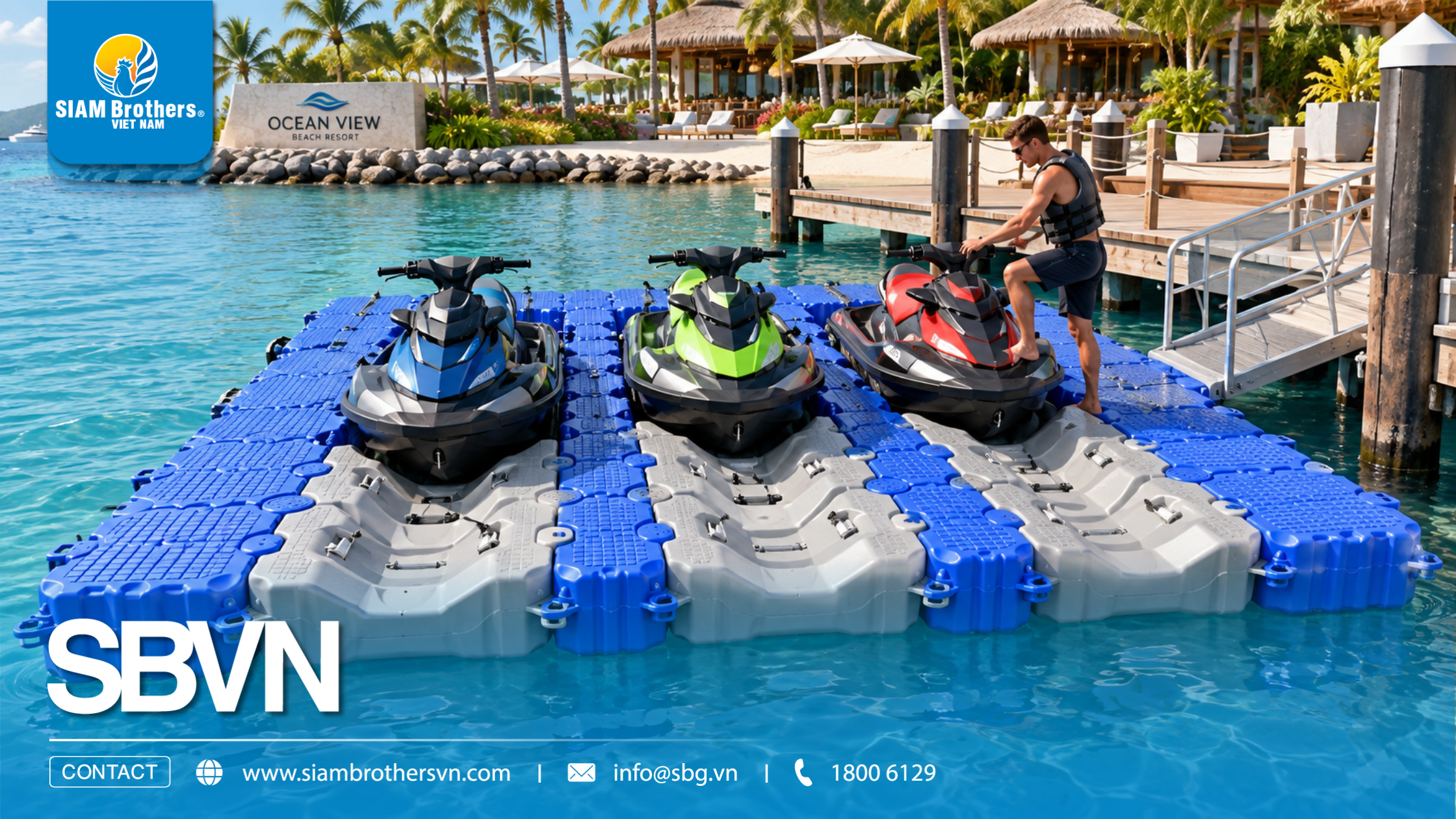
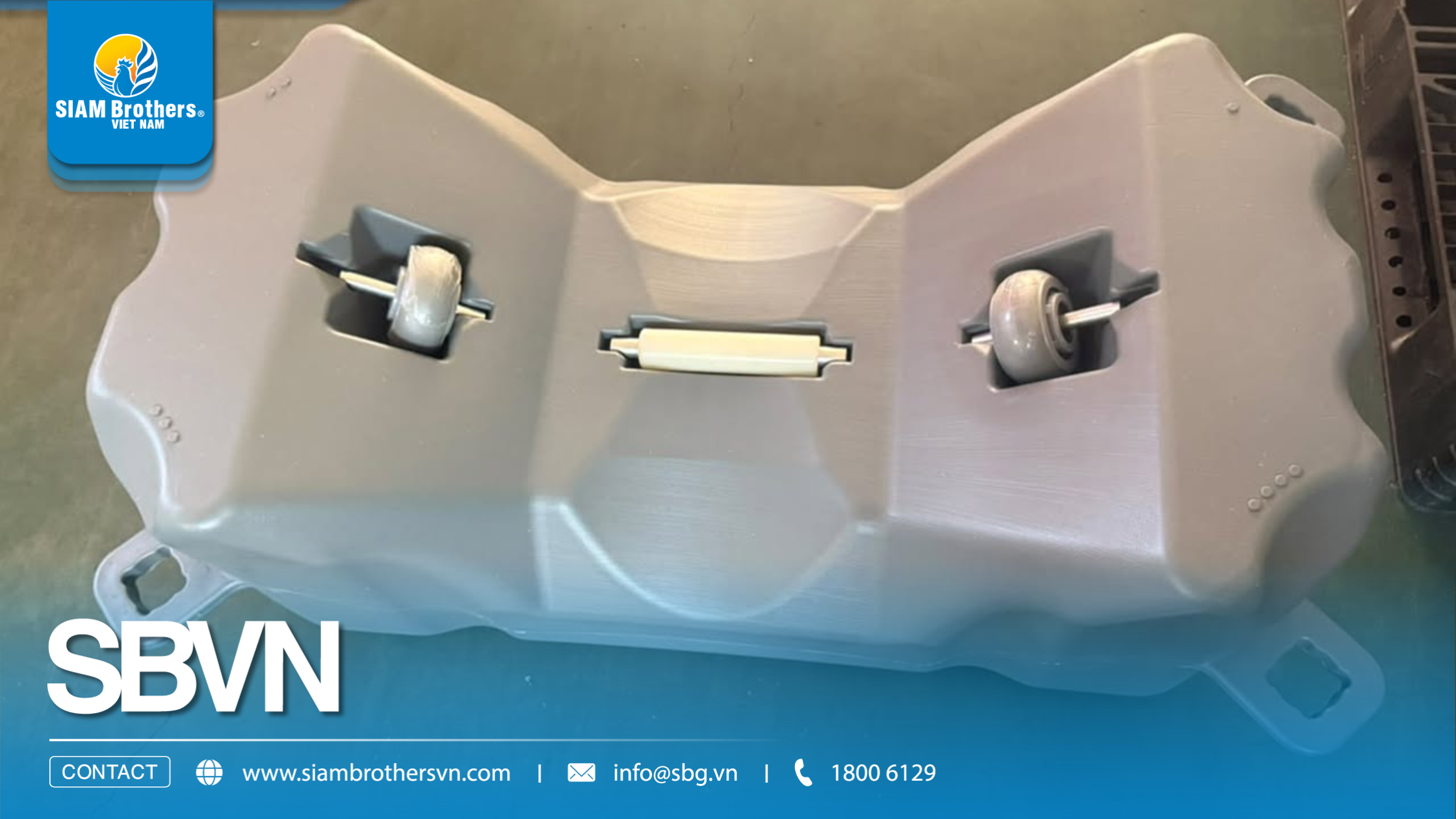
One common challenge when operating a Jet Ski is maintaining the correct course when approaching a mooring area, especially in locations affected by strong winds or constantly changing water currents.
A Jet Ski Guide Float system creates a clearly defined guidance area, helping the operator steer the Jet Ski into the intended position more smoothly.
Key benefits include:
For example, at a resort that offers Jet Ski rentals, a properly designed guide-float system can make it easier for customers to pick up and return watercraft while allowing staff to manage the operating area more efficiently.
Jet Skis represent a significant investment, so protecting the hull and minimizing damage during mooring is a key concern for commercial operators.
Without a properly designed Jet Ski mooring float system, watercraft may be exposed to issues such as:
Using properly engineered Jet Ski parking floats can help reduce these impacts, potentially extending the service life of the watercraft and lowering repair and maintenance costs over time.
For larger projects such as resorts, marinas, and water recreation facilities, this is more than a way to protect equipment. A well-designed floating system can also contribute to a safer, more organized, and more professional customer experience.
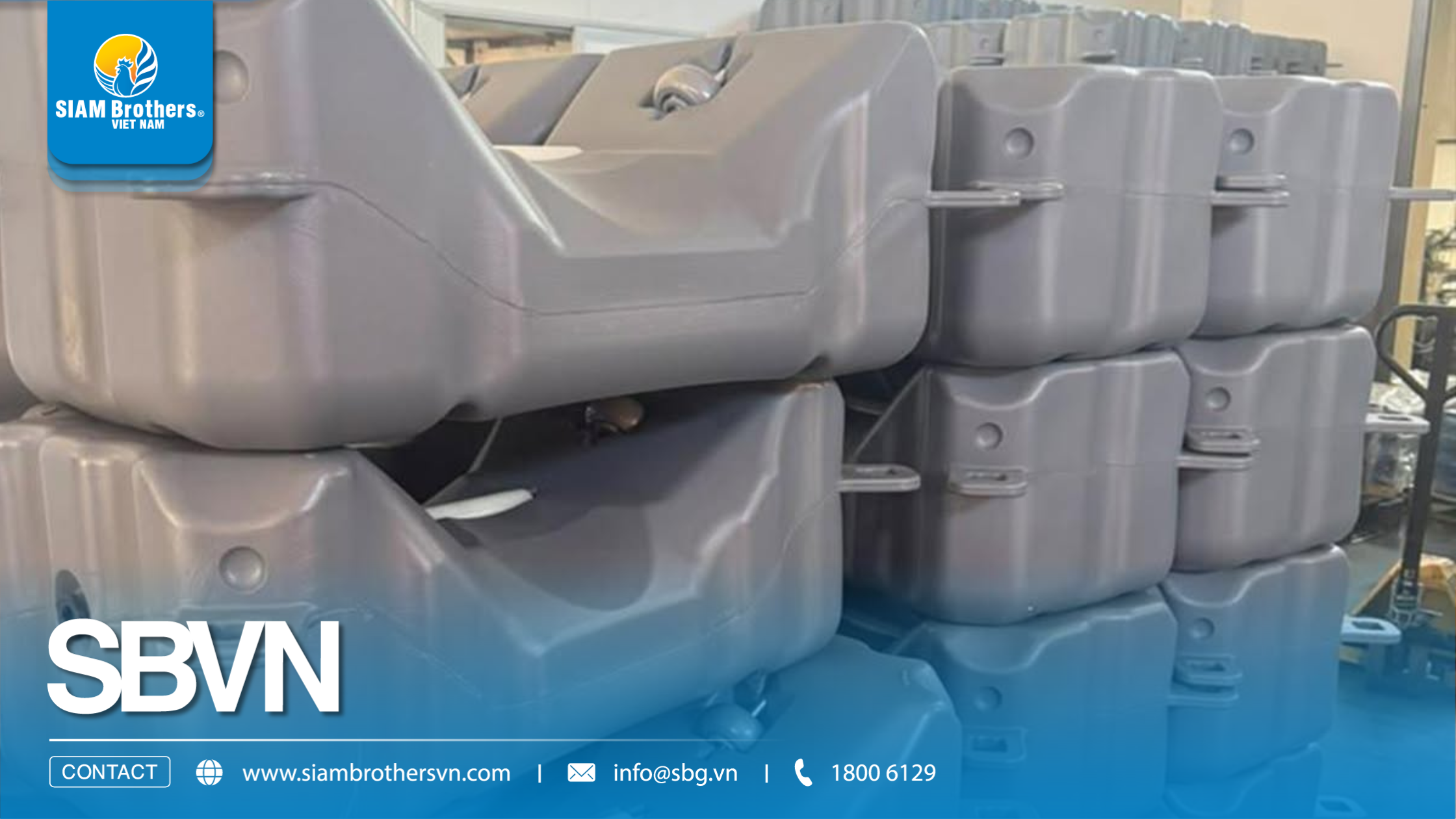
When an operator brings a Jet Ski into a mooring area, the guide-float system functions much like a floating lane on the water, helping direct the watercraft along a predefined path.
The basic operating principle of Jet Ski Guide Floats includes:
For example, at a resort where multiple guests rent Jet Skis throughout the day, a properly arranged guide-float system makes it easier for first-time users to return their watercraft to the designated area without extensive maneuvering.
This can save operating staff time while reducing the risk of accidental contact or collision.
One of the most important functions of a Jet Ski Guide Float system is maintaining a stable position as water conditions change.
In practice, coastal areas, rivers, lakes, and marinas can be affected by:
To accommodate these conditions, a typical system may include:
According to the technical team at SIAM Brothers Vietnam, there is no single Jet Ski float configuration that is suitable for every project.
Each installation should be assessed individually to determine the appropriate float dimensions, connection method, and anchoring solution based on the specific site conditions and operating requirements.
Material selection directly affects the service life and performance of a floating system. For outdoor installations, particularly in coastal environments, the material needs to provide durability and resistance to environmental exposure.
HDPE Jet Ski Guide Floats offer several characteristics that make them suitable for these applications:
At SIAM Brothers Vietnam, the production of HDPE floats is controlled from material selection through fabrication to help ensure that products meet practical requirements in applications such as aquaculture, floating structures, and marine service facilities.
A professional Jet Ski Guide Float system typically operates through the following steps:
For commercial Jet Ski operators, this process can help:
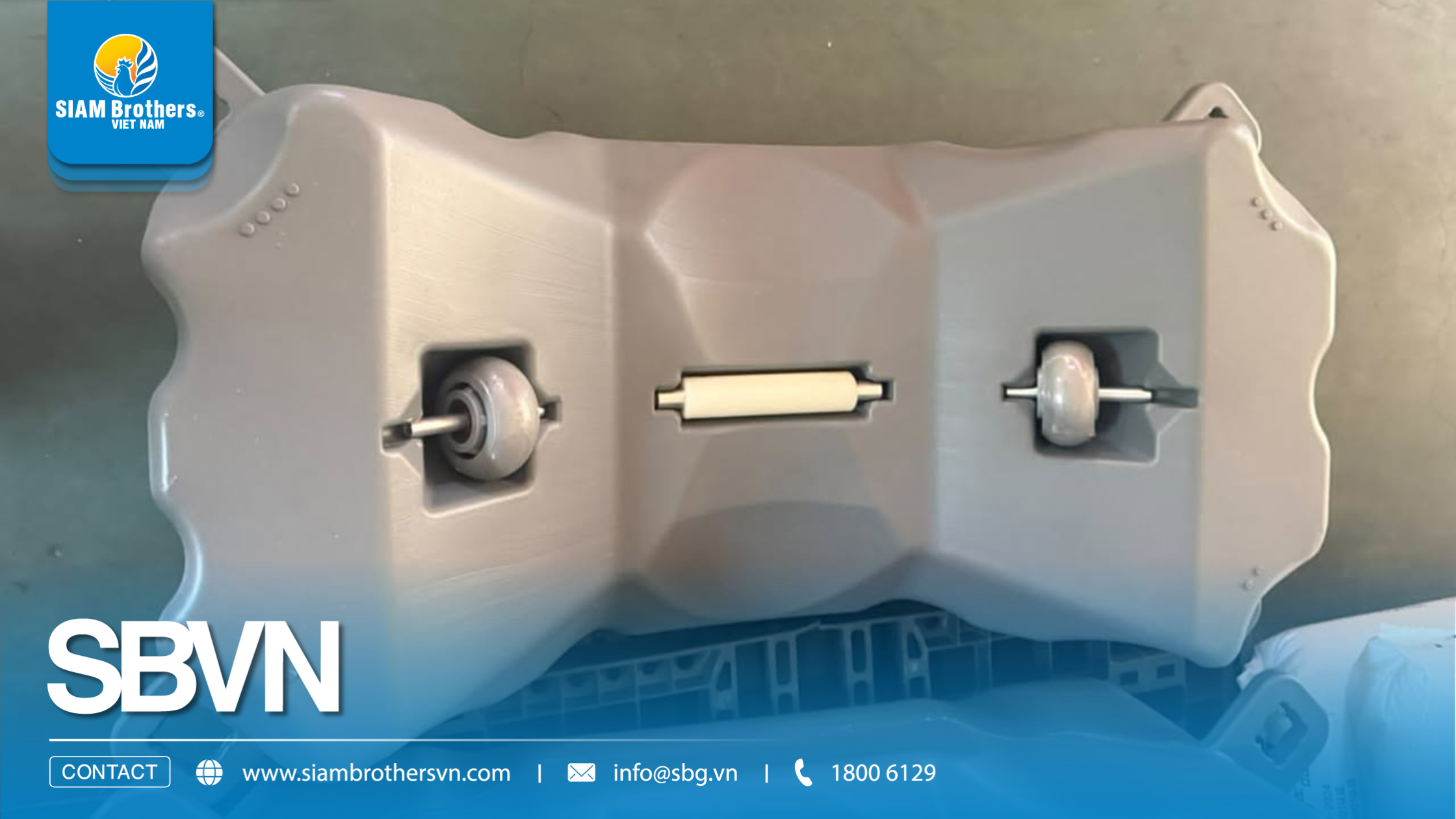
A professional Jet Ski mooring system consists of several interconnected components that work together to guide, stabilize, and secure watercraft on the water. The main elements typically include HDPE floating units, connecting components, anchoring systems, anchor ropes and marine hardware, and, for larger installations, floating decks or dedicated watercraft access areas.
Floating units are one of the most important components of a Jet Ski Guide Float system. They provide buoyancy while creating a defined guidance area for Jet Skis approaching the mooring position.
Key characteristics of HDPE floating units include:
In practical applications such as resorts and marinas, the required size and number of floats should be determined based on the number of Jet Skis operating simultaneously.
Floats should not be selected based solely on appearance. Load capacity, site conditions, expected usage, and the overall design of the mooring system should also be taken into account.
Floating modules in a Jet Ski mooring system do not operate independently. They need to be securely connected to form one integrated floating structure.
The connecting components help to:
For larger projects such as water sports facilities and marinas, a properly engineered connection system can help distribute loads across multiple floating units rather than placing excessive stress on individual floats. This can contribute to the durability and service life of the overall structure.
If the floating units provide buoyancy and keep the structure on the water, the anchoring system is responsible for keeping the entire structure in its intended location.
A typical anchoring system may include:
When designing an anchoring system, several site-specific factors should be considered, including:
For example, a Jet Ski dock installed in an exposed coastal area with significant wave action may require a different anchoring solution from a system installed on a calm recreational lake.
Anchor ropes are load-bearing components that play a direct role in keeping the floating system stable. As a result, the quality of the rope and associated marine hardware can have a significant impact on operational safety and system performance.
Important requirements may include:
With experience manufacturing ropes for marine and fishing applications, SIAM Brothers Vietnam can provide guidance on selecting anchor rope solutions based on specific operating conditions and project requirements.
Some professional Jet Ski mooring systems can be expanded with a floating deck or dedicated watercraft access area.
This additional section can:
For resorts and commercial Jet Ski operators, combining Jet Ski Guide Floats, floating decks, and anchoring systems can create a more complete docking facility rather than simply providing individual mooring points.
Before investing in a Jet Ski Guide Float system, businesses should evaluate several key factors:
Every component of a Jet Ski float system is designed to create a safer, more convenient, and more professional docking area. Source: SBVN – illustrative example.
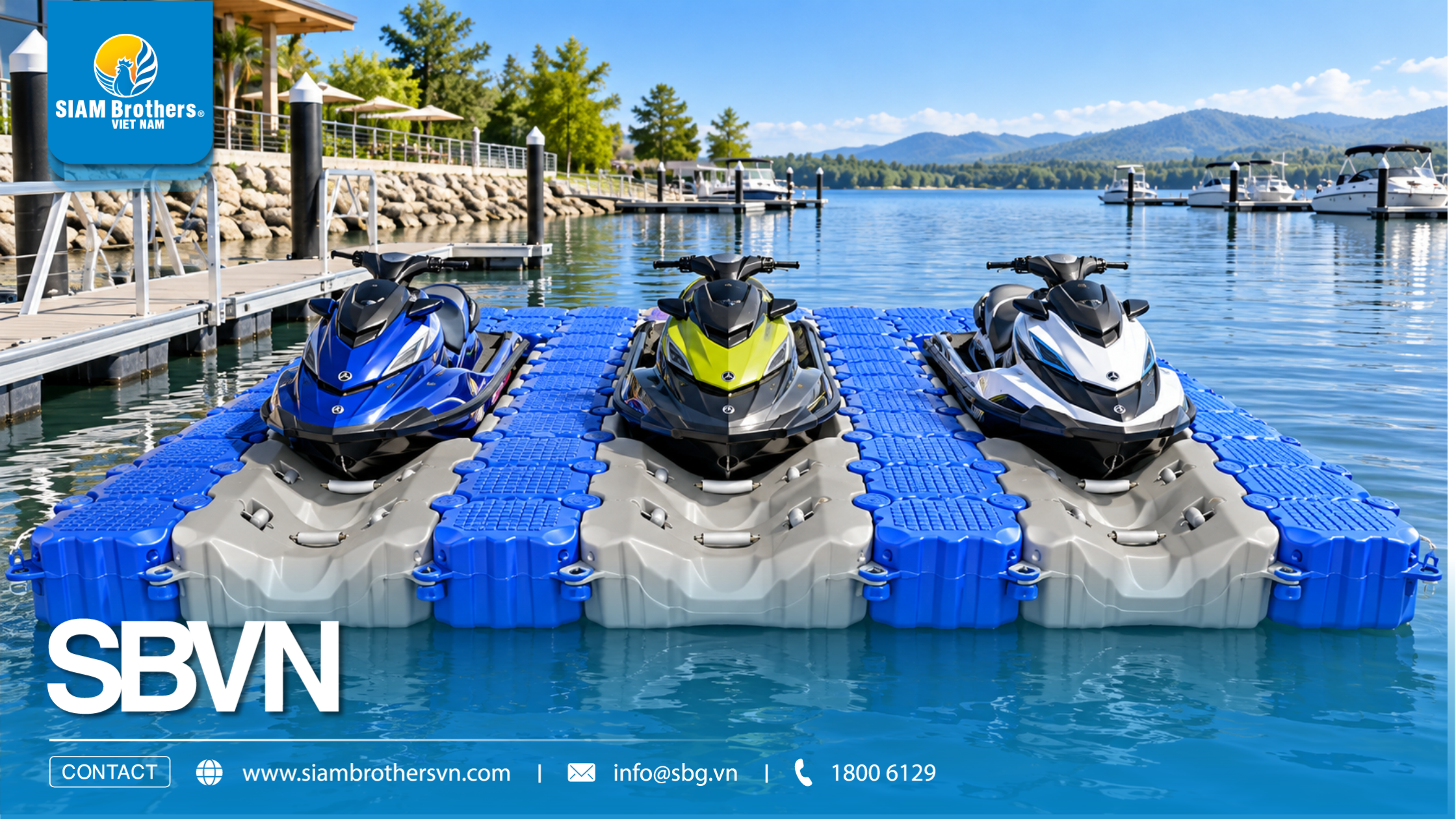
Jet Ski Guide Floats work by combining the buoyancy of floating units with a connection system and underwater anchoring components.
The basic operating principle is as follows:
According to the technical team at SIAM Brothers Vietnam, each project should be assessed individually based on local water conditions, the number of Jet Skis, and operating frequency to ensure the floating system performs reliably.
A professional Jet Ski mooring system typically consists of several components working together:
Each component should be selected based on actual operating requirements rather than simply choosing the largest size or the lowest initial price.
Today, HDPE is widely used for floating systems because of its suitability for outdoor applications and water-based environments.
When choosing Jet Ski Guide Floats, consider the following factors:
With experience in manufacturing HDPE products, marine ropes, and solutions for the aquaculture and marine industries, SIAM Brothers Vietnam can provide guidance based on specific project requirements.
Jet Ski Guide Floats can be used in a wide range of water-based facilities, including:
For example, at a resort that offers Jet Ski rentals, a properly designed guide-float system creates a clearly defined area for picking up and returning watercraft.
This makes it easier for staff to monitor the number of Jet Skis in operation while giving customers a more convenient and organized experience.
Before installation, businesses should conduct a detailed site assessment to determine the most appropriate system configuration.
Key factors to consider include:
Guide floats help Jet Skis move smoothly into their designated positions, reducing manual effort and improving the overall user experience. Source: SBVN – illustrative example.
Jet Ski Guide Floats are an important solution for optimizing mooring areas, protecting watercraft, and improving operational efficiency at marinas, resorts, and water sports facilities. By combining HDPE floating units, connecting components, anchoring systems, and marine hardware, the system can help guide and stabilize Jet Skis while reducing unwanted contact and impacts during operation.
Choosing the right configuration requires more than simply comparing float sizes or prices. Site conditions, water depth, wave and current patterns, the number of watercraft, and expected operating frequency should all be considered during the design process.
With experience in manufacturing HDPE floats, marine ropes, and products for aquatic environments, SIAM Brothers Vietnam is ready to provide guidance on Jet Ski Guide Float solutions tailored to different project requirements.
Contact SBVN today to discuss a durable and efficient Jet Ski mooring system for your project.
Source: SIAM Brothers Vietnam
Contact us:
► Address: 5th floor, VRG Building, 177 Hai Ba Trung Street., Xuan Hoa Ward, Ho Chi Minh City, Vietnam
► Hotline: 1800 6129
► Tel: (+84) 28 38 912 889
► Email: info@sbg.vn
► Follow us for more details at: Facebook - Zalo OA - Tiktok - Youtube - LinkedIn
Download SBVN ID app here:
► CHPlay
► Appstore








Specializing in Agricultural and Fisheries Products & Multipurpose Wire