
- 1800 6129

How much do plastic floating floats cost? This is a common question among oyster farmers, fish farmers, and aquaculture equipment distributors before investing in a durable floating cage system. For each farming model, choosing the right floating floats is not simply about finding the lowest price. It also depends on the HDPE material, buoyancy, durability, load capacity, and ability to withstand marine conditions.
In this article, SIAM Brothers Vietnam will help you understand current Plastic Floating Floats Cost, the key factors that affect pricing, and how to choose the right HDPE floats for different real-world aquaculture applications.
Today, the cost of plastic floating floats generally varies depending on the product type and intended application. Common categories include:
Small plastic floating floats:
Medium-sized HDPE floating floats:
Heavy-duty HDPE floats:
Because every aquaculture system has different load requirements and operating conditions, SIAM Brothers Vietnam typically provides recommendations based on the customer's actual needs rather than offering a single standard price.
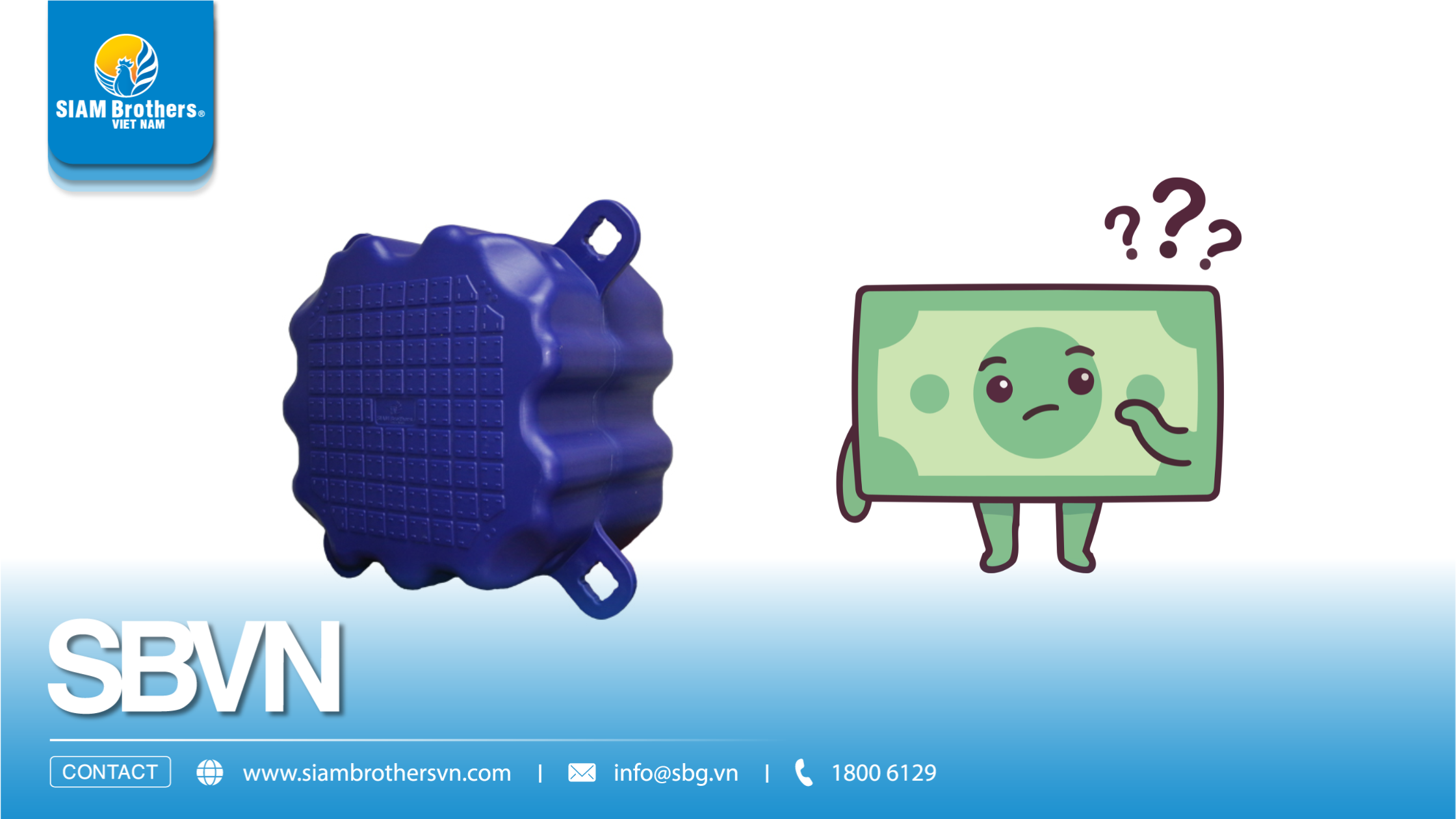
To understand why plastic floats can have different prices even when they appear similar, consider the following key factors:
Plastic Material
At SIAM Brothers Vietnam, raw materials and manufacturing processes are monitored by our technical team to ensure that products meet the requirements of aquaculture applications.
Float Size and Buoyancy
For example, a small nearshore oyster-farming raft has very different requirements from a large fish-farming cage system operating offshore. That's why you should not choose floats based solely on the price per unit.
Manufacturing Technology and Product Finish
Order Quantity
When shopping for plastic floating floats, many buyers naturally prioritize the lowest price. However, for floating cage systems operating in marine environments, the most important consideration is not simply the initial purchase cost but also long-term performance and value.
When choosing plastic floating floats, consider:
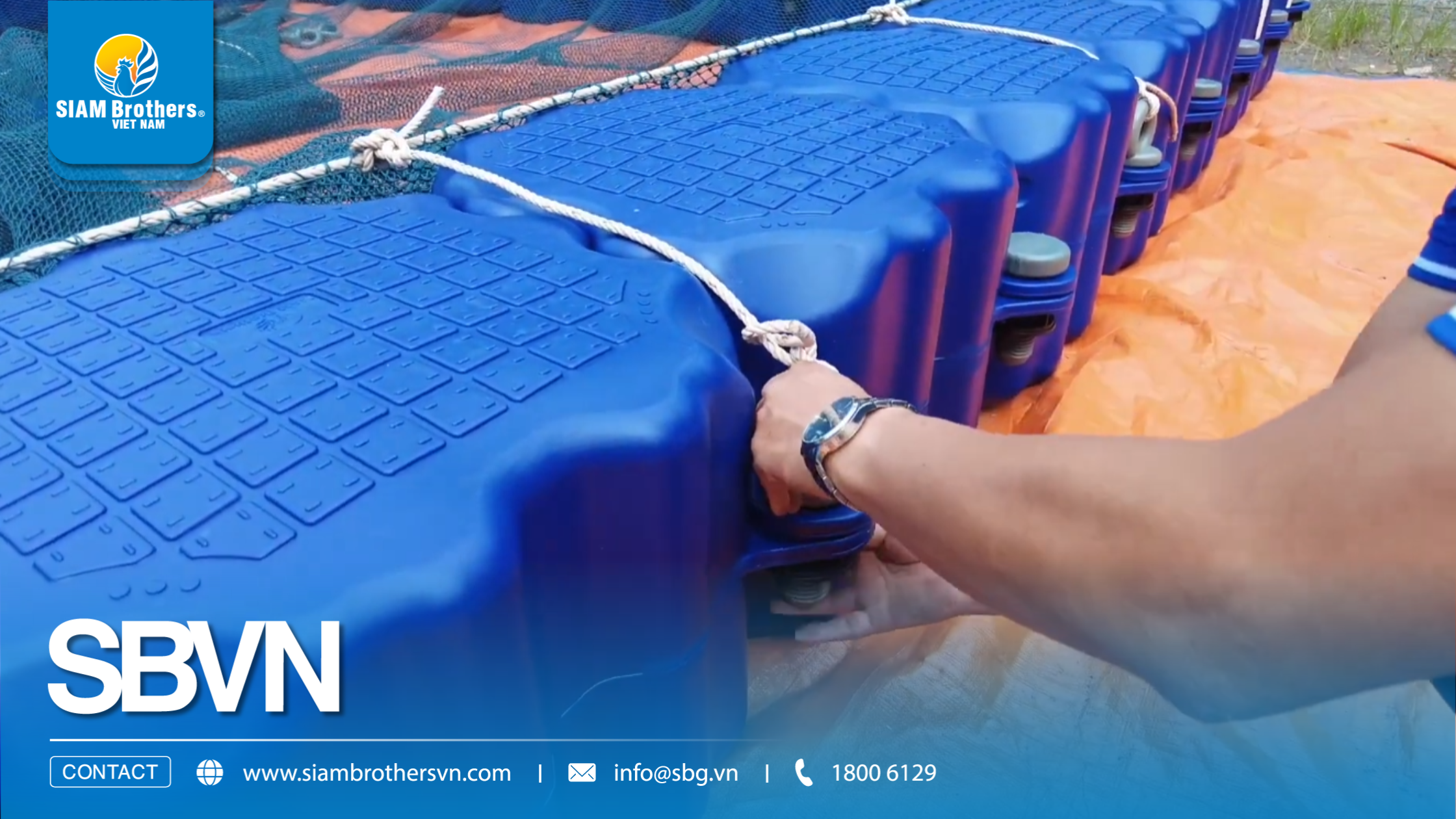
A larger float is not necessarily a better float. What matters is whether its buoyancy is appropriate for the actual load requirements of the system.
Factors that commonly affect HDPE float pricing include:
For example, a nearshore oyster-farming raft with a relatively light load has different requirements from a large-scale fish-farming cage system operating in an area frequently exposed to waves.
If the floats do not provide enough buoyancy, the system may become unstable. On the other hand, choosing significantly more buoyancy than necessary can increase investment costs without providing meaningful additional value.
Therefore, before asking, “How much do HDPE plastic floating floats cost?”, you should first determine:
Even when the same type of material is used, different manufacturing processes can result in different product quality and pricing. Key factors to consider include:
At SIAM Brothers Vietnam, our technical team monitors the process from raw material selection and production parameters to finished-product quality.
For products designed for aquaculture environments, this quality-control process is particularly important because the floats need to operate continuously outdoors and remain in frequent contact with water.
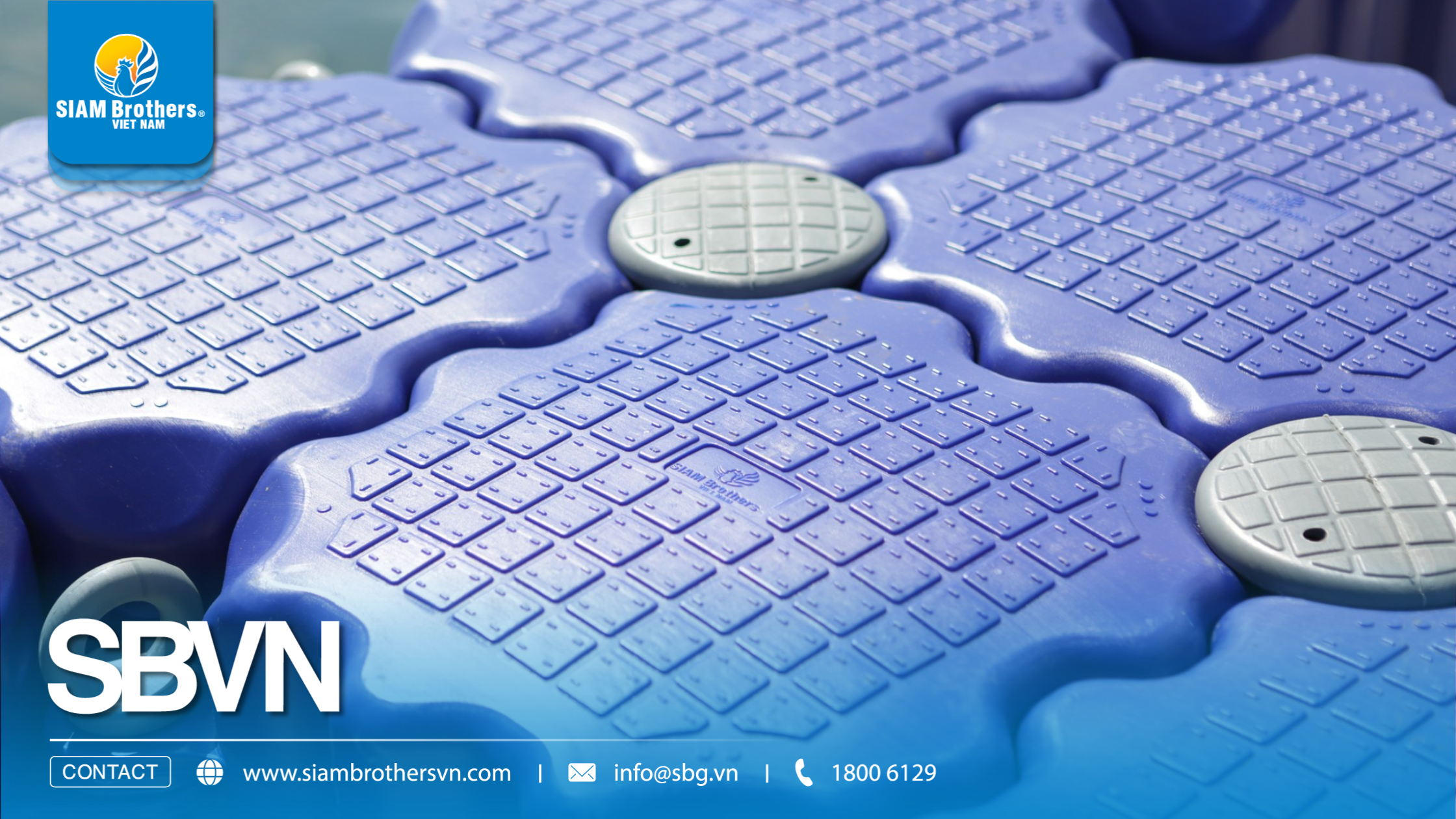
Plastic floating floats can take up considerable shipping volume. As a result, logistics costs should also be included when comparing the total cost of purchasing floats.
You should consider:
For example, the same order may incur different logistics costs when delivered to a distributor's warehouse near a major transportation route versus being delivered directly to a coastal aquaculture site.
Comparing the price of a single float from two different suppliers can easily lead to the wrong conclusion.
A more practical approach is to compare products using the same set of criteria:
Oyster farming is one of the most common aquaculture applications for floating floats in coastal areas. These systems are typically operated for long periods and are regularly exposed to waves, wind, and saltwater.
When choosing floats for an oyster-farming raft, consider the following:
For example, a small household oyster-farming raft may have very different requirements from a large commercial oyster farm. Choosing undersized floats to reduce the initial investment may compromise system stability as the load increases.
Therefore, instead of focusing only on Plastic Floating Floats Cost, farmers should prioritize floats with the right buoyancy and specifications to ensure reliable long-term performance.
Compared with oyster farming, fish-farming cage systems generally have higher load-bearing requirements. This is especially true for marine fish farming, where the floats need to maintain system stability under larger waves and high stocking densities.
Key criteria to consider include:
According to SIAM Brothers Vietnam's technical team, many issues encountered by customers are not necessarily caused by poor float quality but by selecting the wrong load capacity at the beginning.
That's why technical consultation before purchasing plays an important role in choosing the right floating-float solution.
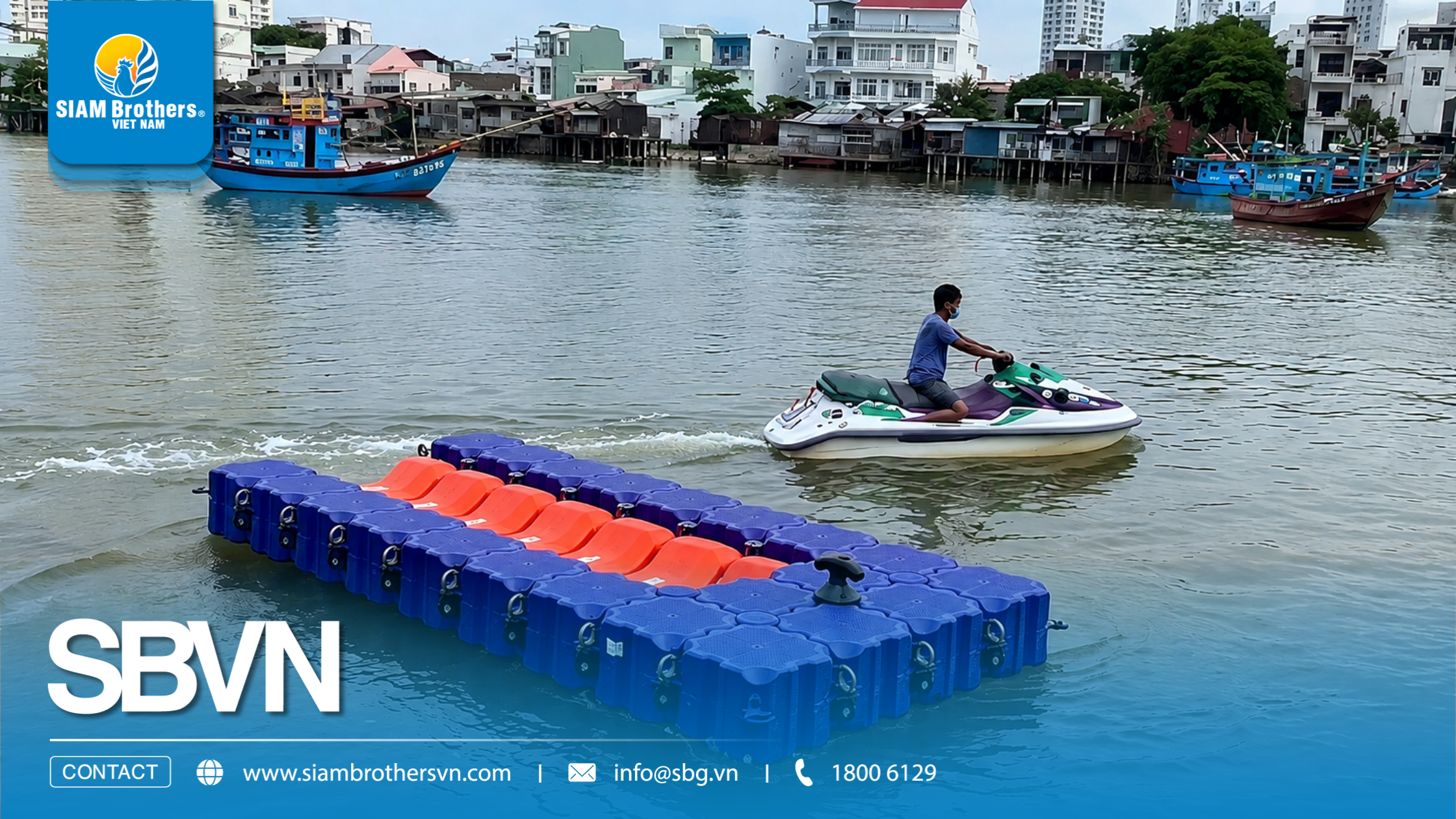
For aquaculture companies and commercial farms, choosing the right floats is not just about selecting a few individual products. It can affect the performance and reliability of the entire operating system.
For large-scale projects, consider:
For these customers, the decision is usually based on more than just Plastic Floating Floats Cost. It also comes down to the total value of the solution, including:
Before placing an order, check the following key information:
Load-Bearing Capacity
Material and Durability
Supplier Capabilities
These are also some of the key criteria SIAM Brothers Vietnam considers when researching, manufacturing, and recommending floating-float solutions for customers across different industries.
3.5. Choosing the Right HDPE Float Can Help Optimize Long-Term Costs
The right float is not necessarily the product with the lowest price. Instead, it is the product that meets the actual requirements of the application.
When choosing HDPE plastic floating floats, you should balance:
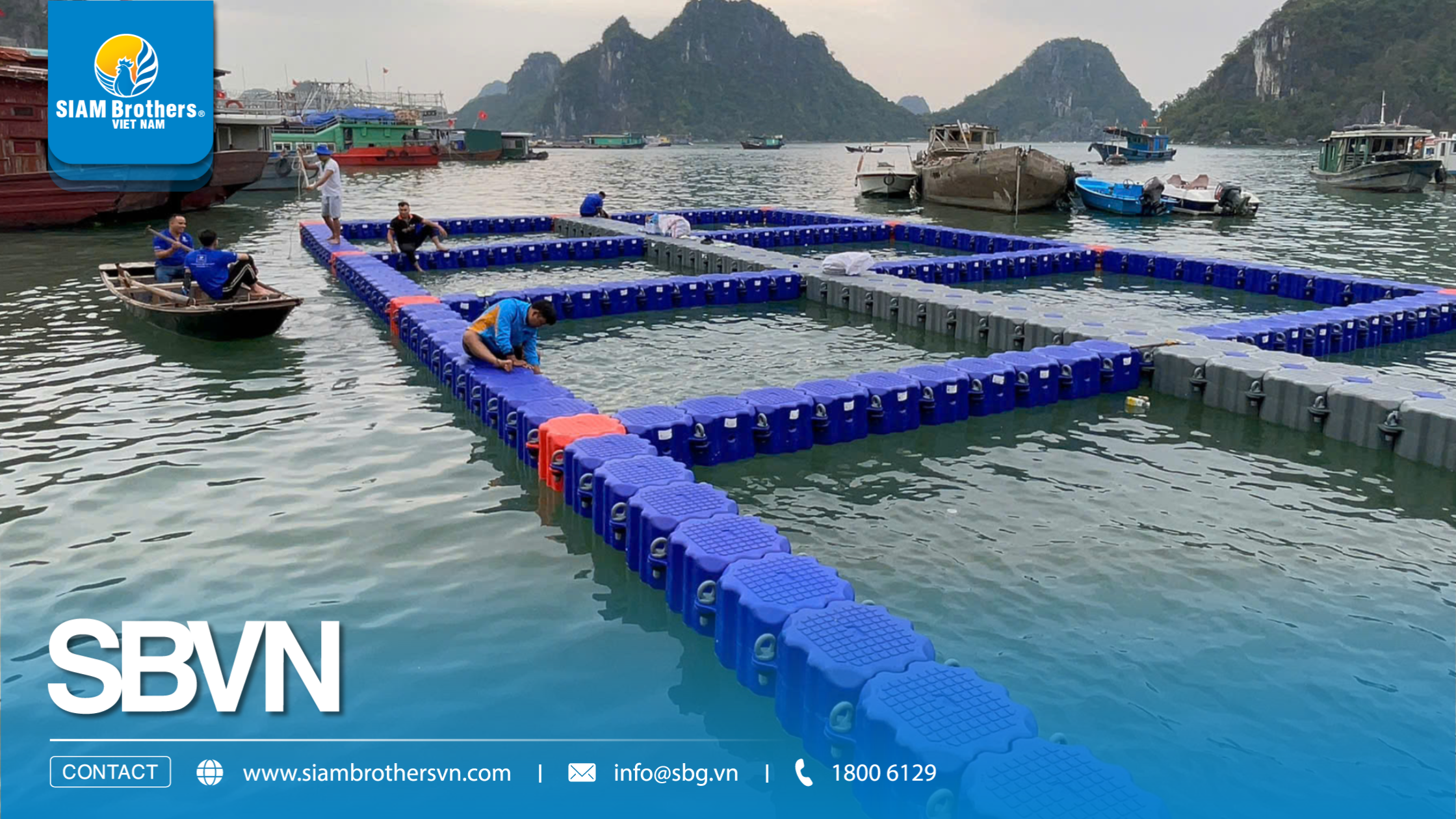
Price differences are often related to material quality and manufacturing standards.
Several factors can contribute to variations in pricing, including:
According to SIAM Brothers Vietnam's technical team, floats used in aquaculture environments need to be properly specified for actual operating conditions.
A higher-priced product that offers better durability and requires fewer replacements may ultimately help reduce total costs over the long term.
When buying floats for a floating cage system, you should not make your decision based solely on the initial price. You should also consider:
For example, a marine fish-farming system with a high stocking density will require floats with greater load-bearing capacity than a small nearshore farming raft.
Choosing the wrong type of float can result in additional operating and replacement costs that far exceed the savings from a lower initial purchase price.
Yes. For larger orders, pricing is typically determined based on factors such as:
Customers such as aquaculture equipment distributors, commercial aquaculture businesses, and floating cage projects often place recurring orders. In these cases, manufacturers may be able to provide a more suitable supply plan and quotation based on the customer's requirements.
Before purchasing, you should clearly identify:
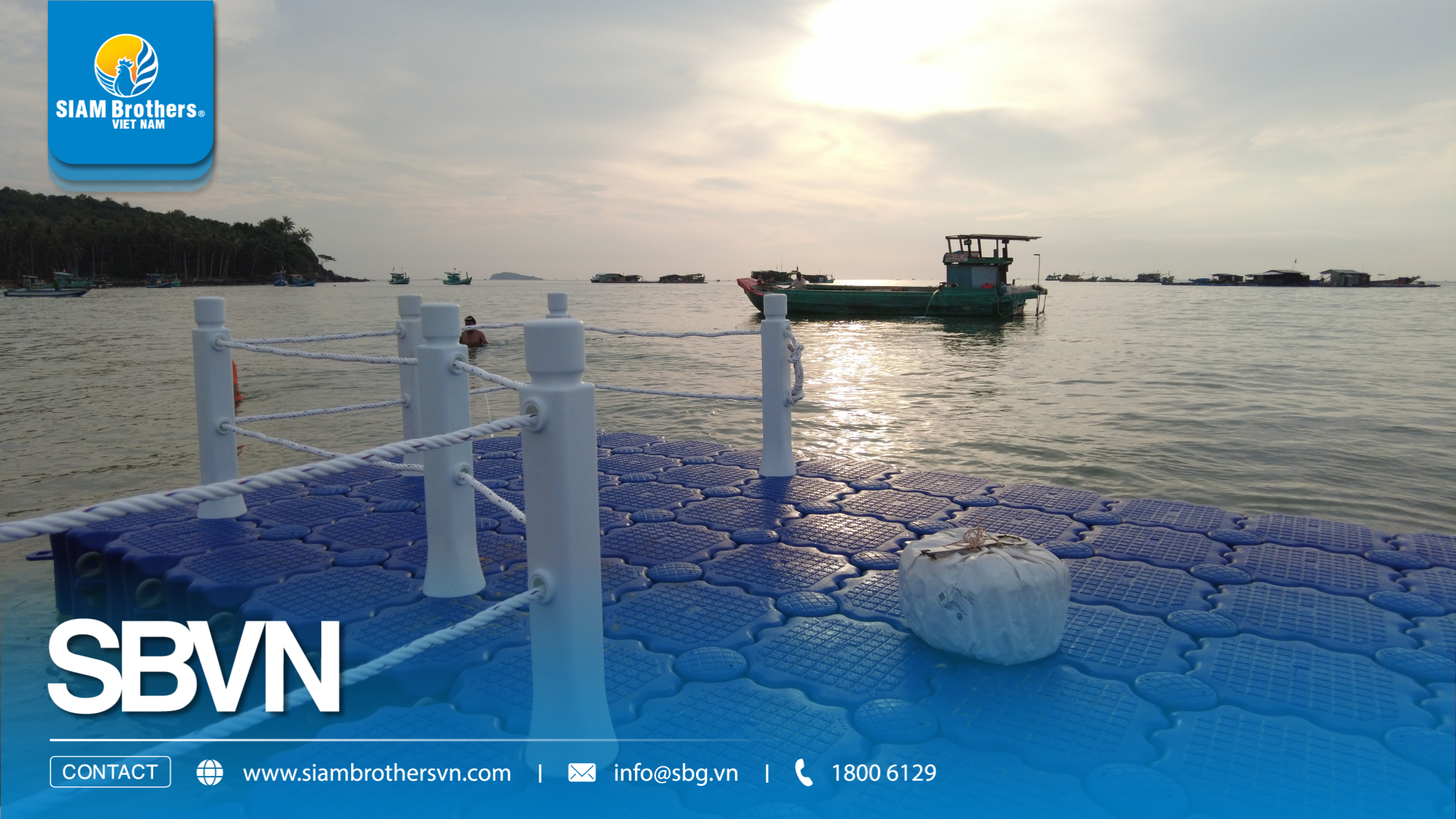
If you are not experienced in calculating load and buoyancy requirements, you can consult the supplier's technical team for guidance.
Making the right choice from the beginning can help your floating system operate more reliably and minimize unexpected costs later.
The cost of plastic floating floats is not the only factor to consider when investing in a floating cage system. Pricing also depends on material quality, buoyancy, product specifications, and how well the floats perform under the actual conditions of each aquaculture operation.
Drawing on the manufacturing experience and technical expertise of the SIAM Brothers Vietnam team, customers can choose a floating-float solution that matches their load requirements and environmental conditions.
If you are looking for a Plastic Floating Floats Cost estimate or need help choosing the right HDPE floats, contact SIAM Brothers Vietnam for detailed technical support and a solution tailored to your floating cage system.
Source: SIAM Brothers Vietnam
Contact us:
► Address: 5th floor, VRG Building, 177 Hai Ba Trung Street., Xuan Hoa Ward, Ho Chi Minh City, Vietnam
► Hotline: 1800 6129
► Tel: (+84) 28 38 912 889
► Email: info@sbg.vn
► Follow us for more details at: Facebook - Zalo OA - Tiktok - Youtube - LinkedIn
Download SBVN ID app here:
► CHPlay
► Appstore









Specializing in Agricultural and Fisheries Products & Multipurpose Wire