
- 1800 6129

How much weight can Floating Dock Floats support, and how many floats are needed to ensure the safety of a floating dock, floating pier, or waterfront tourism project? These are some of the most common questions asked by project owners, contractors, and tourism operators before construction begins. The answer depends on more than just the specifications of a single float. Factors such as the dock's structural design, intended use, environmental conditions, and overall load distribution all play a critical role in determining a safe and reliable floating system.
In this guide, SIAM Brothers Vietnam shares practical insights into how to calculate the load capacity of Floating Dock Floats, the key factors that influence buoyancy and structural performance, and how to select the most suitable HDPE floating dock solution for different real-world applications.
Before calculating load capacity, it's important to understand what Floating Dock Floats are and why they are essential to floating infrastructure. Whether you're building a marina, floating walkway, waterfront resort, or recreational platform, the performance of the entire structure starts with a properly engineered floating foundation.
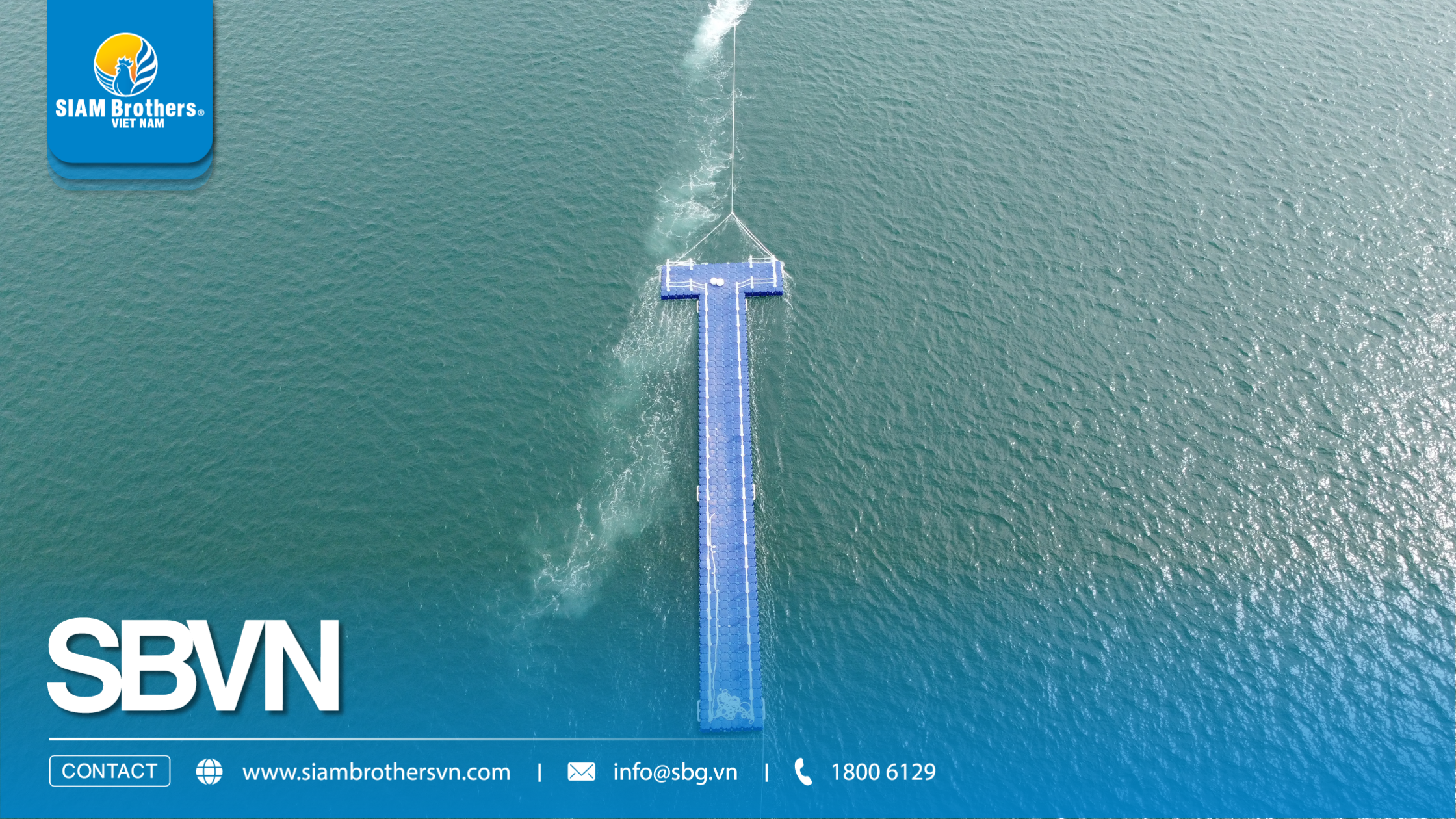
Floating Dock Floats are buoyant flotation units designed to support floating structures used for tourism, recreation, transportation, and commercial waterfront activities. Typically manufactured from high-density polyethylene (HDPE) or other durable materials, they provide long-term buoyancy while withstanding harsh outdoor and marine environments.
Based on the practical experience of SIAM Brothers Vietnam's engineering and manufacturing teams, a high-quality floating dock system should offer:
Thanks to their flexibility, modular design, and fast installation, Floating Dock Floats are now widely used across a variety of waterfront projects.
For example, many eco-resorts use floating walkways to connect small islands, fishing villages, or waterfront attractions without permanent construction.
Floating Piers for Boats and Watercraft
Common applications include:
One of the most common questions from project owners, contractors, and waterfront developers is: How much weight can Floating Dock Floats actually support?
According to the engineering team at SIAM Brothers Vietnam, the answer should never be based on the specification of a single float alone. Instead, the load capacity must be evaluated as part of the entire floating dock system, taking into account structural design, float configuration, environmental conditions, and the intended application.
The load capacity of Floating Dock Floats is calculated based on the buoyant force generated when the floats displace water. In simple terms, the greater the buoyancy, the more weight the floating system can safely support.
A well-designed floating dock system should be able to:
For example:
The load capacity of Floating Dock Floats varies depending on their dimensions, buoyancy, material specifications, and overall system design.
As a general guideline:
It's important to note that the maximum load capacity should not be used as the normal operating load. In professional engineering practice, an additional safety margin is always included to ensure long-term structural integrity and operational safety.
Several factors determine how much weight a floating dock system can safely support.
The size of each float directly affects its buoyancy.
Key considerations include:
The durability of HDPE Floating Dock Floats plays a significant role in maintaining long-term performance.
High-quality HDPE offers:
Even when identical floats are used, their arrangement greatly influences the overall performance of the floating system.
Proper engineering should ensure:
Poor float placement can reduce stability, even if the total buoyancy appears sufficient.
The supporting framework contributes significantly to the total design load.
Important elements include:
The self-weight of the entire structure must always be included in load calculations.
A well-optimized structural design improves buoyancy efficiency while reducing unnecessary weight.
Real-world operating conditions can generate dynamic loads that exceed static design loads.
Factors include:
These environmental forces should always be considered during the engineering and design process to ensure safe operation under varying conditions.
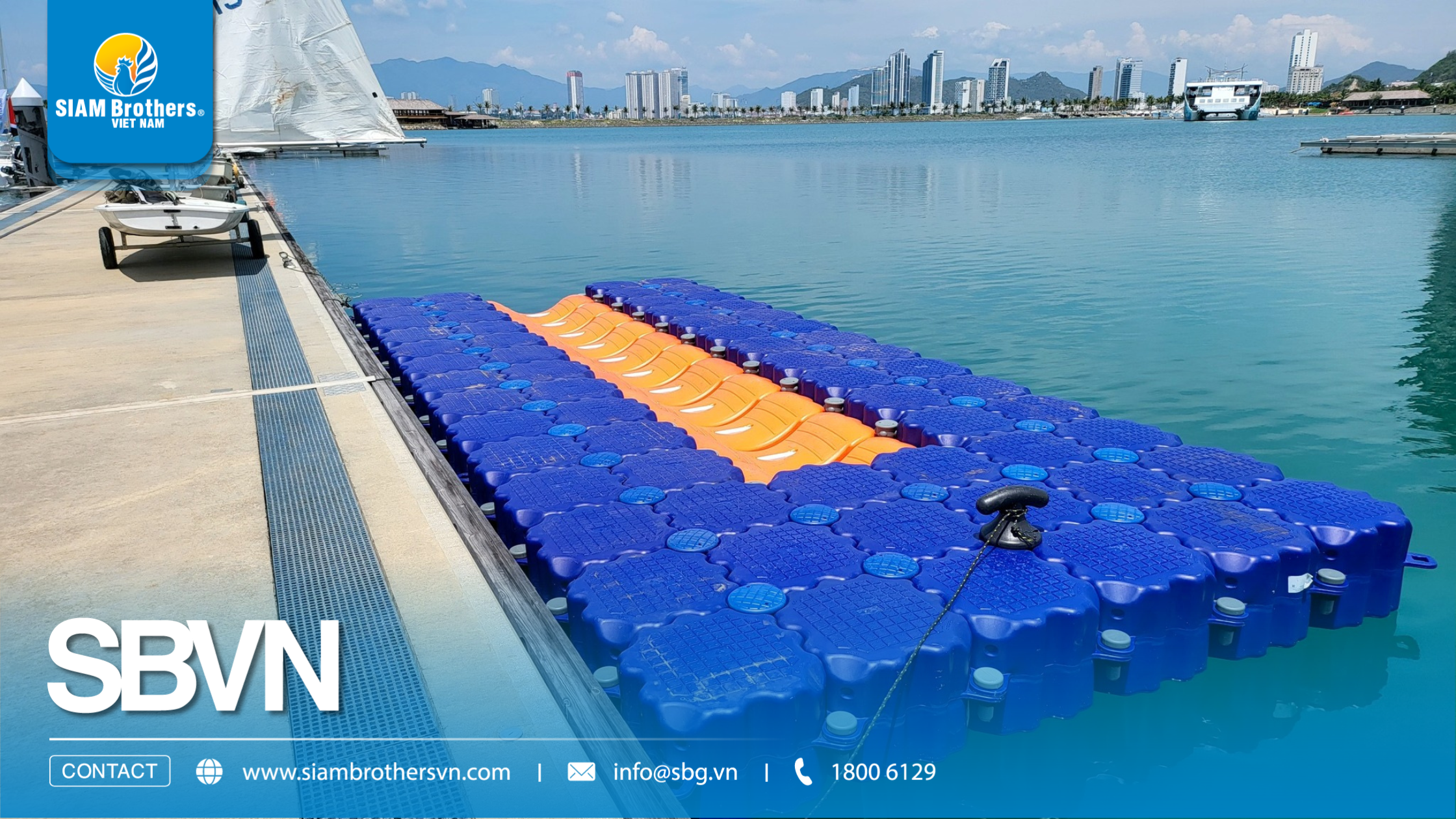
This is one of the most frequently misunderstood concepts when selecting Floating Dock Floats.
Maximum Load Capacity
Safe Working Load
For example, if a floating pier has a maximum load capacity of 10 metric tons, its recommended safe working load may be limited to approximately 7–8 metric tons, depending on site conditions and engineering requirements.
Calculating the load capacity of a floating dock system is one of the most important steps in ensuring long-term safety, stability, and performance. Before selecting the number of Floating Dock Floats, you first need to determine the total load the structure is expected to support.
According to the engineering team at SIAM Brothers Vietnam, load calculations should always be performed during the design phase to optimize safety, control project costs, and extend the service life of the floating structure.
Before calculating the required number of Floating Dock Floats, identify every load that the floating structure will carry.
The total design load typically includes:
Additional loads caused by waves, wind, tides, and environmental conditions.
A basic engineering formula is:
Total Design Load = Dead Load + Live Load + Safety Factor
Where:
This calculation provides the foundation for selecting the appropriate number and specification of Floating Dock Floats.
The performance of Floating Dock Floats is based on the principle of buoyancy, which is the upward force generated when a float displaces water.
In general:
Manufacturers typically provide the following specifications for each float:
When selecting a flotation system, engineers should always prioritize the recommended safe working load rather than the maximum theoretical capacity. This approach improves operational safety and extends the lifespan of the entire floating structure.
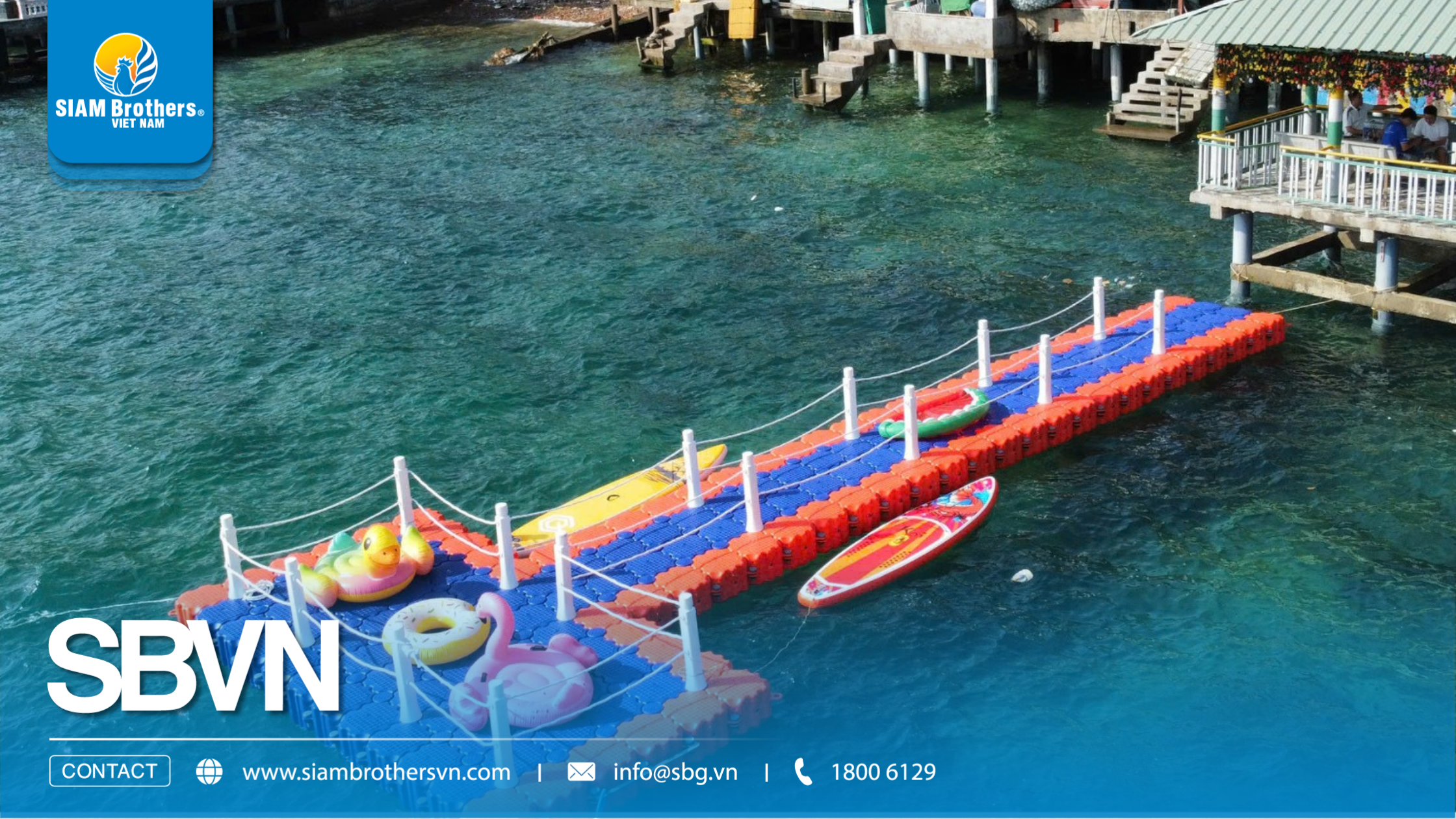
Once the total design load and the safe working load of each float are known, calculating the required number of floats becomes straightforward.
Formula:
Number of Floats = Total Design Load ÷ Safe Working Load per Float
Example:
A floating dock is designed with:
Total Design Load: 2,500 + 3,000 + 500 = 6,000 kg
If each Floating Dock Float has a recommended safe working load of 500 kg: 6,000 ÷ 500 = 12 floats
In practice, engineers often include additional flotation units beyond the minimum requirement. This extra buoyancy improves stability, distributes loads more evenly, and provides greater operational safety over the long term.
Imagine an eco-tourism destination planning to build a 20-meter floating pedestrian bridge connecting two areas across a lake.
Project specifications:
Occupant Load:
40 × 4 × 75 = 12,000 kg
Assume the bridge structure itself weighs:
The floating dock system should therefore be designed to support more than 15,000 kg, with an appropriate engineering safety factor included to account for real-world operating conditions.
Load calculations become more complex when designing a floating pier because vessel movement creates additional dynamic forces.
In addition to the structural weight, engineers should consider:
Example:
A floating pier is designed to accommodate:
Instead of calculating each component independently, the engineering team evaluates the combined load scenario to ensure the floating pier remains safe and stable during peak operating conditions.
Below are some of the most frequently asked questions our engineering team at SIAM Brothers Vietnam receives from project owners, contractors, and waterfront developers when designing floating docks and piers.
There is no single load capacity that applies to every Floating Dock Float. The actual capacity depends on several engineering factors, including:
In practice, engineers evaluate the load capacity of the entire floating dock system rather than relying on the specification of an individual float.
To calculate the required number of floats accurately, you'll need to determine:
For example:
For this reason, SIAM Brothers Vietnam recommends performing a complete load analysis during the planning stage to ensure both safety and cost efficiency.
Yes.
High-quality HDPE Floating Dock Floats are specifically designed to perform reliably in coastal and marine environments when properly engineered.
A floating system intended for seawater applications should provide:
This is why choosing a manufacturer with proven experience in marine floating infrastructure is essential for long-term project success.
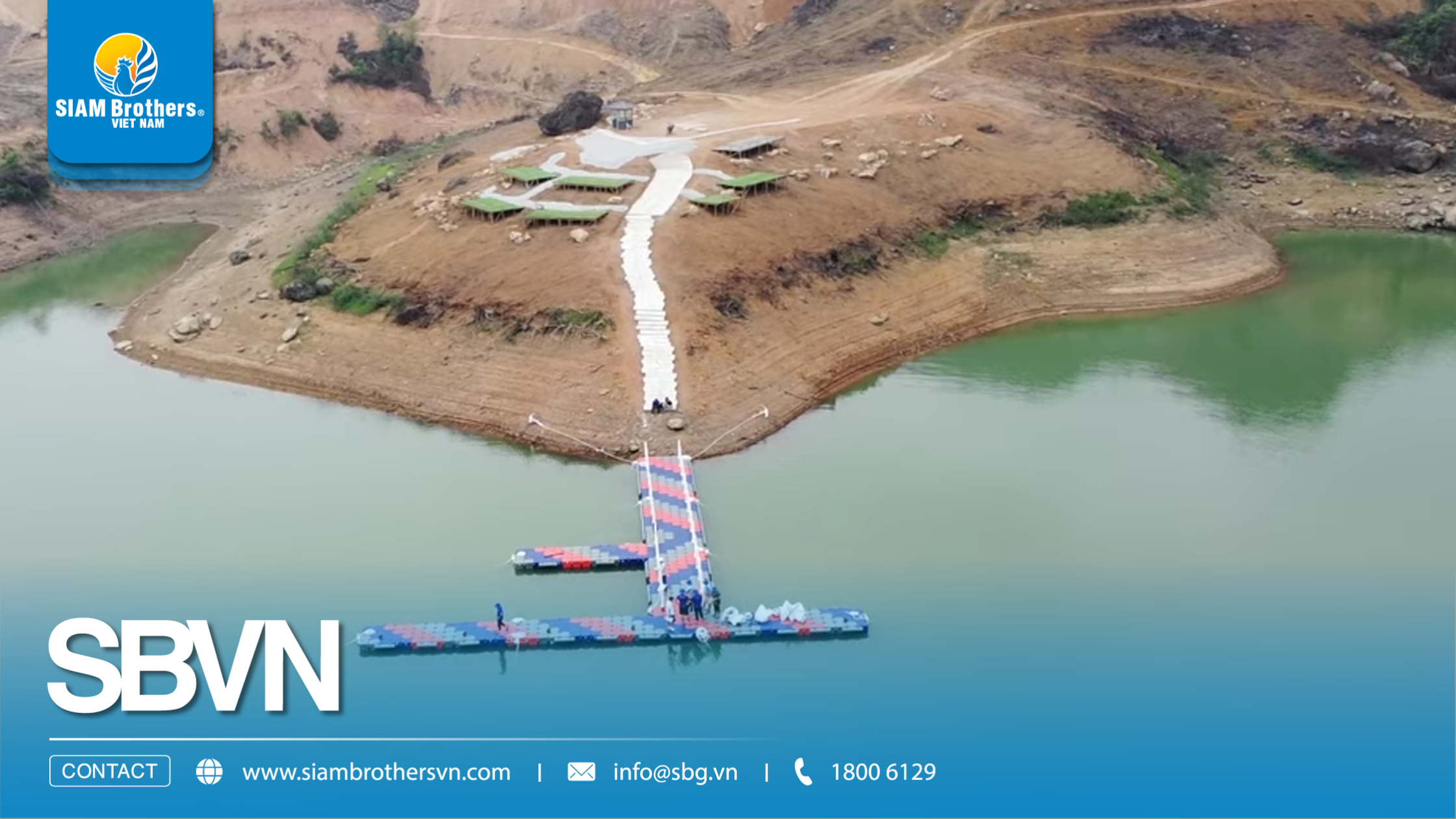
Yes.
Although HDPE Floating Dock Floats require significantly less maintenance than many traditional flotation materials, routine inspections are still recommended.
Regular inspections should include:
Preventive maintenance helps identify potential issues early, improving safety and extending the lifespan of the entire floating dock system.
Today, many project developers prefer HDPE Floating Dock Floats because they offer several important advantages:
However, the best solution ultimately depends on your project's load requirements, site conditions, operational needs, and available budget.
It's best to seek professional engineering advice if you:
Early consultation with an experienced engineering team helps minimize design risks, avoid unnecessary costs, and ensure your floating structure performs safely over the long term.
The performance of Floating Dock Floats depends not only on the quality of the individual floats but also on accurate load calculations and a well-engineered system design. From floating bridges and marinas to tourism piers and recreational platforms, every project has unique load requirements that should be evaluated before construction begins.
If you're looking for a reliable HDPE Floating Dock Float solution for your next waterfront project, SIAM Brothers Vietnam is ready to help. Our engineering team can provide professional load calculations, technical recommendations, and customized floating dock solutions designed to meet your project's specific requirements while ensuring long-term safety and durability.
Source: SIAM Brothers Vietnam
Contact us:
► Address: 5th floor, VRG Building, 177 Hai Ba Trung Street., Xuan Hoa Ward, Ho Chi Minh City, Vietnam
► Hotline: 1800 6129
► Tel: (+84) 28 38 912 889
► Email: info@sbg.vn
► Follow us for more details at: Facebook - Zalo OA - Tiktok - Youtube - LinkedIn
Download SBVN ID app here:
► CHPlay
► Appstore









Specializing in Agricultural and Fisheries Products & Multipurpose Wire