
- 1800 6129

Can the right shrimp farming floats really make a difference in the durability of your aquaculture system and the long-term return on your investment? The answer is yes. Choosing the wrong type of float can lead to higher maintenance costs, reduced structural stability, and shorter service life—especially in modern, high-intensity shrimp farming operations.
Every aquaculture system has unique requirements. Whether you're operating earthen ponds, HDPE-lined ponds, circular tanks, floating cage systems, or recirculating aquaculture systems (RAS), selecting the right float depends on factors such as buoyancy capacity, dimensions, material quality, and environmental conditions.
In this guide, SIAM Brothers Vietnam shares practical insights on how to choose the most suitable shrimp farming floats for different aquaculture applications, helping shrimp farmers, aquaculture businesses, and project developers improve operational efficiency while optimizing long-term investment.
Shrimp farming floats are buoyancy devices designed to support floating structures used in shrimp farming operations. They provide reliable flotation for working platforms, floating walkways, feeding stations, floating bridges, and other supporting infrastructure within aquaculture facilities.
Depending on the project size and operational requirements, shrimp farming floats are available in various dimensions and buoyancy capacities to accommodate different structural loads.
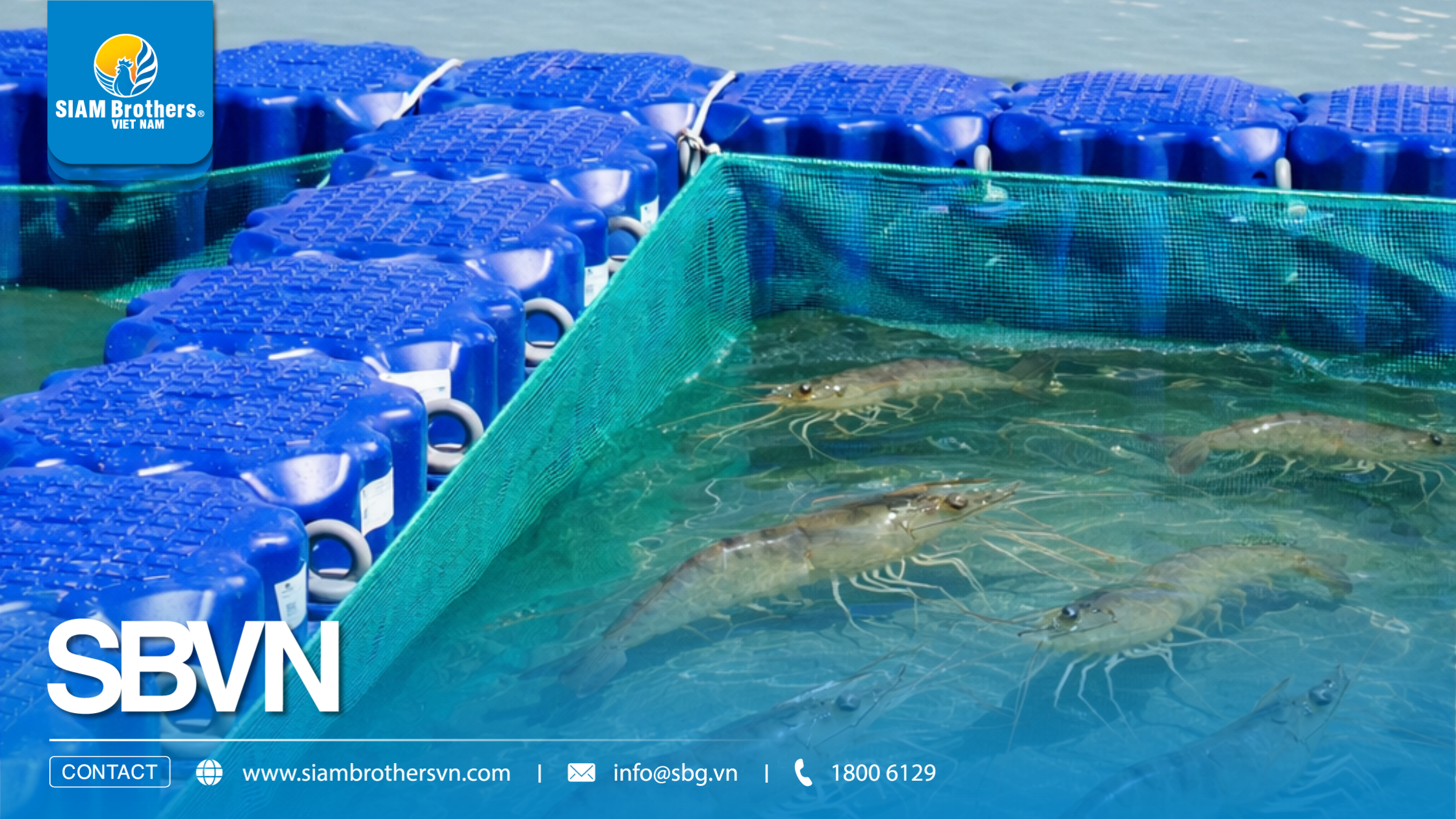
Today, HDPE shrimp farming floats have become a preferred choice for commercial aquaculture thanks to their durability and stable performance in freshwater, brackish water, and marine environments.
A high-quality float should offer:
Why Are Shrimp Farming Floats Becoming More Popular?
As aquaculture continues to adopt more advanced technologies, floating infrastructure is expected to perform reliably under increasingly demanding conditions. Temporary flotation solutions such as steel drums or foam blocks are gradually being replaced by purpose-built shrimp farming floats that deliver greater durability, safety, and operational efficiency.
Some of the key advantages include:
With years of experience in developing HDPE floating solutions for aquaculture, the engineering, R&D, and manufacturing teams at SIAM Brothers Vietnam understand that selecting the right floating system is about more than buoyancy. It is about building a reliable infrastructure that helps aquaculture businesses operate more efficiently, reduce lifecycle costs, and achieve sustainable growth.
Selecting the right shrimp farming floats starts with understanding your aquaculture system. Different farming models place different demands on buoyancy, structural strength, and long-term durability. A floating solution that performs well in one environment may not be suitable for another.
Based on the practical experience of the engineering, R&D, and manufacturing teams at SIAM Brothers Vietnam, the most effective approach is to evaluate the entire floating structure—including the frame, netting system, connectors, and operating environment before selecting the appropriate HDPE floats.
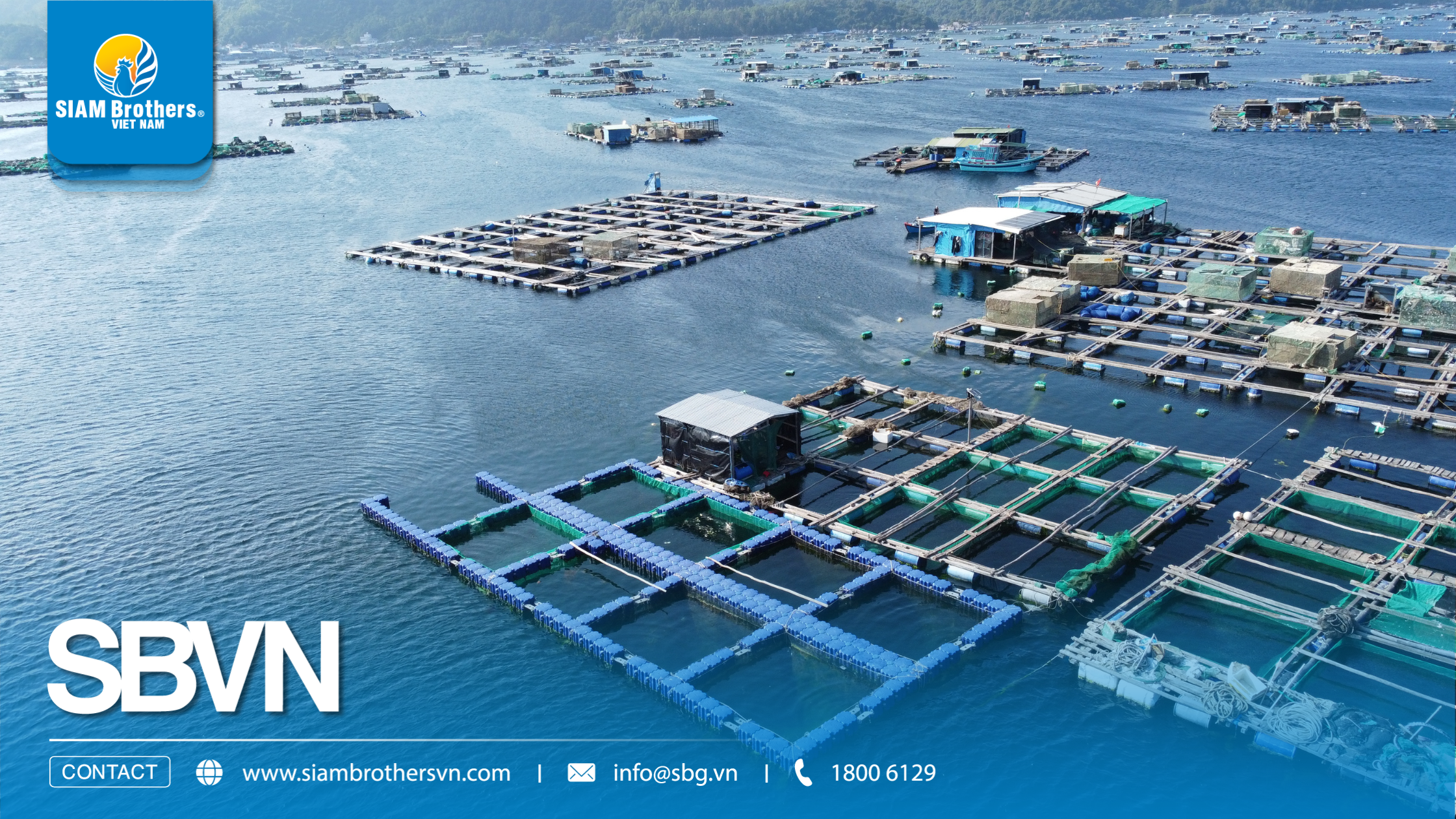
Lobster farming is typically carried out in sheltered coastal waters, bays, or nearshore marine environments. Because lobsters are a high-value species, floating cage systems must remain stable throughout the production cycle.
When selecting shrimp farming floats for this type of application, consider the following:
For example, a 4 m × 4 m, 6-cage lobster farming system requires a different buoyancy configuration than larger multi-cage installations.
HDPE floating systems are also widely used for farming marine species such as pompano, grouper, snapper, and other commercial fish.
For these applications, shrimp farming floats should provide:
Depending on production capacity, cage systems can be configured in standard dimensions such as 4 m × 4 m, 4 m × 8 m, or fully customized layouts based on project requirements.
Integrated aquaculture is becoming increasingly popular among commercial producers seeking to maximize water surface utilization while diversifying production.
A typical floating system may include:
For instance, a project consisting of 24 shrimp cages and 6 fish cages requires a unified HDPE floating structure capable of supporting the entire system safely and efficiently.
When designing this type of installation, key considerations include:
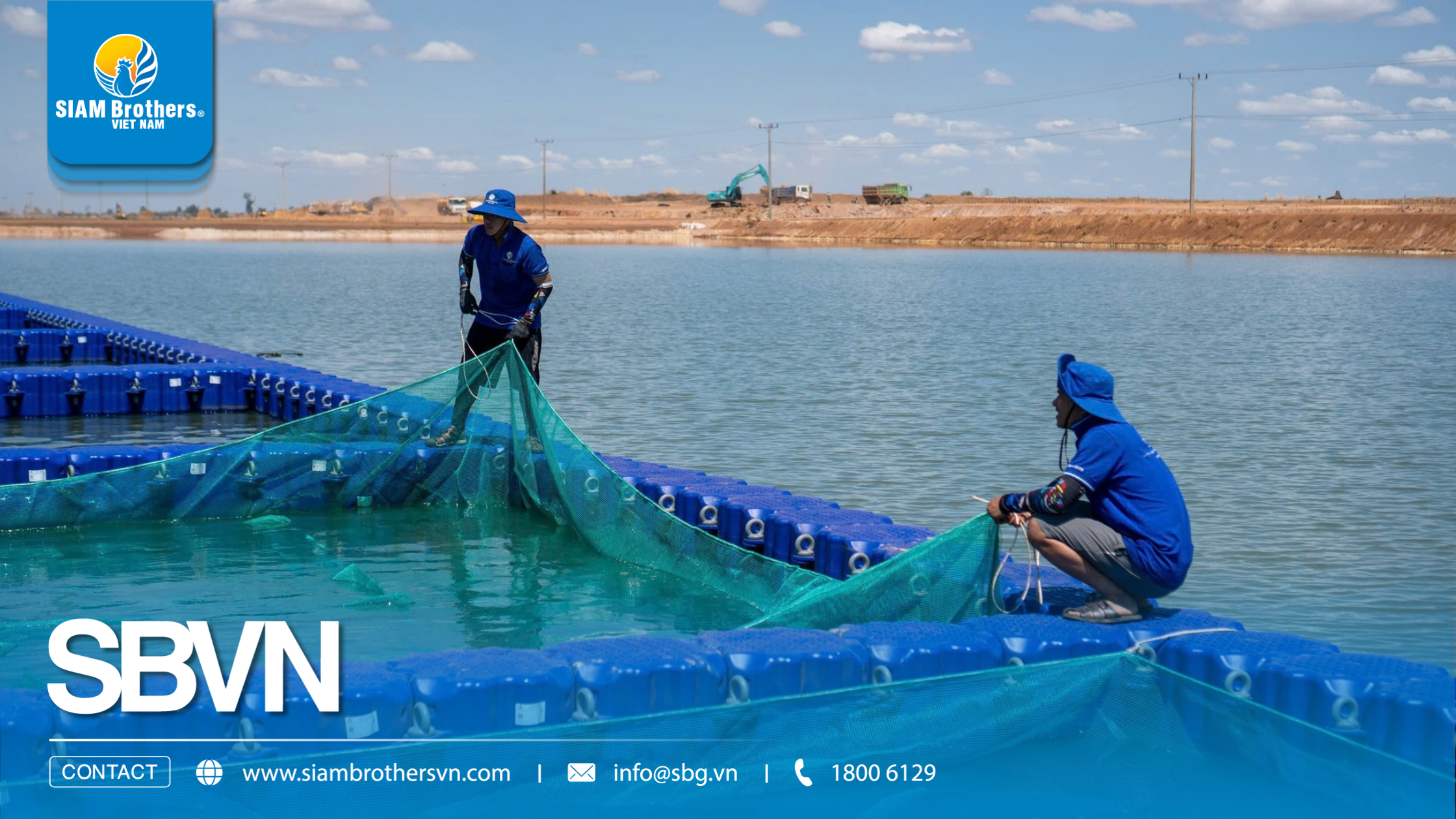
In systems where aquaculture nets are permanently integrated into the floating structure, shrimp farming floats do more than provide buoyancy—they help maintain the stability and geometry of the entire cage.
Important selection criteria include:
The right floating solution helps maintain proper net shape, reducing the risk of sagging, structural distortion, and unnecessary maintenance costs.
For large-scale offshore aquaculture projects or sites exposed to stronger waves and currents, dual-float configurations combined with reinforced structural connectors provide greater stability and higher load capacity.
Key advantages include:
According to the technical specialists at SIAM Brothers Vietnam, dual-float HDPE systems are commonly recommended for projects requiring continuous operation, long service life, and dependable structural performance in demanding marine environments.
Choosing the right shrimp farming floats involves more than selecting the correct size or comparing prices. Every aquaculture project has unique structural and environmental requirements, making buoyancy performance, load capacity, and material durability equally important.
According to the engineering, R&D, and manufacturing teams at SIAM Brothers Vietnam, selecting an HDPE floating system should begin with a thorough assessment of the farming structure, operating conditions, and long-term production goals. This approach helps improve operational reliability while reducing maintenance costs throughout the system's lifecycle.
Every floating aquaculture system carries a different load. As production capacity increases, so does the demand for reliable buoyancy.
Before selecting shrimp farming floats, evaluate:
For example:
A 4 m × 4 m, 6-cage system requires a different buoyancy configuration than a 4 m × 8 m, 8-cage system.
An integrated project with 24 shrimp cages and 6 fish cages must calculate the total structural load before determining the appropriate number of HDPE floats.
Proper buoyancy planning from the beginning helps maintain structural balance and minimizes the risk of uneven flotation or excessive stress on the floating framework.
HDPE floats are only one component of a complete aquaculture infrastructure. Their performance depends on how well they integrate with the surrounding structural system.
When choosing shrimp farming floats, ensure compatibility with:
A well-integrated floating system distributes weight more evenly, improves structural stability, and helps extend the service life of the entire installation.
Environmental factors have a direct impact on the long-term performance of floating aquaculture systems.
Before selecting shrimp farming floats, assess:
For coastal or offshore aquaculture sites, HDPE floats should provide:
Choosing materials designed for harsh marine environments helps improve system reliability while reducing maintenance requirements over time.
One of the most common mistakes is estimating only the initial structural weight while overlooking operational loads.
In practice, shrimp farming floats must support:
Without adequate buoyancy reserves, the floating structure may become overloaded as biomass increases, affecting both safety and operational efficiency.
Based on practical project experience, the engineering team at SIAM Brothers Vietnam recommends selecting HDPE floats with sufficient reserve buoyancy to ensure stable performance throughout the system's entire service life.
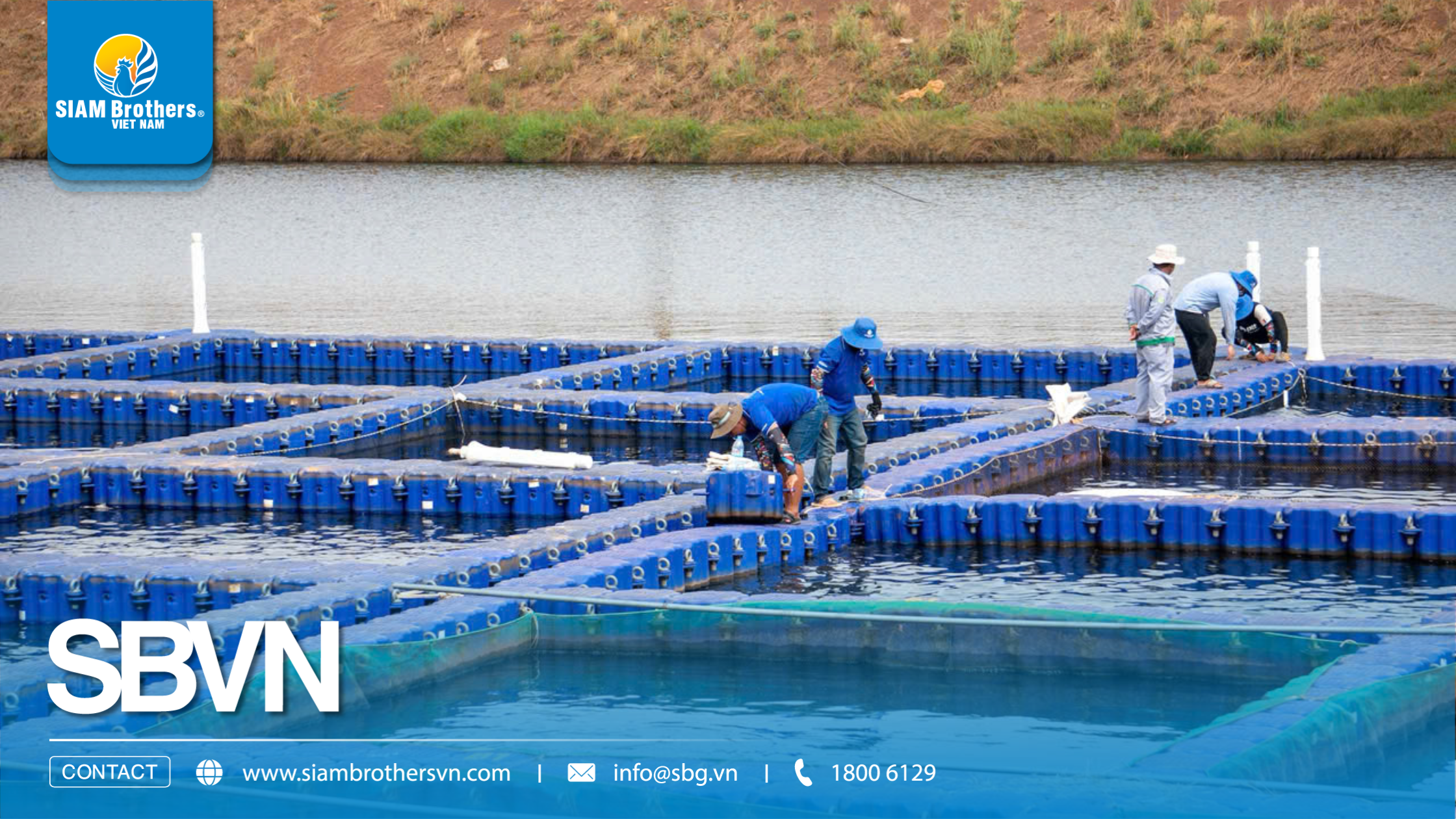
Choosing the right shrimp farming floats is about more than comparing prices or product dimensions. A reliable floating system should deliver consistent buoyancy, structural stability, and long-term durability under demanding aquaculture conditions. Making the right investment from the start helps reduce maintenance costs, improve operational safety, and extend the service life of the entire farming system.
Drawing on the practical experience of the engineering, R&D, and manufacturing teams at SIAM Brothers Vietnam, the following criteria can help you evaluate the quality of HDPE floats before making an investment.
Material quality is one of the most important factors when selecting shrimp farming floats. Aquaculture facilities operating in brackish water or seawater are constantly exposed to sunlight, waves, salt, and chemical treatments, making material durability essential.
A high-quality HDPE float should offer:
For example, floating systems installed in coastal aquaculture farms are exposed to intense sunlight and continuous wave action every day. If the material quality is inadequate, premature deterioration can compromise the stability of the entire farming structure.
Buoyancy capacity is one of the most critical engineering considerations when selecting shrimp farming floats.
A complete floating system should be capable of supporting:
If buoyancy is underestimated, the floating platform may become unbalanced, experience excessive deflection, or lose structural stability during operation.
Proper load calculations help ensure safe, reliable performance throughout the project's lifecycle.
Modern aquaculture projects often grow over time, making scalability an important factor from the initial design stage.
When evaluating shrimp farming floats, consider whether they feature:
A modular floating system reduces installation time, simplifies maintenance, and lowers expansion costs as production capacity increases.
Appearance alone does not indicate product quality. The internal construction and sealing performance are equally important for maintaining consistent buoyancy.
Before making a purchase, inspect whether the floats provide:
For offshore and coastal aquaculture systems, dependable buoyancy helps maintain the correct alignment of floating cages and aquaculture nets while minimizing structural deformation.
High-quality shrimp farming floats should integrate seamlessly with every major component of the floating infrastructure.
Key compatibility factors include:
Choosing components that are designed to work together creates a stronger, more stable floating structure while reducing installation challenges and future maintenance requirements.
Selecting the right shrimp farming floats often raises practical questions about materials, system compatibility, maintenance, and long-term performance. Below are some of the most frequently asked questions that the engineering and technical consulting teams at SIAM Brothers Vietnam receive from aquaculture businesses, shrimp farmers, distributors, and project developers.
Not necessarily. The ideal shrimp farming floats depend on the specific requirements of each aquaculture project.
Before making a selection, consider factors such as:
For example, an offshore lobster farming system requires greater buoyancy and structural stability than a floating system installed in sheltered coastal waters. Conducting a site assessment before selecting HDPE floats helps ensure optimal long-term performance.
Yes. One of the key advantages of modular HDPE shrimp farming floats is their flexibility.
As your operation expands, you can:
This modular approach allows aquaculture businesses to scale efficiently without replacing the entire floating system.
There is no fixed lifespan because durability depends on several factors, including:
When manufactured from high-quality HDPE and installed correctly, shrimp farming floats can provide reliable performance for many years while requiring minimal maintenance.
Regular inspections help maximize service life and maintain consistent buoyancy throughout the system.
The answer depends on the current stage of your project.
For new aquaculture developments, investing in a complete integrated solution is generally the better option.
A complete system may include:
An integrated design improves compatibility between components, simplifies installation, and minimizes future maintenance issues.
Price is important, but it should never be the only deciding factor.
A reliable supplier should demonstrate:
Working with an experienced manufacturer reduces project risks and helps ensure that the floating system is properly designed from the outset.
Yes. In addition to manufacturing high-quality shrimp farming floats, SIAM Brothers Vietnam provides technical consultation to help customers develop floating systems that match their operational requirements.
The engineering team can assist with:
By involving technical specialists early in the project, aquaculture businesses can make informed investment decisions, improve operational efficiency, and build floating infrastructure designed for long-term performance.
Selecting the right shrimp farming floats is an investment in the long-term stability, safety, and efficiency of your aquaculture operation. Rather than focusing solely on initial cost, evaluate factors such as material quality, buoyancy capacity, structural compatibility, environmental conditions, and future expansion plans.
A well-designed HDPE floating system can reduce maintenance requirements, extend the lifespan of your infrastructure, and deliver greater value throughout the project's lifecycle.
With decades of manufacturing expertise and extensive experience in floating solutions for aquaculture, SIAM Brothers Vietnam is committed to helping businesses, distributors, and aquaculture operators choose the right solution for every application.
Contact SIAM Brothers Vietnam today to speak with our engineering team and discover customized HDPE shrimp farming float solutions that improve performance, reduce lifecycle costs, and support sustainable aquaculture growth.
Source: SIAM Brothers Vietnam
Contact us:
► Address: 5th floor, VRG Building, 177 Hai Ba Trung Street., Xuan Hoa Ward, Ho Chi Minh City, Vietnam
► Hotline: 1800 6129
► Tel: (+84) 28 38 912 889
► Email: info@sbg.vn
► Follow us for more details at: Facebook - Zalo OA - Tiktok - Youtube - LinkedIn
Download SBVN ID app here:
► CHPlay
► Appstore








Specializing in Agricultural and Fisheries Products & Multipurpose Wire