
- 1800 6129

Marina Floating Dock Floats are more than just structural components that keep floating docks above water. They play a critical role in improving safety, enhancing the visual appeal of waterfront developments, and maximizing the long-term performance of modern resorts and marinas.
To ensure reliable operation for years to come, floating dock systems must be designed according to well-defined engineering standards. Key considerations include material selection, load-bearing capacity, structural integrity, UV resistance, corrosion resistance, and overall operational safety.
In this guide, SIAM Brothers Vietnam shares practical insights, engineering considerations, and essential design criteria for selecting Marina Floating Dock Floats for resort and marina projects. Whether you're planning a new development or upgrading an existing waterfront facility, these recommendations can help you choose the right floating dock solution while optimizing investment costs and long-term operational efficiency.
Marina Floating Dock Floats are specially engineered buoyancy units installed beneath floating dock platforms. Their primary function is to provide stable buoyancy, allowing the entire dock structure to remain level and secure under varying water conditions.
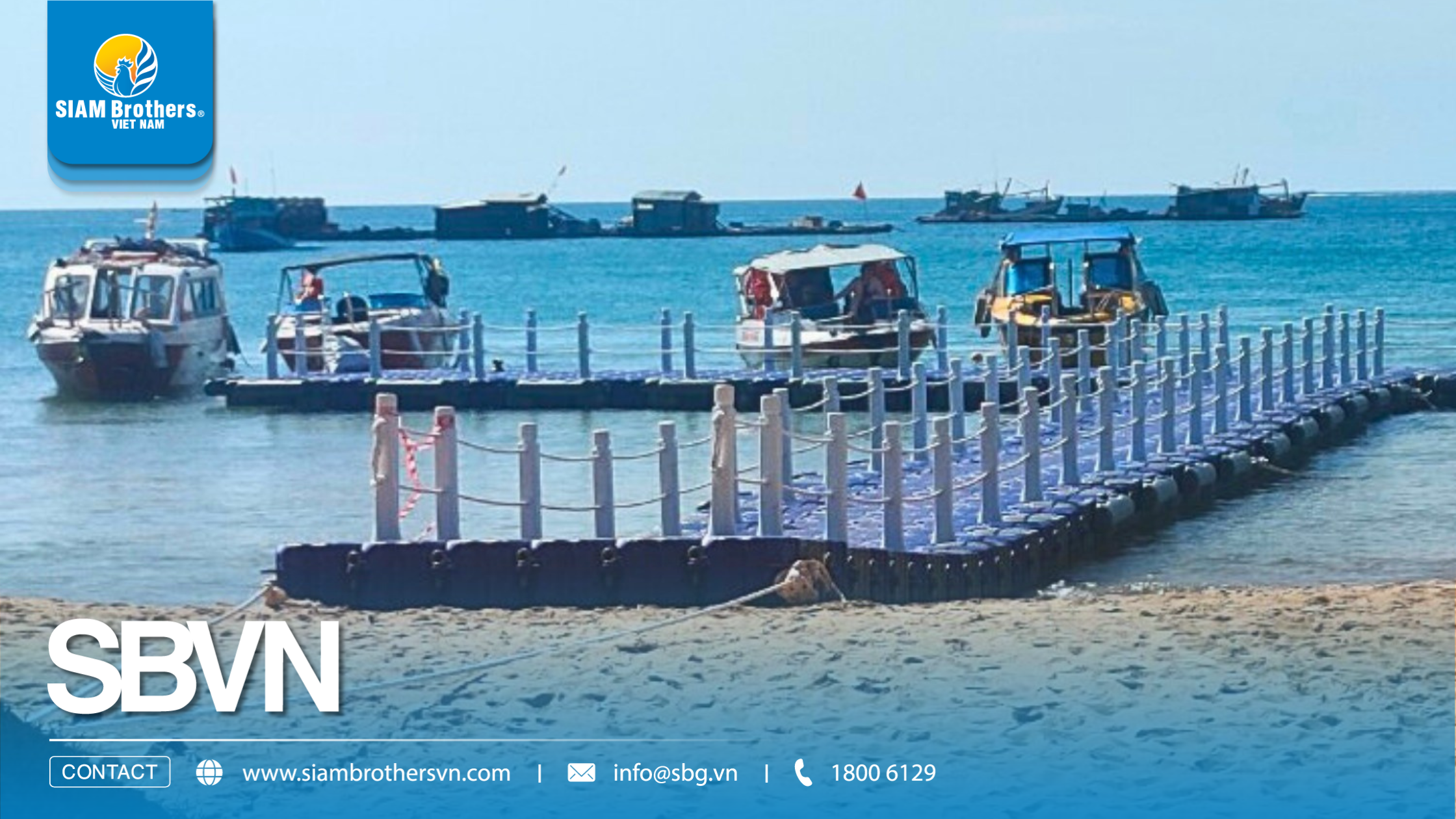
Today, these floating systems are widely used in:
Main Components of a Marina Floating Dock Float System
A complete floating dock system typically includes:
Unlike fixed piers, Marina Floating Dock Floats move naturally with changing water levels. This allows boats and yachts to dock more safely and comfortably during tidal fluctuations or seasonal water-level changes.
For example, at a coastal resort, the water level may vary significantly between high and low tide. A fixed dock can make boarding difficult, especially during extreme tidal conditions. A floating dock supported by HDPE dock floats rises and falls with the water, creating a safer and more convenient docking experience for guests and operators alike.
Why Marina Floating Dock Floats Matter for Resorts and Marinas
Beyond providing buoyancy, Marina Floating Dock Floats have a direct impact on operational efficiency, user safety, and the long-term value of waterfront infrastructure.
When engineered correctly, they offer several important advantages.
Reliable Load Capacity
A properly designed floating dock system can:
Quality floating dock floats help:
Longer Service Life
HDPE floating dock floats provide excellent durability because they:
Better Visitor Experience
A stable floating dock creates a safer and more enjoyable environment by:
Easy Future Expansion
One of the biggest advantages of modular floating dock systems is their flexibility.
They allow project owners to:
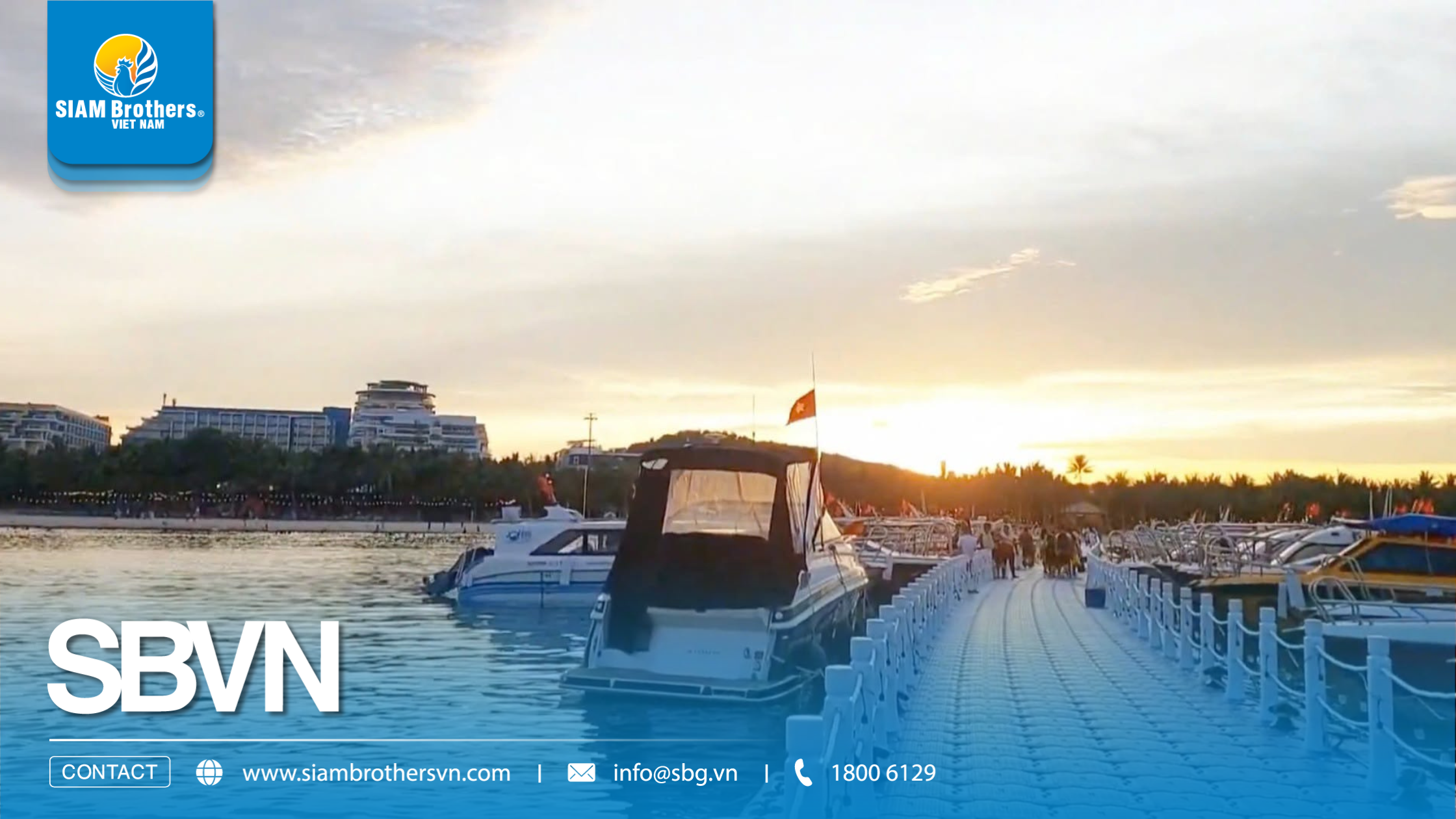
Once you understand the role of Marina Floating Dock Floats, the next step is determining the engineering standards that ensure long-term safety, durability, and performance. Every floating dock project has unique operating conditions, so its design should be based on actual site requirements rather than a one-size-fits-all approach.
Load capacity is one of the most critical factors when designing Marina Floating Dock Floats. If the dock is not engineered to support the expected loads, it may experience uneven settlement, structural instability, or safety issues during operation.
Key factors to evaluate include:
For example, a marina serving large luxury yachts requires a significantly different floating dock configuration than a small resort dock designed for tour boats or speedboats. Accurate engineering calculations ensure the floating system meets actual operational demands without unnecessary oversizing.
High-quality Marina Floating Dock Floats should maintain excellent stability under changing environmental conditions, including fluctuating water levels, waves, and wind loads.
Important site conditions to assess include:
For instance, many coastal resorts in Central Vietnam experience seasonal monsoon waves that place significant stress on floating dock systems. Poor float placement or uneven buoyancy distribution can cause excessive movement, reducing both comfort and safety for users.
Buoyancy alone is not enough. The overall structural design of the floating dock system plays an equally important role in long-term performance.
A well-engineered system should provide:
For busy marinas with heavy daily traffic, a rigid and well-balanced structure helps minimize movement while improving user comfort.
Even the highest-quality Marina Floating Dock Floats cannot perform effectively without a properly engineered mooring system. The anchoring method should always be selected based on actual site conditions.
Before choosing a mooring solution, engineers should evaluate:
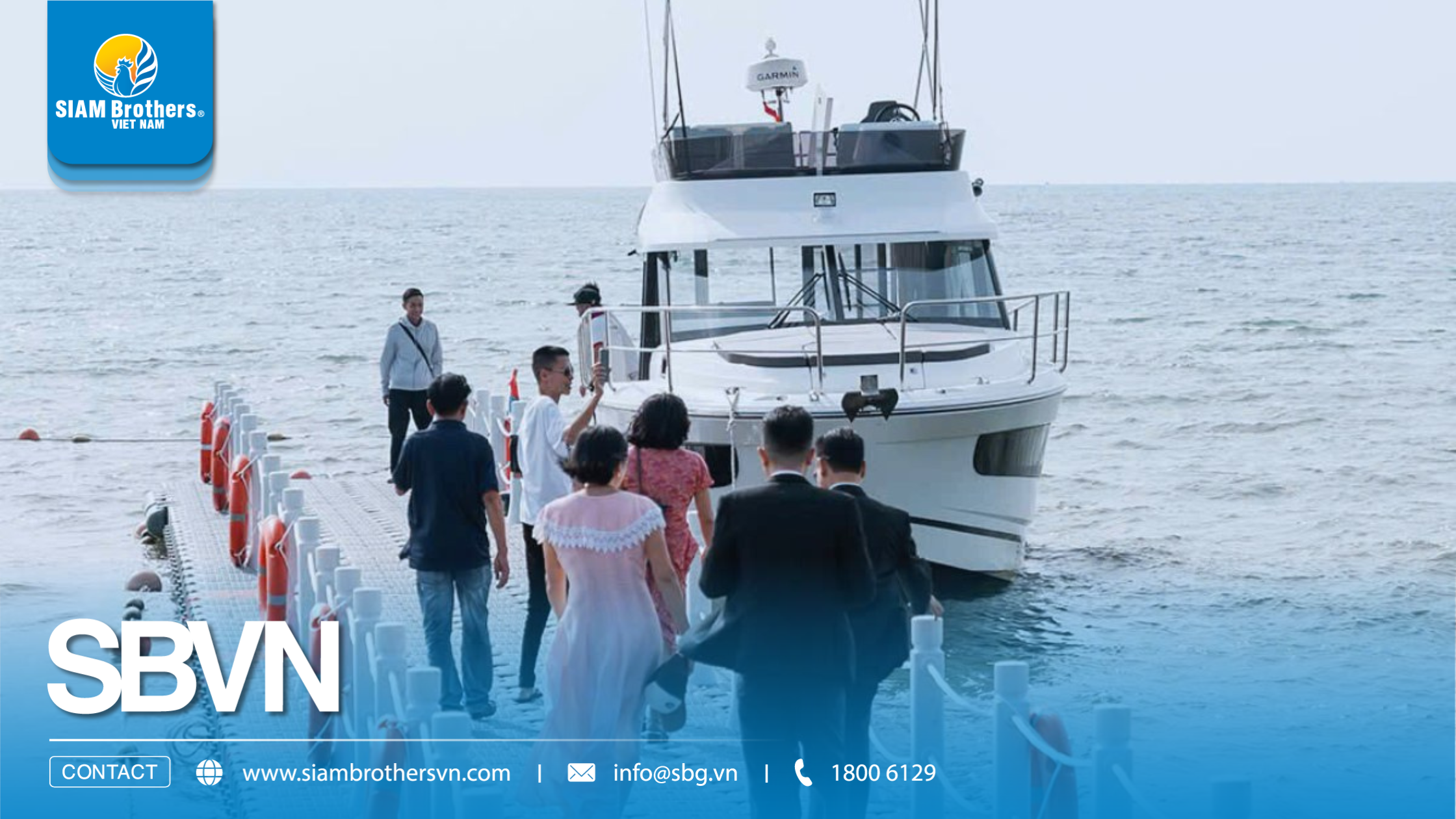
The size of your project is the foundation for determining the appropriate float dimensions, quantity, and floating dock layout.
Before selecting Marina Floating Dock Floats, consider the following:
For example, a resort with 10–15 berths requires a very different floating dock configuration from a full-service marina accommodating dozens of yachts simultaneously. Accurately defining the project scale helps optimize investment costs while ensuring the dock meets operational demands.
There is no one-size-fits-all solution when it comes to Marina Floating Dock Floats. Every installation site has unique environmental conditions that directly influence the dock's design, performance, and service life.
Key site conditions to evaluate include:
For example, a floating dock installed on a calm inland lake requires a completely different engineering approach than one located at a coastal inlet exposed to strong waves and tidal movements.
Water-level fluctuations are often overlooked during the planning stage, yet they have a significant impact on floating dock performance.
During the site survey, engineers should collect information on:
If these variations are not considered during the design phase, the mooring system and floating structure may become unstable, reducing the dock's long-term reliability and service life.
Different vessels generate different loads and operational forces. For this reason, identifying the primary vessel types is essential before selecting Marina Floating Dock Floats.
Important considerations include:
For example, a waterfront resort designed primarily for speedboats and sightseeing vessels requires a different floating dock solution than a marina built to accommodate large luxury yachts.
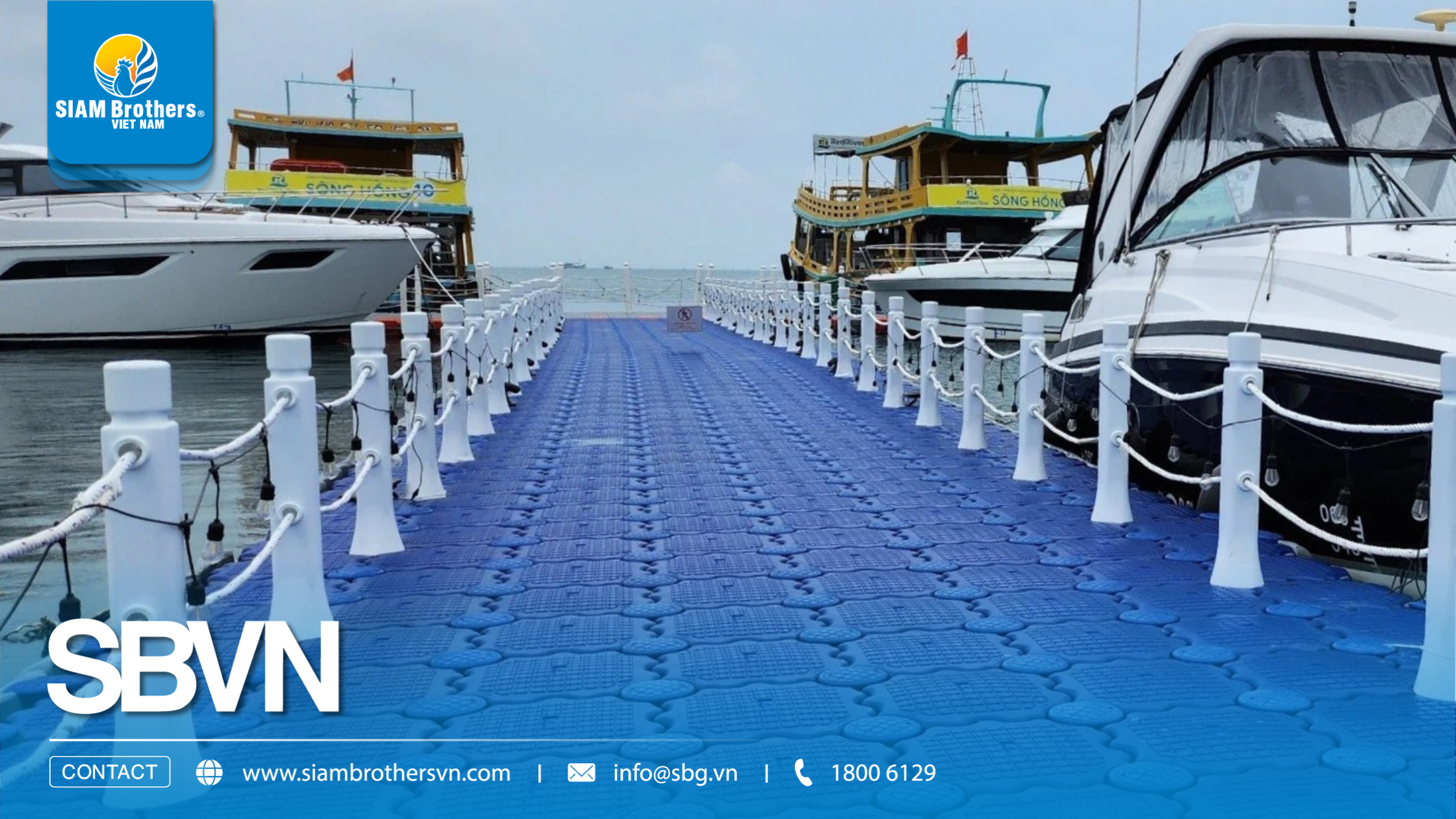
Today, High-Density Polyethylene (HDPE) is one of the most widely used materials for floating dock systems, marinas, and pontoon docks because of its outstanding durability and ability to withstand harsh marine environments.
Choosing HDPE Marina Floating Dock Floats offers several key advantages:
For example, floating docks in coastal marinas are constantly exposed to waves, saltwater, and intense sunlight. Marine-grade HDPE maintains its structural integrity under these conditions, reducing maintenance requirements and extending the service life of the dock.
Throughout daily operation, Marina Floating Dock Floats are continuously subjected to impacts from docking vessels, wave action, and varying live loads.
To ensure reliable performance, the material should provide:
Low-quality materials can crack or deform after repeated impacts, increasing repair costs and disrupting marina operations.
When investing in a floating dock system, long-term operating expenses are just as important as the initial construction cost. Selecting durable materials helps maximize the return on investment throughout the dock's lifecycle.
When evaluating floating dock materials, consider:
Every waterfront project has unique environmental conditions. That's why a comprehensive site survey is always the first step before designing a floating dock system.
The assessment typically includes:
For example, a marina located inside a sheltered bay requires a different engineering approach than a floating dock installed along an exposed coastline affected by strong winds and heavy waves. A thorough site assessment helps minimize design revisions and construction risks later in the project.
Once the site survey is complete, engineers calculate the design loads to determine the most suitable Marina Floating Dock Floats configuration.
Key considerations include:
Accurate engineering calculations ensure the floating dock remains stable throughout its service life while preventing unnecessary costs from overspecifying the system.
After all technical parameters have been established, detailed engineering drawings are prepared to guide manufacturing and installation.
Typical design documents include:
Complete engineering documentation helps manufacturers, installers, and project owners coordinate efficiently throughout the construction process.
This stage transforms the engineering design into a finished product. The quality of Marina Floating Dock Floats depends not only on the material itself but also on strict manufacturing and quality assurance procedures.
The production process typically includes:
A rigorous quality control process minimizes project risks and ensures every floating module meets performance standards before installation.
Once the products arrive on site, the installation team assembles the floating dock according to the approved engineering drawings.
The installation process generally includes:
During installation, engineers continuously verify elevation, structural stability, and module connections to ensure the completed system meets all design requirements.
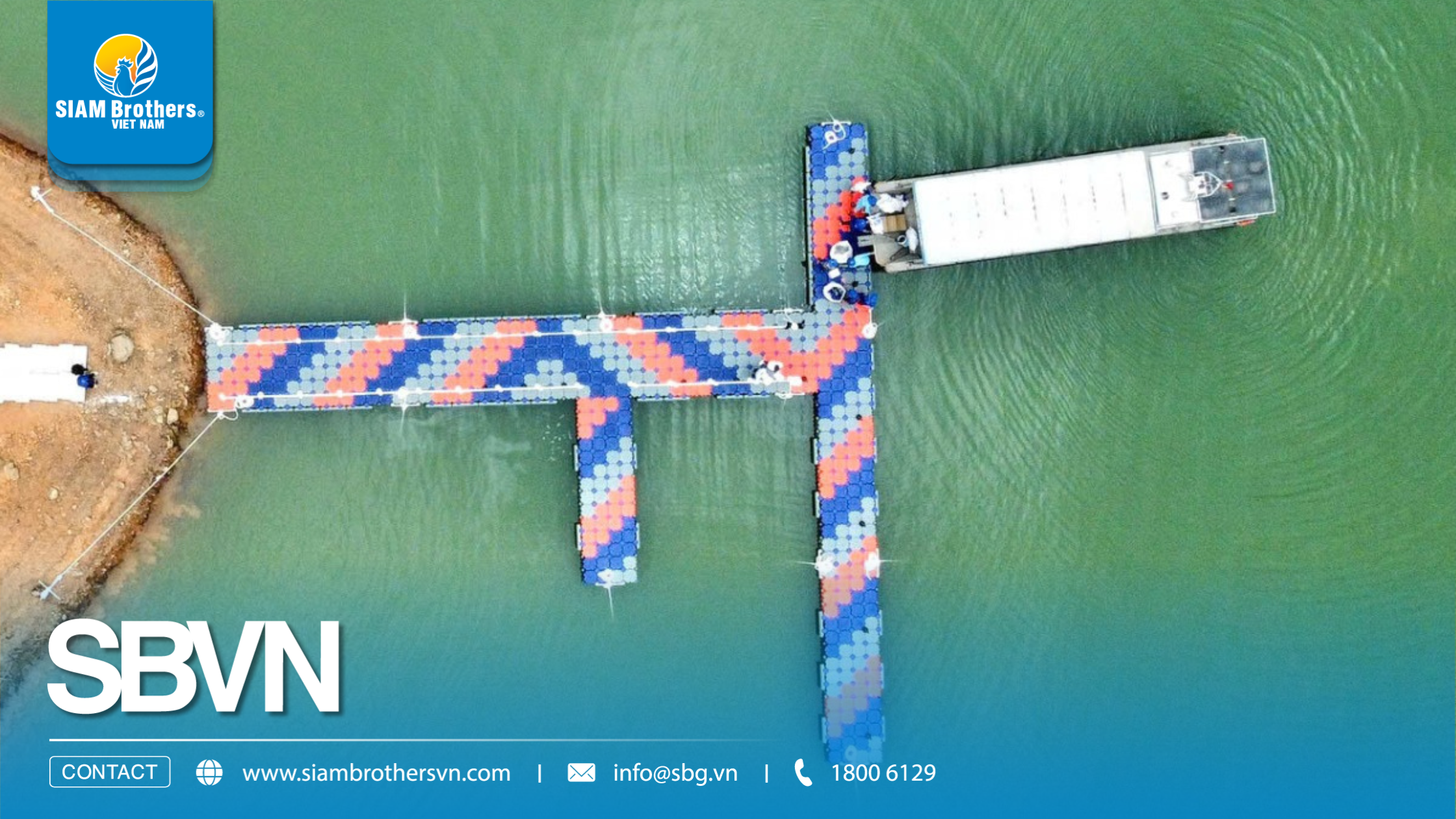
Before the floating dock enters service, the entire system should undergo comprehensive inspection and commissioning.
Key inspection items include:
Once all requirements are satisfied, the project is handed over together with operating guidelines and a preventive maintenance plan.
A properly designed Marina Floating Dock Floats system can provide reliable performance for many years when maintained correctly.
Project owners should:
At SIAM Brothers Vietnam, our engineering team supports customers throughout every stage of the project—from site assessment and engineering design to manufacturing, installation, and after-sales technical support. This end-to-end approach ensures every Marina Floating Dock Floats solution is tailored to real operating conditions, maximizing long-term performance while reducing lifecycle costs.
There is no universal load rating for every floating dock system. The load capacity depends on several project-specific factors, including:
For this reason, load calculations should always be performed individually for each project to ensure safety and reliable performance.
Yes. When manufactured from high-quality HDPE and engineered according to industry standards, Marina Floating Dock Floats deliver excellent performance in marine environments.
The material should provide:
The service life depends on several factors, including:
When properly engineered and maintained according to the manufacturer's recommendations, a floating dock system can deliver reliable performance for many years.
Absolutely. Even small-scale waterfront developments can benefit from modular Marina Floating Dock Floats designed to match available budgets and operational needs.
Key advantages include:
Regular maintenance helps ensure safe operation and extends the lifespan of the floating dock system.
Routine inspections should include:
Timely maintenance reduces repair costs while keeping the floating dock operating safely and efficiently.
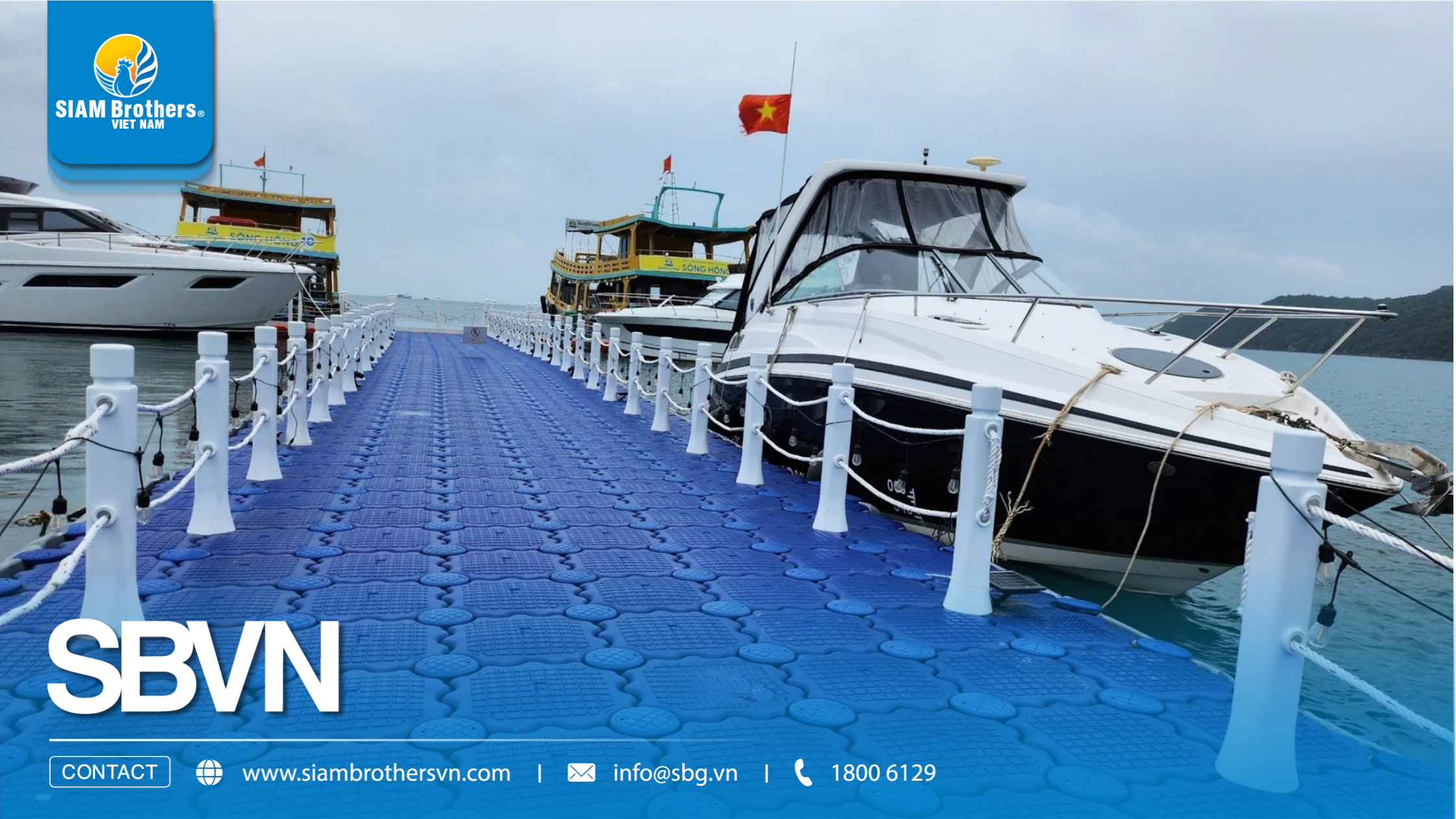
Marina Floating Dock Floats deliver their best performance when they are engineered specifically for each project's operating conditions, including load requirements, installation environment, material selection, and construction methods. If you're looking for a floating dock solution tailored to your resort or marina project, contact SIAM Brothers Vietnam. Our engineering team is ready to provide site assessments, technical consultation, and customized design, manufacturing, and installation solutions that maximize long-term value and operational performance.
Source: SIAM Brothers Vietnam
Contact us:
► Address: 5th floor, VRG Building, 177 Hai Ba Trung Street., Xuan Hoa Ward, Ho Chi Minh City, Vietnam
► Hotline: 1800 6129
► Tel: (+84) 28 38 912 889
► Email: info@sbg.vn
► Follow us for more details at: Facebook - Zalo OA - Tiktok - Youtube - LinkedIn
Download SBVN ID app here:
► CHPlay
► Appstore









Specializing in Agricultural and Fisheries Products & Multipurpose Wire