Modular Floating Bridge systems are increasingly becoming a preferred solution for businesses, urban developments, resorts, and ecotourism operators thanks to their flexible applications, fast installation, and cost efficiency. Beyond serving as safe walkways over water, these systems unlock multiple high-value functions such as tourist boat docks, lakeside pedestrian bridges, access routes to floating restaurants, working platforms for aquaculture, and outdoor experiential spaces. With durable HDPE modular designs offering high load capacity, anti-slip surfaces, and strong resistance to river, lake, and marine environments, modular floating bridges effectively meet the operational needs of project owners and investors. This article will help you explore the top three most common applications, highlighting real-world use cases and specific benefits across different sectors.
1. What Is a Modular Floating Bridge? Why Has It Become a Trend in Ecotourism Projects?
A modular floating bridge is a water-based walkway system constructed from interconnected floating modules made of HDPE or other high-durability virgin materials. Its modular design enables fast installation, easy expansion, relocation, or reconfiguration across rivers, lakes, canals, and coastal areas. This solution is particularly favored in projects that require high flexibility and minimal environmental impact.
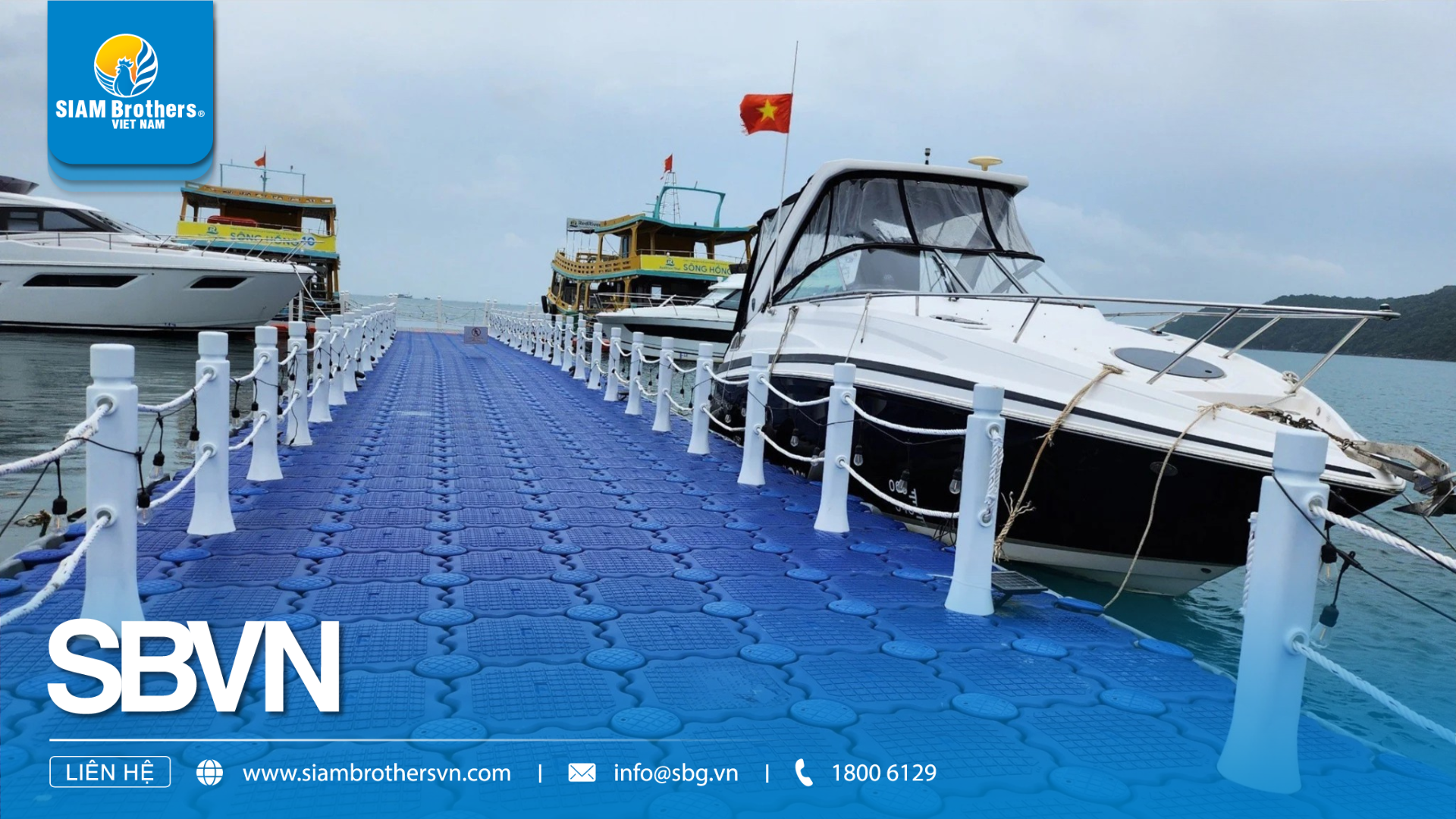
1.1. Basic Structure of a Modular Floating Bridge
- Floating modules made from virgin HDPE with strong UV and corrosion resistance
- Mechanical connectors that securely link modules, ensuring overall stability
- Anchoring systems designed to fix the bridge position according to water conditions
- Safety accessories including handrails, guardrails, and anti-slip walking surfaces
1.2. Why Modular Floating Bridges Are a Growing Trend in Ecotourism Areas
Efficient use of water surface space while enhancing landscape aesthetics with minimal environmental disruption
- Rapid construction, suitable for seasonal or fast-track business operations
- Lower investment costs compared to traditional concrete or steel bridges
- High flexibility, allowing easy expansion as tourism capacity increases
- Enhanced visitor safety through stable buoyancy and anti-slip design
- Ideal for lakes, lagoons, canals, and streams where permanent structures are not feasible
Thanks to these advantages, many tourism businesses, resorts, and ecological parks adopt modular floating bridges to improve visitor experience and optimize operational efficiency.

2. Top 3 Common Applications of Modular Floating Bridges in Urban Areas, Resorts, and Ecotourism Projects
2.1. Modular Floating Bridges for Ecological Urban Areas – Internal Walkways
In ecological urban developments such as T&T City Millennia Long Hậu, modular floating bridges are used as waterfront pedestrian paths and internal connectors between functional zones.
- Flexible connectivity helps create green, clean landscapes closely integrated with nature
- Durable HDPE modular design with anti-slip surfaces suitable for all user groups
- Enables investors to complete infrastructure quickly with low costs and simple maintenance
- This application is ideal for riverfront or lakeside urban developments, adding visual highlights and enhancing resident experience.
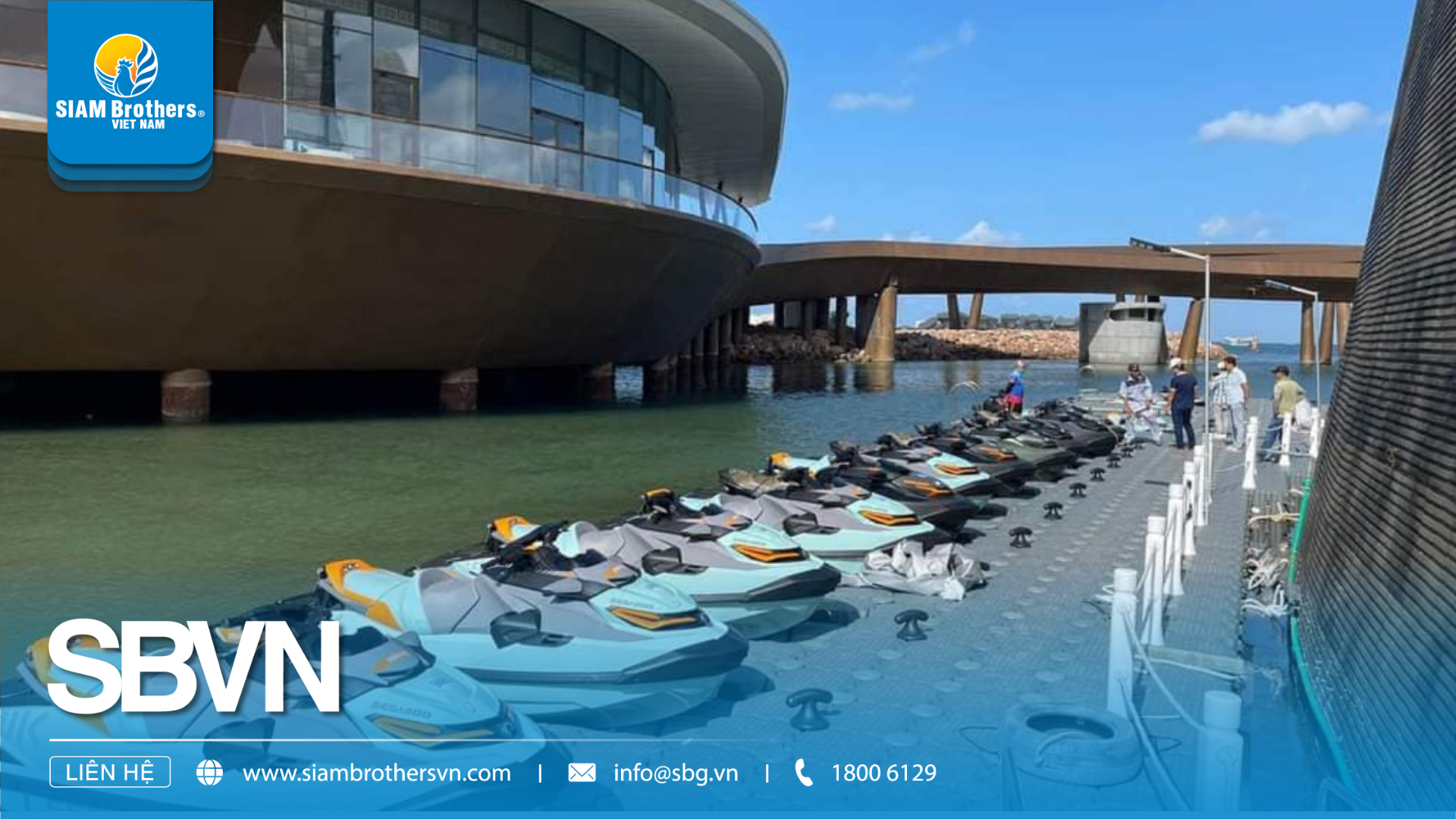
2.2. Modular Floating Bridges Integrated with Boat Docks and Tourist Stops
In many riverine and coastal projects across Vietnam, SIAM Brothers Vietnam has deployed modular floating bridges integrated with docks for tourist boats, canoes, and kayaks.
- Facilitates smooth and safe movement between shorelines and watercraft
- HDPE pontoons offer excellent saltwater resistance and load-bearing capacity
- Commonly used in resorts and waterfront tourism areas to enhance convenience and aesthetics
- Particularly suitable for locations with fluctuating water levels
2.3. Modular Floating Bridges for Ecotourism Experiences and Check-in Areas
In ecotourism destinations, modular floating bridges are widely used as experiential water platforms and visitor check-in points.
- HDPE modular systems provide stable and safe walking surfaces within natural or water-park environments
- Visitors can walk, enjoy scenery, take photos, or participate in light activities such as kayaking or paddle boarding
- Easily expandable or reconfigurable to suit events or seasonal operations
This application helps extend visitor stay duration and contributes to increased service revenue at tourism sites.
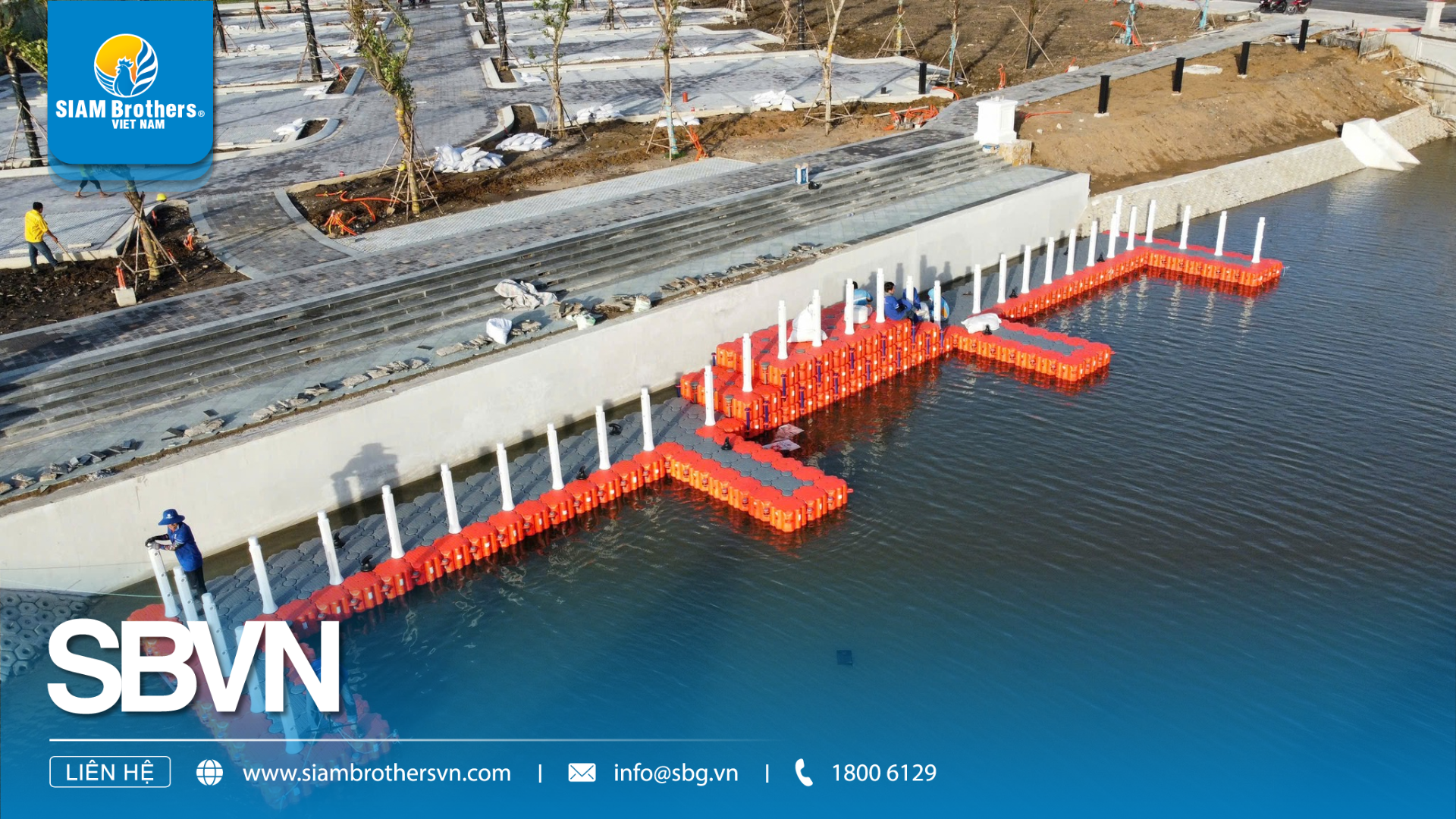
3. Modular Floating Bridge Installation Process
The installation process of a modular floating bridge requires precision, strict compliance with safety standards, and optimization based on actual conditions at urban areas, resorts, or ecotourism sites.
3.1. Site Assessment and Client Requirement Analysis
- Collect data on water levels, current speed, tidal range, and riverbed or lakebed characteristics.
- Define design load capacity, pedestrian flow, and intended use (walkways, service operations, or boat docking connections).
- Propose an appropriate floating module configuration to ensure stable performance of the modular floating bridge under all conditions.
3.2. Modular Configuration Design and Anchoring Plan
- Prepare technical drawings detailing module layout, deck surface, handrails, and connection systems.
- Calculate anchor positions, anchor quantity, and anchoring materials based on load capacity, wind direction, and water movement.
- Select HDPE or composite materials that meet SIAM Brothers Vietnam standards to maximize structural lifespan.
3.3. Material Preparation and Transportation to Site
- Inspect floating modules, connection bolts, locking pins, and accessories according to approved designs.
- Package and transport materials by truck or vessel, depending on site accessibility.
- Ensure all components undergo quality inspection before delivery to maintain safety standards.
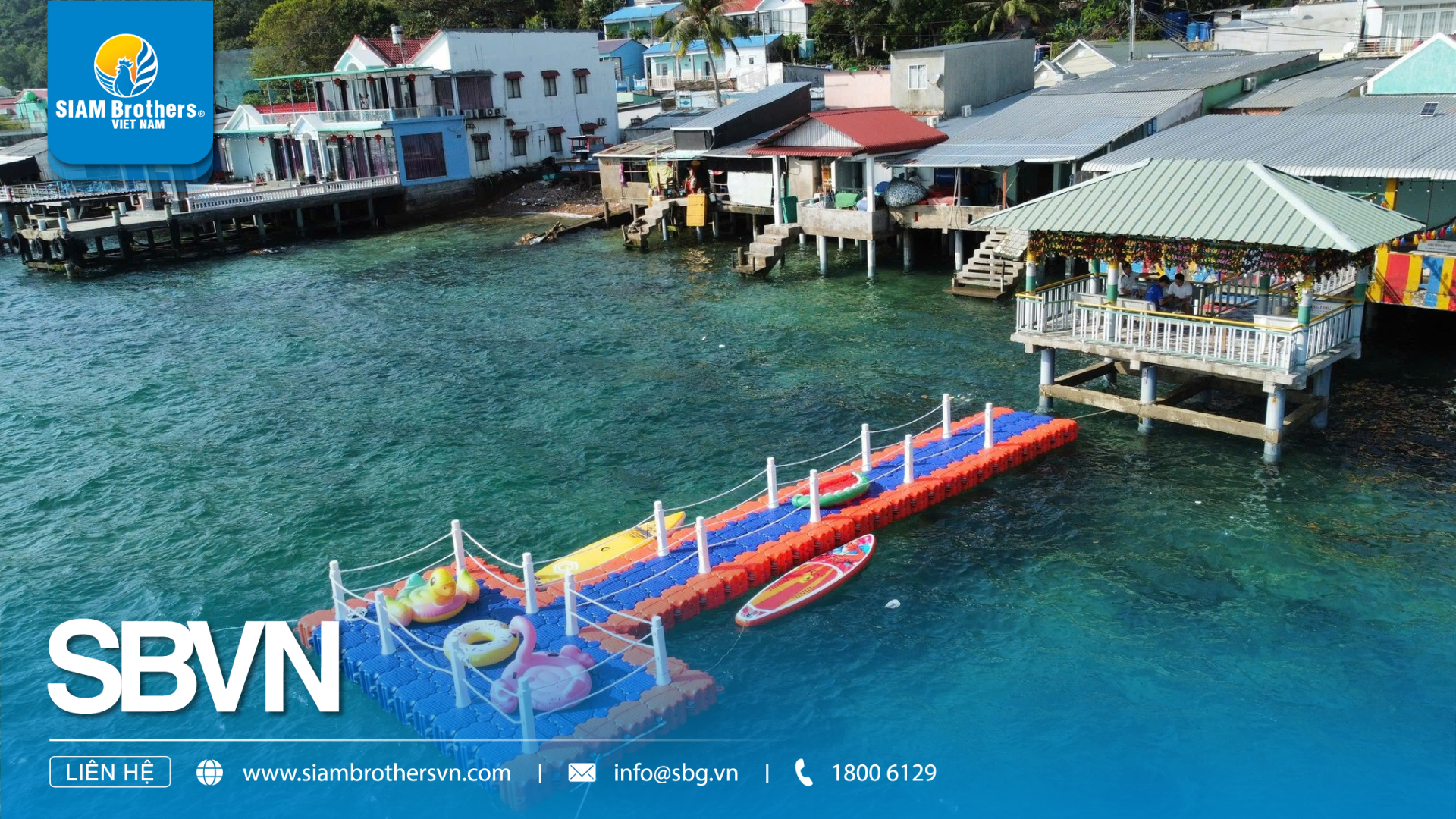
3.4. On-Site Floating Module Assembly
3.4.1. Module Connection
- Assemble modules sequentially from the shoreline toward deeper water to maintain balance.
- Tighten connection locks according to recommended torque specifications to ensure system uniformity.
3.4.2. Decking and Handrail Installation
- Install anti-slip deck surfaces, handrails, and safety components.
- Check surface flatness, joint tightness, and overall load-bearing capacity.
3.5. Quality Inspection and Project Acceptance
- Measure buoyancy, stability, movement tolerance, and actual load capacity.
- Inspect anchoring systems, connection locks, and module junctions.
- Complete acceptance documentation and provide operation and maintenance guidelines to the project owner.
3.6. Handover and Operation Guidance
- Train management teams at urban areas, resorts, or ecotourism sites on routine inspections.
- Recommend maintenance schedules to help the modular floating bridge maintain durability and minimize risks during rainy or storm seasons.
4. FAQ – Frequently Asked Questions About Modular Floating Bridges
4.1. Is a modular floating bridge safe?
- Modular floating bridges are constructed from high-strength HDPE modules that are corrosion-resistant and waterproof, ensuring stability even when water levels fluctuate.
- Anchoring and connection systems are tested according to technical standards, minimizing vibration under heavy loads.
- All projects implemented by SIAM Brothers Vietnam follow strict installation and acceptance procedures to ensure user safety.
4.2. How long does a modular floating bridge last?
- The average lifespan ranges from 15 to 25 years, depending on environmental conditions, anchoring quality, and usage frequency.
- Virgin HDPE offers excellent UV resistance, chemical resistance, and weather durability, helping maintain long-term buoyancy.
- With proper maintenance, actual service life may exceed standard expectations.
4.3. Is a modular floating bridge suitable for urban areas and resorts?
- Its flexibility, fast installation, and easy expansion make modular floating bridges an optimal solution for riverside urban zones, scenic lakes, and high-end resorts.
- Length, deck surface, color, and handrails can be customized to match each project’s architectural style.
- SIAM Brothers Vietnam supplies floating modules that meet international standards, suitable for large-scale developments.
4.4. What does the installation cost of a modular floating bridge include?
- HDPE floating modules, deck surfaces, handrails, and connection accessories.
- Anchoring systems, ropes, and fixing equipment adapted to water levels and current conditions.
- Survey, design, installation, and acceptance costs based on project requirements.
4.5. Can a modular floating bridge drift during storm seasons?
- Multi-point anchoring systems help keep the structure stable and minimize drifting caused by strong currents or winds.
- SIAM Brothers Vietnam engineers conduct hydrological assessments before design to ensure resilience in harsh weather.
- Project owners receive periodic inspection guidelines to maintain long-term safety.
4.6. Can a modular floating bridge be dismantled and relocated?
- The modular structure allows quick assembly and disassembly, making relocation easy when required.
- Bolted and specialized locking connections ensure dismantling does not affect module quality.
- This solution is especially suitable for seasonal tourism projects or temporary outdoor events.
4.7. Does SIAM Brothers Vietnam supply and install modular floating bridges?
Yes. SIAM Brothers Vietnam directly manufactures, supplies, and delivers turnkey installation of high-quality HDPE modular floating bridge systems that meet technical standards for urban areas, resorts, marinas, and ecotourism projects nationwide.
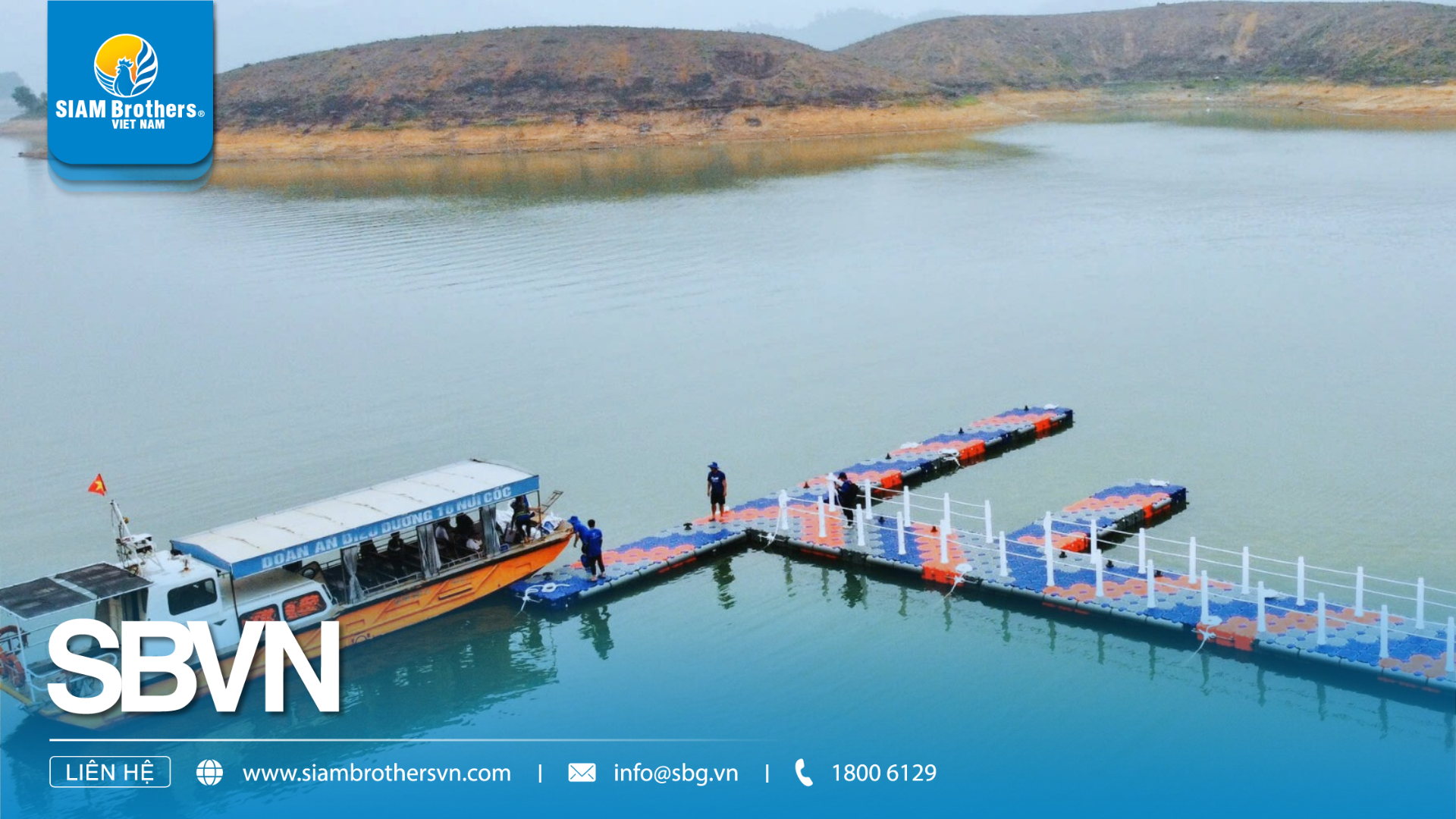
Modular floating bridges are increasingly selected by urban developers, resorts, and ecotourism operators thanks to their flexibility, durability, and wide-ranging applications. From creating safe over-water walkways to supporting recreational activities and building tourist docking stations, this system helps optimize costs, shorten construction time, and enhance real operational value. With lightweight yet load-bearing HDPE modular structures suitable for diverse environments, modular floating bridges represent an efficient direction for projects requiring fast, durable, and safe water infrastructure. If you are seeking a high-quality modular floating bridge solution, contact SIAM Brothers Vietnam for professional consultation and an optimized quotation tailored to your project.
Source: SIAM Brothers Vietnam
Contact us:
► Address: 5th floor, VRG Building, 177 Hai Ba Trung Street., Xuan Hoa Ward, Ho Chi Minh City, Vietnam
► Hotline: 1800 6129
► Tel: (+84) 28 38 912 889
► Email: info@sbg.vn
► Follow us for more details at: Facebook - Zalo OA - Tiktok - Youtube - LinkedIn
Download SBVN ID app here:
► CHPlay
► Appstore