Product News

What Is a Rescue Rope? How to Choose the Right Safety Standards

  • 13/04/2026

Learn what a Rescue Rope is, including its load-bearing capacity, buoyancy, and how to choose the right type for fisheries, rescue operations, and construction. Expert guidance to help you select the safest and most suitable solution.

In reality, many accidents occur due to poor-quality ropes, incorrect load ratings, or unsuitable materials for specific environments. In this article, SIAM Brothers Vietnam will help you understand what a Rescue Rope is, along with essential standards such as load-bearing capacity, buoyancy, UV resistance, and saltwater durability.

You will also learn how to select the right rope for practical applications in fisheries, construction, and rescue operations. Based on real manufacturing expertise and field applications, this guide is designed to help businesses, distributors, and end users optimize costs, ensure safety, and improve long-term performance.

1. What Is a Rescue Rope?

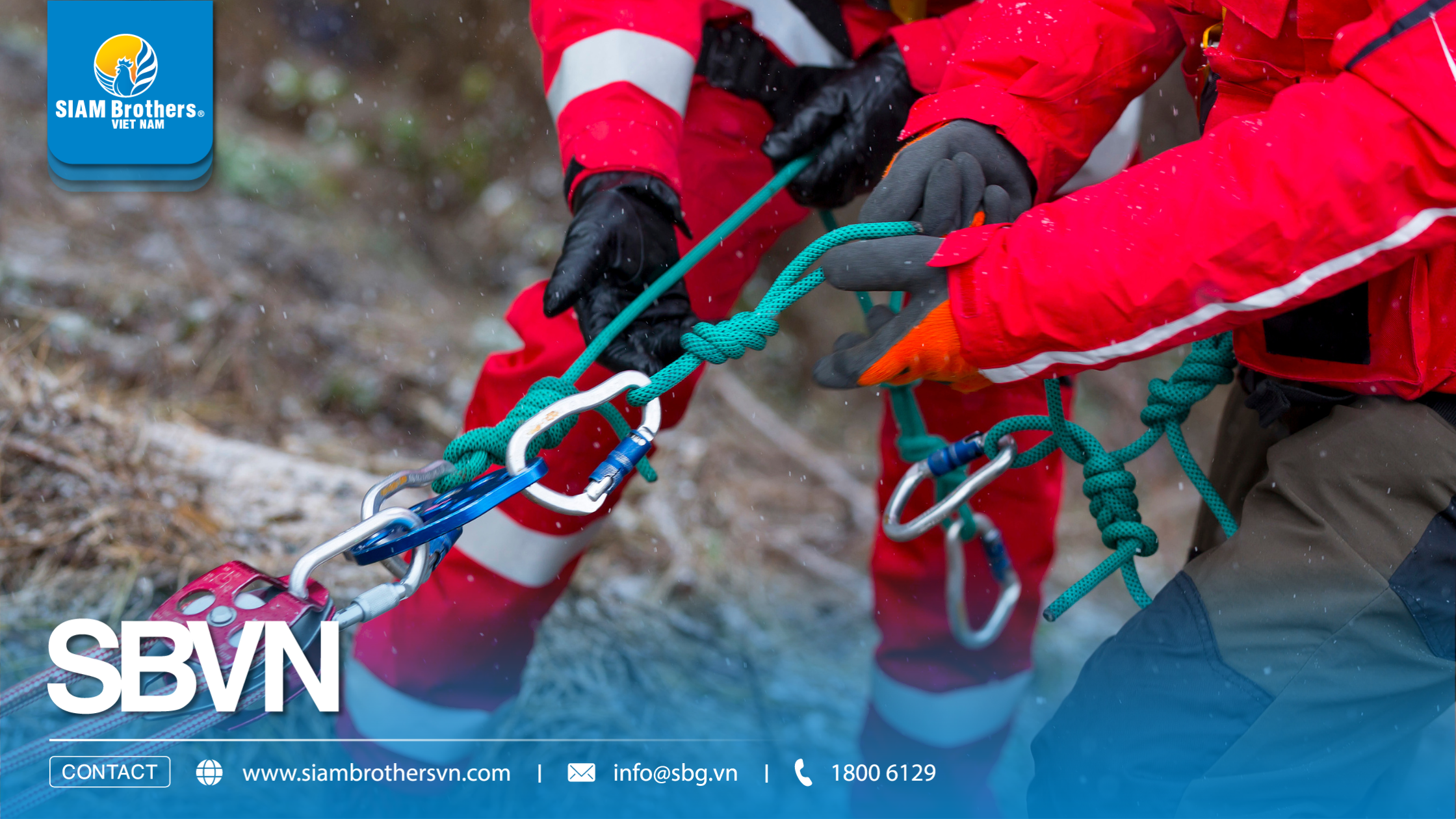
A Rescue Rope is a specialized rope designed to ensure safety in emergency situations such as rescue operations, working at height, or use in aquatic environments.

These ropes are typically made from high-strength materials such as Polypropylene (PP), Polyethylene (PE), or Nylon, ensuring durability, load capacity, and operational safety.

Unlike conventional ropes, a Rescue Rope must meet strict technical standards to minimize the risk of failure under heavy loads. In practice, choosing the right rope is not just a technical decision—it directly impacts human safety and asset protection.

A standard-compliant Rescue Rope ensures reliability in all emergency scenarios.
Dây thừng cứu sinh là gì? Cách chọn đúng tiêu chuẩn an toàn

1.1. Practical Applications of Rescue Rope

  • Safety in rescue operations: Used for pulling, securing, and supporting individuals in emergency situations
  • Fisheries applications: Used on fishing vessels and aquaculture cages for anchoring and handling operations
  • Construction use:Supports work at height and enhances occupational safety

1.2. Key Characteristics of a Standard Rescue Rope

  • High load-bearing capacity: Designed to handle heavy loads and reduce the risk of sudden breakage
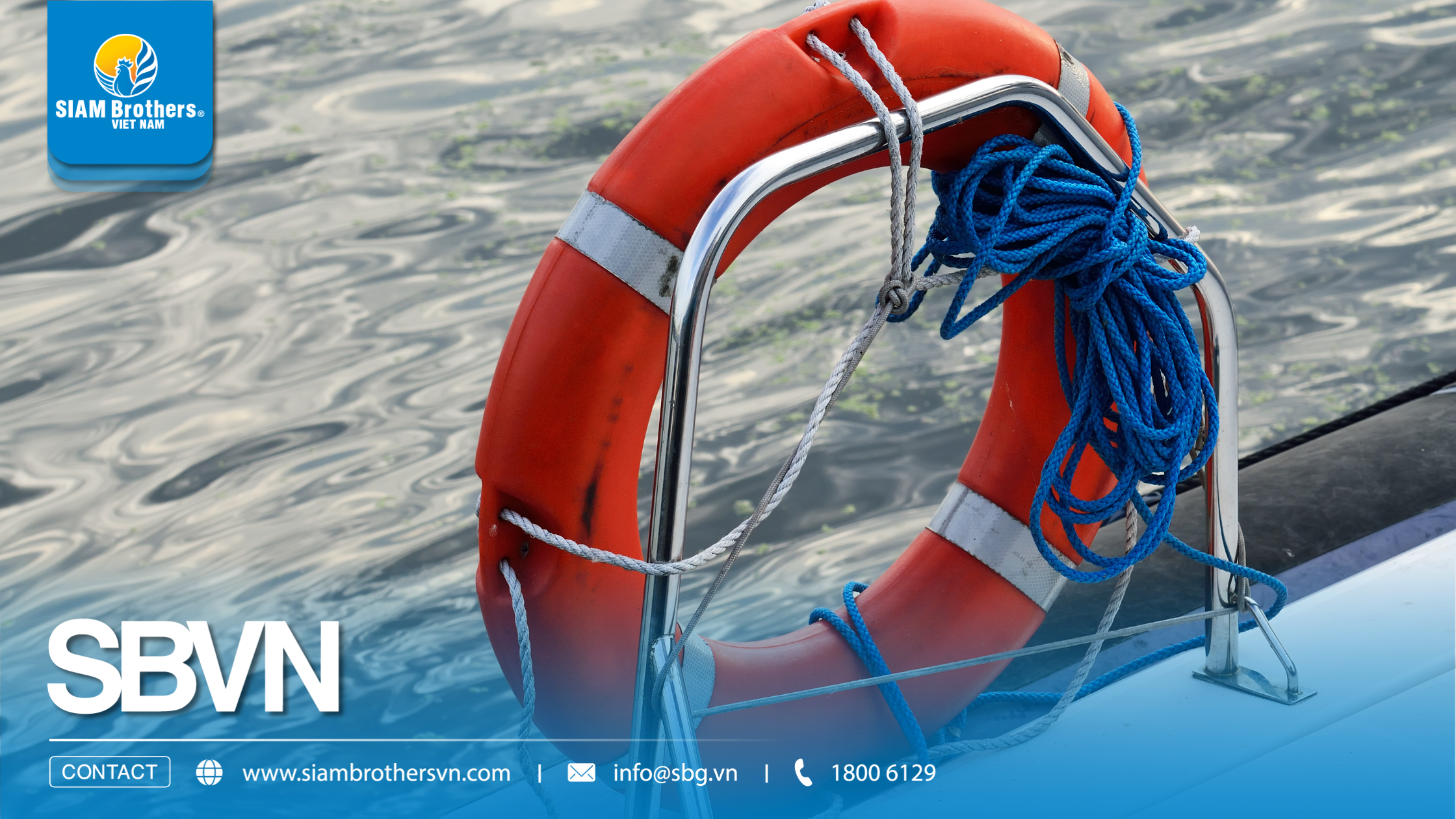
  • Good buoyancy (for water use): Enhances visibility and usability in marine rescue situations
  • Strong fiber structure: Available in twisted or braided constructions depending on usage needs

2. Key Standards of a Rescue Rope

2.1. Load-Bearing Capacity

  • A Rescue Rope must withstand high loads suitable for its intended use
  • Selection principle: Working load should be 5–7 times lower than breaking strength (safety factor)
  • Practical use: Fisheries and rescue operations require stable strength to prevent sudden failure

2.2. Buoyancy

A critical requirement for ropes used in marine, river, and rescue environments

Floating ropes help:

  • Improve visibility during emergencies
  • Reduce risks of sinking, tangling, or entrapment

Common material: Polypropylene (PP) offers excellent buoyancy

2.3. UV and Environmental Resistance

A Rescue Rope is often used outdoors and must:

  • Resist UV radiation
  • Withstand saltwater and mild chemicals

Without proper resistance: The rope becomes brittle, weak, and less durable

Especially important for: Fishermen, aquaculture systems, and coastal construction

2.4. Abrasion Resistance

The rope must endure continuous friction with: Metal, wood, and concrete surfaces

Evaluation criteria:

  • Fibers do not fray quickly
  • Minimal strand separation over time

Benefits:

  • Lower replacement costs
  • Improved long-term safety

Dây thừng cứu sinh là gì? Cách chọn đúng tiêu chuẩn an toàn

2.5. Rope Construction and Design

Two common types:

  • Twisted rope: flexible and cost-effective
  • Braided rope: stronger and more durable

Selection guidance:

  • Heavy-duty and rescue: braided rope
  • General use: twisted rope

2.6. Manufacturing Origin and Quality Standards

Prioritize Rescue Rope from:

  • Experienced manufacturers
  • Strict quality control processes

Key factors to verify:

  • Transparent technical specifications
  • Consistent product quality

Why it matters:

  • Helps businesses and distributors build credibility
  • Ensures user confidence in high-risk situations

3. How to Choose a Rescue Rope That Meets Safety Standards

3.1. Choose a Rescue Rope Based on Application

  • Rescue and emergency operations: Prioritize ropes with high buoyancy and visibility
  • Fisheries (fishing vessels, aquaculture cages): Require saltwater resistance and outdoor durability
  • Construction and working at height: Demand high load capacity and maximum safety

Selecting the right Rescue Rope for its intended use helps optimize performance and extend product lifespan.

3.2. Choose Based on Load Capacity and Diameter

A Rescue Rope should be selected according to actual load requirements

Basic principle: Working load must be lower than breaking strength (safety factor applied)

Suggested sizing:

  • Light-duty: 6–10 mm
  • Medium-duty: 12–20 mm
  • Heavy-duty: above 20 mm

Important note: Avoid choosing undersized ropes to save costs, as this increases the risk of failure and safety hazards

3.3. Choose the Right Material for the Environment

Common materials include:

Polypropylene (PP):

  • Lightweight, floats on water
  • Ideal for fisheries and marine rescue

Polyethylene (PE): Good durability and water resistance

Nylon (Polyamide – PA):

  • High tensile strength and abrasion resistance
  • Suitable for construction and heavy-duty applications

Each material has unique advantages, so selecting the right Rescue Rope depends on the actual working environment.

3.4. Check Product Quality and Technical Specifications

Before purchasing, verify:

  • Clear load capacity specifications
  • Consistent rope structure
  • Smooth surface with no fraying or manufacturing defects

3.5. Choose a Reliable Supplier

Supplier selection directly impacts the real-world performance of a Rescue Rope

Evaluation criteria:

  • Direct manufacturer with production capabilities
  • Proven experience in industrial rope manufacturing
  • Ability to provide technical consultation for specific applications

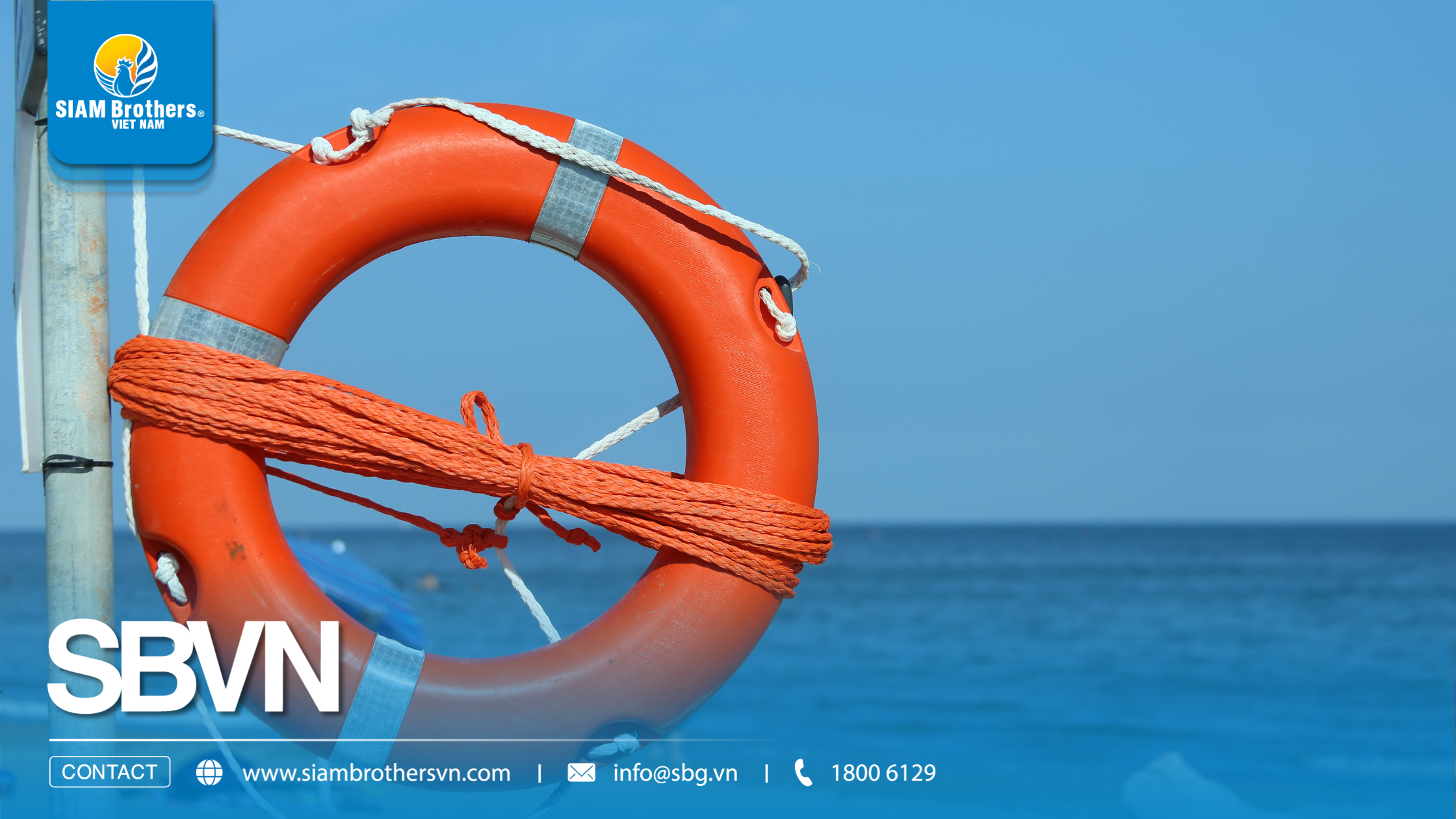
A high-quality Rescue Rope made from PP material offers excellent buoyancy and ease of use in water environments.
Dây thừng cứu sinh là gì? Cách chọn đúng tiêu chuẩn an toàn

4. Common Types of Rescue Rope on the Market

4.1. Polypropylene (PP) Rescue Rope

Characteristics:

  • Lightweight and easy to handle
  • Floats on water
  • Cost-effective

Advantages:

  • Suitable for marine environments such as rivers and seas
  • Easy to identify during rescue operations

Limitations: Lower tensile strength compared to Nylon

Applications:

  • Fisheries (fishing vessels, aquaculture cages)
  • Water rescue operations

4.2. Polyethylene (PE) Rescue Rope

Characteristics:High durability and strong water resistance

Advantages: Better abrasion resistance than PP

Limitations: Slightly lower buoyancy and flexibility compared to PP

Applications:

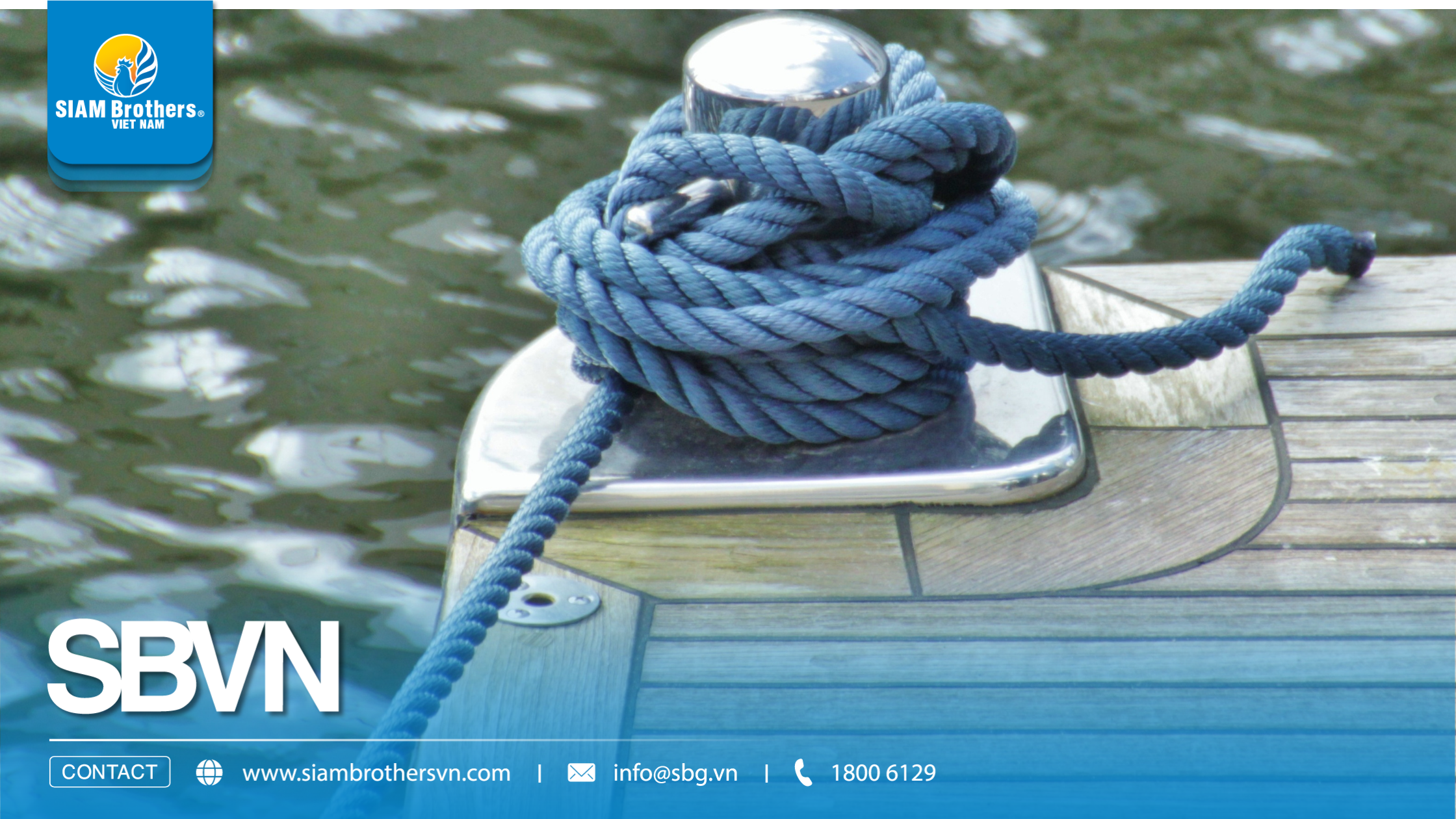
  • Mooring and anchoring
  • Agriculture and light construction

4.3. Nylon (Polyamide – PA) Rescue Rope

Characteristics:

  • Superior strength
  • High elasticity and shock absorption

Advantages:

  • Handles heavy loads effectively
  • Excellent abrasion resistance

Limitations:

  • Does not float
  • Higher cost than other materials

Applications:

  • Construction projects
  • Heavy-duty operations

4.4. Quick Comparison of Rescue Rope Types

PP:

  • Floating, lightweight, cost-effective
  • Ideal for fisheries and rescue

PE:

  • Durable and water-resistant
  • Suitable for humid and outdoor environments

Nylon:

  • High strength and abrasion resistance
  • Best for heavy-duty and construction use

4.5. Which Rescue Rope Should You Choose?

  • Prioritize buoyancy and ease of use → choose PP
  • Need durability and cost efficiency → choose PE
  • Require maximum strength and safety → choose Nylon

Choosing the right Rescue Rope helps optimize costs while ensuring operational safety.
Dây thừng cứu sinh là gì? Cách chọn đúng tiêu chuẩn an toàn

5. FAQs – Frequently Asked Questions About Rescue Rope

5.1. Does a Rescue Rope Float on Water?

  • PP (Polypropylene): floats well
  • PE: floats but less effectively than PP
  • Nylon: does not float

In rescue situations: Floating ropes are preferred for better visibility and usability

Conclusion: Not all Rescue Rope types float—material selection is essential

5.2. What Diameter Should a Rescue Rope Be?

  • Light-duty: 6-10 mm
  • Medium-duty: 12-20 mm
  • Heavy-duty: above 20 mm

Note: Avoid choosing smaller ropes just to reduce costs, as this compromises safety

5.3. How Much Load Capacity Is Enough for a Rescue Rope?

  • Determined by: Actual load × safety factor
  • Recommendation: Always choose a rope with higher capacity than required
  • For businesses: Consult technical guidance from manufacturers

5.4. How Long Does a Rescue Rope Last?

Lifespan depends on:

  • Material type
  • Environmental conditions (sunlight, saltwater, friction)

Replacement signs: Fraying, brittleness, reduced strength

5.5. Should You Choose PP, PE, or Nylon Rescue Rope?

PP:

  • Floating, lightweight, cost-effective
  • Ideal for fisheries and rescue

PE:

  • Durable and water-resistant
  • Suitable for outdoor environments

Nylon:

  • High strength and abrasion resistance
  • Best for construction and heavy-duty use

Conclusion: The right choice depends on your specific application and environment

5.6. Where to Buy High-Quality Rescue Rope?

Prioritize:

  • Direct manufacturers
  • Experienced industrial rope suppliers

Key checks:

  • Clear technical specifications
  • Consistent product quality

Choosing the right Rescue Rope enhances operational efficiency and ensures safety in demanding conditions.

Dây thừng cứu sinh là gì? Cách chọn đúng tiêu chuẩn an toàn

A Rescue Rope is not just a standard product—it is a critical safety component in rescue operations, fisheries, and construction. Understanding technical standards, material differences, and proper selection methods helps minimize risks, optimize costs, and improve long-term performance.

Most importantly, choosing a reliable supplier plays a key role in ensuring consistent product quality. If you are looking for a high-quality Rescue Rope solution tailored to your needs, contact SIAM Brothers Vietnam today for expert consultation and the most suitable product recommendations.


Source: SIAM Brothers Vietnam


Contact us:

► Address: 5th floor, VRG Building, 177 Hai Ba Trung Street., Xuan Hoa Ward, Ho Chi Minh City, Vietnam

► Hotline: 1800 6129

► Tel: (+84) 28 38 912 889

► Email: info@sbg.vn

 Follow us for more details at: Facebook - Zalo OA - Tiktok - Youtube - LinkedIn

Download SBVN ID app here:

 CHPlay

► Appstore

Dây thừng cứu sinh là gì? Cách chọn đúng tiêu chuẩn an toàn

Source: SIAM Brothers Vietnam


Contact us:

► Address: 5th floor, VRG Building, 177 Hai Ba Trung Street., Xuan Hoa Ward, Ho Chi Minh City, Vietnam

► Hotline: 1800 6129

► Tel: (+84) 28 38 912 889

► Email: info@sbg.vn

 Follow us for more details at: Facebook - Zalo OA - Tiktok - Youtube - LinkedIn

Download SBVN ID app here:

 CHPlay

► Appstore