
Product News

What Is a Warning Buoy? Types, Uses & How to Choose

  • 12/10/2026

What is a warning buoy, and which type do you need? Explore SIAM Brothers Vietnam's durable LDPE warning buoys with solar-powered lights and selection tips.

A warning buoy helps mark hazardous areas, define boundaries, and highlight locations that need attention on the water. But how do you choose one that's easy to spot and suited to the conditions at your site? Everything matters, from its intended purpose and material to its color and warning light. In this guide, SIAM Brothers Vietnam walks you through what warning buoys are, where they're used, the features to look for, and how to choose the right one.

1. What Is a Warning Buoy?

A warning buoy is a floating marker used to draw attention to particular locations, indicate potential hazards, or define boundaries between different activity areas on the water. Its visible color and optional warning light help boaters, workboat operators, and people working on the water spot areas that need extra caution.

Warning buoys may be used for:

  • Hazardous waters: Marking places where people traveling on the water should take extra care.
  • Restricted or designated areas: Showing the boundaries of construction sites, limited-access zones, or controlled areas.
  • Location marking and guidance: Identifying specific points or boundaries to help people navigate the local site.

The right warning buoy depends on the application. Check its dimensions, color, material, and warning-light setup. Not every floating buoy is suitable for every environment or marking requirement.
Phao nổi cảnh báo là gì? Phân loại, công dụng và cách chọn đúng nhu cầu

Key features to look for in a warning buoy

When comparing warning buoys, pay attention to the following:
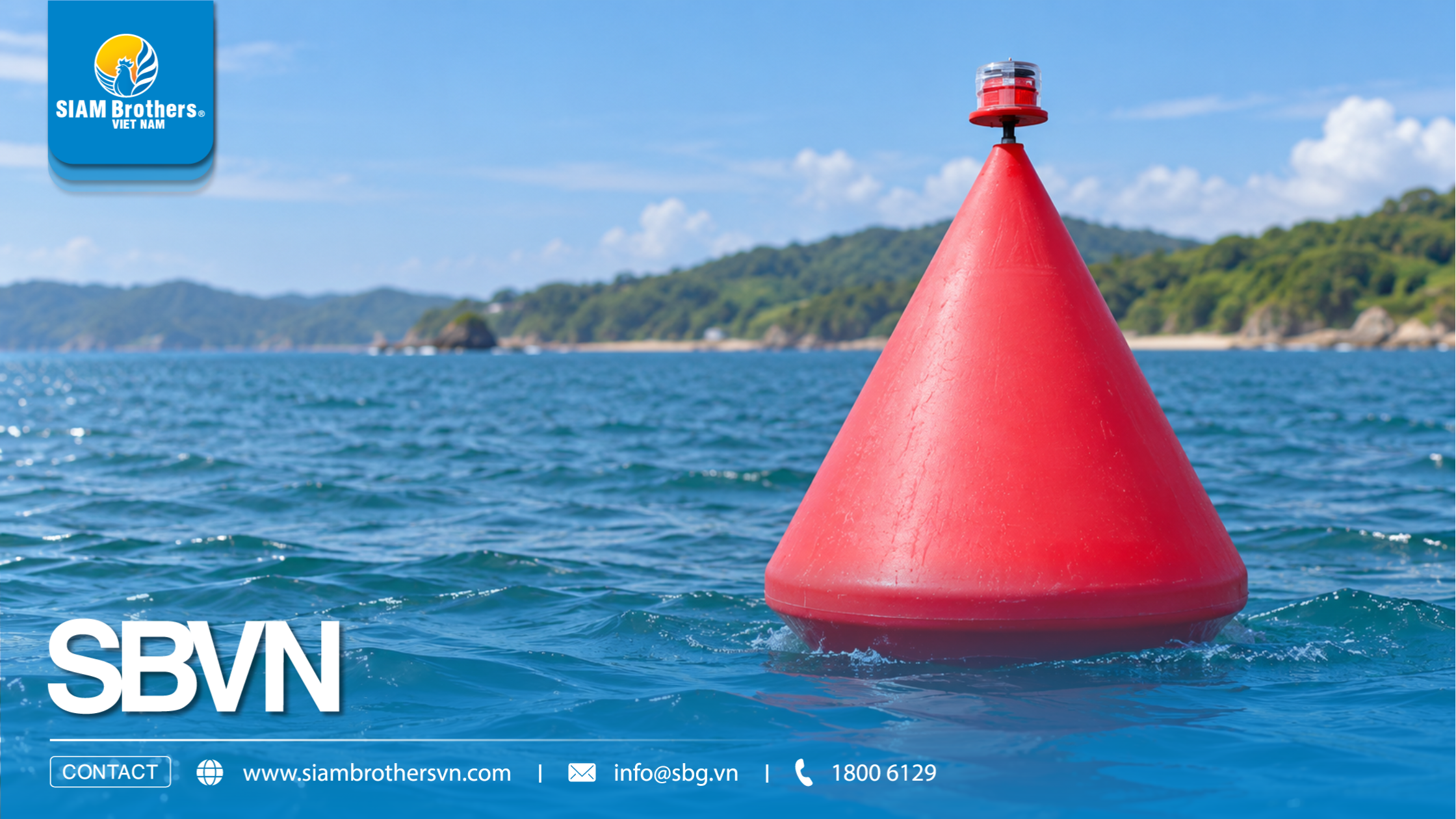
  • High-visibility color: Makes the buoy easier to distinguish from the surrounding water. Orange is a common choice when visibility is a priority.
  • Warning light: Helps people locate the buoy in low light or at night. Actual visibility depends on the light's brightness, placement, and environmental conditions.
  • Material: Influences durability, water resistance, and suitability for the installation environment. With LDPE buoys, also check shell thickness, construction, and installation requirements.
  • Size and construction: Should match the location, viewing distance, and anchoring method. A larger buoy doesn't automatically provide a better warning in every situation.

Phao nổi cảnh báo là gì? Phân loại, công dụng và cách chọn đúng nhu cầu

2. Where Are Warning Buoys Used?

2.1. Marking Hazardous Water Areas

  • Areas with obstacles: Buoys can mark submerged hazards or locations where underwater work is taking place. Their placement should reflect a site survey and local safety requirements.
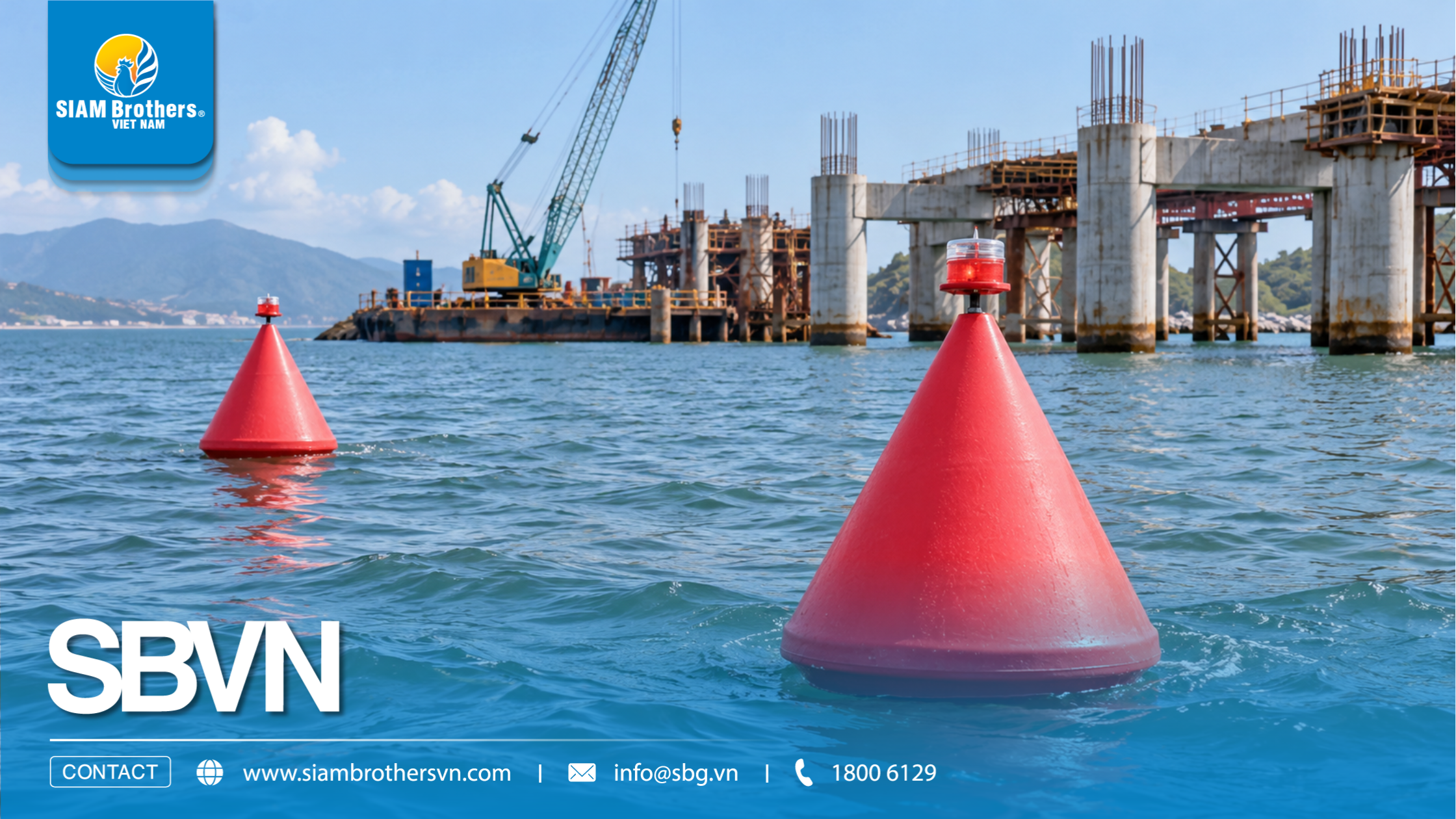
  • Construction and maintenance zones: During dredging, repairs, or installation work on the water, buoys can help identify the work area.
  • Restricted-access areas: Buoys help boat operators recognize boundaries around places to avoid or areas reserved for specific activities.

Where buoys need to be seen from a distance, a bright color and appropriate warning light may improve visibility. However, a general-purpose warning buoy does not replace any mandatory marine or inland-waterway navigation aids.

2.2. Defining Boundaries and Separating Activity Areas

  • River and lake construction sites: Buoys can outline work-zone boundaries so other water users can recognize the area.
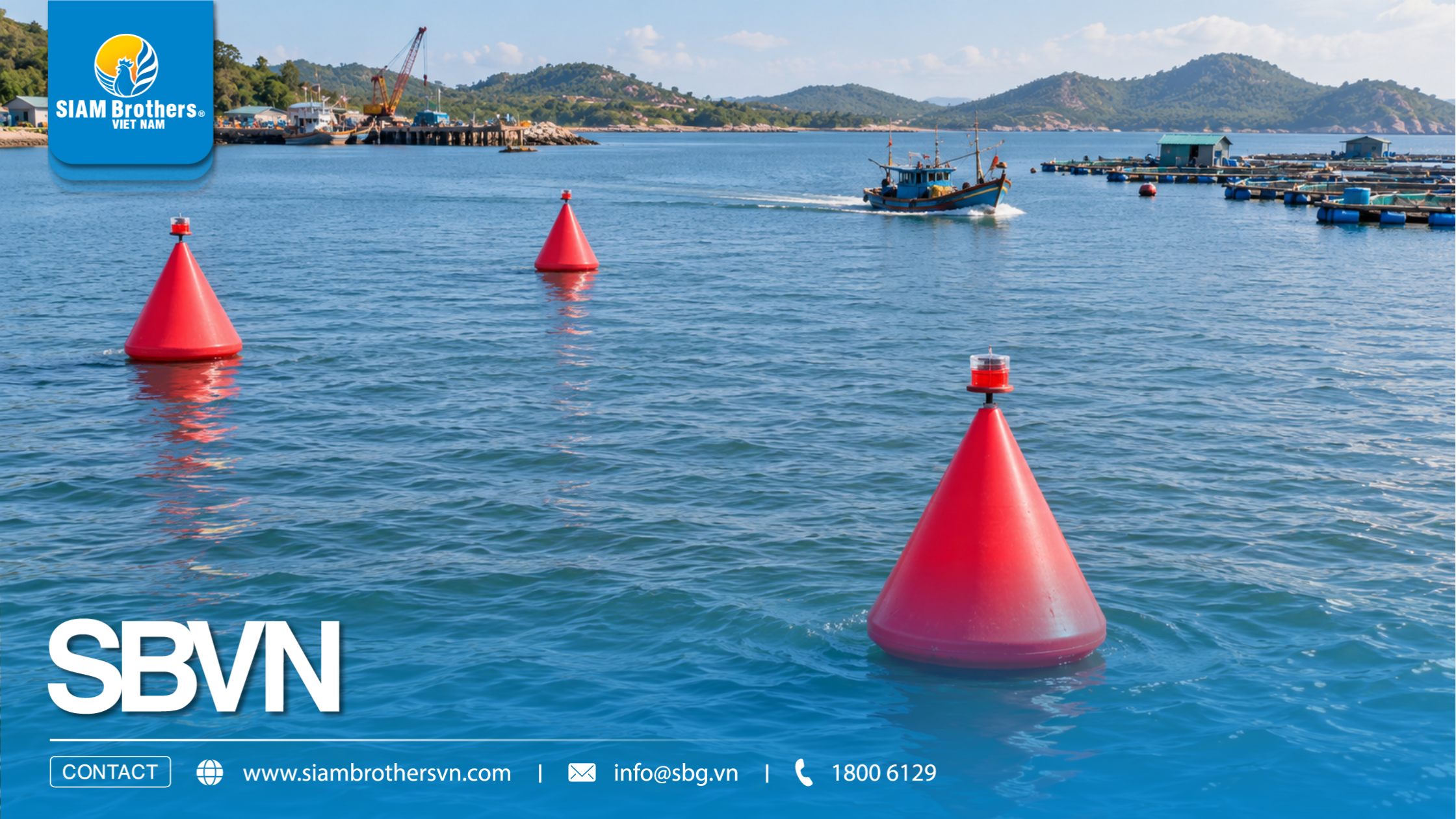
  • Aquaculture facilities: Buoys may help identify the limits of farming areas or separate operational zones, depending on the operator's layout.
  • Docks, ports, and mooring areas: Where site conditions and applicable rules allow, buoys can identify areas requiring caution or distinguish different zones.
  • Water recreation areas: At swimming beaches or tourist destinations, buoys may mark activity boundaries, provided the layout follows local safety and management requirements.

When marking boundaries, plan the spacing between buoys, the anchoring arrangement, and local currents. If markers are too far apart or poorly secured, the boundary may be difficult to recognize or may shift as conditions change.

2.3. Improving Location Visibility at Night

  • Marking specific points: Buoys identify locations or boundaries that operators need to keep in view.
  • Improving low-light visibility: A buoy equipped with a warning light may be easier to locate after dark or when ambient lighting is limited.
  • Supporting site operations: At docks, waterside construction sites, and aquaculture facilities, buoys may help crews recognize agreed-upon boundaries and reference points.

For nighttime operations, check the light's visibility, viewing direction, and reliable operation. If the site is within a navigable waterway, buoy colors, light characteristics, and placement must comply with the applicable marking rules.

2.4. What Is SIAM Brothers Vietnam's LDPE Warning Buoy Suitable For?

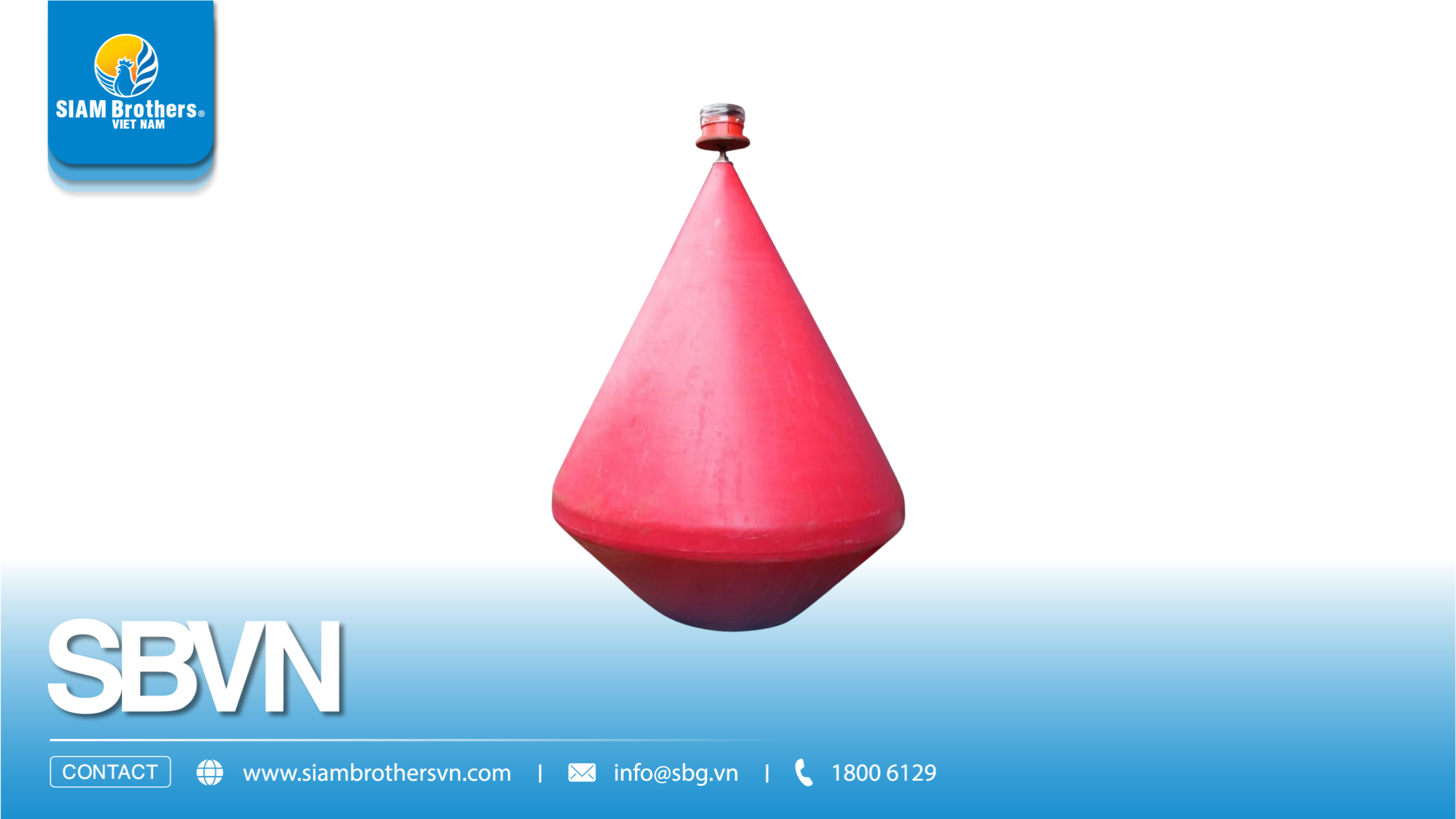
SIAM Brothers Vietnam offers an orange LDPE warning buoy made from 100% virgin plastic, according to its product information, and supplied with a solar-powered warning light. Depending on site conditions, it may be considered for marking locations, setting boundaries, and providing visual guidance on the water.

Product specifications:
  • Material: LDPE.
  • Color: Orange.
  • Dimensions: 700 × 1,000 mm.
  • Weight: 11.3 kg.
  • Buoy shell thickness: 8 mm.
  • Included accessory: Solar-powered warning light.
  • Brand: SIAM Brothers Vietnam.

​Phao nổi cảnh báo là gì? Phân loại, công dụng và cách chọn đúng nhu cầu

3. SIAM Brothers Vietnam LDPE Warning Buoy Specifications

SIAM Brothers Vietnam's LDPE warning buoy features a highly visible orange body and comes with a solar-powered warning light.

3.1. LDPE Warning Buoy Technical Specifications

Specification Details
Brand SIAM Brothers Vietnam
Material LDPE
Raw material 100% virgin plastic, according to product information
Color Orange
Dimensions 700 × 1,000 mm
Weight 11.3 kg
Buoy shell thickness 8 mm
Included accessory Solar-powered warning light

These specifications give you a useful overview of the product. To decide whether it's right for your project, you'll also need to consider the installation site, wind and wave exposure, currents, and anchoring arrangements.

3.2. Key Features of the LDPE Warning Buoy

According to the product information supplied by SIAM Brothers Vietnam, notable features include:

  • LDPE construction: Made using virgin plastic, with a focus on durability and resistance during use.
  • 8 mm shell thickness: An important specification when assessing construction. Actual impact resistance also depends on the overall design and operating conditions.
  • Bright orange color: Helps the buoy stand out on the water when visibility conditions are suitable.
  • Solar-powered warning light: Makes the marked location easier to spot in low light. Its performance depends on the light's specifications and installation conditions.

Claimed resistance to cracking, punctures, and corrosion: These are supplier-stated properties. For projects with particular performance requirements, check the technical documentation or relevant test results.

Water and weather resistance: Relevant when evaluating suitability for outdoor use, although waves, wind, temperature, and long-term exposure still need to be considered.

3.3. Which Applications May Suit This LDPE Warning Buoy?

Based on its design and supplied accessories, the buoy may be considered for:

  • Hazard identification: Marking locations or zones that require attention on the water.
  • Boundary marking: Helping define the limits of waterside worksites or activity areas.
  • Location guidance: Making designated points easier for operators to recognize, depending on the site layout.
  • Nighttime visibility: Using its solar-powered warning light to make the buoy easier to locate in low light.

Before installation, clearly identify the purpose of the buoy and the marking requirements at the site. If it will be used on a navigable waterway or in an area with specific safety rules, confirm the applicable standards before selecting and positioning it.
Phao nổi cảnh báo là gì? Phân loại, công dụng và cách chọn đúng nhu cầu

4. How to Choose the Right Warning Buoy for Your Needs

4.1. Start With the Intended Purpose

First, decide whether you need to warn of hazards, define an area, or mark a location. Each purpose may call for a different color, light, or placement arrangement.

  • Hazardous waters: Prioritize visibility and check the marking requirements for the area.
  • Boundary marking: Consider how buoys will be laid out in a line, connected where necessary, and anchored to stay in position.
  • Location marking: Think about dimensions, viewing distance, and whether people can identify the buoy from their actual approach direction.
  • Nighttime use: Consider a buoy with a warning light, and check the light's operating time and solar-charging conditions.

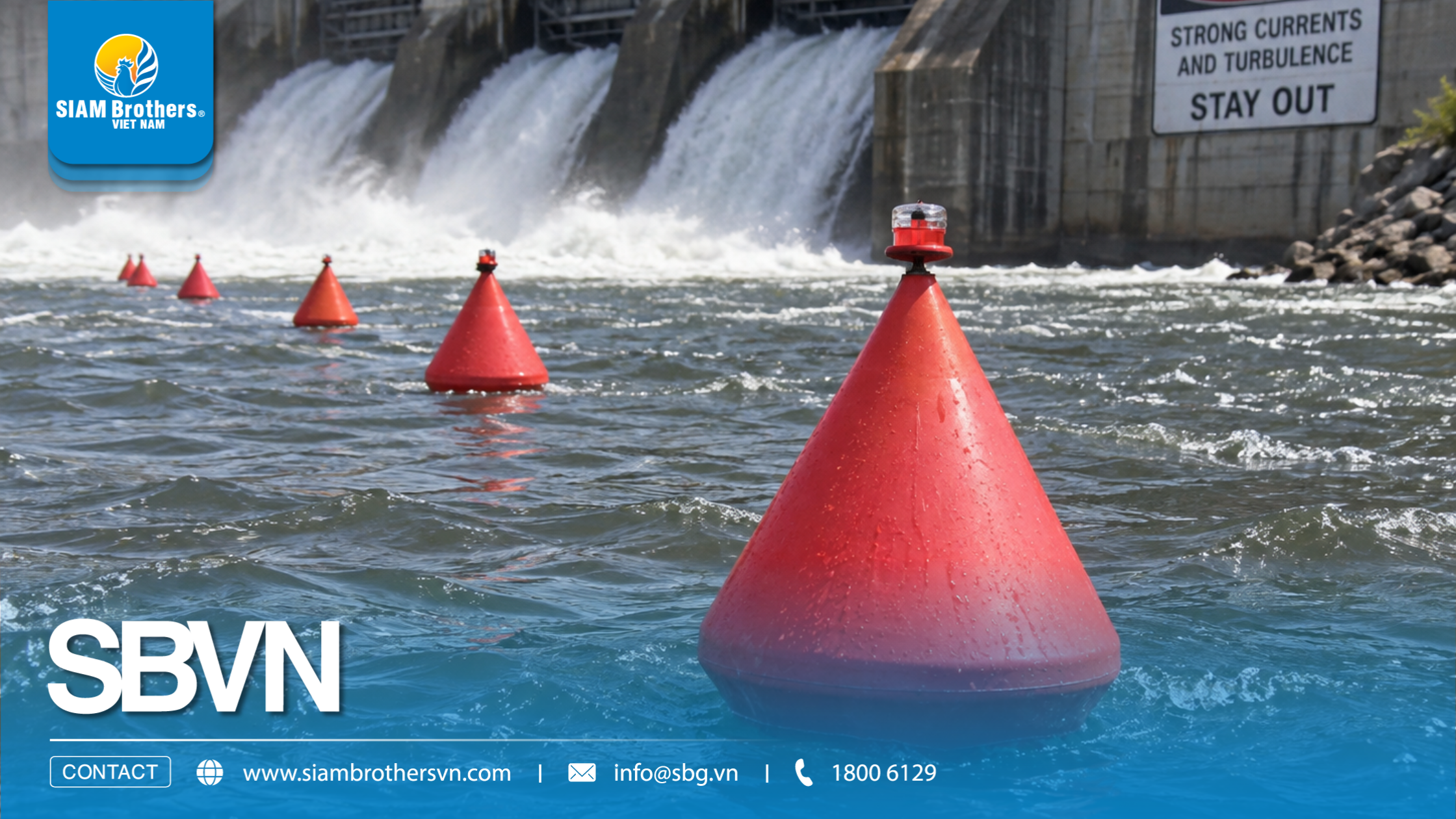
For example, marking a construction area on a river takes more than a brightly colored buoy. You also need to consider currents, spacing, and anchoring so the markers don't drift out of position.

4.2. Choose a Material That Suits the Installation Environment

Material affects a warning buoy's durability and how well it performs under site conditions. That's why it's important to understand the environment before choosing a product.

  • Outdoor sites: Look for clear technical information on weather resistance and recommended conditions of use.
  • Constant water exposure: Check the material, shell construction, and water resistance.
  • Areas with a risk of impact: Review shell thickness, overall construction, and any available impact-resistance documentation.
  • Demanding environments: Discuss operating limits, maintenance, and any relevant technical requirements with the supplier.

SIAM Brothers Vietnam's warning buoy uses LDPE and is described as being made from 100% virgin plastic. For a particular project, however, compare the product's properties with actual site conditions rather than relying on the material name alone.

4.3. Check Dimensions, Weight, and Shell Thickness

These specifications help you judge whether a buoy will fit the proposed installation. Don't decide on appearance alone.

  • Dimensions: Will the buoy suit the installation point and intended viewing distance?
  • Weight: Can it be transported, installed, and maintained conveniently?
  • Shell thickness: Is it suitable for the expected exposure and potential impacts?
  • Construction and anchoring: Can the arrangement cope with the expected currents, waves, wind, and other forces?

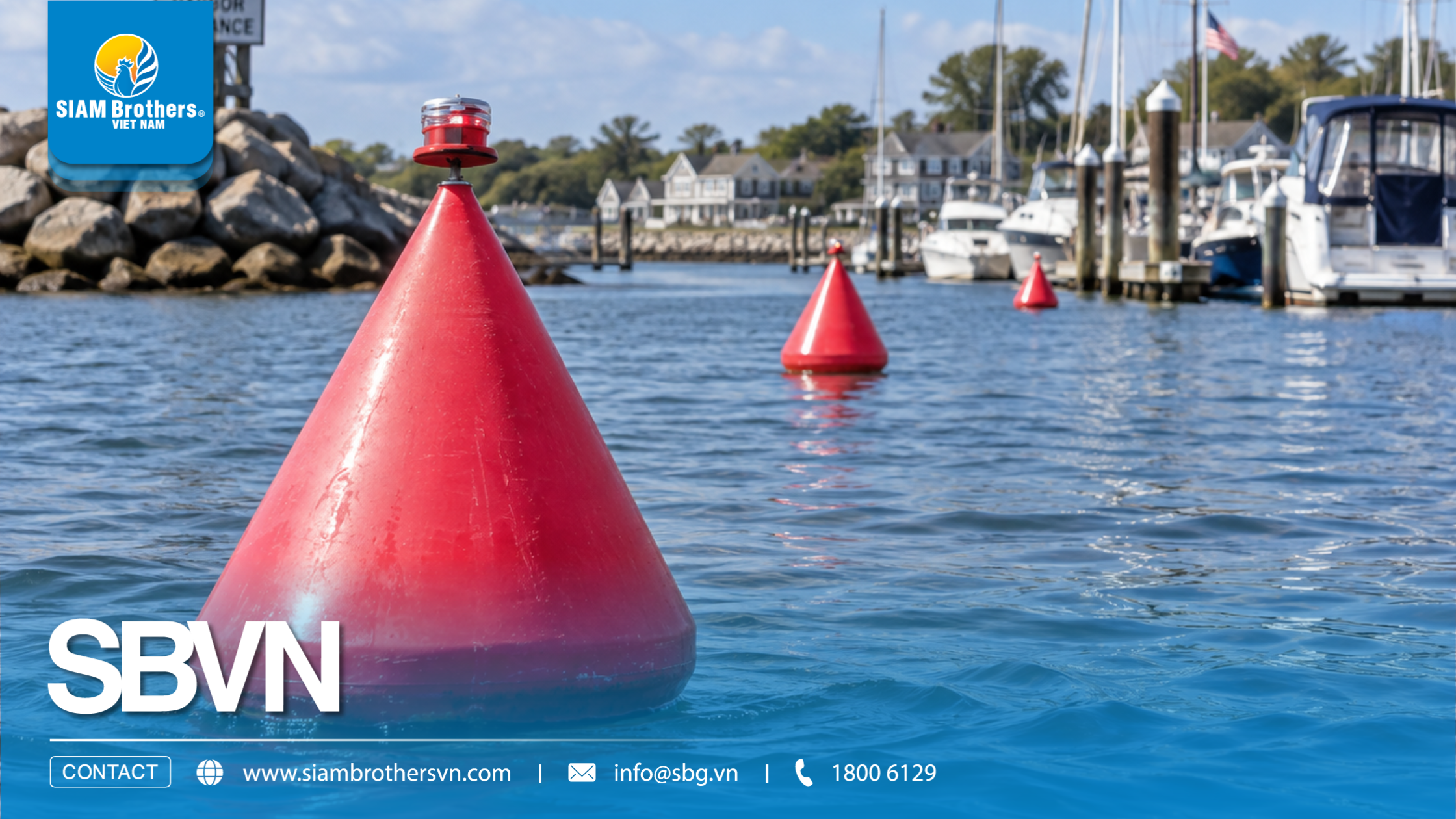
SIAM Brothers Vietnam lists its LDPE warning buoy at 700 × 1,000 mm, weighing 11.3 kg, with an 8 mm shell. These details give you a starting point for discussing suitability with the supplier. They do not, by themselves, guarantee performance under every wave, wind, or loading condition.
Phao nổi cảnh báo là gì? Phân loại, công dụng và cách chọn đúng nhu cầu

4.4. Consider Color and Warning Lights

Visibility is one of the most important things to consider, especially where vessels are active or lighting conditions change.

  • Color: Choose a color that stands out from the water and surrounding scenery. Check any prescribed marker colors if the buoy will be used on a regulated waterway.
  • Warning light: For nighttime visibility, check brightness, operating duration, and suitability for the environment.
  • Placement: Position the buoy and light where they can be seen from the intended approach directions, without being hidden by structures or vessels.
  • Maintenance: Regularly check the light, buoy surface, and fixing components so damage can be identified early.

4.5. Review Anchoring and Safety Requirements

Even a well-chosen buoy may not work as intended if it's installed incorrectly. Before installation, check:

  • Water conditions: Determine water depth, currents, waves, wind, and other factors that could move the buoy.
  • Anchoring system: Choose a secure arrangement suited to the location and operating conditions. Don't estimate anchor loads without a sound technical basis.
  • Buoy spacing: Plan the spacing around the intended warning purpose, visibility, and project requirements.
  • Applicable rules: For ports, shipping channels, or inland waterways, confirm the relevant marking standards and safety requirements.

For projects with specific technical requirements, share details of the location, intended use, and environment with the supplier to get more targeted advice.

4.6. Warning Buoy Buying Checklist

To avoid choosing the wrong product or running into extra costs after installation, check these points before ordering:

  • Define the purpose: hazard warning, boundary marking, or location guidance.
  • Identify the installation site and expected waves, wind, and currents.
  • Check the material, dimensions, weight, and shell thickness.
  • Confirm whether a nighttime warning light is needed.
  • Review anchoring, connections, and maintenance requirements.
  • Ask the supplier to confirm technical specifications and operating limits.

Check the applicable marking rules if the buoy will be installed on a navigable waterway.

5. Frequently Asked Questions About Warning Buoys

5.1. What Is a Warning Buoy Used For?

A warning buoy identifies locations on the water that require attention, helping boat operators recognize and avoid potential hazards. Depending on the application, it can be used to:

  • Warn of hazardous waters or obstacles.
  • Define boundaries and separate activity areas.
  • Mark routes or support location guidance, where permitted.
  • Improve nighttime visibility when fitted with a suitable warning light.

For example, near a riverside construction site or an underwater obstacle, warning buoys can help vessel operators recognize an area they should avoid.

5.2. What Material Is SIAM Brothers Vietnam's Warning Buoy Made From?

According to SIAM Brothers Vietnam's product information, this warning buoy is made from virgin LDPE plastic and comes in orange with an 8 mm-thick shell.

Its key specifications include:

  • Material: LDPE.
  • Color: Orange.
  • Dimensions: 700 × 1,000 mm.
  • Weight: 11.3 kg.
  • Accessory: Solar-powered warning light.
  • Also consider the installation site, weather, anchoring method, and required visibility. These factors help determine whether the product suits your particular application.

5.3. Why Are Warning Buoys Often Orange?

Bright orange helps a buoy stand out against the water and surrounding landscape. That can be useful around boat traffic, construction sites, and areas where activity boundaries need to be marked.

Still, color alone doesn't determine how effective a warning will be. Consider:

  • Contrast: How clearly does the buoy stand out from its surroundings?
  • Viewing distance: How far away must approaching boat operators be able to see it?
  • Nighttime visibility: Will a warning light be needed after dark?

In areas with evening or nighttime boat traffic, a suitable warning light may improve recognition. The marker's color, lighting, and placement must still meet the safety requirements that apply to the site.

5.4. Can Warning Buoys Be Used at Night?

Yes, if they have a suitable warning light and are installed and operated correctly. SIAM Brothers Vietnam's warning buoy is supplied with a solar-powered light, according to its product information.

For nighttime use, check:

  • Whether the light operates reliably and provides adequate visibility for the intended use.
  • Whether buildings, trees, or vessels could block the light from view.
  • Whether the light is correctly positioned and receives enough sunlight to recharge.
  • Whether the anchoring system keeps the buoy in place under local currents and weather conditions.

A fitted light doesn't automatically mean a buoy meets every inland-waterway or maritime navigation standard. Check the applicable rules before installation, especially on navigation routes or at sites with special requirements.

5.5. How Do You Choose the Right Warning Buoy?

Start with what the buoy needs to do and the conditions where it will be installed, rather than choosing by size or price alone.

  • Define the purpose: Are you warning of a hazard, marking a boundary, dividing activity areas, or providing location guidance?
  • Assess the environment: Consider depth, currents, waves, wind, and exposure to sun and rain.
  • Review the specifications: Compare dimensions, weight, shell thickness, and material with your requirements.
  • Plan for visibility: Choose an easy-to-see color and consider a warning light for nighttime use.
  • Plan the anchoring: Make sure the buoy can be secured so it doesn't drift away from the area it's meant to mark.
  • Check safety requirements: Verify the technical rules if the buoy will be used on a navigable waterway or in a regulated area.

If you're unsure which buoy will work best, provide the supplier with the installation location, intended use, and environmental conditions for more specific guidance.
Phao nổi cảnh báo là gì? Phân loại, công dụng và cách chọn đúng nhu cầu

5.6. Do Warning Buoys Need to Be Anchored?

In many applications, yes. A warning buoy needs to stay in its intended position to mark a hazard or boundary accurately. If currents, waves, or wind push it away, the original location may no longer be marked correctly.

When planning anchoring, consider:

  • Water depth and bottom conditions.
  • The strength of currents, waves, and wind.
  • Spacing between buoys if they are used to define a boundary.
  • Mooring-line type, connecting hardware, and an inspection schedule.

Anchoring should be designed for the actual site rather than copied from a one-size-fits-all arrangement. For higher-risk areas, seek a technical assessment before installation.

5.7. Can Warning Buoys Mark Aquaculture Areas?

They can be considered for marking boundaries or separating activity areas, provided their dimensions, buoyancy, anchoring, and placement suit the site.

However, warning buoys and HDPE fish-cage floats are not automatically interchangeable. Warning buoys are primarily used for visibility, guidance, or boundary marking; fish-cage floats are selected to support the load and structural requirements of aquaculture systems.

If you want to mark the perimeter of a fish-farming area or a floating cage site, define the purpose before choosing a product. This can help avoid buying the wrong type of float and incurring unnecessary costs.

5.8. What Information Should You Provide When Buying a Warning Buoy From SIAM Brothers Vietnam?

To get a recommendation that fits your project, prepare the following:

  • Location: River, lake, coastal site, port, or another setting.
  • Purpose: Hazard warning, boundary marking, area separation, or location guidance.
  • Environmental conditions: Depth, currents, waves, wind, and expected impacts.
  • Quantity and layout: Number of buoys, spacing, and proposed anchoring arrangement.
  • Visibility requirements: Daytime, nighttime, or both.

The more specific your information, the easier it is to evaluate a suitable option. You can contact SIAM Brothers Vietnam about its orange LDPE buoy, measuring 700 × 1,000 mm and weighing 11.3 kg, with an 8 mm shell and a solar-powered warning light, and confirm the technical requirements before ordering.

Warning buoys are useful for identifying hazardous areas, defining boundaries, and helping people recognize designated locations on the water. To choose the right product, consider its purpose, material, dimensions, color, lighting, and anchoring method. Every site is different, so don't focus on price while overlooking the practical technical and safety requirements.

SIAM Brothers Vietnam's LDPE warning buoy is bright orange and measures 700 × 1,000 mm, with an 8 mm shell and an included solar-powered warning light. It may be worth considering for hazard marking and defining water-area boundaries, depending on site conditions.

Looking for a warning buoy for your project? Contact SIAM Brothers Vietnam to discuss the specifications and find a product suited to your actual needs.

Source: SIAM Brothers Vietnam


Contact us:

► Address: 5th floor, VRG Building, 177 Hai Ba Trung Street., Xuan Hoa Ward, Ho Chi Minh City, Vietnam

► Hotline: 1800 6129

► Tel: (+84) 28 38 912 889

► Email: info@sbg.vn

► Follow us for more details at: Facebook - Zalo OA - Tiktok - Youtube - LinkedIn

Download SBVN ID app here:

► CHPlay

► Appstore
Phao nổi cảnh báo là gì? Phân loại, công dụng và cách chọn đúng nhu cầu