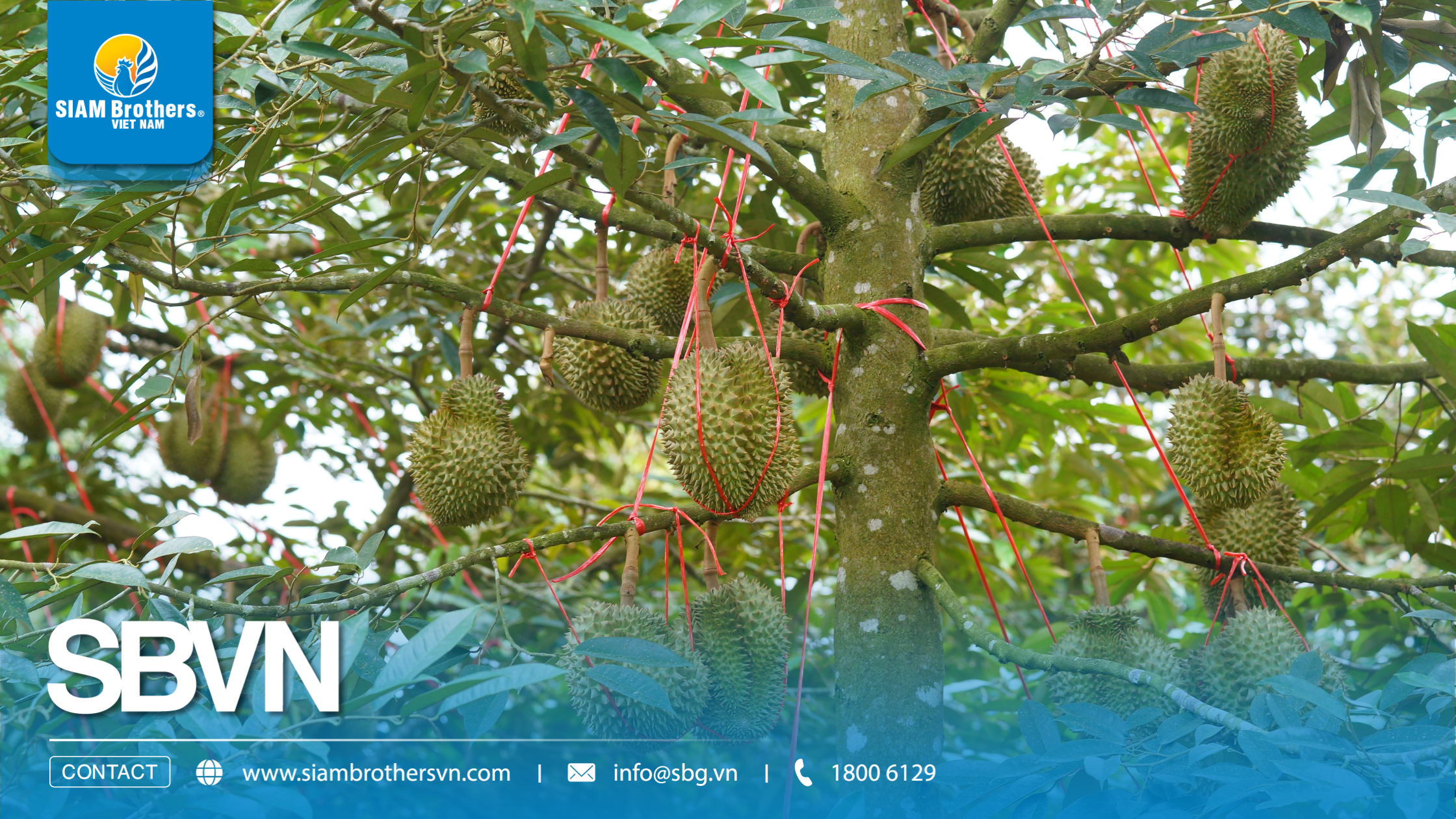
It is not uncommon for Durian Branch Tying Rope to break after just one or two seasons, causing unexpected losses for growers. In most cases, this issue stems from basic yet critical mistakes, such as choosing the wrong material, using rope without UV resistance, or applying improper tying techniques.
When branches carry heavy fruit loads under intense sunlight and prolonged rainfall, low-quality ropes quickly become brittle, degrade, and snap without warning. In this article, SIAM Brothers Vietnam (SBVN) highlights the five most common causes of premature rope failure and provides practical guidance on selecting durable agricultural rope that can last 2–3 years under Vietnam’s climate conditions. This helps growers reduce costs while minimizing the risk of branch breakage and fruit drop during the harvest season.
1. Why Does Durian Branch Tying Rope Break So Easily?
1.1. Impact of Weather and UV Exposure
- Outdoor ropes are constantly exposed to intense sunlight, heavy rain, and high humidity
- UV radiation breaks down polymer structures, causing the rope to lose flexibility and become brittle
- Non-UV-resistant ropes typically degrade within 3–6 months
- Vietnam’s climate, with strong sun and prolonged rainy seasons, accelerates material aging
1.2. Actual Load from Fruit and Branches Exceeds Capacity
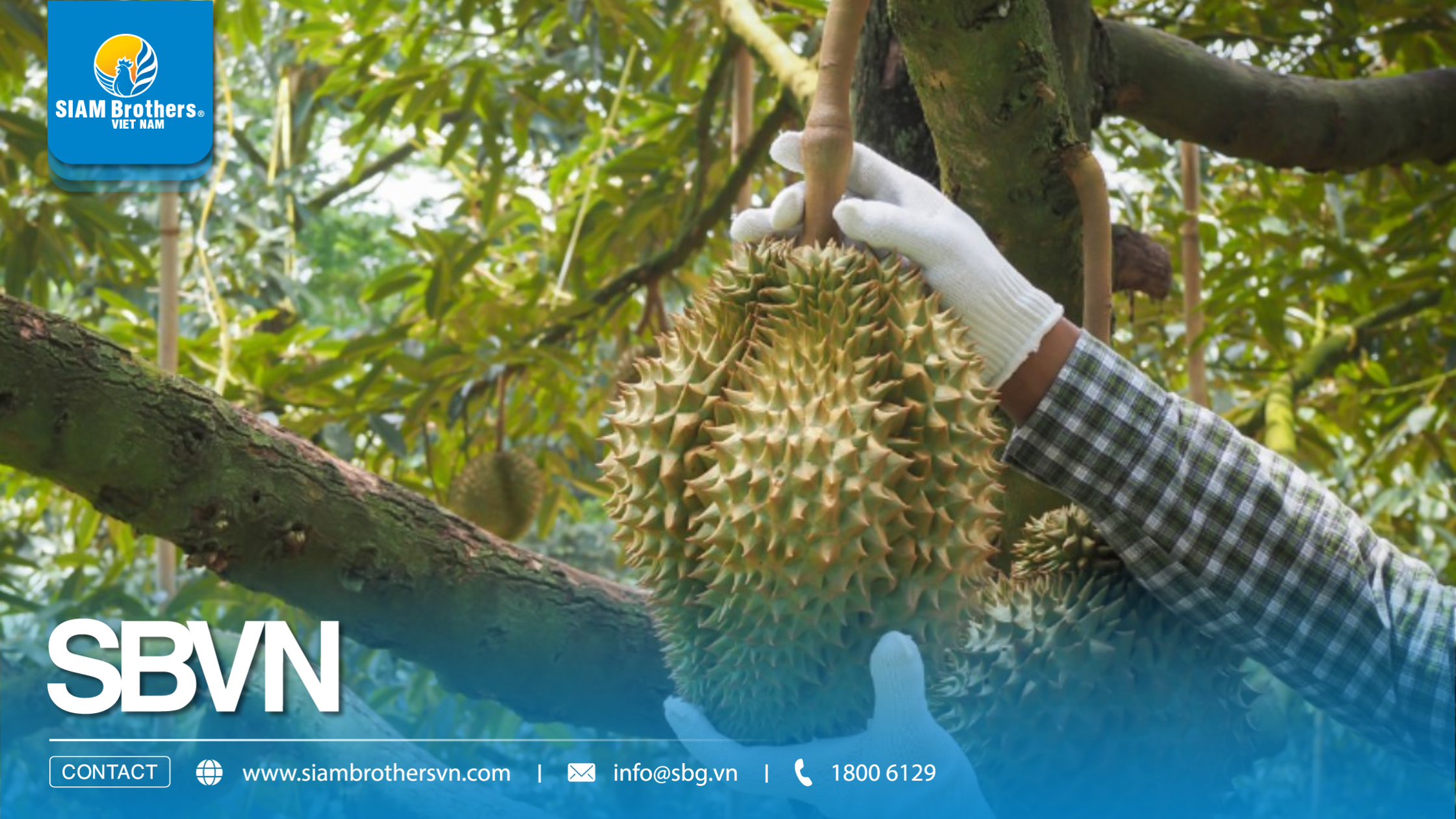
- Durian fruit weight increases rapidly near harvest time
- Some varieties produce large fruits, creating high pressure at tying points
- Ropes with small diameters or low tensile strength tend to stretch before breaking
- Sudden breakage often occurs when the load exceeds the rope’s designed capacity
1.3. Material Quality Determines Durability and Lifespan
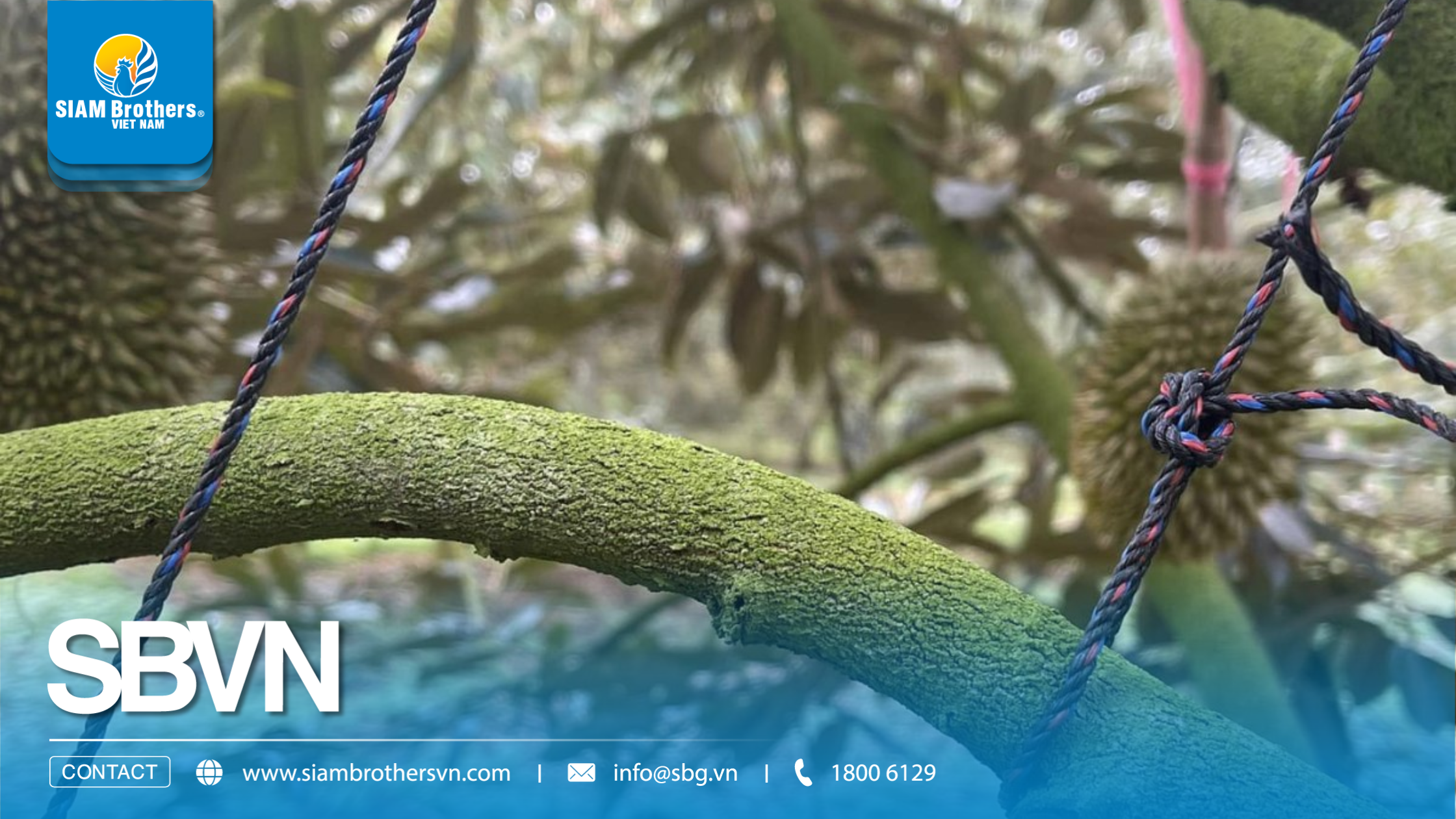
- PP (Polypropylene) rope without UV stabilization degrades quickly if not properly treated
- PE rope is softer, but impurities or excessive recycling reduce its strength
- Nylon rope offers high strength but may degrade in humid environments if not suitable
- The difference between virgin and recycled materials directly impacts lifespan
1.4. Mechanical Stress from Tying Techniques and Friction
- Over-tightening creates localized tension, leading to faster breakage
- Friction between rope and branch bark (especially in windy conditions) accelerates wear
- Improper tying points cause uneven load distribution
- Rigid ropes with low elasticity can damage branches and reduce overall durability
1.5. Lack of Regular Inspection and Replacement
- Many growers reuse ropes across multiple seasons without reassessment
- Aged ropes continue to heavy loads despite material degradation
- Early warning signs such as fraying, brittleness, or surface cracks are often overlooked
- Lack of maintenance increases the risk of widespread breakage during peak season
2. Top 5 Costly Mistakes That Cause Durian Branch Tying Rope to Fail
2.1. Choosing Rope Without UV Resistance
- Using standard tying rope without UV additives
- Rapid brittleness and surface cracking under sunlight
- Lifespan limited to 3–6 months
- Frequent replacement increases overall operational costs
2.2. Using Rope That Is Too Thin for the Load
- Selecting smaller diameter rope to reduce initial cost
- Failing to account for fruit weight during peak growth
- Rope stretches before breaking, reducing branch stability
- High risk of mass breakage during storms or strong winds
2.3. Using Recycled Rope with Inconsistent Quality
- Lower cost but non-uniform material composition
- Reduced tensile strength and faster degradation in humid conditions
- Lack of technical specifications for quality verification
- Higher long-term replacement costs compared to virgin material rope
2.4. Incorrect Tying Techniques Causing Excessive Friction
- Over-tightening increases localized stress
- No padding, causing direct abrasion against the bark
- Continuous friction in windy conditions accelerates wear
- Reduces rope lifespan and damages durian branches
2.5. Lack of Regular Inspection and Timely Replacement
- Reusing rope across multiple seasons without checking durability
- Ignoring signs of degradation such as fading, fraying, or brittleness
- Failing to replace rope before rainy seasons or peak fruit load
- Leads to unexpected breakage and significant crop loss
3. Consequences of Choosing the Wrong Durian Branch Tying Rope
Selecting the wrong Durian Branch Tying Rope does not just reduce durability—it directly impacts costs, productivity, and overall orchard performance. Below are the most common consequences growers should be aware of:
3.1. Replacement Costs Increase Significantly Each Season
- Low-quality rope degrades quickly, requiring frequent replacement
- Higher expenses for materials, labor, and maintenance time
- Total long-term cost exceeds the investment in high-quality rope from the beginning
- Particularly costly for large-scale farms and intensive cultivation systems
3.2. Risk of Branch Breakage and Fruit Drop
- Rope with insufficient load capacity can snap when fruit reaches full size
- Fruit-bearing branches lose support, leading to cracking or breakage
- Higher fruit drop rates during the pre-harvest stage
- Direct impact on yield and revenue
3.3. Negative Impact on Tree Health and Growth
- Hard rope or improper tying techniques can damage branch bark
- Open wounds increase the risk of pests, fungi, and diseases
- Long-term effects on tree vitality and future productivity
3.4. Reduced Efficiency in Orchard Management
- Frequent inspection and replacement increase workload
- Difficult to maintain consistent rope quality across the orchard
- Disrupts routine care activities such as pruning and fruit bagging
- Reduces operational efficiency, especially in large-scale farming
3.5. Increased Risk Under Harsh Weather Conditions
- Heavy rain and strong winds increase stress on tying ropes
- Degraded rope may break simultaneously across multiple trees
- Difficult to manage and respond quickly on a large scale
- Can severely impact the entire harvest if no backup plan is in place
4. How to Choose Durable Durian Branch Tying Rope That Lasts 2–3 Years
To ensure long-term performance, selecting the right Durian Branch Tying Rope requires both technical understanding and practical evaluation. Here are key criteria to consider:
4.1. Prioritize UV-Resistant Rope for Outdoor Use
- Choose rope with UV stabilizers added during production
- Prevents brittleness, cracking, and loss of flexibility under sunlight
- Maintains mechanical strength throughout multiple seasons
- Suitable for Vietnam’s high solar radiation conditions
4.2. Select the Right Material for Your Needs
- PP (Polypropylene): lightweight, cost-effective, widely used with UV treatment
- PE: softer, minimizes damage to branches, ideal for heavy fruit stages
- Nylon: high strength but requires consideration of cost and humidity conditions
Prefer virgin materials over recycled ones for consistent durability
4.3. Choose the Appropriate Diameter and Load Capacity
- Estimate average fruit weight and number of fruits per branch
- Select rope with sufficient diameter to prevent stretching and breakage
- Standardize rope type for easier management in large orchards
- Refer to manufacturer specifications for tensile strength (kg)
4.4. Prioritize Flexibility and Elasticity
- Softer rope reduces friction against branch bark in windy conditions
- Minimizes scratches and structural damage over time
- Good elasticity helps distribute load evenly
- Reduces stress concentration at tying points
4.5. Choose a Reputable Manufacturer with Clear Specifications
- Work with direct manufacturers that control raw material quality
- Ensure transparent technical specifications: material, tensile strength, UV resistance
- Availability of consultation based on farm scale (smallholders, farms, distributors)
- Consistent product quality across batches for long-term use
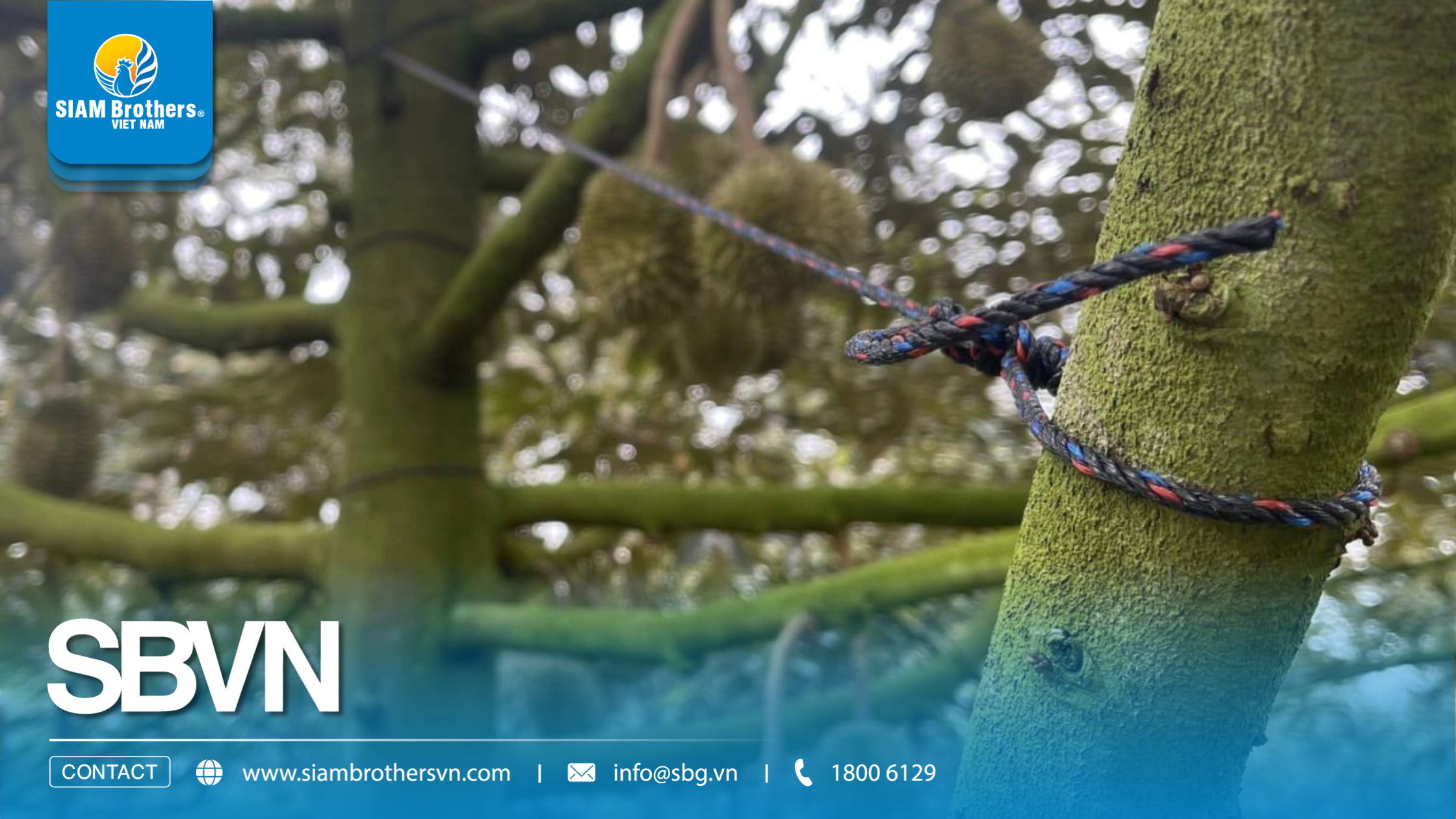
- Apply rope on a few branches under real conditions
- Monitor stretching, durability, and impact on branches
- Evaluate load-bearing performance as fruit weight increases
5. Recommended Types of Durian Branch Tying Rope Trusted by Growers
Based on practical usage and performance, the following types of Durian Branch Tying Rope are widely trusted:
5.1. UV-Stabilized PP Rope - The Most Popular Choice
- Lightweight and easy to handle for large-scale use
- Cost-effective for both small farms and large plantations
- With UV additives, can last 2–3 years
- Good tensile strength for medium to heavy fruit loads
5.2. Soft PE Rope – Reduces Branch Damage
- Smooth surface reduces friction against bark
- Minimizes scratches during strong winds
- Flexible and easy to tie and adjust
- Ideal for use during heavy fruit development stages
- Suitable for growers prioritizing long-term tree health
5.3. Specialized Agricultural Rope – Optimized for Durability
- Designed specifically for outdoor agricultural environments
- UV-resistant and structurally stable
- High load capacity with minimal stretching
- Clear technical specifications for performance assurance
- Ideal for large farms and cooperatives
5.4. Flat Rope – Better Load Distribution
- Wider surface increases contact area with branches
- Reduces localized pressure and risk of branch damage
- Suitable for large branches carrying heavy loads
- Causes less damage compared to round rope in specific cases
- Commonly used in intensive farming systems
5.5. Choosing the Right Rope Based on Practical Needs
- Small farms: prioritize UV-resistant PP rope for cost efficiency
- Large plantations: choose specialized rope with clear specifications for consistency
- Heavy fruit orchards: consider PE rope or flat rope to reduce branch stress
- Distributors: prioritize products from reputable manufacturers for stable quality
6. FAQs – Frequently Asked Questions About Durian Branch Tying Rope
To help growers make informed decisions, here are the most common questions regarding Durian Branch Tying Rope, based on real-world usage and practical farming conditions.
6.1. How long does Durian Branch Tying Rope last?
- Depending on material and usage conditions, the average lifespan ranges from 1–3 years
- UV-resistant rope made from virgin plastic can last 2–3 years
- Standard rope without UV protection typically lasts only one growing season
- Harsh conditions such as intense sunlight and heavy rainfall can shorten lifespan if the wrong rope is selected
6.2. Should you choose PP or PE rope for tying durian branches?
- PP rope is ideal for cost optimization and large-scale use
- PE rope is softer, reducing damage to branches, especially during heavy fruit stages
- For long-term durability, choose PP or PE rope with UV stabilization
- The best option depends on orchard scale and specific technical requirements
6.3. What is the difference between UV-resistant rope and regular rope?
- UV-resistant rope withstands prolonged sun exposure without becoming brittle
- Maintains flexibility and tensile strength over time
- Regular rope cracks and degrades quickly under outdoor conditions
In the long run, UV-resistant rope significantly reduces replacement costs
6.4. How often should you inspect and replace the rope?
- Inspect periodically before and during fruiting season (every 1–2 months)
- Replace rope when signs of degradation appear (fraying, brittleness, discoloration)
- Reassess rope condition before reusing it across multiple seasons
- Proactive replacement before the rainy season helps prevent mass breakage
6.5. Does Durian Branch Tying Rope need technical specifications?
- Choose rope with clear specifications: material, tensile strength, UV resistance
- Ensures suitability for actual branch and fruit load conditions
- Improves reliability for large-scale use or distribution
- A key factor in distinguishing high-quality rope from substandard products
6.6. Where can you buy reliable Durian Branch Tying Rope?
- Prioritize direct manufacturers to ensure quality control and competitive pricing
- Choose suppliers with proven experience in agricultural rope production
- Products should include clear information and consultation for different farming models
- Suitable for smallholders, large farms, and distribution networks
Although Durian Branch Tying Rope may seem like a small input, it directly impacts both cost efficiency and seasonal yield. If you are looking for high-quality agricultural rope suited to Vietnam’s climate, contact SIAM Brothers Vietnam for expert consultation and competitive pricing tailored to your farm scale.
Source: SIAM Brothers Vietnam
Contact us:
► Address: 5th floor, VRG Building, 177 Hai Ba Trung Street., Xuan Hoa Ward, Ho Chi Minh City, Vietnam
► Hotline: 1800 6129
► Tel: (+84) 28 38 912 889
► Email: info@sbg.vn
► Follow us for more details at: Facebook - Zalo OA - Tiktok - Youtube - LinkedIn
Download SBVN ID app here:
► CHPlay
► Appstore