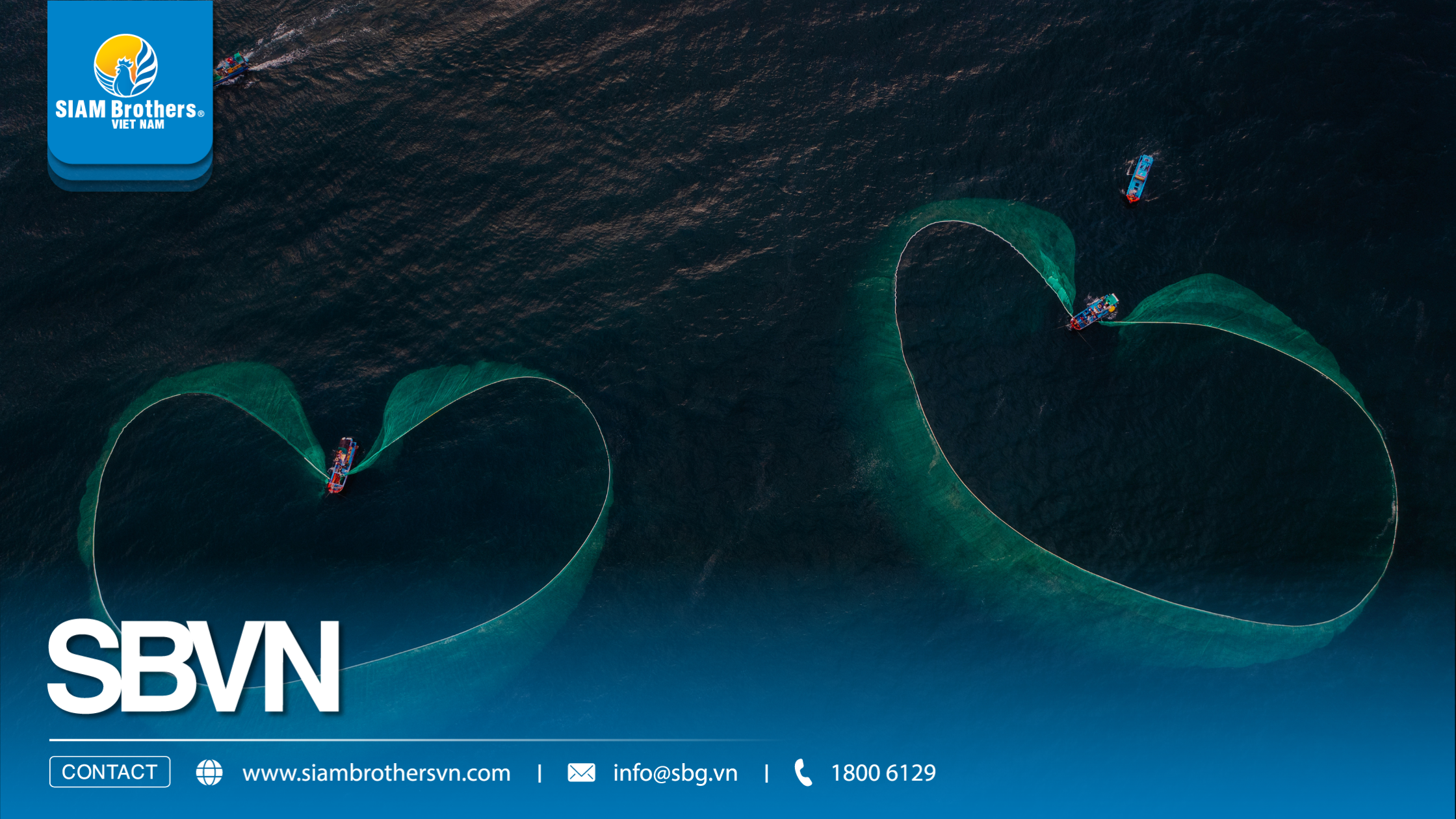
HDPE plastic netting that deteriorates and tears after just 1-2 farming cycles has become a major concern for fish farmers, distributors, and businesses due to rising replacement costs and the risk of production loss. The issue does not lie in the HDPE material itself, but in improper selection and usage that fail to meet technical standards. In practice, many buyers end up purchasing recycled netting, products without UV stabilizers, or nets with unsuitable mesh sizes for their farming models. As a result, durability declines significantly under Vietnam’s harsh sunlight and saline water conditions.
In this article, SIAM Brothers Vietnam identifies the 5 most common mistakes when choosing HDPE plastic netting and provides guidance on selecting durable netting that can last 5–10 years, optimize long-term costs, and suit fish cage farming, agriculture, and other practical applications.
1. Current Situation: HDPE Plastic Netting Deteriorates Quickly in Aquaculture
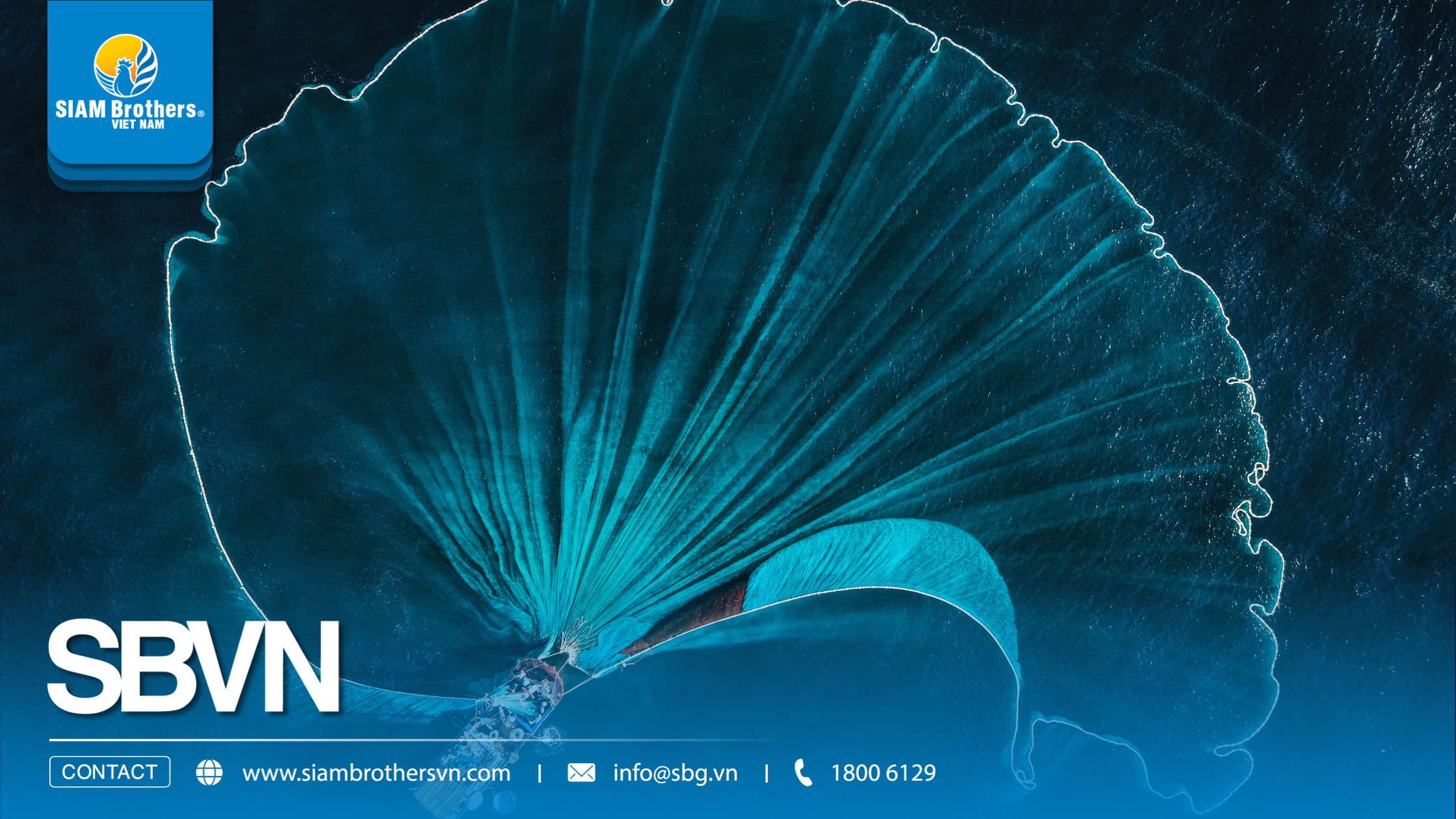
1.1. HDPE Plastic Netting Lasting Only 1-2 Cycles: An Alarming Reality
Many farmers and businesses report that:
- HDPE plastic netting becomes brittle and tears after only 6-12 months of use, especially in saltwater environments or areas with high UV exposure
- Mesh deformation and broken filaments reduce fish containment efficiency
- Some nets are worn down by strong currents or friction against cage structures
This situation highlights the significant inconsistency in product quality across suppliers in the market.
1.2. Frequent Net Replacement Increases Operational Costs
Using low-quality HDPE plastic netting leads to several financial consequences:
- Rising costs for periodic net replacement, especially in large-scale farming systems
- Additional labor costs for dismantling, installation, and maintenance
- Disruptions to farming cycles, affecting harvest timelines
Without proper quality control, the total cost over 2-3 years can far exceed the initial investment in high-quality HDPE plastic netting.
1.3. Risk of Production Loss and System Instability
Beyond cost implications, damaged netting creates direct operational risks:
- Fish escape when the net tears, causing significant production loss
- Increased risk of harmful organisms entering from the external environment
- Reduced structural stability of cage systems or farming areas
2. What Is HDPE Plastic Netting and Why Is It Widely Used?
HDPE plastic netting is made from High-Density Polyethylene (HDPE) resin—a high-density thermoplastic known for its excellent mechanical strength and resistance to harsh environmental conditions.
2.1. Structural Characteristics
- Net fibers are extruded from virgin or recycled HDPE resin and then woven or knitted into mesh structures
- UV stabilizers can be added to enhance outdoor durability
Available in various designs, including:
- Mesh sizes
- Filament thickness
- Weaving types (knotless or knotted)
2.2. Key Technical Properties
- High tensile strength, suitable for aquatic environments
- Chemical resistance, minimizing corrosion in saltwater
- Lightweight, enabling easy handling and installation
- Service life of 5-10 years when selected according to proper standards
2.3. Why Is HDPE Plastic Netting Widely Used?
2.3.1. Long-Term Cost Efficiency
- Longer lifespan compared to conventional PE or PP netting
- Reduced replacement frequency, lowering operational costs
- Suitable for both small-scale and industrial farming systems
2.3.2. Flexible Customization
- Can be manufactured according to specific requirements
- Adaptable to different fish species and farming models
- Suitable for diverse environmental conditions and applications
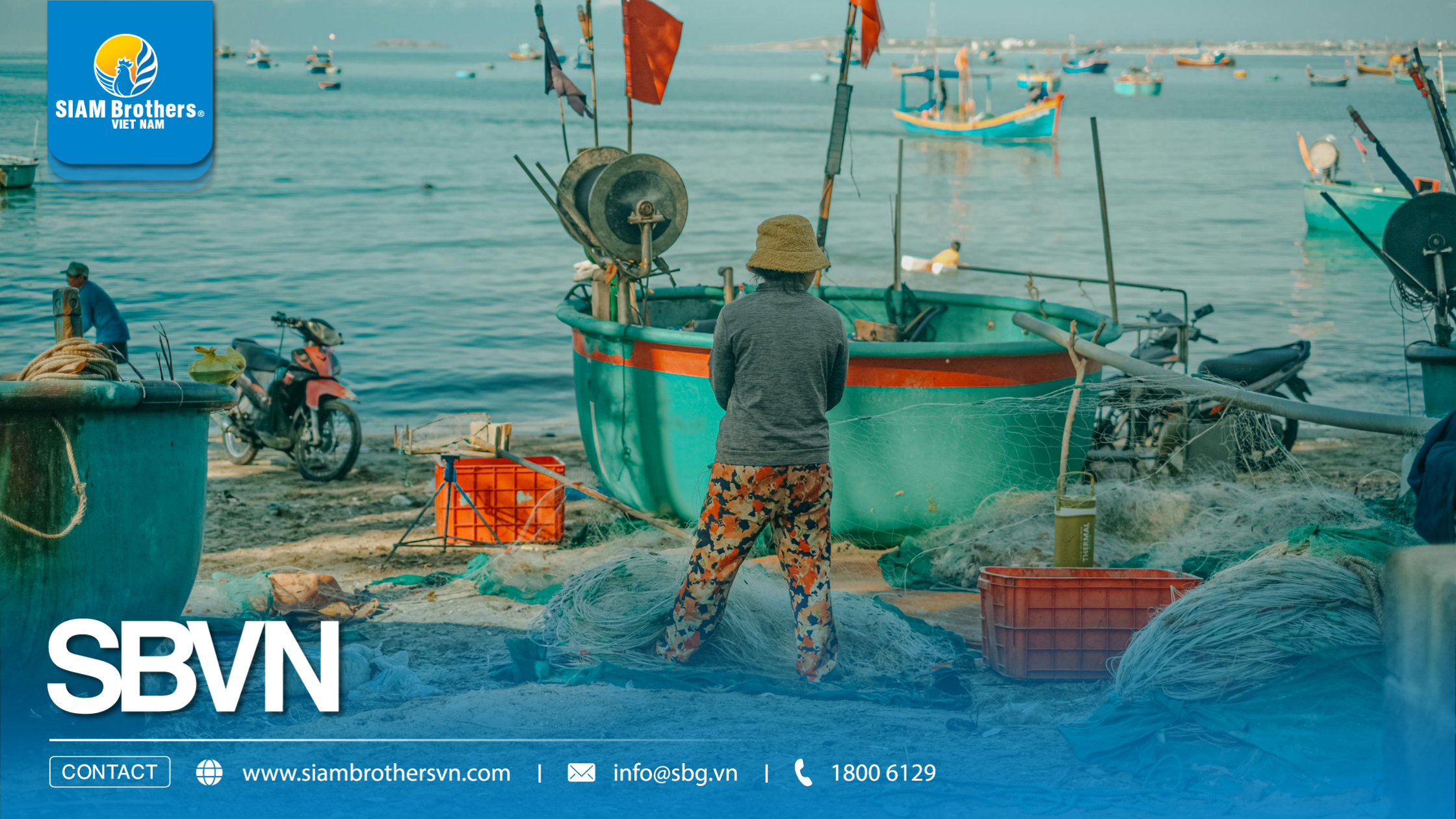
3. Top 5 Mistakes That Cause HDPE Plastic Netting to Deteriorate and Tear Quickly
3.1. Choosing Recycled HDPE Netting Instead of Virgin Material
3.1.1. Market Reality
- Many low-cost HDPE plastic netting products are made from recycled materials to reduce production costs
- It is difficult to distinguish by appearance without technical specifications or industry experience
3.1.2. Consequences
- Lower tensile strength, making fibers prone to breaking under load
- Faster brittleness and deterioration in sunlight and saltwater environments
- Service life only reaches 30–50% compared to virgin HDPE plastic netting
3.2. Using Netting Without UV Protection
3.2.1. Common Mistakes
- Selecting HDPE plastic netting without UV stabilizers
- Failing to verify UV resistance specifications from the supplier
3.2.2. Consequences
- Rapid material degradation under strong sunlight
- Fibers become brittle and break easily over time
- Particularly severe in coastal, Central, and Southern Vietnam regions
3.3. Choosing the Wrong Mesh Size
3.3.1. Causes
- Incorrect identification of fish species or growth stage
- Prioritizing price over technical requirements
3.3.2. Consequences
Mesh size too small:
- Increases water resistance
- Leads to fouling buildup, increasing pressure on the net
Mesh size too large:
- Fish can escape easily
- Reduces farming efficiency
3.4. Inappropriate Net Filament Thickness for the Environment
3.4.1. Common Mistakes
Choosing thinner filaments to reduce initial costs
Ignoring key factors such as:
- Water currents
- Wave impact
- Stocking density
3.4.2. Consequences
- Netting tears easily under continuous tension
- Faster degradation due to friction with cages or hard surfaces
- Reduced safety and reliability of the farming system
3.5. Buying Low-Cost, Unverified HDPE Plastic Netting
3.5.1. Market Situation
Many suppliers offer HDPE plastic netting without quality certification
Lack of transparency regarding:
- Raw material origin
- Manufacturing processes
- Technical specifications
3.5.2. Consequences
- Inconsistent quality between batches
- No warranty or technical support
- Higher long-term costs due to frequent replacement
4. How to Choose Durable HDPE Plastic Netting That Lasts 5-10 Years
4.1. Prioritize 100% Virgin HDPE Plastic Netting
4.1.1. Identification Criteria
- Clear information about HDPE resin origin
- Provided with detailed technical specifications from the manufacturer
4.1.2. Practical Benefits
- High tensile strength, suitable for demanding environments
- Reduced risk of brittleness and cracking over time
- Significantly longer lifespan compared to recycled netting
4.2. Verify UV Resistance
4.2.1. Why It Matters
- Intense sunlight in Vietnam is a primary cause of material degradation
- Netting without UV protection deteriorates quickly despite initial durability
4.2.2. How to Evaluate
- Request UV stabilizer information from suppliers
- Prefer products with certifications or technical testing reports
- Review outdoor warranty duration
4.3. Select the Right Mesh Size for Each Farming Model
4.3.1. Selection Principles
Match with:
- Fish species (tilapia, grouper, pompano, etc.)
- Growth stages (juvenile or commercial size)
4.3.2. Benefits of Proper Selection
- Reduces water pressure on the net
- Minimizes fouling and algae buildup
- Improves fish containment and water circulation
4.4. Choose Appropriate Filament Thickness Based on Usage Conditions
4.4.1. Key Considerations
Mechanical impact:
- Waves, currents, friction
- Stocking density and load capacity
4.4.2. Recommendations
- Avoid overly thin netting to save initial costs
- Prioritize HDPE plastic netting with higher filament thickness and tensile strength for harsh environments
4.5. Check Technical Specifications Before Purchasing
4.5.1. Key Parameters to Review
- Tensile strength
- Net weight (GSM)
- Mesh size
- UV resistance standards
4.5.2. Important Notes
- Do not choose HDPE plastic netting based solely on price
- Prioritize products with transparent technical documentation for accurate comparison
5. Comparison Table: High-Quality vs Low-Cost HDPE Plastic Netting
| Criteria |
High-Quality HDPE Plastic Netting |
Low-Cost HDPE Plastic Netting |
| Raw Material |
100% virgin HDPE with controlled input quality |
Recycled or blended materials, unclear origin |
| UV Resistance |
UV-stabilized, suitable for strong sunlight |
None or low UV resistance, degrades quickly |
| Strength |
High tensile strength, performs well in aquatic environments |
Low strength, fibers break easily under load |
| Service Life |
5-10 years depending on conditions |
6-18 months |
| Mesh Stability |
Maintains structure, minimal deformation |
Easily stretches, mesh distortion |
| Environmental Resistance |
Resistant to saltwater, chemicals, harsh weather |
Rapid degradation in saltwater and sunlight |
| Technical Specifications |
Clearly defined: GSM, tensile strength, UV |
Limited or unavailable |
| Initial Cost |
Higher |
Lower |
| Long-Term Cost |
Lower (less replacement, reduced risk) |
Higher (frequent replacement, higher losses) |
6. FAQs – Frequently Asked Questions About HDPE Plastic Netting
6.1. How Long Does HDPE Plastic Netting Last?
High-quality HDPE plastic netting can last 5-10 years
Lifespan depends on:
- Material quality (virgin vs recycled HDPE)
- Presence of UV stabilizers
- Environmental conditions (saltwater, freshwater, UV exposure)
- Installation and maintenance practices
6.2. Does HDPE Plastic Netting Provide UV Protection?
Not all HDPE plastic netting is UV-resistant
How to identify
High-quality netting:
- Contains UV stabilizers
- Comes with clear technical specifications
Low-cost netting:
- Typically lacks UV protection
- Becomes brittle and tears quickly
6.3. Can HDPE Plastic Netting Be Used in Saltwater?
Yes, this is one of the key advantages of HDPE plastic netting
Recommended selection:
- Virgin HDPE material
- UV-stabilized netting
Avoid low-quality netting, as it deteriorates quickly in saltwater conditions
6.4. How Often Should HDPE Plastic Netting Be Replaced?
High-quality netting: Can last 5–10 years with proper maintenance
Low-cost netting: May require replacement after 6–18 months
Signs that replacement is needed:
- Brittle or easily broken fibers
- Deformed or torn mesh
- Reduced strength and fish containment performance
6.5. Should You Choose Low-Cost HDPE Plastic Netting to Save Money?
Low-cost netting reduces initial investment
However, long-term costs are often higher due to:
- Frequent replacements
- Increased risk of production loss
Recommended for:
- Large-scale aquaculture operations
- Long-term investments
- Harsh environmental conditions
6.6. Where to Buy Reliable HDPE Plastic Netting?
Selection criteria:
- Direct manufacturers with proven experience
- Ability to provide consultation based on specific farming models
- Clear warranty policies and technical support
Best practices:
- Choose suppliers with strong production and quality control capabilities
- Avoid multiple intermediaries to ensure consistent quality and pricing
HDPE plastic netting will not deteriorate or tear quickly if it is properly selected according to technical standards and environmental conditions. As analyzed above, most issues stem from incorrect material choices, lack of UV protection, improper mesh sizing, or prioritizing low cost over quality.
If you are looking for a durable and cost-effective solution for aquaculture or agricultural applications, SIAM Brothers Vietnam is ready to provide expert consultation and competitive quotations for high-quality HDPE plastic netting tailored to your specific needs.
Source: SIAM Brothers Vietnam
Contact us:
► Address: 5th floor, VRG Building, 177 Hai Ba Trung Street., Xuan Hoa Ward, Ho Chi Minh City, Vietnam
► Hotline: 1800 6129
► Tel: (+84) 28 38 912 889
► Email: info@sbg.vn
► Follow us for more details at: Facebook - Zalo OA - Tiktok - Youtube - LinkedIn
Download SBVN ID app here:
► CHPlay
► Appstore