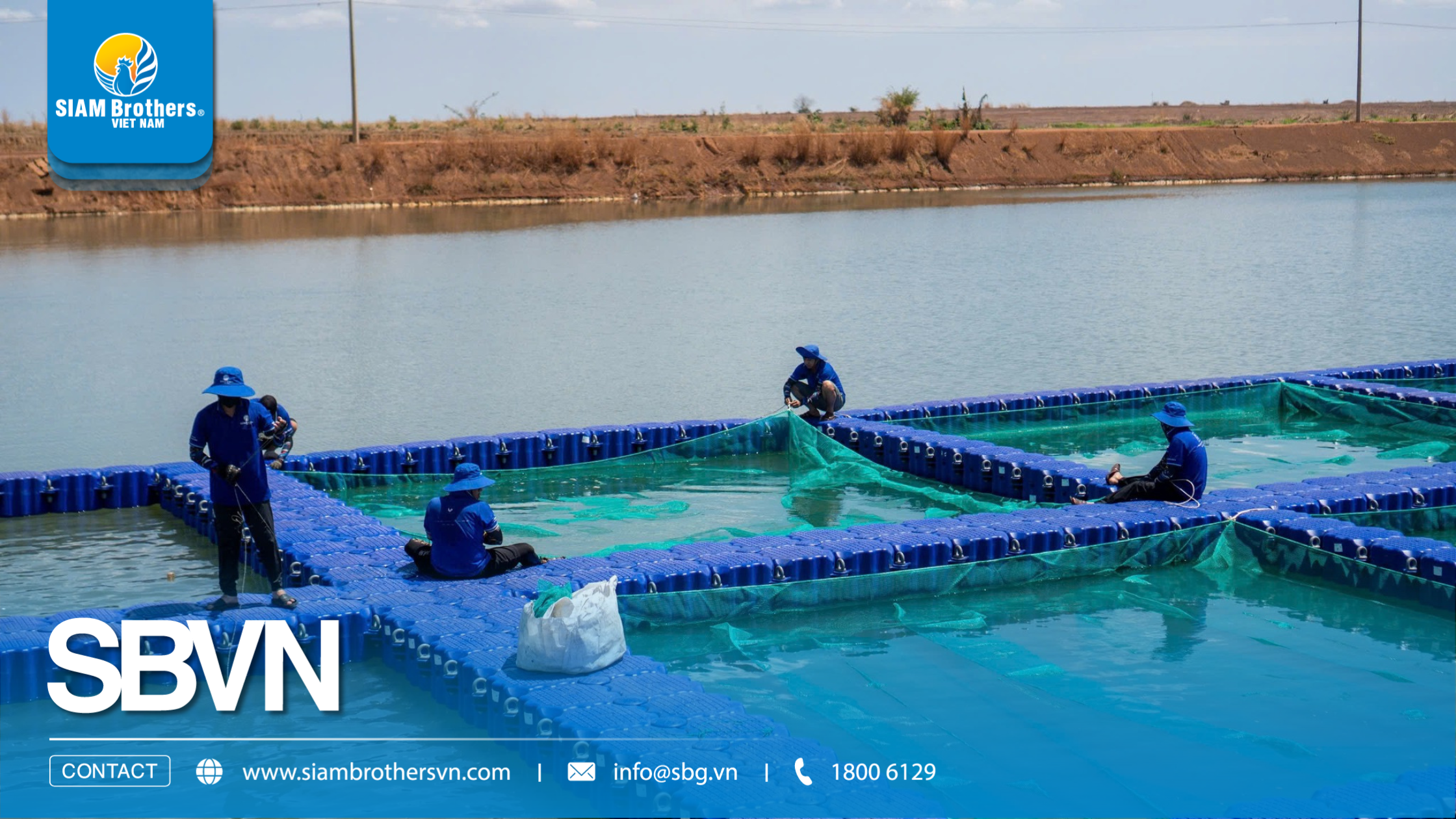
Product News

Are HDPE Modular Floating Docks Durable? Real Lifespan and Key Factors That Affect Performance

  • 22/06/2026

Discover how durable a Modular Floating Dock made from HDPE really is. Explore its real-world lifespan, load-bearing capacity, and the key factors that influence long-term performance, helping businesses, aquaculture operators, and fishermen choose the right floating dock solution with confidence.

Is an HDPE Modular Floating Dock really as durable as manufacturers claim, or will it require costly repairs and replacements after just a few years of use? This is one of the most common questions asked by businesses, marina developers, eco-tourism operators, and aquaculture farmers before investing in a floating structure.

The answer depends on more than just the material itself. The actual lifespan of a Modular Floating Dock is influenced by several factors, including material quality, structural design, environmental conditions, load capacity, installation methods, and ongoing maintenance.

In this article, SIAM Brothers Vietnam explores the real-world durability of HDPE Modular Floating Docks, explains what affects their long-term performance, and shares practical insights to help you choose the right floating solution while maximizing your long-term investment.

1. What Is an HDPE Modular Floating Dock?

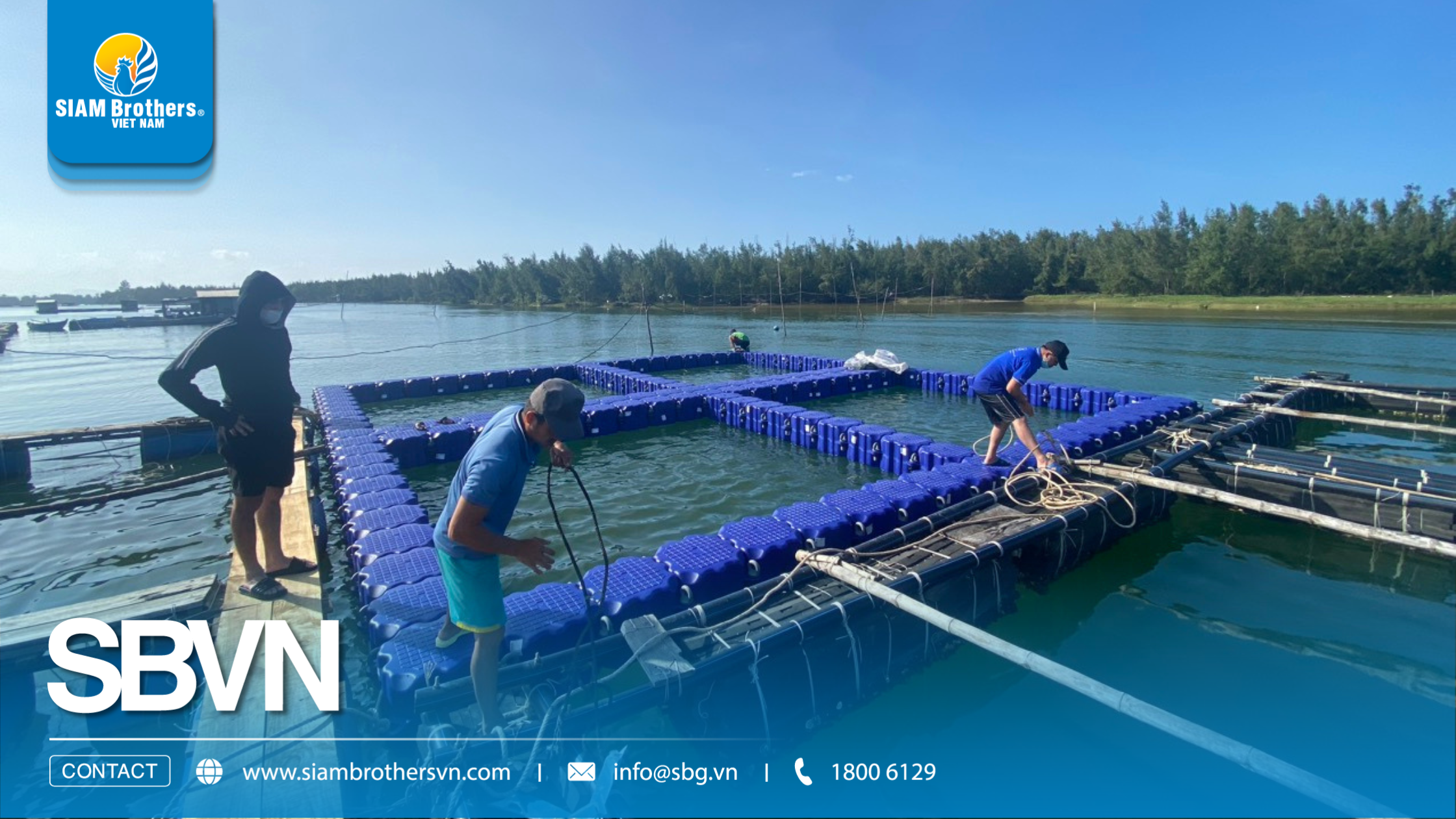
A Modular Floating Dock is a floating platform system made up of individual modules that are securely connected to create a customized floating structure. Thanks to its modular design, the dock can be expanded, reconfigured, or relocated as operational needs change without dismantling the entire system.

Modern Modular Floating Docks are typically manufactured from High-Density Polyethylene (HDPE), an engineered thermoplastic known for its excellent strength, impact resistance, corrosion resistance, and long service life in harsh marine environments.
Bè nổi lắp ráp HDPE có bền không? Tuổi thọ thực tế và các yếu tố ảnh hưởng

A complete HDPE Modular Floating Dock system generally consists of:

  • HDPE floating pontoons that provide buoyancy for the entire structure.
  • Structural frames that securely connect and support individual modules.
  • Decking surfaces designed for pedestrian access, equipment operation, or commercial activities.
  • Mooring and anchoring systems that keep the dock stable on the water.
  • Connection hardware and reinforcement components that improve structural integrity and durability.

This modular configuration allows businesses and project owners to customize the dock layout based on specific applications, whether for aquaculture, tourism, marinas, industrial facilities, or waterfront infrastructure.

How Does a Modular Floating Dock Work?

An HDPE Modular Floating Dock operates on the basic principle of buoyancy. Each floating pontoon generates enough upward force to support the weight of the structure and everything placed on it.

When installed correctly:

  • The HDPE floats evenly distribute loads across the entire floating platform.
  • Structural connectors maintain stability between dock modules.
  • The mooring system minimizes movement caused by waves, tides, or water currents.
  • The floating structure remains stable while adapting naturally to changing water levels.

2. Top 6 Factors That Directly Affect the Lifespan of an HDPE Modular Floating Dock

Many people assume that simply choosing HDPE guarantees a floating structure will last for decades. In reality, that's only part of the equation. The lifespan of a Modular Floating Dock depends on a combination of factors, including material quality, engineering design, manufacturing standards, operating conditions, and maintenance practices.

Based on the practical experience of SIAM Brothers Vietnam's engineering, R&D, and manufacturing teams, a well-designed and properly maintained HDPE Modular Floating Dock can provide reliable performance for 15 to 25 years or even longer. Below are the six key factors that have the greatest impact on its long-term durability.

2.1. HDPE Raw Material Quality

The quality of the HDPE resin is the foundation of a durable Modular Floating Dock.

High-quality HDPE offers several important advantages:

  • Excellent UV resistance for prolonged outdoor exposure.
  • High impact strength against collisions and heavy loads.
  • Strong resistance to cracking and abrasion caused by temperature fluctuations.
  • Outstanding durability in freshwater, brackish water, and marine environments.

By contrast, floating pontoons made from recycled or low-grade materials may deteriorate much faster after years of exposure to sunlight, rain, saltwater, and changing weather conditions.

For example, floating systems used in offshore aquaculture along Vietnam's central coastline are exposed to intense sunlight and high salinity throughout the year. In these environments, material quality plays a critical role in determining the dock's service life.

2.2. Manufacturing Technology and Pontoon Design

Not all HDPE floating docks are built to the same standard.

A high-quality floating pontoon system should feature:

  • Consistent wall thickness throughout the pontoon.
  • A structural design engineered to meet the project's required load capacity.
  • Strong, reliable welds that maintain structural integrity.
  • Strict quality control throughout the HDPE manufacturing process.

Even when premium HDPE is used, poor engineering or manufacturing inaccuracies can significantly reduce the lifespan of the floating dock.

This is why manufacturing expertise is just as important as the material itself.

2.3. Operating Environment

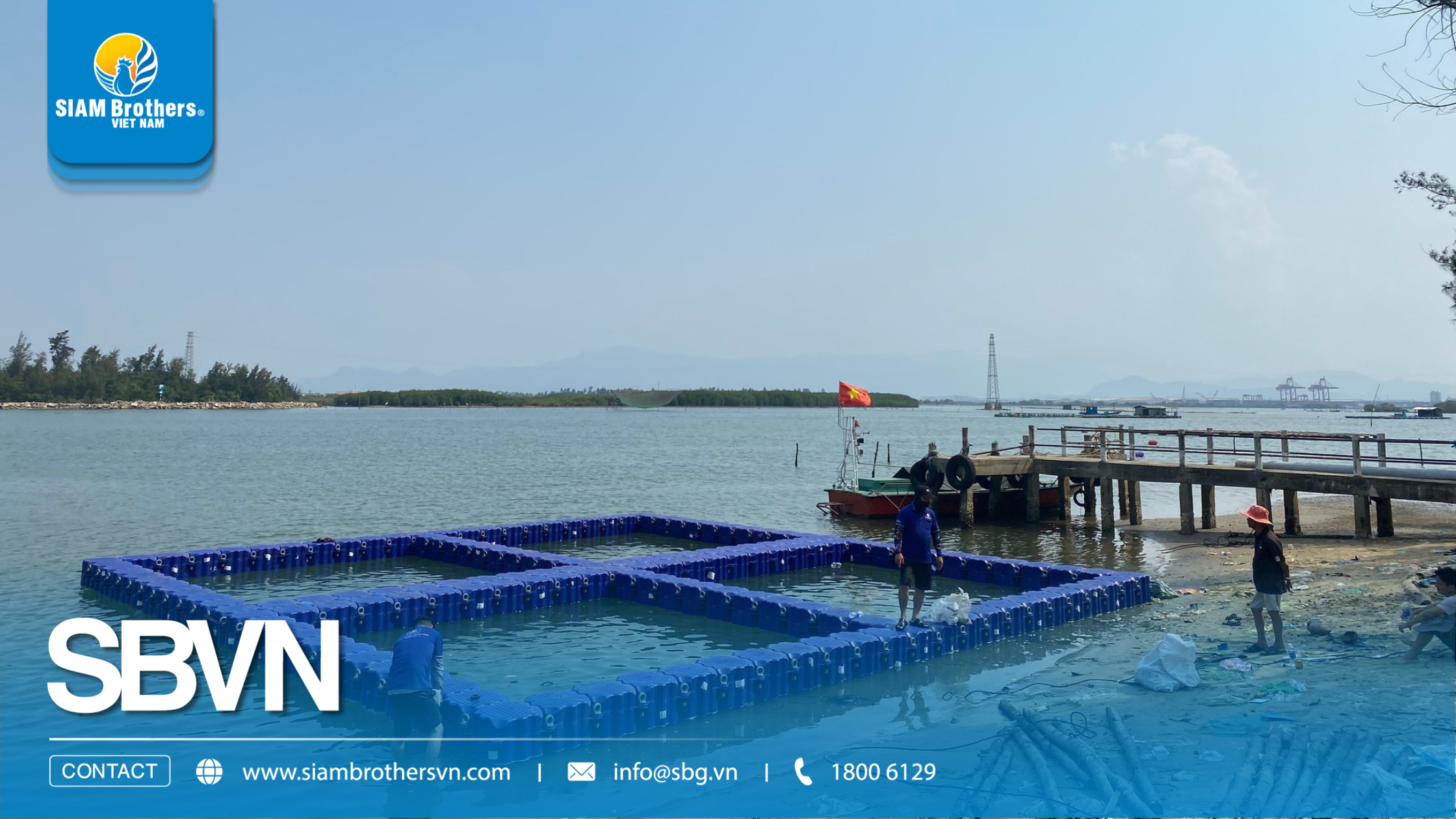
The environment where a Modular Floating Dock is installed has a direct impact on its long-term performance.

Key environmental factors include:
  • UV exposure.
  • Wave action and water currents.
  • Water salinity.
  • Seasonal winds and storms.
  • Fluctuating water levels.

Bè nổi lắp ráp HDPE có bền không? Tuổi thọ thực tế và các yếu tố ảnh hưởng

3. HDPE Modular Floating Dock vs. Traditional Floating Platforms: Which One Is the Better Choice?

 
Choosing the right floating structure is about more than the initial investment. You should also consider its lifespan, maintenance requirements, adaptability, and long-term operating costs. The comparison below highlights the key differences between an HDPE Modular Floating Dock and traditional floating platforms made from timber or steel.
 
Criteria HDPE Modular Floating Dock Traditional Floating Platform (Wood/Steel)
Service Life  15–25 years or more 3–15 years, depending on the material
Corrosion Resistance  Excellent Susceptible to rot or rust
UV Resistance Excellent  Limited
Maintenance Cost Low Relatively high
Expandability Easy to expand or reconfigure Difficult to modify
Structural Weight Lightweight Heavy
Installation Time Fast Longer installation period
Reusability High Limited
 
 When Should You Choose an HDPE Modular Floating Dock?
 
An HDPE Modular Floating Dock is the ideal solution if your project requires:
  • A long-lasting floating structure with a long service life.
  • Reliable performance in seawater or brackish water environments.
  • A modular system that can be expanded as your operation grows.
  • Stable support for commercial, industrial, tourism, or aquaculture activities.
  • Lower long-term maintenance and operating costs.
For these reasons, HDPE Modular Floating Docks have become the preferred choice for offshore aquaculture projects, marinas, waterfront developments, and eco-tourism destinations.

4. Real-World HDPE Modular Floating Dock Projects

The durability of an HDPE Modular Floating Dock is best demonstrated through real-world applications. At SIAM Brothers Vietnam, our floating dock systems have been successfully deployed across aquaculture, marine transportation, and tourism infrastructure projects throughout Vietnam.

4.1. Quang Ninh HDPE Floating Cage Project – 4 Double-Cage Configuration with a 10–15-Year Design Life

Following the successful implementation of the 8-cage floating system, SIAM Brothers Vietnam developed a 4 double-cage HDPE floating platform for aquaculture operations in Quang Ninh Province.
Project highlights include:
  • Modular construction that allows future expansion.
  • Significantly reduced repair and pontoon replacement costs.
  • Ideal for commercial aquaculture businesses and fisheries cooperatives.
  • Designed to deliver lower total ownership costs over its operational lifespan.
This project demonstrates how investing in a high-quality HDPE Modular Floating Dock can generate greater long-term value despite a higher initial investment.

4.2. Hon Nghe HDPE Floating Cage Project for Aquaculture

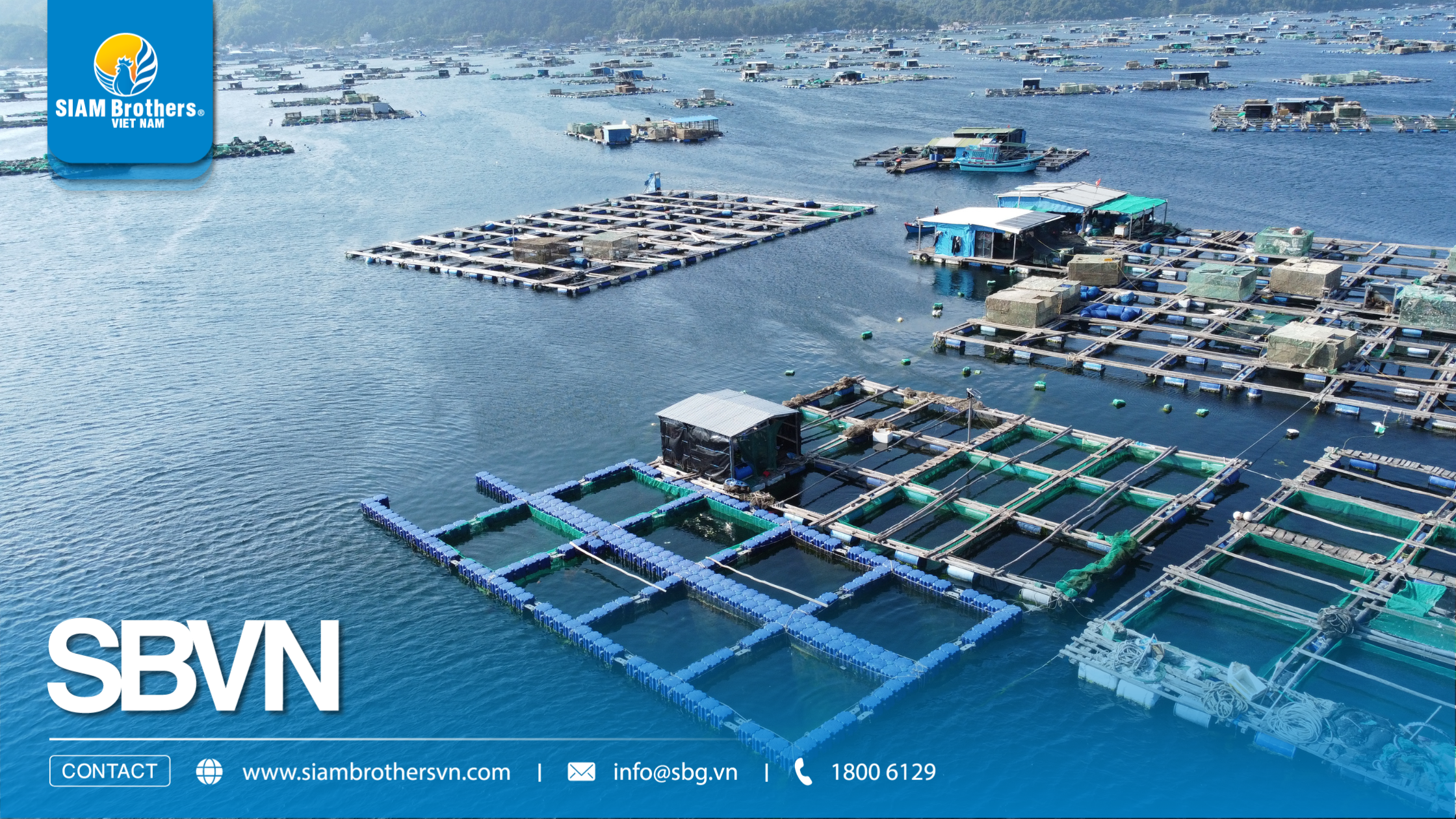
Located in one of Vietnam's more demanding coastal environments, Hon Nghe experiences strong waves, sea winds, and harsh marine conditions throughout the year.
To meet these operational challenges, an HDPE Modular Floating Dock system was selected because it offers:
  • Excellent impact resistance.
  • Stable buoyancy over extended periods of operation.
  • Superior durability compared to traditional floating materials.
  • Reliable performance in offshore and island-based aquaculture.
This project highlights why HDPE has become the preferred material for modern offshore fish farming infrastructure.
Bè nổi lắp ráp HDPE có bền không? Tuổi thọ thực tế và các yếu tố ảnh hưởng

4.3. HDPE Floating Canoe Dock Project in Nha Trang

The applications of a Modular Floating Dock extend far beyond aquaculture. In Nha Trang, SIAM Brothers Vietnam supplied an HDPE floating dock system for a tourist canoe terminal.
The project was designed to:
  • Create a safe and reliable floating boarding platform.
  • Withstand intense sunlight, sea winds, and coastal conditions.
  • Allow future expansion and layout modifications.
  • Maintain structural stability and an attractive appearance over time.
The project continues to support daily tourism operations while minimizing maintenance requirements.

4.4. HDPE Floating Bridge Project at Bai Truong, Phu Quoc

This project showcases how an HDPE Modular Floating Dock can be adapted for tourism infrastructure.
Key project benefits include:
  • Providing a safe connection between the shoreline and passenger boats.
  • Delivering reliable performance in saltwater environments.
  • Reducing long-term maintenance costs for resorts and marina operators.
  • Supporting flexible, sustainable waterfront development.
The Bai Truong project demonstrates that HDPE Modular Floating Dock systems are not only ideal for aquaculture but also an effective solution for modern coastal tourism and marine transportation infrastructure.

5. Frequently Asked Questions (FAQs) About HDPE Modular Floating Docks

If you're planning to invest in a Modular Floating Dock, you probably have a few practical questions before making a decision. Below are some of the most frequently asked questions received by the engineering, R&D, and technical consulting teams at SIAM Brothers Vietnam.

5.1. How Long Does an HDPE Modular Floating Dock Last?

The service life of a Modular Floating Dock depends on several factors, including material quality, environmental conditions, installation quality, and day-to-day operation.

Under proper design, installation, and maintenance conditions:

  • HDPE floating dock systems typically last 15 to 25 years.
  • Well-maintained installations can remain in service even longer.
  • Floating docks installed in freshwater environments generally have a longer lifespan than those exposed to strong waves and harsh coastal conditions.

This long service life is one of the key reasons why businesses choose HDPE Modular Floating Docks for long-term infrastructure investments.

5.2. Is a Modular Floating Dock Suitable for Seawater Applications?

Yes.

HDPE is one of the most reliable materials for marine environments because it offers:

  • Excellent resistance to saltwater corrosion.
  • No rust, unlike steel or other metals.
  • No rotting or decay like traditional timber structures.
  • Outstanding durability in harsh coastal conditions.

Today, HDPE Modular Floating Dock systems are widely used in offshore aquaculture, marinas, ferry terminals, and waterfront tourism projects where long-term durability is essential.

5.3. Which Is More Cost-Effective: An HDPE Modular Floating Dock or a Traditional Wooden Floating Platform?

A traditional wooden floating platform may have a lower upfront purchase cost.

However, when considering the total cost of ownership, an HDPE Modular Floating Dock often provides greater long-term value because it offers:

  • A significantly longer service life.
  • Lower maintenance and repair costs.
  • Reduced need for pontoon replacement.
  • More reliable long-term performance.

For aquaculture facilities, tourism projects, marinas, and commercial floating infrastructure, HDPE is generally the more economical investment over its entire lifecycle.

5.4. Can a Modular Floating Dock Be Expanded in the Future?

Absolutely.

One of the biggest advantages of a Modular Floating Dock is its flexible modular design.

As your project grows, you can easily:

  • Expand the deck area.
  • Add new aquaculture cages or operational zones.
  • Extend docking areas for boats and vessels.
  • Reconfigure the platform without dismantling the existing system.

This flexibility makes expansion faster, more cost-effective, and less disruptive to ongoing operations.

5.5. Can SIAM Brothers Vietnam Provide Customized Modular Floating Dock Solutions?

Yes.

The engineering and R&D teams at SIAM Brothers Vietnam work closely with customers to develop floating dock solutions tailored to each project's unique requirements.

Our services include:
  • Assessing project requirements and site conditions.
  • Recommending the most suitable floating dock solution for specific environments.
  • Designing structural layouts and calculating load capacity.
  • Providing technical support for aquaculture farms, marinas, waterfront tourism projects, and other specialized floating structures.

Bè nổi lắp ráp HDPE có bền không? Tuổi thọ thực tế và các yếu tố ảnh hưởng

By taking a project-specific approach, we help customers achieve optimal performance, long-term durability, and greater return on investment.

An HDPE Modular Floating Dock has become the preferred choice for businesses, project developers, and aquaculture operators thanks to its outstanding corrosion resistance, high load-bearing capacity, and long service life in both freshwater and marine environments. However, long-term durability depends not only on the quality of the HDPE material but also on proper engineering design, manufacturing standards, installation methods, environmental conditions, and routine maintenance.

Whether you're developing an aquaculture farm, marina, floating bridge, or waterfront tourism project, investing in a well-designed Modular Floating Dock can significantly reduce maintenance costs while delivering reliable performance for years to come.

If you're looking for a high-quality Modular Floating Dock tailored to your project's specific requirements, contact SIAM Brothers Vietnam today. Our experienced engineering team is ready to provide expert consultation and recommend the most effective floating dock solution for your application.

Source: SIAM Brothers Vietnam


Contact us:

► Address: 5th floor, VRG Building, 177 Hai Ba Trung Street., Xuan Hoa Ward, Ho Chi Minh City, Vietnam

► Hotline: 1800 6129

► Tel: (+84) 28 38 912 889

► Email: info@sbg.vn

Follow us for more details at: Facebook - Zalo OA - Tiktok - Youtube - LinkedIn

Download SBVN ID app here:

CHPlay

Appstore

Bè nổi lắp ráp HDPE có bền không? Tuổi thọ thực tế và các yếu tố ảnh hưởng