
- 1800 6129

A Fish Cage System can only operate safely, efficiently, and cost-effectively when every structural component is properly designed—including the number of HDPE floats. While many people focus on the cage frame itself, accurately calculating the required buoyancy is just as important. Using too few floats can compromise stability and structural integrity, while installing too many increases unnecessary material and installation costs.
In this guide, SIAM Brothers Vietnam explains how to calculate the right number of HDPE floats for a Fish Cage System based on actual load requirements, cage dimensions, and operating conditions. You'll also discover practical insights from our engineering, R&D, and manufacturing teams to help aquaculture businesses, cooperatives, and fish farmers select the most reliable and cost-effective floating solution for projects of any scale.
An HDPE float does much more than keep a fish cage afloat. It plays a vital role in supporting the entire structure, maintaining balance, and ensuring long-term operational safety. Incorrect buoyancy calculations can lead to uneven load distribution, structural stress, higher maintenance costs, and reduced service life.
Based on SIAM Brothers Vietnam's engineering experience, calculating the correct number of floats during the design stage is one of the most effective ways to improve the reliability and performance of a Fish Cage System.
Every Fish Cage System supports multiple structural and operational components, including:
If the number of HDPE floats is insufficient:
By selecting the correct number of HDPE floats based on the actual load capacity, the Fish Cage System can maintain stable buoyancy throughout the farming cycle.
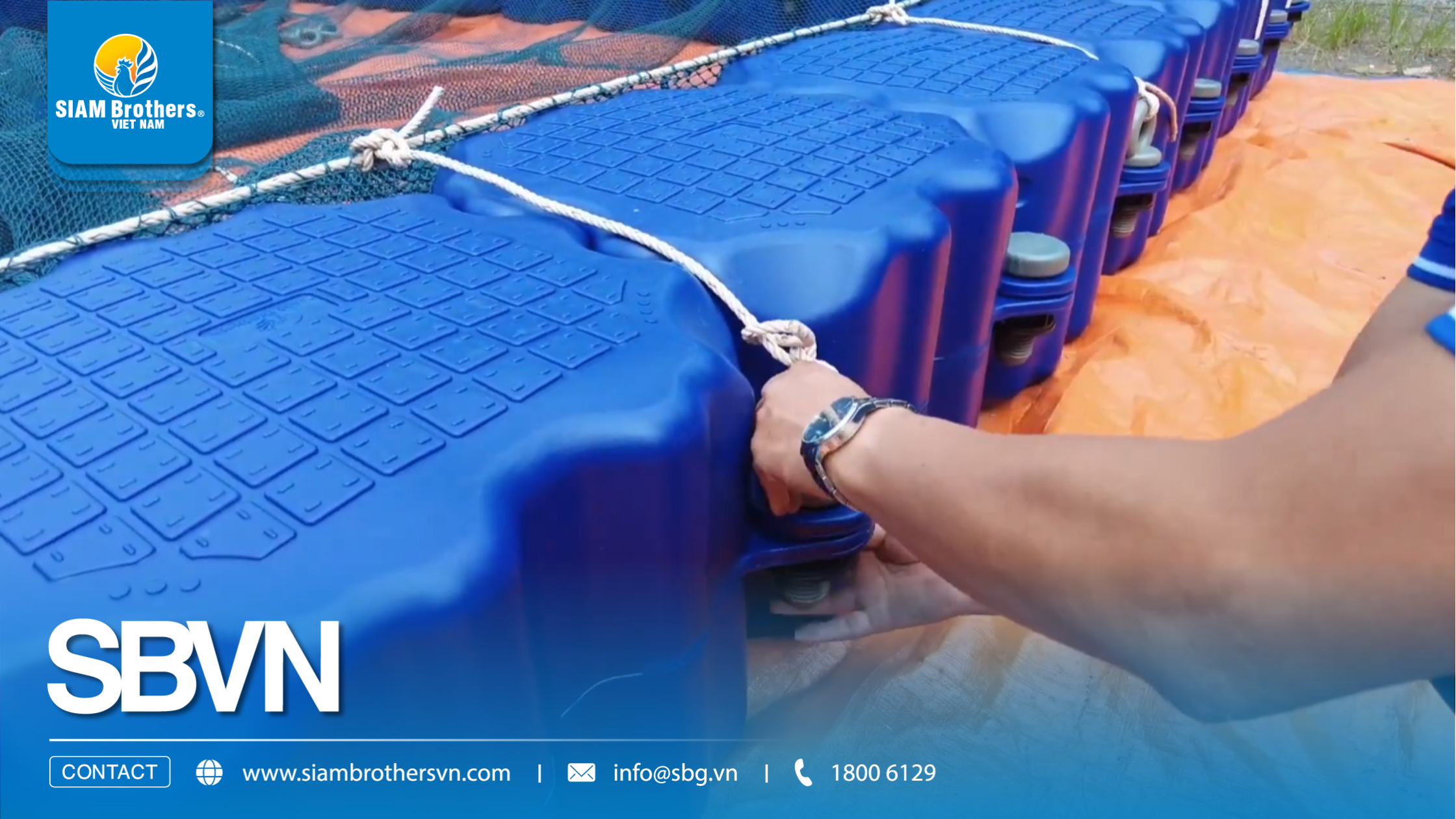
Marine aquaculture areas such as Khanh Hoa, Phu Yen, Kien Giang, and Ba Ria–Vung Tau are often exposed to rapidly changing weather and sea conditions.
A properly designed Fish Cage System with sufficient buoyancy helps:
Installing more HDPE floats than necessary does not always improve safety. Instead, it can result in:
Accurate buoyancy calculations allow operators to:
When loads are evenly distributed across the floating structure:
For example, large offshore fish cages that lack sufficient buoyancy often develop sagging walkways after extended operation. Besides making daily farm management more difficult, this also increases long-term maintenance expenses.
Before selecting HDPE float sizes or designing the mooring system, accurately determining the required buoyancy is an essential first step.
Proper calculations provide the foundation for:
At SIAM Brothers Vietnam, our engineering, R&D, and production teams recommend evaluating load capacity, environmental conditions, and future expansion plans before finalizing the buoyancy design. This approach helps create safer, more reliable, and more cost-effective Fish Cage Systems for modern aquaculture operations.
Calculating the required number of HDPE floats for a Fish Cage System starts with understanding the key design and operational factors that affect buoyancy. Every aquaculture project has unique requirements, so there is no universal formula that fits every installation. Evaluating these factors early helps ensure structural stability, operational safety, and long-term cost efficiency.
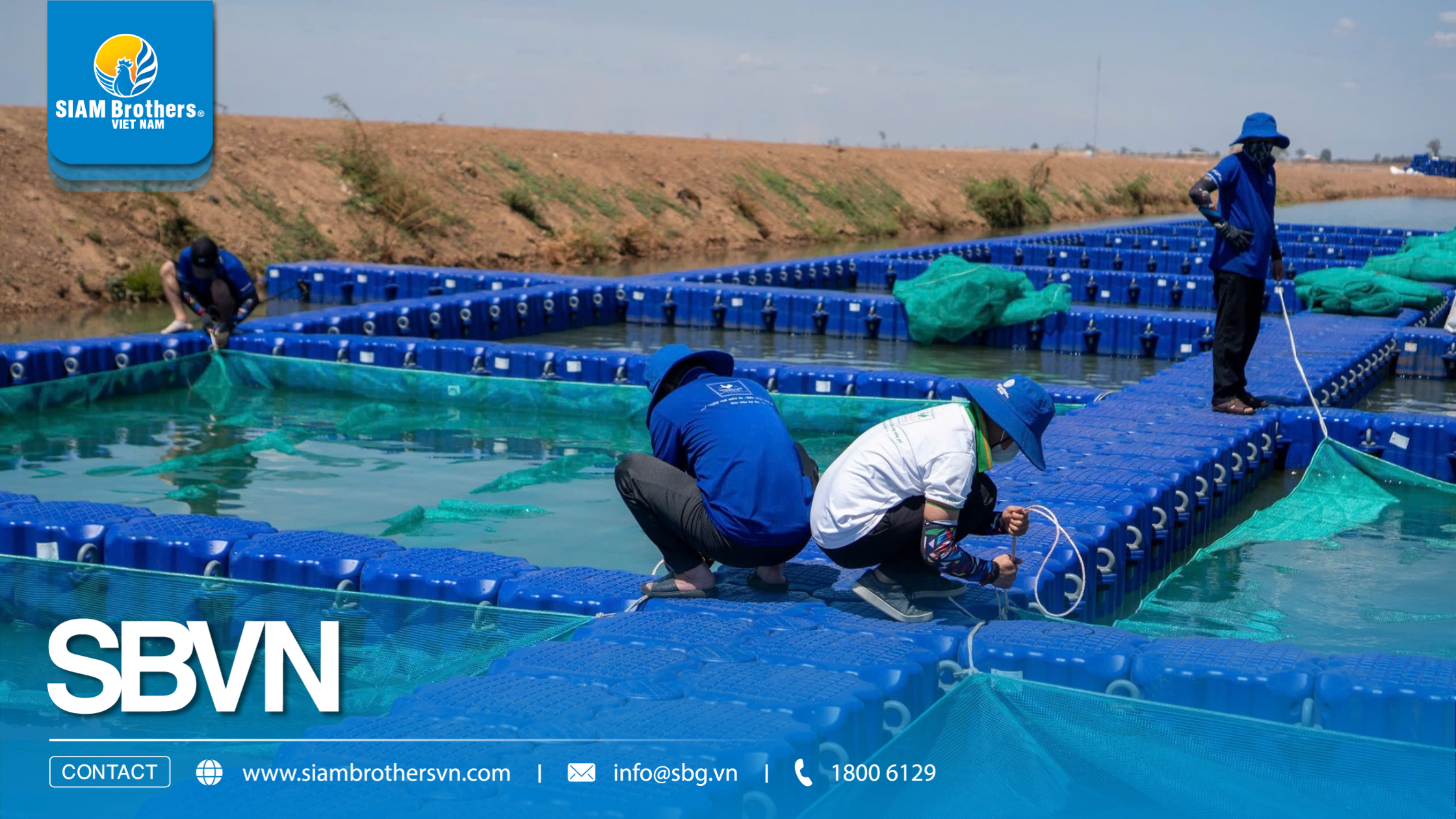
The size and structural configuration of a Fish Cage System have a direct impact on its total load capacity. Larger cages require greater buoyancy to support both the structure and operational loads.
Key design parameters include:
For example, a 5 m × 5 m fish cage requires significantly less buoyancy than a 10 m × 10 m cage array or a large-scale offshore aquaculture system.
Total system load is the most important factor when determining the required number of HDPE floats.
The overall load includes much more than the weight of the cage frame. Every structural and operational component must be taken into account, including:
Ignoring even one of these components can lead to inaccurate buoyancy calculations, reducing the stability and safety of the Fish Cage System.
Expected fish biomass is one of the most frequently overlooked factors during system design.
At the beginning of the production cycle, fish contribute very little to the overall load. However, as they grow, the total biomass can increase dramatically, placing much greater demands on the floating structure.
Before calculating the number of HDPE floats, consider:
For example:
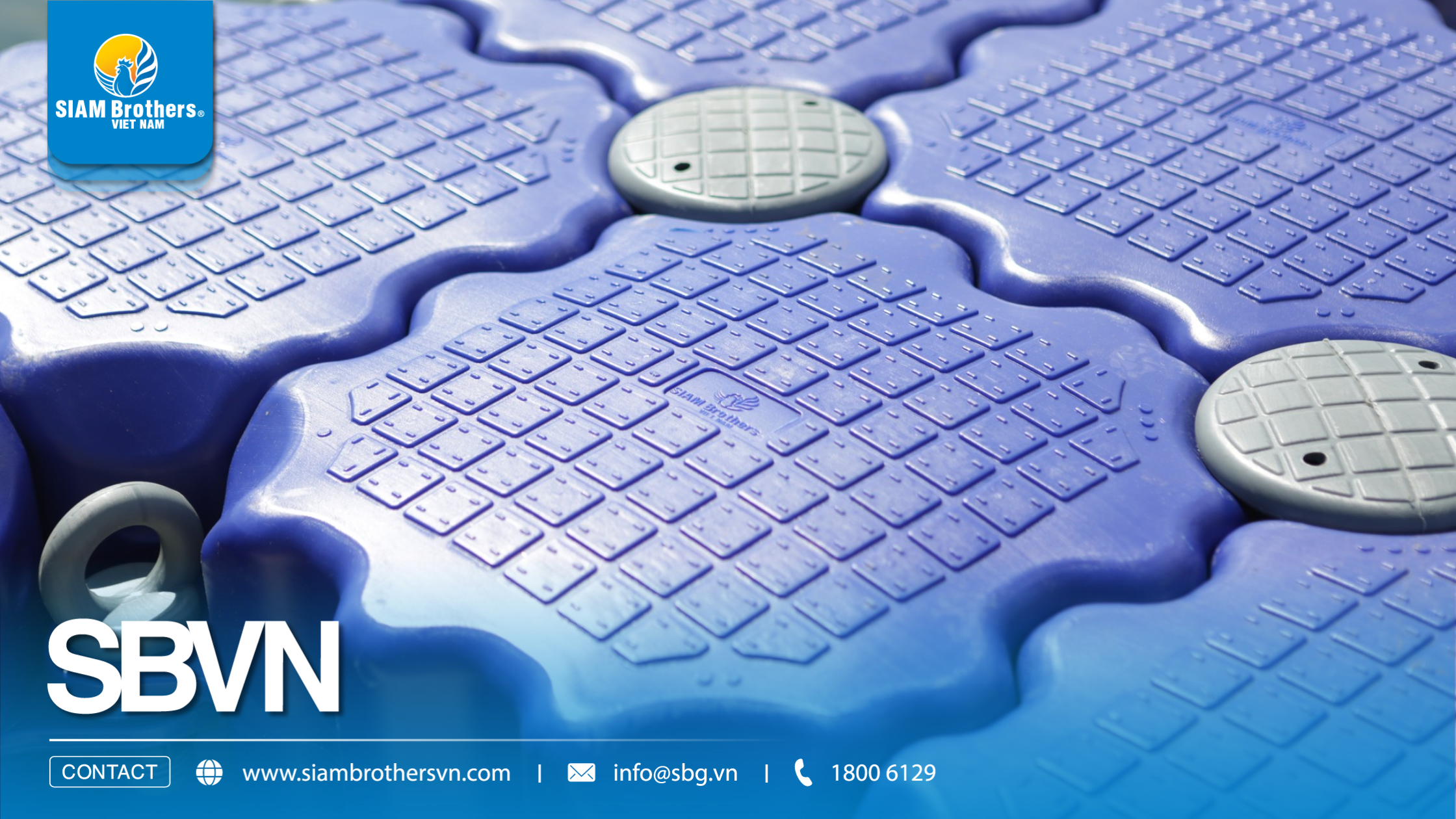
Modern Fish Cage Systems often incorporate additional equipment to improve farming efficiency. While these systems enhance productivity, they also increase the overall structural load.
Typical equipment includes:
For large offshore fish farms, equipment loads can represent a significant portion of the total system weight and should always be included in buoyancy calculations.
Even with identical cage designs, the required number of HDPE floats may vary depending on the installation site.
Environmental factors to evaluate include:
For example:
In addition to actual operating loads, engineers typically apply a safety factor to account for unexpected conditions during the service life of the Fish Cage System.
The safety factor helps to:
Based on the practical experience of SIAM Brothers Vietnam's engineering and R&D teams, classifying a Fish Cage System by its operating scale makes buoyancy calculations more accurate while improving safety, structural reliability, and cost efficiency.
Small-scale systems are commonly used by individual fish farmers in coastal waters, bays, and inland aquaculture areas.
Typical characteristics include:
When calculating the required number of HDPE floats, consider:
Example: A 5 m × 5 m Fish Cage System may require a different number of HDPE floats depending on the frame material, stocking density, and local wave conditions.
As the number of interconnected cages increases, buoyancy calculations become more complex.
These systems typically feature:
Additional loads to consider include:
To maximize structural stability, SIAM Brothers Vietnam recommends calculating buoyancy for the entire Fish Cage System rather than evaluating each cage individually.
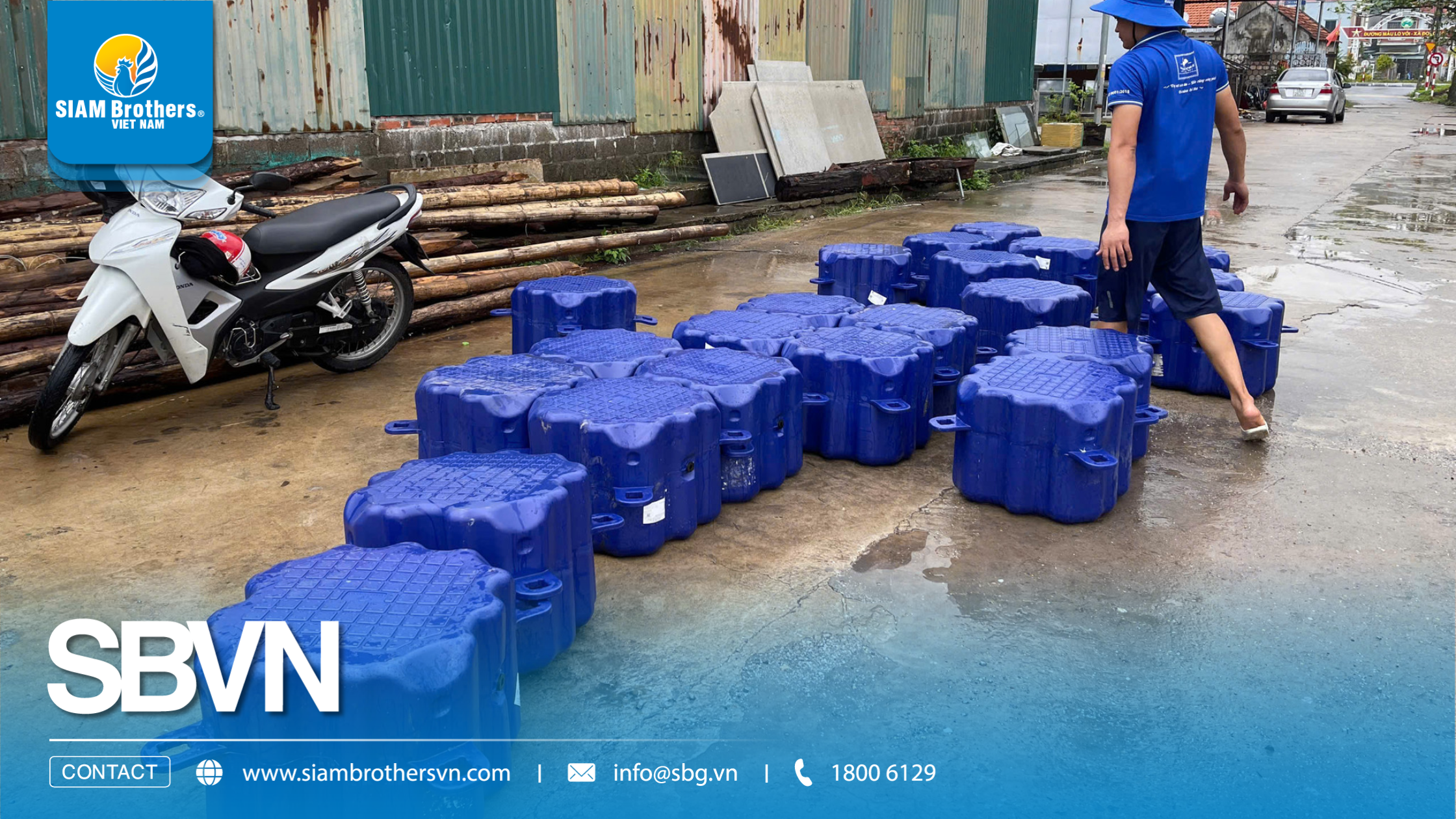
Large-scale commercial aquaculture projects require higher engineering standards to ensure long-term safety and structural durability.
Typical characteristics include:
Key factors for buoyancy calculations include:
Offshore installations present the most demanding operating conditions and therefore require the highest engineering standards.
Typical environmental conditions include:
In addition to normal operating loads, engineers should account for:
Based on experience from offshore aquaculture projects, insufficient reserve buoyancy can shorten the service life of a Fish Cage System while increasing long-term maintenance costs.
Even after completing the initial buoyancy calculations, several real-world factors can influence the final number of HDPE floats required for a Fish Cage System.
Fish biomass has a direct impact on the total operating load.
Key considerations include:
For example:
Failing to account for harvest-stage biomass may result in reduced freeboard and inadequate buoyancy near the end of the production cycle.
Not all HDPE floats provide the same load-bearing capacity.
Available products differ in:
When selecting floats, engineers should verify:
These specifications directly determine the total number of floats required for the project.
Different construction materials generate different structural loads.
Modern Fish Cage Systems commonly use:
For example:
Accurate structural weight calculations should always be completed before selecting HDPE floats.
Environmental conditions are often underestimated, yet they significantly influence buoyancy design.
Important site data include:
For example:
Many project owners calculate only the initial structural load while overlooking equipment added later.
Common additions include:
Although each component may add only a moderate amount of weight, their combined load can significantly affect the overall buoyancy requirements.
Beyond quantity, the quality of HDPE floats plays a critical role in long-term system performance.
When selecting HDPE floats for a Fish Cage System, evaluate:
High-quality HDPE floats maintain consistent buoyancy over many years of operation, reducing the risk of performance degradation and lowering long-term maintenance costs in demanding marine environments.
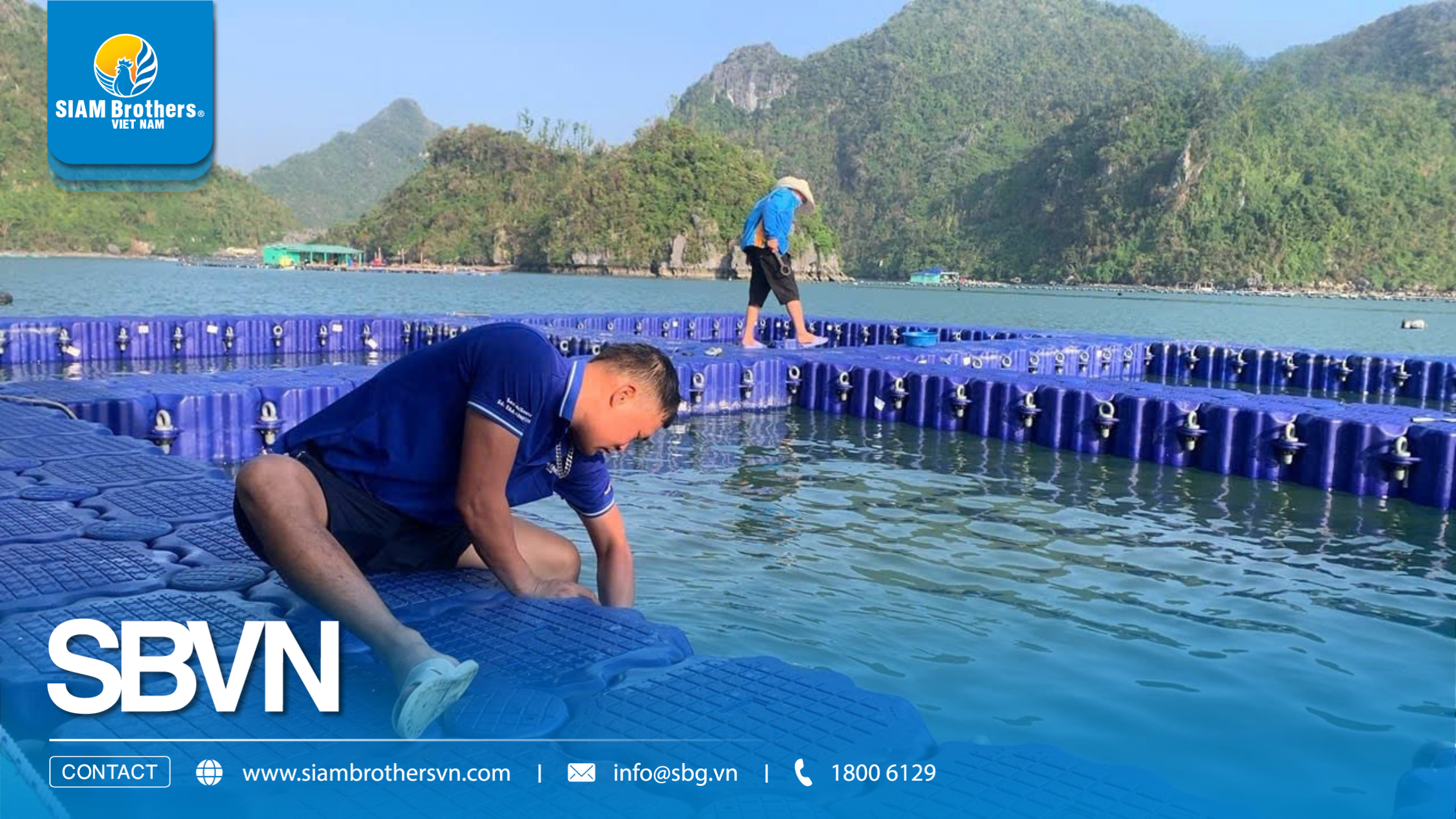
Choosing the right number of HDPE floats is one of the most important steps in designing a safe and efficient Fish Cage System. Below are some of the questions most frequently asked by fish farmers, aquaculture businesses, and project developers.
There is no fixed number that applies to every Fish Cage System.
The required number of HDPE floats depends on several factors, including:
For example, two fish cages with the same dimensions may require different numbers of HDPE floats if they use different frame materials or raise different fish species.
For the most accurate results, buoyancy calculations should always be based on the total operating load, rather than cage size alone.
The buoyancy capacity of an HDPE float is determined by several engineering factors:
When selecting HDPE floats, we recommend that you:
According to the engineering team at SIAM Brothers Vietnam, the working buoyancy should always remain below the float's maximum design capacity to ensure long-term structural safety and reliability.
Yes.
In real-world aquaculture operations, the total load of a Fish Cage System typically increases over time due to:
For this reason, engineers generally recommend:
A well-planned reserve buoyancy helps improve operational stability while reducing future upgrade costs.
Float size should never be selected based solely on external dimensions.
Instead, consider:
A larger float is not always the best choice if its buoyancy exceeds or falls short of the actual system requirements.
The recommended approach is to:
For small-scale aquaculture projects, basic engineering formulas can provide a reasonable preliminary estimate.
However, professional engineering support is strongly recommended for:
The engineering team at SIAM Brothers Vietnam can assist with:
A Fish Cage System can only deliver long-term safety, stability, and economic performance when the correct number of HDPE floats is determined during the design stage. Accurate buoyancy calculations improve structural balance, extend service life, reduce maintenance requirements, and optimize overall investment costs.
If you're planning a new aquaculture project or upgrading an existing floating cage system, SIAM Brothers Vietnam is ready to help. Our experienced engineering and R&D teams provide professional guidance on HDPE float selection, buoyancy calculations, and customized floating solutions designed to maximize safety, performance, and long-term value for your aquaculture operation.
Source: SIAM Brothers Vietnam
Contact us:
► Address: 5th floor, VRG Building, 177 Hai Ba Trung Street., Xuan Hoa Ward, Ho Chi Minh City, Vietnam
► Hotline: 1800 6129
► Tel: (+84) 28 38 912 889
► Email: info@sbg.vn
► Follow us for more details at: Facebook - Zalo OA - Tiktok - Youtube - LinkedIn
Download SBVN ID app here:
► CHPlay
► Appstore









Specializing in Agricultural and Fisheries Products & Multipurpose Wire