
- 1800 6129

A Hydropower Trash Boom is more than just a floating debris barrier. It plays a vital role in protecting water intake structures, reducing maintenance costs, and ensuring the reliable operation of hydropower facilities. Choosing the right Hydropower Trash Boom from the beginning can improve infrastructure durability, minimize risks during the flood season, and maximize long-term investment value. In this article, SIAM Brothers Vietnam shares the key factors that help hydropower developers, project owners, and plant operators select the most suitable trash boom solution based on the size and operating conditions of different reservoirs.
Every hydropower reservoir has its own operating conditions. Reservoir size, water flow, seasonal debris volume, and local weather all influence how a trash boom system performs. Selecting the right Hydropower Trash Boom is not simply about installing a floating barrier—it is about ensuring long-term reliability, protecting critical infrastructure, and lowering operating costs throughout the system's service life.
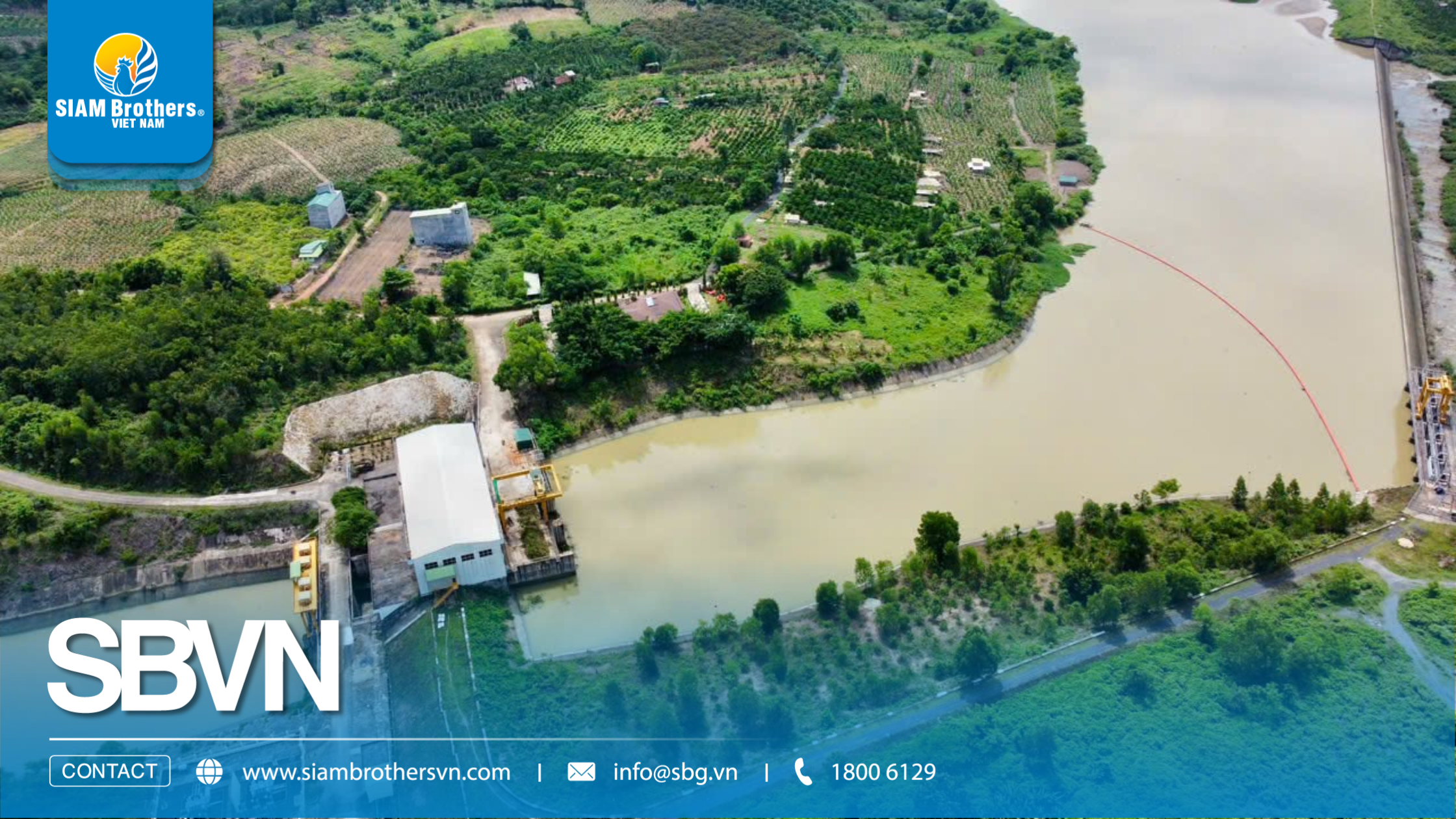
Floating debris accumulating around water intake structures is one of the most common challenges faced by hydropower plants. If not controlled early, branches, logs, aquatic vegetation, and other floating materials can obstruct water flow and disrupt plant operations.
A properly designed Hydropower Trash Boom helps:
For example, reservoirs in Vietnam's Central Highlands often experience a sharp increase in floating wood and organic debris after heavy rainfall. Without a properly engineered trash boom system, water intake structures can become overloaded within a short period.
Selecting the right trash boom during the project planning stage can significantly reduce maintenance expenses throughout the life of the hydropower facility.
Key benefits include:
Based on SIAM Brothers Vietnam's engineering experience, investing in the right solution from the start is often far more cost-effective than replacing or upgrading an underperforming system after only a few years of operation.
During periods of heavy rainfall or reservoir discharge, floating debris can increase dramatically. Under these conditions, a poorly designed trash boom system may struggle to perform effectively.
Choosing an unsuitable structure or material may lead to:
In contrast, a Hydropower Trash Boom engineered according to reservoir size and hydraulic conditions can:
This is particularly important for reservoirs located in regions with significant seasonal rainfall and fluctuating water levels, where system reliability is essential for uninterrupted plant operation.
Not every reservoir requires the same trash boom configuration. Selecting a system based on actual site conditions helps balance investment costs with long-term operational performance.
Before choosing a Hydropower Trash Boom, project owners should evaluate:
A well-designed solution not only improves debris management but also reduces lifecycle costs by minimizing maintenance requirements and extending system durability.
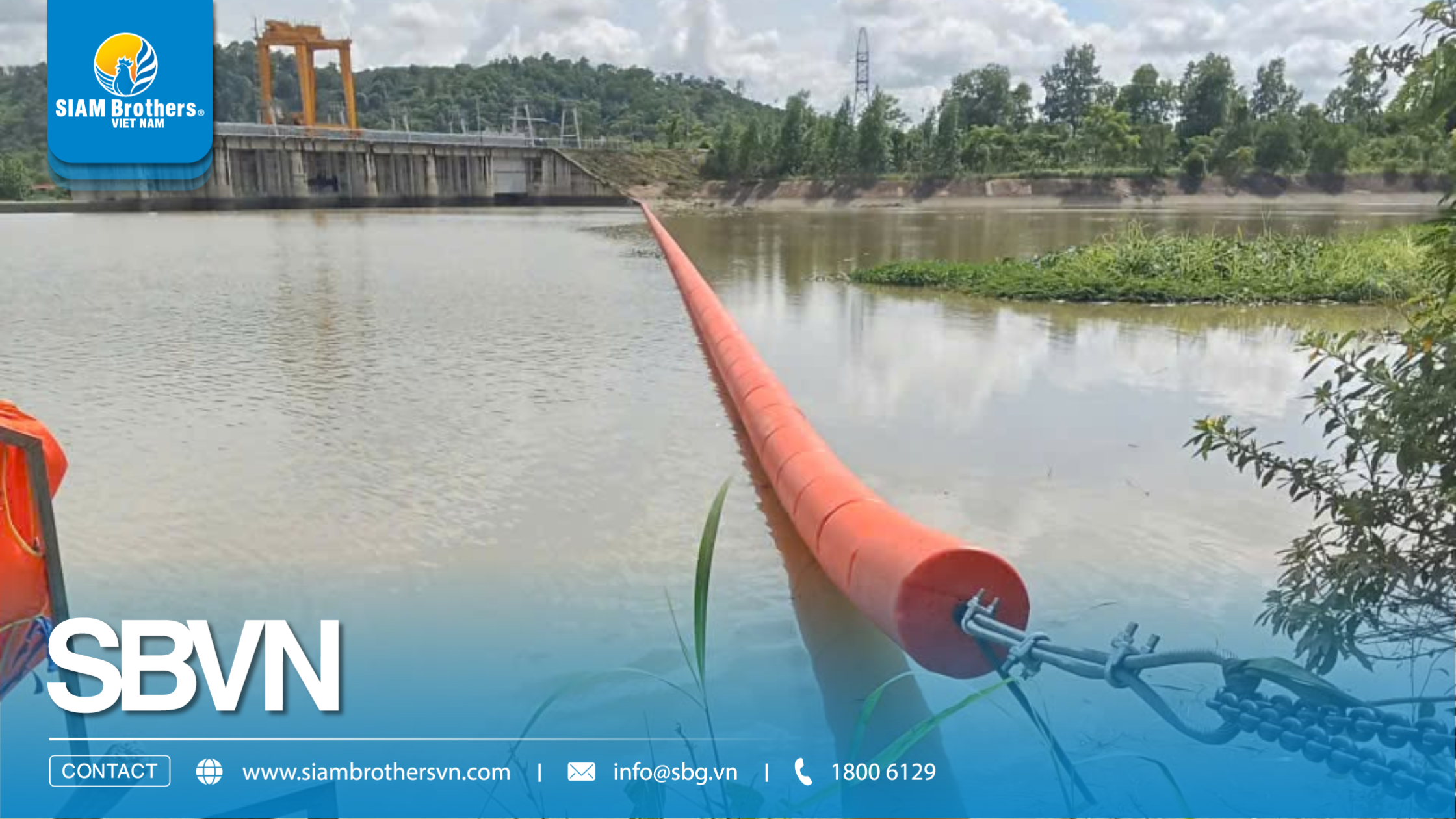
Selecting the right Hydropower Trash Boom starts with understanding the actual conditions of the reservoir. Every hydropower project has unique operational requirements, and choosing a one-size-fits-all solution can reduce debris control efficiency and increase long-term maintenance costs.
Before making an investment decision, project owners should evaluate the following key factors.
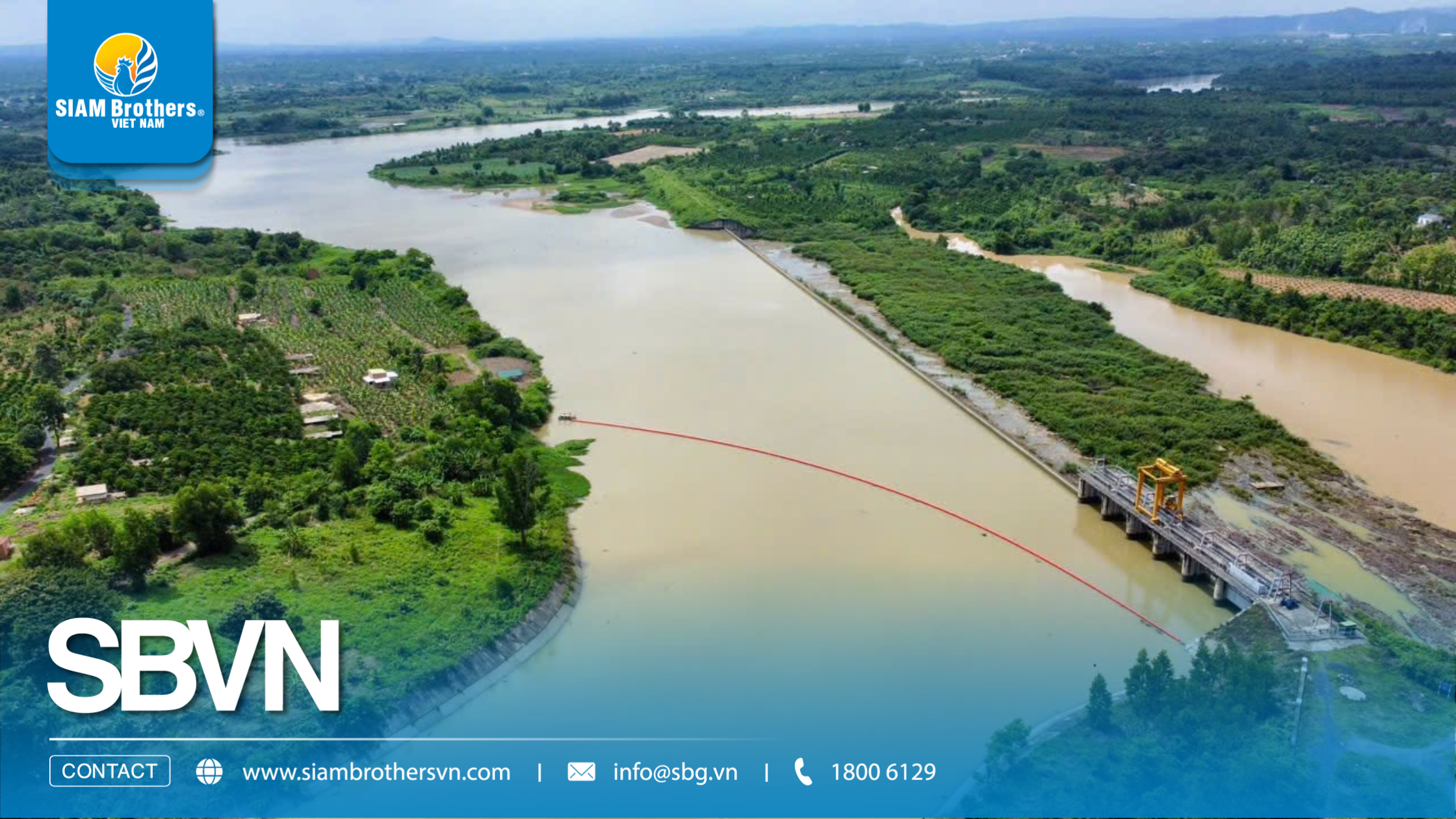
Reservoir size is one of the first factors to consider because it directly affects the required length, layout, and structural design of the Hydropower Trash Boom system.
Small reservoirs generally require a simpler debris control system due to their limited coverage area and relatively stable operating conditions.
Typical characteristics include:
For many small hydropower plants, selecting an appropriately sized system can deliver reliable performance without unnecessary investment.
Larger reservoirs require more robust and carefully engineered trash boom systems to ensure stable performance under changing operating conditions.
Important considerations include:
For example, a hydropower reservoir with a debris collection zone extending several hundred meters requires a significantly different engineering approach than a smaller reservoir with a much narrower interception area.
Hydraulic conditions have a direct impact on the stability and performance of a Hydropower Trash Boom.
When evaluating water flow, engineers should assess:
If a trash boom is designed for light-duty conditions but installed in a high-flow environment, it may shift from its intended position or experience loads beyond its design capacity.
This is why hydraulic load calculations are an essential part of the engineering process before selecting the appropriate trash boom system for any hydropower project.
The effectiveness of a trash boom depends not only on the amount of floating debris but also on its size, weight, and composition.
Common types of debris found in hydropower reservoirs include:
Reservoirs with frequent heavy debris loads require systems that provide:
Underestimating debris conditions can significantly reduce the performance of a Hydropower Trash Boom, particularly during peak rainy seasons.
Many debris control systems perform well during dry weather but face greater challenges once the rainy season begins.
Before selecting a solution, project owners should evaluate:
These factors are especially important for hydropower reservoirs located in regions with distinct wet and dry seasons, where debris loads can increase dramatically within a short period.
A system designed with these conditions in mind will deliver greater reliability and lower maintenance requirements throughout its service life.
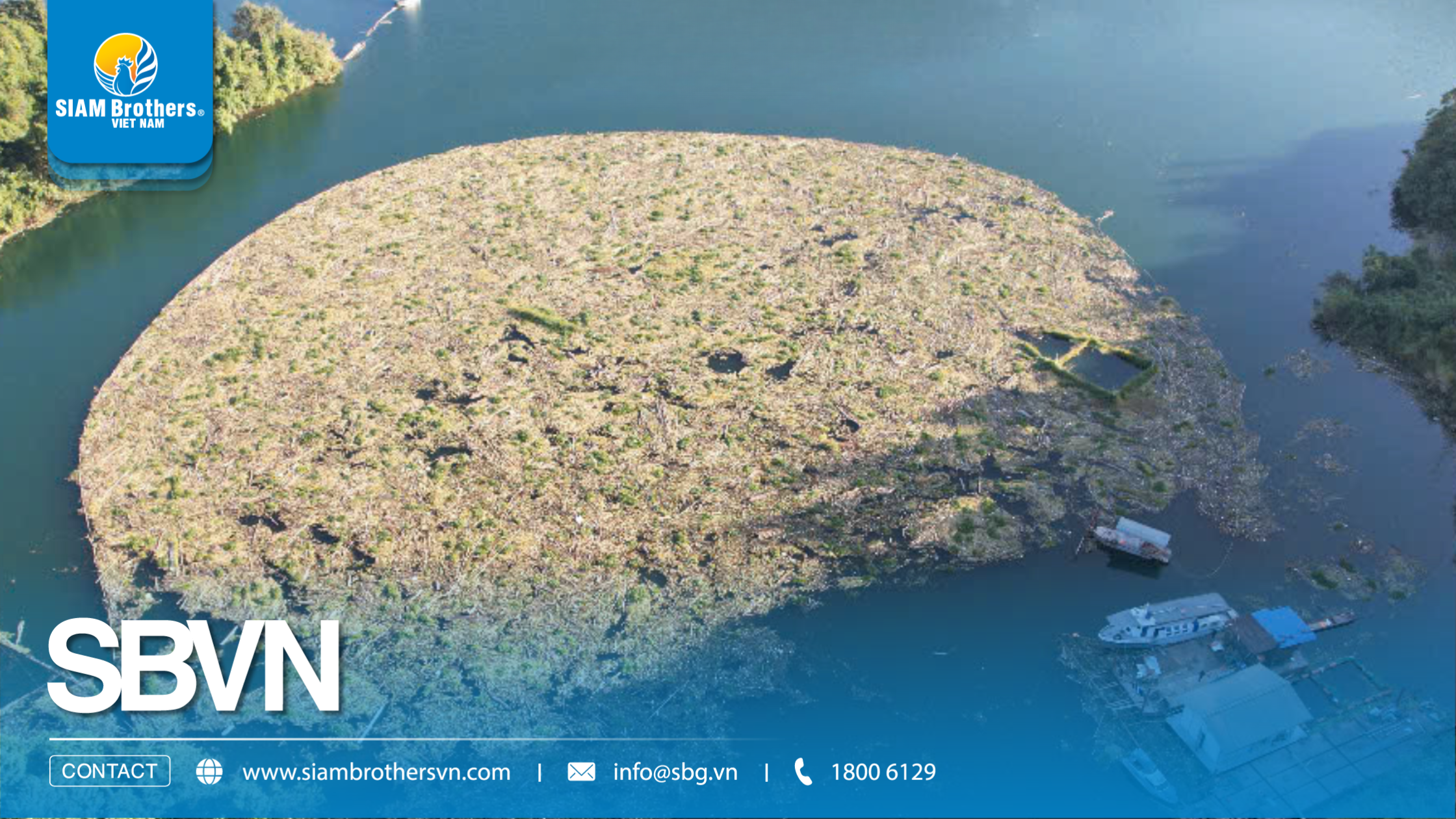
Every reservoir presents unique geographical and environmental conditions that influence system design.
A detailed site survey should evaluate:
For example, reservoirs with rocky bottoms or significant seasonal water level fluctuations require different mooring solutions than sites with stable terrain and consistent water levels.
Proper site assessment helps ensure that the Hydropower Trash Boom remains secure and performs efficiently under real operating conditions.
In addition to technical considerations, project owners should also evaluate long-term operational goals and financial planning.
Before selecting a Hydropower Trash Boom, it is helpful to answer the following questions:
What level of debris control is required?
| Criteria | Small Reservoir | Medium Reservoir | Large Reservoir / Hydropower Plant |
| System Length | Short | Medium | Long |
| Floating Debris Volume | Low | Moderate | High |
| Required Design Load | Basic | Medium | Heavy-duty |
| Mooring Requirements | Simple Reinforced | Engineered | Heavy-duty System |
| Flood Resistance | Moderate | High | Very High |
| Expandability | Optional | Recommended | Essential |
| Expected Service Life | Medium | Long | Very Long |
Selecting the right Hydropower Trash Boom is about more than comparing product specifications or upfront costs. A well-designed system should deliver reliable performance throughout its service life while minimizing maintenance and operational expenses.
Based on SIAM Brothers Vietnam's engineering experience, the following are some of the most common mistakes project owners should avoid.
This is one of the most frequent mistakes.
Many project owners choose the lowest-cost solution without considering the total cost of ownership over the system's lifetime.
Potential consequences include:
In practice, a Hydropower Trash Boom with a reasonable upfront investment, long service life, and low maintenance requirements often provides greater economic value over the long term.
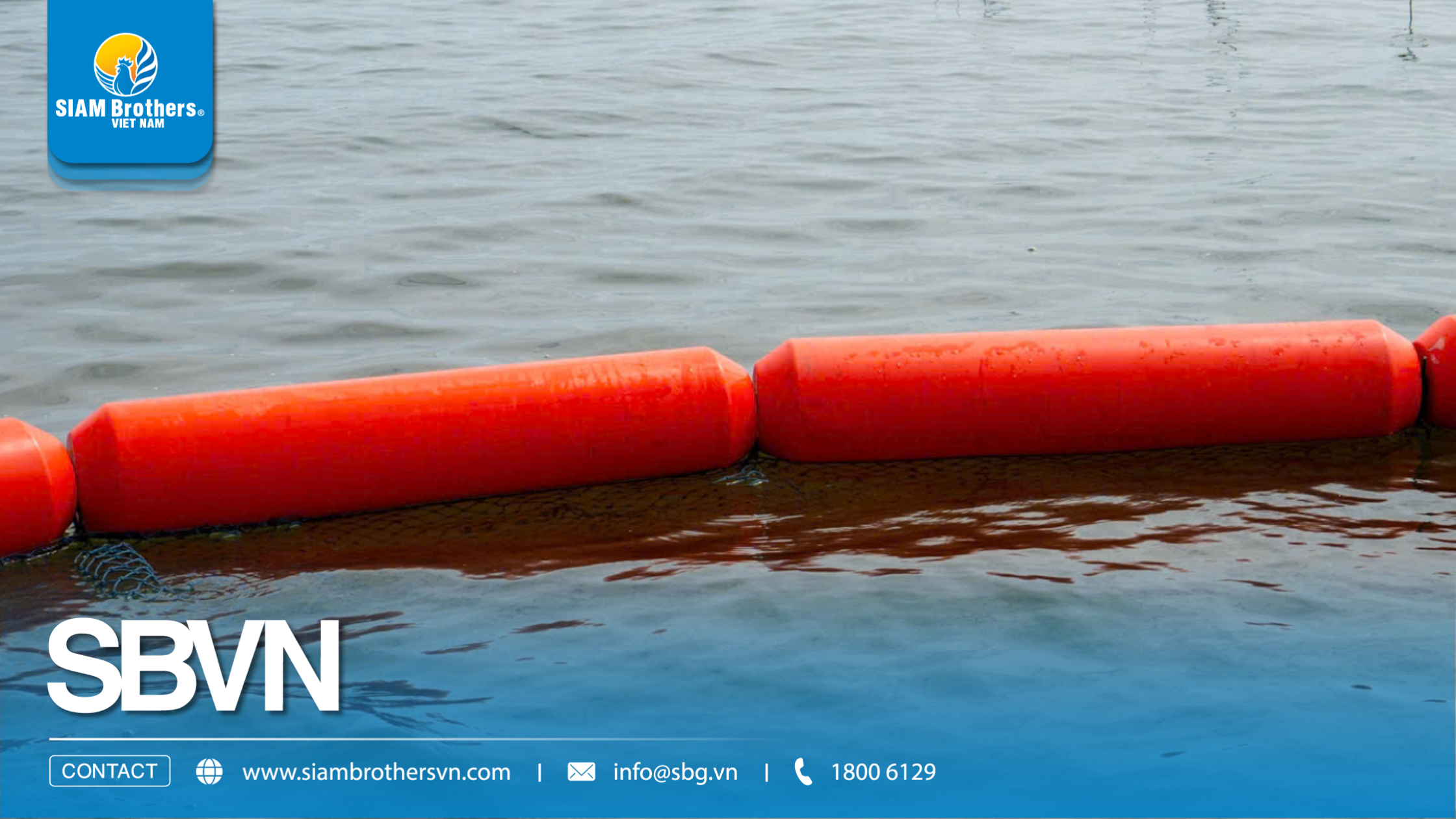
Every reservoir operates under different conditions.
However, some projects apply the same system design to reservoirs with completely different dimensions and operating requirements.
This may result in:
For example, a hydropower reservoir spanning several hundred meters requires a completely different engineering solution than a small water regulation reservoir.
That is why a comprehensive site survey should always be completed before selecting a Hydropower Trash Boom.
Some debris control systems perform well during the dry season but encounter serious issues once heavy rainfall begins.
Common challenges include:
During flood events, the loads acting on a trash boom system can be several times higher than under normal operating conditions.
If these extreme scenarios are not considered during the design stage, the risk of structural damage increases significantly.
Many project owners focus primarily on the floating boom itself while overlooking the importance of the mooring system.
In reality, the mooring system is one of the most critical components affecting overall stability.
An improperly designed mooring system can lead to:
A proper mooring design should take into account:
Some projects are designed only to meet current operational needs without considering future expansion.
This can result in:
Large reservoirs and hydropower plants require a system that offers:
In many modern projects, LLDPE Hydropower Trash Boom systems are preferred because they perform reliably under changing weather conditions and seasonal water level fluctuations.
However, the most suitable solution should always be determined through a detailed site survey and engineering load analysis.
Yes.
When properly engineered, a Hydropower Trash Boom is designed to operate safely during heavy rainfall and flood events.
Key design considerations include:
Maintenance frequency depends on the operating conditions of each project.
In general, project owners should:
Reservoirs that experience heavy seasonal debris loads typically require more frequent inspections to detect potential issues before they become costly repairs.
There is no fixed price suitable for every project.
The overall investment depends on several factors, including:
For this reason, a detailed site assessment should always be completed before preparing a project quotation.
Yes.
Many modern Hydropower Trash Boom systems feature a modular design that allows future expansion.
Advantages include:
This approach is particularly valuable for reservoirs with long-term development plans.
An upgrade should be considered when:
A reliable supplier should demonstrate:
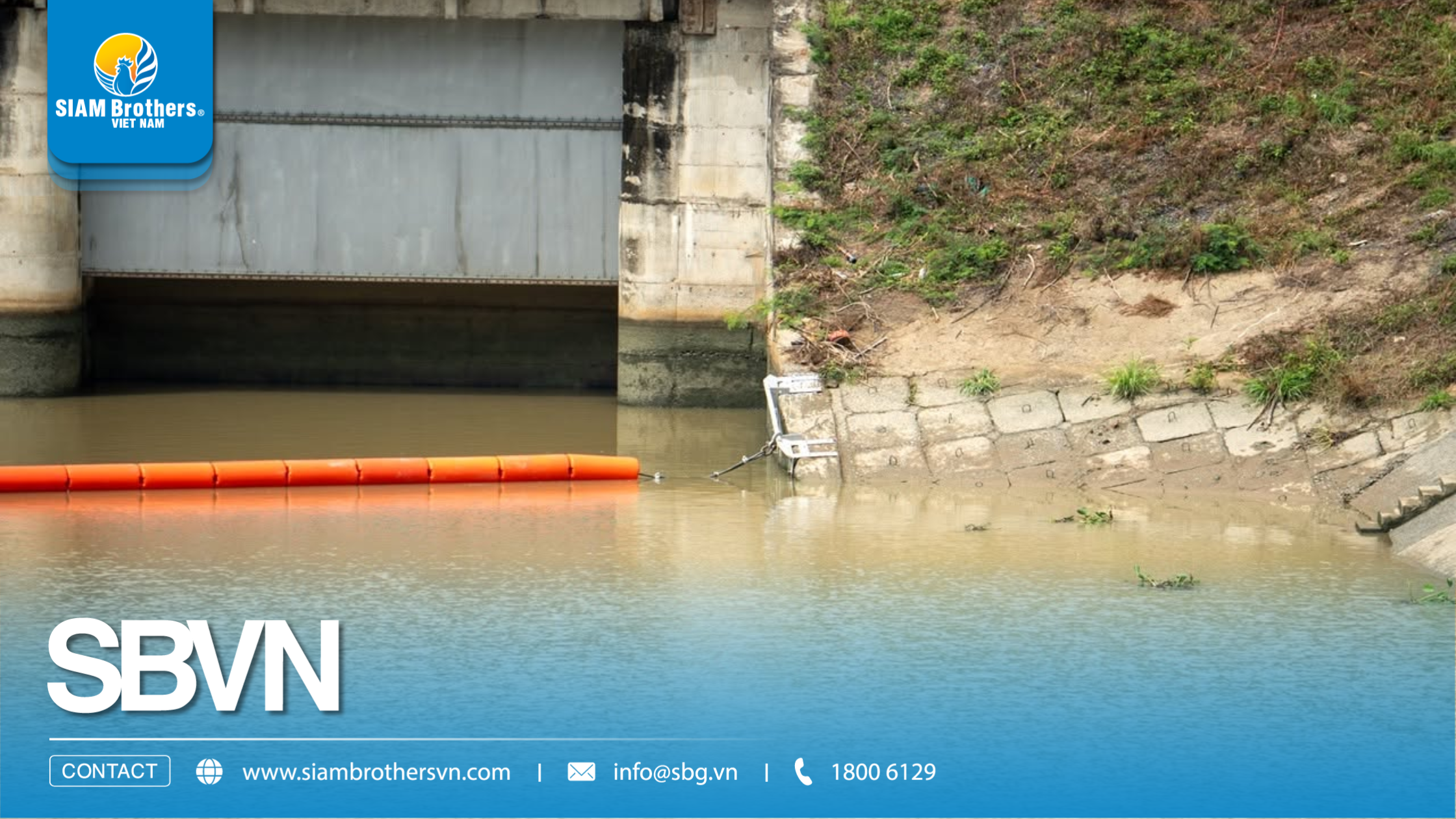
A Hydropower Trash Boom is a critical component for protecting water intake structures, reducing operating costs, and maintaining the long-term efficiency of hydropower reservoirs. Choosing a properly engineered system from the beginning helps minimize operational risks, lower maintenance expenses, and improve performance during heavy rainfall and flood seasons. At SIAM Brothers Vietnam, our engineering team provides customized Hydropower Trash Boom solutions designed to match each reservoir's unique operating conditions. Contact us today to discuss the right debris control solution for your hydropower project and maximize long-term operational performance.
Source: SIAM Brothers Vietnam
Contact us:
► Address: 5th floor, VRG Building, 177 Hai Ba Trung Street., Xuan Hoa Ward, Ho Chi Minh City, Vietnam
► Hotline: 1800 6129
► Tel: (+84) 28 38 912 889
► Email: info@sbg.vn
► Follow us for more details at: Facebook - Zalo OA - Tiktok - Youtube - LinkedIn
Download SBVN ID app here:
► CHPlay
► Appstore









Specializing in Agricultural and Fisheries Products & Multipurpose Wire