
- 1800 6129

HDPE Floating Buoy Price has become a key concern for aquaculture businesses, marine equipment distributors, fishermen, and floating cage owners as offshore investment costs continue to rise. Choosing the wrong material or an unsuitable buoy size can lead to significant maintenance and replacement expenses within a short period.
In this article, SIAM Brothers Vietnam provides the latest HDPE Floating Buoy Price updates based on size, load capacity, and practical applications, including marine fish farming, floating cage systems, floating docks, and industrial aquaculture projects. You will also learn about the main factors that affect pricing, helping you select the most suitable solution while optimizing long-term investment costs.
An HDPE floating buoy is a buoyancy device manufactured from High-Density Polyethylene (HDPE), a durable material specifically designed for outdoor and marine environments.
Typical features include:
Today, many marine aquaculture operators and floating cage owners prefer HDPE buoys over traditional foam buoys because they offer greater durability and lower replacement costs.
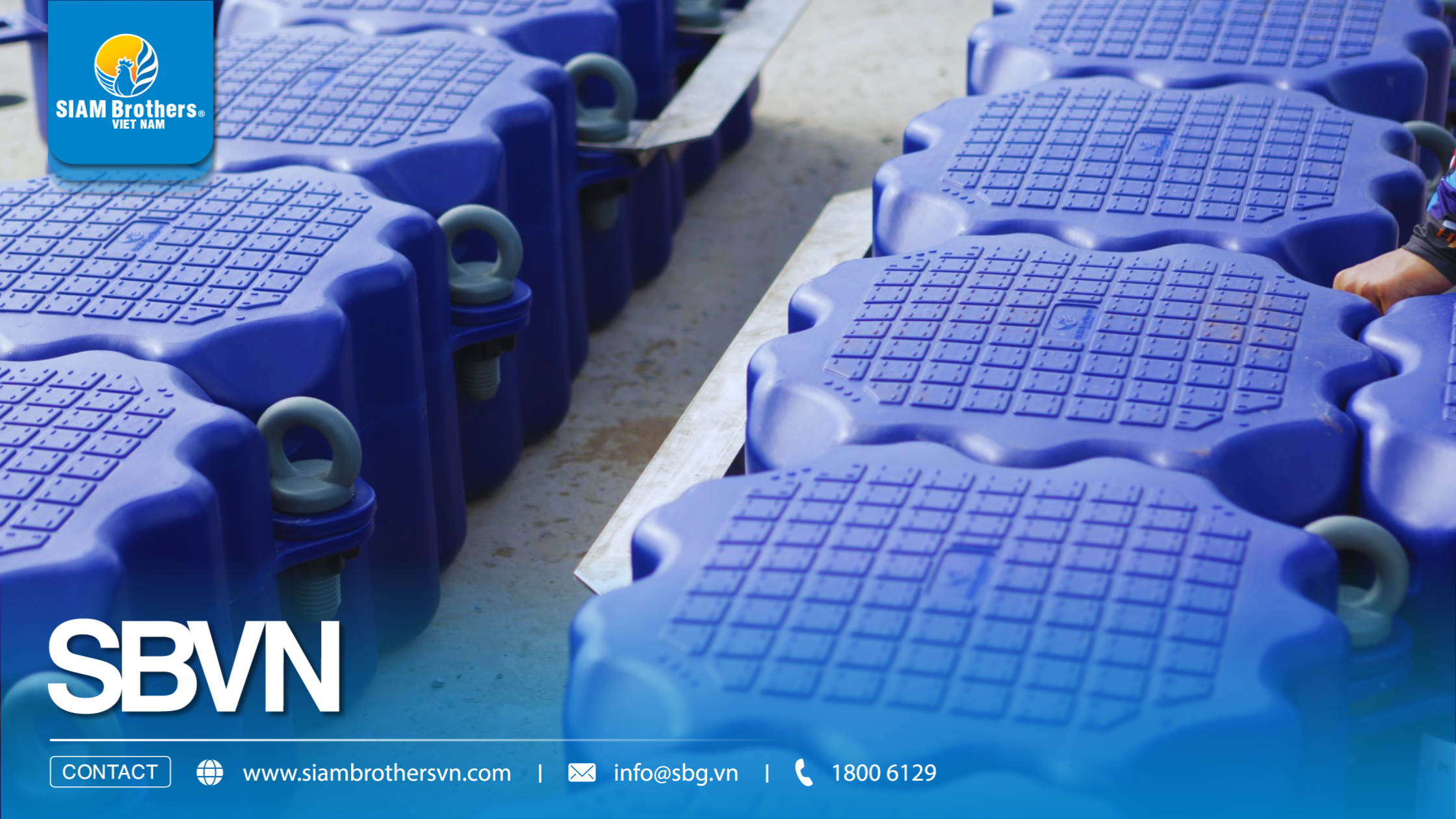
What Are HDPE Floating Buoys Used For?
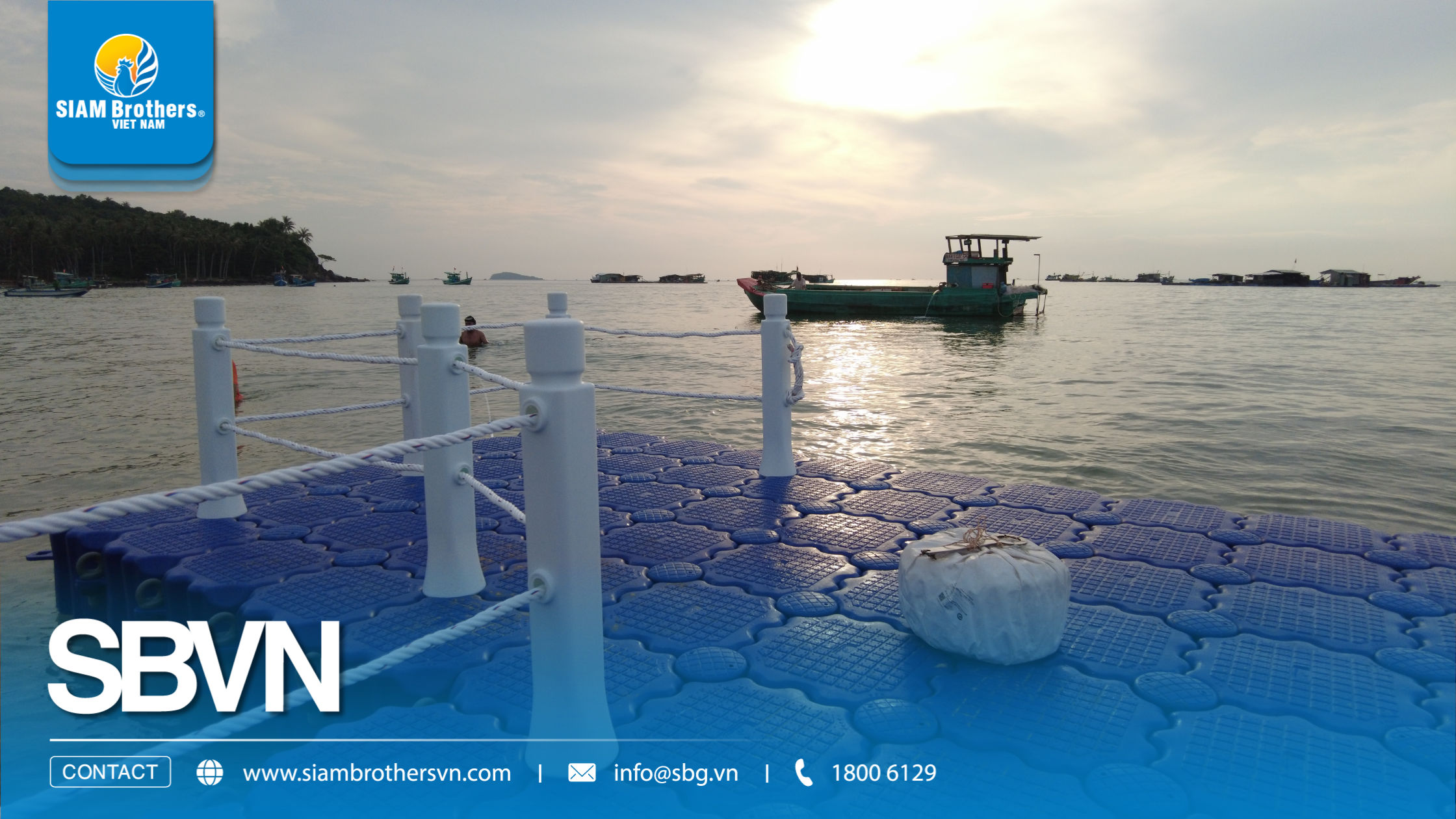
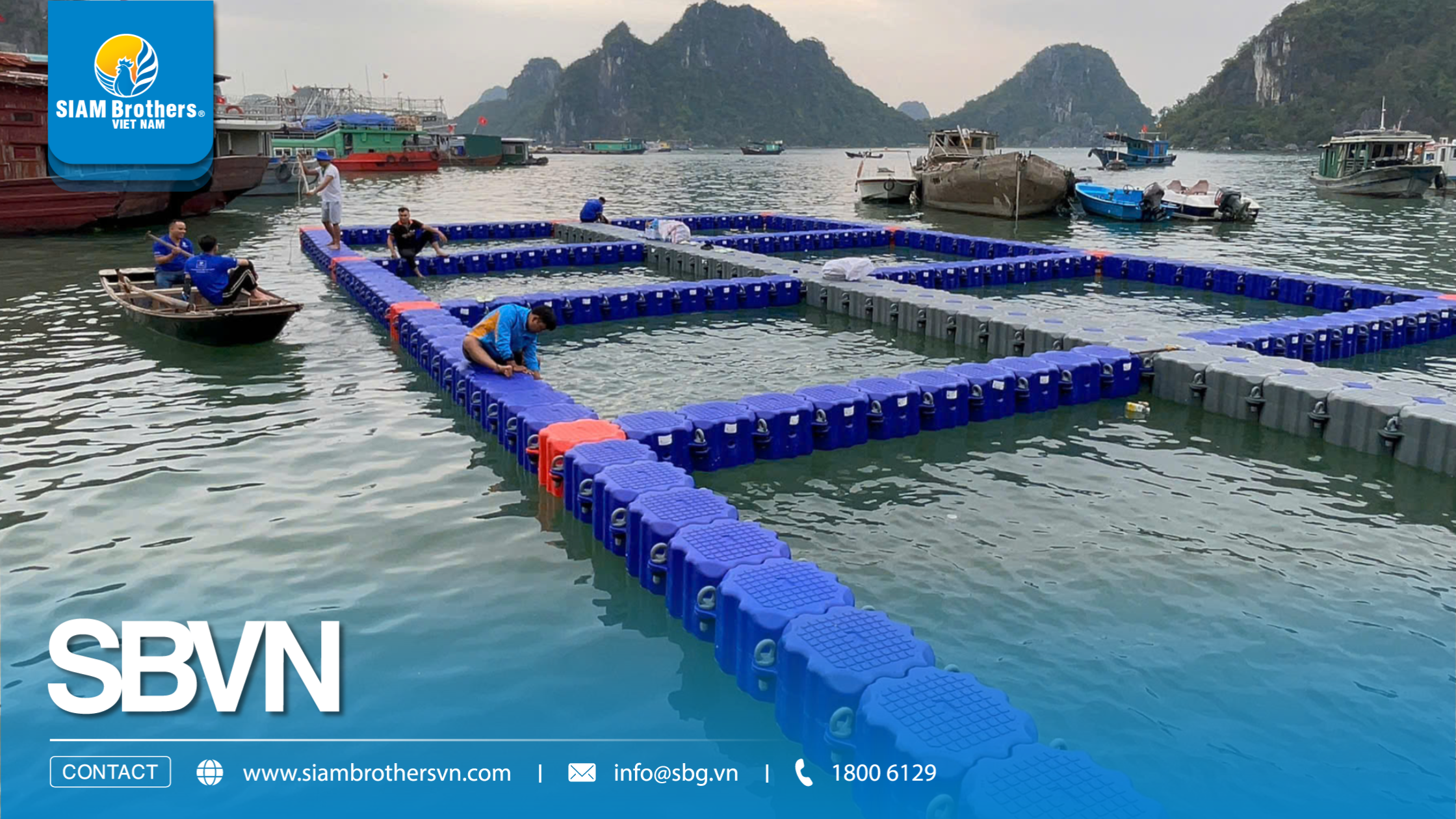
In practice, HDPE floating buoys are used in many industries beyond marine fish farming.
Common applications include:
Size is one of the most important factors affecting HDPE Floating Buoy Price. Larger buoys require more raw materials and generally provide greater buoyancy and load-bearing capacity.
Small HDPE Buoys
Commonly used for:
Key characteristics:
This category is widely used throughout the aquaculture industry.
Applications include:
Advantages:
Heavy-Duty HDPE Buoys
These buoys are often selected for industrial-scale operations.
Applications:
Features:
In marine farming regions such as Khanh Hoa, Phu Yen, and Quang Ninh, many operators prefer heavy-duty HDPE buoys to minimize damage caused by rough weather and strong waves.
Besides size, load capacity is another major factor influencing HDPE Floating Buoy Price.
Generally:
Before selecting a buoy, users should consider:
Total cage weight
Choosing an unsuitable load capacity may reduce the service life of the buoy and compromise system safety.
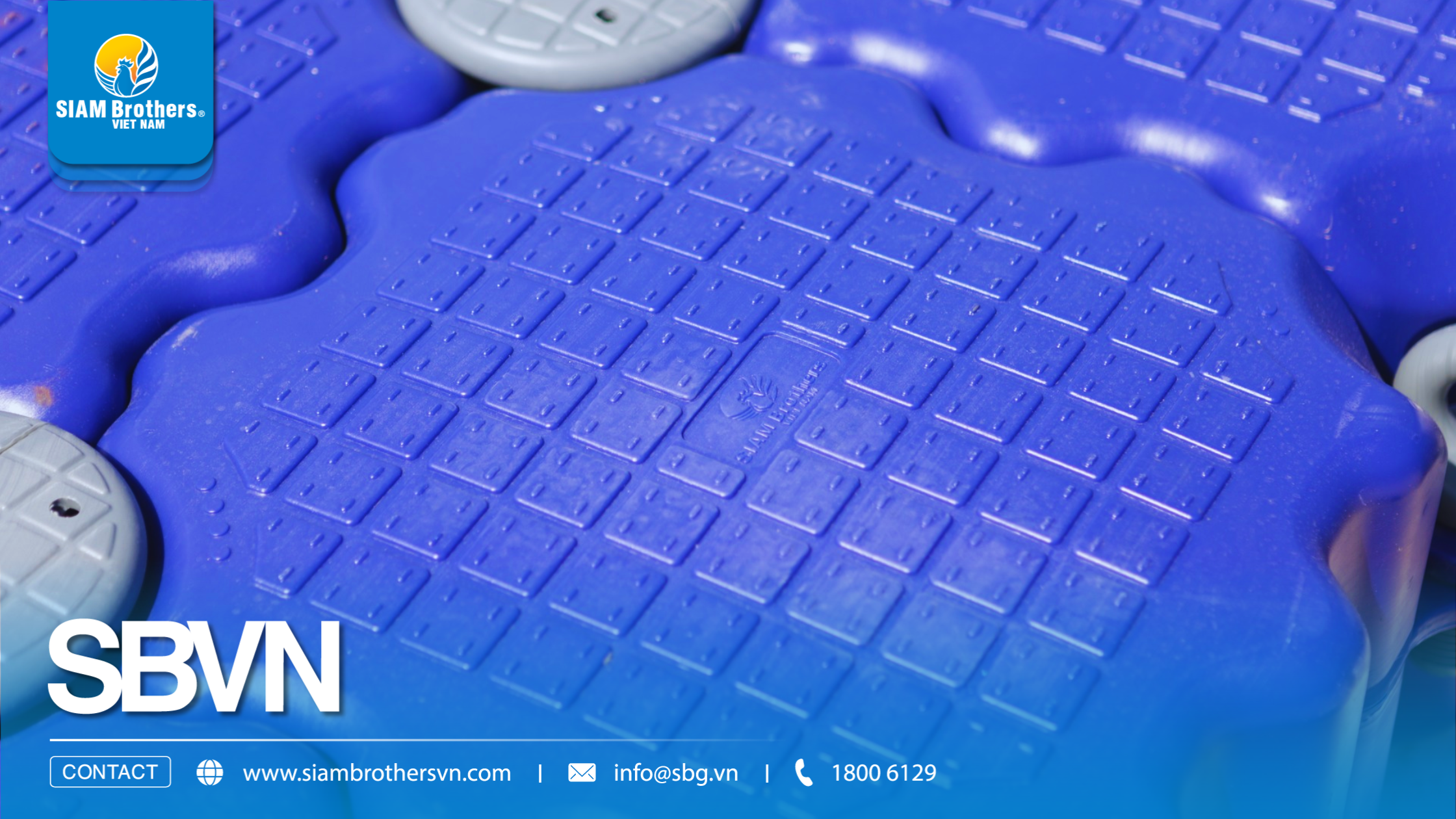
2.3. HDPE Floating Buoy Price by Application
Different applications require different buoy specifications. This explains why HDPE Floating Buoy Price can vary significantly from one project to another.
HDPE Buoys for Marine Fish Farming
Requirements:
Key priorities:
Applications:
These products are commonly used by large-scale aquaculture enterprises.
Requirements:
For industrial applications, many operators choose virgin HDPE buoys to maximize durability and reduce replacement frequency.
Buoys of the same size may have different prices due to various technical factors.
The most common factors include:
For example, buoys designed for rough offshore conditions require stronger materials and thicker construction than those used in freshwater ponds, leading to higher production costs.
This is one of the most frequently asked questions regarding HDPE Floating Buoy Price.
While lower-cost products may reduce initial investment expenses, inconsistent material quality can result in:
For long-term marine and aquaculture projects, selecting high-quality HDPE floating buoys with verified specifications is often the most cost-effective solution over the product lifecycle.
The most noticeable difference lies in the materials used.
HDPE floating buoys are manufactured from high-density polyethylene (HDPE), a material known for its excellent resistance to harsh environmental conditions.
Traditional foam buoys, on the other hand, often face issues such as:
In contrast, HDPE floating buoys provide several key advantages:
This is one of the main reasons why many marine aquaculture businesses are transitioning to HDPE buoys despite the higher initial investment cost.
One of the factors contributing to a higher HDPE Floating Buoy Price is product longevity.
In real-world applications:
Many aquaculture operators choose HDPE buoys because they offer:
For example, in major marine farming regions such as Khanh Hoa and Phu Yen, many cage farm operators prefer investing in HDPE buoys from the beginning to avoid frequent replacement costs in the future.
For offshore cage farming systems, load-bearing performance is a critical factor.
HDPE buoys typically feature:
As a result, HDPE buoy systems perform more reliably under:
Foam buoys may deform or lose buoyancy when subjected to prolonged overload conditions.
For industrial aquaculture projects, investing in high-stability flotation systems helps minimize operational risks and improve overall system reliability.
Many buyers focus primarily on the purchase price. However, long-term operating costs are often more important.
Using low-cost foam buoys may result in additional expenses such as:
Although the HDPE Floating Buoy Price is generally higher at the initial stage, HDPE buoys can help:
This explains why many aquaculture companies are replacing traditional flotation systems with HDPE floating buoys.
Modern marine aquaculture is increasingly moving toward industrial-scale and sustainable production.
As a result, higher-performance flotation materials are becoming essential.
HDPE floating buoys are well suited to this trend because they provide:
In addition, many coastal regions are encouraging the adoption of more durable flotation materials to reduce marine waste and minimize the environmental impact caused by damaged floating equipment.
From a long-term investment perspective, a higher HDPE Floating Buoy Price often translates into greater operational efficiency, lower maintenance costs, and improved sustainability for modern aquaculture systems.
HDPE Floating Buoy Price varies depending on multiple factors and is not fixed for all products.
Common pricing factors include:
For example, buoys designed for offshore aquaculture typically require thicker walls and greater wave resistance, resulting in higher production costs than products intended for freshwater ponds or civil floating structures.
This is one of the most common questions from floating cage owners before making an investment.
HDPE buoys are specifically designed to withstand harsh conditions such as:
When properly selected according to load requirements and operating conditions, HDPE floating buoys can provide reliable performance for many years.
Today, many marine fish farms in Khanh Hoa, Phu Yen, and Quang Ninh use HDPE buoys instead of foam buoys to reduce premature deterioration.
The answer depends on your operational requirements.
Foam buoys offer:
However, they may degrade quickly in offshore environments.
HDPE floating buoys provide:
For large-scale aquaculture projects and floating cage systems, HDPE buoys are often the preferred choice.
Most high-quality HDPE floating buoys are manufactured with UV-resistant properties to ensure long-term outdoor performance.
Benefits include:
UV resistance depends on:
Therefore, buyers should prioritize products with transparent technical specifications and verified material sources.
Many customers compare this factor when evaluating HDPE Floating Buoy Price.
Virgin HDPE buoys generally offer:
Recycled HDPE products may be more affordable but can vary in quality and long-term reliability.
For applications such as:
Virgin HDPE is usually the recommended option.
To determine the appropriate load capacity, users should calculate:
Choosing undersized buoys to reduce initial costs may lead to:
For this reason, it is important to review technical specifications carefully or consult with an experienced manufacturer before making a purchase.
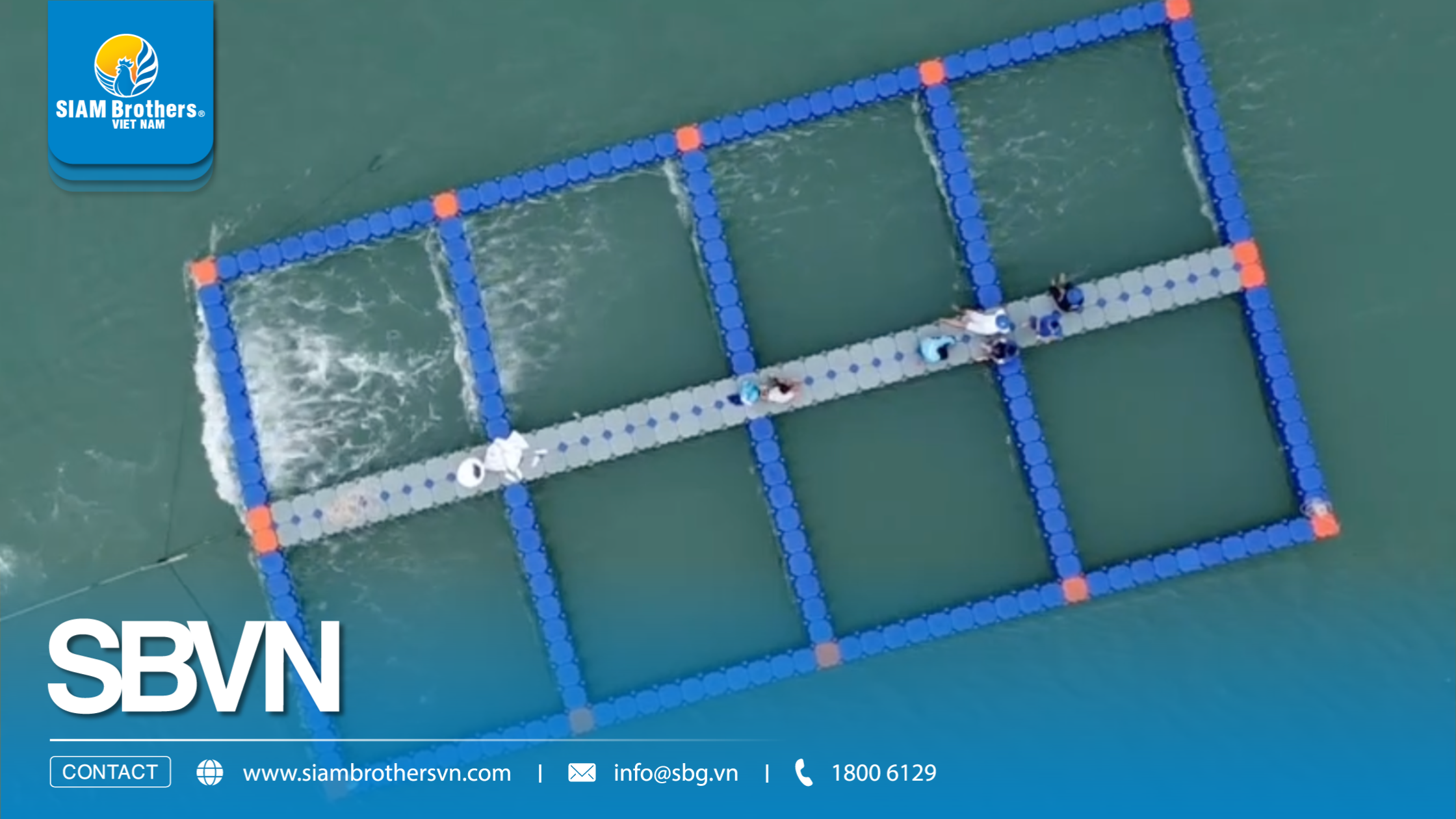
Today, HDPE Floating Buoy Price is influenced not only by size and load capacity but also by material quality, durability, and operating conditions. For aquaculture farms, floating cage systems, and offshore floating structures, selecting the right buoy from the outset can significantly reduce maintenance and replacement costs over the long term. Rather than focusing solely on the initial purchase price, buyers should prioritize products with clear technical specifications, proven wave resistance, and suitability for their specific applications. If you are looking for detailed information about HDPE Floating Buoy Price, appropriate load capacities, or the most effective flotation solutions for your aquaculture project, SIAM Brothers Vietnam is ready to provide professional consultation and customized quotations tailored to your operational needs.
Source: SIAM Brothers Vietnam
Contact us:
► Address: 5th floor, VRG Building, 177 Hai Ba Trung Street., Xuan Hoa Ward, Ho Chi Minh City, Vietnam
► Hotline: 1800 6129
► Tel: (+84) 28 38 912 889
► Email: info@sbg.vn
► Follow us for more details at: Facebook - Zalo OA - Tiktok - Youtube - LinkedIn
Download SBVN ID app here:
► CHPlay
► Appstore









Specializing in Agricultural and Fisheries Products & Multipurpose Wire