
- 1800 6129

Mooring ropes, towing ropes and net ropes are widely used in marine operations, commercial fishing and aquaculture. Although they may look similar at first glance, each rope type is designed for a different function. Mooring ropes are used to secure vessels or floating structures, towing ropes are used to transmit pulling force, while net ropes are used to frame, reinforce and stabilize fishing nets. Understanding the differences between these ropes helps users choose the right product, improve safety and optimize long-term operating costs. Let’s explore this topic with SIAM Brothers Vietnam in the article below.
Ropes used in marine and fishing environments are not just simple tying tools. They are important working components that must withstand load, friction, saltwater, sunlight and repeated handling.
According to OCIMF’s Mooring Equipment Guidelines, mooring equipment and mooring line management are important for ship designers, terminal designers, ship operators and mooring line manufacturers, especially in terms of operational safety and line performance.
In fishing gear systems, ropes also play a structural role. FAO explains that purse seines are framed with a floatline and a leadline, showing how ropes help shape and stabilize nets during fishing operations.
In simple terms:
|
Rope type |
Main function |
Common use |
|
Mooring rope |
Securing vessels or floating structures |
Keeping boats, barges or floating systems in position |
|
Towing rope |
Transmitting pulling force |
Towing boats, pulling nets, moving heavy objects |
|
Net rope |
Framing and reinforcing nets |
Keeping fishing nets stable and properly shaped |
Source: SIAM Brothers Vietnam
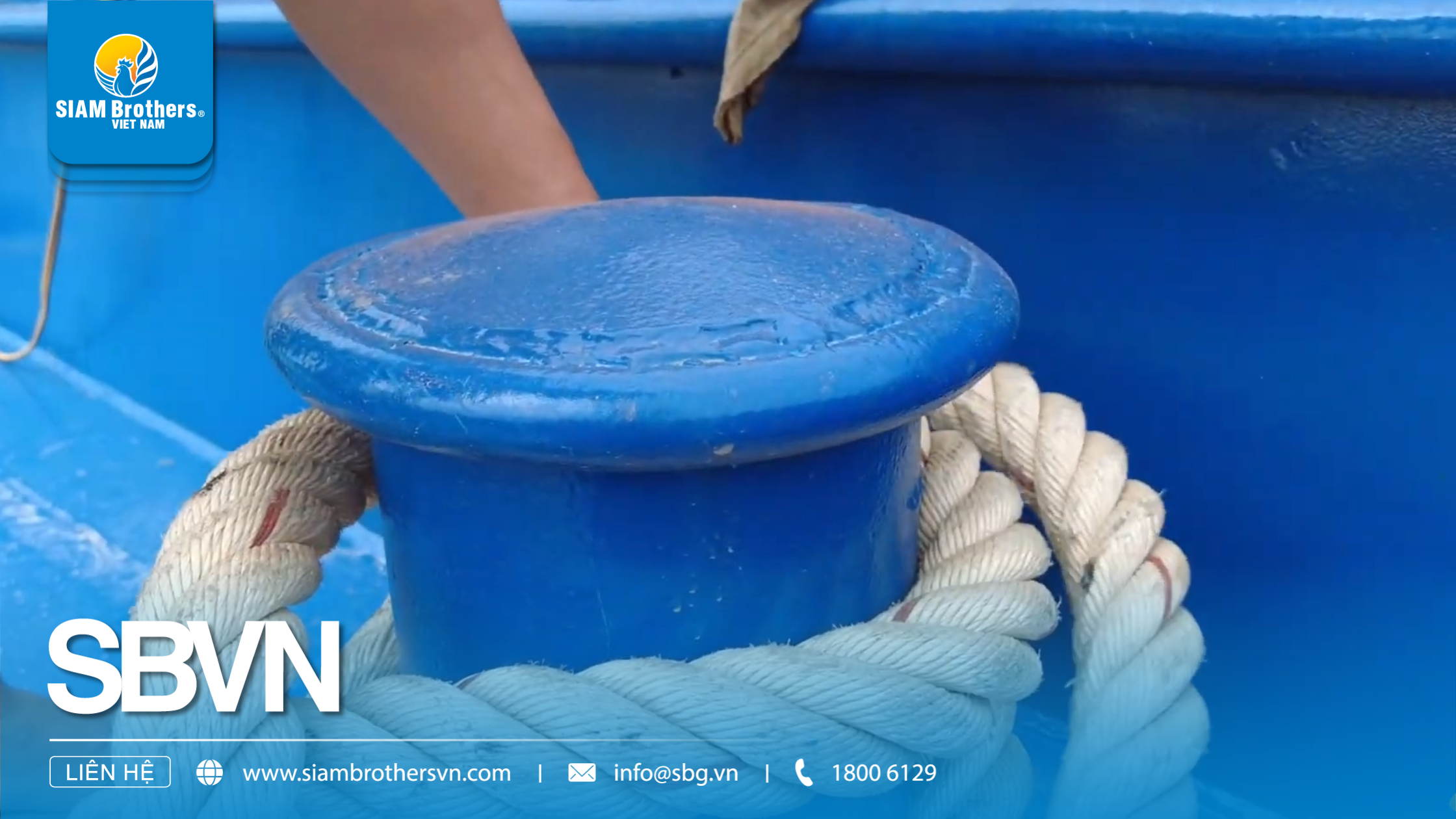
A mooring rope is a rope used to secure a vessel, boat, barge, floating cage, buoy or floating structure to a fixed point. This fixed point can be a dock, bollard, mooring buoy, anchor system or port structure.
Unlike ordinary ropes, mooring ropes often work under continuous pressure from waves, wind, tides and vessel movement. Therefore, they need good tensile strength, abrasion resistance and durability in saltwater environments.
A good mooring rope should have:
Strong load-bearing capacity.
Resistance to saltwater and outdoor conditions.
Good abrasion resistance.
Suitable flexibility for handling and knotting.
Proper diameter and strength for the vessel size.
OCIMF highlights that mooring systems require proper design, operational consideration and line management to support safe mooring operations. This means users should not choose a mooring rope only by appearance or size, but also by working load, safety margin and actual operating conditions.
Mooring ropes are commonly used for:
Fishing boats.
Transport vessels.
Barges and service boats.
Floating cages in aquaculture.
Floating docks and pontoons.
Marine buoys and floating barriers.
For small boats, users may choose lightweight ropes that are easy to handle. For larger vessels or rough-water areas, ropes with higher strength and better abrasion resistance are required.
A towing rope is used to pull, tow or move an object from one place to another. It transfers pulling force from a person, machine, vessel or towing device to the object being moved.
The main difference between a towing rope and a mooring rope is that a towing rope is usually used in motion. It may face sudden changes in force when towing starts, when the object meets resistance, or when speed changes.
A towing rope should have:
High tensile strength.
Good shock-load resistance.
Suitable flexibility.
Good abrasion resistance.
Stable performance in wet or marine environments.
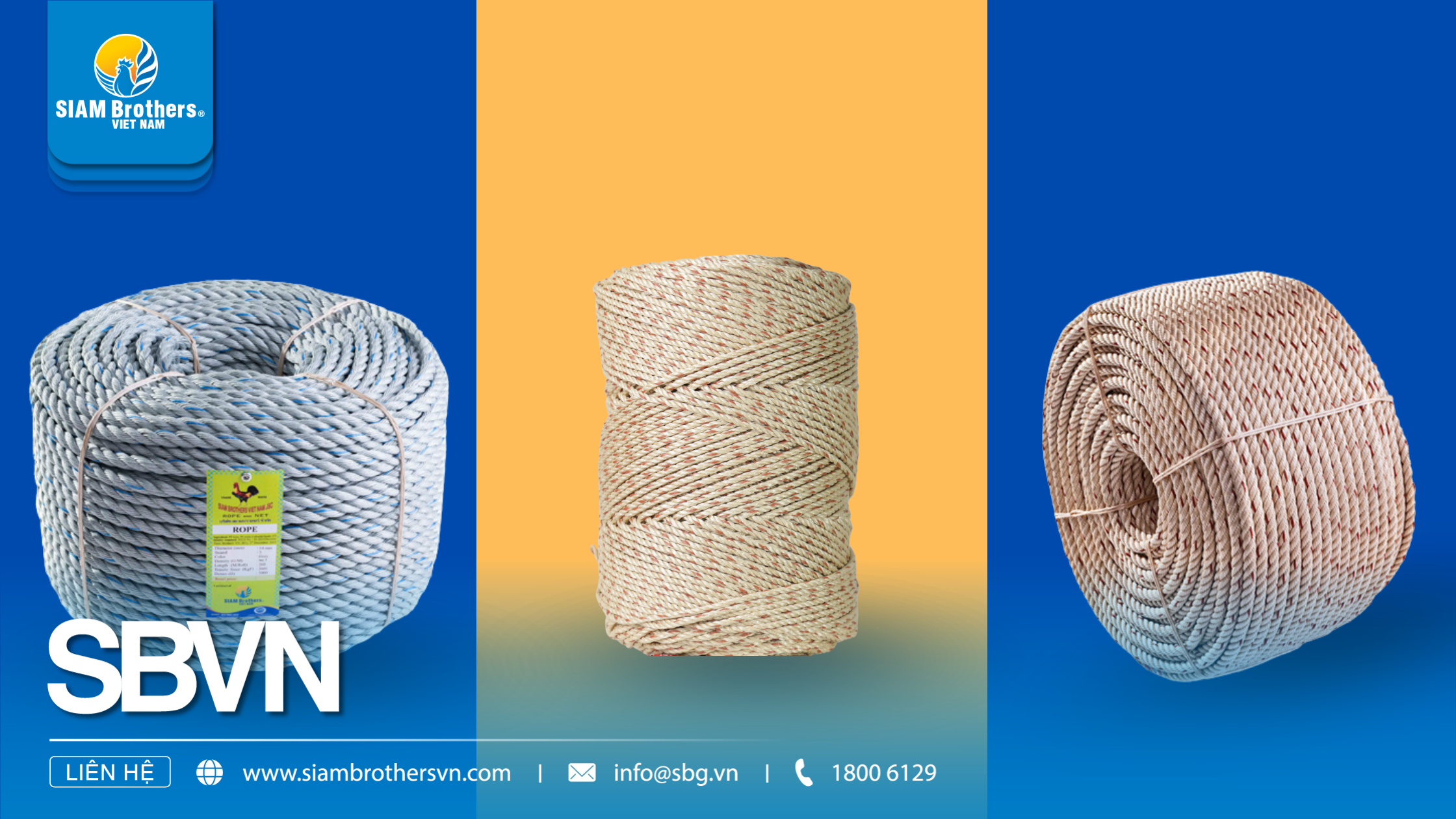
In fishing operations, ropes used for pulling or controlling nets can directly affect fishing performance. FAO notes that purse seines use structural ropes such as floatlines and leadlines to frame the net and support its function in the water.
Source: SIAM Brothers Vietnam
Towing ropes are often used for:
Towing small boats or floating platforms.
Pulling fishing nets.
Moving floating cages or marine equipment.
Pulling buoys or floating barriers.
Marine rescue and support operations.
Handling heavy loads at ports or aquaculture sites.
When choosing a towing rope, users should consider the expected pulling force, towing frequency, contact surface and whether shock loads may occur during use.
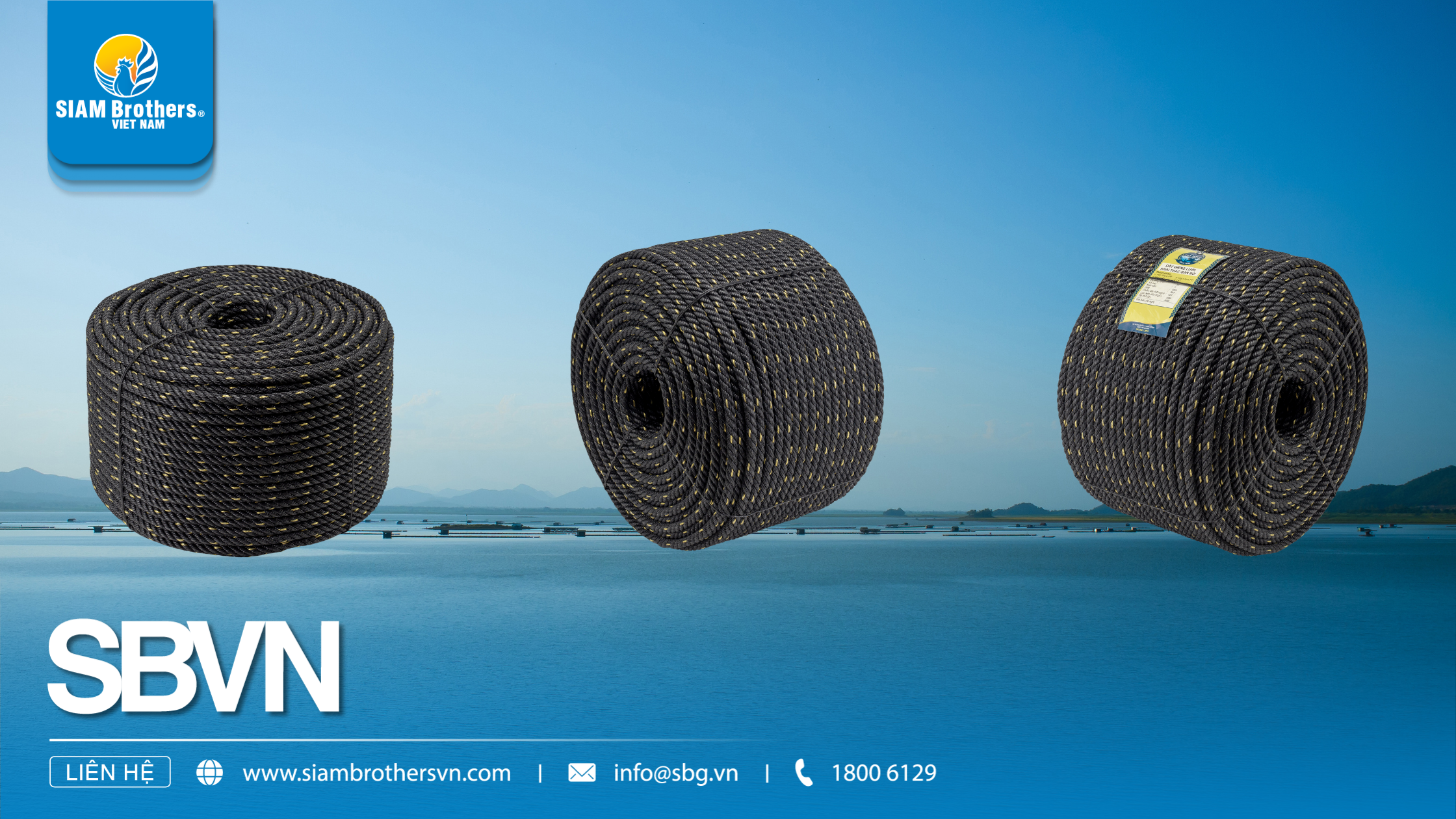
A net rope is used to frame, reinforce or stabilize the edge of a fishing net. In many fishing and aquaculture systems, net ropes are installed along the upper edge, lower edge or side edges of the net.
Depending on the structure, net ropes may also be connected with floats, sinkers, rings, tying ropes or other fishing gear accessories.
BMIS explains that in gillnets, the top edge of the net is attached to a rope called the headline, floatline or corkline, while the bottom edge is usually attached to a footrope or leadline. Floats provide buoyancy at the top, while the lower line helps the net hang properly in the water.
In practical use, the Vietnamese term “dây giềng” can refer to ropes used along the edges of fishing nets, such as headline ropes, leadline ropes or side ropes. Their main role is to keep the net stable, properly shaped and easier to operate.
Net ropes are commonly used in:
Gill nets.
Purse seines.
Trawl nets.
Aquaculture nets.
Fish cage nets.
Floating barrier nets.
Trash barrier nets in water areas.
A suitable net rope helps the net maintain its shape, reduces damage at the edges and improves handling during setting and hauling.
Source: SIAM Brothers Vietnam
The easiest way to remember the difference is:
Mooring ropes are used to secure.
Towing ropes are used to pull.
Net ropes are used to frame and stabilize nets.
Each rope type serves a different purpose, so choosing the wrong rope may reduce efficiency or create safety risks.
Mooring ropes need stable load-bearing performance and resistance to long-term environmental exposure. Towing ropes need strong pulling capacity and shock-load resistance. Net ropes need flexibility, stability and compatibility with netting systems.
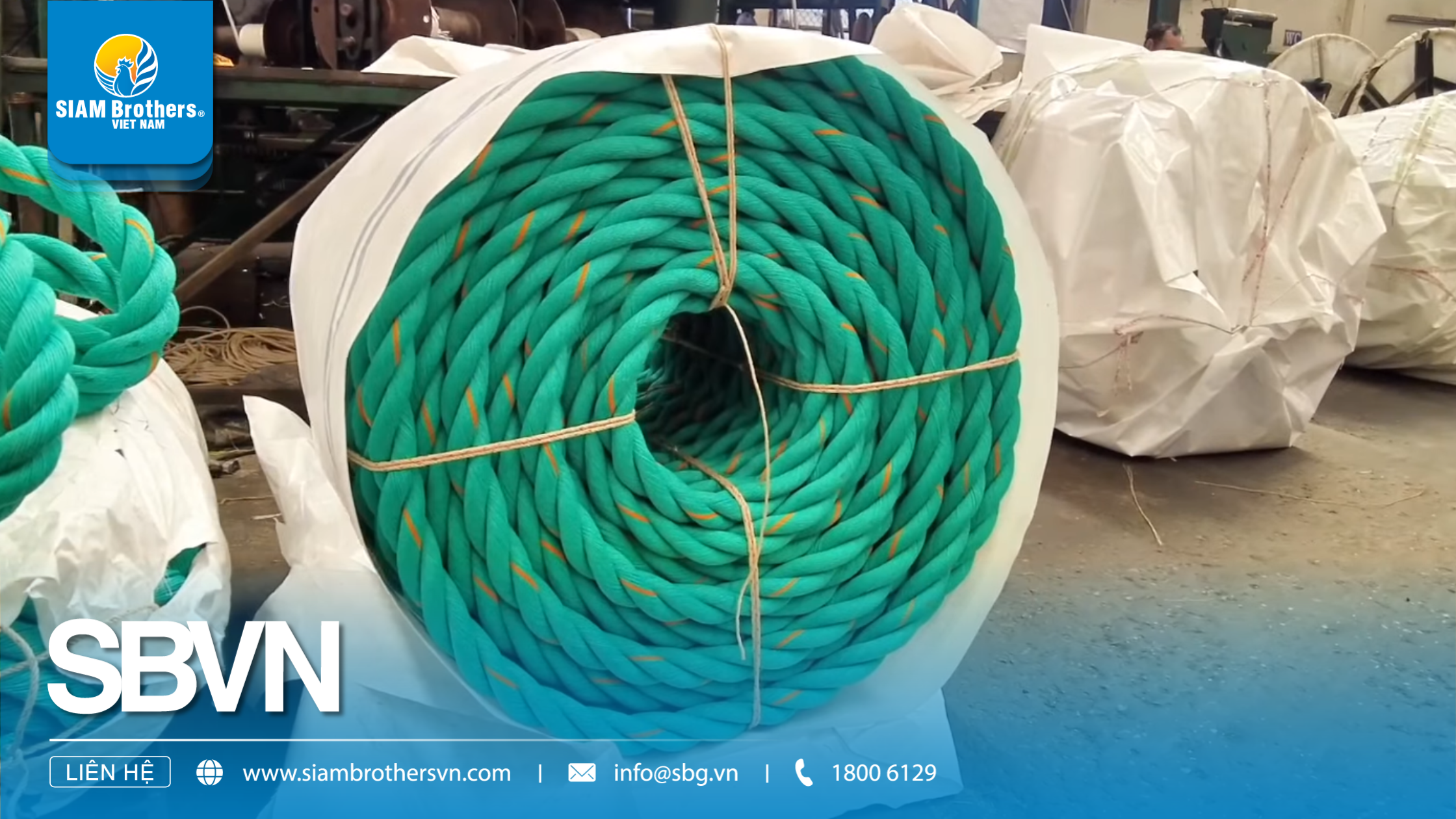
SIAM Brothers Vietnam notes that synthetic rope materials such as PP, PE and nylon are commonly used in marine and fishing applications because each material has different strengths in terms of floating ability, flexibility, tensile strength and abrasion resistance.
Mooring ropes and towing ropes usually face stronger direct loads, especially in marine, port or offshore conditions. Net ropes often work together with net panels, floats, sinkers and other fishing gear accessories.
For saltwater environments, users should prioritize ropes with good resistance to saltwater, UV exposure and abrasion.
Source: SIAM Brothers Vietnam
Choose a mooring rope when you need to secure boats, barges, floating cages, pontoons, buoys or floating structures.
Before choosing, consider:
Vessel or structure size.
Wave, wind and current conditions.
Mooring point type.
Short-term or long-term use.
Required diameter and working strength.
A mooring rope should always be selected with a proper safety margin, not simply based on visual thickness.
Choose a towing rope when you need to pull boats, nets, floating platforms, equipment or heavy objects.
Before choosing, consider:
Maximum expected pulling force.
Frequency of use.
Possibility of sudden shock load.
Contact with rough surfaces.
Use in freshwater, saltwater or land-based conditions.
If the rope passes through pulleys, boat edges, concrete surfaces or metal parts, abrasion resistance becomes especially important.
Choose a net rope when you need to frame, reinforce or stabilize fishing nets or aquaculture nets.
Before choosing, consider:
Type of net.
Position of the rope on the net.
Net size and mesh structure.
Pulling force during operation.
Exposure to saltwater and sunlight.
A suitable net rope can help the net keep its shape, reduce edge damage and improve operating efficiency.
Ropes used in marine and fishing operations should be inspected regularly. OSHA identifies common warning signs of rope damage, including cuts, gouges, extensive fiber breakage, abraded areas and diameter damage.
Although OSHA’s guidance is written for sling safety, these damage indicators are still useful references when checking ropes used in load-bearing applications.
Ropes should not be used beyond their recommended working load. In real conditions, load can increase suddenly due to waves, towing resistance, vessel movement or unexpected impact.
Friction at contact points can shorten rope life. Users should check areas where the rope touches boat edges, bollards, pulleys, metal parts or concrete surfaces.
After use, ropes should be cleaned if exposed to mud, sand or saltwater. They should be coiled neatly and stored in a dry, ventilated place away from long-term direct sunlight and chemicals.
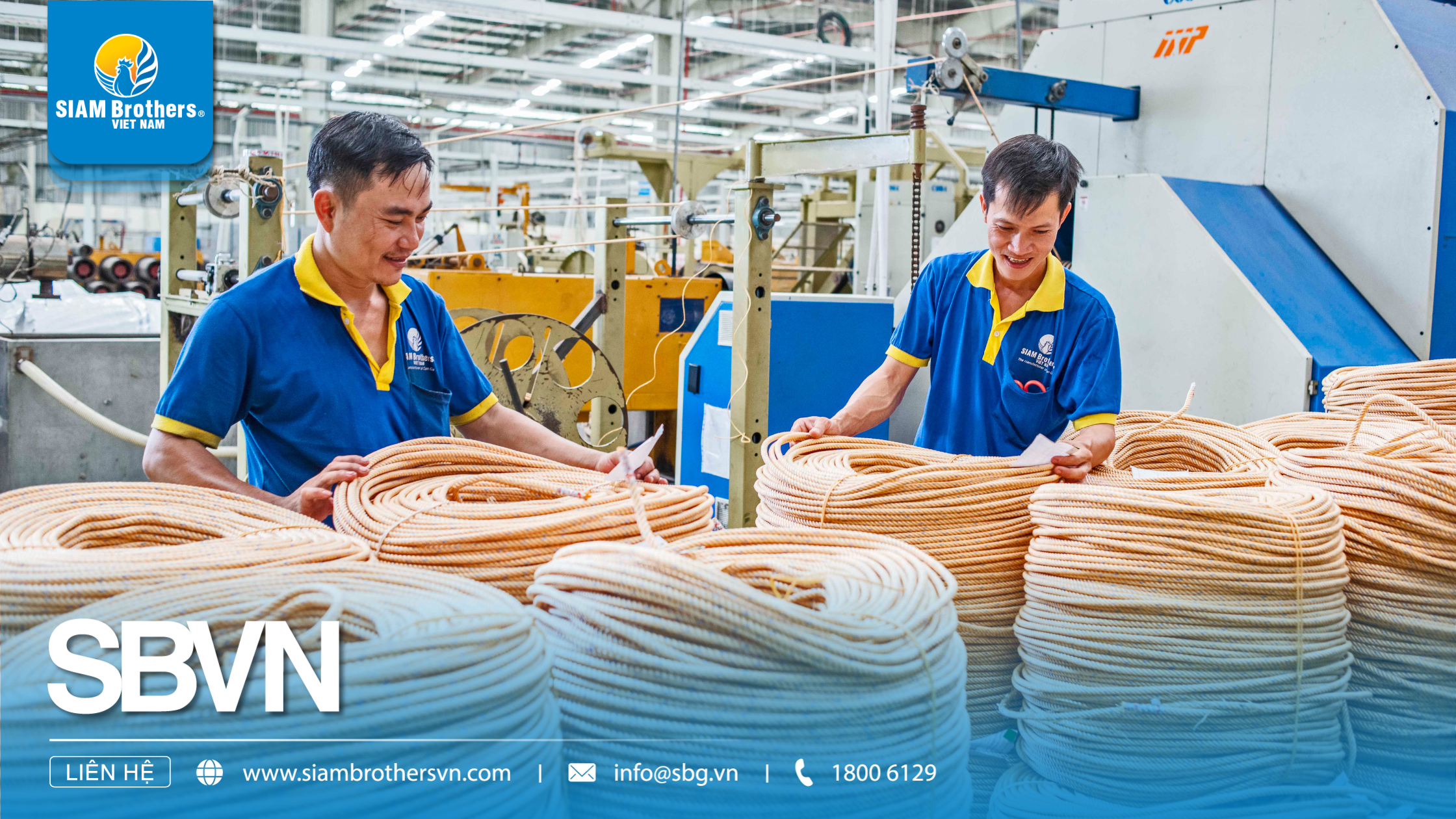
Source: SIAM Brothers Vietnam
Mooring ropes, towing ropes and net ropes may look similar, but they are designed for different purposes. Mooring ropes are used to secure vessels and floating structures, towing ropes are used to pull or move objects, while net ropes help frame and stabilize fishing or aquaculture nets.
Choosing the right rope can improve safety, reduce rope damage and support more efficient marine, fishing and aquaculture operations. Users should consider the purpose, working load, environment, material and maintenance requirements before selecting a rope.
Read more: Sailing Rope - Yacht Rope Rope for Professional Sailing and Marine Performance 2026
Source: SIAM Brothers Vietnam
Reference sources:
OCIMF – Mooring Equipment Guidelines, which provides guidance related to mooring systems, mooring lines and safety considerations.
FAO – Information on purse seine structure, including floatline and leadline systems.
BMIS – Fishing gear information explaining headline, floatline, corkline, footrope and leadline in gillnet systems.
OSHA – Guidance on identifying damage in natural and synthetic fiber ropes.
SIAM Brothers Vietnam – Information on common fishing gear and rope applications in marine fisheries.
A mooring rope is mainly used to secure a vessel or floating structure in place. A towing rope is used to pull, tow or move an object. Mooring ropes focus on stable holding, while towing ropes focus on pulling strength and shock-load resistance.
A net rope is used to frame, reinforce and stabilize fishing nets or aquaculture nets. It helps the net keep its shape during setting, floating, sinking or hauling.
It may be possible for temporary use in some situations, but it is not always recommended. Mooring and towing ropes have different technical requirements, so using the wrong rope may reduce safety and durability.
Yes. A net rope must be strong enough to hold the net structure during fishing or aquaculture operations. It should also be flexible, easy to tie and compatible with the net system.
Common marine rope materials include PP, PE and nylon. The right choice depends on whether the rope needs to float, stretch, resist abrasion or carry heavier loads.
Ropes should be replaced when they show serious wear, broken fibers, deep abrasion, cuts, deformation, stiffness or reduced diameter. Load-bearing ropes should be inspected frequently to prevent failure during operation.
Contact us:
Address: 5th floor, VRG Building, 177 Hai Ba Trung Street, Vo Thi Sau Ward, Ho Chi Minh City, Vietnam
Tel: (+84) 28 38 912 889
Hotline: 1800 6129
Facebook: www.facebook.com/siambrothersvn
Email: info@sbg.vn
YouTube: youtube.com/@siambrothersvietnam1728
OA Zalo: zalo.me/1402339229697925373
App SBVN ID:
CHPlay: https://bit.ly/SBVNID-Android
Appstore: https://bit.ly/SBVNID-iOS








Specializing in Agricultural and Fisheries Products & Multipurpose Wire