
- 1800 6129

A fish cage farming system is becoming a preferred solution for modern marine aquaculture thanks to its ability to increase productivity, reduce operational risks, and improve long-term investment efficiency. But what does it take to build a system that meets technical standards, withstands harsh marine conditions, and delivers sustainable performance over time?
In this article, you'll learn the key steps involved in designing and building a fish cage farming system based on current industry standards. You'll also discover practical insights that can help businesses, fish farmers, and aquaculture investors optimize costs, minimize structural damage, and improve the overall efficiency of industrial-scale fish farming operations.
A fish cage farming system is an aquaculture setup installed in rivers, reservoirs, lakes, or coastal waters to provide a controlled and stable environment for raising high-value fish species. Today, this farming model is widely adopted by aquaculture businesses and fish farmers because it is scalable, easier to manage, and well-suited to the growing trend of industrial offshore aquaculture.
Unlike traditional wooden fish cages, modern systems increasingly incorporate HDPE floating buoys, heavy-duty mooring ropes, and durable cage frames. These materials help extend the lifespan of the structure, improve safety, and reduce long-term maintenance costs.
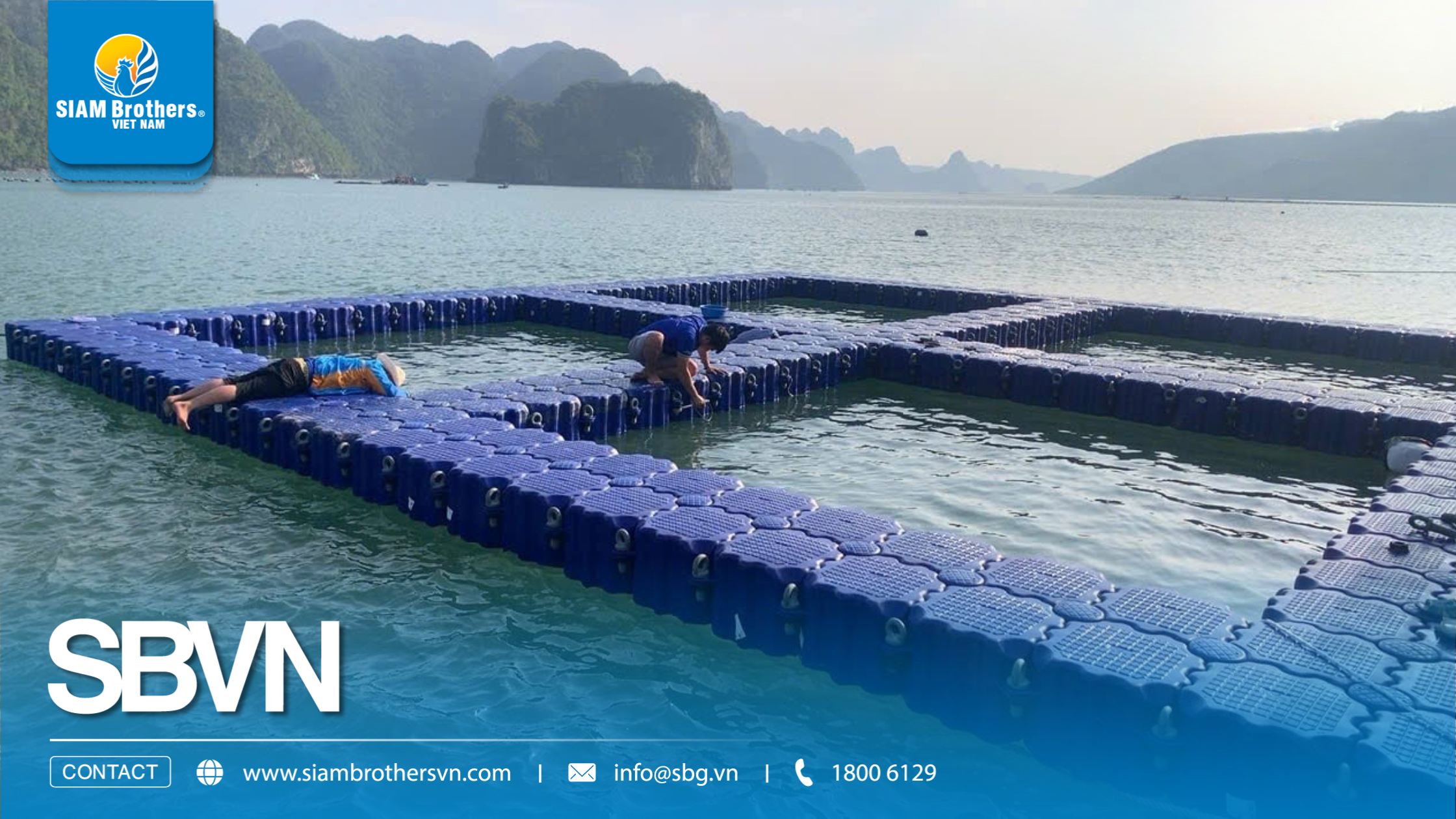
Before construction begins, a thorough site assessment is essential to identify potential risks and ensure the system can operate efficiently in local environmental conditions.
Water depth and current velocity directly affect the stability and performance of the fish cage structure.
Key factors to assess include:
Areas with excessively strong currents may lead to:
On the other hand, waters with very little circulation can accumulate waste and negatively affect water quality inside the cages.
For coastal aquaculture projects, weather patterns must be considered from the earliest planning stage.
Important factors include:
For example, in many Central Vietnam aquaculture zones, fish cage systems are exposed to strong seasonal winds. If the design is inadequate, floating buoys and mooring components may deteriorate rapidly after only a few farming cycles.
After the site assessment, the next step is defining the size and capacity of the fish cage farming system based on production goals and environmental conditions.
Cage size varies depending on the target species and expected production output.
Key considerations include:
A well-designed layout helps:
The total load of a fish cage farming system typically includes:
Improper calculations may result in:
HDPE materials have become increasingly popular in modern aquaculture because of their durability and excellent performance in marine environments.
The cage frame should provide:
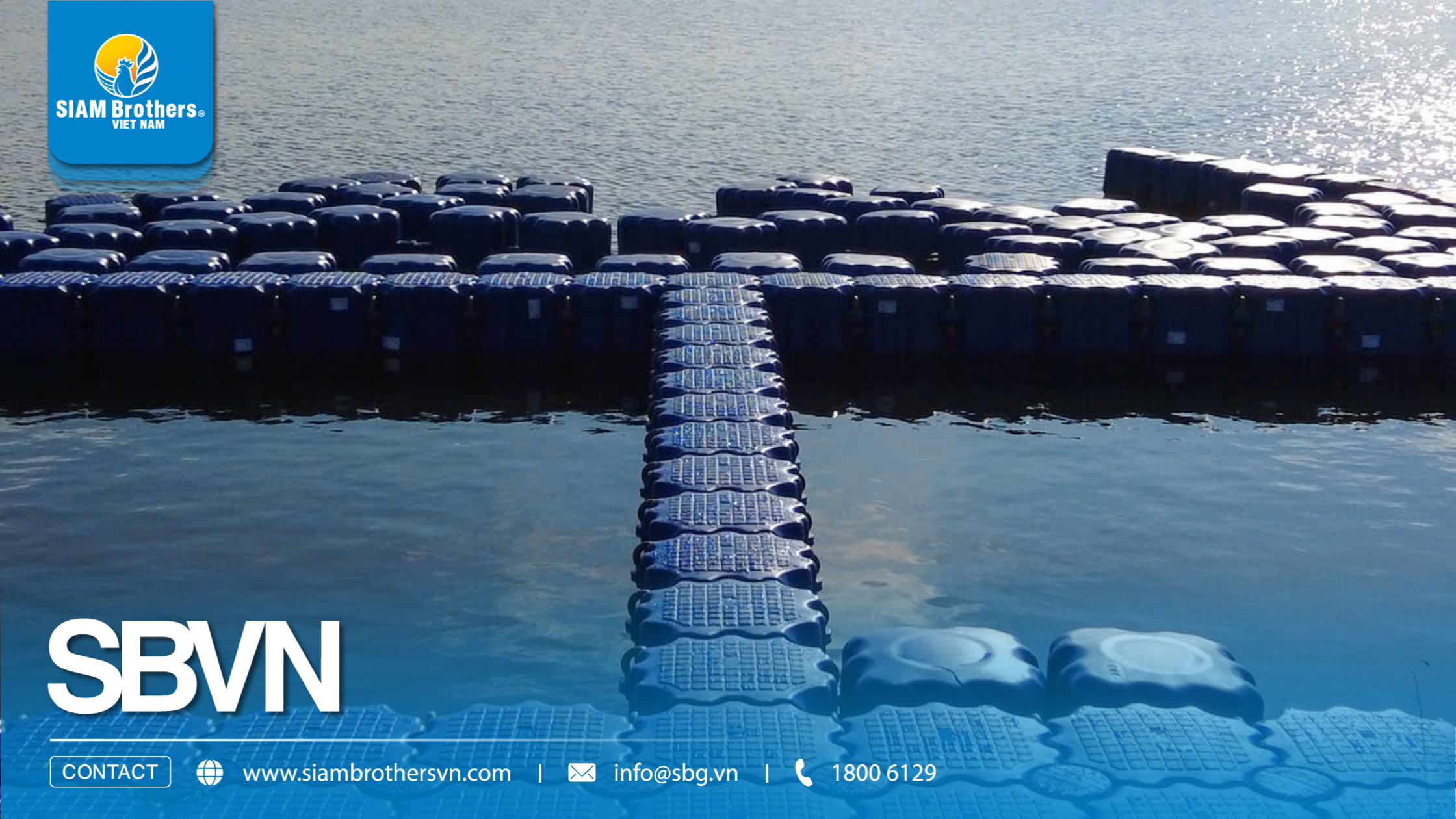
Modern fish cage systems often utilize HDPE pipe structures with flexible connections and scalable designs.
Floating buoys keep the entire fish cage farming system stable on the water surface.
When selecting HDPE floats, key considerations include:
In practice, low-quality floats tend to deteriorate quickly when exposed to sunlight and saltwater over extended periods.
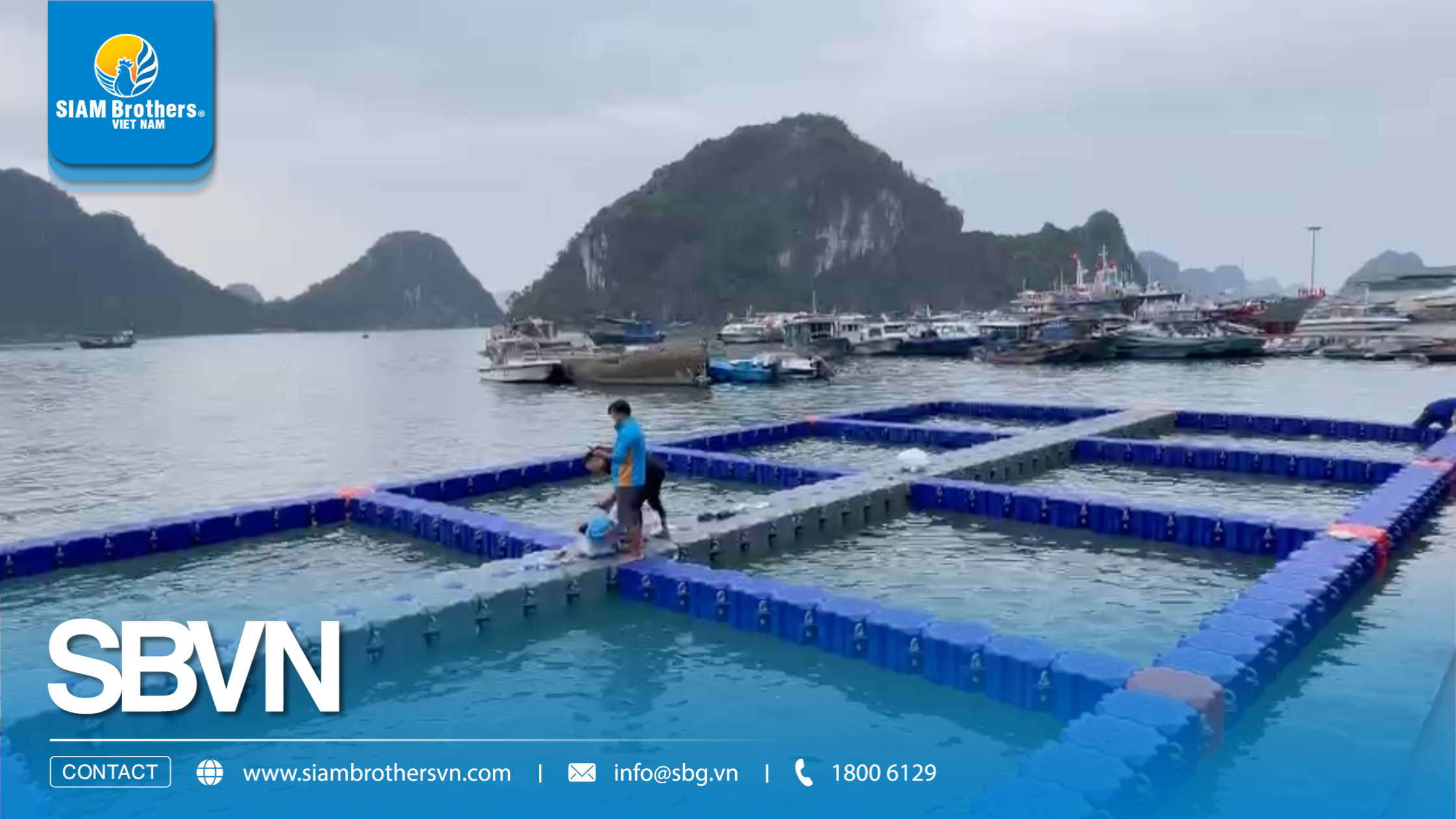
The mooring system plays a critical role in securing the entire fish cage farming structure in place.
Mooring ropes should provide:
Many aquaculture operators now prefer specialized marine ropes designed specifically for fishing and offshore applications.
Beyond rope quality, the arrangement of anchors and mooring lines is equally important.
A properly designed mooring system should:
Poor mooring layouts may lead to:
Once the frame and mooring systems are completed, attention should turn to the fish containment and protection components.
Different fish species require different mesh sizes and net specifications.
Important net characteristics include:
The right netting system helps:
In addition to the primary fish nets, many modern fish cage farming systems include:
These additions improve operational safety and support efficient management, especially in large-scale offshore aquaculture projects.
Before installation begins, all materials and components should be thoroughly inspected to prevent operational issues later on.
These are the primary load-bearing components of the entire fish cage farming system.
Key inspection points include:
If cracks, deformation, or dimensional inconsistencies are detected:
In practice, many aquaculture operators conduct load testing before installation to minimize offshore operational risks.
The mooring system should be selected according to the scale and requirements of the fish farm.
Commonly used components include:
When selecting mooring ropes for a fish cage farming system, priority should be given to products that offer:
Using quality mooring ropes helps reduce the risk of anchor failure and cage displacement during rough weather conditions.
Once all materials have been prepared, on-site assembly can begin.
Cage frames are typically assembled in sections to ensure installation accuracy.
The process generally includes:
If the frame is not properly aligned:
HDPE floats should be evenly distributed to maintain balanced buoyancy throughout the structure.
During installation, technicians typically verify:
For example, in offshore farming areas exposed to larger waves, additional floats are often incorporated to reduce stress on the cage framework during changing sea conditions.
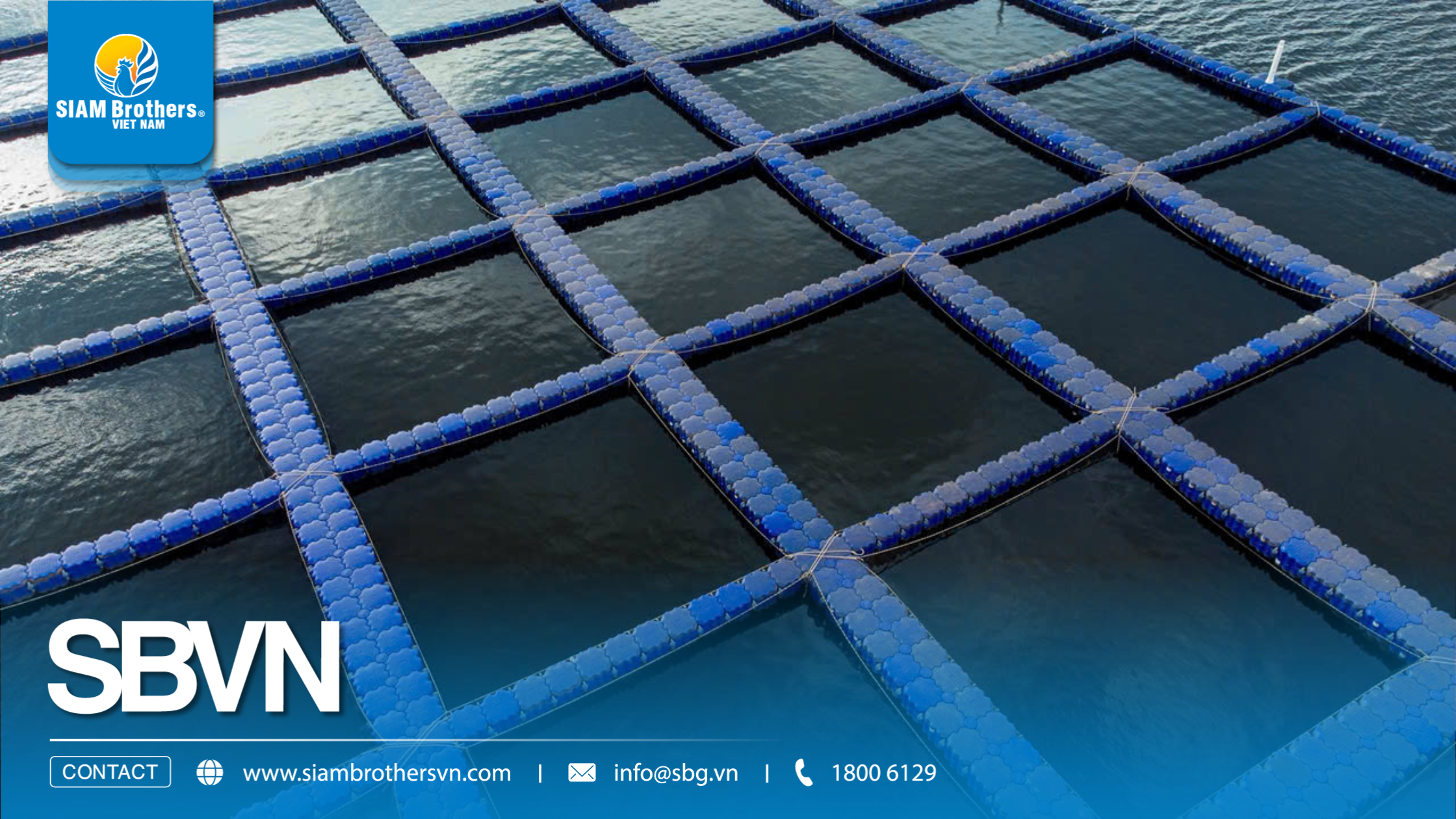
The mooring system is one of the most critical components because the entire fish cage farming system depends on its ability to remain securely positioned offshore.
Before anchor deployment, several factors should be assessed:
Proper anchor positioning helps:
After the anchors are installed, mooring ropes are connected to the cage structure.
The process typically includes:
If the mooring ropes are too loose:
If they are overly tensioned:
After completing the frame and mooring installation, the next step is setting up the fish containment area.
Aquaculture nets should be installed according to the specified dimensions and operating depth.
Important considerations include:
Proper net installation helps:
For large-scale offshore aquaculture operations, supporting infrastructure is essential.
Common additions include:
These features improve operational efficiency and make daily farm management safer and more convenient, especially during extended offshore activities.
Material selection has a direct impact on system durability and service life. In marine environments with high salinity levels, corrosion resistance should always be a top priority.
Many industrial aquaculture operations now favor HDPE materials because of their durability and excellent outdoor performance.
A high-quality HDPE float system should feature:
In practice, low-quality floats can become brittle, crack, or lose buoyancy after prolonged exposure to sunlight and saltwater.
For example, in wave-exposed farming regions of Central Vietnam, premium HDPE floats significantly reduce the likelihood of weather-related damage.
Because mooring ropes stabilize the entire fish cage farming system, they must meet strict technical requirements, including:
Connection accessories should also provide:
Beyond material quality, structural design must be engineered according to actual offshore operating conditions.
A technically compliant fish cage farming system should operate safely under changing weather conditions.
Key design considerations include:
Ignoring these factors can result in:
This is why modern industrial aquaculture projects prioritize integrated engineering solutions rather than temporary structures.
Cage spacing is often overlooked but plays a critical role in system performance.
Proper spacing helps:
If cages are placed too close together:
Large-scale fish cage farming systems typically follow carefully planned spacing guidelines to ensure long-term stability.
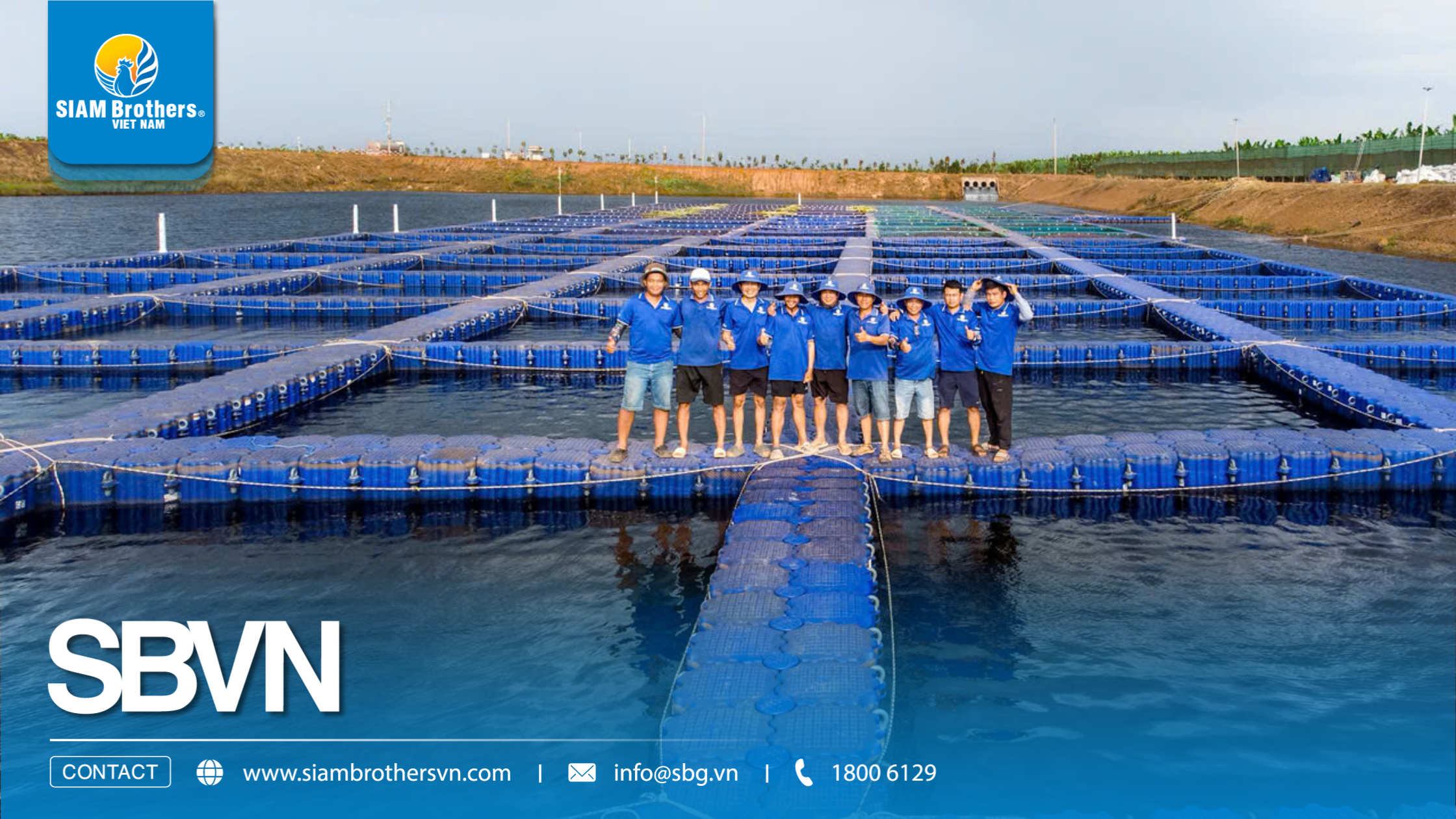
Fish nets do more than contain fish—they also influence the overall farming environment inside the cage.
Different fish species require different mesh specifications.
Factors to consider include:
The right netting system helps:
In marine environments, nets are highly susceptible to algae growth and shellfish fouling.
Therefore, priority should be given to nets that offer:
Without regular inspection and maintenance:
Yes, but wave resistance depends on system design and material quality.
A properly engineered system should include:
Mooring rope selection depends on:
Many offshore aquaculture operators choose specialized marine ropes because they offer:
When choosing mooring ropes, durability and field performance are often more important than initial purchase price.
Costs vary depending on:
For industrial aquaculture operations, investing in high-quality infrastructure from the beginning often reduces future repair and maintenance expenses.
Routine inspections are essential for maintaining a reliable fish cage farming system.
Recommended maintenance tasks include:
After major storms or typhoon seasons:
Proactive maintenance helps:
Absolutely. This transition has become a growing trend in the aquaculture industry.
Compared to traditional wooden structures, HDPE systems offer:
Although the initial investment may be higher, HDPE-based fish cage farming systems often provide better long-term value and operational reliability.
A fish cage farming system has become an essential solution for modern offshore aquaculture by improving productivity, enhancing structural durability, and reducing operational risks. If you're looking to build a technically compliant fish cage farming system using high-quality HDPE floats, marine ropes, and professional aquaculture materials, contact SIAM Brothers Vietnam for expert consultation tailored to your farming needs.
Source: SIAM Brothers Vietnam
Contact us:
► Address: 5th floor, VRG Building, 177 Hai Ba Trung Street., Xuan Hoa Ward, Ho Chi Minh City, Vietnam
► Hotline: 1800 6129
► Tel: (+84) 28 38 912 889
► Email: info@sbg.vn
► Follow us for more details at: Facebook - Zalo OA - Tiktok - Youtube - LinkedIn
Download SBVN ID app here:
► CHPlay
► Appstore









Specializing in Agricultural and Fisheries Products & Multipurpose Wire