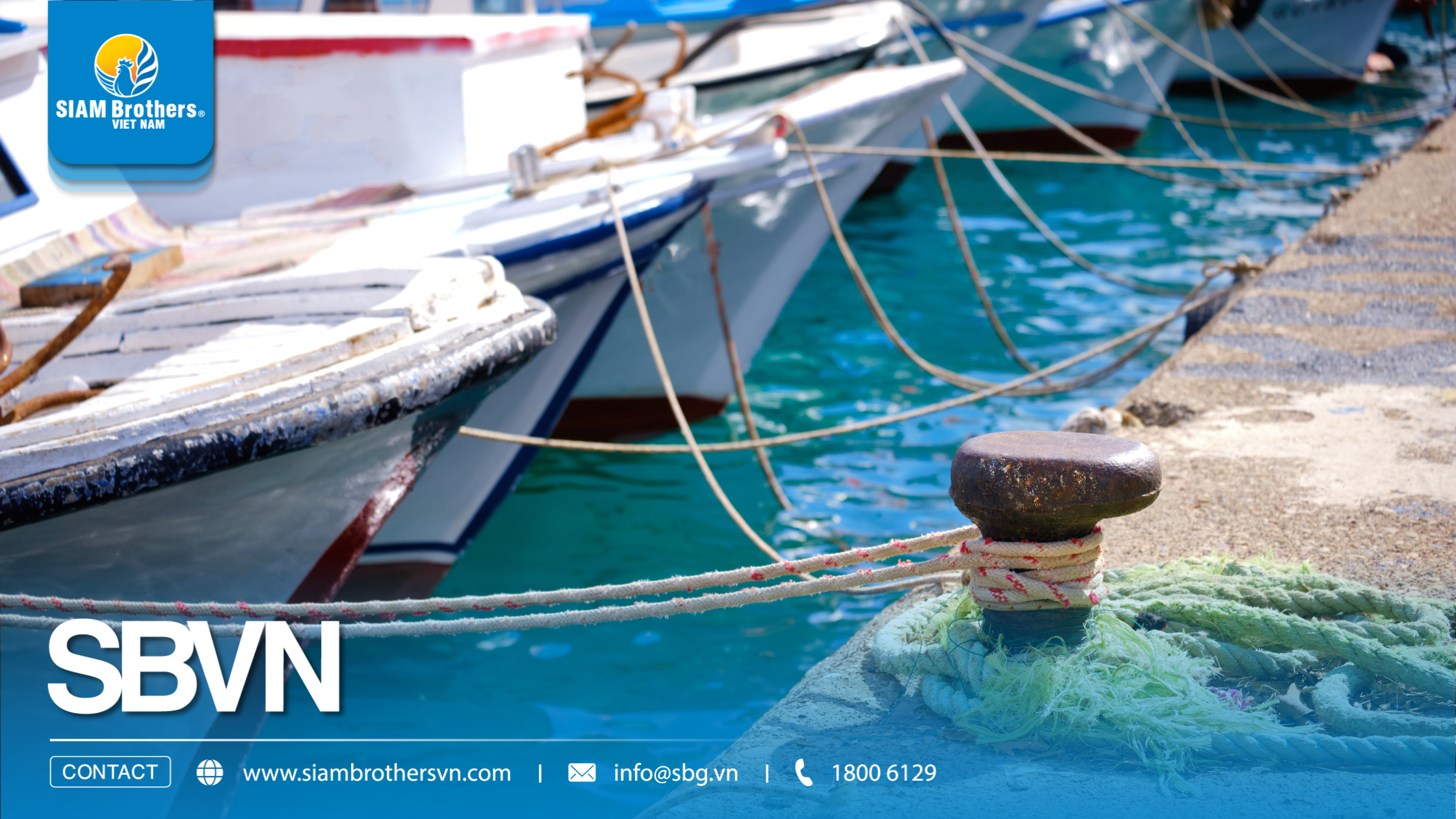
Should you choose a PP, PE, or Nylon Boat Anchor Rope to achieve strong load-bearing performance, long-term durability in saltwater environments, and cost-effective operation? This is a common question among fishermen, aquaculture businesses, and fish cage owners when selecting anchor ropes for fishing boats, small vessels, or offshore aquaculture systems.
In this article, SIAM Brothers Vietnam provides a detailed comparison of the most widely used Boat Anchor Rope materials today, helping you choose the right anchoring solution for your specific marine application.
1. What Is a Boat Anchor Rope? Why Is Choosing the Right One Important?
1.1. What Is a Boat Anchor Rope?
A Boat Anchor Rope is a specialized rope used to secure boats, fishing vessels, motorized boats, or aquaculture cage systems in a fixed position. It plays a critical role in preventing drifting caused by strong currents, high waves, or changing tides in marine environments.
Today, anchor ropes are widely used in:
- Offshore fishing vessels
- Cargo boats and motorboats
- Marine fish cage farming systems
- Fishing ports and docking areas
- Floating marine structures and HDPE buoys
Depending on operational requirements, users can choose from:
- PP Boat Anchor Rope
- PE Boat Anchor Rope
- Nylon Boat Anchor Rope
- Heavy-duty anchor ropes for large vessels
1.2. Why Is Choosing the Right Boat Anchor Rope Important?
Many buyers focus mainly on price when purchasing anchor ropes. However, selecting the wrong rope can increase operating costs and compromise safety.
Common risks associated with unsuitable anchor ropes include:
- Rapid deterioration after prolonged exposure to saltwater
- Rope breakage under heavy loads or rough sea conditions
- Difficulty maintaining vessel stability while anchored
- Potential damage to fish cages, fishing boats, and nearby assets
In harsh marine environments with high salinity and unpredictable weather, a quality Boat Anchor Rope should offer:
- Reliable load-bearing performance
- UV resistance
- Excellent abrasion resistance
- Low water absorption
- Long service life
2. Top Boat Anchor Rope Types Available Today
2.1. PP Boat Anchor Rope (Polypropylene)
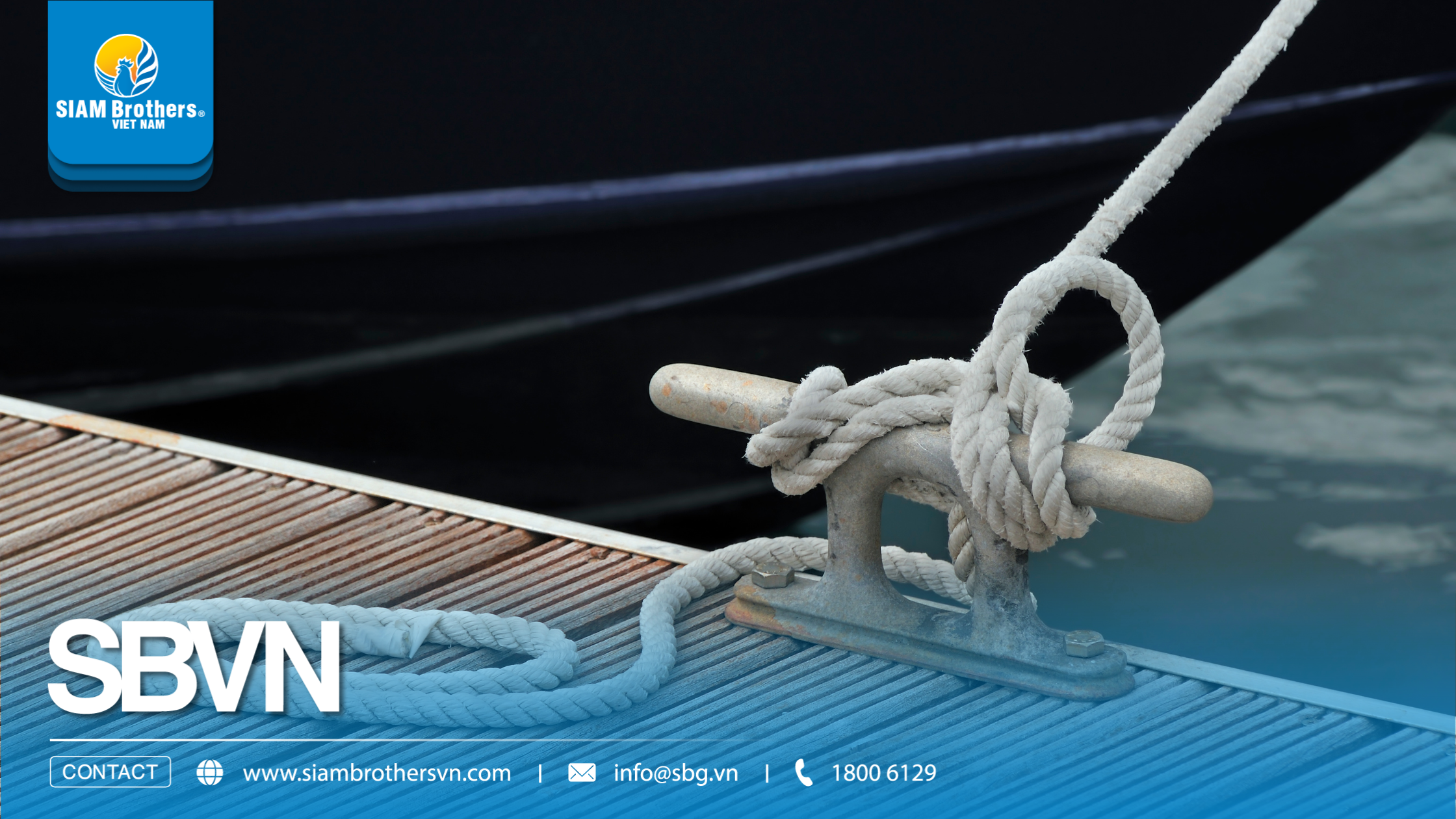
PP rope is one of the most commonly used anchor rope materials due to its affordability and lightweight design. It is a popular choice for small boats, nearshore fishing vessels, and general anchoring applications.
Key Features
- Lightweight construction
- Floats on water
- Easy to transport and handle
- Cost-effective
Advantages
- Low water absorption
- Convenient for anchoring small boats and fishing vessels
- Easy to replace and maintain
Limitations
- Lower load capacity than Nylon ropes
- Durability may decrease after prolonged exposure to intense sunlight
- Less suitable for large vessels or rough sea conditions
Typical Applications
- Nearshore fishing boats
- Small motorboats
- Temporary anchoring for aquaculture cages
- Calm water environments
2.2. PE Boat Anchor Rope (Polyethylene)
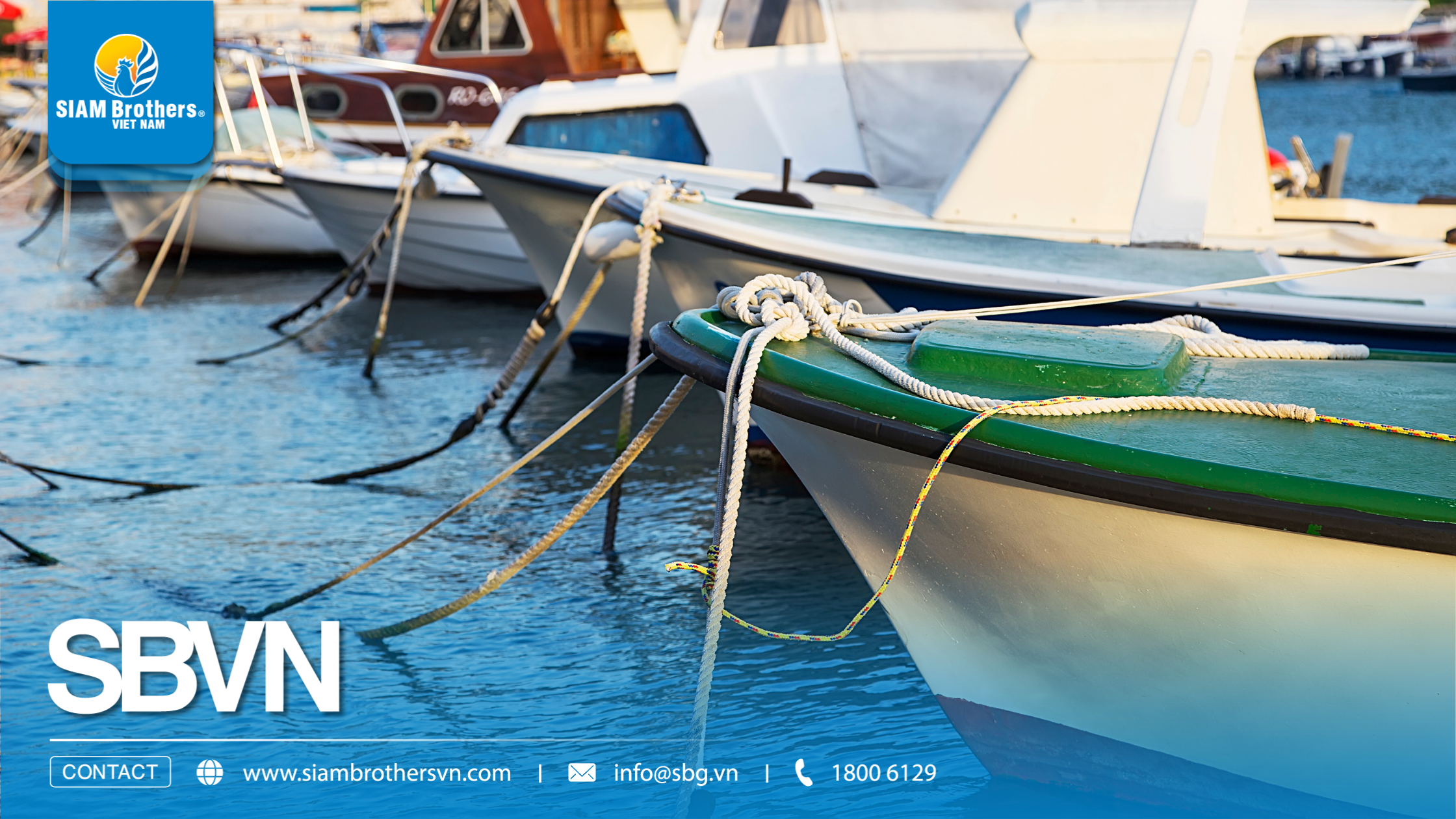
Compared with PP rope, PE rope is generally considered more durable and abrasion-resistant. It is widely used in saltwater environments and marine aquaculture systems.
Key Features
- Strong rope structure
- Excellent abrasion resistance
Advantages
- Long service life
- Less prone to fraying and degradation outdoors
- Better resistance to friction than many conventional ropes
- Suitable for demanding marine conditions
Limitations
- Typically more expensive than PP rope
- Heavier than some floating rope types
Typical Applications
- HDPE fish cage buoy anchoring systems
- Medium-sized fishing vessels
- Long-term offshore aquaculture projects
- Floating marine structures
2.3. Nylon Boat Anchor Rope
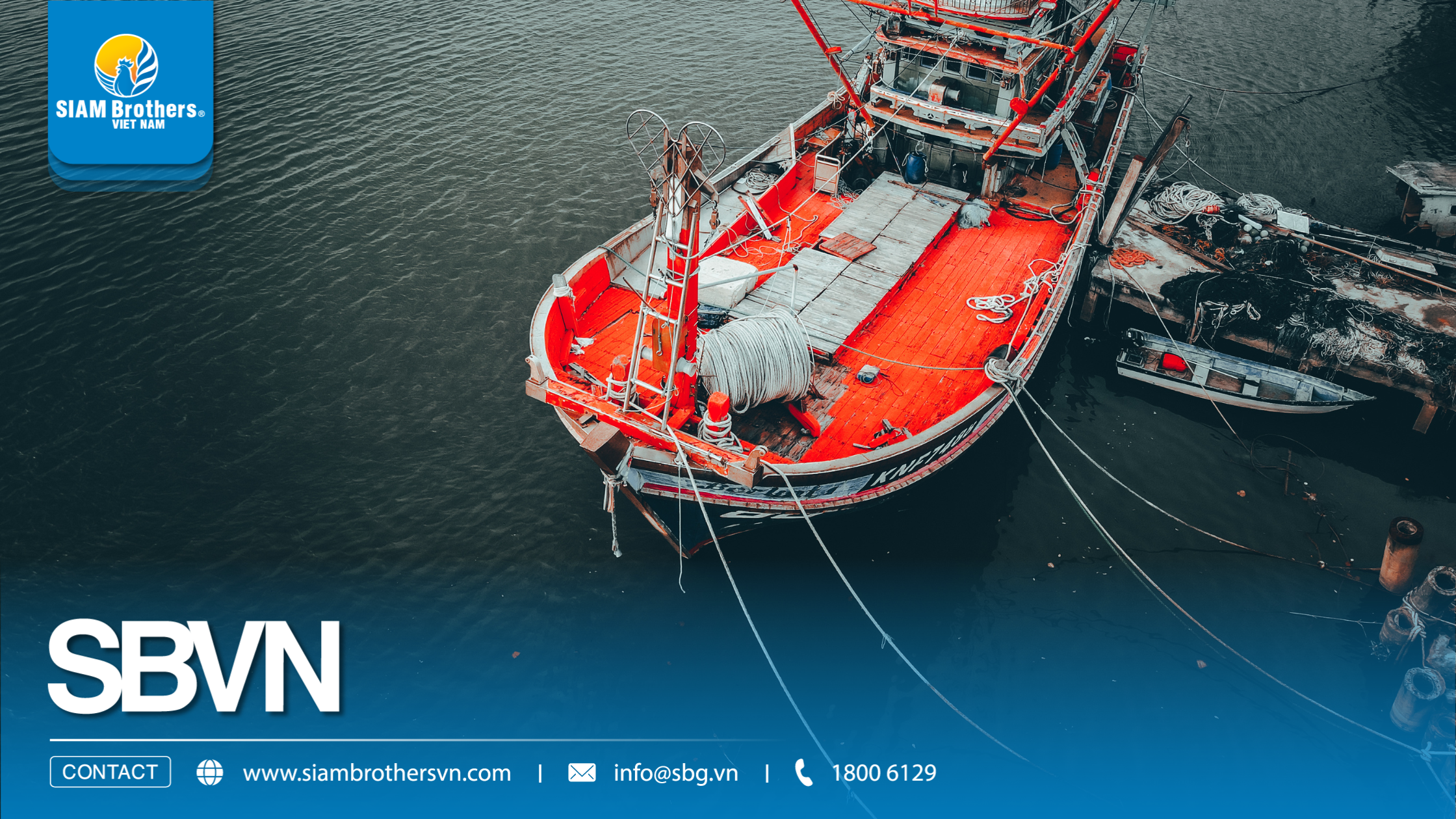
When high load capacity and excellent elasticity are required, Nylon rope is often the preferred choice for large fishing vessels and professional anchoring systems.
This type of Boat Anchor Rope performs particularly well in rough seas and areas frequently affected by strong waves.
Key Features
- Exceptional tensile strength
- High elasticity
- Reduces shock loads caused by wave movement
Advantages
- Suitable for heavy-duty applications
- Minimizes the risk of rope failure during rough sea conditions
- Excellent mechanical strength
- Long service life when properly maintained
Limitations
- Higher cost than PP and PE ropes
- Can become heavier when waterlogged
- Requires proper load selection for cost efficiency
Typical Applications
- Offshore fishing vessels
- Marine transport vessels
- Heavy-duty anchoring systems
- High-wave marine environments
Practical example:
For fishing vessels operating offshore for extended periods, many vessel owners prefer Nylon ropes because of their superior shock-absorbing capability when weather conditions change unexpectedly.
3. Comparing PP, PE, and Nylon Boat Anchor Rope: Which One Is Better?
When choosing a Boat Anchor Rope, factors such as durability, load capacity, saltwater resistance, and cost should all be considered. The comparison table below provides a quick overview of the strengths and limitations of each material.
| Criteria |
PP Boat Anchor Rope |
PE Boat Anchor Rope |
Nylon Boat Anchor Rope |
| Material |
Polypropylene |
Polyethylene |
Nylon |
| Durability |
Good |
Very Good |
Excellent |
| Load Capacity |
Moderate |
Good |
Excellent |
| Elasticity |
Low |
Moderate |
High |
| Saltwater Resistance |
Good |
Very Good |
Very Good |
| UV Resistance |
Moderate |
Good |
Good |
| Abrasion Resistance |
Moderate |
Good |
Excellent |
| Weight |
Lightweight |
Medium |
Heavier |
| Floating Ability |
Floats |
Depends on rope construction |
Typically sinks |
| Water Absorption |
Low |
Low |
Higher than PP and PE |
| Service Life in Marine |
Moderate |
Long |
Long |
| Cost |
Low |
Medium |
High |
| Ease of Handling |
Easy |
Fairly Easy |
Requires More Effort |
| Suitable for Small Boats |
Highly Suitable |
Suitable Less |
Common |
| Suitable for Large Fishing Vessels |
Limited |
Suitable |
Highly Suitable |
| Suitable for HDPE Fish Cage Systems |
Temporary Use |
Highly |
Suitable Suitable |
| Ideal Environment |
Nearshore, calm waters |
Offshore, saltwater environments |
Rough seas, heavy-duty applications |
| Common Applications |
Small boats, temporary anchoring |
Fish cages, medium-sized vessels |
Offshore vessels, heavy-load anchoring |
Quick Recommendation Based on Application Needs
| Application Requirement |
Recommended Boat Anchor Rope |
| Cost-effective solution |
PP Rope |
| Small fishing boats and motorboats |
PP Rope |
| HDPE fish cage anchoring |
PE Rope |
| Long-term use in saltwater environments |
PE Rope |
| Large fishing vessels |
Nylon Rope |
| Areas with strong waves and currents |
Nylon Rope |
| Heavy-load anchoring applications |
Nylon Rope |
4. FAQs – Frequently Asked Questions About Boat Anchor Rope
4.1. Should I Choose PP, PE, or Nylon Boat Anchor Rope?
The best choice depends on your specific operating conditions and anchoring requirements.
PP Boat Anchor Rope is suitable for:
- Small fishing boats
- Temporary anchoring systems
- Calm-water environments
- Users seeking a cost-effective solution
PE Boat Anchor Rope is suitable for:
- HDPE fish cage systems
- Saltwater environments
- Long-term offshore anchoring systems
Nylon Boat Anchor Rope is suitable for:
- Large fishing vessels
- Offshore operations
- Areas with rough sea conditions
Example:
- For small nearshore fishing boats, PP rope is often sufficient.
- For vessels that remain anchored offshore for extended periods, PE or Nylon rope provides greater durability and safety.
4.2. Does a Boat Anchor Rope Need UV Resistance?
Yes. UV resistance is an important factor for extending the lifespan of a Boat Anchor Rope.
At sea, anchor ropes are constantly exposed to:
- Intense sunlight
- Saltwater
- Sea winds
- Continuous friction during anchoring
Without adequate UV resistance, ropes may:
- Become brittle
- Fade quickly
- Lose tensile strength
- Break prematurely
For permanent anchoring systems such as:
- Fish cage farms
- HDPE buoy systems
- Marine docking facilities
it is recommended to choose anchor ropes with strong UV and abrasion resistance for long-term performance.
4.3. How Often Should a Boat Anchor Rope Be Replaced?
There is no universal replacement schedule for all anchor ropes. Service life depends on several factors, including:
- Frequency of use
- Anchoring environment
- Actual load conditions
- Rope quality
General recommendations:
- Ropes used continuously in marine environments should be inspected every few months.
- If the rope shows signs of fraying, stiffness, fading, or reduced elasticity, replacement should be considered.
In practice:
- PP ropes used on small boats may require more frequent replacement due to prolonged sun exposure.
- High-quality PE and Nylon ropes often provide longer service life when properly maintained.
- Routine inspections help minimize the risk of rope failure while vessels are anchored or operating offshore.
4.4. Should I Choose a Floating or Sinking Boat Anchor Rope?
The answer depends on your application.
- Floating Boat Anchor Rope
- Typically made from PP rope or certain PE rope constructions.
Best suited for:
- Small boats
- Temporary anchoring
- Situations where rope visibility is important
Advantages:
- Lightweight
- Easy to handle
- Reduces the risk of entanglement with propellers
- Sinking Boat Anchor Rope
- Typically made from Nylon.
Best suited for:
- Large vessels
- Permanent anchoring systems
- High-wave environments
Advantages:
- Greater anchoring stability
- Less movement caused by waves and currents
- Before selecting a rope, carefully evaluate your operating environment to determine whether a floating or sinking anchor rope is more appropriate.
4.5. How Do I Choose the Right Boat Anchor Rope Size?
The correct rope diameter should match:
- Vessel size and weight
- Fish cage dimensions
- Local sea conditions
- Anchoring duration
If the rope is too small:
- Excessive tension may occur
- The risk of rope failure increases
If the rope is too large:
- Initial investment costs increase
- Rope handling becomes more difficult
Example:
- Small nearshore boats generally require smaller-diameter ropes.
- Offshore fishing vessels and large fish cage systems require larger, higher-strength ropes to ensure safe anchoring.
PP, PE, and Nylon Boat Anchor Rope options each offer unique advantages in terms of durability, load capacity, and investment cost. Choosing the right rope depends on factors such as vessel size, anchoring conditions, environmental exposure, and long-term operational requirements.
For small boats and budget-conscious applications, PP rope is often a practical choice. For fish cage systems and long-term marine use, PE rope provides an excellent balance between durability and cost. When maximum strength and shock absorption are required, Nylon rope remains the preferred solution for offshore fishing vessels and heavy-duty anchoring systems.
If you are looking for a reliable Boat Anchor Rope solution for fishing boats, aquaculture cages, or offshore marine structures, contact SIAM Brothers Vietnam for expert guidance and product recommendations tailored to your specific needs.
Source: SIAM Brothers Vietnam
Contact us:
► Address: 5th floor, VRG Building, 177 Hai Ba Trung Street., Xuan Hoa Ward, Ho Chi Minh City, Vietnam
► Hotline: 1800 6129
► Tel: (+84) 28 38 912 889
► Email: info@sbg.vn
► Follow us for more details at: Facebook - Zalo OA - Tiktok - Youtube - LinkedIn
Download SBVN ID app here:
► CHPlay
► Appstore