
- 1800 6129

Choosing high-quality plastic netting is not only about durability. The right product also depends on mesh size, structural design, and its ability to meet specific application requirements.
Why can the same type of plastic netting be suitable for aquaculture in one case, while another version is more suitable for agricultural or industrial applications? Selecting the wrong specifications can reduce performance, increase replacement costs, and affect the safety and efficiency of the entire system.
In this guide, SIAM Brothers Vietnam will help you understand the most common plastic netting sizes, how to select the right mesh size for different applications, and the key factors to consider when choosing high-quality netting products.
Small mesh plastic netting features narrow openings between each mesh, helping prevent small fish, young aquatic species, or small objects from passing through. This type of netting is widely used in aquaculture applications and several agricultural solutions.
Common applications include:
- Raising fish fry and shrimp larvae where size control is important.
- Creating partitions in ponds, hatchery areas, and nursery systems.
- Protecting crops by preventing insects or small animals from entering.
- Acting as a barrier layer in filtration and sorting systems.
For environments that require high stability and long-term performance, users should prioritize plastic netting with:
- Consistent mesh structure.
- Flexible and durable plastic fibers.
- Strong resistance to outdoor conditions.
These factors are also important criteria for evaluating high-quality plastic netting, rather than focusing only on mesh size.
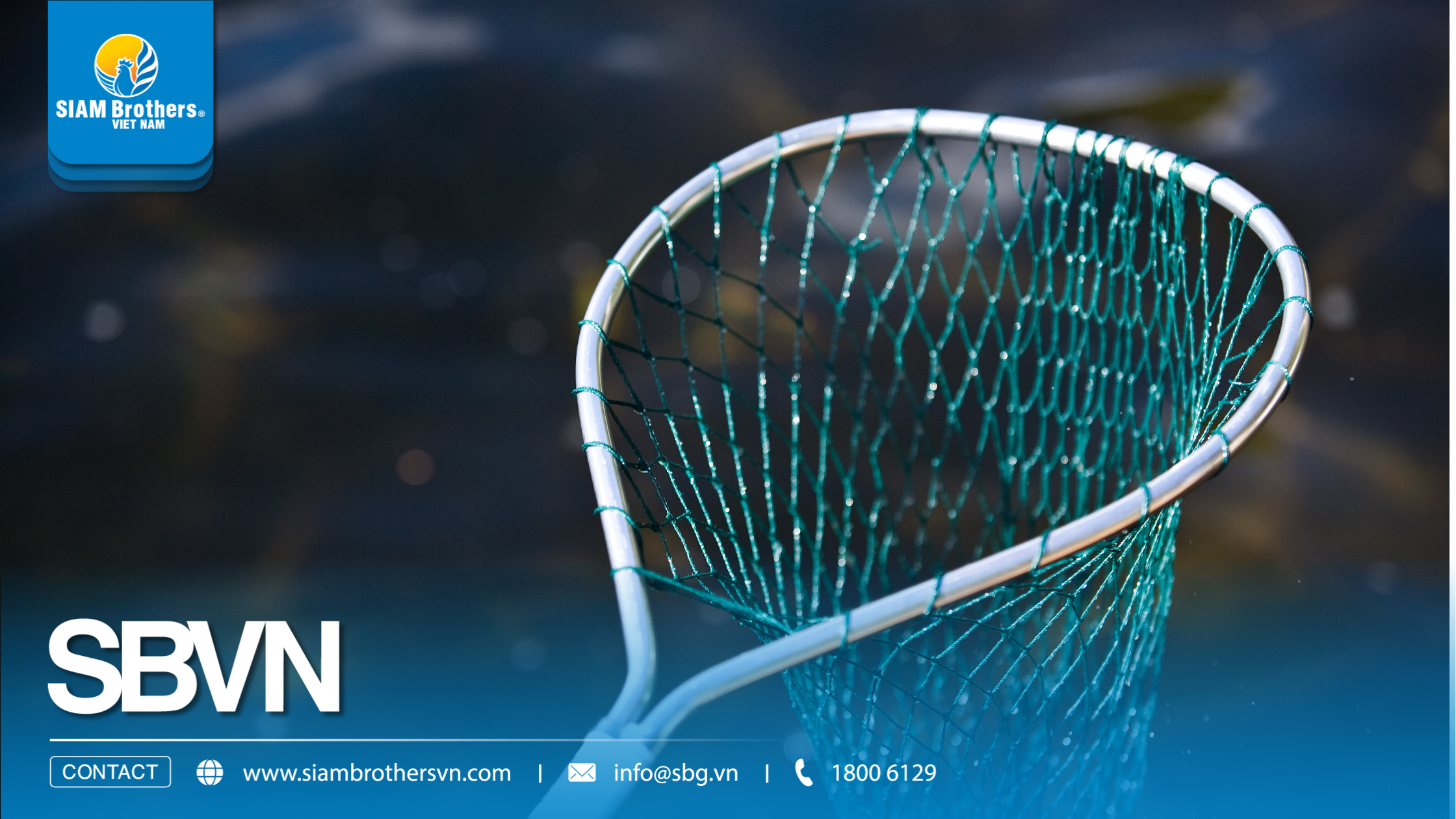
Medium mesh plastic netting is widely used because it provides a balanced combination of:
- Effective containment.
- Good water circulation.
- Long-lasting durability during operation.
This mesh size category is commonly selected by fish farms, aquaculture businesses, and commercial farming operations.
Common applications include:
- Fish cage and floating cage systems.
- Commercial aquaculture in ponds, lakes, rivers, and coastal areas.
- Dividing farming zones for easier management and operation.
For example, in river or offshore fish cage systems:
- If the mesh size is too small, water flow may be restricted, reducing oxygen exchange and increasing the risk of algae buildup.
- If the mesh size is too large, smaller fish may escape.
Therefore, choosing the right plastic netting mesh size should be based on:
- The size of the aquatic species.
- Growth stage requirements.
- Actual environmental conditions at the installation site.
Large mesh plastic netting is commonly used in applications that require:
- High durability.
- Better water drainage.
- Large-area coverage.
This type of netting is often suitable for outdoor environments where the product is exposed to frequent impacts from:
- Water.
- Wind.
- Pulling forces.
- Continuous operation conditions.
Common applications include:
- Large-scale aquaculture cage systems.
- Area separation and protection projects.
- Civil construction and industrial applications.
For projects requiring long-term use, buyers should consider more than just mesh size. Important factors include:
- Plastic material quality.
- Fiber diameter.
- UV resistance.
- Weather durability.
These elements directly affect the service life of plastic netting, especially when used outdoors or in harsh environments.
Choosing the correct plastic netting mesh size plays an important role in ensuring performance, durability, and cost efficiency. Each application requires different specifications depending on environmental conditions, usage purposes, and operating requirements.
In aquaculture, mesh size directly affects:
- The ability to contain aquatic species.
- Water circulation efficiency.
- The load-bearing capacity of cage systems.
- Maintenance requirements during operation.
When selecting plastic netting for aquaculture, users should consider the following factors:
- The size of aquatic species at each growth stage.
- Stocking density inside cages or farming areas.
- Environmental conditions, including freshwater, brackish water, or seawater.
- Frequency of inspection, cleaning, and net replacement.
Recommended mesh size selection:
Small Mesh Plastic Netting
Suitable for:
- Hatchery areas and nursery systems.
- Raising young fish or small aquatic species.
- Preventing small fish from escaping.
Advantages:
- Provides better containment for small-sized species.
- Helps improve management efficiency during early growth stages.
Medium Mesh Plastic Netting
Suitable for:
- Commercial fish cage farming.
- Aquaculture systems requiring a balance between containment and water circulation.
- Frequently used by many fish farmers and aquaculture companies.
Advantages:
- Allows sufficient water exchange.
- Maintains stable cage conditions.
- Provides a practical solution for long-term farming operations.
Large Mesh Plastic Netting
Suitable for:
- Large-scale aquaculture systems.
- Offshore and marine farming applications.
- Areas requiring strong water flow and better drainage.
Advantages:
- Improves water circulation.
- Reduces water pressure on cage structures.
- Supports applications requiring stronger and more durable net fibers.
Example:
For a marine fish cage system, using plastic netting with mesh openings that are too small may restrict water circulation and increase the accumulation of algae and organic waste. On the other hand, mesh openings that are too large can increase the risk of fish escaping. Therefore, selecting the right high-quality plastic netting should be based on actual operating conditions, species characteristics, and long-term usage requirements rather than choosing only based on price.
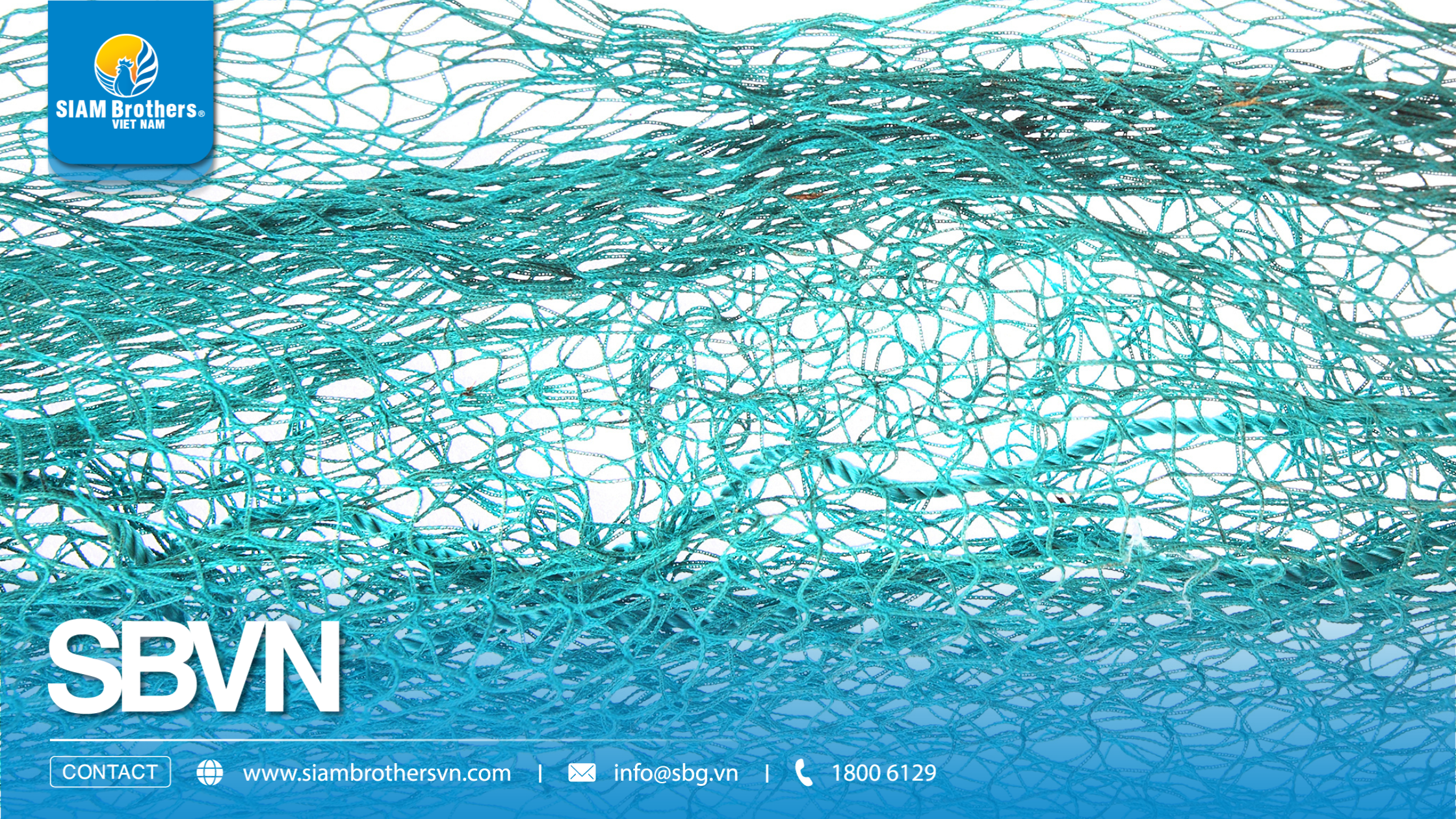
In agriculture, plastic netting is commonly used for:
- Crop protection.
- Creating fences and boundaries.
- Dividing production areas.
- Supporting plant structures.
- Protecting livestock and farming environments.
The suitable mesh size depends on the purpose of use.
Small Mesh Plastic Netting
Suitable for:
- Preventing insects, birds, and small pests.
- Greenhouses and protected farming systems.
- Vegetable gardens and seedling areas.
Benefits:
- Creates an effective protective barrier.
- Helps reduce damage from external factors while maintaining airflow.
Medium Mesh Plastic Netting
Suitable for:
- Agricultural fencing.
- Separating cultivation areas.
- Creating protective barriers around farms.
Benefits:
- Provides good ventilation.
- Maintains visibility while creating an effective separation layer.
- Offers a balance between strength and material efficiency.
Large Mesh Plastic Netting
Suitable for:
- Large-area coverage.
- Farm zoning and area separation.
- Trellis systems and agricultural support structures.
Benefits:
- Reduces material usage when covering large spaces.
- Provides good airflow and easy installation.
For outdoor agricultural applications, customers should prioritize high-quality plastic netting with:
- UV resistance.
- Weather durability.
- Long-term flexibility.
- Stable performance under sunlight and rain exposure.
These characteristics help maintain product strength and extend service life in outdoor environments.
For businesses, retailers, and agricultural or aquaculture material distributors, selecting plastic netting is not only about one specific project. The product range should be flexible enough to meet different customer requirements.
Important factors to consider include:
- A wide selection of mesh sizes for different applications.
- Consistent product specifications between shipments.
- Reliable supply capacity for large-volume orders.
- Stable quality to reduce after-sales issues.
Material distributors often prioritize plastic netting products with various options, including:
- Mesh opening sizes.
- Fiber thickness.
- Net width.
- Roll length.
- Plastic material specifications.
Having multiple product options allows distributors to provide better recommendations for different customer groups, from small-scale farmers to large commercial aquaculture operations.
For example:
- Small farms may require fine mesh netting for hatchery or crop protection purposes.
- Large aquaculture companies may need stronger netting with larger mesh sizes for offshore cage systems.
Therefore, suppliers of high-quality plastic netting should provide not only products but also technical guidance to help customers select the right specifications for each application.
When selecting high-quality plastic netting, durability is not the only factor to consider. Material quality, mesh specifications, fiber strength, UV resistance, and supplier reliability all play an important role in determining product performance and service life.
Understanding these specifications helps customers choose the right plastic netting solution for aquaculture, agriculture, and industrial applications.
Material quality is the first factor that determines the overall performance of plastic netting. Today, common plastic netting products are manufactured from materials such as PE, PP, and HDPE, depending on specific application requirements.
HDPE Plastic Netting
Advantages:
- Excellent resistance to harsh environmental conditions.
- High durability when exposed to outdoor factors.
- Suitable for long-term applications such as aquaculture, fish cages, floating cages, and coastal environments.
PE Plastic Netting
Advantages:
- Flexible and easy to process.
- Suitable for various household, agricultural, and general-purpose applications.
PP Plastic Netting
Advantages:
- Lightweight design.
- Suitable for applications that do not require extremely high load-bearing capacity.
For environments frequently exposed to water, sunlight, or mild chemicals, selecting the right plastic material has a significant impact on product lifespan and long-term performance.
Mesh size is one of the most important specifications customers should carefully check before purchasing plastic netting.
Although different products may look similar, each mesh size is designed for different purposes and operating conditions.
Important factors to consider:
Mesh Opening Size
Mesh size determines:
- The ability to contain aquatic species or objects.
- The effectiveness of separation and protection applications.
Examples:
- Small mesh sizes are suitable for fish fry, young aquatic species, and small objects.
- Larger mesh sizes are suitable for applications requiring better airflow, drainage, and water circulation.
Net Width
The net width should match the installation area and construction requirements.
Benefits:
- Reduces cutting and joining work.
- Minimizes material waste.
- Improves installation efficiency.
Roll Length
Roll length is especially important for:
- Businesses.
- Material distributors.
- Large-scale projects requiring bulk quantities.
It helps customers:
- Calculate material requirements accurately.
- Estimate costs effectively.
- Plan installation schedules more efficiently.
For example, a fish cage farmer requires completely different plastic netting specifications compared with a company using netting for production zoning or industrial separation.
Therefore, customers should not select plastic netting based on only one specification. The final choice should consider the complete application requirements.
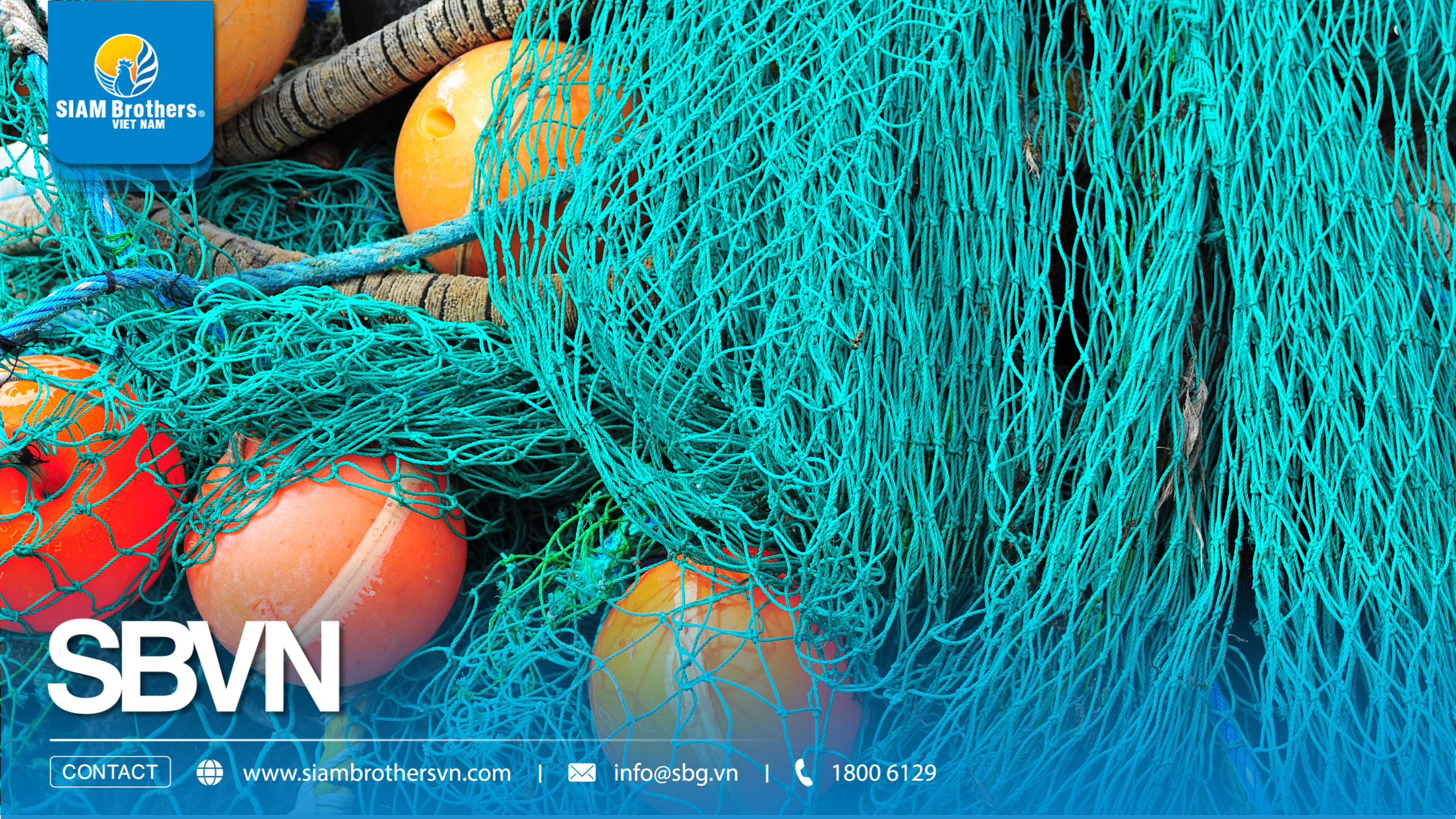
Fiber diameter directly affects the strength and durability of plastic netting.
For applications exposed to high external forces, such as:
- Strong water currents.
- Ocean waves.
- Outdoor installation over long periods.
This specification becomes especially important.
When evaluating the strength of plastic netting, customers should check:
- Fiber thickness and consistency.
- Tensile strength when the net is stretched.
- Overall structural stability.
According to practical production experience at SIAM Brothers Vietnam, even when two products have the same mesh size, differences in fiber structure can result in significantly different durability levels.
Therefore, customers should prioritize products with clear technical specifications instead of comparing only prices between different types of plastic netting.
For plastic netting used outdoors, especially in:
- Aquaculture systems.
- Agricultural applications.
- Construction and industrial projects.
Resistance to aging and environmental impact is a critical factor that should not be overlooked.
A high-quality plastic netting product should provide:
- Resistance against cracking and brittleness after prolonged sun exposure.
- Long-lasting flexibility during operation.
- Stable performance under changing weather conditions.
For marine environments, customers should prioritize plastic netting designed to withstand:
- Saltwater exposure.
- High humidity.
- Strong sunlight.
- Harsh coastal weather conditions.
Besides technical specifications, product origin and supplier capability are also important factors when evaluating high-quality plastic netting.
For businesses, distributors, and customers purchasing in large quantities, choosing the right supplier helps ensure:
- Stable product quality.
- Consistent specifications between orders.
- Reliable long-term supply.
Customers should check:
- Whether the supplier has experience in plastic manufacturing or material distribution.
- Whether product specifications are clearly provided.
- Whether technical support is available for product selection.
At SIAM Brothers Vietnam, plastic netting solutions are recommended based on each customer's actual application requirements.
From aquaculture farmers and agricultural users to businesses and material distributors, selecting the correct specifications from the beginning helps:
- Improve operational efficiency.
- Reduce replacement costs.
- Extend system lifespan.
The suitable mesh size depends on the intended application. There is no single standard mesh size that works for every situation.
When selecting plastic netting, consider:
Type of Aquatic Species or Objects to Protect
Examples:
- Fish fry farming requires smaller mesh sizes to prevent escape.
- Commercial fish farming requires mesh sizes that balance containment and water circulation.
- Fencing or production zoning applications may require larger mesh openings.
Environmental Conditions
Examples:
- Marine areas and strong-current environments require netting with higher strength and durability.
- Agricultural environments require better UV resistance and weather protection.
A high-quality plastic netting product usually has the following characteristics:
- Uniform and consistent plastic fibers.
- Strong structure without deformation.
- Mesh sizes matching the published specifications.
- Clear information about material and product specifications.
- Supplied by a manufacturer or distributor with quality control capabilities.
Besides visual inspection, businesses and distributors should request technical consultation from suppliers to ensure the selected product matches the actual application requirements.
For businesses, distributors, and construction contractors, selecting a reliable supplier is essential.
Important factors include:
- Variety of product specifications.
- Ability to supply additional quantities when needed.
- Support policies for distributors and businesses.
- Technical consultation services.
At SIAM Brothers Vietnam, the technical team works closely with customers to ensure product quality and recommend suitable plastic netting solutions for each specific requirement.
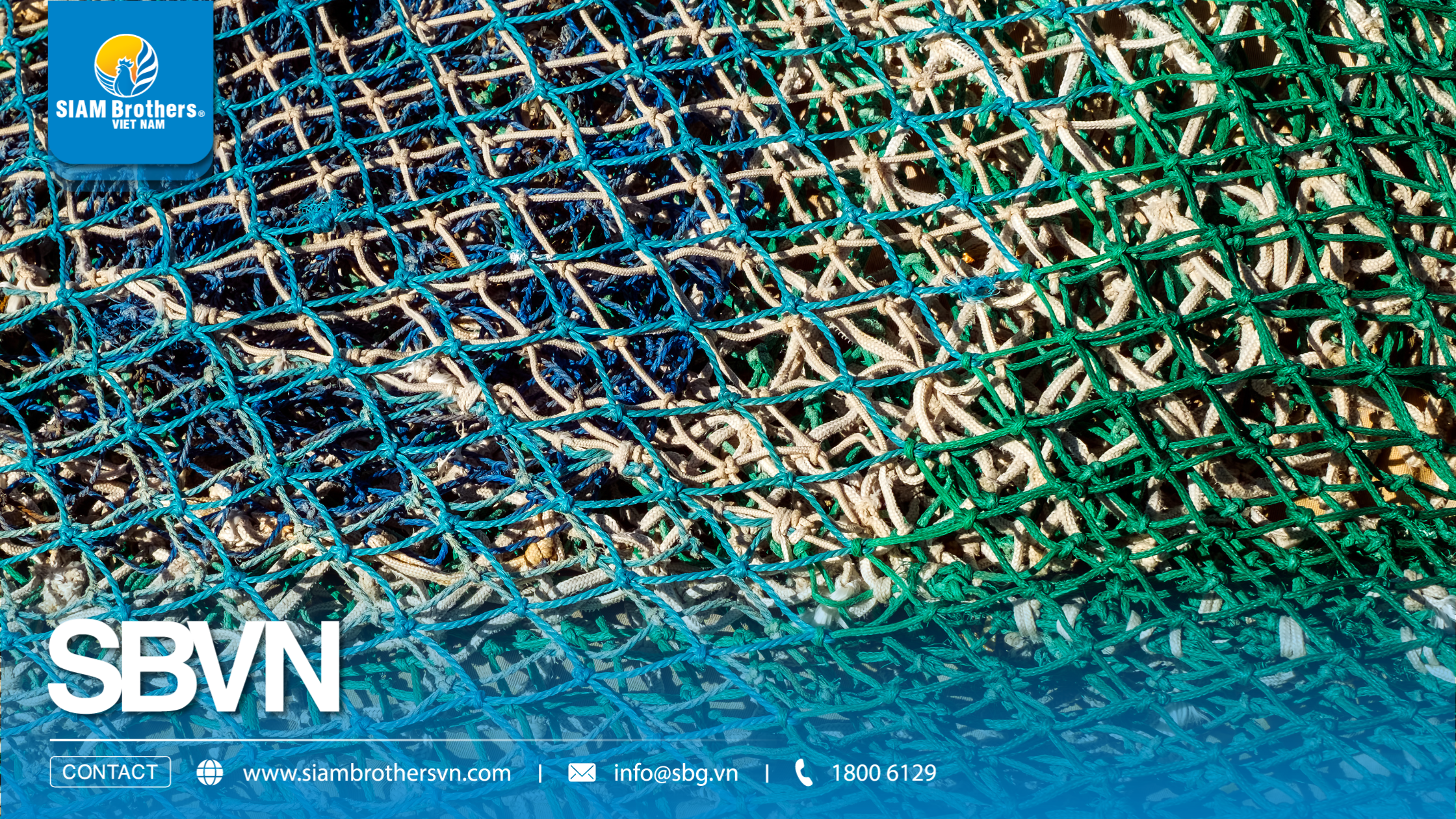
When purchasing plastic netting, customers should prioritize suppliers with experience in:
- Aquaculture materials.
- Agricultural supplies.
- Plastic product manufacturing and distribution.
With experience in fishing ropes, aquaculture equipment, and HDPE plastic products, SIAM Brothers Vietnam provides suitable solutions for various customer groups, including:
- Small-scale farmers.
- Commercial aquaculture companies.
- Agricultural businesses.
- Material distribution networks nationwide.
High-quality plastic netting is not only defined by durability but also by selecting the correct mesh size and specifications for each application.
From aquaculture and fish cage systems to agricultural and industrial uses, choosing the right plastic netting specifications helps improve operational efficiency, reduce damage, and minimize replacement costs.
With experience in manufacturing and supplying aquaculture materials, SIAM Brothers Vietnam provides professional plastic netting solutions tailored to different customer requirements.
Contact SIAM Brothers Vietnam today for expert support in selecting the right high-quality plastic netting solution for your application.
Source: SIAM Brothers Vietnam
Contact us:
► Address: 5th floor, VRG Building, 177 Hai Ba Trung Street., Xuan Hoa Ward, Ho Chi Minh City, Vietnam
► Hotline: 1800 6129
► Tel: (+84) 28 38 912 889
► Email: info@sbg.vn
► Follow us for more details at: Facebook - Zalo OA - Tiktok - Youtube - LinkedIn
Download SBVN ID app here:
► CHPlay
► Appstore








Specializing in Agricultural and Fisheries Products & Multipurpose Wire