
- 1800 6129

Where can you buy floating buoys that offer excellent durability, high load-bearing capacity, and long-term cost efficiency? This is a common question among aquaculture businesses, equipment distributors, fishermen, and floating cage operators today. The market offers a wide range of floating buoys with different materials, sizes, and price ranges. However, not every product is suitable for marine environments, aquaculture ponds, or outdoor floating structures.
In this article, SIAM Brothers Vietnam provides the latest floating buoy price updates by type, explores the advantages and disadvantages of HDPE floating buoys, fish cage buoys, and plastic floating buoys, and highlights key criteria for choosing a reliable supplier that meets the practical needs of modern aquaculture and marine applications.
In recent years, the demand to buy floating buoys has increased significantly, especially in aquaculture, floating infrastructure, and agricultural sectors. As marine farming and inland aquaculture continue to expand, businesses, distributors, and fishermen are increasingly seeking floating buoys that provide long-lasting durability, strong buoyancy, and reliable performance in outdoor environments.
Buying high-quality floating buoys helps floating cage systems operate more efficiently in marine environments. Source: SBVN
This is currently the largest market segment for floating buoys. In coastal regions such as Khanh Hoa, Kien Giang, Phu Quoc, and Quang Ninh, many marine fish farms are transitioning to modern HDPE floating cage systems.
In practical applications, floating buoys play a critical role in maintaining the stability of the entire farming structure. Therefore, users often prioritize floating buoys that offer:
For large-scale fish farms, investing in quality floating buoys from the beginning can significantly reduce repair and replacement costs over time.
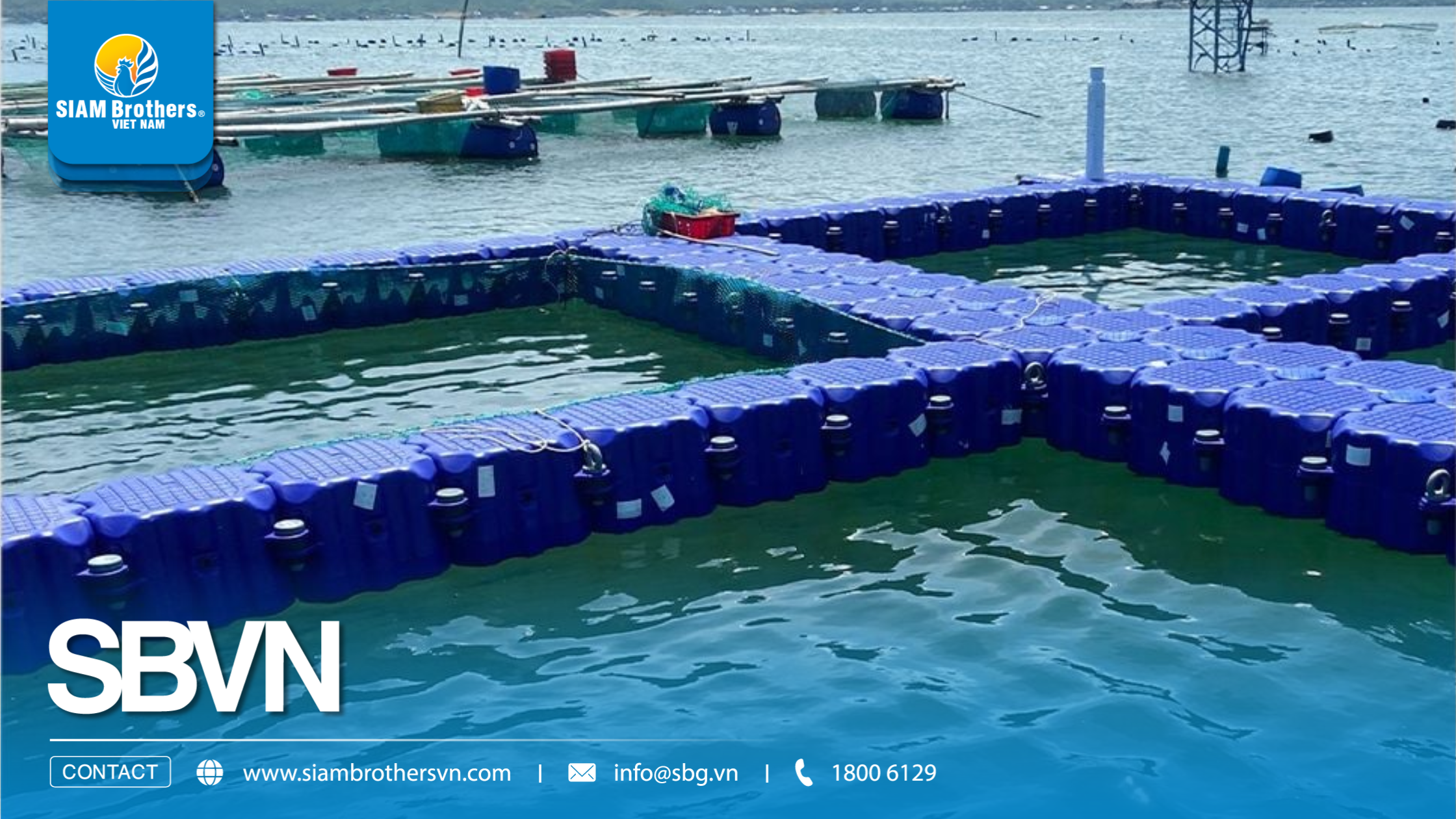
In addition to aquaculture and agriculture, the demand to buy floating buoys for civil engineering projects has also increased considerably in recent years.
Floating buoys are widely used in:
For these applications, buyers typically focus on:
HDPE floating buoys are among the most widely used products in modern offshore aquaculture systems. Many fish farms in Khanh Hoa, Phu Yen, and Kien Giang prefer HDPE buoys because of their excellent durability and reliable performance in harsh marine conditions.
Key advantages include:
These buoys are suitable for:
For large-scale operations, many farm owners choose to buy HDPE floating buoys instead of foam floats to reduce long-term replacement costs.
Beyond marine farming, freshwater fish farms and agricultural operations also need floating buoys for ponds and various floating systems.
These buoys are often selected because they offer:
Common applications include:
In practice, many users prefer buoys with thick HDPE outer layers for enhanced durability under long-term outdoor exposure.
Heavy-duty floating buoys have become increasingly popular among construction contractors and infrastructure developers.
Compared to standard civil-use buoys, these products require:
Typical applications include:
When planning to buy floating buoys for infrastructure projects, users should carefully evaluate load capacity requirements and material quality to ensure long-term reliability.
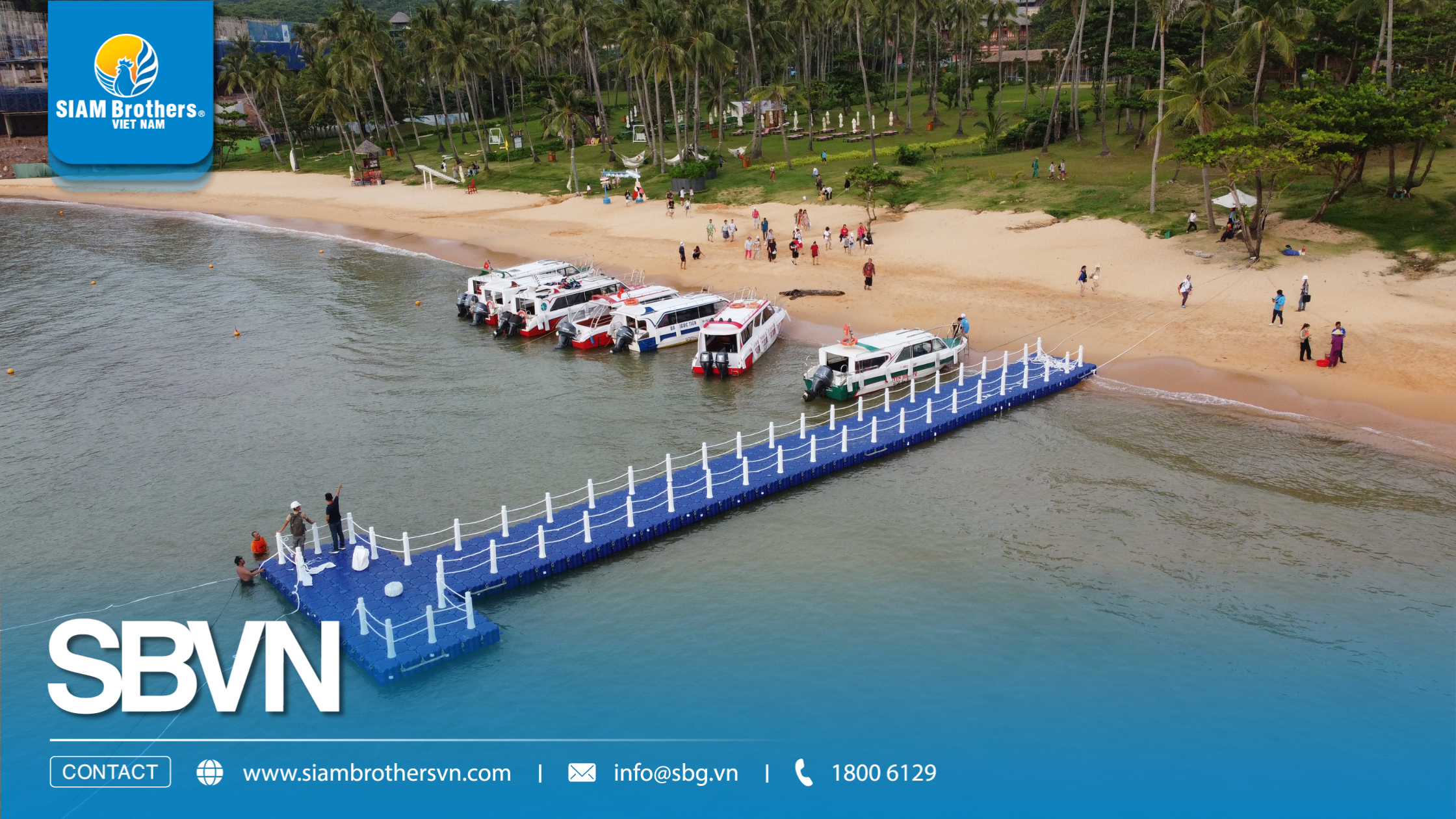
In recent years, modular floating buoys have gained popularity due to their flexibility and scalability.
Key benefits include:
Commonly used in:
For projects that require frequent modifications or future expansion, modular floating systems provide a highly practical solution.
In addition to aquaculture and floating structures, municipalities and environmental organizations are increasingly investing in floating buoy systems for waste management in rivers, lakes, and drainage canals.
These specialized buoy systems require:
Typical applications include:
HDPE environmental buoys are often preferred because they offer long service life and reliable performance in challenging outdoor conditions.
In reality, there is no fixed price that applies to all floating buoys. The cost of each product varies depending on several factors, including:
For example:
Therefore, when planning to buy floating buoys, buyers should consider overall performance and long-term value rather than focusing solely on the lowest price.
3.2. HDPE Floating Buoy Prices for Marine Fish Cage Systems
HDPE floating buoys are currently among the most sought-after products in the aquaculture industry.
Compared to traditional flotation products, HDPE floating buoys typically have a higher price because they offer:
Prices may vary depending on:
Large-scale marine farming companies often request customized quotations based on their actual fish cage systems to optimize investment costs.
Compared to offshore HDPE floating buoys, plastic floating buoys designed for freshwater ponds and civil applications are generally more affordable.
These products are suitable for:
Key advantages include:
However, for long-term outdoor use or harsh environmental conditions, buyers should prioritize products with thicker HDPE shells and strong UV resistance to maximize durability.
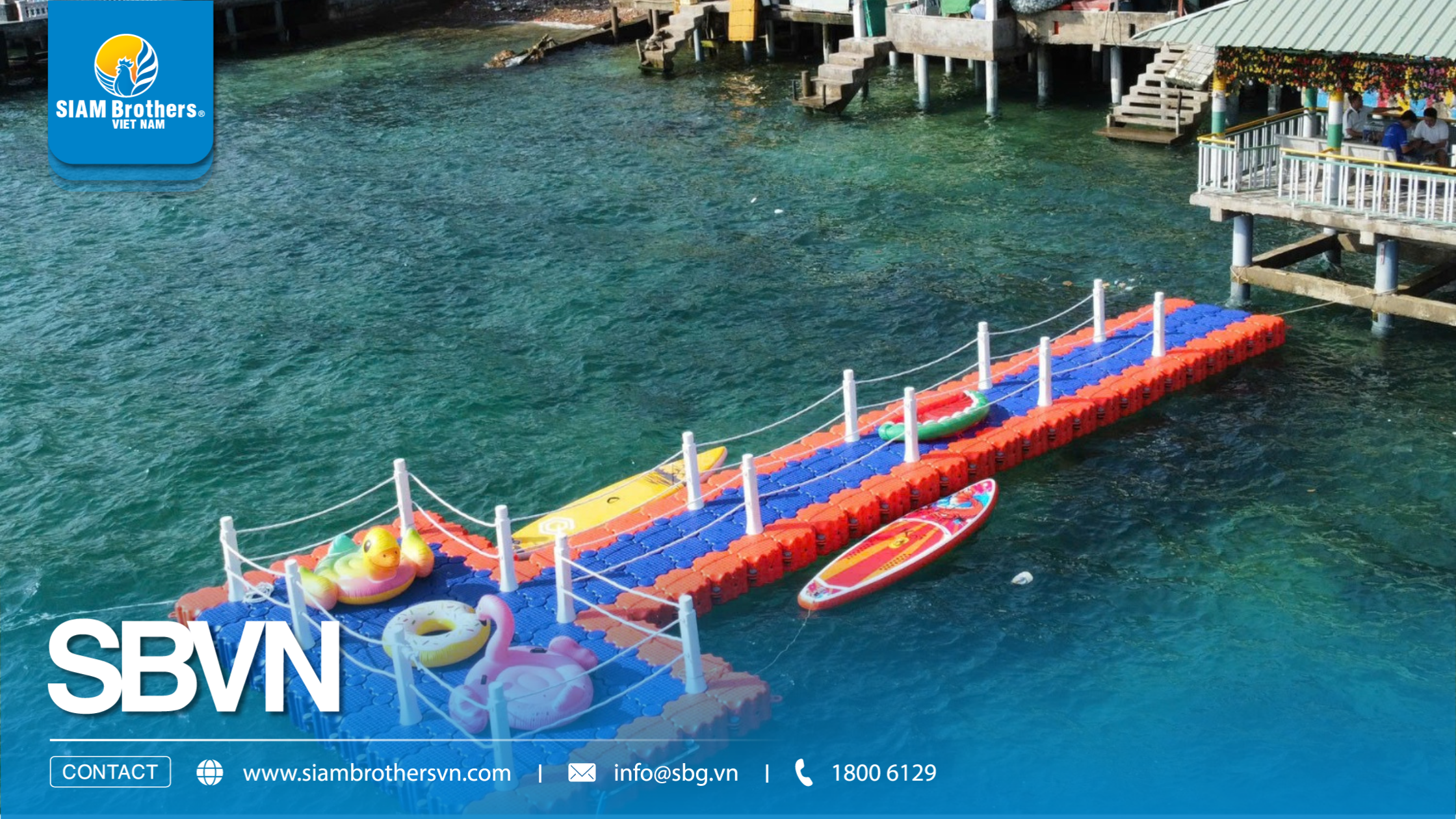
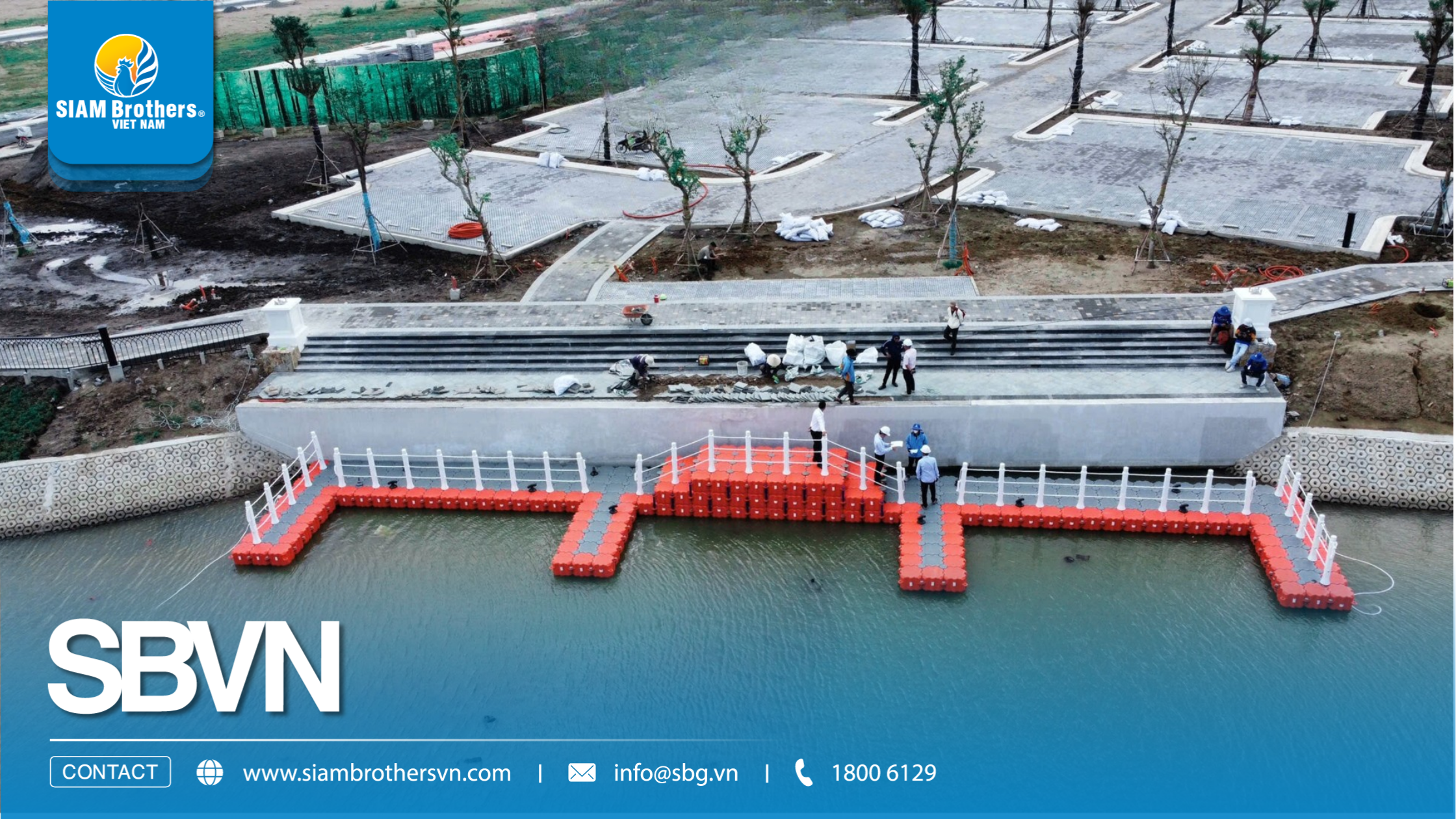
Floating buoys used in floating bridges, floating docks, and infrastructure projects usually require higher technical specifications.
As a result, pricing depends on factors such as:
For many outdoor projects, investing in high-quality floating buoys from the beginning helps reduce future repair costs and minimize operational risks.
This is why many organizations prefer to buy floating buoys from experienced manufacturers rather than choosing products with unclear origins.
This is one of the most common questions people ask when searching for floating buoy prices online.
Although low-cost products can reduce upfront expenses, they often lead to higher maintenance and replacement costs over time.
Common issues associated with low-quality floating buoys include:
For offshore aquaculture systems and long-term floating structures, choosing products with verified quality and professional technical support is usually a better investment.
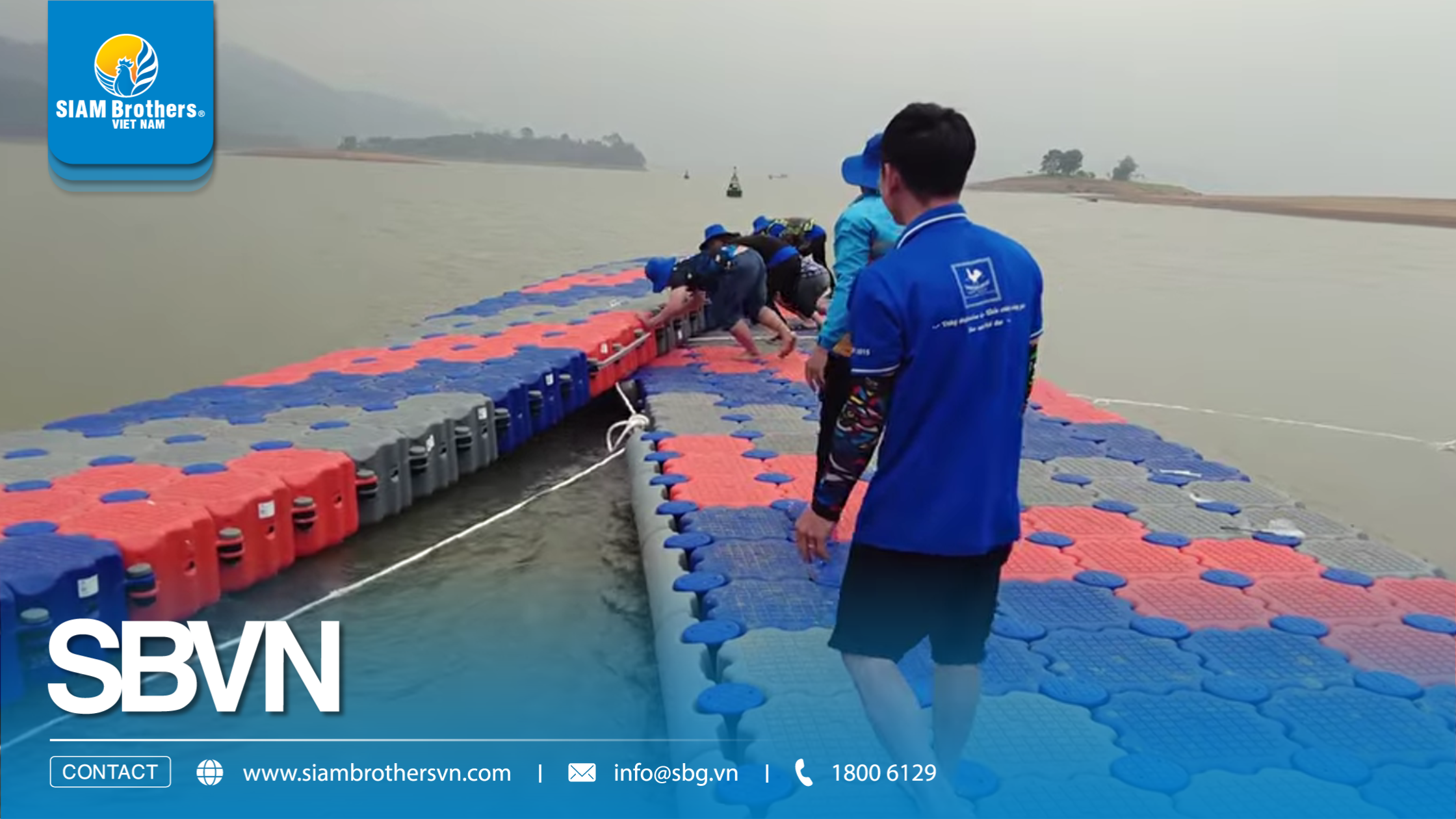
The answer depends on your intended application.
For example:
Before deciding to buy floating buoys, consider:
Choosing the right product from the beginning helps ensure system stability and reduces future maintenance issues.
The lifespan of a floating buoy depends on both material quality and operating conditions.
High-quality HDPE floating buoys typically provide:
On the other hand, low-cost products made from inferior materials often deteriorate quickly when exposed to sunlight and seawater.
This is why many businesses prioritize product quality and supplier reliability over price alone.
Affordable products may reduce initial investment costs, but long-term performance should also be considered.
Common drawbacks include:
For marine aquaculture and long-term floating infrastructure, investing in higher-quality products often delivers better value over time.
Yes. Bulk orders generally receive more competitive pricing than small purchases.
Pricing typically depends on:
Many distributors and businesses request customized quotations for complete fish cage systems or floating infrastructure projects.
To receive an accurate quotation quickly, it is helpful to provide:
For example:
Yes. Even highly durable products should be inspected periodically to ensure optimal performance.
Routine inspections should include:
For offshore fish cage systems, regular maintenance helps identify potential issues before they affect operations.
Many buyers prefer working directly with manufacturers because they offer:
In addition, manufacturers with practical experience in the aquaculture industry can provide more accurate recommendations, especially for offshore fish cages and heavy-duty floating structures.
To buy floating buoys effectively, buyers should look beyond price and consider operating conditions, load requirements, and long-term performance. Whether for aquaculture systems, HDPE fish cages, floating bridges, or marine infrastructure, selecting the right floating buoy from the start can significantly reduce maintenance and replacement costs over time.
Today, many businesses, distributors, and fishermen prefer HDPE floating buoys because of their excellent durability, UV resistance, and ability to withstand harsh marine environments. If you are looking for a reliable supplier with competitive pricing and expert technical support, SIAM Brothers Vietnam is ready to help you find the most suitable floating buoy solution for your specific project requirements.
Source: SIAM Brothers Vietnam
Contact us:
► Address: 5th floor, VRG Building, 177 Hai Ba Trung Street., Xuan Hoa Ward, Ho Chi Minh City, Vietnam
► Hotline: 1800 6129
► Tel: (+84) 28 38 912 889
► Email: info@sbg.vn
► Follow us for more details at: Facebook - Zalo OA - Tiktok - Youtube - LinkedIn
Download SBVN ID app here:
► CHPlay
► Appstore








Specializing in Agricultural and Fisheries Products & Multipurpose Wire