Does recycled plastic truly help businesses reduce costs, or could it quietly shorten product lifespan without you realizing it? This is a common concern among factory owners, distributors, and professionals in the fisheries and agriculture sectors when selecting production materials. In this article, SIAM Brothers Vietnam provides a practical comparison between recycled plastic and virgin plastic in the manufacturing of ropes, nets, and HDPE floating buoys, while also recommending the most suitable material for each industry. If you are looking to optimize costs without compromising product quality, the following insights will help you make the right decision from the start.
1. What Is Recycled Plastic? What Is Virgin Plastic?
1.1. What Is Recycled Plastic?
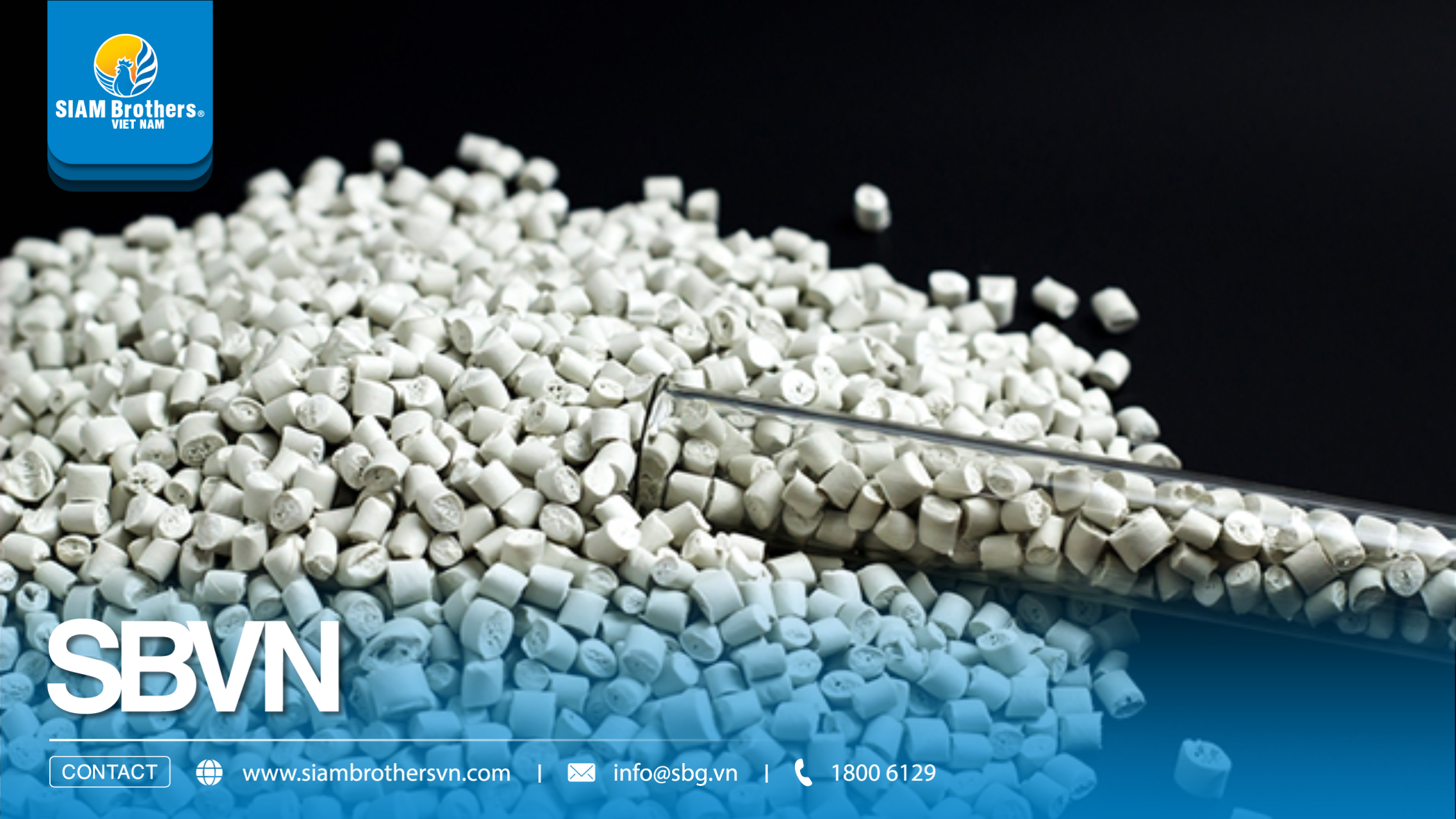
Recycled plastic is commonly produced by collecting, sorting, and reprocessing used plastic materials. It is a popular option across many industries due to its lower cost; however, its quality heavily depends on the recycling process and raw material source.
Key Characteristics of Recycled Plastic
- Made from recycled plastic waste such as packaging, bottles, and industrial plastic products
- More affordable than virgin plastic, helping businesses reduce material costs
- Quality may vary depending on recycling technology and input materials
- Can contain impurities or experience reduced mechanical properties after multiple recycling cycles
- Generally offers lower tensile strength, UV resistance, and durability compared to virgin plastic
Practical Applications
- Manufacturing products that do not require extremely high durability
- Certain applications in agriculture and supporting industries
- Less suitable for harsh environments such as seawater or strong UV exposure unless properly processed
1.2. What Is Virgin Plastic?
Virgin plastic is manufactured directly from petrochemical raw materials and has never been used or recycled before. As a result, it offers high purity and stable physical properties.
Main Characteristics of Virgin Plastic
- Nearly pure material with minimal impurities
- Excellent mechanical performance: strong, flexible, and less prone to cracking
- Superior resistance to UV rays, chemicals, and harsh environments
- Longer product lifespan with more stable quality over time
- Higher cost, but delivers long-term performance and reliability
Practical Applications
- Manufacturing ropes, fishing nets, and HDPE floating buoys for the fisheries industry
- Products requiring high durability, heavy-load capacity, and outdoor performance
- Industrial sectors that demand strict technical standards and material consistency
1.3. Similarities Between Recycled Plastic and Virgin Plastic
Although recycled plastic and virgin plastic differ in many ways, they still share several important similarities that businesses should understand before making a material selection.
Common Features
- Both can be used in industrial, agricultural, and fisheries manufacturing
- Both can be processed into products such as fibers, ropes, sheets, and plastic pellets
- Both directly affect the final product’s quality and service life
In some cases, both materials can be blended to balance cost efficiency and performance
2. Detailed Comparison Between Recycled Plastic and Virgin Plastic
| Criteria |
Recycled Plastic |
Virgin Plastic |
| Origin |
Reprocessed from used plastic waste |
Manufactured entirely from new petrochemical materials |
| Mechanical Strength |
Decreases after multiple recycling cycles, more brittle |
High strength, stable, and durable |
| Product Lifespan |
Inconsistent, depends on raw material quality |
Long-lasting with stable performance |
| Cost |
20–50% lower |
Higher but more consistent |
| Long-Term |
Cost May increase due to replacement and maintenance |
More cost-effective over time due to higher durability |
| UV Resistance |
Limited without additives |
Excellent, suitable for outdoor use |
| Environmental Resistance |
More vulnerable to seawater and chemicals |
Better resistance to moisture, seawater, and chemicals |
| Purity & Safety |
May contain impurities and inconsistent quality |
High purity and consistency |
| Production Stability |
Quality may vary between batches |
Stable and easier to control
|
| Suitable Applications |
Low-demand, fast-consumption products |
High-performance, load-bearing, long-term applications |
3. Which Type Should Each Industry Choose: Recycled Plastic or Virgin Plastic?
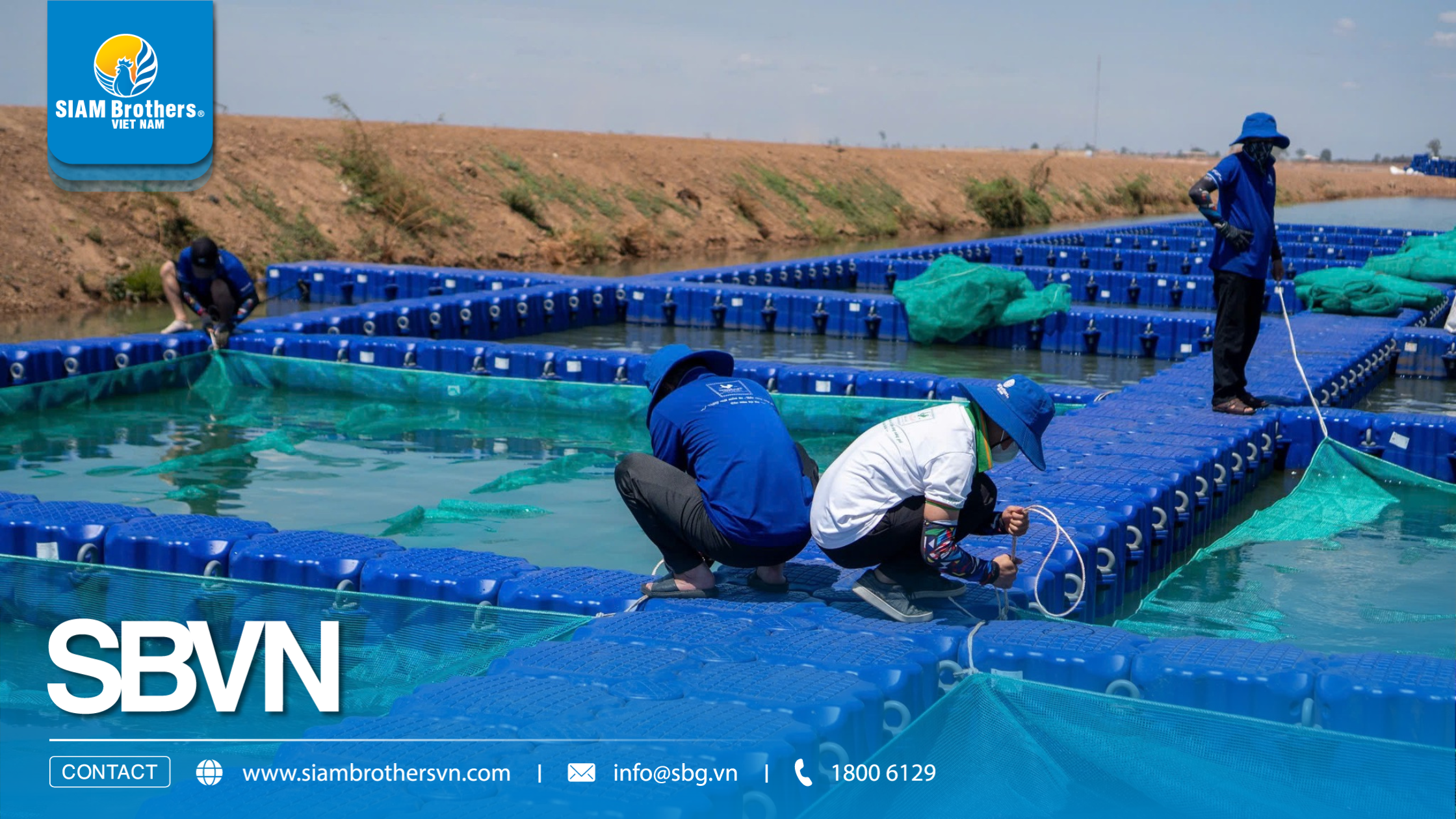
3.1. Fisheries Industry (Ropes, Nets, HDPE Floating Buoys)
Recommended Choice
- Prioritize virgin plastic or high-quality blended plastic materials
- Limit the use of 100% recycled plastic for load-bearing products
Practical Reasons
- Products must operate continuously in seawater and under intense UV exposure
- High tensile strength and long-term stability are required
- Recycled plastic can become brittle and reduce product lifespan if not properly controlled
- Recommendations Based on Manufacturing Experience
- Recycled plastic may be used in appropriate blending ratios to reduce costs
- Input material quality should be strictly inspected to minimize operational risks
3.2. Agriculture Industry (Binding Ropes, Supporting Materials)
Recommended Choice
- Recycled plastic can be used for products that do not require high durability
- Combine with virgin plastic when greater flexibility and longer lifespan are needed
Practical Reasons
- Agricultural environments are generally less harsh than marine environments
- Product usage cycles are often short- to medium-term
- Businesses and farmers typically prioritize cost optimization
Suitable Applications
- Plant tying ropes, agricultural accessories, disposable products
- Not suitable for heavy-load or long-term outdoor applications
3.3. Consumer Goods Manufacturing Industry
Recommended Choice
- Recycled plastic is suitable for products with lower technical requirements
- Virgin plastic is preferred for products requiring consistency and stability
Practical Reasons
- Strong pressure to remain competitive on pricing
- Many consumer products have short life cycles and moderate durability requirements
- Manufacturers must balance production cost and output quality
Optimization Strategy
- Segment products to select the most appropriate material
- Combine recycled plastic and virgin plastic to optimize profit margins
3.4. Outdoor Products and Harsh Environments
Recommended Choice
Prioritize virgin plastic or materials enhanced with UV-resistant additives
Practical Reasons
- Better stability under sunlight, rain, and high humidity conditions
- Recycled plastic can degrade quickly if not processed according to proper standards
Recommended Choice
Use virgin plastic to ensure safety and consistent performance
Practical Reasons
- Requires stable tensile strength, elongation, and load-bearing capability
- Recycled plastic may not provide the consistency required for these applications
4. FAQs About Recycled Plastic
4.1. Is Recycled Plastic Good?
Quick Answer
Recycled plastic can still perform well if processed properly and used for the right applications
Detailed Analysis
- Suitable for products that do not require extremely high durability or lifespan
- Not ideal for heavy-duty products or harsh environments
- Quality depends on raw material sources and recycling technology
Recommendations for Businesses
- Inspect plastic pellet standards before manufacturing
- Avoid using 100% recycled plastic for high-performance technical products
4.2. Is Recycled Plastic Toxic?
Quick Answer
Recycled plastic is not automatically toxic, but it may pose risks if quality control is poor
Detailed Analysis
- May contain impurities or chemical residues from previous products
- Higher risks exist when used in food-contact or medical applications
- In fisheries and industrial sectors, durability and stability are often more critical than toxicity concerns
Recommendations for Businesses
- Only source recycled plastic from verified and certified suppliers
- Avoid using it for products that come into direct contact with food
4.3. How Long Does Recycled Plastic Last?
Quick Answer
The lifespan of recycled plastic is generally shorter than virgin plastic
Detailed Analysis
- Depends on the number of recycling cycles and processing quality
- More likely to degrade under sunlight and seawater exposure
Practical Applications
- Suitable for short- to medium-term products
- Not recommended for ropes or HDPE buoys that require long-term durability
4.4. How Much Does Recycled Plastic Cost? Is It Much Cheaper?
Quick Answer
Recycled plastic is typically 20–50% less expensive than virgin plastic
Detailed Analysis
- Pricing depends on the plastic type (PP, PE, HDPE) and material purity
- Lower upfront cost may lead to higher replacement expenses if products fail quickly
Practical Perspective
- Lower cost is only beneficial for products with low durability requirements
- Businesses should calculate the total lifecycle cost rather than focusing solely on purchase price
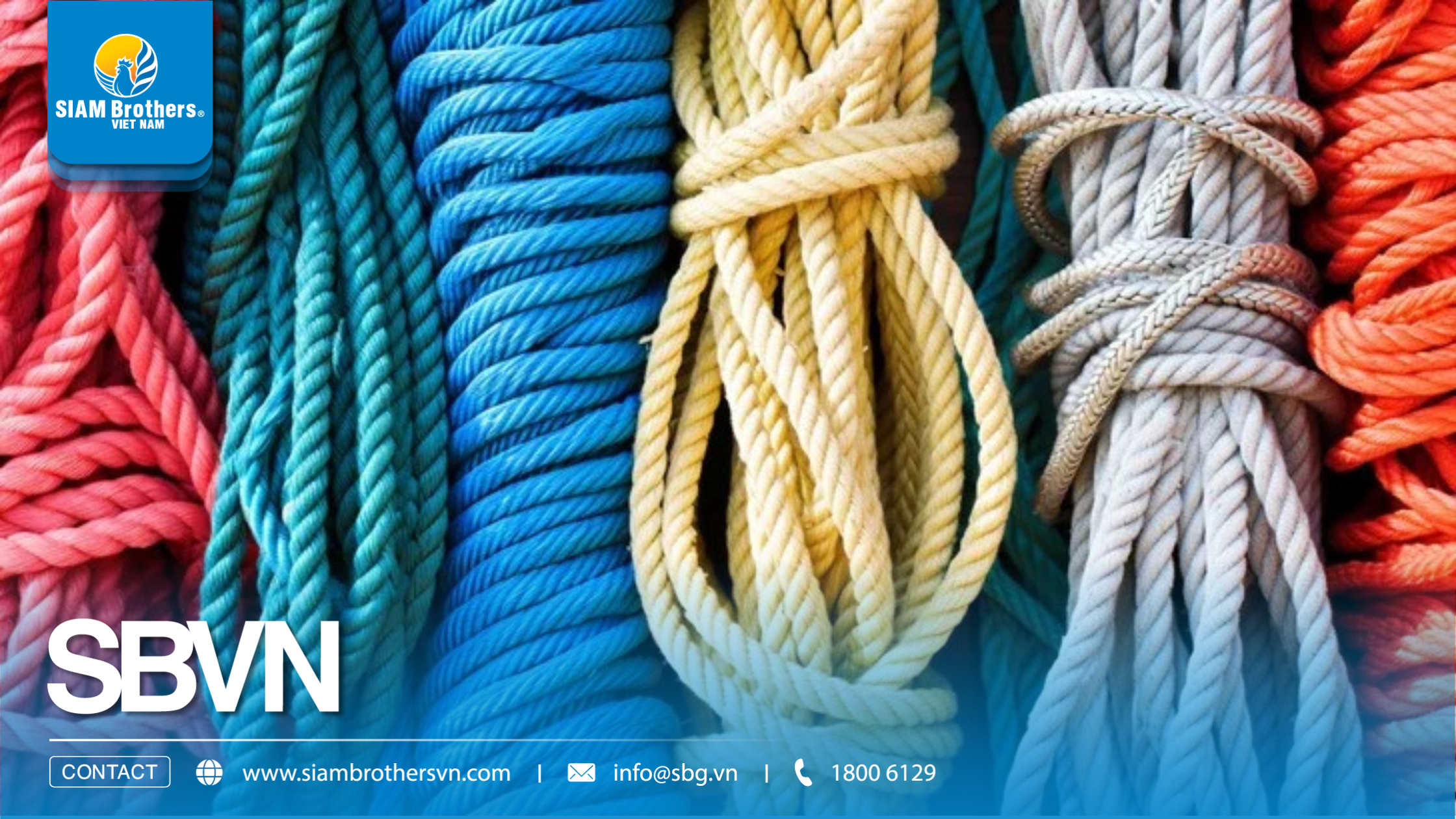
4.5. Should Recycled Plastic Be Used for Ropes and HDPE Buoys?
Quick Answer
Using 100% recycled plastic for these products is generally not recommended
Detailed Analysis
- Ropes and floating buoys require strength, UV resistance, and seawater durability
- Recycled plastic may reduce product strength and shorten service life
Optimal Solution
- Use virgin plastic or carefully controlled blended materials
- Ensure all technical standards are met during manufacturing
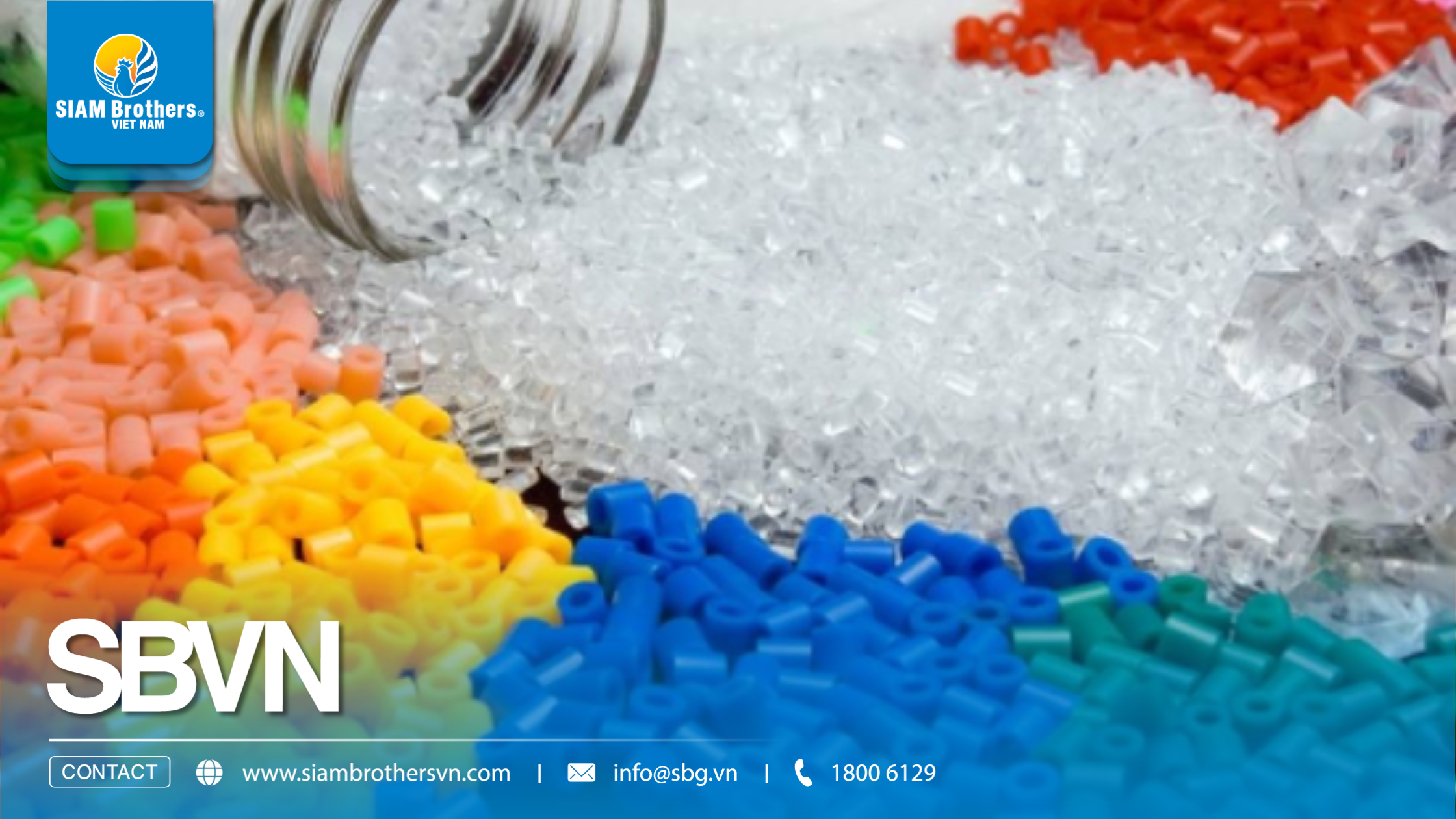
Compared to virgin plastic, recycled plastic offers both advantages and limitations. The right material choice depends on the industry, operating environment, and technical requirements of the final product. In sectors such as fisheries, rope manufacturing, HDPE floating buoys, and outdoor applications, prioritizing high-quality materials can significantly reduce long-term risks and maintenance costs. On the other hand, recycled plastic remains a practical and cost-effective solution for less demanding applications. If you are unsure which material best suits your business needs, contact SIAM Brothers Vietnam for professional consultation and optimized material solutions tailored to your industry.
Source: SIAM Brothers Vietnam
Contact us:
► Address: 5th floor, VRG Building, 177 Hai Ba Trung Street., Xuan Hoa Ward, Ho Chi Minh City, Vietnam
► Hotline: 1800 6129
► Tel: (+84) 28 38 912 889
► Email: info@sbg.vn
► Follow us for more details at: Facebook - Zalo OA - Tiktok - Youtube - LinkedIn
Download SBVN ID app here:
► CHPlay
► Appstore