
- 1800 6129

“How much weight can a Tree Lifting Sling hold while ensuring stable plant growth and reducing the risk of sling failure?” This is one of the most important considerations when selecting plant support materials for greenhouse cultivation systems. Understanding the correct load specifications and knowing how to calculate the required load capacity are essential steps in choosing the right Tree Lifting Sling for your crops.
In this article, SIAM Brothers Vietnam will help you understand how to determine the required load capacity, distinguish between breaking strength and working load capacity, and select the most suitable Tree Lifting Sling for crops such as melons, tomatoes, cucumbers, and other greenhouse-grown plants.
When choosing a Tree Lifting Sling, one of the first questions growers usually ask is: “How many kilograms can this sling support?”
However, selecting a sling should not be based on a single load capacity number alone.
The actual working load depends on many factors, including:
According to the technical team at SIAM Brothers Vietnam, it is important to clearly distinguish between the breaking strength of a sling and its actual working load capacity.
These two values should never be considered the same when designing a plant support system.
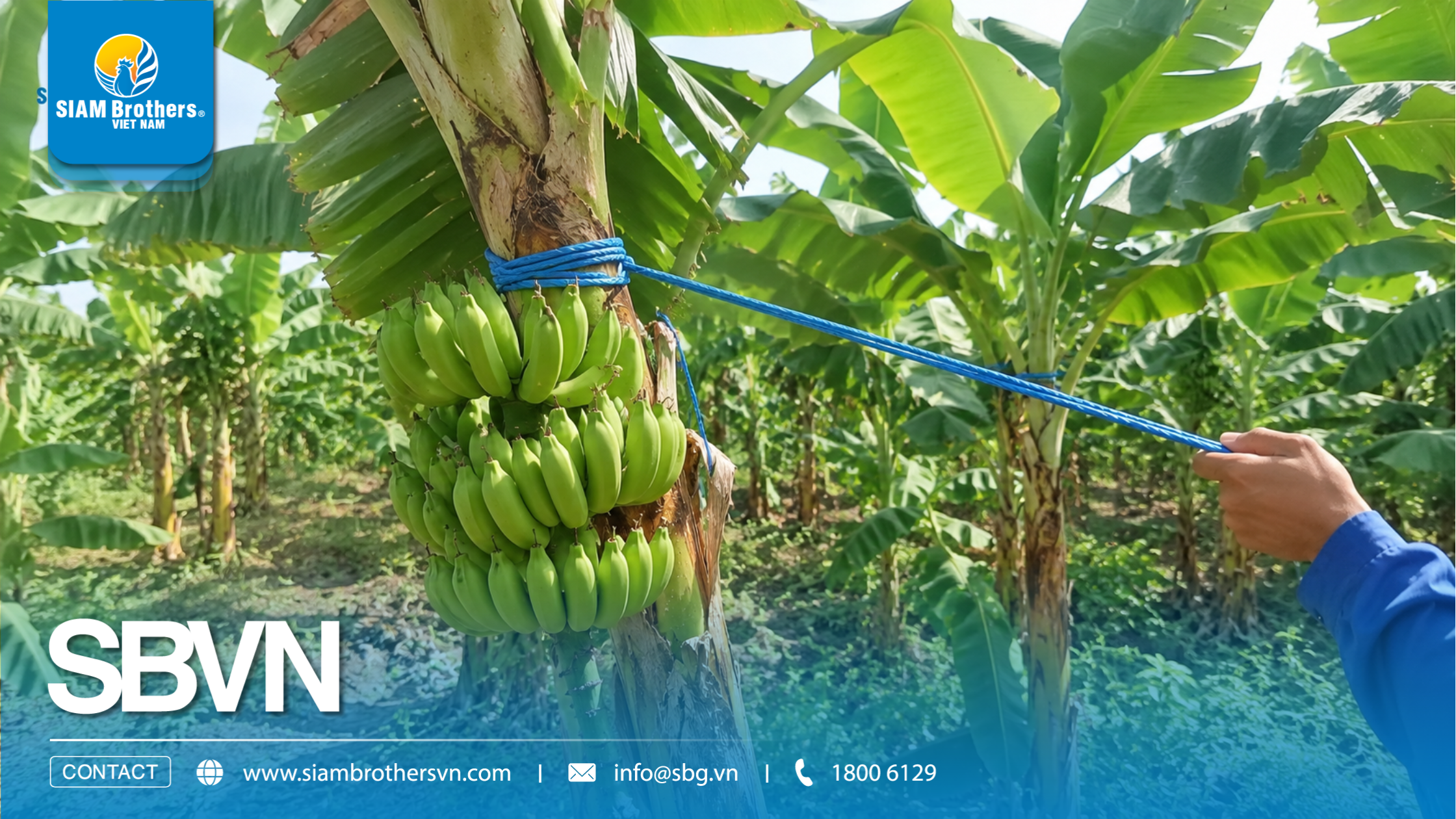
The load capacity of a Tree Lifting Sling depends on several key factors:
Therefore, if you are looking for a strong and reliable Tree Lifting Sling, do not only ask: “How many kilograms can this sling hold?”
You should also ask: “Under what conditions can it support this load, and what is the actual working load requirement?”
This is one of the most commonly overlooked factors when selecting a Tree Lifting Sling.
For plants carrying heavy fruit loads, growers need to calculate the total weight, including:
For large-scale greenhouse systems, other factors must also be considered, such as:
For example:
Choosing the right Tree Lifting Sling requires more than simply checking the maximum weight listed on the product specification.
To ensure safe and stable plant growth, growers need to calculate the actual load that the sling must support and consider the safety factors of the entire support system.
The first step is to identify exactly what the Tree Lifting Sling needs to support.
The load does not only come from the fruit.
The total plant load includes: Plant Load = Stem and Leaf Weight + Fruit Weight + Weight of Additional Supported Components
For accurate calculation, the load should be measured at the stage when the plant reaches its maximum weight, rather than when the plant is still young.
For different crops, growers should consider different factors:
Example:
This calculation does not yet include additional factors such as movement, installation conditions, environmental impact, or safety requirements.
In real greenhouse applications, selecting a Tree Lifting Sling with exactly the same capacity as the calculated plant weight is not recommended.
During operation, the sling may experience additional forces caused by:
Therefore, growers should calculate the design load instead of relying only on the actual load.
For large-scale greenhouse operations, technical specialists should evaluate the complete support system, including:
This is also why the breaking strength of a Tree Lifting Sling does not represent its safe working load capacity.
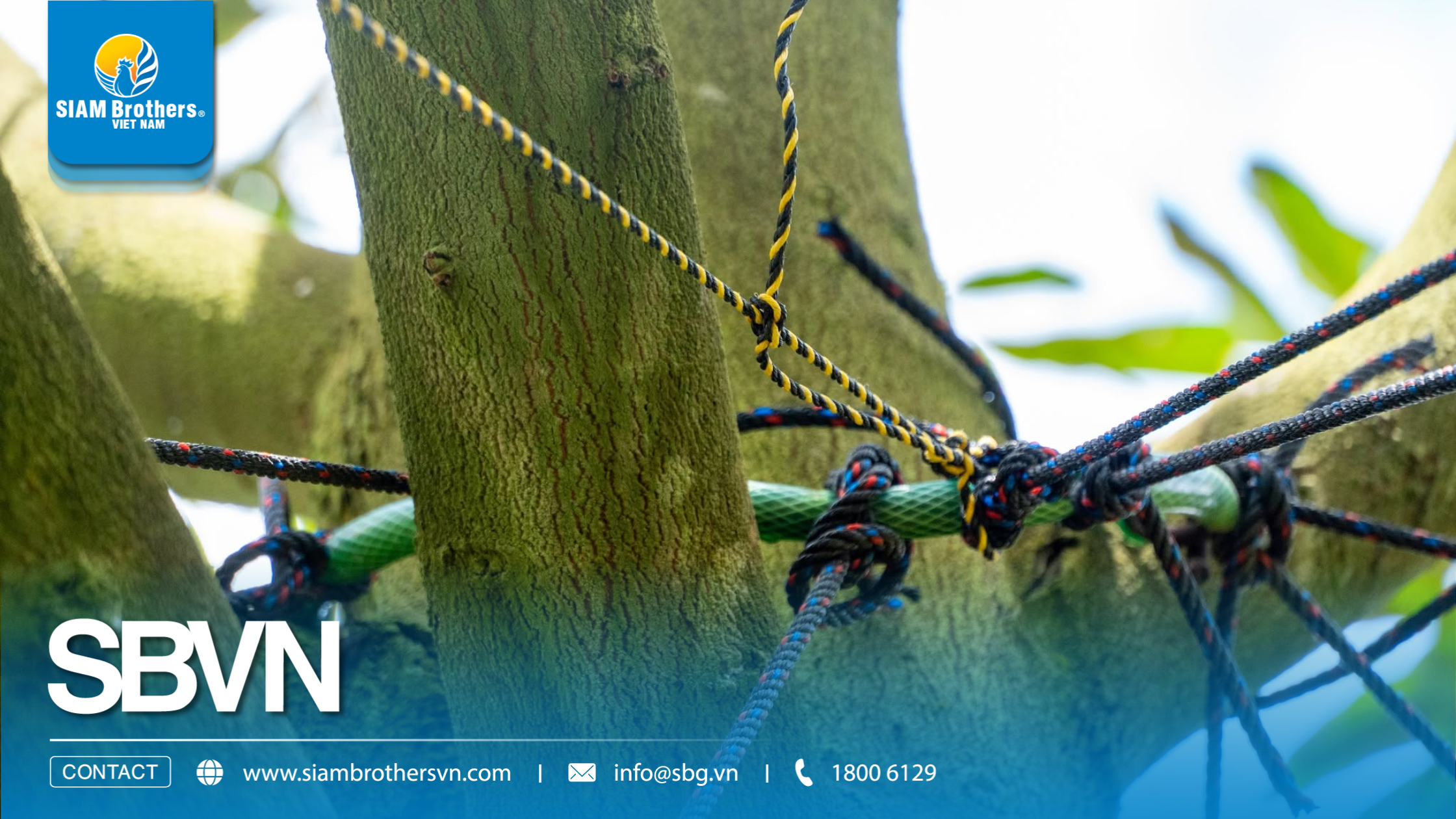
If you want to perform a quick calculation, follow these steps:
Anchor points
Example Calculation:
Assume:
The actual load is: 4 kg × 5 plants = 20 kg
However, the final design load must be calculated based on:
Therefore, it is not enough to simply look at a product label saying: “This sling supports X kilograms.”
A safe plant support system requires the entire structure to meet the calculated design load.
One common mistake when installing a Tree Lifting Sling is focusing only on the sling itself while ignoring the components that hold the sling in place.
A strong sling cannot guarantee safety if the supporting system is weak.
Important factors include:
The installation position should avoid:
The greenhouse support frame must be capable of carrying the total load of the entire system.
For large greenhouse projects, load distribution between multiple Tree Lifting Slings should also be evaluated instead of assuming every sling carries the same weight.
Simply put: A strong Tree Lifting Sling with a weak anchor point is still an unsafe system.
Assume a greenhouse melon cultivation system with the following conditions:
The actual load that the sling needs to support is:
After that, the calculated load should be compared with:
This calculation method helps avoid a common mistake: Choosing a Tree Lifting Sling based only on the current fruit weight while ignoring that the plant will continue growing and increasing its load over time.
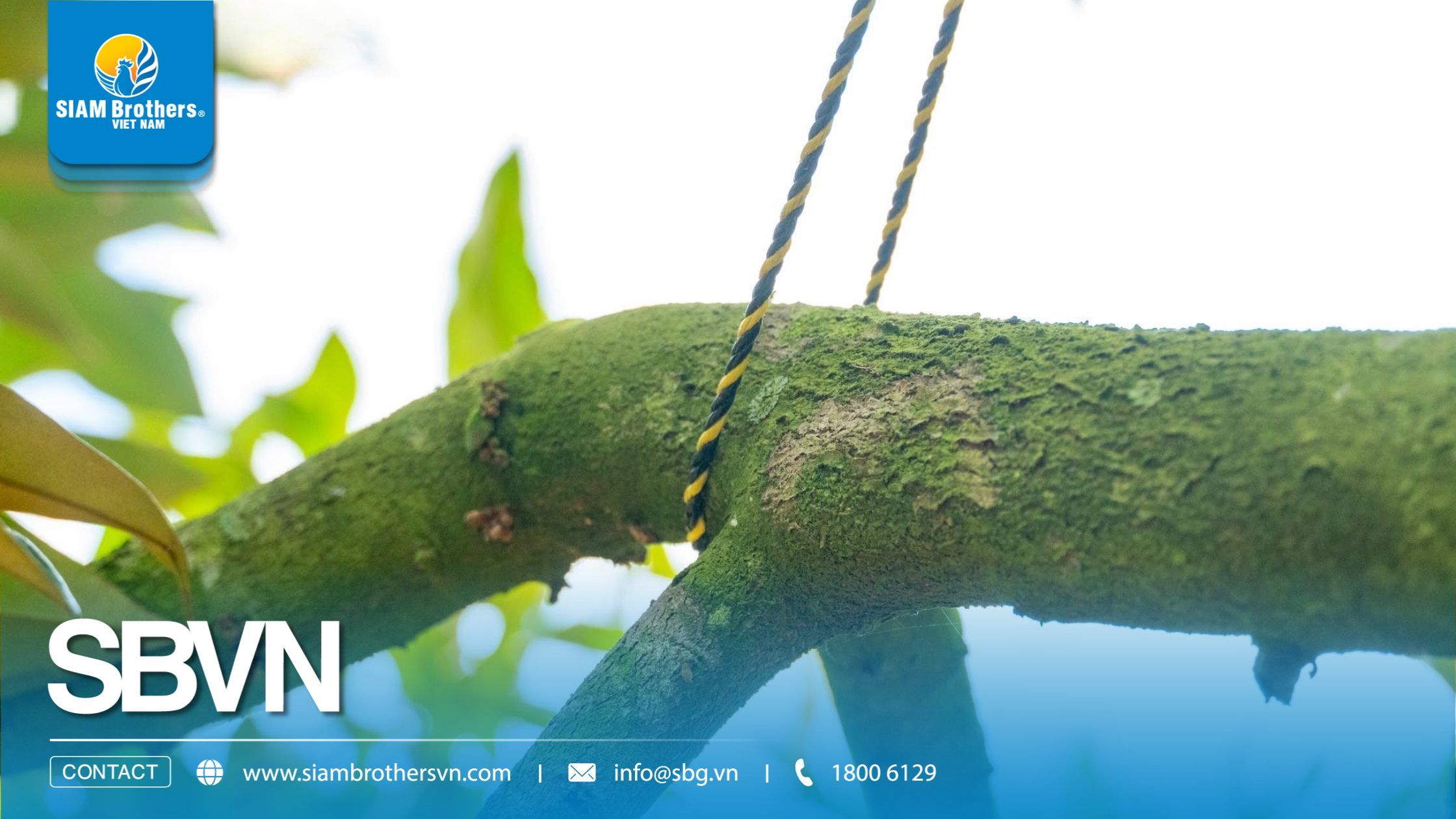
A Tree Lifting Sling is commonly used in greenhouse and protected cultivation systems to support plants that require vertical growth direction and additional load support during fruit development.
Different crops have different growth patterns and weight requirements. Therefore, choosing the right Tree Lifting Sling should always be based on the plant type, expected load, and cultivation system design.
Melons are one of the most suitable crops for using a Tree Lifting Sling in greenhouse cultivation systems.
Tomatoes grown in greenhouses often develop tall stems and continue producing flowers and fruits throughout the growing cycle.
When selecting a Tree Lifting Sling for tomatoes, consider multiple factors, including:
A complete evaluation helps ensure the system remains stable throughout the entire growing season.
Cucumbers have soft stems and strong climbing characteristics, which means they usually require a support system to grow in the desired direction.
A Tree Lifting Sling helps cucumber plants grow vertically instead of spreading along the ground.
The sling layout should be designed according to:
When cucumber plants begin producing more fruits, growers should check the sling tension and anchor points to ensure stable support.
For large greenhouse areas, using a consistent sling system makes inspection, maintenance, and replacement easier when needed.
Some climbing plants, such as grapes, can also benefit from a support system when the trellis structure is properly designed.
The sling helps guide branches and distribute plant weight more effectively during growth.
For plants with long branches or heavy fruit loads, the load should be calculated separately for each support position instead of applying one general load value for the entire trellis system.
Before selecting a greenhouse Tree Lifting Sling, growers should carefully inspect:
A properly designed support system helps improve plant stability and reduces unnecessary stress on the crop.
Related products:
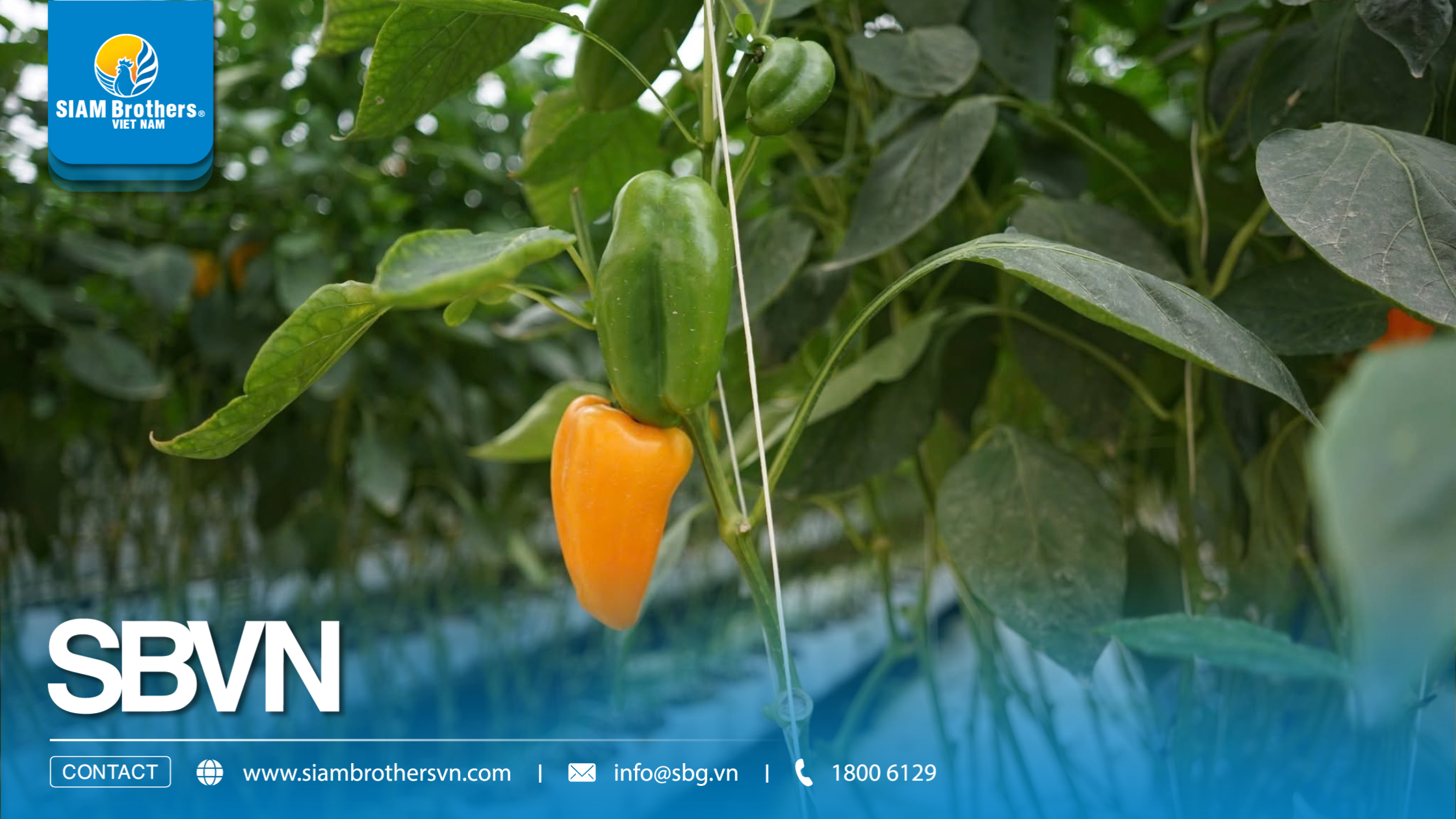
There is no single load capacity that applies to every Tree Lifting Sling.
The actual load capacity depends on various factors, including:
It is important to distinguish between breaking strength and working load capacity.
When calculating the required load, growers should consider the total weight of:
For each specific product, users should always follow the technical specifications provided by the manufacturer.
A Tree Lifting Sling can be used for plants that require vertical guidance, support, or additional load assistance during growth.
Common applications include:
Each crop has different growth characteristics and load requirements.
Therefore, selecting a sling should not be based only on the crop name.
Growers should also consider:
The required capacity should be determined by calculating the total weight of:
at the plant’s maximum loading stage.
Do not use only the current fruit weight as the calculation basis, because the fruit will continue growing and increasing the total load.
Yes, a Tree Lifting Sling can be used for tomatoes and cucumbers if the sling type and support system meet the requirements of each crop.
For tomatoes: The sling is commonly used to guide plant stems vertically and provide additional support as fruit clusters increase.
For cucumbers: The sling helps plants grow upward and prevents stems from spreading along the ground.
The sling arrangement should match:
For large-scale greenhouse projects, it is recommended to test the sling system before placing a large-volume order.
A Tree Lifting Sling should be replaced when:
Do not wait until the sling breaks before replacing it, especially when plants are carrying heavy fruit loads.
A suitable safety margin is recommended, but choosing a sling with the highest possible specification is not always the best solution.
The required load capacity should be calculated based on:
After calculation, compare the result with:
For large greenhouse systems, the entire structure should be evaluated, including:
This approach prevents a common problem: The sling may be strong enough, but the supporting components may not be able to handle the load.
Reuse may be possible if approved by the manufacturer and the sling remains in good technical condition.
Before reuse, inspect carefully for:
Do not reuse damaged or degraded slings for crops with high load requirements.
For farms and agricultural businesses, it is recommended to establish a checking and classification process after each growing season.
If the sling condition is uncertain, replacement is usually the safer option.
To select the appropriate Tree Lifting Sling, consider the following steps:
Consider actual operating conditions, including:
For large-volume purchases, it is recommended to consult directly with suppliers to select the most suitable sling specification for your cultivation model.
A Tree Lifting Sling should never be selected based only on a single load capacity number.
To build a stable and reliable plant support system, growers need to calculate the combined weight of:
and also evaluate:
Most importantly, always distinguish between breaking strength and working load capacity to avoid selecting a sling that operates too close to its maximum limit.
For crops such as melons, tomatoes, cucumbers, and other climbing plants, the required sling specification may vary depending on:
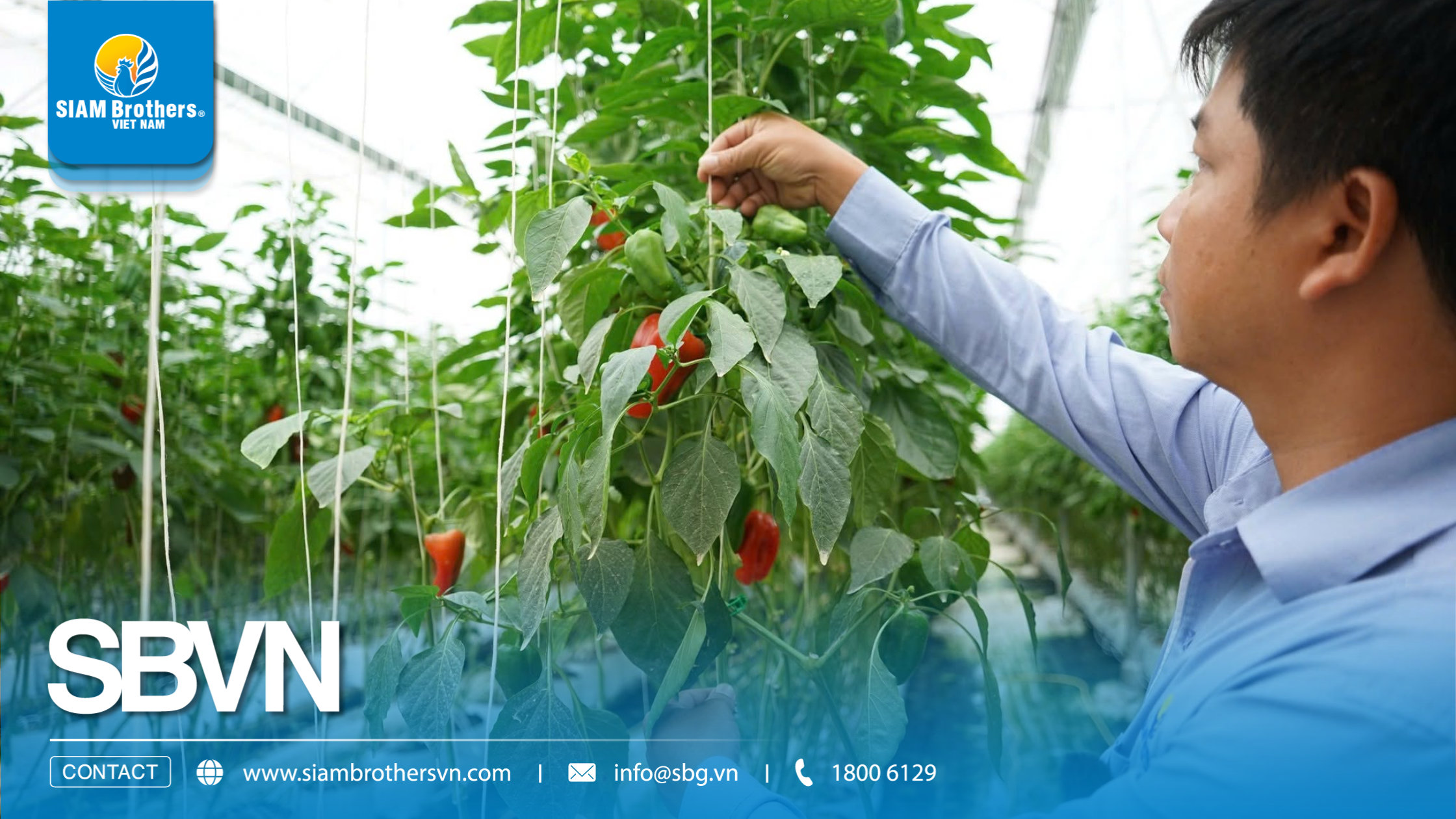
SIAM Brothers Vietnam provides agricultural rope solutions with clear technical specifications, helping growers and businesses choose the right products for their cultivation systems. Contact SIAM Brothers Vietnam today for professional consultation on the most suitable Tree Lifting Sling and rope solutions for your agricultural model.
Source: SIAM Brothers Vietnam
Contact us:
► Address: 5th floor, VRG Building, 177 Hai Ba Trung Street., Xuan Hoa Ward, Ho Chi Minh City, Vietnam
► Hotline: 1800 6129
► Tel: (+84) 28 38 912 889
► Email: info@sbg.vn
► Follow us for more details at: Facebook - Zalo OA - Tiktok - Youtube - LinkedIn
Download SBVN ID app here:
► CHPlay
► Appstore








Specializing in Agricultural and Fisheries Products & Multipurpose Wire