
A Greenhouse Support String does more than simply keep plants upright. It plays an important role in optimizing growing space, improving plant management, and supporting efficient greenhouse cultivation. So, how should you use Greenhouse Support String correctly for melons, tomatoes, and cucumbers? In this guide, SIAM Brothers Vietnam provides a step-by-step explanation, covering everything from selecting the right string, attaching it to the greenhouse support system, guiding plant stems, and checking string tension as plants grow and produce fruit.
You will also learn about common mistakes when using Greenhouse Support String, along with important factors to consider such as material quality, load capacity, durability, and product specifications. This practical guide is designed to help farmers, greenhouse operators, and agricultural suppliers choose and use the right support string for different cultivation models.
1. What Is Greenhouse Support String and What Is It Used For?
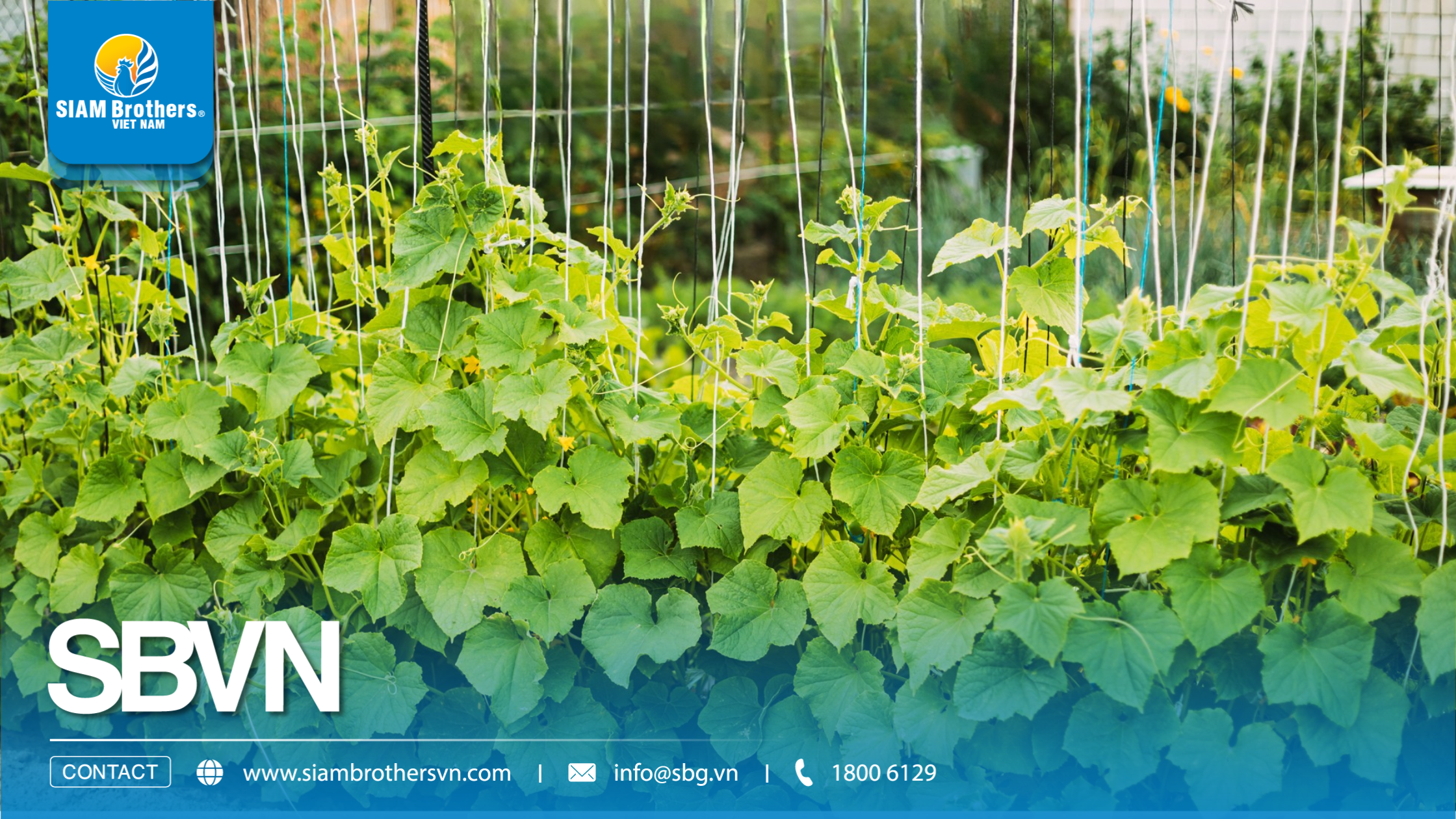
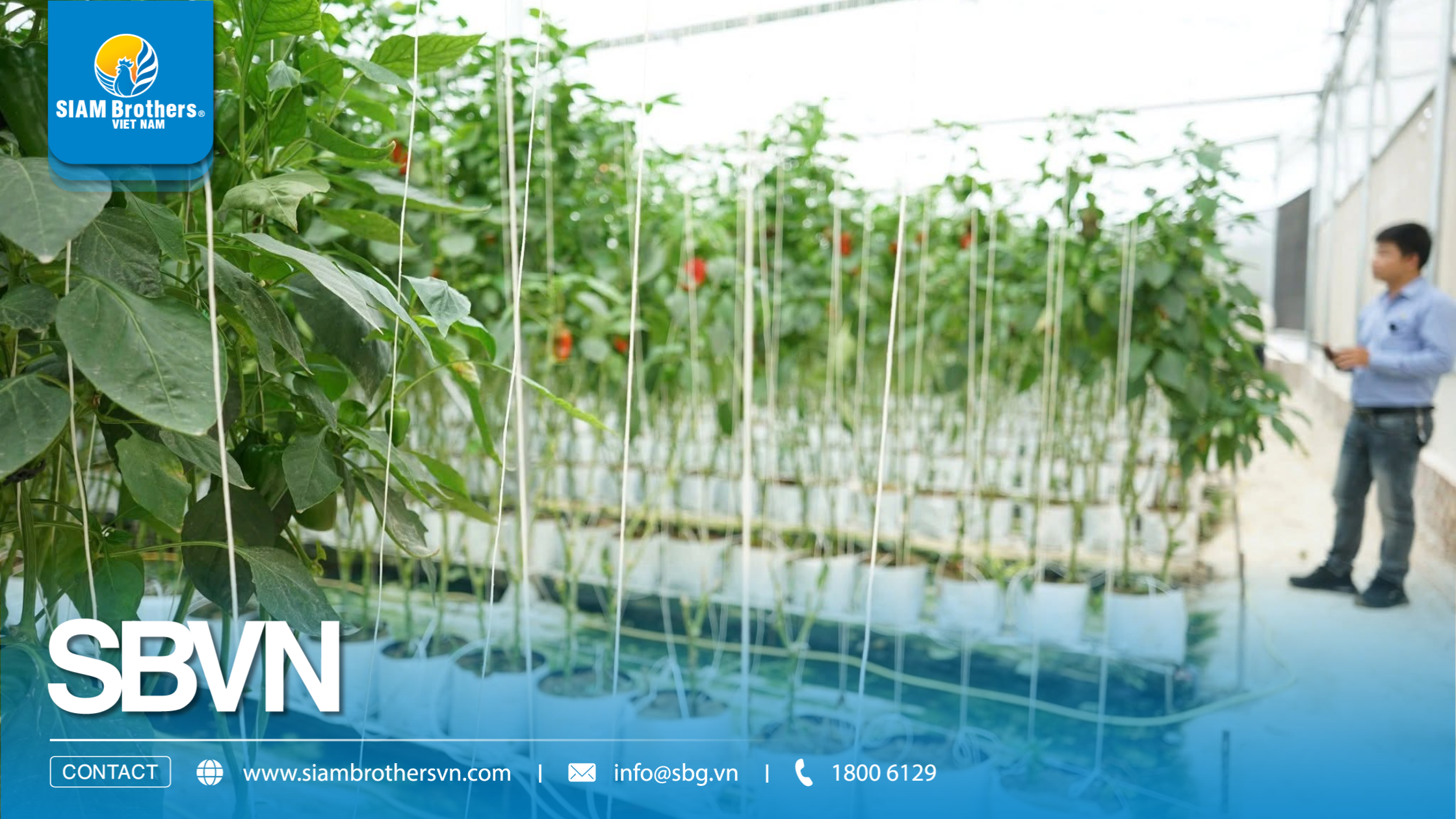
Greenhouse Support String is a type of agricultural support string used to guide plants to grow vertically inside greenhouses or protected cultivation systems.
The string is commonly combined with:
- Support wires
- Steel cables
- Hanging hooks
- Clips
- Other fixing accessories

In practice, a basic greenhouse support system usually includes:
Upper Anchor Point
- This can be a steel wire, cable, or greenhouse frame structure.
- This is the main load-bearing point of the entire support system.
Support String: The string runs from the upper anchor point down to the plant area, creating a vertical path for plant stems to grow along.
Lower Fixing Point
- This helps maintain the string position during the plant growth cycle.
- Hooks, Clips, and Supporting Accessories
Depending on the cultivation method, growers may use additional accessories to secure the string and guide plant growth.
The installation method can vary depending on:
- Crop type
- Farm scale
- Growing system
- Greenhouse design
Therefore, growers should not select a Greenhouse Support String based on only one specification and apply it to every cultivation model.
What Are the Benefits of Greenhouse Support String?
During plant cultivation, allowing stems to grow freely can quickly create crowded growing areas, increase the risk of plants falling, and make maintenance more difficult.
Using the right Greenhouse Support String helps solve these challenges:
- Guides Plant Growth Direction: The string helps plants grow vertically instead of spreading along the ground.
- Provides Plant Stability: As plants become taller or carry more fruit, the support string helps guide and stabilize stems through the greenhouse trellis system.
- Optimizes Greenhouse Growing Space: Vertical plant growth allows growers to use available greenhouse space more efficiently.
Makes Plant Care Easier: A well-organized plant structure makes activities such as:
- Pruning
- Plant inspection
- Pest management
- Harvesting
Supports Individual Plant Management: Each plant can be arranged with its own support string, making it easier to monitor growth and development.
Suitable for Multiple Crops: Greenhouse Support String can be used for:
- Melons
- Cucumbers
- Tomatoes
Other climbing plants or crops requiring vertical guidance
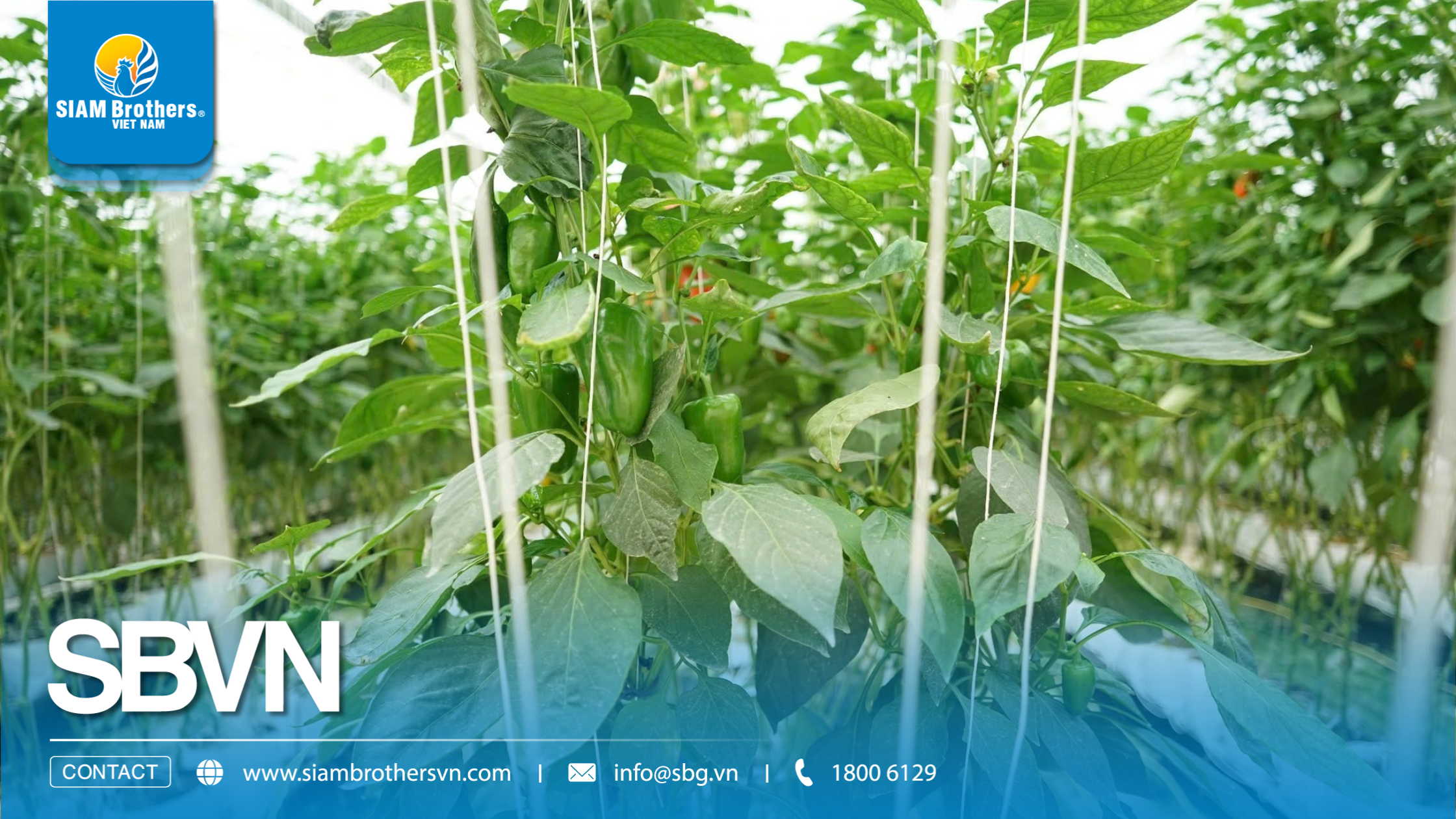
2. How to Use Greenhouse Support String for Melons
2.1. Prepare the String and Hanging Position
Before installing a Greenhouse Support String for melons, growers should inspect the entire support system instead of checking only the string itself.
Important preparation steps include:
- Identify the position of each plant and its corresponding hanging point on the greenhouse structure.
- Check whether the string has signs of damage, such as broken fibers, fraying, tangling, or deformation.
- Inspect cables, steel wires, hooks, and upper anchor points to ensure they can handle the expected load.
- Prepare additional clips or plant-guiding accessories if required by the cultivation system.
- Estimate the actual plant and fruit load to select a string with suitable specifications.
Practical Tip:
- For long rows of melon plants, it is recommended to install and position the strings before plants enter the rapid growth stage.
- Early installation makes operation easier and reduces the need to modify the support system after plants become larger.
2.2. Attach the Greenhouse Support String to the Trellis System
After identifying the correct position, secure the string to the upper anchor point.
Follow these steps:
- Attach one end of the string to the prepared cable or steel wire.
- Secure the connection firmly to prevent slipping as the plant load increases.
- Check that the string hangs vertically from top to bottom.
- Avoid excessive looseness, as this reduces the effectiveness of plant guidance.
- Do not apply excessive tension unless the support structure has been designed for that load.
Although this step may appear simple, it has a significant impact on the stability of the entire system.
A high-quality Greenhouse Support String can only perform effectively when it is installed correctly.
2.3. Secure the Lower End of the String Near the Plant
Once the upper connection is stable, adjust the lower section near the melon plant.
Recommended steps:
- Position the string correctly next to each melon plant.
- Fix the string so it maintains a vertical growth direction.
- Avoid tying or tightening directly around the plant stem.
- Leave enough flexibility for continued stem growth.
- Check the string position after installation to prevent misalignment.
For young plants, avoid applying excessive pulling force.
The purpose of a Greenhouse Support String is to guide and support plant growth, not to force the stem into a fixed position.
2.4. Guide Melon Stems Along the Support String
As melon plants begin growing, regular monitoring becomes increasingly important.
Growers should:
- Guide the stem along the direction of the support string.
- Gently adjust the plant if it grows away from the string.
- Avoid wrapping or tightening the string too firmly around the stem.
- Regularly check for loose strings, incorrect positioning, or stem pressure.
As the plant grows taller, continue adjusting the stem direction instead of allowing it to grow uncontrolled.
A common mistake is installing the string once and never checking it again.
In reality, plants change every day. Therefore, the support system also requires regular monitoring throughout the growing cycle.
2.5. Check the Support String When Melons Start Producing Fruit
When melon plants begin fruiting, the load on the support system changes.
At this stage, growers should inspect the entire string and anchor system.
Check:
- Whether the string becomes loose or deformed.
- Whether upper and lower connections remain secure.
- The contact point between the string and plant stem.
- The condition of the string as fruit continues to grow.
If any instability is detected in the string or anchor point, corrective action should be taken immediately instead of waiting until the load increases further.
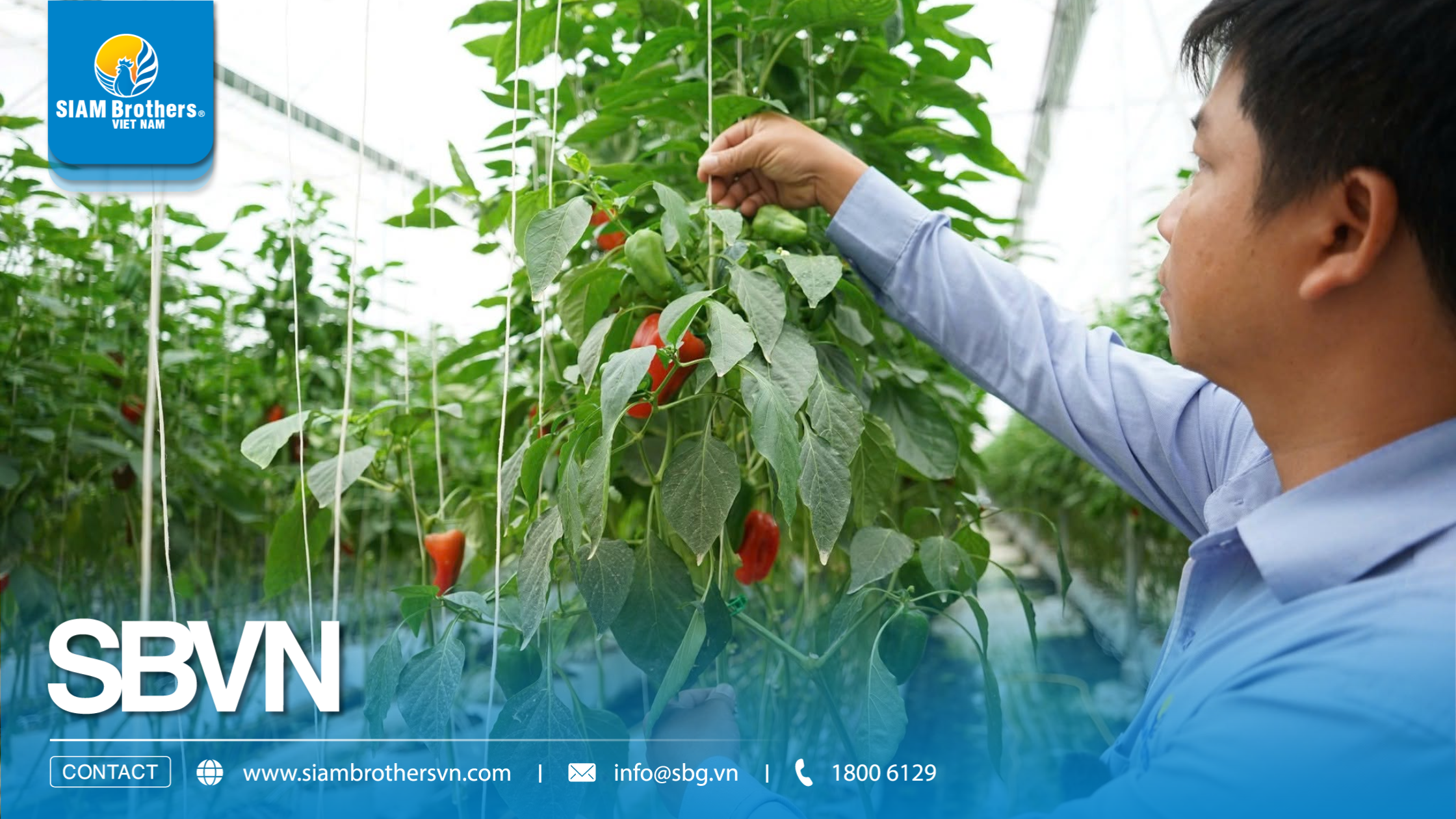
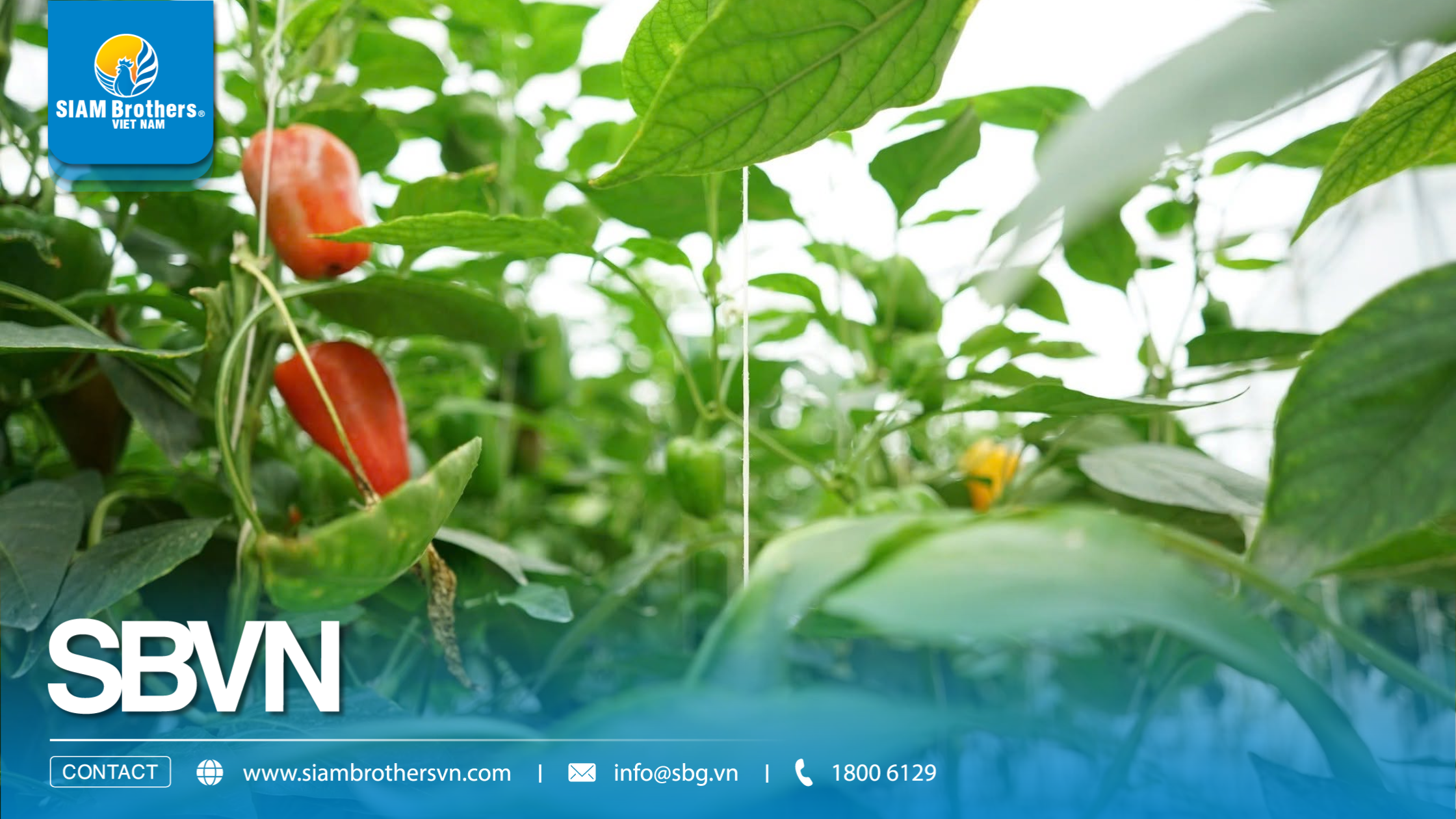
3. How to Use Greenhouse Support String for Cucumbers
- Cucumbers are fast-growing climbing plants with soft stems, making them highly suitable for vertical cultivation systems using Greenhouse Support String.
- Using the correct support method helps cucumber plants grow upward, improves greenhouse space utilization, and makes plant care and harvesting more efficient.
3.1. Prepare the Support String and Fixing Position
Before placing cucumber plants into the support system, growers should inspect both the string and the overhead greenhouse structure.
Recommended preparation steps include:
- Identify the position of each cucumber plant and its corresponding hanging point.
- Check whether the overhead cable, steel wire, or trellis structure is stable.
- Select a Greenhouse Support String for cucumbers with specifications suitable for the cultivation model and expected plant load.
- Do not use strings showing signs of fraying, broken fibers, or damage.
- Prepare hooks, clips, or fixing accessories if required by the support system.
For greenhouses with multiple planting rows, it is recommended to mark string positions in advance.
This helps maintain consistent plant spacing and reduces adjustment time after cucumber plants begin climbing.
3.2. Attach the Cucumber Support String to the Greenhouse Trellis System
After determining the correct position, install the support string from the upper structure downward.
Follow these steps:
- Attach the upper end of the string to the cable or steel wire corresponding to each plant position.
- Check the connection point to ensure the string will not slip as the plant grows.
- Keep the string relatively straight from the trellis down to the plant.
- Avoid excessive looseness, as it may reduce the effectiveness of stem guidance.
- Do not overstretch the string before confirming the strength of the anchor point and greenhouse structure.
A factor that is often overlooked is that the anchor point also carries load, not only the string itself.
Therefore, SIAM Brothers Vietnam recommends evaluating the entire support system, including:
- Greenhouse Support String
- Fixing points
- Trellis structure
when designing a vertical plant support system.
3.3. How to Guide Cucumber Stems Along the Support String
When cucumber plants begin growing upward, growers should actively guide the stems instead of allowing uncontrolled growth.
Recommended practices:
- Move the plant stem toward the installed support string.
- Guide the stem gently along the string direction.
- Adjust gradually as the plant continues growing.
- Avoid pulling strongly or bending the stem.
- Do not tighten the string directly against the stem.
- Check regularly to ensure the stem remains aligned with the support direction.
Example:
- If the support string is positioned several centimeters away from the plant base, the cucumber stem may naturally grow in the wrong direction.
- Detecting this early makes correction much easier compared with adjusting a mature plant later.
3.4. Check the Support String During Rapid Cucumber Growth
Cucumbers have a relatively fast growth rate. Therefore, checking the system only once after installation is not enough.
Growers should regularly inspect:
- String tension at different growth stages.
- Contact points between the string and plant stem.
- Signs of looseness, fraying, or damage.
- Upper connection points.
- Plant direction and stem alignment.
When cucumber plants begin producing multiple fruits, the entire support system should be inspected again.
If any fixing point shows unusual movement or instability, corrective action should be taken immediately.
Do not wait until the plant becomes heavier before checking the system.
3.5. What Criteria Should a Greenhouse Support String for Cucumbers Meet?
When selecting a Greenhouse Support String, growers should consider the following practical criteria:
Material: The material should be suitable for greenhouse conditions and the intended cultivation purpose.
Load Capacity: The string should match the expected load from:
- Plant weight
- Fruit weight
- Support arrangement
- Durability
Consider environmental factors such as:
- Sunlight exposure
- Temperature
- Humidity
- Long-term usage
- Roll Length
The required string length should be calculated based on:
- Number of plants
- Greenhouse area
- Installation layout
- Product Specifications
Clear technical specifications help farms and distributors estimate their requirements more accurately.
Product Origin: Choose products with transparent technical information and reliable manufacturing sources.
According to product information published by SIAM Brothers Vietnam, the cucumber support string is manufactured using 100% virgin PP material, with:
- Length: 893 meters per roll
- Size: 2000D × 2
- Breaking strength: 16 kgf
These specifications provide a reference point for buyers to compare with their actual cultivation requirements instead of choosing based only on appearance.
4. Comparison of Greenhouse Support String Usage for Melons, Tomatoes, and Cucumbers
| Criteria |
Melons |
Tomatoes |
Cucumbers |
| Stem characteristics |
Climbing stems requiring guided growth direction |
Tall-growing stems requiring stable vertical support |
Soft, fast-growing climbing stems |
| Purpose of support string |
Guide stems and support plants during fruit development |
Maintain stem direction and support plants along the trellis |
Guide vertical growth and prevent spreading on the ground |
| Stem guidance method |
Adjust stem direction along the string during growth |
Guide gradually without excessive pressure or tightening |
Regularly monitor and adjust stem direction |
| Critical growth stage |
When plants enter strong growth and begin producing fruit |
When stems become taller and fruit clusters increase |
When plants grow rapidly and begin carrying multiple fruits |
| Key inspection points |
String condition, anchor points, and stem contact area |
String and trellis stability |
String tension and stem growth direction |
5. Frequently Asked Questions About Greenhouse Support String
5.1. What Is Greenhouse Support String Used For?
Greenhouse Support String is used to support and guide plants to grow vertically inside greenhouse and protected cultivation systems.
The string is usually combined with:
- Steel cables
- Support wires
- Greenhouse trellis structures
- Fixing accessories
to create a complete plant support system.
For crops such as melons, tomatoes, and cucumbers, the support string helps organize plant growth, maintain vertical direction, and improve greenhouse space utilization.
As plants grow larger and begin producing fruit, growers should regularly inspect the string and the entire anchor system to ensure it can handle the actual load requirements.
5.2. What Crops Can Greenhouse Support String Be Used For?
Greenhouse Support String can be used for many crops that require vertical guidance or additional structural support during growth.
In this article, the main applications include:
- Melons
- Tomatoes
- Cucumbers
However, growers should not assume that one type of support string is suitable for every crop and every cultivation model.
Before selecting a product, consider:
- Material
- Product specifications
- Load capacity
- Installation method
- Greenhouse structure
The correct choice depends on the actual growing conditions and crop requirements.
5.3. Does Greenhouse Support String for Melons Need High Load Capacity?
The required load capacity depends on:
- Actual plant weight
- Fruit weight
- Support system design
When melon plants begin producing fruit, the load applied to the string and anchor points increases significantly.
Therefore, growers should not evaluate string strength only by diameter or appearance.
Instead, check:
- Technical specifications
- Working load requirements
- Cable strength
- Anchor point stability
- Greenhouse frame structure
For large-scale greenhouse operations, it is recommended to calculate the expected load before placing bulk orders.
5.4. Can the Same Greenhouse Support String Be Used for Melons, Tomatoes, and Cucumbers?
Yes, the same type of Greenhouse Support String may be suitable if its technical specifications meet the requirements of each cultivation system.
However, melons, tomatoes, and cucumbers have different:
- Growth characteristics
- Plant structures
- Load requirements
Therefore, installation methods, stem guidance techniques, and inspection procedures should be adjusted according to each crop.
Before purchasing large quantities, growers should clearly determine:
- Crop type
- Planting density
- Greenhouse structure
- Expected load
According to product specifications published by SIAM Brothers Vietnam, the cucumber support string uses:
- 100% virgin PP material
- 893 meters per roll
- 2000D × 2 size
- 16 kgf breaking strength
These specifications allow buyers to compare product performance with their actual cultivation requirements instead of selecting strings based only on appearance.
5.5. When Should Greenhouse Support String Be Installed?
The support system should ideally be prepared before or during the early stage of vertical plant development.
Early installation helps growers:
- Determine the correct string position for each plant
- Maintain consistent plant spacing
- Guide stems more effectively
When plants become too large, placing stems into the support system can become more difficult and may increase the risk of damaging the plant.
For greenhouses with multiple planting rows, hanging positions should be planned during the greenhouse design or trellis preparation stage.
5.6. Does a Loose Greenhouse Support String Affect Plant Growth?
Yes.
A loose Greenhouse Support String can reduce its ability to guide plant growth effectively.
Potential problems include:
- Plants growing away from the desired position
- Reduced vertical control
- Changes in string tension as fruit weight increases
If the string becomes unusually loose, growers should inspect both:
- The string condition
- The anchor point
Simply tightening the string without identifying the cause of looseness may not solve the actual problem.
5.7. Where Should You Buy Greenhouse Support String for Your Cultivation Model?
When selecting a Greenhouse Support String supplier, growers should choose companies that provide:
- Clear product information
- Technical specifications
- Consistent supply capability
- Professional consultation
For large-volume requirements, farms, businesses, and distributors should communicate directly with suppliers to determine:
- Suitable string specifications
- Packaging options
- Supply capacity
Reliable supply is especially important for agricultural businesses requiring repeated purchases throughout multiple growing seasons.
SIAM Brothers Vietnam provides agricultural rope solutions with clear technical specifications, helping farmers, greenhouse operators, and agricultural businesses select suitable products for their cultivation models. Contact SIAM Brothers Vietnam today for professional advice on choosing the right Greenhouse Support String and agricultural support solutions for your greenhouse system.
Source: SIAM Brothers Vietnam
Contact us:
► Address: 5th floor, VRG Building, 177 Hai Ba Trung Street., Xuan Hoa Ward, Ho Chi Minh City, Vietnam
► Hotline: 1800 6129
► Tel: (+84) 28 38 912 889
► Email: info@sbg.vn
► Follow us for more details at: Facebook - Zalo OA - Tiktok - Youtube - LinkedIn
Download SBVN ID app here:
► CHPlay
► Appstore