
- 1800 6129

As sustainability becomes a key priority for consumers and businesses worldwide, natural materials are increasingly gaining attention across various industries. Among them, Seagrass Rope stands out for its durability, aesthetic appeal, and environmentally friendly characteristics. From handcrafted products to modern interior design applications, Seagrass Rope has become a preferred material for creating sustainable and stylish products. Let’s explore its features, benefits, and applications with SIAM Brothers Vietnam in this article.
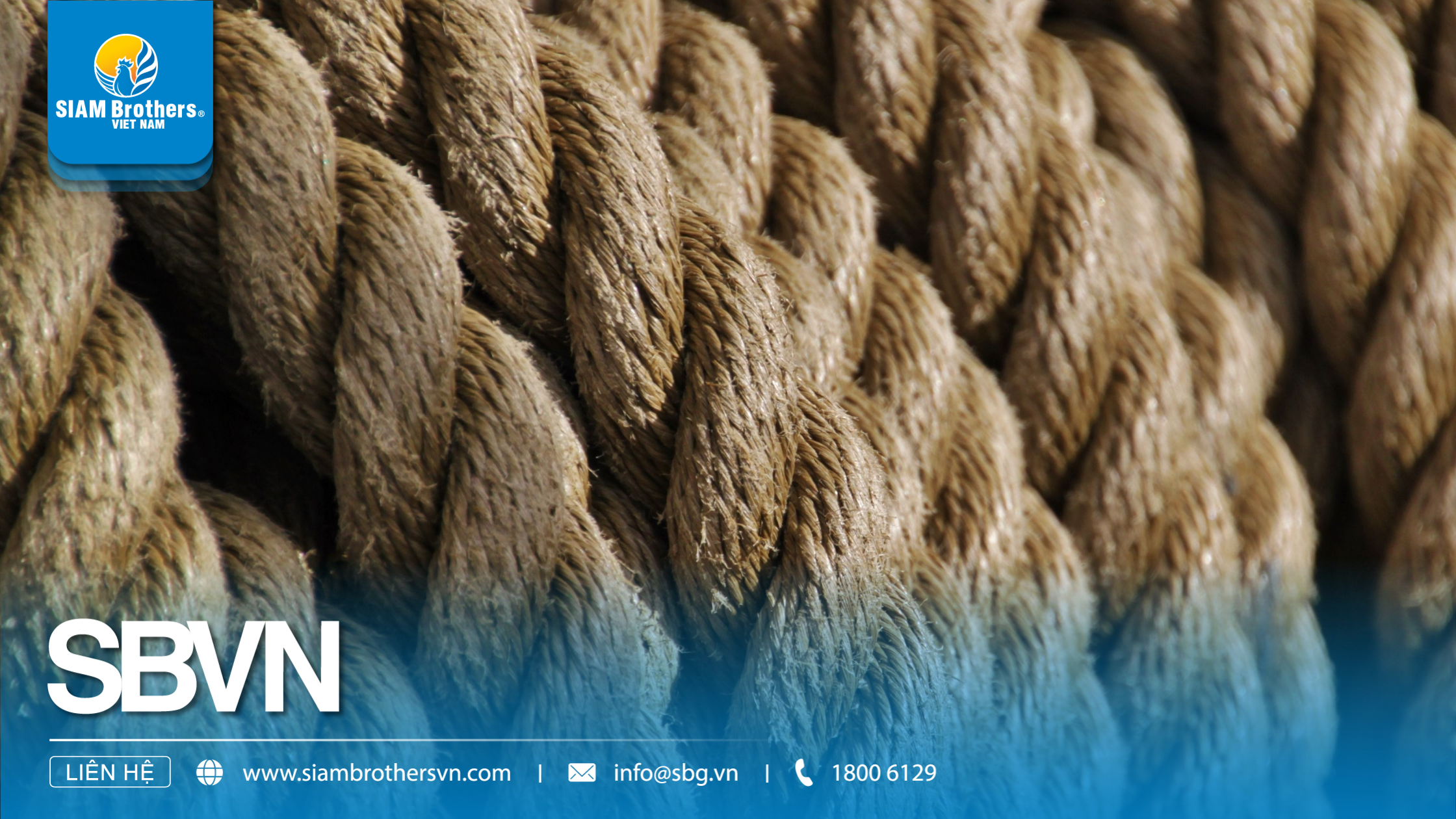
Seagrass rope - Source: SIAM Brothers Vietnam
Seagrass Rope is a natural rope made from dried and processed seagrass fibers. After harvesting, the seagrass is cleaned, dried, and twisted or braided into ropes of various sizes and constructions to meet different industrial and decorative requirements.
This renewable material is known for its natural appearance, earthy color tones, and unique texture. Unlike synthetic ropes, Seagrass Rope offers an authentic organic look that aligns perfectly with today's eco-conscious lifestyle.
As global demand for sustainable materials continues to rise, Seagrass Rope has become a valuable product in international markets, particularly in furniture manufacturing, handicrafts, and home décor industries.
Seagrass is a flowering marine plant that grows in coastal waters, estuaries, and shallow marine environments. Once harvested, the fibers are carefully processed to preserve their strength and natural characteristics.
Traditional craftsmanship combined with modern manufacturing techniques ensures consistent quality while maintaining the material's natural appeal.
Seagrass Rope can be easily recognized by several distinctive features:
Natural golden-brown to light brown color.
Slightly coarse yet attractive texture.
Lightweight construction.
Natural plant-based aroma.
Excellent flexibility for weaving and crafting.
Biodegradable and environmentally friendly composition.
The growing popularity of Seagrass Rope can be attributed to its numerous advantages across different industries.
One of the biggest benefits of Seagrass Rope is its sustainability. Since it is made entirely from natural fibers, the material can biodegrade naturally without leaving harmful residues in the environment.
As governments and consumers increasingly prioritize sustainability, products made from Seagrass Rope help businesses align with environmental regulations and green initiatives.
The organic texture and warm natural tones of Seagrass Rope create a rustic and elegant appearance. This makes it highly desirable for interior designers and manufacturers seeking natural-looking materials.
The material complements various design styles, including:
Rustic
Coastal
Scandinavian
Bohemian
Eco-luxury interiors
Despite being a natural material, Seagrass Rope offers impressive durability when properly processed and maintained. It can withstand daily use in furniture and decorative applications while retaining its structural integrity.
Seagrass Rope can be twisted, braided, woven, or combined with materials such as wood, metal, and fabric. Its versatility allows manufacturers and artisans to create a wide variety of products.
Producing high-quality Seagrass Rope involves several important stages.
The production process begins with harvesting mature seagrass from designated growing areas. The raw material is then carefully selected to ensure consistent quality.
After harvesting, the seagrass is cleaned to remove dirt, salt, and impurities. It is then dried naturally or mechanically to reduce moisture content and improve fiber durability.
The dried fibers are sorted and graded according to size, strength, and appearance before being processed into rope.
The prepared fibers are twisted or braided into ropes of different diameters and constructions. This stage determines the rope's strength, flexibility, and final appearance.
Thanks to its versatility and sustainability, Seagrass Rope is used across multiple industries.
Seagrass Rope is widely used to create handcrafted products such as:
Storage baskets
Decorative trays
Planters
Gift items
Home accessories
These products are highly valued in international markets due to their eco-friendly nature and artisanal appeal.
Furniture manufacturers increasingly incorporate Seagrass Rope into their designs to enhance both aesthetics and sustainability.
Common applications include:
Woven chairs
Accent tables
Decorative panels
Headboards
Natural fiber furniture components
The material adds warmth and texture while supporting environmentally responsible production practices.
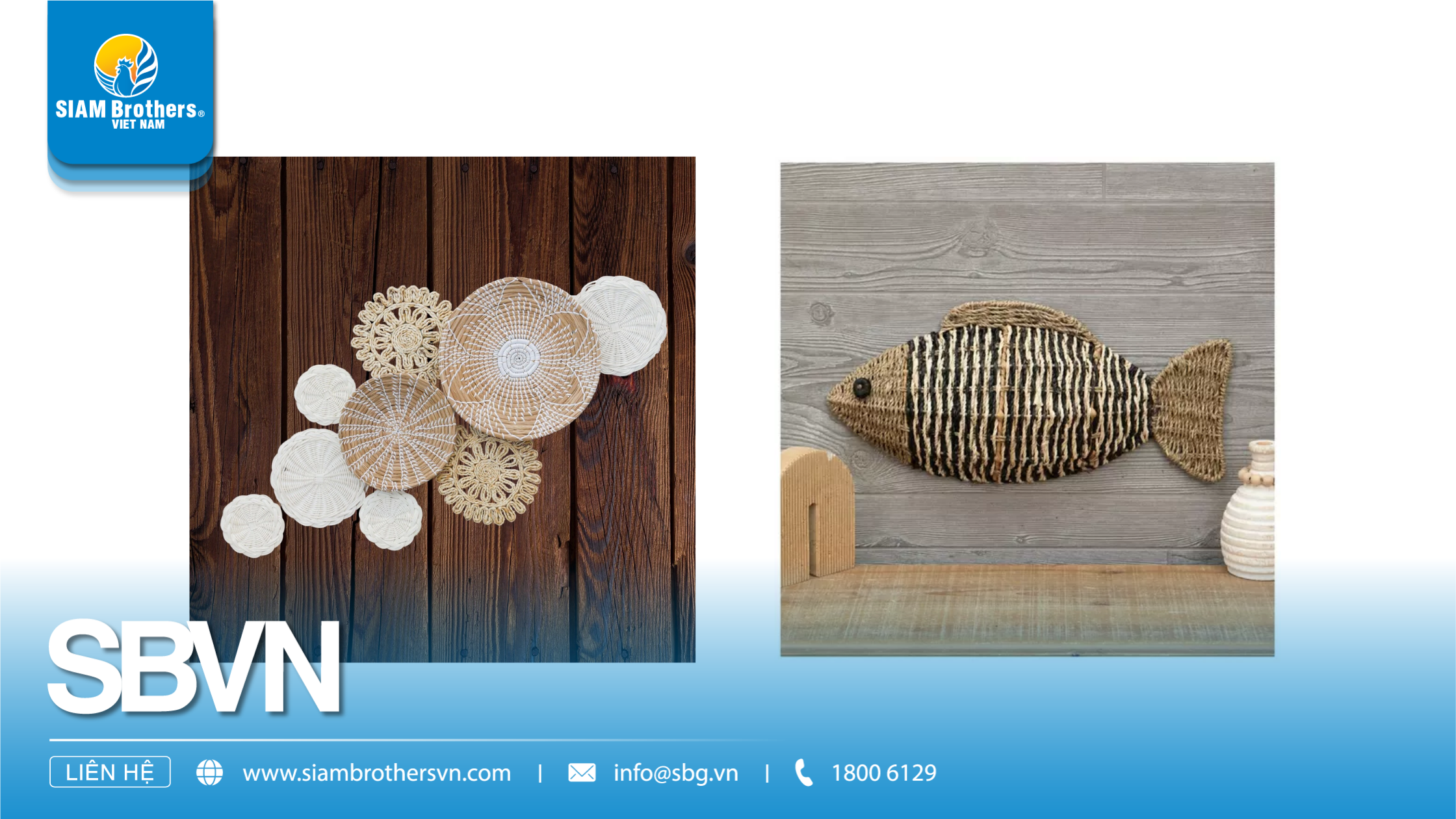
Seagrass rope - Source: SIAM Brothers Vietnam
Seagrass Rope is frequently used in hotels, restaurants, resorts, cafés, and residential projects to create natural and inviting spaces.
Designers often use it for:
Wall decorations
Hanging lamps
Ceiling accents
Room dividers
Decorative installations
As consumer demand for sustainable products grows globally, Seagrass Rope has become a preferred material for export products destined for Europe, North America, Australia, and Japan.
Its renewable nature and handcrafted appearance make it particularly attractive in premium lifestyle and home décor markets.
Sustainability is no longer a trend—it is a long-term commitment for industries worldwide. As businesses seek alternatives to plastic and synthetic materials, Seagrass Rope provides an effective solution.
Using natural fibers helps reduce environmental impact while supporting local communities involved in harvesting and processing activities. This contributes to both ecological conservation and economic development.
Furthermore, modern consumers increasingly consider environmental responsibility when making purchasing decisions. Products made from Seagrass Rope allow brands to demonstrate their commitment to sustainability while delivering attractive and functional solutions.
Proper maintenance is essential to maximize the lifespan of Seagrass Rope products.
Although durable, prolonged exposure to moisture may lead to mold growth and fiber degradation.
Dust and dirt should be removed using a soft brush or dry cloth to preserve the rope's appearance.
Seagrass Rope is best suited for dry indoor environments. Continuous exposure to water may affect its structural integrity over time.
Seagrass Rope is a versatile, sustainable, and aesthetically appealing natural material that continues to gain popularity worldwide. Its environmental benefits, durability, and broad range of applications make it an excellent choice for furniture manufacturers, handicraft producers, interior designers, and eco-conscious consumers.
As sustainability becomes increasingly important across global industries, Seagrass Rope is expected to play a growing role in the future of natural-material manufacturing and environmentally responsible product development.
Yes. Seagrass Rope is made from natural seagrass fibers that have been harvested, dried, and processed into rope.
Yes. It is biodegradable and considered an eco-friendly alternative to many synthetic materials.
Yes. When properly manufactured and maintained, Seagrass Rope offers good durability for furniture, handicrafts, and decorative applications.
Seagrass Rope is commonly used in handicrafts, furniture manufacturing, interior decoration, hospitality projects, and export-oriented products.
For many decorative, furniture, and handicraft applications, Seagrass Rope serves as an excellent sustainable alternative to synthetic rope materials.
Read more: Modern Rope Manufacturing Process: From Plastic Pellets to High-Quality Finished Ropes
Source: SIAM Brothers Vietnam
Contact us:
Address: 5th floor, VRG Building, 177 Hai Ba Trung Street, Vo Thi Sau Ward, Ho Chi Minh City, Vietnam
Tel: (+84) 28 38 912 889
Hotline: 1800 6129
Facebook: www.facebook.com/siambrothersvn
Email: info@sbg.vn
YouTube: youtube.com/@siambrothersvietnam1728
OA Zalo: zalo.me/1402339229697925373
App SBVN ID:
CHPlay: https://bit.ly/SBVNID-Android
Appstore: https://bit.ly/SBVNID-iOS








Specializing in Agricultural and Fisheries Products & Multipurpose Wire