
- 1800 6129

Cargo Tie-Down Rope plays a critical role in keeping loads secure throughout transportation, yet choosing the right rope for specific load capacities and working conditions is often overlooked. Selecting an unsuitable rope can lead to cargo shifting, product damage, increased safety risks, and unnecessary operating costs. In this guide, SIAM Brothers Vietnam shares five essential factors to help you choose a heavy-duty Cargo Tie-Down Rope for trucks and containers. From load capacity and material selection to outdoor durability and quality standards, these practical insights will help you improve transportation safety, extend product service life, and reduce long-term operating expenses.
Whether you're transporting goods by light-duty trucks, heavy-duty trailers, shipping containers, or fishing vessels, cargo is constantly exposed to vibration, sudden braking, sharp turns, and uneven road conditions. A reliable Cargo Tie-Down Rope helps minimize these risks by keeping loads stable from departure to destination.
Using a high-quality Cargo Tie-Down Rope offers several important benefits:
For example, imagine a truck transporting bags of animal feed or frozen seafood. If the rope's working load limit is lower than the actual cargo weight, sudden braking may cause the rope to stretch excessively or even fail, resulting in damaged goods, delivery delays, and additional costs.
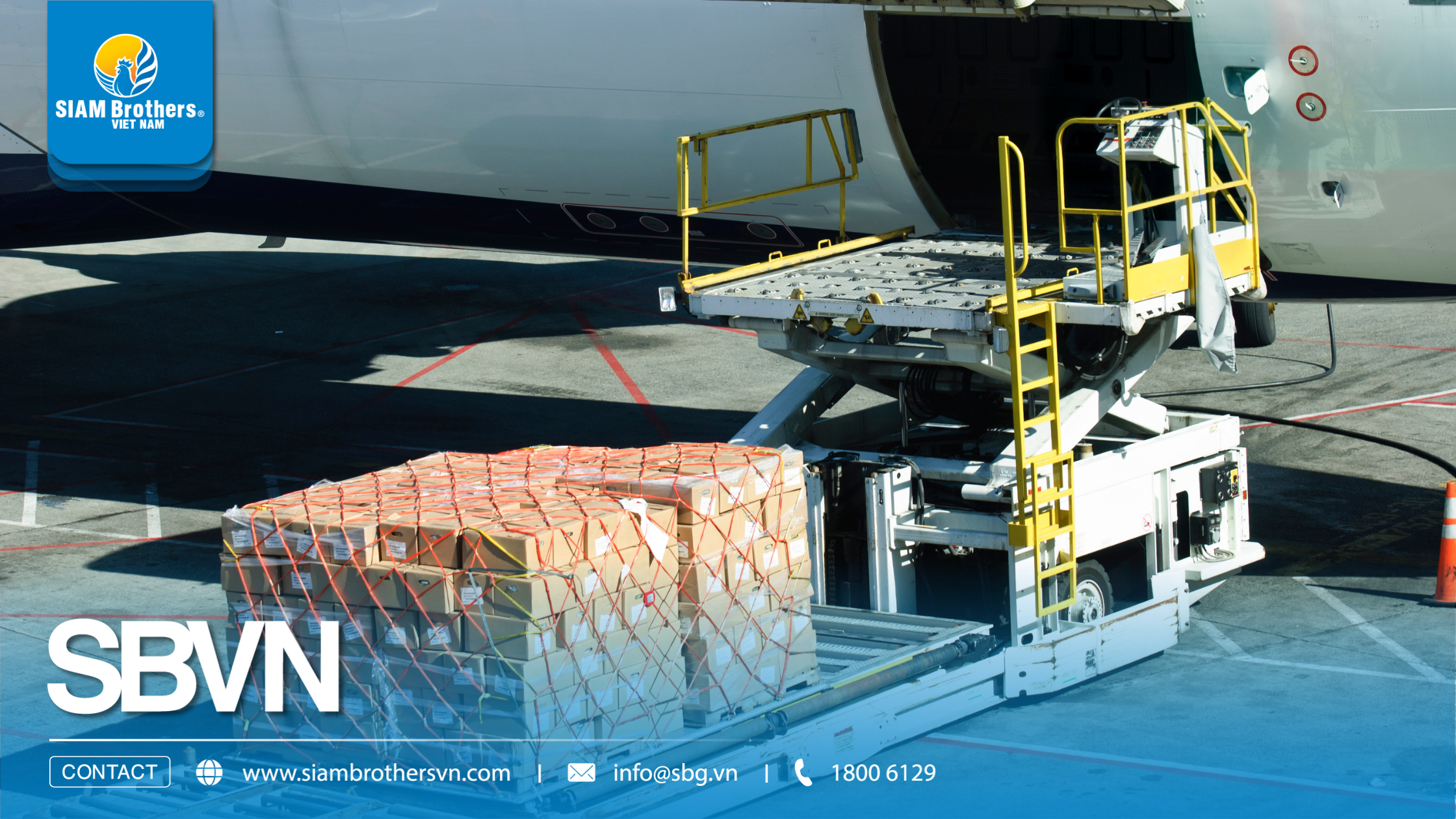
Choosing the cheapest rope may seem like a cost-saving decision at first. However, lower-quality products often lead to higher operating expenses over time.
Common issues include:
Investing in a durable Cargo Tie-Down Rope helps lower maintenance costs, improve operational efficiency, and reduce unexpected expenses over the product's lifecycle.
A dependable Cargo Tie-Down Rope should consistently perform under various transportation environments.
Key characteristics include:
These are among the core performance factors that SIAM Brothers Vietnam's engineering and production teams continuously evaluate when developing industrial rope solutions for logistics, fisheries, agriculture, and other demanding industries.
As transportation and logistics operations become more demanding, businesses are placing greater emphasis on cargo securement and workplace safety.
Choosing the right Cargo Tie-Down Rope helps:
Choosing the right Cargo Tie-Down Rope involves more than simply picking the thickest or least expensive option. To ensure safe and efficient cargo transportation, you should evaluate several technical factors that directly affect load security, product durability, and long-term performance.
Below are the five most important criteria recommended by SIAM Brothers Vietnam's engineering and manufacturing teams.
Load capacity is the most critical factor when selecting a Cargo Tie-Down Rope. A rope that cannot safely handle the applied load increases the risk of cargo movement, product damage, and transportation accidents.
Before selecting a rope, consider:
Keep these best practices in mind:
For example, a truck transporting several tons of construction materials requires a much higher-capacity rope than one carrying packaged agricultural products or consumer goods. Matching the rope's load rating to the actual application is essential for safe cargo securement.
Ropes of the same diameter can perform very differently depending on the material they are made from. Choosing the right fiber helps improve both durability and operational efficiency.
Common materials include:
Based on the practical experience of SIAM Brothers Vietnam's engineering team, selecting the appropriate material from the beginning can significantly extend the rope's service life while reducing replacement and maintenance costs.
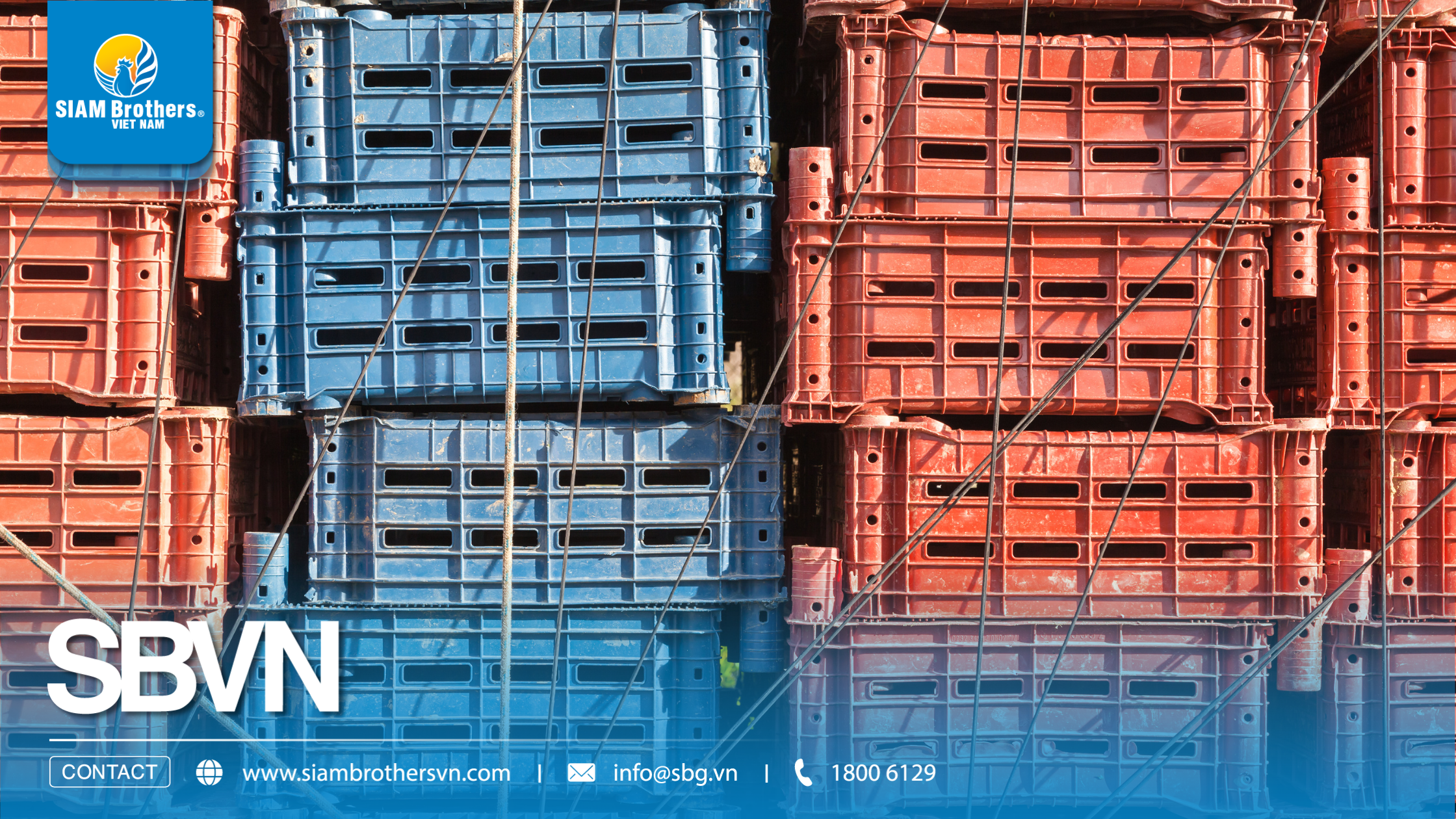
A Cargo Tie-Down Rope that stretches excessively may lose tension during transportation, reducing its ability to keep cargo securely in place.
When evaluating rope elongation, pay attention to:
Choosing a rope with appropriate elongation provides several advantages:
This factor is especially important for export containers, long-haul trucking, and other applications where cargo remains under tension for extended periods. Selecting a rope with balanced tensile strength and controlled elongation helps ensure consistent performance from loading to final delivery.
After learning how to choose the right Cargo Tie-Down Rope, it's equally important to avoid common purchasing mistakes. Many businesses focus only on upfront costs without considering long-term performance, durability, and safety. As a result, what seems like a cost-saving decision can end up increasing maintenance expenses and disrupting daily operations.
Based on the practical experience of SIAM Brothers Vietnam's engineering, R&D, and manufacturing teams, the following mistakes are among the most common.
One of the biggest mistakes is selecting a rope based solely on price.
Although a lower-cost product may reduce your initial investment, it often comes with hidden long-term costs.
Common consequences include:
For example, a logistics company that uses low-cost ropes for long-distance transportation may need to replace them several times a year. In many cases, the total ownership cost becomes significantly higher than investing in a high-quality Cargo Tie-Down Rope from the beginning.
Many buyers judge a rope simply by its appearance or diameter.
However, a thicker rope does not automatically provide a higher load capacity.
Before purchasing, evaluate:
Choosing the wrong load rating may result in:
Always select a Cargo Tie-Down Rope based on verified technical specifications rather than visual appearance alone.
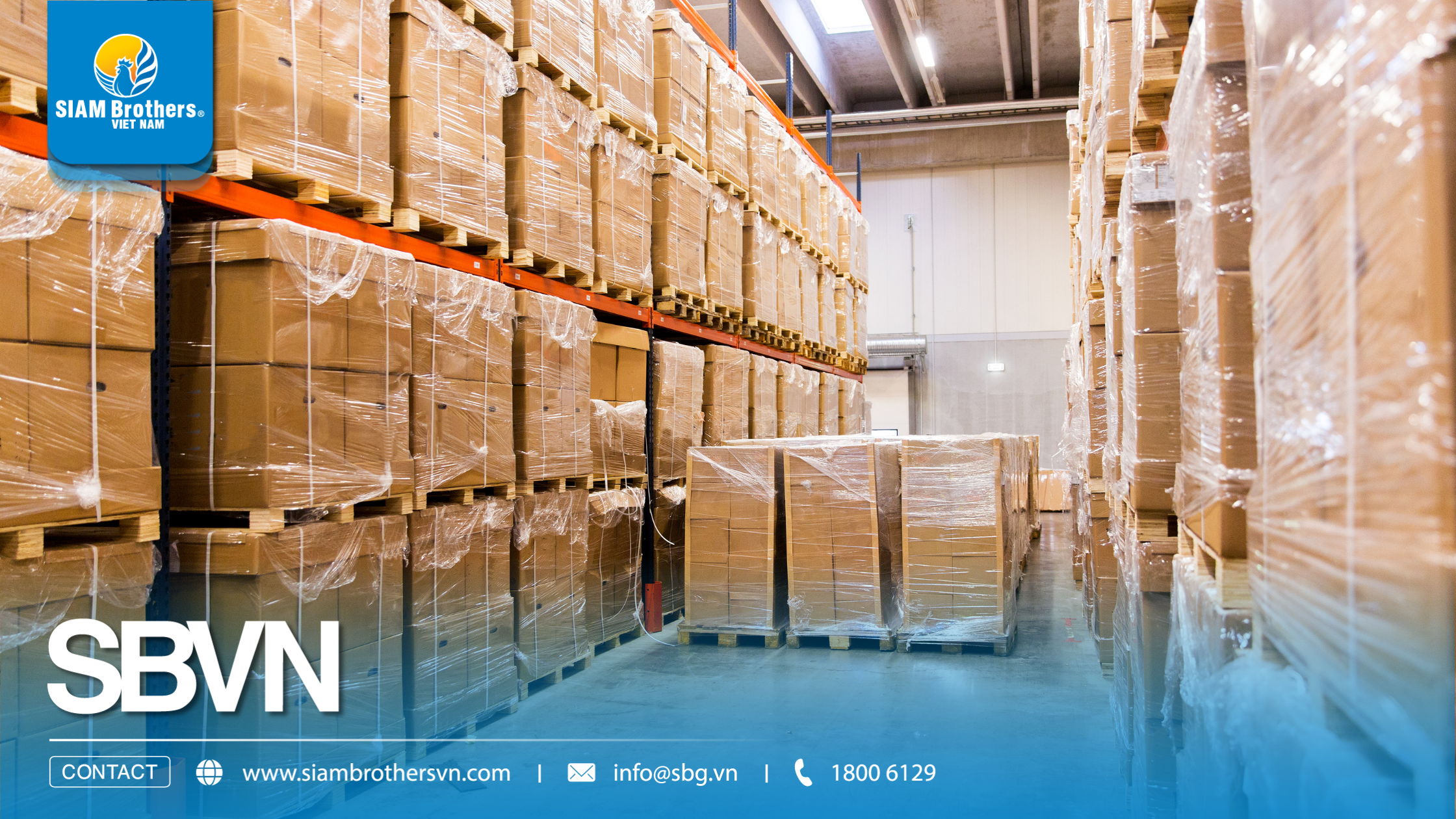
This is a common issue in warehouses, ports, construction sites, and transportation fleets.
To reduce short-term expenses, some businesses continue using ropes that have already exceeded their service life. Unfortunately, this significantly increases the risk of cargo accidents.
Replace your rope immediately if you notice:
Replacing a worn rope is far less expensive than dealing with damaged cargo, delivery delays, or workplace accidents.
Every operating environment places different demands on rope performance.
Common selection mistakes include:
These mistakes often lead to:
According to SIAM Brothers Vietnam's R&D engineers, selecting the right rope material for the intended environment is one of the most effective ways to maximize service life and improve long-term cost efficiency.
Many buyers compare products based only on their initial price while overlooking the total cost of ownership.
When evaluating a Cargo Tie-Down Rope, consider:
A Cargo Tie-Down Rope is far more than just a transportation accessory. It plays a vital role in securing loads across a wide range of industries, from logistics and agriculture to fisheries, manufacturing, and construction. Choosing the right rope for each application helps improve operational safety, protect valuable cargo, and increase overall efficiency.
The transportation and logistics industry is one of the largest users of Cargo Tie-Down Rope.
Common applications include:
Key benefits include:
For example, consumer goods, industrial machinery, and palletized freight are often secured with heavy-duty ropes to prevent movement during sudden braking or sharp turns.
Agricultural operations rely heavily on safe and efficient transportation of crops, farming supplies, and livestock feed.
A Cargo Tie-Down Rope is commonly used to:
Benefits include:
For large-scale farming operations, selecting the right rope helps improve transportation efficiency while minimizing cargo damage.
Marine environments require ropes that can withstand moisture, abrasion, and prolonged exposure to harsh weather conditions.
In the fisheries and aquaculture industry, Cargo Tie-Down Rope is widely used for:
Essential performance requirements include:
This is one of the industries where SIAM Brothers Vietnam has extensive experience in developing high-performance industrial rope solutions for real-world marine applications.

In factories, industrial parks, and production plants, properly securing materials is an essential part of warehouse management and product transportation.
Typical applications include:
Key advantages include:
For high-value machinery and equipment, using a certified Cargo Tie-Down Rope significantly reduces transportation risks and helps protect valuable assets.
Construction sites require durable ropes that can withstand demanding working conditions while safely securing heavy materials.
Common applications include:
To perform reliably in these environments, ropes should provide:
Beyond industrial use, Cargo Tie-Down Rope is also a practical solution for everyday transportation and small businesses.
Typical applications include:
To help you make a more informed purchasing decision, here are some of the most frequently asked questions about Cargo Tie-Down Rope. These answers are based on practical recommendations from the engineering and technical teams at SIAM Brothers Vietnam.
The load capacity of a Cargo Tie-Down Rope depends on several key factors, including:
There is no single load rating that applies to every rope. If you're transporting heavy loads or high-value cargo, it's always recommended to choose a rope with a Working Load Limit (WLL) that exceeds your actual load requirements to provide an additional safety margin.
Yes.
Polypropylene (PP) rope is one of the most widely used materials for cargo securement across various industries.
Its key advantages include:
However, the best material ultimately depends on your load weight, operating environment, and transportation requirements. Consulting with a technical specialist can help ensure you select the most suitable Cargo Tie-Down Rope for your application.
There is no universal replacement schedule.
The service life of a Cargo Tie-Down Rope depends on:
Inspect your rope regularly and replace it immediately if you notice:
Routine inspections and timely replacement help reduce transportation risks and improve workplace safety.
Selecting the right Cargo Tie-Down Rope requires evaluating multiple factors rather than focusing solely on price.
Key considerations include:
According to SIAM Brothers Vietnam's engineering team, investing in a high-quality rope with proven technical performance typically delivers greater long-term value than simply choosing the lowest-priced option.
Choosing the right Cargo Tie-Down Rope is essential for protecting cargo, improving transportation safety, and reducing long-term operating costs. By evaluating five key factors—load capacity, rope material, weather resistance, elongation characteristics, and product quality—transportation companies, truck operators, distributors, and industrial users can confidently select the most suitable rope for their specific applications.
Whether you're securing cargo for long-haul trucking, container shipping, agriculture, fisheries, or industrial operations, investing in a reliable Cargo Tie-Down Rope helps improve efficiency, extend product service life, and minimize operational risks.
If you're looking for durable, high-performance cargo securing solutions, SIAM Brothers Vietnam is ready to help. Contact our engineering and R&D team today for expert technical advice and product recommendations tailored to your transportation and industrial needs.
Source: SIAM Brothers Vietnam
Contact us:
► Address: 5th floor, VRG Building, 177 Hai Ba Trung Street., Xuan Hoa Ward, Ho Chi Minh City, Vietnam
► Hotline: 1800 6129
► Tel: (+84) 28 38 912 889
► Email: info@sbg.vn
► Follow us for more details at: Facebook - Zalo OA - Tiktok - Youtube - LinkedIn
Download SBVN ID app here:
► CHPlay
► Appstore









Specializing in Agricultural and Fisheries Products & Multipurpose Wire