
How do you build a floating dock using modular plastic floats while keeping it stable, safe, and cost-effective? It's a common question among businesses, contractors, and fish farmers planning floating docks and platforms for aquaculture or daily operations.
Building a floating dock involves more than simply connecting plastic floats. You need to choose the right materials, calculate the required load capacity, and design a reliable anchoring system. Even a small installation mistake can affect the dock's stability and long-term performance.
In this guide, SIAM Brothers Vietnam walks you through the floating dock assembly process, key safety considerations, and practical tips for choosing the right materials.
1. What Should You Prepare Before Building a Floating Dock with Modular Plastic Floats?
1.1. Choose Modular Plastic Floats Based on Load Capacity and Water Conditions
Not every type of float is suitable for building a floating dock. Before making a purchase, think about how you plan to use the structure. This will help you choose modular plastic floats with the right dimensions, buoyancy, and structural design.
- Float material: Consider HDPE floats with clear product specifications and a design suited to freshwater, brackish water, or saltwater conditions.
- Size and quantity: Determine the dock's length, width, and float layout to estimate the materials required and avoid shortages during installation.
- Load capacity: Calculate the combined weight of people, cargo, equipment, and the dock structure. Remember that a float's buoyancy is not the same as the safe working load of the entire dock.
- Connection system: Choose floats with compatible connectors and accessories that can be assembled according to the manufacturer's technical instructions.
For example, a floating walkway used to access fish cages has different requirements from a dock designed to transport feed, machinery, or heavy equipment.
That's why choosing floats based on price alone isn't a good idea. The actual load requirements matter just as much.

Once you've selected the right floats, the next step is to check your accessories. Even one missing connector can slow down the entire installation.
Here's what you should prepare:
- Connecting accessories: Pins, locking connectors, bolts, or specialized fastening systems, depending on the float design.
- Anchoring system: Mooring ropes, chains, anchors, or fixed piles selected according to water conditions and the dock's design.
- Frames and decking: Prepare these if your floating dock requires a supporting frame or a separate walking surface.
- Installation tools: Measuring tapes, suitable tightening tools, positioning ropes, and any additional equipment specified in the installation instructions.
- Safety equipment: Life jackets, non-slip footwear, protective gloves, and other equipment needed when working near or over water.
Most importantly, the connectors and anchoring system must be compatible with the floating dock's structure.
Avoid replacing specified components with alternatives unless their suitability and load-bearing capacity have been properly assessed.
1.3. Assess the Installation Site and Water Conditions
Before installing your floating dock, take time to inspect the area.
The same type of float may perform differently in a fish pond, river, or coastal environment. That's why checking the site beforehand is essential.
Key factors to consider include:
- Installation area: Measure the intended length and width, and determine the best dock orientation for walking and transporting goods.
- Water depth and level changes: Check seasonal fluctuations and tidal variations to prevent the floating structure from hitting the bottom during low water levels.
- Waves, wind, and currents: Assess environmental forces to select a suitable connection and anchoring design.
- Site conditions: Inspect the shoreline, lakebed or riverbed, underwater obstacles, and potential anchoring locations.
- Installation conditions: Choose suitable weather, arrange safe access, and check any legal requirements applicable to the project location.
For instance, if you're installing a floating dock in a tidal area, both the anchoring system and access walkway must accommodate changing water levels.
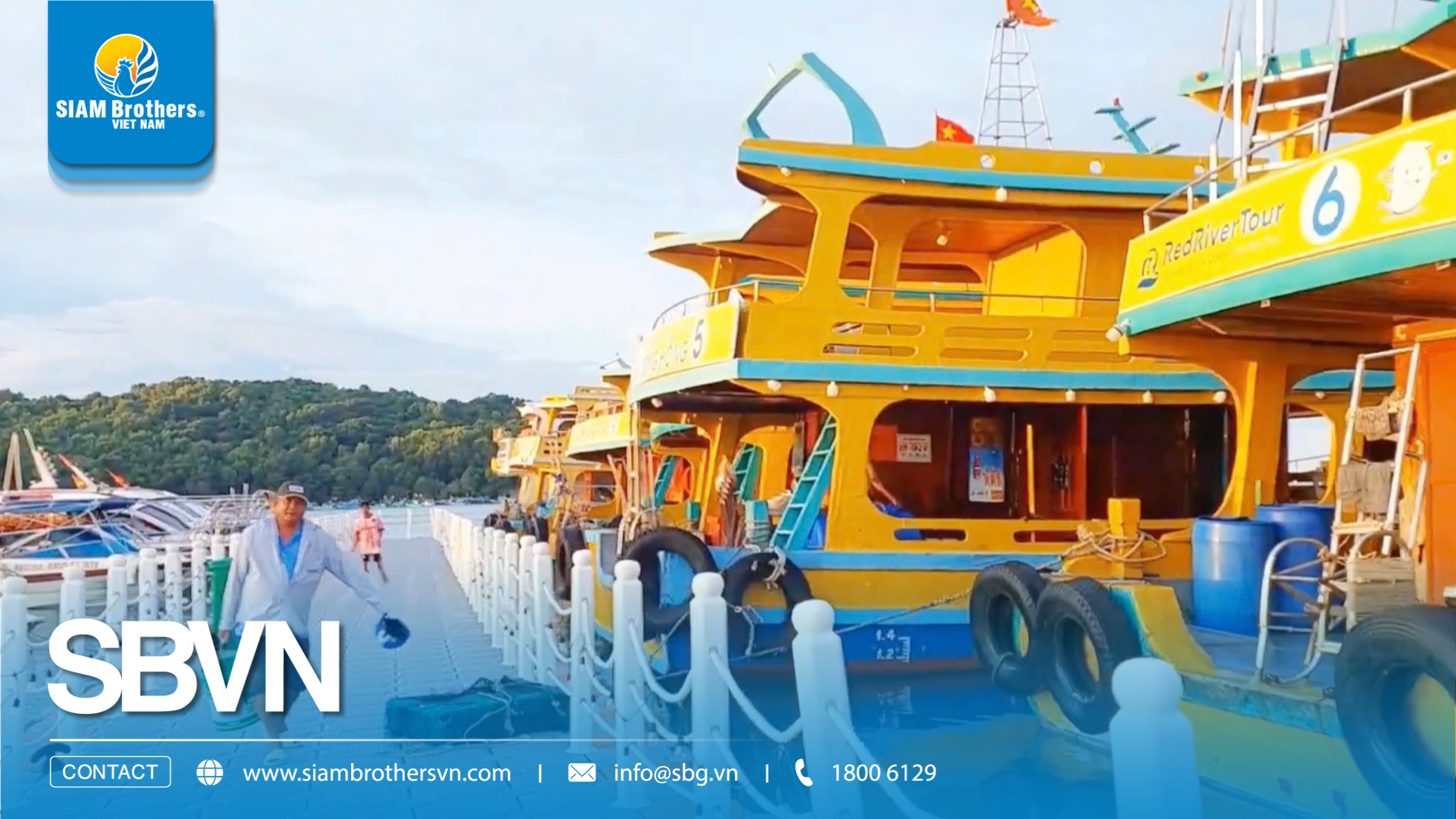
2. Step-by-Step Guide to Building a Floating Dock with Modular Plastic Floats
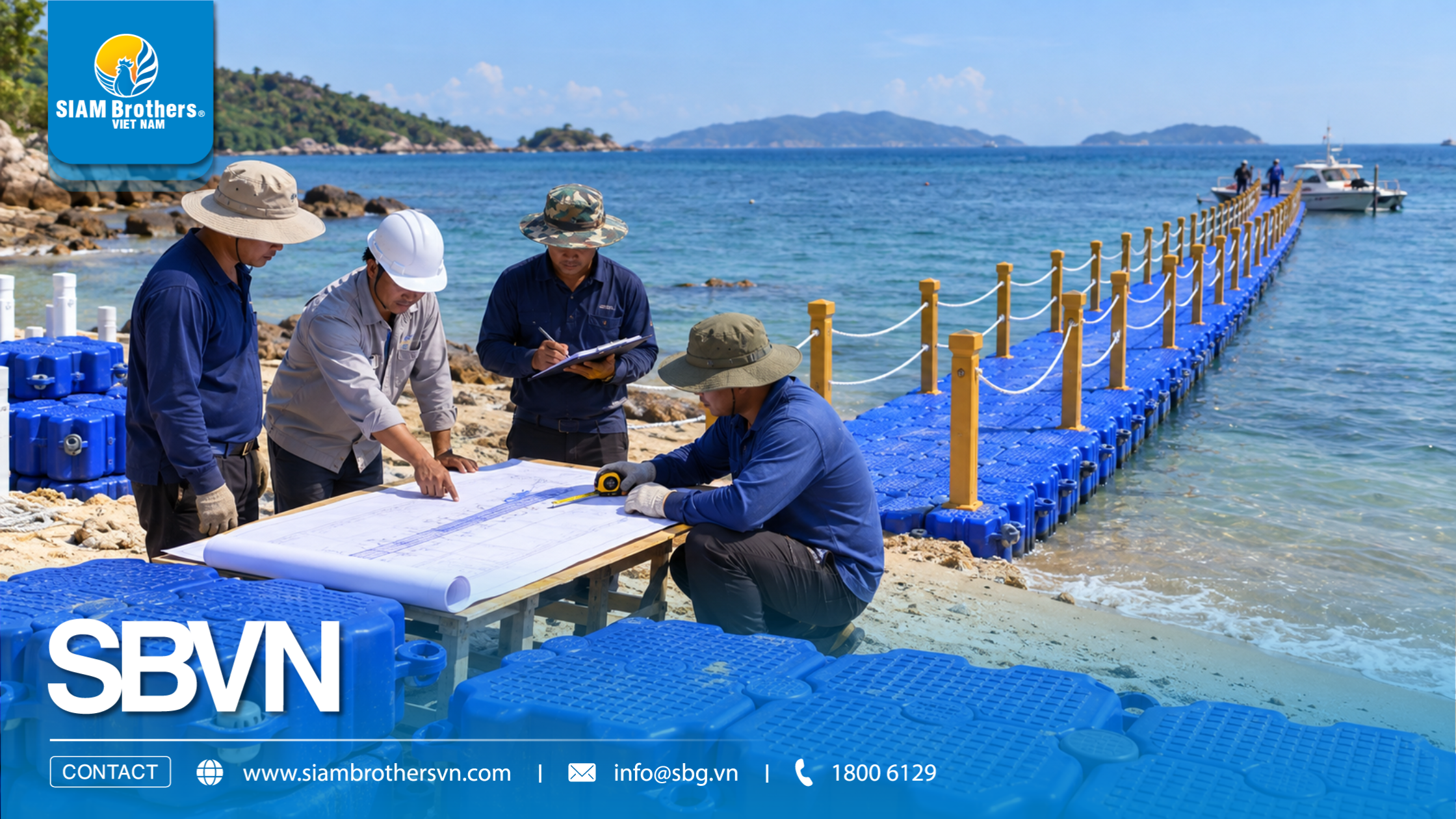
2.1. Step 1: Plan the Layout and Calculate the Number of Floats
Start by determining the dock's dimensions and the number of float modules required.
A well-planned layout makes assembly easier and helps reduce unnecessary material costs.
- Measure the dock: Determine the planned length and width based on its intended use and available water surface.
- Calculate float quantities: Use each float's dimensions, the proposed layout, and the required load capacity to estimate the number of modules.
- Arrange the installation layout: Position or mark the floats according to the design drawings to ensure proper alignment.
- Inspect each float: Check the surface, connection points, and watertight integrity. Do not use floats showing signs of cracks, punctures, or deformation.
Let's say you're building a floating walkway from the shore to a fish farming area. Before assembling the floats, consider how wide the walkway needs to be and how much feed or equipment you'll regularly transport. These details will help you choose a more practical and reliable layout.
2.2. Step 2: Connect the Float Modules Using the Right Accessories
This is one of the most important stages of modular plastic float installation. Each float must be positioned and connected correctly to create a stable floating structure.
- Position the floats correctly: Arrange the modules according to the layout, making sure the connection points line up.
- Install the connectors: Use the appropriate locking pins, connectors, or fastening accessories specified for the float system.
- Assemble in sections: Where the installation design allows, connect smaller groups of floats before joining them into a larger structure.
- Check every connection: Make sure all connectors are correctly fitted, properly secured, and free from visible misalignment.
- Important: Never force float modules together when their connection points are not aligned.
If a connector doesn't fit, check the orientation and component type before trying again. Always follow the manufacturer's instructions for locking mechanisms and tightening requirements.

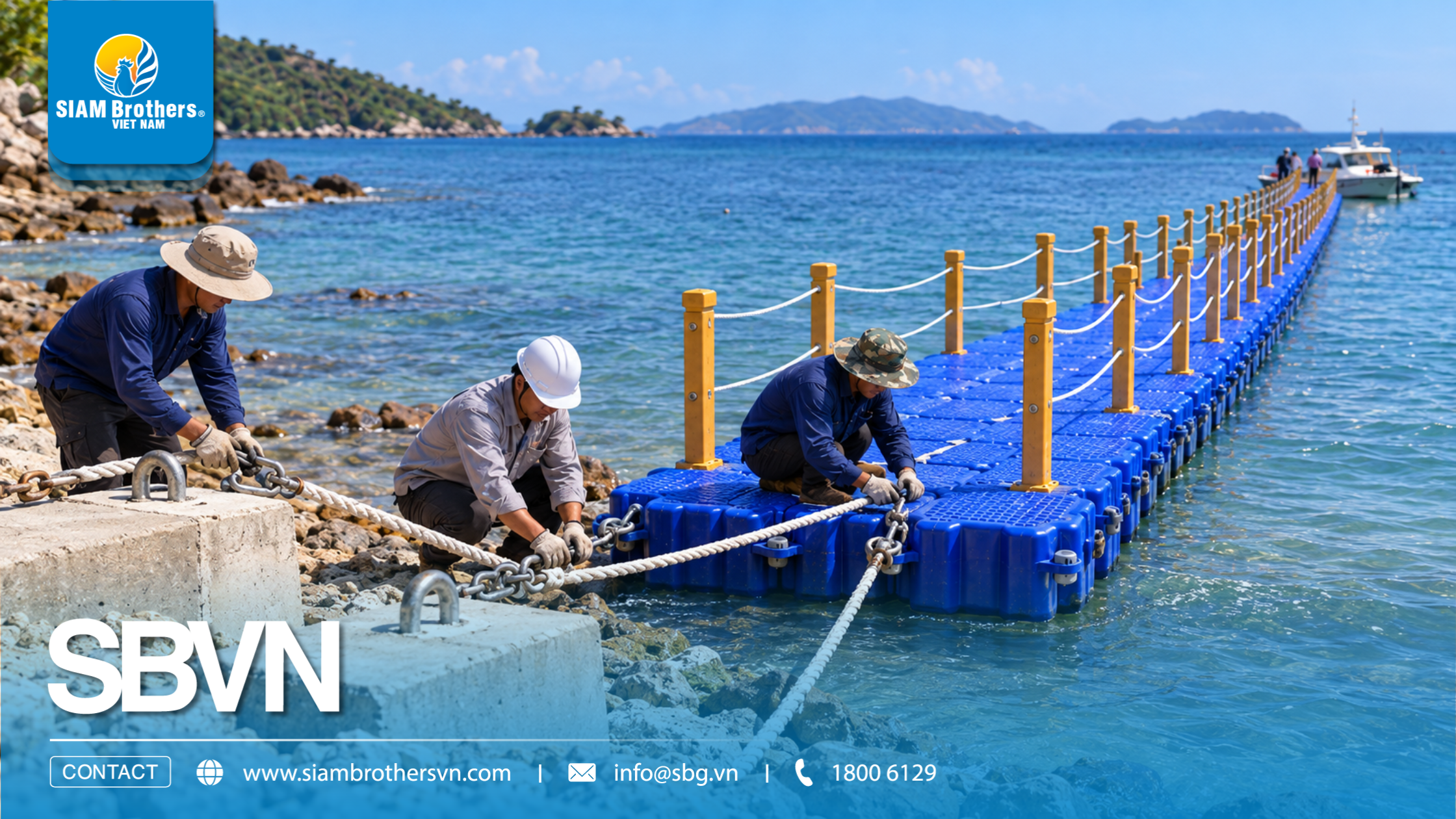
2.3. Step 3: Install the Anchoring System and Secure the Floating Dock
Once the floating structure is assembled, it's time to install the anchoring system.
Anchoring helps prevent the dock from drifting, moving excessively, or colliding with nearby structures due to waves, currents, and wind.
- Identify anchor locations: Choose suitable anchoring points based on the dock's dimensions, water conditions, and approved design.
- Install mooring ropes or chains: Select materials with appropriate strength and durability for the expected loads and operating environment.
- Connect the anchoring system: Attach mooring lines to designated load-bearing points rather than components not intended for anchoring.
- Allow for water-level changes: Make sure the anchoring arrangement can accommodate changing water levels without excessive tension or unwanted contact with nearby structures.
For example, a floating dock installed in a tidal river needs an anchoring system that allows it to rise and fall with the water.
You should also consider stronger currents during the rainy season.
Safety note: Anchoring requirements must be calculated for the actual site conditions. Never determine anchor quantities, rope lengths, or fixing points based solely on experience, especially in large rivers and coastal areas.
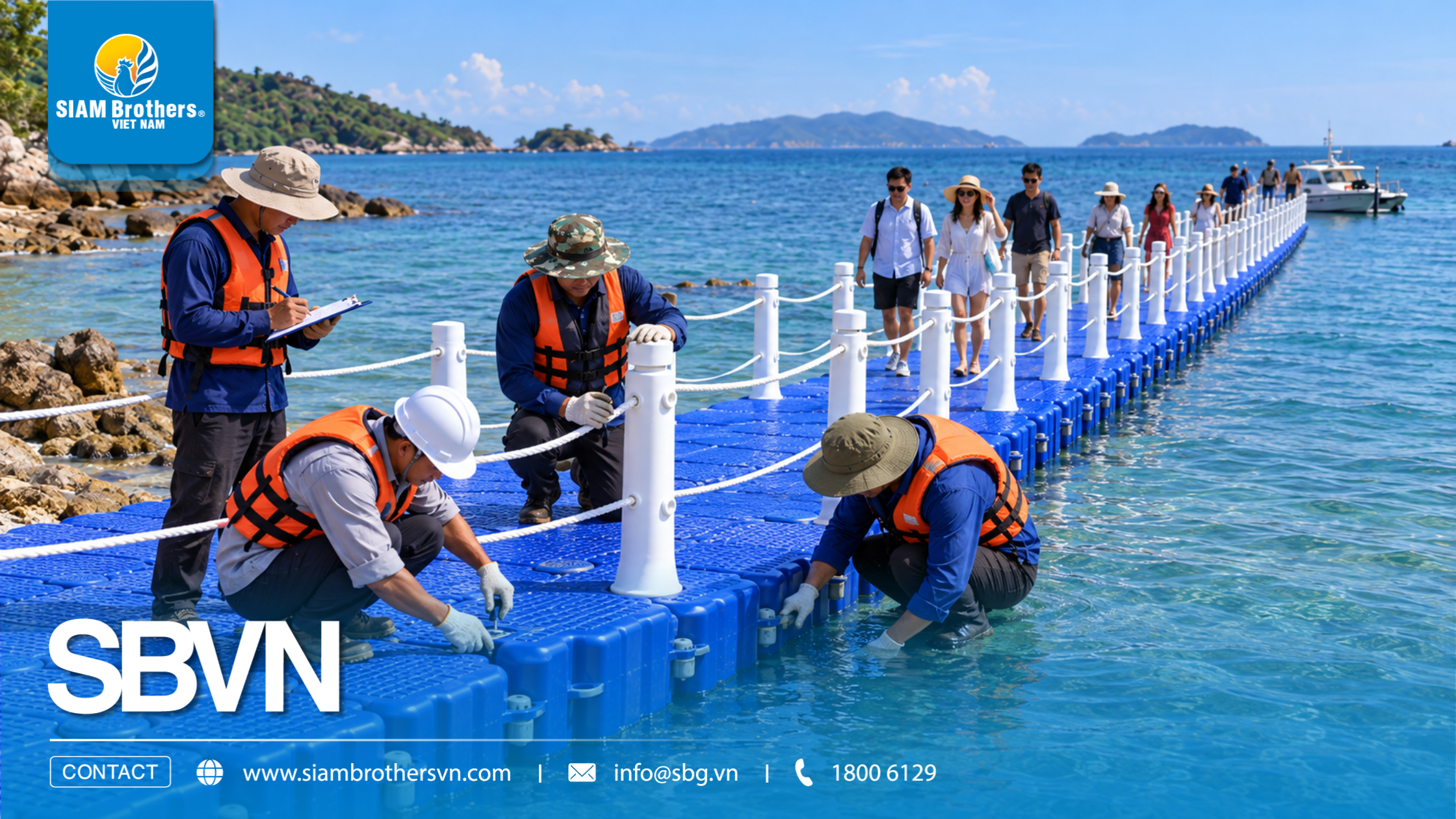
2.4. Step 4: Inspect the Connections, Buoyancy, and Overall Safety
Once installation is complete, don't rush to put the dock into service.
A thorough inspection can help identify problems before they affect the structure's stability or user safety.
- Check all connections: Confirm that locking pins, connectors, and other fastening components are correctly installed.
- Inspect floating stability: Check the dock's balance, draft, and clearance above the water according to the design requirements.
- Examine the anchoring system: Inspect anchors, mooring ropes, and the system's ability to accommodate water-level changes.
- Check the walking surface: Look for sharp edges, slippery areas, or unsafe gaps that could cause accidents.
- Verify load capacity: Have a qualified professional inspect the structure and carry out any required load testing before the dock enters service.
If the dock is intended for multiple users or regular cargo transport, make sure the safe working load and load distribution requirements are clearly established. Never test a dock's strength by gathering a large group of people in one spot.
3. How to Choose the Right Modular Plastic Floats and Reduce Costs
3.1. Consider Float Size, Material, and Technical Specifications
Before purchasing floats for your dock, take a closer look at the following factors:
- Float material: HDPE plastic floats are worth considering because HDPE offers impact resistance and resistance to many chemicals. However, UV resistance and saltwater suitability should be confirmed through the specific product's technical specifications.
- Float dimensions: Choose sizes based on the dock's length, width, and module arrangement. The right dimensions can help minimize gaps and reduce unnecessary connectors.
- Load capacity: Account for the combined weight of people, cargo, equipment, and the dock structure. Don't rely on the buoyancy of a single float to determine the safe working load of the entire system.
- Connection design: Look for floats with compatible accessories that make assembly, disassembly, and maintenance more manageable.
- Product quality and origin: Check technical specifications, material information, warranty terms, and installation documents provided by the supplier.
For example, if your floating dock is used to access fish cages and transport feed bags, the weight of those bags should be included in your load calculations.
A dock used only as a pedestrian walkway may have different load requirements.
Buying tip: Share your project dimensions, expected loads, and water conditions with the supplier before ordering. This helps avoid purchasing unsuitable floats and making costly changes later.
3.2. What Affects the Price of Modular Plastic Floats and Installation Costs?
The cost of modular plastic floats depends on more than the number of modules you need.
Your total project budget should also account for connecting accessories, mooring systems, transportation, and installation.
Here are the main factors to consider:
- Material and dimensions: Float prices vary depending on their size, weight, construction, and technical specifications.
- Order quantity: Larger projects require more materials. Businesses and distributors purchasing in bulk may be able to discuss volume pricing with suppliers.
- Connecting accessories: Locking pins, connectors, supporting frames, and other fastening components all affect the final cost.
- Anchoring system: Costs depend on water conditions, anchoring design, materials, and technical requirements.
- Transportation and installation: Delivery distance, site accessibility, and installation complexity can increase the overall budget.

4. Frequently Asked Questions About Modular Plastic Floats for Floating Docks
4.1. How Many Modular Plastic Floats Are Needed per Square Meter?
The number of floats depends on the dimensions of each module, the layout, and the required load capacity. There's no single number that works for every floating dock system.
- Check the float dimensions: Measure or confirm the length, width, and surface area of each module.
- Calculate the surface coverage: For example, if each module measures 50 × 50 cm, four modules would cover approximately 1 m².
- Verify load requirements: Surface coverage alone doesn't determine whether a dock is safe. Buoyancy, structural weight, operating loads, and overall stability must also be assessed.
For floating docks used to transport feed or aquaculture equipment, have the required load calculations checked before purchasing materials.
4.2. Can Modular Plastic Floats Be Used in Saltwater?
Yes, provided the floats are designed and specified for saltwater use.
Floats made from HDPE plastic resist corrosion from seawater, but their actual durability depends on material quality, product design, and operating conditions.
- Check the material: Look for clear material specifications and verified UV resistance.
- Inspect the accessories: Connectors, supporting frames, and anchoring components must also be suitable for saltwater exposure.
- Evaluate water conditions: Areas exposed to strong waves and currents require a site-specific design.
For example, a floating dock in a coastal shrimp pond faces different conditions from one installed in open water with frequent heavy waves. So don't choose floats based on HDPE material alone.
4.3. Do You Need Professional Help to Install a Modular Floating Dock?
Some simple modular float systems can be relatively easy to assemble when you follow the manufacturer's instructions.
However, any floating dock used by people or for transporting goods still needs appropriate structural and safety assessments before use.
- Small installations: Certain products allow self-assembly, but their load-bearing design and anchoring arrangement should still be checked.
- Heavy-duty docks: A qualified professional should assess structural loads, stability, and anchoring requirements.
- Exposed locations: Strong winds, currents, waves, and changing water levels may require additional engineering considerations.
For instance, a floating dock used by multiple people or to move heavy cargo should never be installed based on practical experience alone.

4.4. Are Modular Plastic Floats Easy to Disassemble and Relocate?
Yes, if the modular float system is specifically designed for disassembly and reuse.
Its connecting mechanism may allow users to adjust the layout or relocate the floating dock when needed.
However, the process depends on several factors:
- Connector design: Specialized locking pins or connectors may make it easier to separate float sections.
- Dock size: Larger structures usually require more workers and equipment during disassembly and transportation.
- Anchoring and decking: These components may need to be removed separately before relocation.
- Float condition: Inspect all float modules and connectors after disassembly to make sure they're suitable for reuse.
Modular plastic floats are a practical option for building floating docks and platforms used in aquaculture, transportation, and other water-based activities.
However, a reliable floating dock starts with the right materials, accurate load calculations, compatible connectors, and proper installation. Regular inspections of the connections, anchoring system, and overall structure can also help reduce safety risks over time.
Don't focus on float prices alone. Product quality and actual water conditions matter just as much.
Looking for an HDPE floating solution for your project? Contact SIAM Brothers Vietnam to learn more about available products and materials and find a solution that suits your needs and budget.
Nguồn: SIAM Brothers Việt Nam
Liên hệ với chúng tôi qua:
► Địa chỉ: Tầng 5 - Tòa nhà VRG Building, 177 Hai Bà Trưng, Phường Xuân Hòa, TP. Hồ Chí Minh, Việt Nam.
► Hotline: 1800 6129 (miễn phí cước gọi)
► Điện thoại: 028 39 912 889
► Email: info@sbg.vn
► Theo dõi chúng tôi để biết thêm chi tiết tại: Facebook - Zalo OA - Tiktok - Youtube - LinkedIn
Tải ứng dụng SBVN ID tại đây:
► CHPlay
► Appstore