
- 1800 6129

Does rope splicing reduce rope strength? It's an important question, especially if you're using ropes to moor boats, secure fish cages, or handle heavy loads. A splice may look strong on the outside, but that doesn't necessarily mean it can handle the load safely. Its strength depends on several factors, including the rope material, strand construction, splicing technique, and overall wear.
So, does splicing always weaken a rope? Not necessarily. A properly made splice can retain most of the rope's original strength, but its actual performance depends on the manufacturer's specifications and working conditions.
In this guide, SIAM Brothers Vietnam explains how to spot signs of splice damage, inspect your rope before use, and choose the right rope for your application.
Rope splicing involves interweaving strands to create a secure connection or an eye splice. The strength of that connection depends on how the strands are arranged and how the load is distributed when the rope is under tension.
Here's what makes the difference:
For example, a fishing boat mooring rope may experience constant tension as well as sudden load increases during rough seas. If the splice isn't suitable for the rope's construction, the risk of slippage or failure increases.
How much of the rope's strength can a splice retain?
There's no single percentage that applies to every rope. According to technical guidance from Samson Rope, certain approved splicing methods can retain up to 100% of a rope's rated strength. However, actual performance depends on the rope type, splicing method, and how the rated strength is determined.
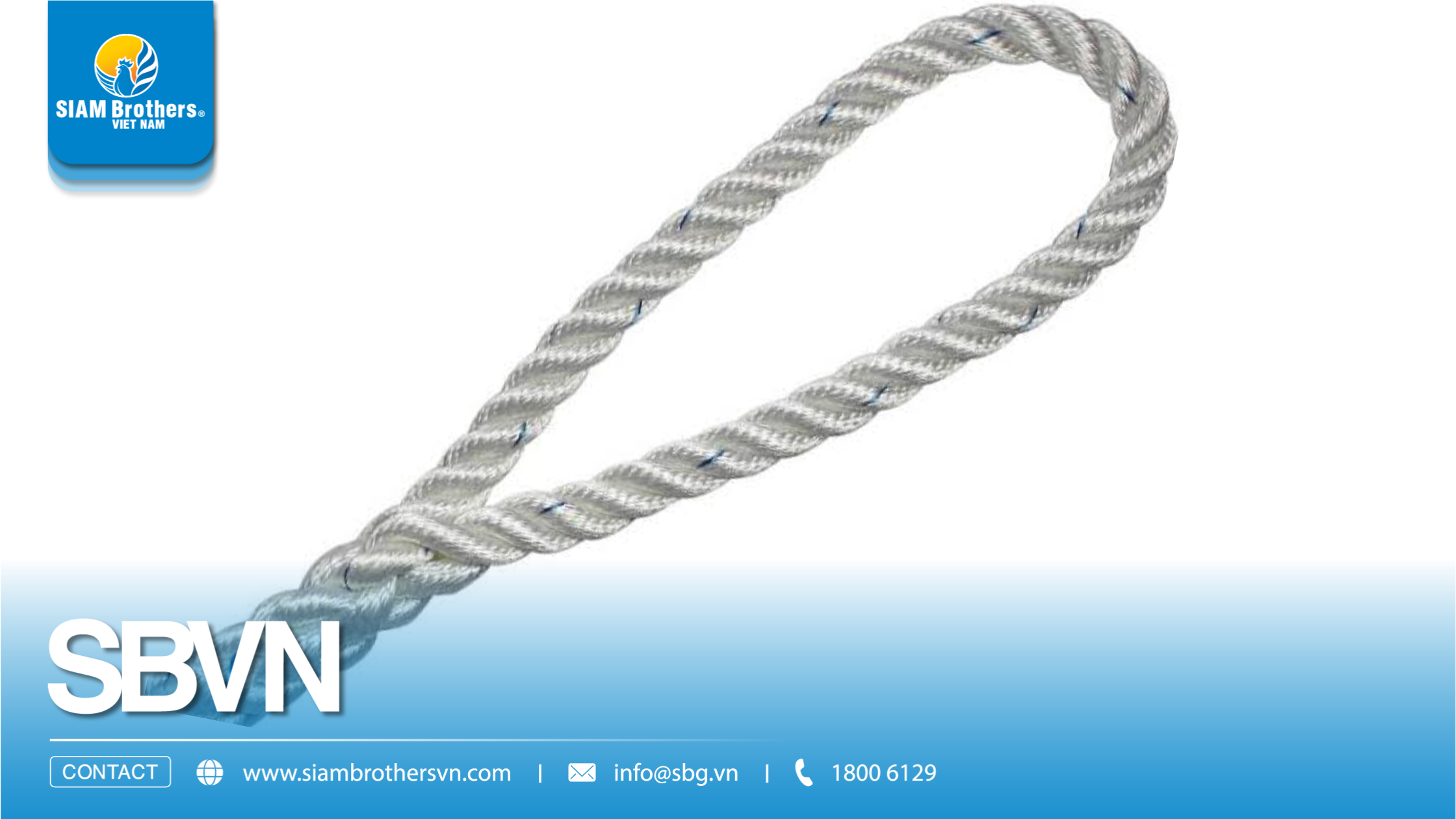 The strength of a rope splice depends on the material, rope construction, and splicing technique. Source: Internet.
You might think that tying a knot as tightly as possible is enough to make a rope connection secure. But in many load-bearing applications, a properly made rope splice retains more strength than a conventional knot.
Here's why:
For example, when creating an eye splice for a boat mooring system or a floating fish cage, a suitable splice may retain more rope strength than a knot.
However, the rope material, contact surface size, and actual working load still need to be considered.
Different rope materials have different characteristics when it comes to strength, elasticity, and resistance to environmental conditions. That's why material selection is one of the first things to consider before splicing a rope.
For example, fishing boat mooring ropes often experience changing loads as waves move the vessel. Meanwhile, ropes used to secure floating fish cages may remain under tension for extended periods.
That's why choosing a rope based on material alone isn't enough. You also need to consider the expected load and how the rope will be used.
Beyond the material itself, the number of strands and the rope's construction also affect the splicing method and how force is transferred through the splice.
For example, you can't simply use a 3-strand splicing method on an 8-strand mooring rope. Each rope construction requires an appropriate technique to reduce the risk of slippage or deformation.
Even high-quality rope can develop a weak point if the splice isn't made correctly.
Here are some important details to check:
Imagine using a rope to moor a boat. If the strands within the splice aren't tucked correctly, the load may not be distributed evenly, increasing the risk of damage at the connection point.
Keep in mind: A neat-looking splice isn't automatically a safe splice. For heavy-load applications, you need to follow the appropriate splicing procedures and inspection requirements.
Even a properly made splice can lose strength over time, especially when used in marine or outdoor environments.
Common factors include:
For example, ropes used to secure floating fish cages are regularly exposed to water, sunlight, and friction at mooring points.
Over time, it's important to inspect both the main rope and the spliced section instead of checking only the visible outer surface.
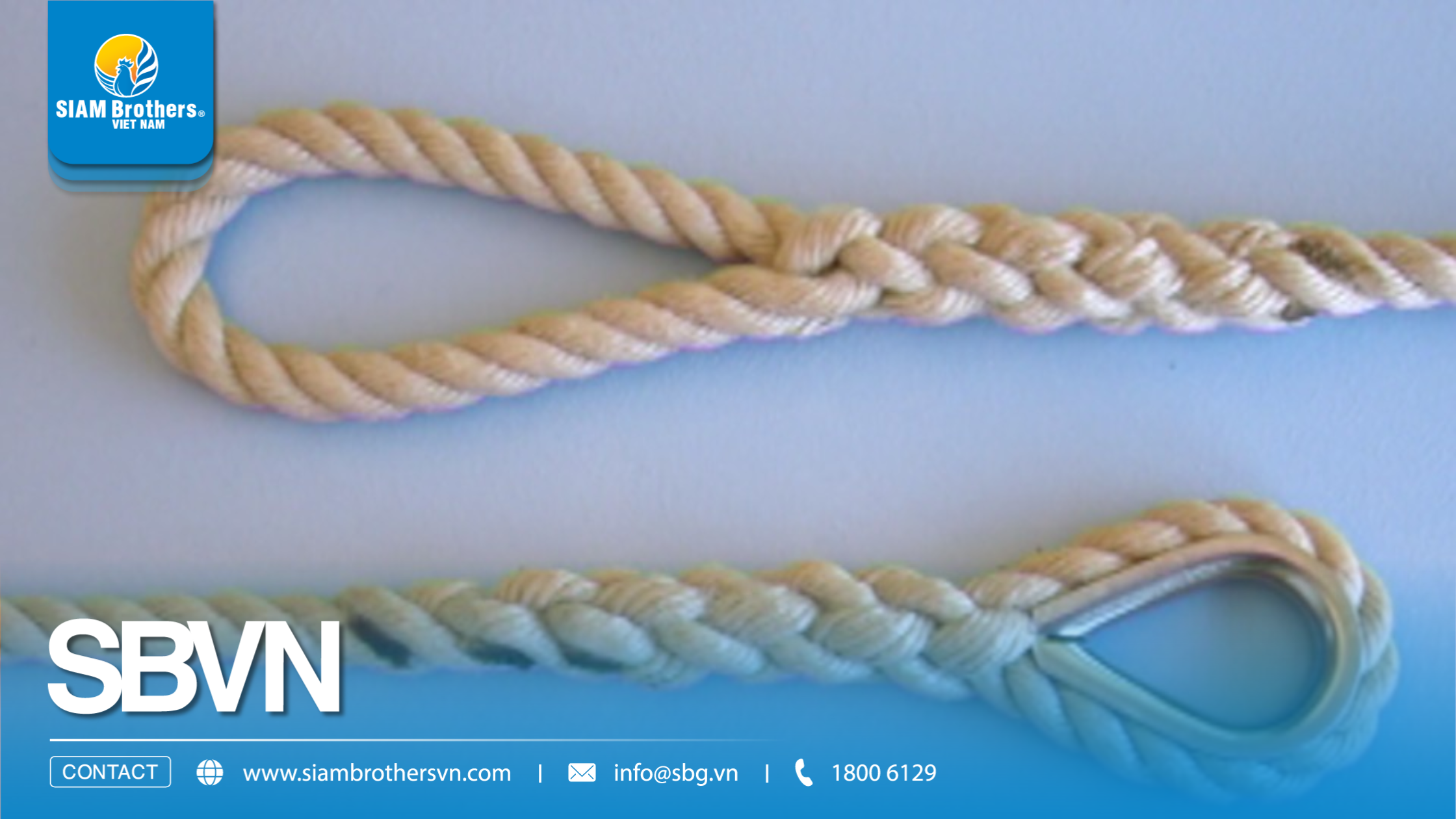 A properly made rope splice helps distribute pulling forces more effectively. Source: Internet.
Start by looking closely at the entire splice and comparing it with the rope's original construction. A properly made splice should have correctly positioned strands without unusual deformation.
Here's what to look for:
Eye splice: If the rope has an eye splice for mooring, check whether the area in contact with hooks or other fittings shows signs of flattening or abrasion.
For example, when inspecting a fishing boat's mooring rope, if you notice a strand coming loose from the eye splice or an unusual change in shape, stop using the rope and have it inspected more thoroughly.
Not all rope damage is easy to spot. Some ropes may still look normal on the outside even when internal fibers have deteriorated.
When inspecting a rope splice, pay attention to these warning signs:
For example, ropes used to secure floating fish cages often rub against mooring points. After extended use, the splice may become frayed or develop broken fibers.
If you notice this kind of damage, don't simply trim away the loose fibers and continue using the rope.
Important: If load-bearing strands are broken, melted, or severely damaged, the rope should be taken out of service until it has been assessed for repair or replacement according to the rope manufacturer's instructions.
Once you've checked the rope's shape and surface condition, the next step is to assess the splice connection itself.
Before starting, make sure the rope is completely unloaded and free from stored tension.
For example, if a boat mooring rope experienced sudden tension during rough weather, it should be carefully inspected before being used again, even if the splice hasn't visibly loosened.
Never try to test a splice by jerking the rope or applying a heavy load yourself. This won't reliably determine its actual strength and could be dangerous if the rope suddenly breaks.
Not every splice can be fully assessed through visual inspection alone. For heavy-duty mooring or pulling systems, inspection requirements should be based on technical specifications and actual operating conditions.
Stop using the rope and seek a professional assessment if:
For critical applications, strength testing should follow an appropriate testing procedure using specialized equipment and qualified personnel. Never attempt improvised load testing.
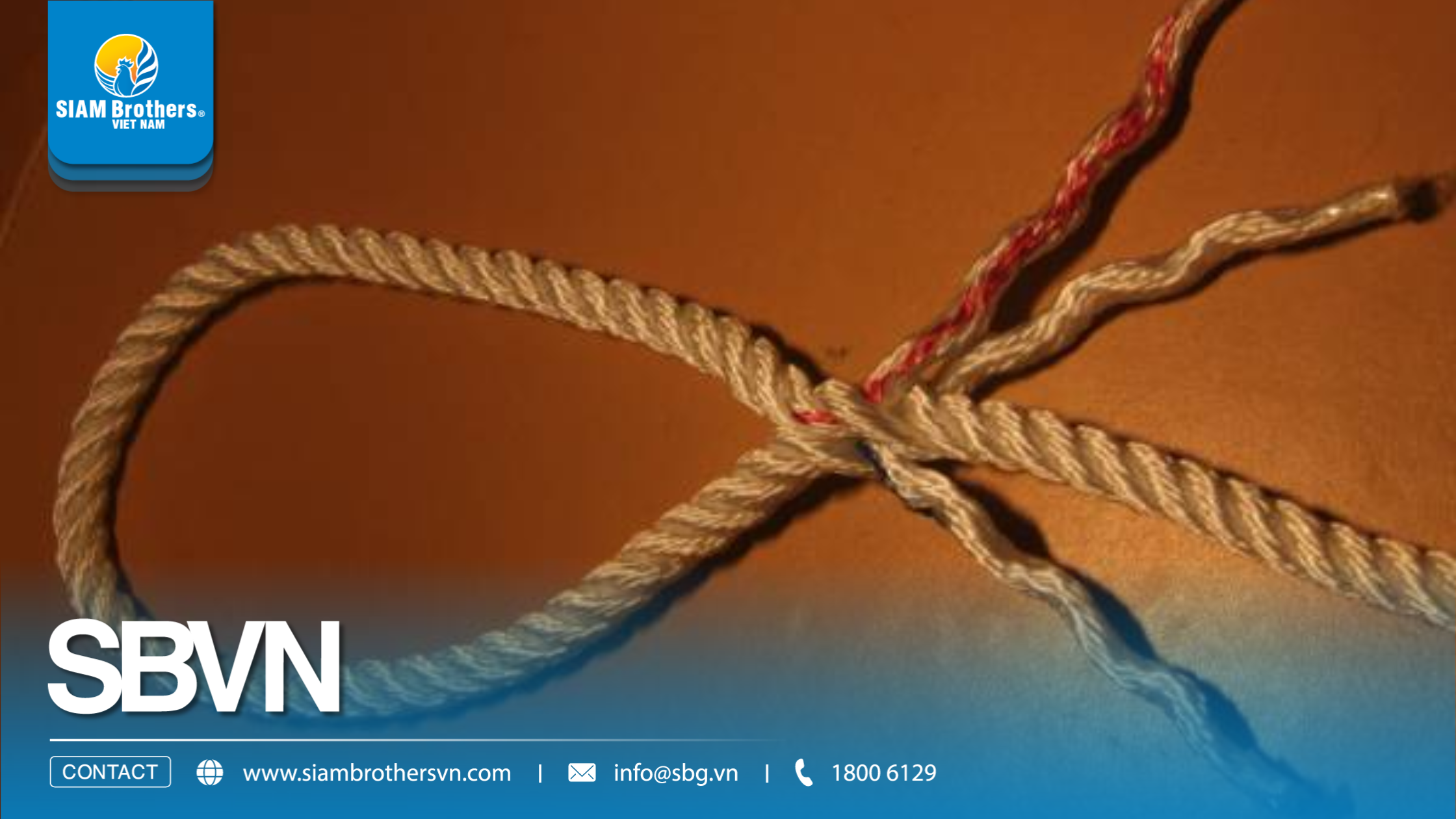 Comparing rope splices and knots in load-bearing applications. Source: Internet.
In many cases, yes. A properly made rope splice generally retains more of the rope's strength than many conventional knots. However, the actual difference depends on the rope material, construction, and connection method.
A severely worn rope should not be re-spliced and returned to service without a proper assessment. Making a new splice doesn't restore the strength of fibers that have already been damaged.
Before deciding what to do, consider:
For example, a fishing boat mooring rope with severe abrasion around its eye splice shouldn't stay in service simply because the main rope still looks fine.
Not exactly. Both require checks for abrasion, broken fibers, and deformation. However, their different constructions mean some inspection points will vary.
What they have in common: Both should be inspected without load and according to the technical guidelines for their specific rope construction.
Whether you're using 3-strand or 8-strand rope, don't judge its strength based on appearance alone. If you notice anything unusual, take the rope out of service and have it assessed before using it again.
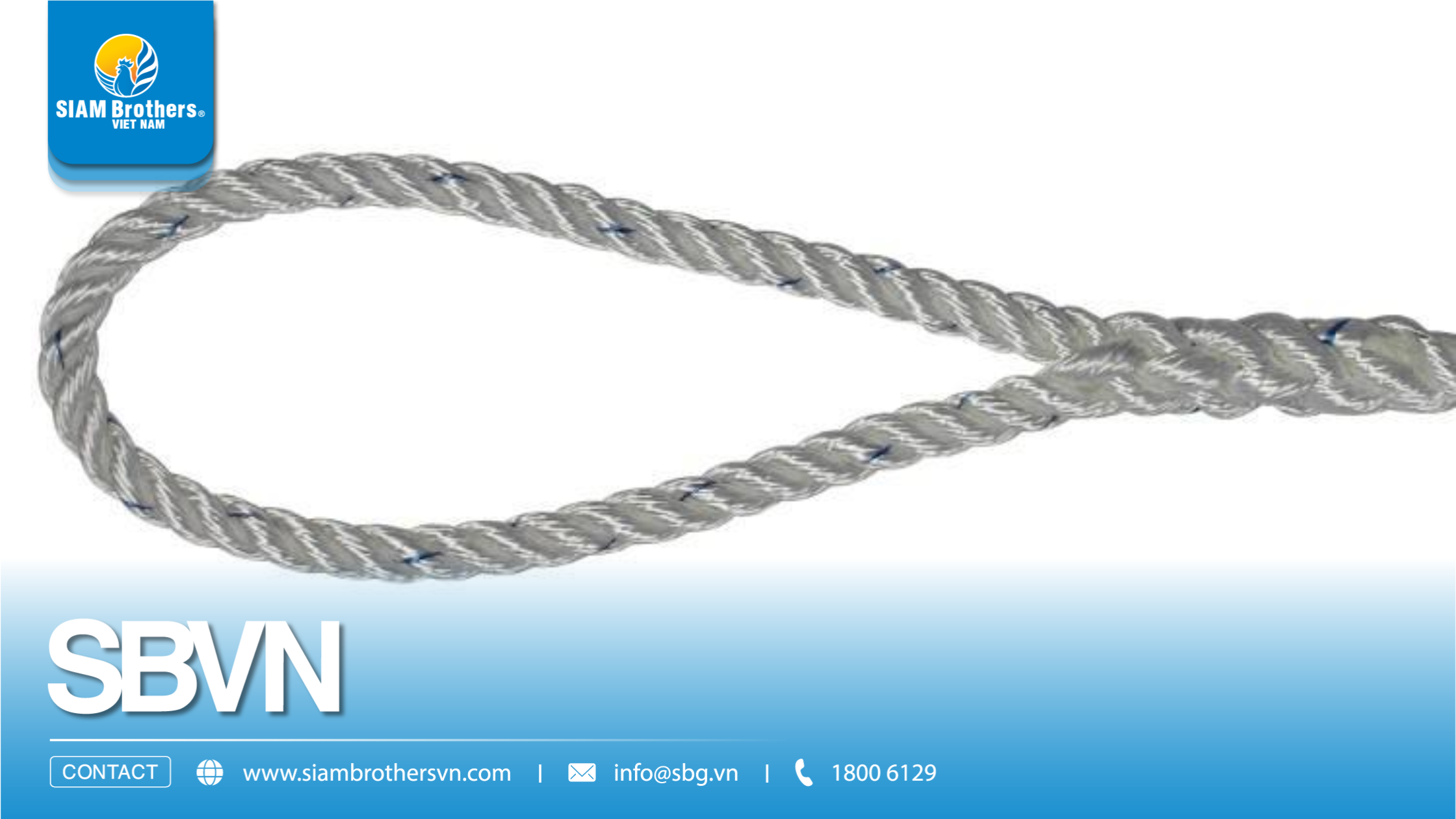 Choosing the right rope for fishing and aquaculture applications with SIAM Brothers Vietnam. Source: Internet.
Proper rope splicing helps maintain rope strength and reduces the risk of failure during use. However, splice performance still depends on the rope material, construction, splicing technique, and working conditions.
Before using your rope, take a moment to inspect the splice shape, strand condition, and any signs of unusual wear. This is especially important for mooring ropes, towing ropes, and ropes used to secure floating fish cages.
Even minor damage shouldn't be ignored. If you're unsure about a rope's remaining strength, have it assessed by a qualified professional.
Looking for reliable ropes for fishing, agriculture, or industrial applications? Contact SIAM Brothers Vietnam today for product recommendations tailored to your needs and a competitive quotation!
Nguồn: SIAM Brothers Việt Nam
Liên hệ với chúng tôi qua:
► Địa chỉ: Tầng 5 - Tòa nhà VRG Building, 177 Hai Bà Trưng, Phường Xuân Hòa, TP. Hồ Chí Minh, Việt Nam.
► Hotline: 1800 6129 (miễn phí cước gọi)
► Điện thoại: 028 39 912 889
► Email: info@sbg.vn
► Theo dõi chúng tôi để biết thêm chi tiết tại: Facebook - Zalo OA - Tiktok - Youtube - LinkedIn
Tải ứng dụng SBVN ID tại đây:
► CHPlay
► Appstore







Specializing in Agricultural and Fisheries Products & Multipurpose Wire