
- 1800 6129

How much weight can high-strength rope really handle when you're mooring a boat, securing cargo, or tying down equipment outdoors? The answer isn't just about rope thickness. Material, strand construction, and working conditions all play a role. Even ropes with the same diameter can have different breaking strengths. More importantly, breaking strength is not the same as a safe working load.
In this guide, SIAM Brothers Vietnam shares breaking strength specifications for rope diameters ranging from 12mm to 36mm. We'll walk you through how to read the numbers and choose the right rope for fishing, agriculture, and industrial applications. Whether you're buying rope for your own operations or sourcing it in bulk, checking the specifications first can help you make a more informed purchase.
High-strength rope can have a breaking strength ranging from hundreds to tens of thousands of kilogram-force (kgf), depending on its diameter, material, and construction.
For example, according to SIAM Brothers Vietnam's published product specifications, the 12mm Con Gà 4-strand rope has a breaking strength of 1,723 kgf, while the 36mm version reaches 13,971 kgf.
1.1. What Determines a Rope's Breaking Strength?
Choosing a thicker rope doesn't automatically mean you're choosing the right one. Several factors affect how much pulling force a rope can withstand:
For example, if you're choosing high-strength rope for mooring a fishing boat, you'll need to consider more than its diameter. Think about the actual loads, wave conditions, and abrasion resistance.
On the other hand, rope used to secure agricultural supplies may have a different set of requirements.
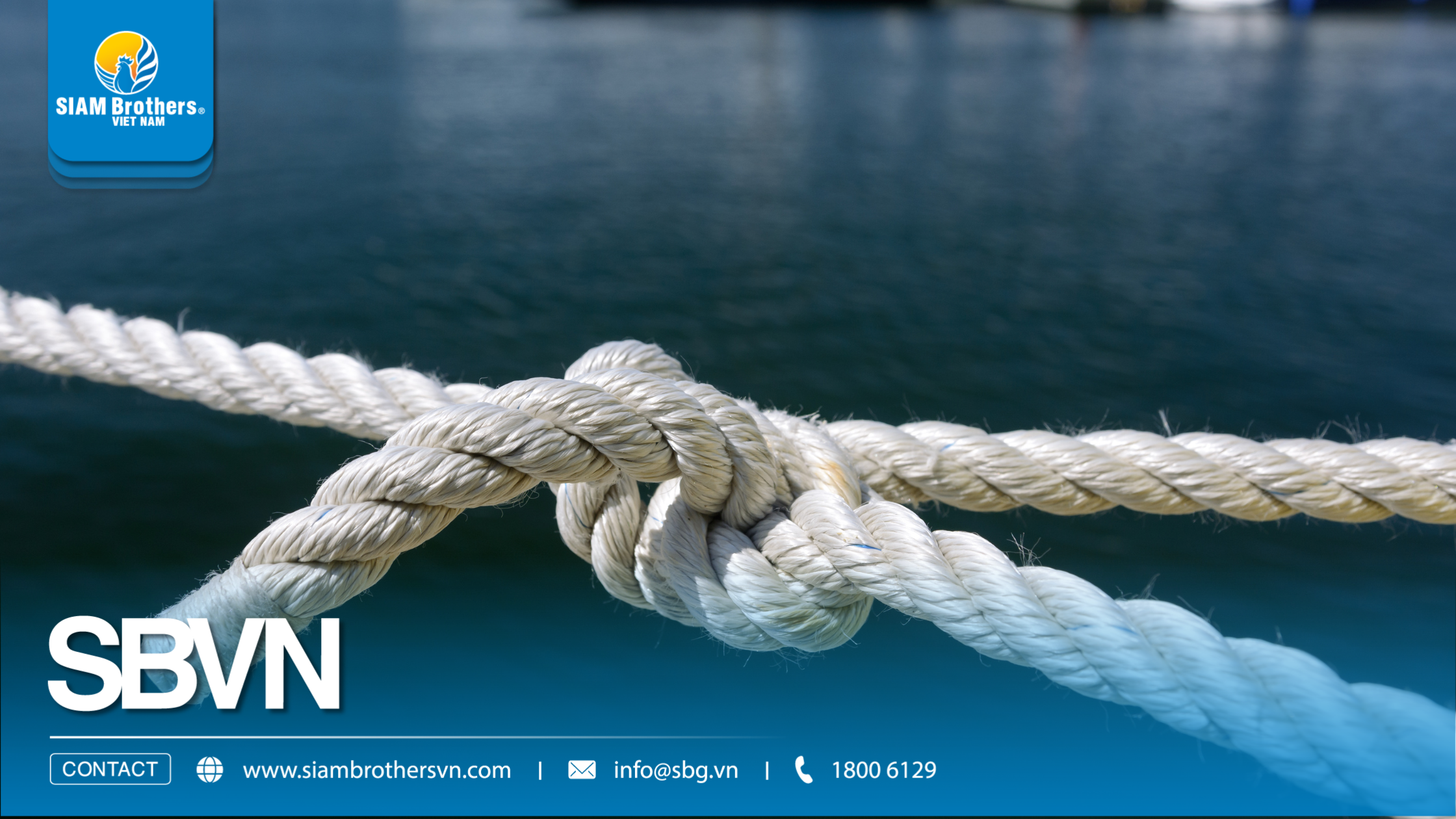
When checking rope specifications, you'll often come across two important terms:
In actual use, a rope may experience sudden loads when a boat moves, lose strength around knots, or wear down through repeated friction.
Before buying high-strength rope, make sure you:
How strong is high-strength rope in the 12–36mm diameter range? According to SIAM Brothers Vietnam's specifications for the Con Gà 4-strand rope, the 12mm version has a breaking strength of 1,723 kgf, while the 36mm version reaches 13,971 kgf. However, breaking strength varies by diameter. That's why it's worth checking the technical specifications before choosing rope for mooring, securing cargo, or industrial operations.
SIAM Brothers Vietnam's Con Gà 4-strand rope is made using polypropylene (PP) fibers, polyethylene (PE), and additives.
The product comes in several diameters to suit different applications in the fishing industry and manufacturing.
Below is the 4-strand rope breaking strength chart, based on product specifications published by SIAM Brothers Vietnam.
| Rope Diameter (mm) | Weight (g/m) | Breaking Strength (kgf) |
| 12 | 81.8 | 1,723 |
| 24 | 295 | 6,547 |
| 26 | 376 | 7,516 |
| 28 | 435 | 8,699 |
| 32 | 583.8 | 11,136 |
| 34 | 641.8 | 12,554 |
| 36 | 731.5 | 13,971 |
Here's what the numbers tell us:
Important: These figures represent breaking strength, not safe working load. Never use the published breaking strength as the maximum allowable operating load.
Comparing high-strength rope diameters helps you identify the right specifications for your application. Source: SIAM Brothers Vietnam.
When buying high-strength rope, it's tempting to go straight for the thickest option. But bigger doesn't always mean better, especially when you consider handling and cost.
Focus on these three specifications:
Let's look at a practical example.
Imagine you're buying a mooring rope for a fishing boat and trying to decide between 24mm and 28mm.
According to the Con Gà 4-strand specifications:
So, the 28mm rope has a higher breaking strength. But does that automatically make it the right choice?
Not necessarily. You'll also need to consider your boat's size, mooring conditions, possible shock loads from waves, and safety requirements.
If you're unsure which rope diameter to choose, follow these three steps:
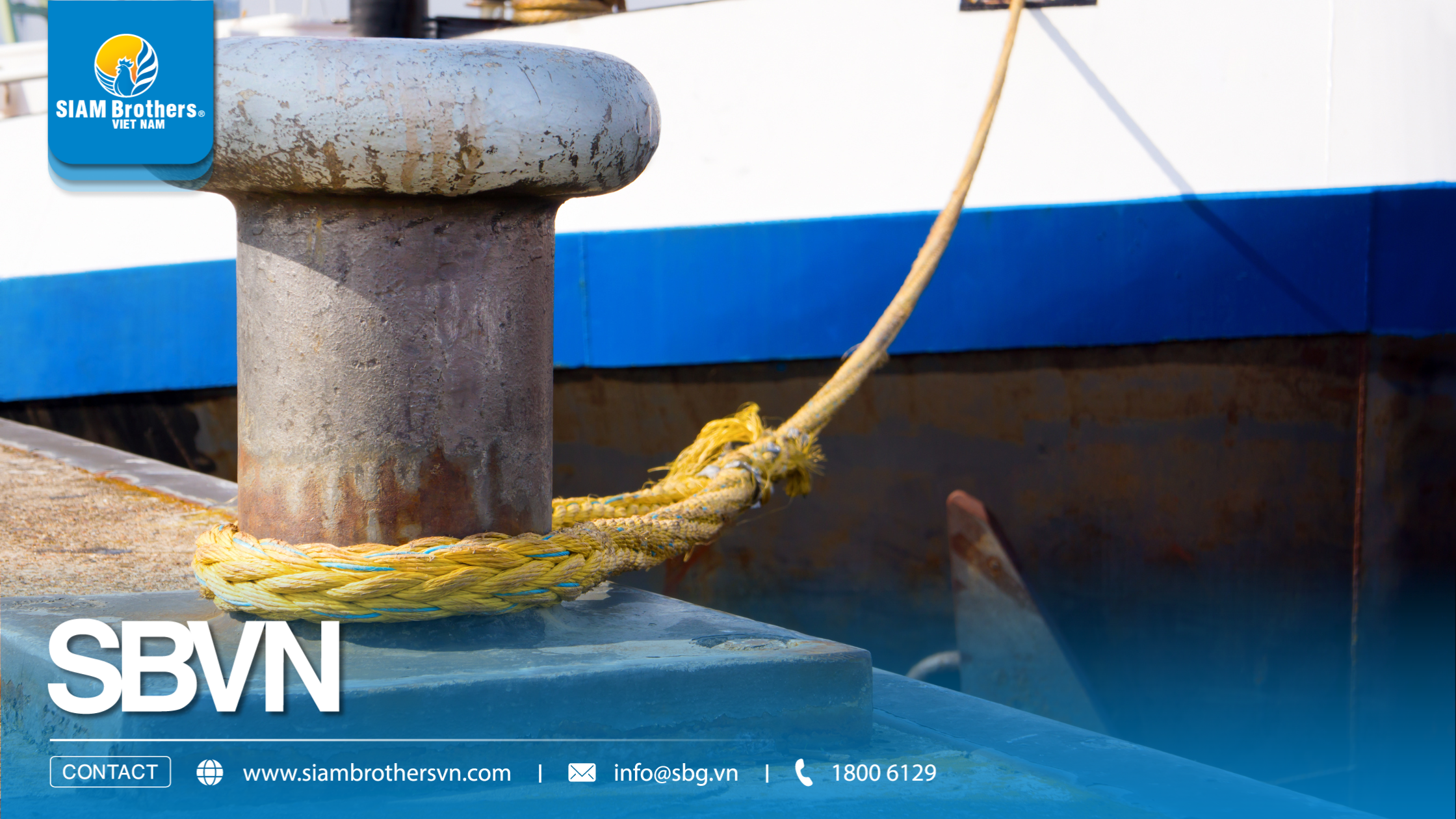
In the fishing industry, rope is commonly used for anchoring, mooring, hauling nets, and securing fishing gear.
These jobs can put significant tension on a rope, especially when a vessel is operating in rough seas.
Here's what to look for:
For tying up boats or working with nearshore fishing net rigging, SIAM Brothers Vietnam's Con Gà 4-strand rope is one option worth considering, provided its specifications meet your requirements.
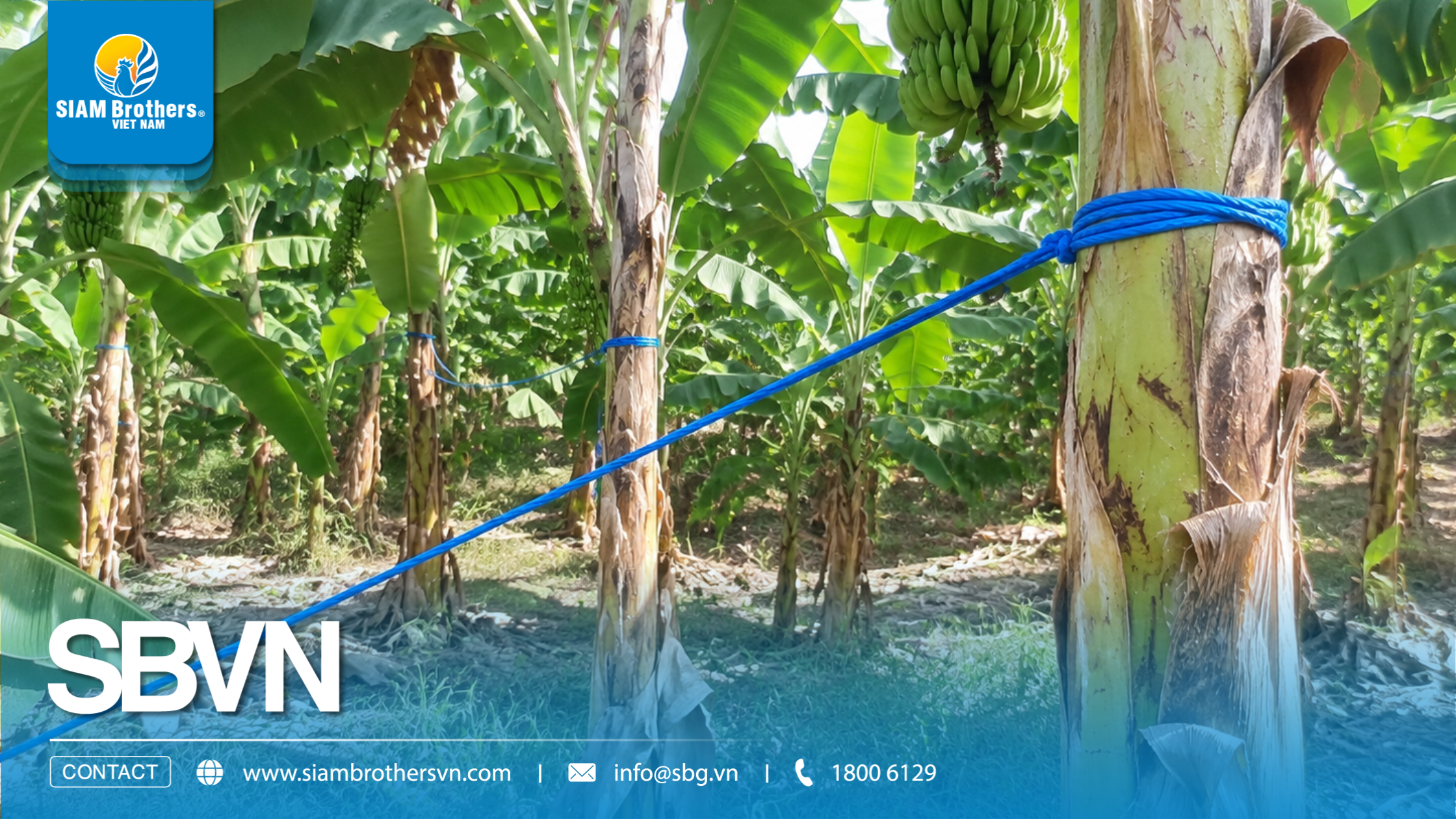
On farms, rope is used for building plant supports, securing crops, tying down supplies, and handling everyday agricultural tasks.
Unlike marine mooring ropes, agricultural ropes are often selected for outdoor durability, ease of handling, and overall cost.
Here's what matters most:
Instead, think about how much the plants will weigh as they grow, how much tension the support system needs to handle, and how the rope will perform in sun and rain.
For these applications, you can explore SIAM Brothers Vietnam's 3-strand ropes, 4-strand ropes, and specialized agricultural rope products to find the right specifications.
In manufacturing and transportation, rope is often used to secure materials, tie down cargo, and support various warehouse operations.
Different jobs call for different levels of tensile strength, stretch, and abrasion resistance.
Before buying high-strength rope for industrial applications, consider:
You'll also need to consider tie-down tension, anchor points, tie-down angles, and how the cargo may move while the vehicle is in motion.
Where certified load-rated cargo restraint equipment is required, ordinary rope should not be used as a substitute.
According to SIAM Brothers Vietnam's published specifications, the 12mm Con Gà 4-strand rope has a breaking strength of 1,723 kgf.
However, this is not its safe working load.
If you're using it for boat mooring, securing cargo, or tying down equipment, you need to consider actual loads and working conditions.
Don't choose rope based on breaking strength alone without considering the appropriate safety factor.
The breaking strength of a 20mm rope depends on its material, construction, and manufacturing specifications.
The Con Gà 4-strand rope chart featured in this article does not currently include breaking strength data for the 20mm size. Contact SIAM Brothers Vietnam for guidance on suitable rope specifications.
You can't determine whether 3-strand or 4-strand rope is stronger simply by counting the strands.
Breaking strength also depends on the material, diameter, and manufacturing process.
If you're comparing the two, look at breaking strength, elongation, and working conditions rather than strand count alone.
When the material and construction are the same, thicker rope generally has a higher breaking strength.
However, that doesn't mean the thickest rope is always the most practical choice.
For example, according to SIAM Brothers Vietnam's Con Gà 4-strand specifications:
That's why you should consider your actual load requirements, handling needs, and budget before making a decision.
Before purchasing high-strength rope for fishing, agriculture, or industrial operations, make sure you check:
If you're still unsure which rope is right for your job, contact SIAM Brothers Vietnam for product recommendations and a quotation based on your required specifications and order volume.
So, how much weight can high-strength rope handle? There's no single answer that applies to every rope.
For SIAM Brothers Vietnam's 4-strand product line, the published specifications show breaking strengths ranging from 1,723 kgf for the 12mm rope to 13,971 kgf for the 36mm rope.
But remember, breaking strength isn't the same as safe working load.
Whether you're choosing mooring rope, securing agricultural supplies, or tying down cargo, you need to consider the rope's material, strand construction, and actual working conditions.
Getting the specifications right from the start helps you avoid buying the wrong rope, reduce unnecessary costs, and support safer operations.
Not sure which rope diameter or construction you need? Contact SIAM Brothers Vietnam today for help choosing the right specifications and getting a quotation based on your order quantity.
Source: SIAM Brothers Vietnam
Contact us:
► Address: 5th floor, VRG Building, 177 Hai Ba Trung Street., Xuan Hoa Ward, Ho Chi Minh City, Vietnam
► Hotline: 1800 6129
► Tel: (+84) 28 38 912 889
► Email: info@sbg.vn
► Follow us for more details at: Facebook - Zalo OA - Tiktok - Youtube - LinkedIn
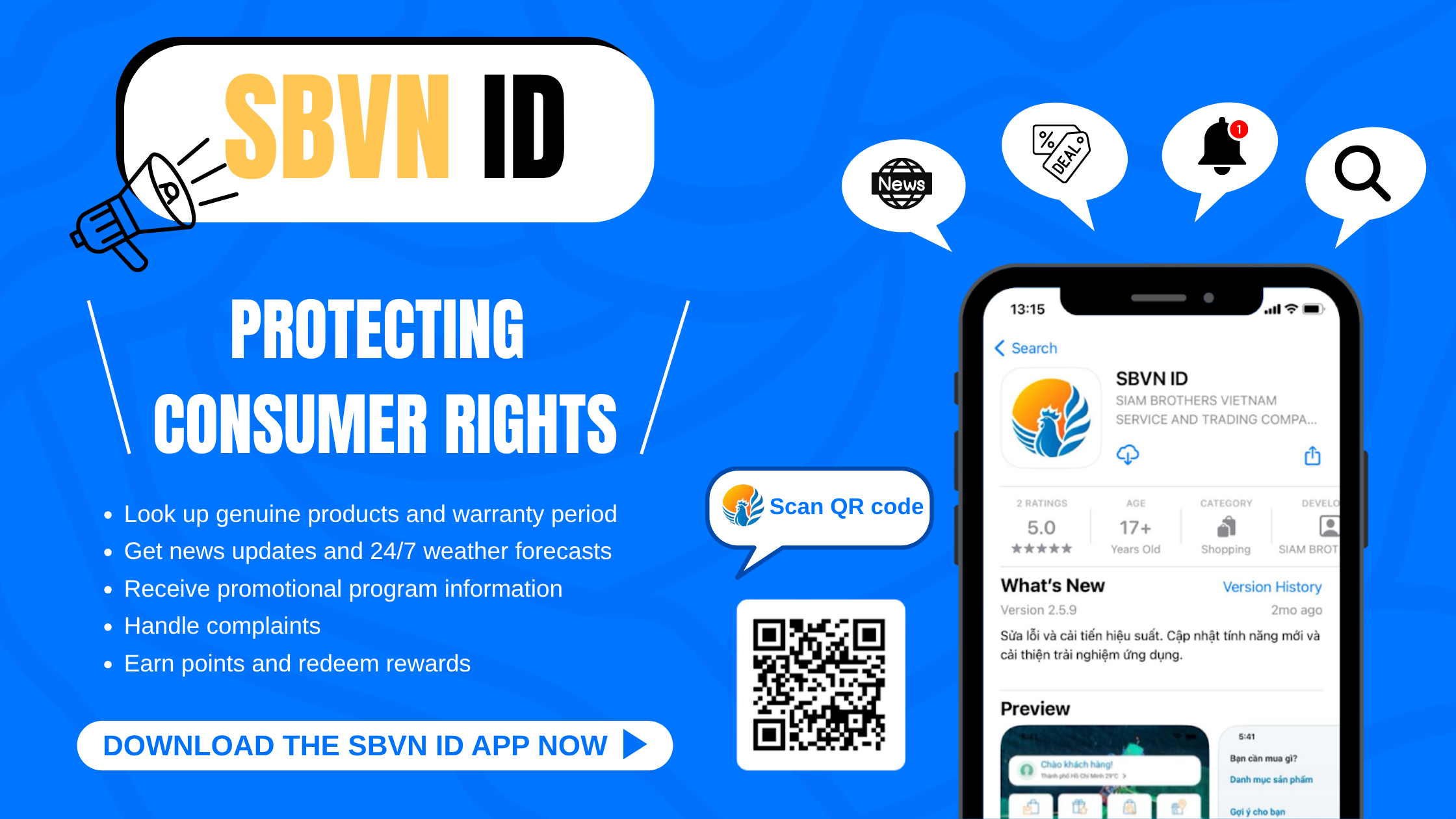
Download SBVN ID app here:
► CHPlay
► Appstore






Specializing in Agricultural and Fisheries Products & Multipurpose Wire