
- 1800 6129

Unique farming methods often develop in response to local terrain, water availability and knowledge accumulated over generations. From floating gardens in flood-prone areas to wasabi fields supplied by natural streams, these systems demonstrate how farming communities adapt to challenging environments. Join SIAM Brothers Vietnam as we explore five remarkable farming methods from around the world.
Long before modern machinery and agricultural technology became widely available, farmers had to work with the land, water and materials around them. Many unique farming methods emerged from this need to adapt production to specific environmental conditions.
In areas that remain flooded for months, communities developed planting beds that could float with rising water. On mountain slopes, farmers built terraces that retained soil and distributed water. Elsewhere, local communities created cooperative irrigation systems to ensure that farms in different locations received sufficient water.
Many of these methods remain valuable today because they support local livelihoods, agricultural biodiversity, cultural identity and distinctive landscapes. Some have been recognized by the Food and Agriculture Organization of the United Nations, or FAO, as Globally Important Agricultural Heritage Systems. Others form part of UNESCO World Heritage Sites.
These recognitions do not mean that every traditional practice can be applied everywhere. Instead, they highlight the value of understanding local conditions before selecting a farming method.
Chinampas are artificial agricultural plots developed in the lake and wetland areas of Mexico. The plots are formed using soil, mud and organic materials and are separated by a network of canals.
Although chinampas are often described as “floating gardens,” they are not free-floating rafts. They are relatively permanent plots constructed in shallow water and connected to the surrounding landscape.
The nearby canals help maintain soil moisture. Farmers can also collect nutrient-rich mud and plant residues from the waterways and return them to the growing areas. Vegetables, flowers and food crops can therefore be cultivated intensively within a relatively limited area.
This unique farming method represents more than an agricultural technique. The canals, plots and surrounding vegetation form a distinctive landscape and demonstrate how local communities learned to manage wetland environments.
The Chinampas Agricultural System in Mexico City is recognized by FAO as a Globally Important Agricultural Heritage System. Its continued existence depends on protecting the canals, managing water quality and maintaining the knowledge needed to operate the system.
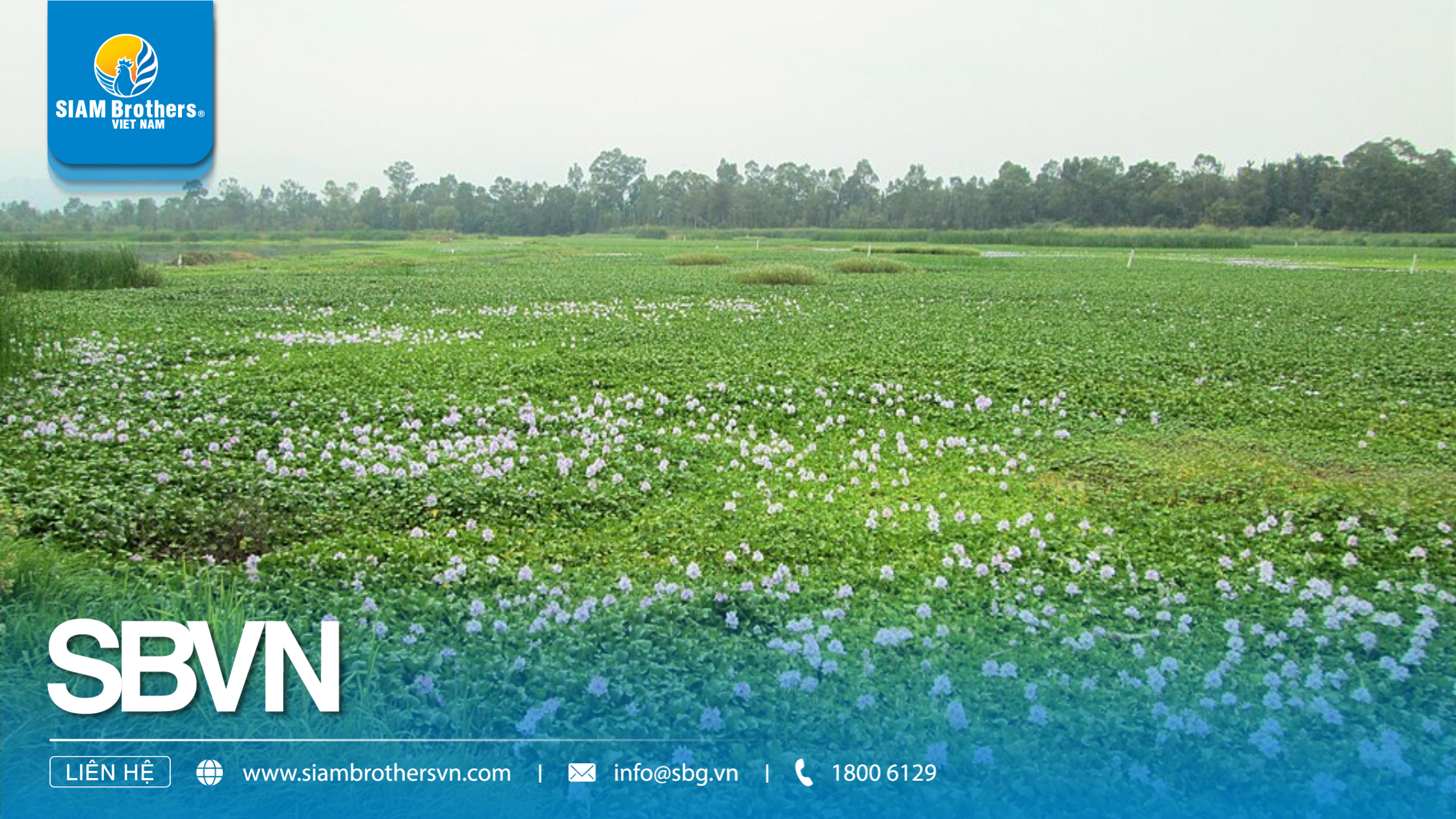
Unique farming methods used on Chinampas in Mexico. - Source: Internet
In parts of southern Bangladesh, farmland can remain underwater for extended periods during the monsoon season. Instead of waiting for floodwater to recede, local farmers have developed floating gardens that allow crops to be grown above submerged land.
The planting beds are commonly made from water hyacinth and other plant residues. These materials are layered to create a thick floating platform on which seedlings, vegetables and spices can be cultivated.
Because the beds float, they can move with changes in water level and help prevent crops from becoming completely submerged. As the plant material decomposes, it provides organic matter for the crops. After the flooding season, the remaining material may also be reused on conventional farmland.
According to FAO, floating garden agriculture has been practiced by communities in parts of Bangladesh for approximately two centuries. It reflects local experience in working with prolonged flooding rather than attempting to remove the water entirely.
This unique farming method has attracted attention as an example of agricultural adaptation. However, its effectiveness still depends on water conditions, crop selection, the availability of plant materials and the stability of the floating beds.
Wasabi is a plant native to Japan and an important ingredient in Japanese cuisine. In Shizuoka, farmers developed a traditional cultivation system that uses cool, flowing water to create suitable conditions for the crop.
Wasabi fields are often located near clean water sources with relatively stable temperatures. Water is directed through layers of stones and gravel, maintaining moisture while flowing continuously through the growing area.
Unlike conventional fields on flat ground, some wasabi farms are arranged across multiple levels. Water moves from the upper plots to lower plots, allowing the same natural flow to support several cultivation areas.
FAO reports that wasabi cultivation in the Shizuoka region is believed to have begun approximately 400 years ago. Over time, farmers developed methods for arranging stones, managing water and positioning plants according to local conditions.
This unique farming method is closely connected to the surrounding landscape. Protecting water quality, forests and the local ecosystem is important because changes upstream can affect the conditions within the wasabi fields.
Traditional wasabi cultivation also demonstrates how farmers can create a specialized growing environment by carefully managing natural resources rather than relying only on artificial inputs.

Unique farming methods for traditional wasabi cultivation in Japan. - Source: Internet
Subak is a traditional cooperative water management system associated with rice cultivation in Bali, Indonesia. Its distinctive feature is not simply the presence of irrigation canals but the way farming communities work together to distribute water among multiple rice fields.
The system includes rice terraces, canals, small dams and water temples. Farmers coordinate irrigation schedules and agricultural activities according to local water availability and the needs of different farming areas.
Cooperative management helps prevent upstream fields from taking too much water while downstream farms receive too little. Decisions about water distribution are therefore connected to community organization rather than being made entirely by individual farmers.
According to UNESCO, Subak reflects the Balinese philosophy of Tri Hita Karana, which emphasizes harmony between people, nature and the spiritual world. For this reason, Subak is recognized as a cultural landscape rather than merely an irrigation system.
This unique farming method illustrates that agricultural performance depends on more than physical infrastructure. Community rules, cooperation and shared responsibility can be equally important in maintaining water resources over time.
Subak has operated for centuries, but modern development, land-use changes and pressure on water resources can affect its continuity. Preserving the system therefore requires both landscape protection and continued participation from local farming communities.
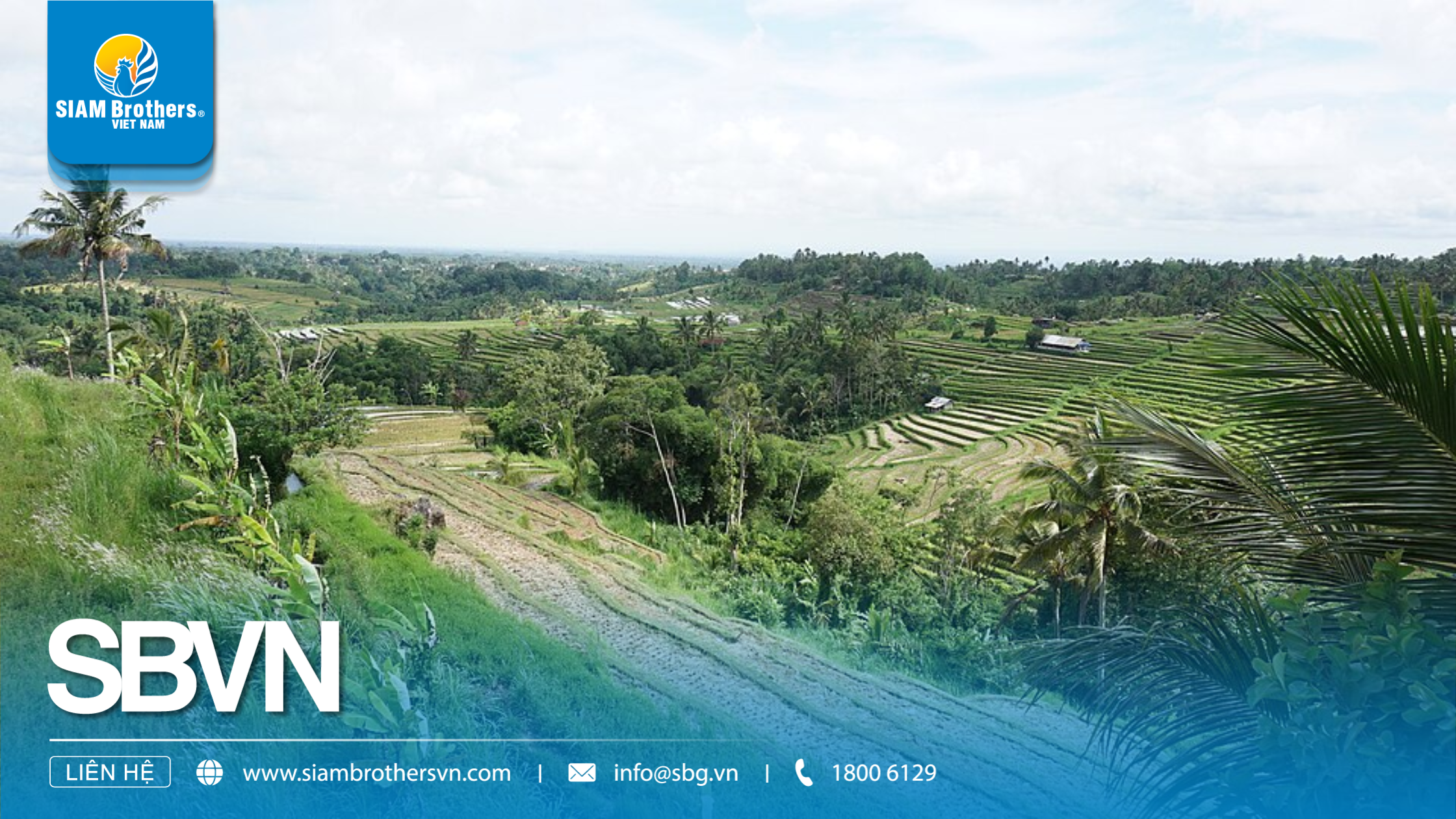
Unique farming methods using the Subak irrigation system in Indonesia. - Source: Internet
In the mountainous areas of northern Luzon, the Philippines, Ifugao communities created rice terraces that follow the natural contours of steep slopes. The terraces provide relatively level surfaces where rice can be cultivated in terrain that would otherwise be difficult to farm.
Terrace walls retain soil and water, while irrigation channels carry water from forests and higher elevations to the fields below. Building and maintaining the system requires cooperation among families and communities.
Creating terraces involves more than dividing a mountain into separate levels. Farmers must understand soil conditions, water flow, slope stability and the strength of terrace walls. Damage to one section can affect the fields and water distribution below it.
Knowledge concerning seed selection, planting schedules, irrigation and terrace maintenance has been passed down through generations. The terraces therefore function as both agricultural land and an important part of local cultural life.
UNESCO has listed five clusters of rice terraces in the Philippine Cordilleras as a World Heritage Site. They demonstrate how traditional knowledge, community labor and careful environmental management can make agriculture possible in mountainous terrain.
This unique farming method also shows why traditional agricultural landscapes require continuous care. Terraces cannot be preserved only as tourist attractions because their condition depends on active farming, water management and regular maintenance.
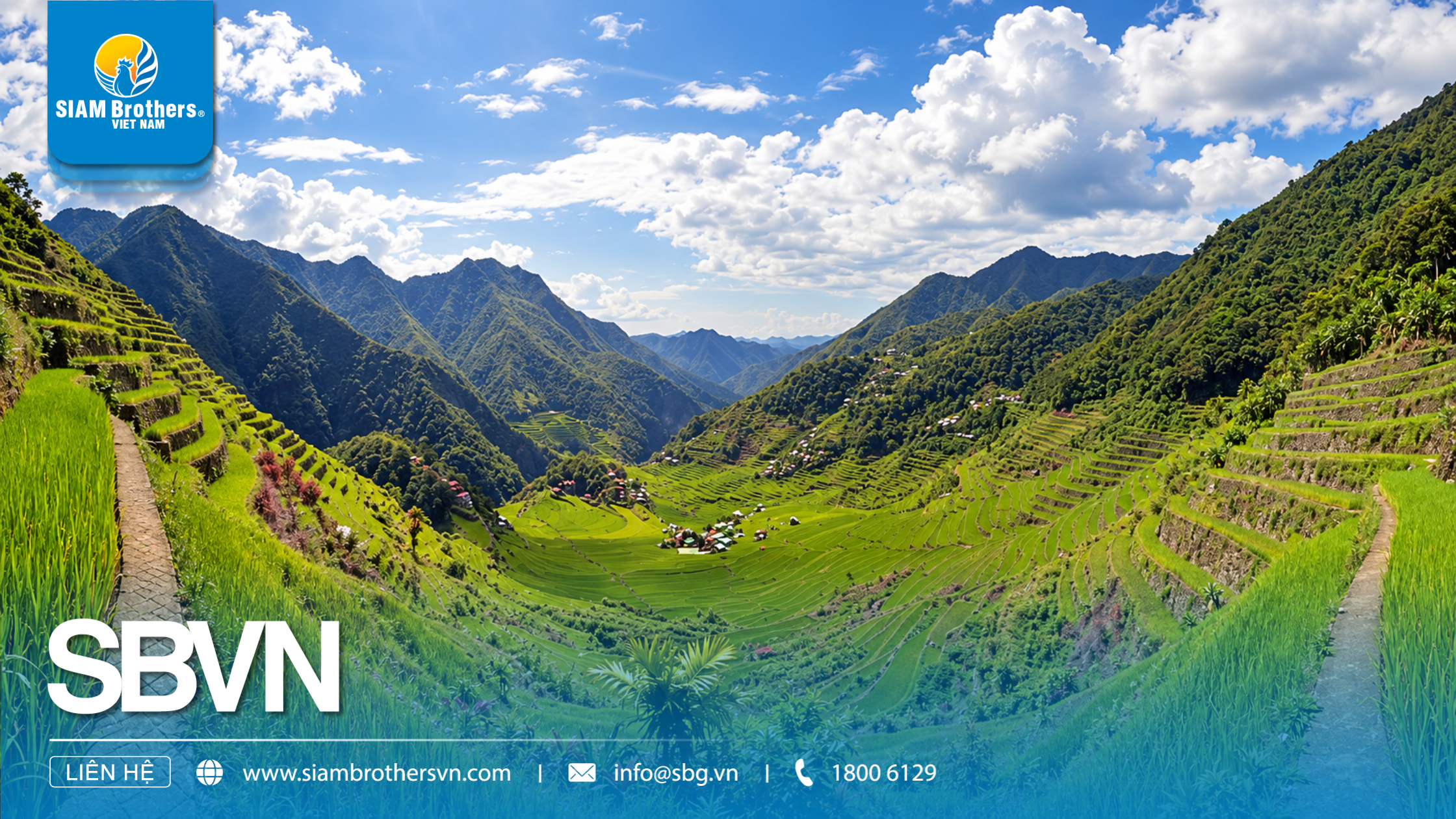
Unique farming methods on the Ifugao rice terraces in the Philippines. - Source: Internet
These five unique farming methods developed under very different environmental conditions. Mexico has shallow lake and canal areas, while parts of Bangladesh experience extended seasonal flooding. Shizuoka provides suitable water conditions for wasabi, Bali has developed a community-based irrigation network, and the Ifugao people farm on steep mountain slopes.
Despite these differences, the systems share several characteristics. Farmers use locally available materials, observe environmental changes and adapt their activities to specific conditions. Many systems also depend on community cooperation because water, land and agricultural infrastructure cannot always be managed effectively by individual households.
Another common feature is the combination of technical knowledge and cultural practice. Chinampas require an understanding of canals and soil fertility. Floating gardens depend on knowledge of flood cycles and organic materials. Wasabi cultivation relies on water quality and field construction. Subak requires coordinated water management, while the Ifugao terraces depend on collective maintenance.
The value of these systems does not lie in copying them directly in other regions. A method developed for wetlands may not be suitable for dry farmland, while terrace farming requires careful assessment of soil, rainfall and slope stability.
What modern agriculture can learn from these unique farming methods is their underlying approach: farmers first study local conditions and then develop an appropriate solution. This principle remains relevant whether producers use traditional knowledge, modern technology or a combination of both.
Unique farming methods around the world show that agriculture involves more than planting and harvesting crops. It is also the result of environmental observation, accumulated experience and community organization across generations.
From Mexico’s Chinampas and Bangladesh’s floating gardens to Japan’s wasabi fields, Bali’s Subak system and the Ifugao rice terraces, each method represents a different relationship between people and their surroundings.
Some of these systems may no longer hold the same economic importance they once did, but they still carry significant historical, cultural and agricultural value. Their preservation should support the communities that continue to maintain them rather than treating the practices only as unusual attractions.
Understanding these systems can offer a broader view of global agriculture and highlight the importance of local knowledge in managing land, water and other natural resources.
Read more: Maritime Culture Around the World: 10 Unique Fishing Traditions from 10 Countries
Source: SIAM Brothers Vietnam
FAQ - Frequently Asked Questions
Q: Can these unique farming methods be applied in other countries?
A: Their underlying principles can be studied, but local climate, soil, water resources, crops and production conditions must be evaluated before any method is adapted.
Q: Why are traditional agricultural systems recognized by FAO and UNESCO?
A: Many of these systems preserve indigenous knowledge, cultural identity, agricultural biodiversity and community-based approaches to managing natural resources.
Q: Are traditional farming methods always sustainable?
A: No. Sustainability depends on how a system is managed, its scale, available resources and changing environmental conditions. Each method must be assessed within its specific context.
Contact us:
Address: 5th floor, VRG Building, 177 Hai Ba Trung Street, Vo Thi Sau Ward, Ho Chi Minh City, Vietnam
Tel: (+84) 28 38 912 889
Hotline: 1800 6129
Facebook: www.facebook.com/siambrothersvn
Email: info@sbg.vn
YouTube: youtube.com/@siambrothersvietnam1728
OA Zalo: zalo.me/1402339229697925373
App SBVN ID:
CHPlay: https://bit.ly/SBVNID-Android
Appstore: https://bit.ly/SBVNID-iOS








Specializing in Agricultural and Fisheries Products & Multipurpose Wire