
- 1800 6129

Slow growth, poor condition, or abnormal oyster mortality may be associated with viruses, bacteria, and parasites. However, these problems can also result from changes in temperature, salinity, dissolved oxygen, harmful algae, or inappropriate stocking density. Because each cause requires a different response, farmers should not diagnose a problem from visible signs alone or apply unverified treatments. To distinguish the main risk groups and understand what to do when abnormal conditions appear at an oyster farm, let’s explore this topic with SIAM Brothers Vietnam...
In practice, slow growth, weakness, and mortality are often grouped under the general term “oyster diseases.” However, visible signs alone are not enough to conclude that oysters have been infected by a pathogen.
A mortality event may involve a virus, bacterium, or parasite. Similar conditions can also occur when temperature and salinity change rapidly, dissolved oxygen falls, water quality deteriorates, culture lines are stocked too densely, or fouling organisms become abundant.
In some cases, several factors interact. Environmental stress may weaken oysters and increase the impact of an infectious agent. The first step, therefore, is not to search for one treatment for the entire farm. It is to identify the correct category of risk.
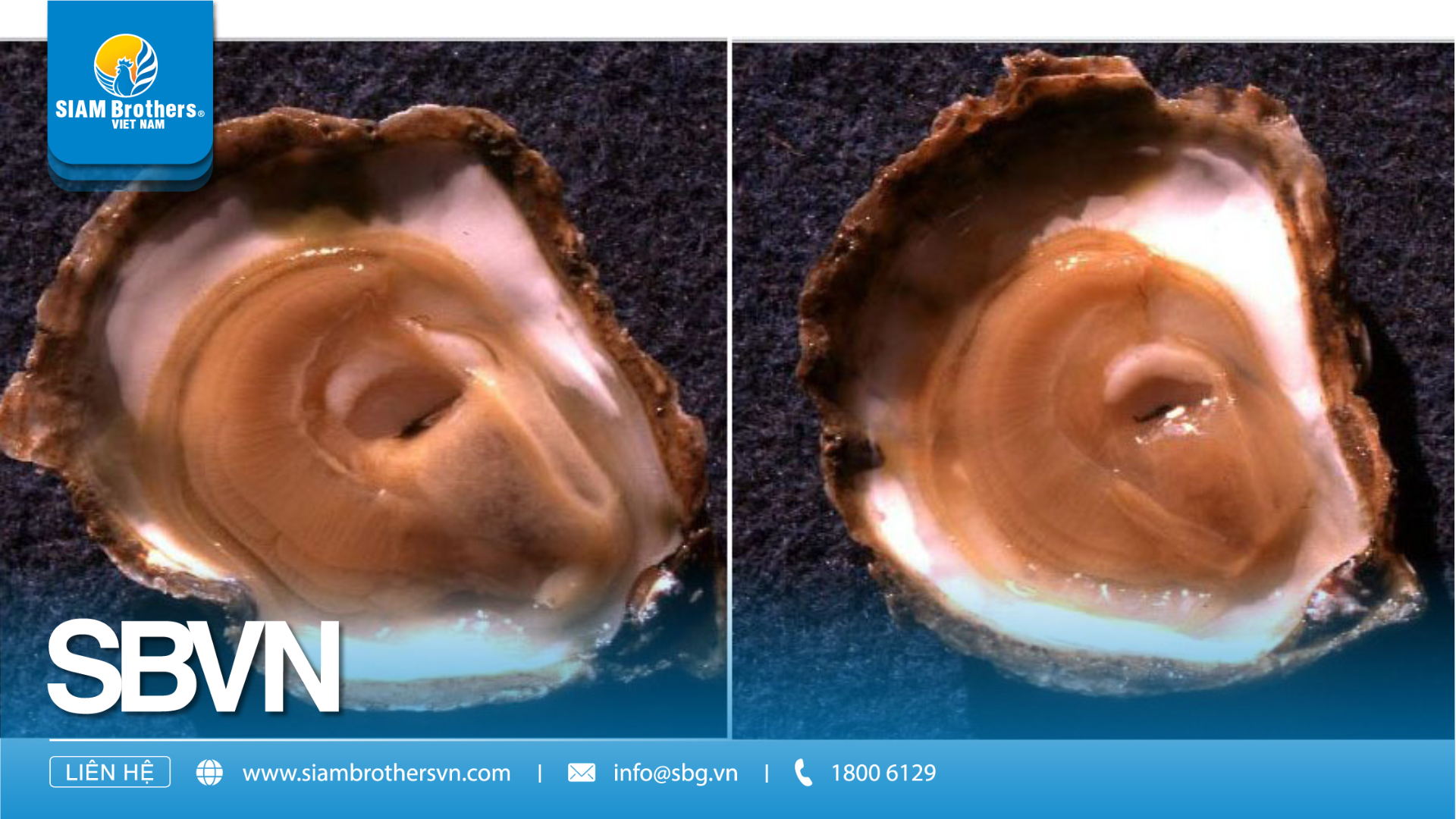
Abnormal signs on the soft tissue of diseased oysters - Photo: Tepbac
Farmers may observe signs such as:
Oysters closing their shells slowly or responding weakly to contact.
Slow or uneven growth.
Increased mortality within a group of culture lines or a particular area.
Unusual appearance or condition of the soft tissues.
Heavy fouling or evidence of shell-boring organisms.
Rapid mortality following heavy rain, extreme heat, or other environmental changes.
These observations indicate that something may be wrong, but they cannot identify a virus, bacterium, or parasite by themselves. Some infections produce no distinctive external signs, while different causes may produce similar symptoms.
|
Risk group |
Examples |
Key consideration |
|
Infectious agents |
Viruses, bacteria, and parasites |
May spread through live oysters, water, shells, or equipment |
|
Environmental stress |
Temperature, salinity, low oxygen, and pollution |
May be associated with weather changes and declining water quality |
|
Fouling organisms and predators |
Mussels, barnacles, tunicates, polychaete worms, starfish, and predatory snails |
May compete for food and space or physically damage oysters |
|
Harmful algal blooms |
Toxin-producing algae or blooms that reduce oxygen |
May affect both animal health and seafood safety |
This classification helps prevent fouling, environmental stress, and infectious disease from being treated as the same problem. It also helps farmers prepare the right information and samples when professional assessment is required.
Not every oyster species is equally susceptible to the same pathogen. A disease reported in Eastern oysters in the United States may not produce the same effects in Pacific oysters farmed in Vietnam.
When reading information about oyster diseases, farmers should check the oyster species, life stage, geographic location, and environmental conditions described in the source.
Ostreid herpesvirus 1, commonly abbreviated as OsHV-1, has been detected in several bivalve species. Some variants of the virus are associated with Pacific Oyster Mortality Syndrome, commonly known as POMS.
Pacific oyster spat and juveniles may be particularly vulnerable. During a mortality event, oysters may show reduced activity or die suddenly. Infected oysters, however, may also show no obvious signs before mortality occurs (USDA APHIS, 2025).
OsHV-1 should not be diagnosed from tissue colour. Confirmation requires appropriate laboratory testing and professional assessment. The virus is not considered transmissible to humans, but it can have serious consequences for oyster health and farm production.
The virus may spread through live oysters, water, shells, and equipment that has not been properly cleaned. Moving oysters or farming materials from an affected area to another location may therefore increase the risk of transmission.
Vibrio bacteria occur naturally in marine and brackish-water environments. Not every Vibrio species or strain causes disease. However, certain members of this group have been associated with oyster mortality, particularly when oysters are already affected by high temperatures, crowding, or poor environmental conditions.
International research has examined the involvement of Vibrio aestuarianus and other Vibrio species in mortality among Pacific oysters. The outcome may vary according to the bacterial species, oyster life stage, host condition, and farming environment (EFSA, 2015).
Detecting total Vibrio levels in water does not by itself prove the cause of oyster mortality. Identification may require isolation or laboratory testing, followed by comparison with the condition of the oysters and environmental data.
Monitoring programmes in Quang Ninh have examined temperature, pH, salinity, nitrogen compounds, hydrogen sulphide, coliform bacteria, harmful algae, total Vibrio, and potential disease agents in oyster-growing areas. This approach demonstrates why several indicators should be assessed together instead of relying on one result.
Some single-celled parasites can invade oyster tissues and affect growth, reproduction, or survival. Each pathogen, however, has a particular host range and geographic distribution.
Two examples frequently discussed in international literature are:
Perkinsus marinus, the agent associated with Dermo disease.
Haplosporidium nelsoni, the agent responsible for MSX disease.
These pathogens have been extensively studied in Eastern oysters in North America. Mortality figures or salinity conditions reported in those studies should not be applied directly to every oyster species or farming area in Vietnam.
Protists are also not bacteria. Technical articles should identify each agent correctly instead of grouping unrelated organisms under one general term. The effects of temperature, salinity, and season must be explained in relation to a particular pathogen, host, and geographic location.
“Egg disease” is a name used in some literature for infections involving Marteilioides chungmuensis. This parasite is associated with the oocytes and reproductive tissues of oysters and is best known for infecting Pacific oysters.
The parasite may produce nodule-like tissue changes, damage oyster eggs, disrupt reproduction, and affect the nutritional condition of infected females. Studies and disease references have primarily reported M. chungmuensis in Korea and Japan (Fisheries and Oceans Canada, n.d.; Tun et al., 2008).
Descriptions claiming that the parasite “attaches to the oyster’s eyes” are incorrect. The infection involves oocytes and reproductive tissues, not eyes. It should also not be described as a common disease in Vietnam without appropriate local surveillance or research data.
An increase in mortality does not automatically mean that an infectious outbreak has occurred. Environmental conditions, stocking density, fouling, and predators should also be examined before reaching a conclusion.
Oysters remain attached to their culture materials and have little ability to escape an unfavourable water mass. Rapid changes in temperature or salinity may therefore create stress, especially for spat and other sensitive life stages.
Heavy rainfall, flooding, or increased freshwater input may reduce salinity. Prolonged hot weather can increase water temperature while also affecting dissolved oxygen and microbial activity.
When investigating mortality, farmers should compare environmental data from before, during, and after the event. A single measurement taken after the oysters have died may not represent the conditions that originally caused the problem.
Culture lines placed too closely together may restrict water circulation, increase competition for food, and encourage organic matter to accumulate in certain areas. Heavy fouling can also increase the weight of culture lines and compete with oysters for available food.
In addition to stocking density, farmers should watch for unusual odours, changes in water colour, suspended matter, dead organisms, or new discharge sources near the farming area.
Adjusting spacing may improve water movement in suitable situations. However, reducing density is not a treatment for an infectious disease that has already been confirmed.
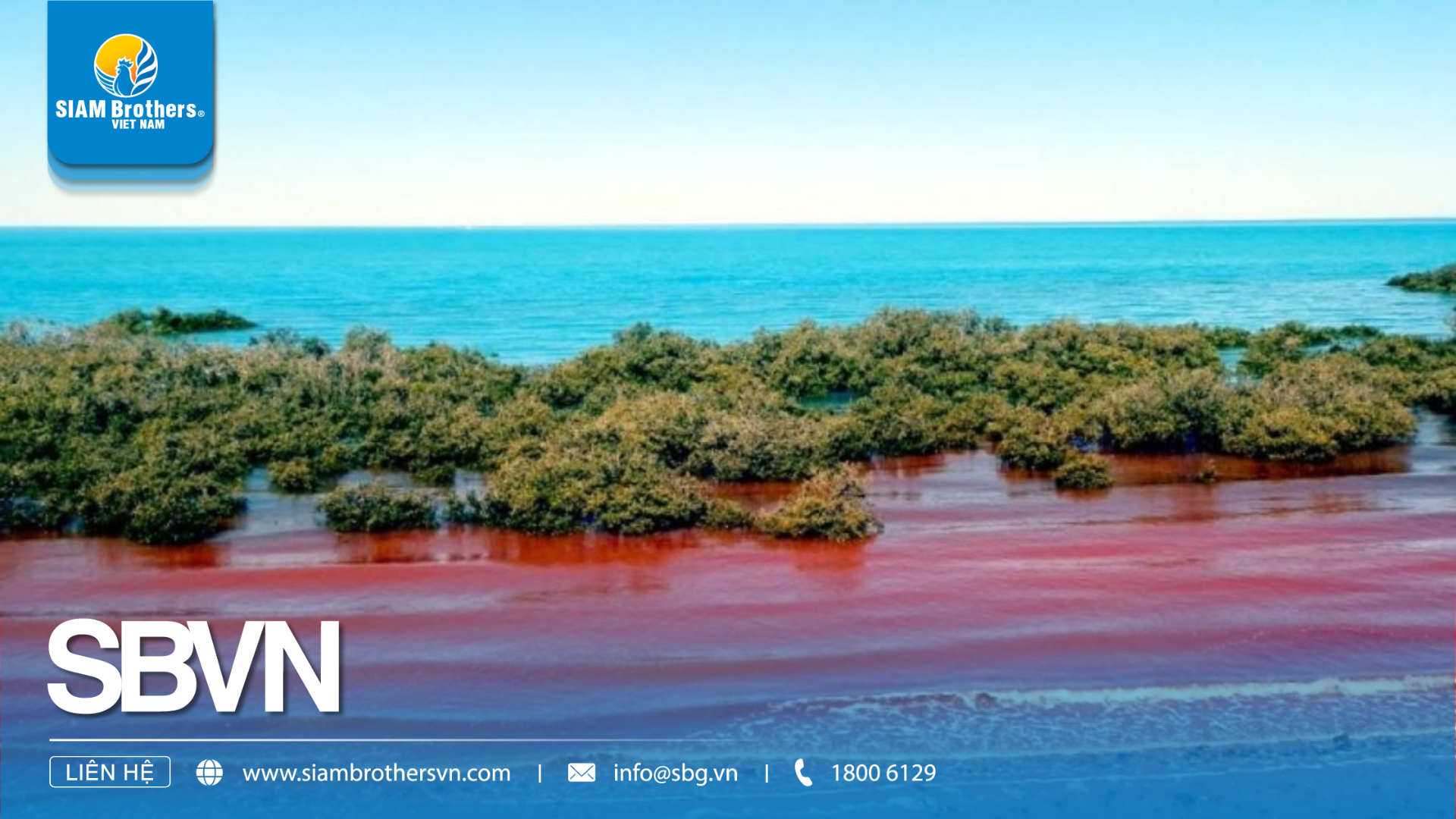
Harmful algal bloom (Red tide) phenomenon at sea reducing dissolved oxygen - Photo: Tepbac
A harmful algal bloom, sometimes referred to broadly as a red tide, is an environmental event rather than an infectious oyster disease.
Depending on the algae involved, a bloom may:
Reduce dissolved oxygen as algal biomass decomposes.
Damage or interfere with gill function.
Produce toxins that accumulate in filter-feeding bivalves.
Lead authorities to suspend harvesting to protect seafood safety.
Not every discoloured water event contains toxins, and different algal species do not have the same effects. Conversely, some toxins may be present even when farmers cannot see an obvious change in water colour. Harvest safety should therefore not be judged by appearance alone (NOAA, n.d.).
Mussels, barnacles, tunicates, sponges, seaweeds, and polychaete worms may attach to oyster shells and farming equipment. These organisms can increase weight, occupy space, and compete with oysters for food.
Starfish and certain marine snails may prey directly on oysters. These losses should be distinguished from diseases caused by viruses, bacteria, or internal parasites.
Hot-water and freshwater treatments have been studied for controlling particular fouling organisms under specific conditions. They are not universal treatments for oyster parasites. Incorrect temperatures, exposure periods, or applications may stress or kill the oysters.
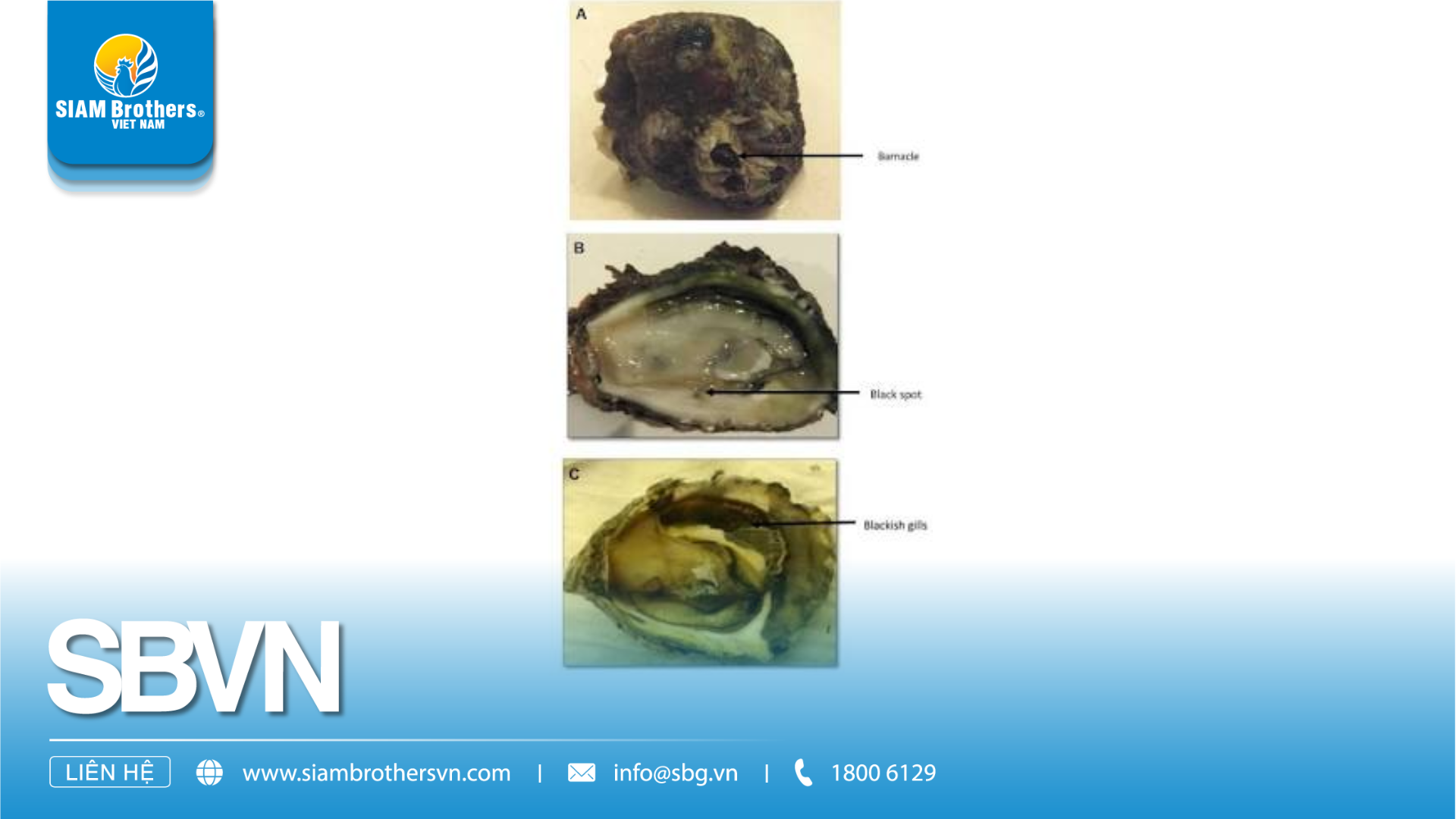
Biofouling organisms (barnacles) on oyster shells and abnormal signs inside - Source: ResearchGate
When mortality rises unexpectedly, farmers should preserve information about the event, reduce the risk of spreading a potential pathogen, and contact an appropriate specialist. Immediately applying chemicals or moving the oysters may make the cause more difficult to identify.
Useful information includes:
The date the problem was first observed.
The time when mortality began to increase.
The location and number of affected culture lines.
The estimated mortality rate.
Oyster size, age, and seed source.
Water temperature, salinity, pH, and dissolved oxygen when measuring equipment is available.
Rainfall, extreme heat, storms, or changes in water flow.
Recent movement of oyster seed, culture lines, or equipment.
Photographs and videos of the oysters, fouling organisms, culture system, and surrounding water.
These records help specialists examine possible relationships between oyster condition, environmental changes, and infectious agents.
Oysters from an area experiencing abnormal mortality should not be moved to another farming location without first assessing the cause. Culture lines, cages, baskets, vessels, and tools that have contacted the oysters should also be controlled.
For OsHV-1, live oysters, shells, water, and uncleaned equipment are considered possible pathways of transmission. Restricting movement is therefore a sensible biosecurity measure while the cause remains under investigation.
Farmers should contact the relevant aquaculture authority, aquatic animal health service, or qualified laboratory in their area. Samples should be selected, stored, and transported according to the receiving organisation’s instructions.
Recently dead oysters, weak live oysters, and water samples may be more useful than oysters that are already heavily decomposed. Samples should not be washed with chemicals, soaked, or otherwise altered before the laboratory provides instructions.
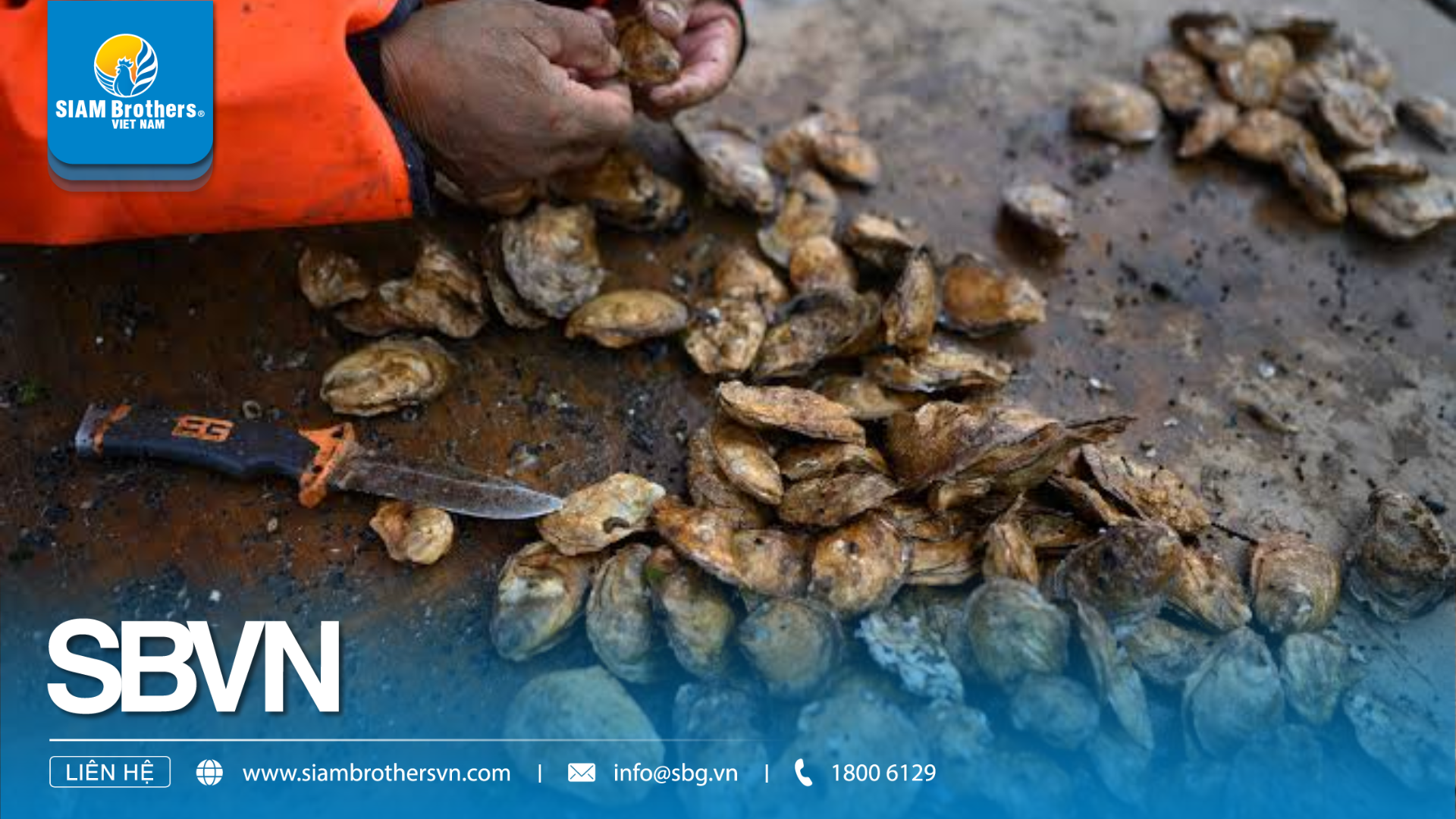
Collect and isolate oysters with abnormal signs, absolutely do not discard dead oysters into other water areas to prevent spreading risks - Source: Hakai Magazine
Before the cause has been identified, farmers should not:
Soak an entire oyster lot in hot water or freshwater to “kill all parasites.”
Apply medicines, chemicals, or disinfectants directly to the farming area.
Move oysters, culture lines, or equipment to another body of water.
Discard dead oysters, shells, or contaminated materials in another location.
Sell or transfer a potentially affected lot without assessing the associated risks.
Dead oysters and potentially contaminated materials should be collected and handled according to guidance from the relevant local authority.
No single measure can remove every disease and production risk. Oyster health management requires a combination of traceable seed, environmental monitoring, appropriate stocking density, hygiene, and well-maintained farming infrastructure.
Farmers should obtain seed from a traceable source and retain information for each batch. Records may include the supplier, delivery date, seed size, stocking date, and location within the farming area.
Where possible, batches from different suppliers or age groups should be positioned and monitored separately. This makes it easier to identify the affected group if abnormal mortality occurs.
Spacing between culture lines should allow suitable water movement and provide oysters with access to food. After heavy rain, prolonged hot weather, storms, or other adverse conditions, farmers should inspect oysters, culture lines, and connection points more frequently.
Local environmental monitoring reports, harmful algal bloom warnings, and harvest advisories should also be followed. Records of survival, growth, and water conditions can help identify changes before losses become widespread.
Tools used in an area where disease is suspected should not be transferred immediately to another farming location. Cleaning and disinfection procedures should account for the equipment material, suspected pathogen, and instructions from aquatic animal health professionals.
Culture ropes, floats, connection points, and mooring systems also require regular inspection. When components are replaced, damaged ropes, fittings, and other materials should be collected and brought ashore.
At SIAM Brothers Vietnam, we provide HDPE oyster farming floats for suitable farming methods and system configurations. These floats support buoyancy, culture-line suspension, and the organisation of surface farming infrastructure.
A properly arranged floating system can make it easier for operators to access culture lines, inspect materials, and replace damaged components. However, HDPE floats do not kill viruses, bacteria, or parasites and cannot guarantee that oysters will remain disease-free.
Farm performance still depends on seed quality, environmental conditions, stocking density, mooring design, correct use, and regular inspection throughout operation.
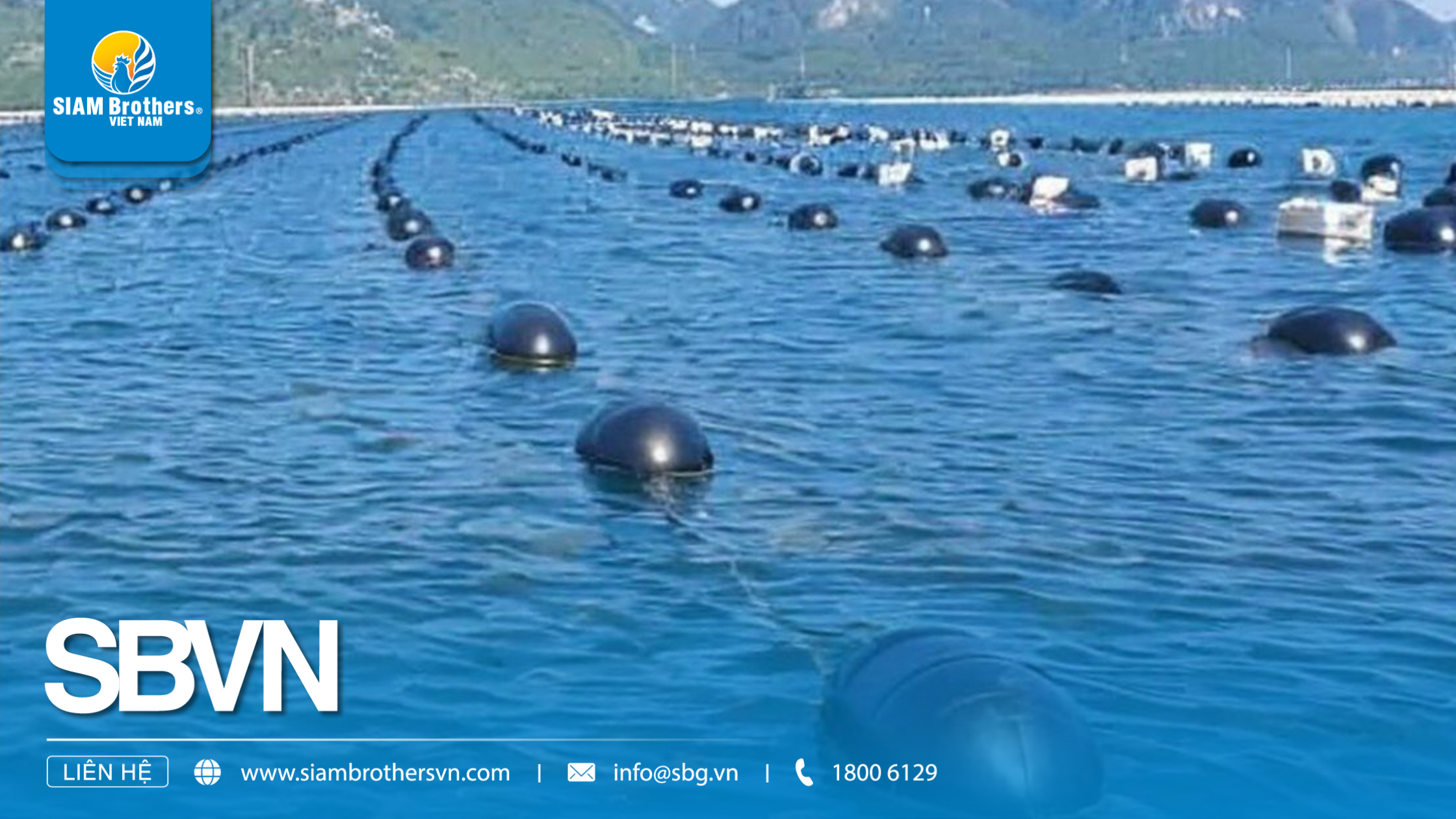
HDPE oyster farming floats
Oyster diseases cannot be identified from a single visible sign or one environmental measurement. Viruses, bacteria, and parasites may contribute to mortality, but temperature, salinity, dissolved oxygen, harmful algae, fouling organisms, and stocking density must also be considered.
When abnormal mortality occurs, farmers should document the event, restrict the movement of oysters and equipment, and contact an appropriate specialist for sampling guidance. Managing seed sources, water conditions, stocking density, and infrastructure can reduce risk, but these practices do not replace professional disease diagnosis.
SIAM Brothers Vietnam supports farmers in selecting suitable floats and floating-system configurations. To discuss our HDPE oyster farming floats, please contact 1800 6129 or info@sbg.vn.
Further reading: How to Choose a Reliable HDPE Oyster Float Manufacturer in Vietnam
Source: SIAM Brothers Vietnam
REFERENCES
European Food Safety Authority. (2015). Oyster mortality. EFSA Journal, 13(6), Article 4122. https://doi.org/10.2903/j.efsa.2015.4122.
Fisheries and Oceans Canada. (n.d.). Marteilioides chungmuensis of oysters. Government of Canada. View source.
Food and Agriculture Organization of the United Nations. (n.d.). Culture of the Pacific oyster (Crassostrea gigas) in the Republic of Korea: Diseases. View source.
National Oceanic and Atmospheric Administration. (n.d.). What is a harmful algal bloom? View source.
Quang Ninh Department of Agriculture and Rural Development. (2022, June 17). Environmental monitoring results for concentrated oyster farming areas in Van Don. View source.
Tun, K. L., Itoh, N., Shimizu, Y., Yamanoi, H., Yoshinaga, T., & Ogawa, K. (2008). Pathogenicity of the protozoan parasite Marteilioides chungmuensis in the Pacific oyster Crassostrea gigas. International Journal for Parasitology, 38(2), 211–217. https://doi.org/10.1016/j.ijpara.2007.07.002.
United States Department of Agriculture, Animal and Plant Health Inspection Service. (2025, July 30). Frequently asked questions: Infection by Ostreid herpesvirus-1 microvariants. View source.
World Organisation for Animal Health. (n.d.). Perkinsosis: Infection with Perkinsus marinus. View source.
FAQ
Q: Can oyster diseases be identified by visual inspection?
A: Farmers can identify abnormal signs, but they cannot determine the exact cause by sight alone. Diagnosis requires farm history, environmental data, and appropriate laboratory testing.
Q: If oysters die after heavy rain, does that mean they have a viral infection?
A: No. Heavy rain may change salinity, temperature, dissolved oxygen, and water quality. These changes may directly stress oysters or increase the effects of an infectious agent.
Q: Is a harmful algal bloom an oyster disease?
A: No. It is an environmental event involving rapid algal growth. Some algae may reduce oxygen, damage gills, or produce toxins that accumulate in shellfish.
Q: Should affected oysters be moved to another farming area?
A: Oysters should not be moved before the cause has been assessed. Oysters, water, shells, and equipment may spread certain infectious agents to another location.
Q: Can hot water or freshwater be used to treat oyster diseases?
A: These methods should not be treated as universal disease remedies. They have been studied for controlling particular fouling organisms under specific conditions, not for treating every internal parasite or infectious disease.
Q: Can HDPE oyster farming floats prevent disease?
A: HDPE floats support the organisation and operation of the farming system, making material inspection more convenient. They do not kill viruses, bacteria, or parasites.
Contact us:
Address: 5th floor, VRG Building, 177 Hai Ba Trung Street, Vo Thi Sau Ward, Ho Chi Minh City, Vietnam
Tel: (+84) 28 38 912 889
Hotline: 1800 6129
Facebook: www.facebook.com/siambrothersvn
Email: info@sbg.vn
YouTube: youtube.com/@siambrothersvietnam1728
OA Zalo: zalo.me/1402339229697925373
App SBVN ID:
CHPlay: https://bit.ly/SBVNID-Android
Appstore: https://bit.ly/SBVNID-iOS






Specializing in Agricultural and Fisheries Products & Multipurpose Wire