Which plastic floats for rafts are the best choice if you need something durable that can handle the actual load? It's an important question for fish-farm owners, fishermen, cooperatives, and businesses looking for a safe, cost-effective way to keep their rafts afloat. HDPE floats are often considered because they resist corrosion, can handle exposure to different environments, and work with a range of floating aquaculture systems. In this guide, we'll look at the most common types of raft floats, how to choose suitable HDPE floats, and what to check before buying. That way, you can make a more informed investment in a floating raft that fits your needs.
1. What Are Plastic Floats for Rafts, and What Types Are Available?
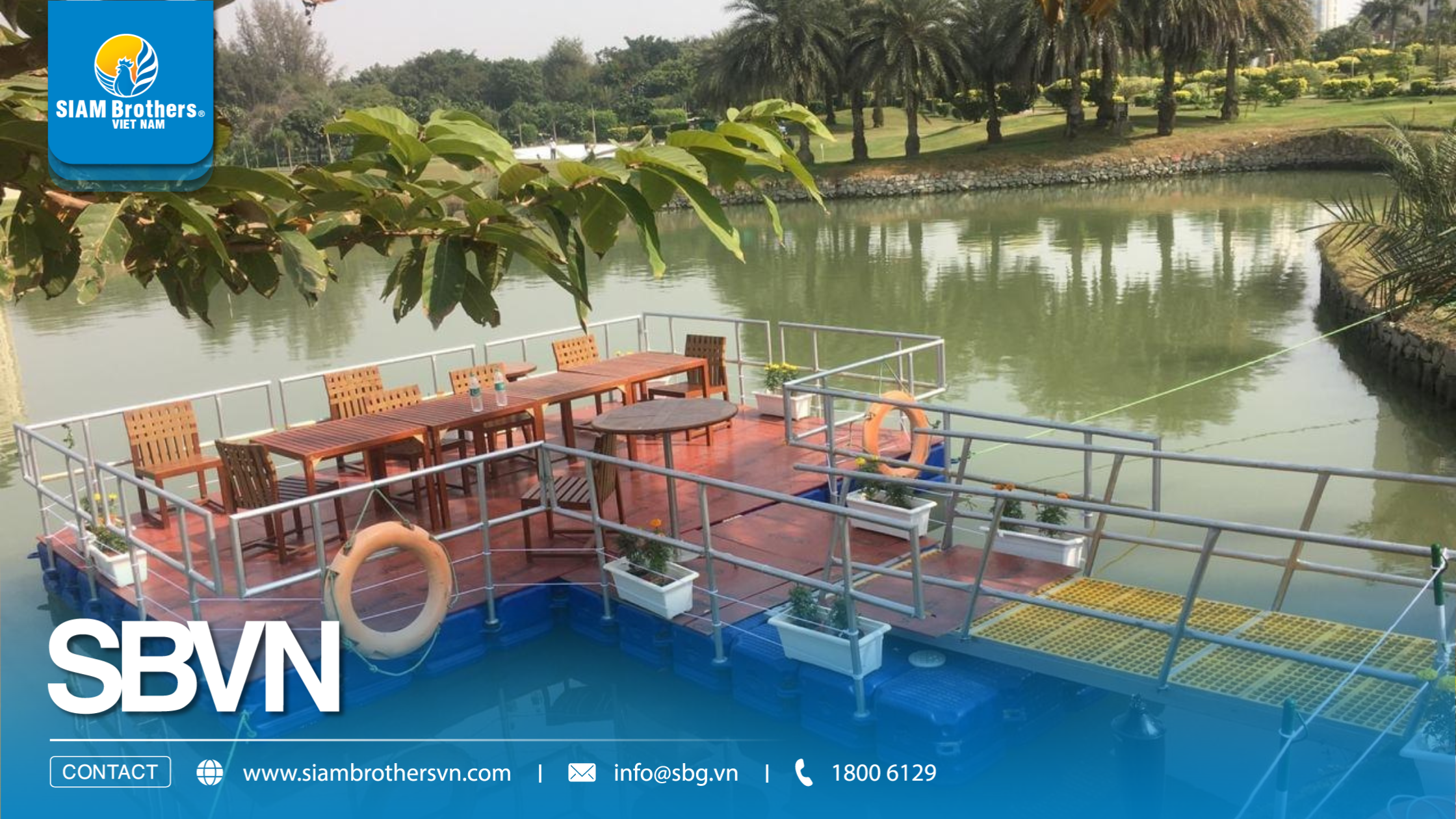
Plastic floats for rafts are buoyancy devices that support structures on the water. They're typically installed beneath raft frames, floating platforms, or aquaculture cage systems. Depending on the application, you can choose purpose-built HDPE floats or other plastic flotation solutions suited to your project's size and design.
1.1. How Do Plastic Raft Floats Work?
HDPE plastic floats provide buoyancy by displacing water as part of each float sits below the surface. When properly arranged beneath a raft frame, they help support the structure and its operating loads.
- Support the raft frame: Floats are positioned below the frame to hold up the deck, fish cages, or other structures on the water.
- Help distribute the load: The number and placement of floats affect the raft's balance. If too much weight is concentrated on one side, the raft may tilt.
- Keep the system afloat: Buoyancy must be sufficient for the combined weight of the frame, deck, equipment, farmed animals, and any additional loads during operation.
- Suit the operating conditions: A raft on a sheltered pond or lake has different connection, mooring, and environmental requirements from an aquaculture raft at sea.
For example, if you're building a fish-farming raft with a feeding machine and a work platform, include both the equipment weight and the loads involved in maintenance. Don't size the floats based on the raft frame alone.
1.2. Common Types of Plastic Floats for Rafts
1.2.1. Purpose-Built HDPE Floats
- Features: Made from HDPE plastic (high-density polyethylene), these floats resist corrosion and won't rust like metal. Their actual lifespan still depends on material quality, product design, manufacturing, and operating conditions.
- Applications: Fish-farming rafts, aquaculture cage systems, floating platforms, and other floating structures, depending on the product design.
- Advantages: They can be designed in different shapes and sizes, with connection methods that suit particular raft systems. Some modular designs allow individual sections to be replaced or expanded.
- What to check: Usable buoyancy, watertightness, float-wall construction, connection compatibility, and the manufacturer's technical specifications.
- Purpose-built HDPE floats are worth considering if you're planning a raft for long-term use or developing an aquaculture system with clearly defined requirements.
1.2.2. Plastic Drum Floats and DIY Flotation Systems
- Features: These typically use sealed plastic drums or repurposed buoyant containers to keep a raft afloat.
- Applications: They may be suitable for certain small rafts, temporary uses, or low-load structures, provided their safety has been properly assessed.
- Advantages: Reusing available materials can help lower upfront costs.
- Limitations: Load capacity, stability, watertightness, and connection methods can vary significantly. Inspection and maintenance may also be more difficult without a suitable design.
If you're thinking about using plastic drums as raft floats, check the material condition, watertightness, and how securely the drums connect to the frame. Don't assume every plastic drum is suitable for carrying loads.
2. Why Are HDPE Floats Used in Floating Raft Systems?
2.1. Corrosion Resistance and Suitability for Aquatic Environments
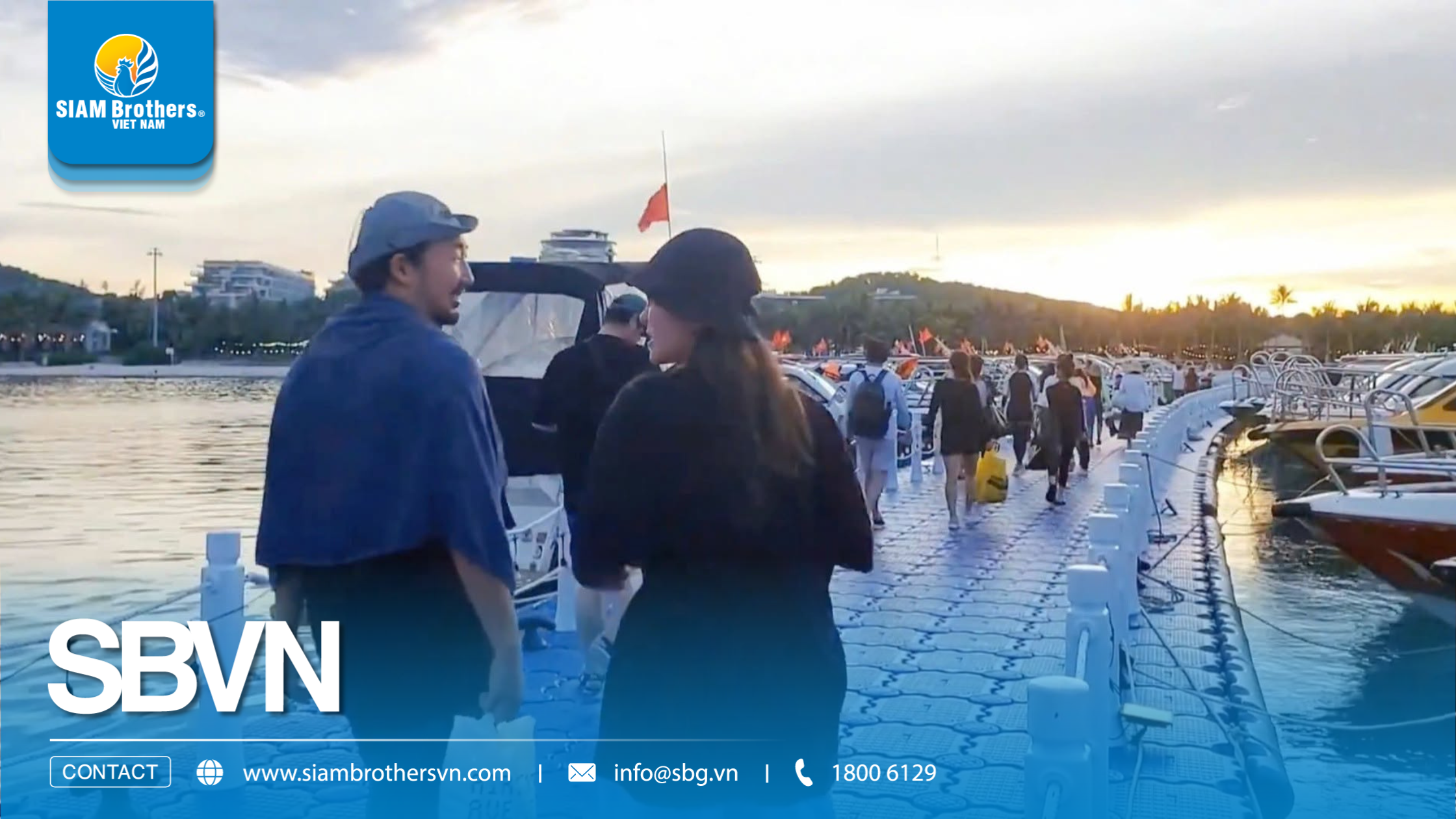
- They don't rust like metal: HDPE doesn't oxidize in water the way iron and steel do. That's an advantage for floats used on ponds, lakes, rivers, or coastal aquaculture sites.
- They can be suitable for saltwater: HDPE offers good resistance to water and corrosion. Still, the float's actual durability depends on material quality, design, and use conditions.
- Outdoor exposure matters: Sunlight, UV radiation, and changing weather can affect the lifespan of plastic. Check the UV-resistance information and technical specifications for each product.
For example, if you're investing in a coastal fish-farming raft, prioritize floats designed for those specific conditions. Don't judge them by appearance alone while overlooking material quality and construction.
2.2. Durability and the Ability to Support Heavy Loads
- Support the raft system: HDPE floats provide buoyancy for raft frames, work decks, fish cages, and associated equipment.
- Available in different configurations: Depending on the product line, floats may come in different shapes and sizes, with connection options suited to various raft structures.
- Loads need to be calculated: Include the weight of the frame, decking, equipment, farmed animals, and people working on the raft. Allow for additional loads that may arise during operation.
- Size alone isn't enough: A larger float isn't automatically a better choice if its usable buoyancy, layout, or overall system stability doesn't meet your requirements.
For instance, a fish-farming raft with an automatic feeding machine will have different load requirements from one that simply supports fish cages. If you leave the extra equipment out of your calculations, the system may have insufficient buoyancy or uneven load distribution.
2.3. Flexible Placement and Connections for Different Raft Designs
- Flexible layout options: Depending on the float model, you can choose an arrangement that suits the raft's dimensions and purpose.
- More even support: Proper float placement helps distribute loads and reduces the risk of one side of the raft sitting too low or tilting.
- Easier inspection and maintenance: When the design allows suitable access and connections, operators can regularly inspect the floats, joints, and mooring system.
For larger rafts, look at the frame, floats, connectors, and moorings as one complete system. Even high-quality floats won't guarantee stability if the connections are weak, especially in waves, wind, or moving water.
2.4. Managing Long-Term Raft Flotation Costs
- Reduce corrosion-related damage: HDPE helps avoid the rust problems associated with metal, although floats still need regular inspection and maintenance.
- Suitable for ongoing operations: For rafts used continuously, choosing floats with clearly stated specifications and adequate load capacity makes operations easier to plan.
Compare total costs, not just purchase prices: Along with the floats themselves, account for installation, connections, moorings, inspections, and replacement over time.
If you're deciding between purpose-built HDPE floats and repurposed plastic drums, compare them against the same load requirements, expected service period, and environmental conditions. The cheaper option upfront won't necessarily cost less over the long run.
2.5. What Should You Check Before Choosing HDPE Floats?
To choose suitable plastic floats for rafts, discuss the following points with your supplier:
- Buoyancy and design loads: Use the manufacturer's specifications to establish how much support each float provides. Don't estimate a safe load from dimensions alone.
- Materials and UV resistance: Check the material information, outdoor-use suitability, and intended water environment.
- Construction and watertightness: Ask about the float design, measures to prevent water ingress, and how damage can be detected.
- Connection method: Make sure the floats work with the raft frame and can meet the site's mooring requirements.
- Operating conditions: Consider whether the raft will be on a pond, lake, river, or at sea, along with wave action, wind, currents, and changing loads.
3. How to Choose HDPE Plastic Floats for Rafts Based on Your Needs
3.1. Calculate the Total Load of the Raft and Cage System
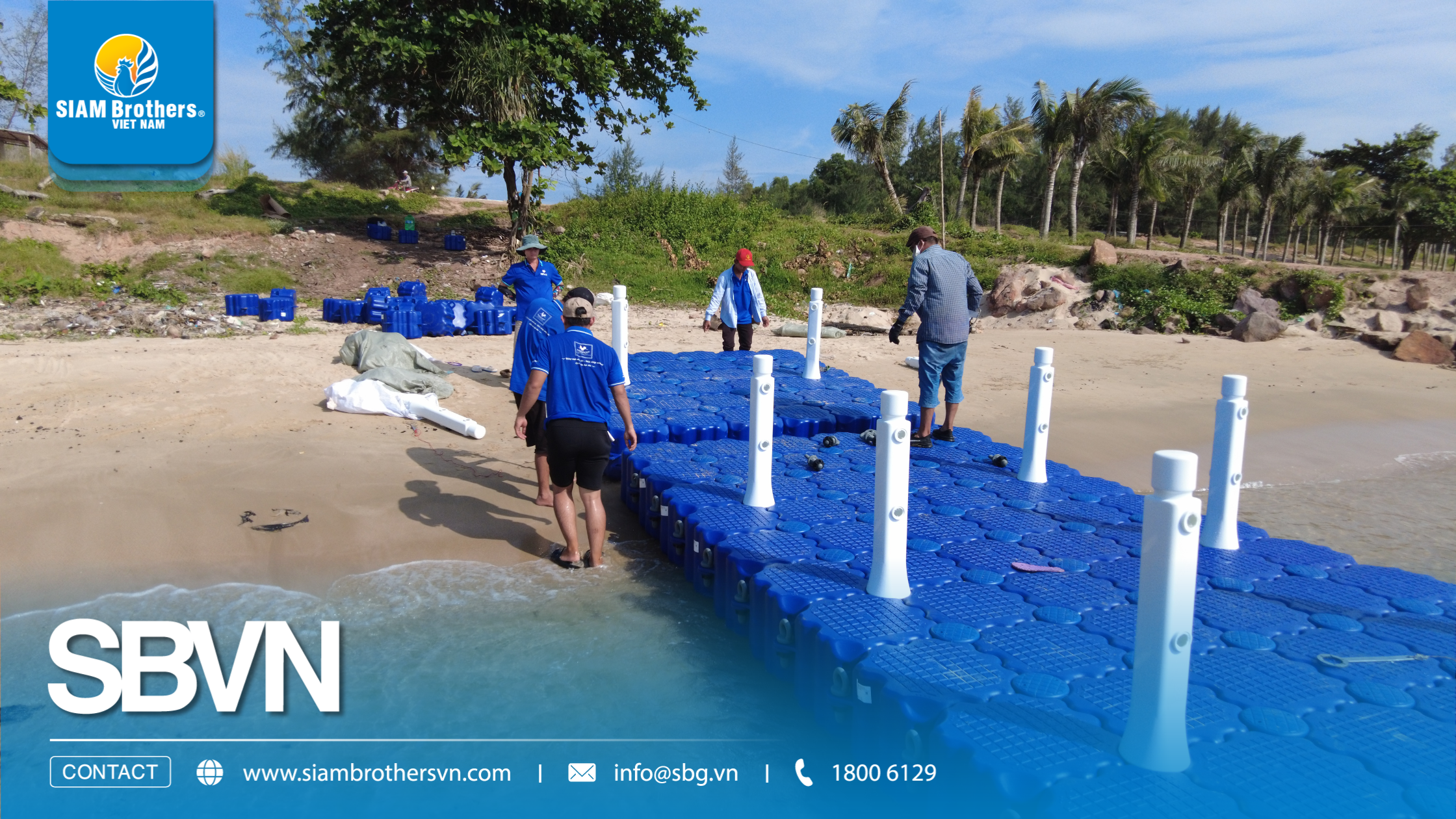
This is the first and arguably most important—step when choosing HDPE floats. If you underestimate the load, the raft may not have enough buoyancy or could become unbalanced once it's in use.
Make sure your calculations include:
- Structural weight: The raft frame, decking, fish cages, and other fixed components.
- Associated equipment: Feeding machines, piping, electrical equipment, tools, and operating supplies.
- Live and operating loads: People working on the raft, farmed animals, or cargo, depending on the application.
- Additional loads: Changes you expect during operation, such as adding equipment or expanding the raft.
Once you've established the total load, compare it with each float's usable buoyancy according to the manufacturer's data. Don't assume all theoretical buoyancy can be used as safe load capacity. The system also needs reserve buoyancy to maintain stability.
For example, a fish-farming raft with an added work deck and feeding machine requires more support than one consisting only of a frame and cages. Calculate the load of the entire floating cage system before deciding how many floats to install.
3.2. Choose Floats for the Operating Environment
Even when two projects both use plastic floats for rafts, their operating conditions can be very different. A raft on a pond or lake is generally less exposed to large waves than one installed at sea. Choose both the floats and their installation method based on actual site conditions.
3.2.1. Fish-Farming Rafts on Ponds, Lakes, and Rivers
- Prioritize: Floats with clearly specified buoyancy, suitable construction, and easy access for inspection.
- Watch out for: Changing water levels, currents, and raft positioning.
- Real-world example: For a fish-farming raft on a lake, calculate the loads once the cages are in operation. Then check the float layout to prevent the raft from leaning to one side.
3.2.2. Aquaculture Rafts in Coastal Waters
- Prioritize: HDPE floats suited to saltwater use, with clear information on materials, construction, and outdoor suitability.
- Watch out for: Waves, wind, currents, UV exposure, and mooring requirements.
- Real-world example: For an offshore or coastal fish-farming raft, adequate buoyancy alone isn't enough. You also need a strong frame, reliable connections, and a suitable mooring system to keep the entire structure stable.
Wherever you're installing the raft, don't rely only on broad marketing claims such as “extra durable” or “heavy-duty.” Ask for technical specifications and compare them with your site's actual operating conditions.
3.3. Choose the Right Float Size and Quantity
Float dimensions affect buoyancy, placement, and the raft's overall structural design. But bigger floats don't automatically make a system safer.
When choosing their size and quantity, consider:
- Buoyancy per float: Compare the manufacturer's specifications with the design load.
- Raft area and shape: Long, wide, or multi-zone rafts may need different float arrangements.
- Load distribution: Account for areas where equipment is installed or people regularly work.
- Connection compatibility: Float spacing and positions should suit the raft frame, rather than being added arbitrarily just to increase the number of floats.
- Reserve buoyancy: Don't design a system that only just supports its static weight while ignoring additional loads and stability requirements.
If you're not sure how many floats your raft needs, give the supplier the planned length, width, expected total load, and installation conditions. That's a more reliable starting point than guessing.
3.4. Check HDPE Material and Product Quality
When buying HDPE floats, focus on the product's actual quality—not just its color or appearance.
Key things to check include:
- Material information: Confirm the plastic type and product specifications supplied by the manufacturer.
- Float construction: Inspect the finish, joints, and areas likely to carry loads during operation.
- Watertightness: Ask how the float is designed to resist water ingress and how its condition should be checked.
- Environmental resistance: For outdoor applications, check UV-resistance information and recommended operating conditions.
- Technical documentation: Favor products with clear specifications, installation guidance, and defined conditions of use.
For raft systems in regular operation, choose a supplier who can advise you based on actual technical requirements. Getting the selection right at the start can reduce installation risks and make future inspections and maintenance easier.
3.5. Set a Realistic Budget
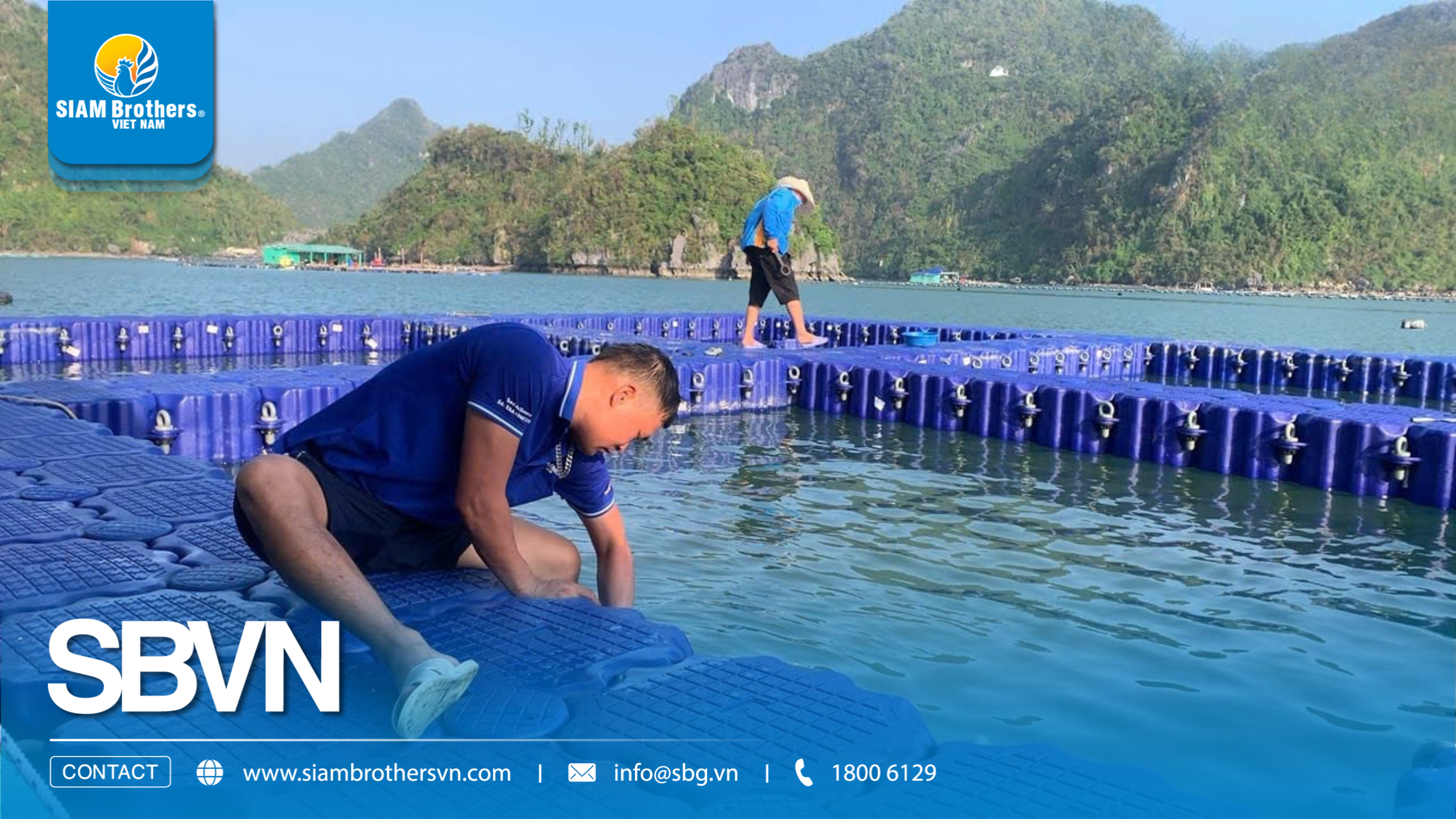
Price matters, but it shouldn't be the only deciding factor. A cheaper float may not be suitable if it doesn't meet the load or installation requirements.
Before buying, compare:
- Price per float: Check dimensions, construction, and technical specifications to make sure you're comparing equivalent products.
- Installation costs: Include the frame, connectors, mooring lines, and other necessary accessories.
- Maintenance costs: Consider how easily the floats can be inspected, accessed, and replaced.
- Future expansion: If you plan to expand the raft, find out whether you can add floats and modify the structure.
For more details about what affects the budget, see the article on plastic float prices and how to choose suitable HDPE floats.
3.6. Get Technical Advice Before Starting Your Project
For a small raft with simple loads, you can start by defining its dimensions and intended use. But for a larger aquaculture raft—or one exposed to strong winds and waves—assessing the entire structure is essential.
Before contacting a supplier of plastic floats for rafts, prepare:
- The planned raft dimensions.
- The total load when the raft is fully operational.
- The installation environment: pond, lake, river, or coastal waters.
- The intended application: fish farming, other aquaculture, or a floating platform.
- The frame, connection, and mooring requirements.
- Any future expansion plans or expected changes in load.
4. Frequently Asked Questions About Plastic Floats for Rafts
4.1. Which Plastic Floats Are Best for Rafts?
- Purpose-built HDPE floats are worth considering for fish-farming rafts, aquaculture cages, and floating structures used regularly. However, actual quality still depends on the materials, design, and manufacturing process.
- Plastic drum floats and DIY solutions may work for certain small, low-load rafts if watertightness, load capacity, and stability have been properly checked.
- The right choice depends on the total load, operating environment, raft design, and float specifications. Don't decide based on price or size alone.
For a long-term aquaculture raft, prioritize products with clear specifications and a connection method compatible with the overall design.
4.2. Are HDPE Floats Suitable for Fish-Farming Rafts?
Yes. HDPE floats are used in many fish-farming rafts and aquaculture cage systems because they resist corrosion, don't rust like metal, and can be configured for different designs.
Before choosing them, check:
- Whether usable buoyancy meets the expected load.
- Whether the materials are suitable for freshwater or saltwater.
- Whether the float design is compatible with the raft frame and connections.
- Whether the floats meet the requirements for outdoor exposure and actual operating conditions.
For marine fish-farming rafts, also consider waves, wind, currents, and moorings. Adequate float buoyancy alone doesn't guarantee stability for the full raft system.
4.3. How Many Plastic Floats Do You Need for One Raft?
There isn't a single number that works for every raft. The quantity depends on raft size, total load, usable buoyancy per float, and how the floats are arranged beneath the frame.
To work out a suitable number:
- Measure the planned raft's length and width.
- Calculate the combined weight of the frame, deck, cages, equipment, and operating loads.
- Check usable buoyancy against the manufacturer's specifications.
- Consider where the load is concentrated to reduce the risk of tilting or imbalance.
- Allow for the buoyancy required under actual operating conditions.
For example, two rafts with the same surface area may need different float arrangements because they carry different equipment, have different cage layouts, or operate in different environments.
You can also read the article on choosing HDPE plastic floats by load capacity for more factors to consider when estimating the floats needed for a raft.
4.4. Can HDPE Floats Be Used in Saltwater?
They can, provided the floats are made from suitable materials and designed for marine conditions. HDPE generally resists water and corrosion well, but product durability also depends on material quality, design, and how the system is used.
When selecting floats for a marine fish-farming raft:
- Check the material information and UV-resistance specifications.
- Inspect watertightness, construction, and connection points.
- Choose a mooring system suited to local waves, wind, and currents.
- Inspect the floats regularly to catch damage or deterioration early.
Don't assume every HDPE float offers the same quality or service life. Match the specifications of each product to the actual operating environment.

4.5. How Much Do Plastic Floats for Rafts Cost?
Plastic float prices vary with dimensions, design, materials, buoyancy, order quantity, and installation requirements.
When checking prices, look at:
- The price and specifications of each float model.
- The number of floats needed for the full system.
- Frame, connector, accessory, and mooring costs, where applicable.
- Transport, installation, and maintenance costs under the actual site conditions.
For a fair comparison, look at products designed for the same use and with similar specifications. A cheaper float isn't necessarily the more economical choice if it can't handle the load or needs replacing sooner.
4.6. How Can You Make Plastic Raft Floats Last Longer?
Float lifespan depends on product quality, loads, environmental conditions, and how the floats are used. You can reduce the risk of problems with a few practical steps:
- Avoid overloading: Compare actual loads with the design specifications of the floats and the complete raft system.
- Inspect regularly: Check float surfaces, joints, connections, and any signs of water ingress.
- Monitor the moorings: Inspect mooring lines and fixing points, especially after strong winds or waves.
- Address warning signs early: If the raft tilts, a float deforms, or a joint becomes loose, investigate before resuming normal use.
Follow the manufacturer's guidance: Use the recommended installation, maintenance, and operating procedures.
For rafts in regular use, scheduled inspections help you spot issues early instead of waiting until the system becomes unstable.
4.7. Where Should You Buy Plastic Floats for Rafts?
Look for a supplier that provides clear product information, advice based on your intended use, and technical specifications you can review before buying.
Useful things to check include:
- Whether material, dimensions, and buoyancy data are available for each model.
- Whether the supplier's advice considers the raft's loads, environment, and design.
- Whether installation, connection, and inspection guidance is provided.
- Whether the supplier can discuss suitable product options if your needs change.
SIAM Brothers Vietnam offers HDPE float products for a range of applications. When asking about the products, explain how you plan to use the raft, its dimensions, and the expected loads so the company can advise you on options that fit your actual requirements.
Which plastic floats for rafts are best? The answer depends on the loads, operating environment, and design of your project. HDPE floats are worth considering because they resist corrosion, offer flexible applications, and can suit a range of floating raft systems. If you're looking for an HDPE flotation solution for a fish-farming raft or aquaculture operation, contact SIAM Brothers Vietnam to discuss your actual needs and choose a suitable product. Making the right investment from the start can help you manage long-term operations more confidently.
Source: SIAM Brothers Vietnam
Contact us:
► Address: 5th floor, VRG Building, 177 Hai Ba Trung Street., Xuan Hoa Ward, Ho Chi Minh City, Vietnam
► Hotline: 1800 6129
► Tel: (+84) 28 38 912 889
► Email: info@sbg.vn
► Follow us for more details at: Facebook - Zalo OA - Tiktok - Youtube - LinkedIn
Download SBVN ID app here:
► CHPlay
► Appstore