Floating Pontoons for Walkways, Docks & Platforms: Key Tips
13/10/2026
Choose floating pontoons for walkways, docks, and platforms. Explore load capacity, stability, materials, and water conditions with SIAM Brothers Vietnam.
Floating pontoons play an important role in building floating walkways, boat docks, and platforms for water transport, tourism, boat mooring, and outdoor recreation. But choosing pontoons based on price or size alone can leave a structure unstable, lead to unexpected repair costs, and put users at risk. So, what should you look for to make sure your pontoons suit the actual loads and operating conditions? In this guide, SIAM Brothers Vietnam explores common applications, how to choose HDPE pontoons, and what matters when it comes to buoyancy, connections, mooring systems, and slip resistance. We'll also walk through the costs to factor into your budget, helping businesses, contractors, and project owners find a practical floating pontoon solution for their projects.
1. How Are HDPE Floating Pontoons Commonly Used?
1.1. Floating Pedestrian Walkways and Shore Access Bridges
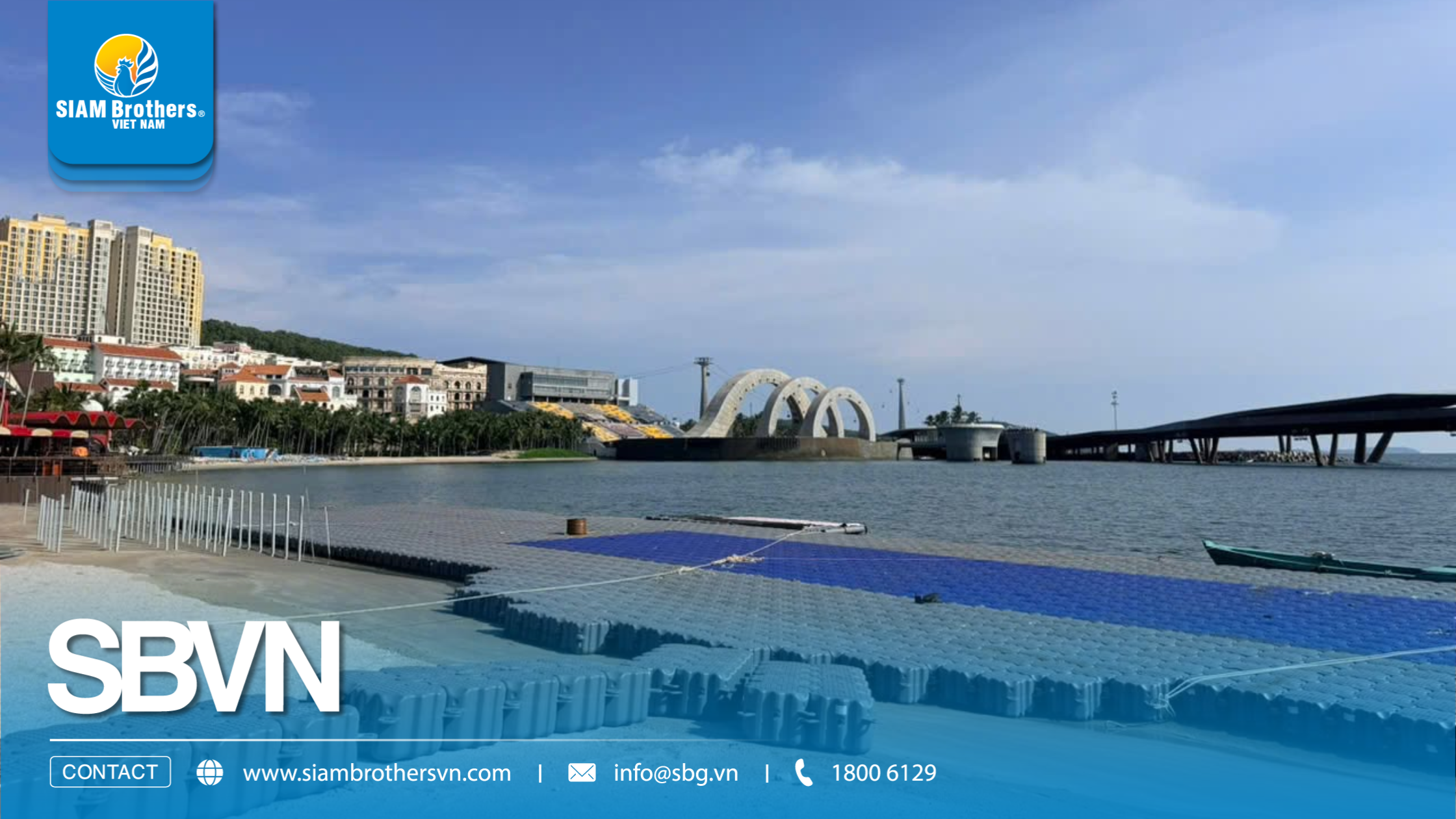
Creating walkways over water: HDPE floating pontoons can be installed beneath a support frame and deck to create floating walkways on lakes, at tourist attractions, near aquaculture facilities, or wherever access is needed between locations on the water.
Adapting to the site: With a modular design, walkway sections can be connected to achieve a length and layout that fit the available space.
Planning for stability: For walkways used regularly by pedestrians, project owners need to consider live loads, movement and vibration, slip-resistant surfaces, and the mooring system.
1.2. Floating Boat Docks, Canoe Docks, and Jet Ski Docks
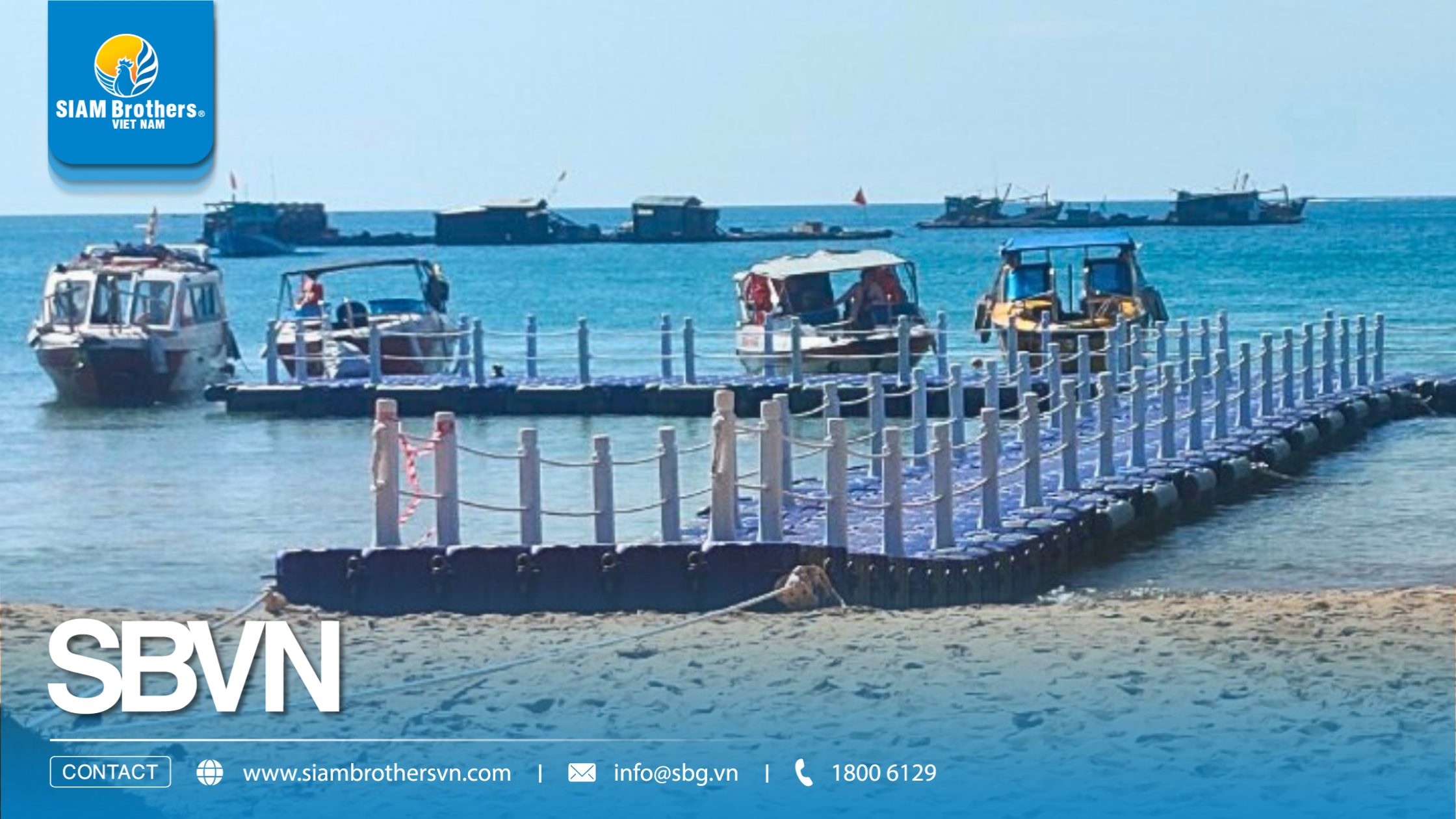
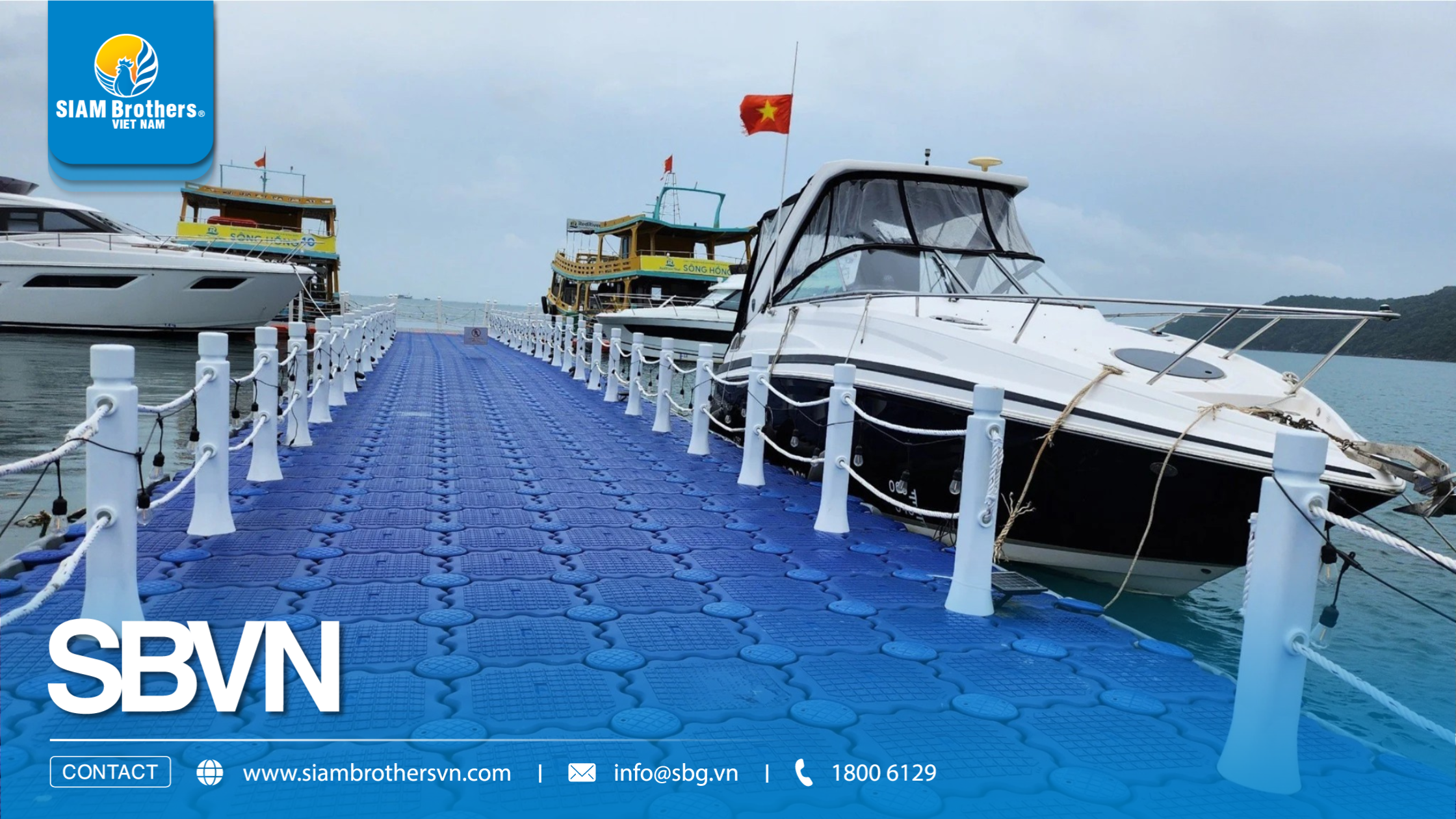
Making boarding and mooring easier: Floating pontoons can be assembled into floating decks or docks, giving passengers a more convenient place to board and disembark from boats, canoes, and jet skis than accessing them directly from shore.
Adjusting to changing water levels: Depending on the design, a floating dock can rise and fall with the water, helping maintain a more convenient height relative to the vessel.
Using the right mooring and connections: The structure needs to be designed to limit movement caused by wind, waves, currents, and the forces generated when vessels come alongside.
Matching materials to the environment: For long-term outdoor use or saltwater locations, consider the corrosion resistance of the connectors, material durability, and maintenance needs.
For example, a jet ski dock at a resort needs enough space for approaching watercraft, a safe area for users to move around, and a suitable anchoring system. Good buoyancy is essential, but HDPE pontoons alone don't guarantee that the entire dock will remain stable.
2. Which Floating Pontoons Should You Choose for Walkways, Docks, and Platforms?
2.1. Modular HDPE Pontoons for Floating Structures
HDPE pontoons are worth considering for floating walkways, boat docks, and platforms. However, how well they perform depends on the pontoon design, the supporting frame and deck, and the installation method.
Designed for modular assembly: Modular pontoons can be grouped and connected to adjust a structure's length and surface area as needed.
Suitable for a range of environments: Depending on their design and material specifications, HDPE plastic floats may be considered for lakes, rivers, coastal sites, or aquaculture facilities.
Flexible for different applications: Pontoons can be combined with support frames, decking, connectors, and mooring systems to form floating walkways, boat landings, or platforms.
Technical specifications matter: Before choosing a product, ask the manufacturer to confirm its dimensions, weight, usable buoyancy, connection system, and suitable operating conditions.
For example, if you're building a floating walkway for visitors at a resort, don't choose pontoons based only on their dimensions or price. Think about how many people will use the walkway, how much the deck weighs, how stable it needs to feel underfoot, and the wind and wave conditions at the site.
2.2. Choosing Pontoons Based on Load, Water Conditions, and Intended Use
To choose the right floating pontoons, evaluate the project against the criteria below rather than comparing pontoon prices alone.
2.2.1. Calculate the Project's Design Loads
For pedestrian walkways: Account for the weight of the frame, decking, handrails, and the number of people expected to use the walkway at the same time.
For boat or jet ski docks: Along with the deck load, consider the forces created when watercraft approach, move alongside, and moor.
For floating platforms or restaurants: Include equipment, roofing, furniture, utility systems, and the expected number of users.
Remember that the total buoyancy must accommodate the design loads with an appropriate safety margin. Don't treat a pontoon's theoretical maximum buoyancy as its allowable operating load without an engineering assessment.
2.2.2. Assess Water Conditions at the Site
Lakes and relatively calm water: The pontoon layout and connection system can be selected to suit the site, expected loads, and intended use.
Rivers with flowing water: Evaluate current forces, fluctuations in water level, and the potential movement of the entire structure.
Coastal or wave-exposed areas: Consider waves, wind, tides, corrosion, and dynamic forces acting on the pontoons, connections, and mooring system.
The same pontoon may require very different structural designs on a lake and at a coastal site. Share the proposed installation location with your supplier or technical consultant so they can assess the actual operating conditions.
2.2.3. Choose Pontoons for Their Intended Purpose
Floating walkways: Prioritize stability, structural rigidity, slip-resistant walking surfaces, and ease of access.
Boat docks: Focus on stability during berthing, reliable moorings, and load-bearing connections.
Floating platforms: Decide whether the platform will be used for sightseeing, fishing, equipment, or commercial activities so the loads and pontoon layout can be planned accordingly.
2.2.4. Check Connections and Maintenance Access
Confirm how the pontoons connect to the deck frame and how individual modules are joined together.
Check whether bolts, fittings, and other connecting components are made from materials suited to the operating environment.
Plan regular inspections, especially at load-bearing points, moorings, and components frequently exposed to water.
Consider the total cost of purchasing, transporting, installing, and maintaining the system rather than comparing pontoon prices alone.
From an engineering standpoint, suppliers and technical consultants need information about the structure's dimensions, loads, location, and water conditions before recommending a pontoon configuration. Having these details upfront also helps avoid using too few pontoons, choosing an unsuitable layout, or running into additional costs during construction.
3. Top 5 Things to Check Before Installing Floating Pontoons
3.1. Design Loads and Reserve Buoyancy
Calculate the total load: Include the weight of the pontoons, deck frame, decking, handrails, equipment, and the people expected to use the structure.
Determine the required buoyancy: The system's total buoyancy must be sufficient for the design load, with an appropriate reserve.
Distribute loads properly: If too many people or heavy pieces of equipment are concentrated on one side, the platform may tilt. Plan the load distribution from the design stage.
For example, a floating platform that holds tables, chairs, and customers has different requirements from one used only as a walkway. Define its purpose before calculating how many pontoons you need.
3.2. Stability, Connections, and Mooring Capacity
Inspect the connection design: The joints between the pontoons, support frame, and deck must suit the expected loads and operating conditions.
Assess stability: Consider tilting, movement, and load distribution as people walk across the structure or vessels come alongside.
Design the mooring system: Mooring locations, anchor types, and fixing methods must suit the water depth, bed conditions, currents, and changing water levels.
Check the hardware: Bolts, connecting pins, and load-bearing components need specifications suited to the operating environment.
For example, the force of a vessel approaching a floating canoe dock could move the entire structure if its mooring system isn't properly designed. That's why it's important to assess the assembled system—not just individual pontoons.
3.3. Waves, Currents, Tides, and Environmental Conditions
On lakes or calm water: Assess water-level changes, bed conditions, and anything that may affect the mooring locations.
On rivers: Account for current forces, changing water levels, and potential movement of the floating structure.
In coastal areas: Consider waves, wind, tides, saltwater exposure, and the corrosion resistance of metal hardware.
When weather conditions change: Have a plan for inspections, reinforcement, or restricting use in line with the project's defined operating conditions.
A floating pontoon system installed on a lake may need a very different design from the same system installed at sea. Give the HDPE pontoon installation team accurate site information so they can assess actual conditions rather than selecting products based on size or price alone.
3.4. Slip-Resistant Surfaces and User Safety
Check the walking surface: Decking should provide adequate grip, especially where it regularly gets wet or develops algae.
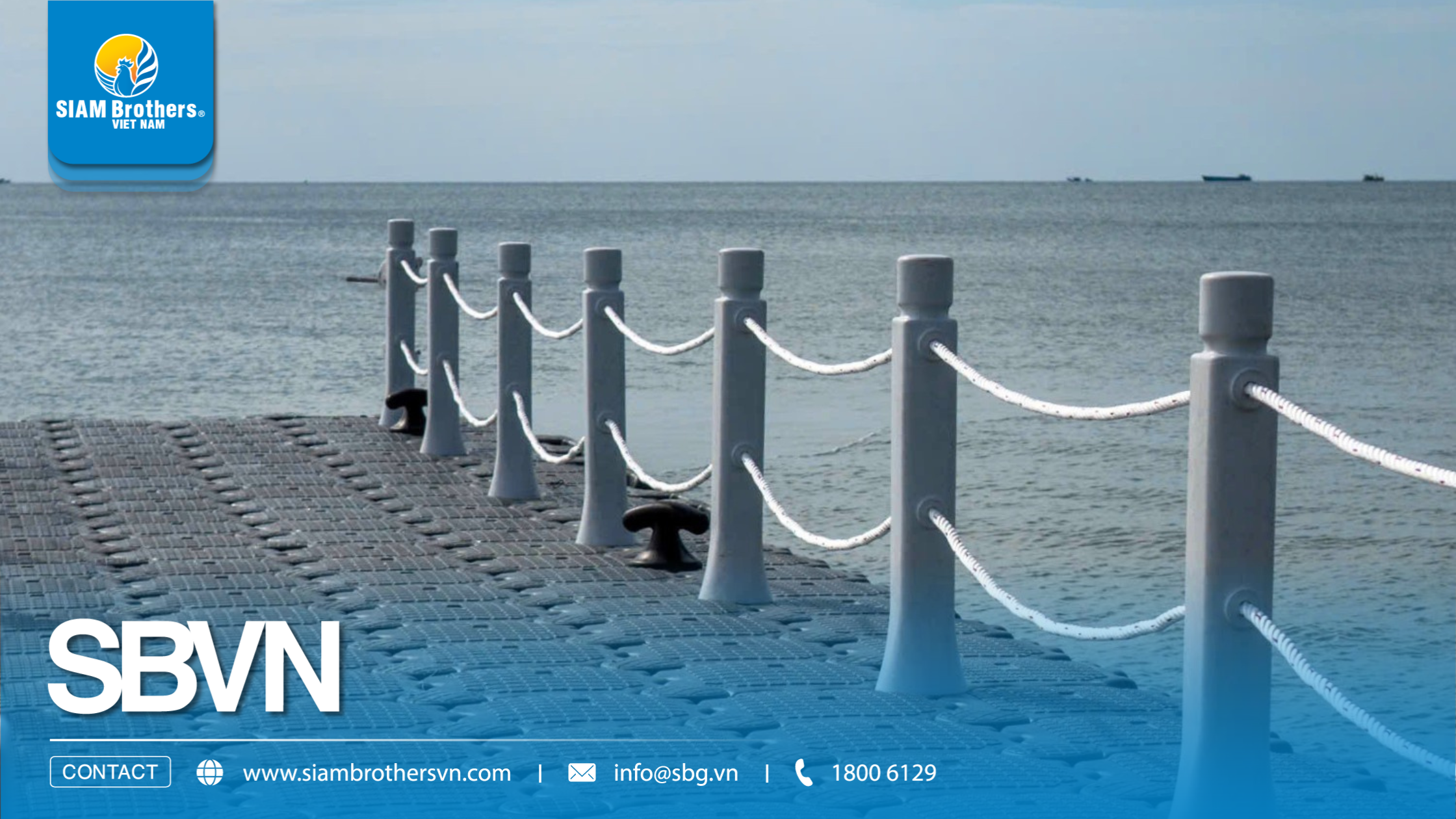
Plan handrails and access points: Choose appropriate protective measures based on the deck height, intended use, and level of risk.
Assess stability during movement: The platform should not tilt or move beyond its design limits when people walk or equipment is moved across it.
Prepare safety procedures: For visitor facilities, provide operating instructions, load limits, and procedures for unfavorable weather.
For example, a floating walkway at a tourist attraction used by children and older visitors needs careful consideration of its walking surface, handrails, and access routes. The pontoons' buoyancy does not replace the safety requirements of the complete structure.
3.5. Upfront Costs, Maintenance, and Regular Inspections
Budget for the complete structure: In addition to HDPE pontoon prices, include the deck frame, connectors, moorings, transport, and installation.
Think about maintenance access: Check how easily you can reach the joints, replace fittings, and inspect the pontoons during use.
Schedule regular inspections: Inspection frequency depends on the environment, how intensively the structure is used, and the manufacturer's guidance. Pay particular attention to moorings, joints, and heavily loaded areas.
Compare long-term costs: A cheaper system may not offer better value if it needs frequent repairs or has parts that are difficult to replace.
Before making a decision, request a quotation based on the actual configuration of your project. This lets you compare complete solutions on equal terms instead of focusing only on the price of each pontoon.
A tip from SIAM Brothers Vietnam: Before installing HDPE pontoons for a floating walkway, boat dock, or platform, prepare the proposed dimensions, expected loads, installation location, and intended use. The technical team should assess those details alongside the product specifications to recommend a suitable solution. For structures used regularly by people or exposed to strong waves and currents, the engineering design and mooring plan should be reviewed before the structure goes into service.
4. Frequently Asked Questions About Floating Pontoons
4.1. Are HDPE Pontoons Suitable for Floating Walkways and Boat Docks?
Yes. HDPE pontoons can support pedestrian walkways, boat docks, and floating platforms when the product, connection system, and mooring design meet the project's requirements.
The pontoon dimensions and usable buoyancy must match the expected loads.
The structure must remain stable as people move across it or vessels come alongside.
Site conditions, including waves, currents, and changes in water level, must be considered.
Product specifications should be verified, and the supplier should be consulted about the intended use.
For example, a canoe landing at a tourist attraction and a pedestrian walkway across a lake have different load, connection, and mooring requirements. So don't select pontoons based on appearance or price alone.
4.2. How Do You Calculate the Number of Pontoons Needed?
The required number of pontoons depends on the design loads, each pontoon's usable buoyancy, the arrangement of the modules, and the structure's operating conditions. For a more accurate estimate, prepare the following:
The length, width, and structural layout of the floating walkway, dock, or platform.
The expected total load, including the structure, equipment, and users.
The buoyancy specifications of the proposed pontoons.
A proposed layout showing the pontoons, support frame, and connections.
Water conditions such as depth, currents, waves, and changes in water level.
Don't simply divide the total load by one pontoon's maximum buoyancy and treat the result as the final number of modules. That calculation can overlook uneven loading, stability, and the reserve buoyancy needed. For a real project, have the technical team review the configuration before installation.
4.3. Can Floating Pontoons Be Used in Saltwater?
HDPE pontoons can be considered for saltwater use, provided the material, product design, and associated components are suitable for that environment.
Before installation, be sure to:
Review the manufacturer's material specifications and recommended operating conditions.
Choose bolts, connectors, and mooring components with appropriate corrosion resistance.
Assess the effects of local waves, wind, tides, and currents.
Plan regular inspections of joints, fittings, and moorings.
For instance, a coastal floating dock is often exposed to both saltwater and waves. Beyond selecting suitable pontoons, you also need to consider the durability of the whole structure. Don't assume that using HDPE pontoons automatically makes a project suitable for every marine environment.
4.4. What Information Do You Need to Request a Floating Pontoon Quote?
For a quote that reflects your project's needs, provide details about the structure's size, expected loads, location, and preferred pontoon type.
Intended use: Is it a floating walkway, boat dock, jet ski dock, or tourist platform?
Project dimensions: What are the planned length, width, and total area?
Loads: How many people will use it, what equipment will be placed on it, and what types of watercraft may come alongside?
Installation location: Is the site on a lake, river, at an aquaculture facility, or in a coastal area?
Technical requirements: What pontoon type, connection method, mooring system, and safety features are needed?
Scope of supply: Do you need pontoons only, or also accessories, delivery, and installation support?
Floating pontoons offer a practical way to build walkways, boat docks, and platforms for water transport, tourism, and outdoor activities. But for a structure to perform reliably, the pontoons need to suit its loads, water conditions, and intended use. Look beyond the price and size of individual modules: check usable buoyancy, connections, mooring arrangements, and safety requirements. You should also budget for the entire system, including pontoons, frames, fittings, installation, and maintenance. If you're planning a project using HDPE pontoons, contact SIAM Brothers Vietnam for guidance based on your actual requirements. Having the dimensions, expected loads, and proposed site details ready will help you find a more suitable solution.
Source: SIAM Brothers Vietnam
Contact us:
► Address: 5th floor, VRG Building, 177 Hai Ba Trung Street., Xuan Hoa Ward, Ho Chi Minh City, Vietnam