
Industry News

Floating Trash Booms vs. DIY Barriers: Which Is Better?

  • 12/10/2026

Floating trash booms vs. DIY barriers: Compare durability, cost, installation, and maintenance. Find suitable LLDPE solutions with SIAM Brothers Vietnam.

Should you choose a purpose-built floating trash boom or put together a DIY trash barrier for your project? It's not just about what costs less upfront. Durability, day-to-day performance, and long-term maintenance costs matter, too. Whether you're managing a river, lake, canal, or resort waterfront, the wrong setup can make floating waste harder to collect and lead to extra repair work. In this guide, SIAM Brothers Vietnam compares both options based on materials, construction, installation conditions, and how you plan to use the system.

1. What Are Purpose-Built Floating Trash Booms and DIY Trash Barriers?

1.1. What Is a Purpose-Built Floating Trash Boom?

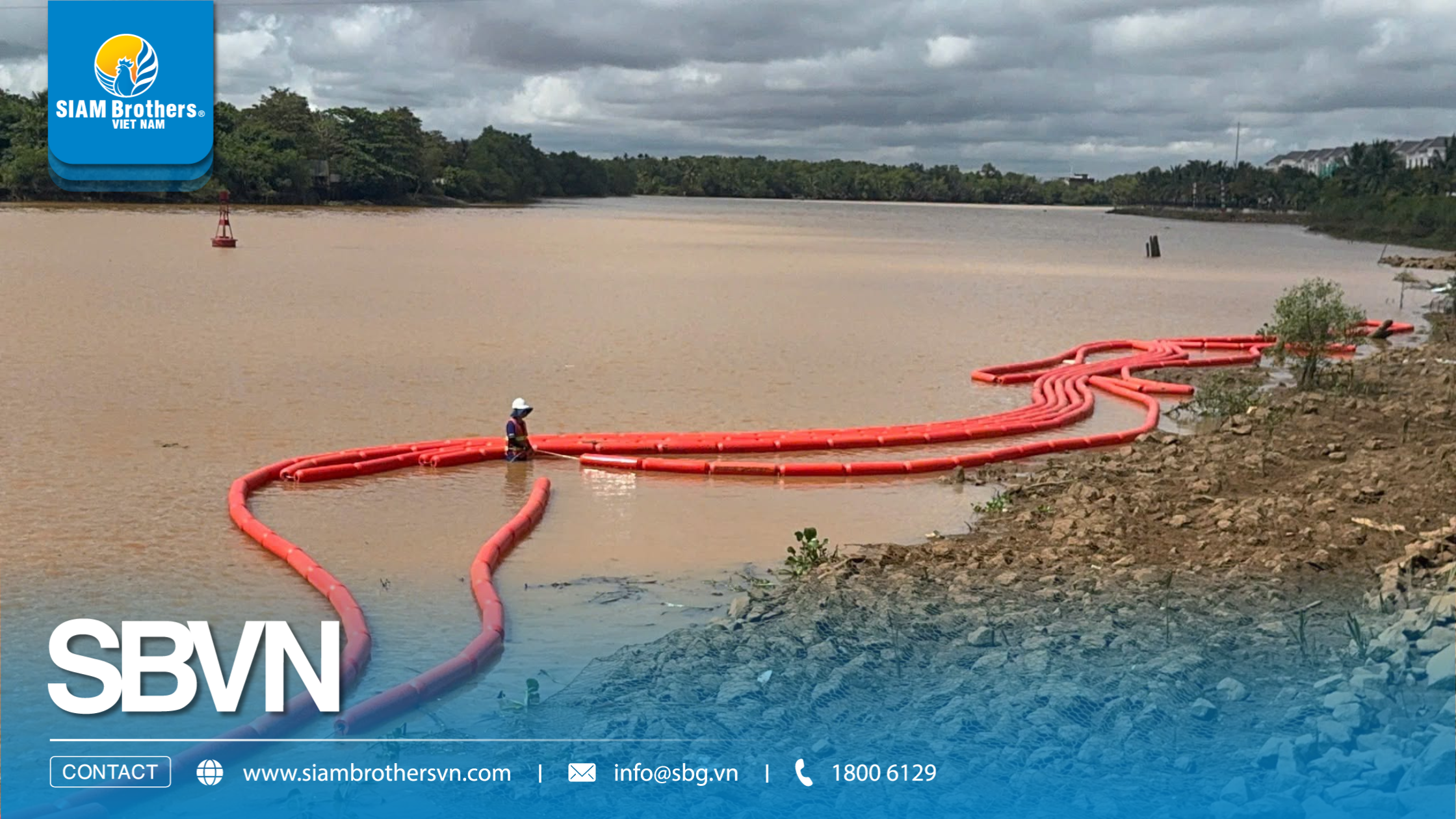
A purpose-built floating trash boom is a system of connected floating units designed to intercept, collect, or guide debris on the surface of rivers, lakes, canals, and other waterways.

A complete floating trash boom system typically includes:

  • Floating boom units: Provide buoyancy and help keep the barrier in position at the water's surface. The material should suit the water environment, weather, and likely impact conditions.
  • Connectors: Join the boom sections into a continuous barrier. Their design directly affects the system's stability and ability to withstand forces.
  • Mooring lines and anchoring points: Help hold the barrier in place despite currents, wind, and changing water levels.
  • Optional nets or debris screens: Can be added depending on the type of waste to be contained and the project's requirements.

LLDPE floats are one option worth considering for outdoor trash boom systems. LLDPE is flexible, corrosion-resistant, and suitable for a range of water environments. SIAM Brothers Vietnam's floating buoy range uses 100% virgin LLDPE and includes products intended for applications such as trash barriers and warning buoys.

Of course, the float material isn't the only thing that determines how well a system works. Float dimensions, connections, moorings, and water-flow conditions all need to be assessed together.
Phao chắn rác nổi chuyên dụng và hệ thống chắn rác tự chế: Nên chọn phương án nào?

1.2. What Is a DIY Trash Barrier System?

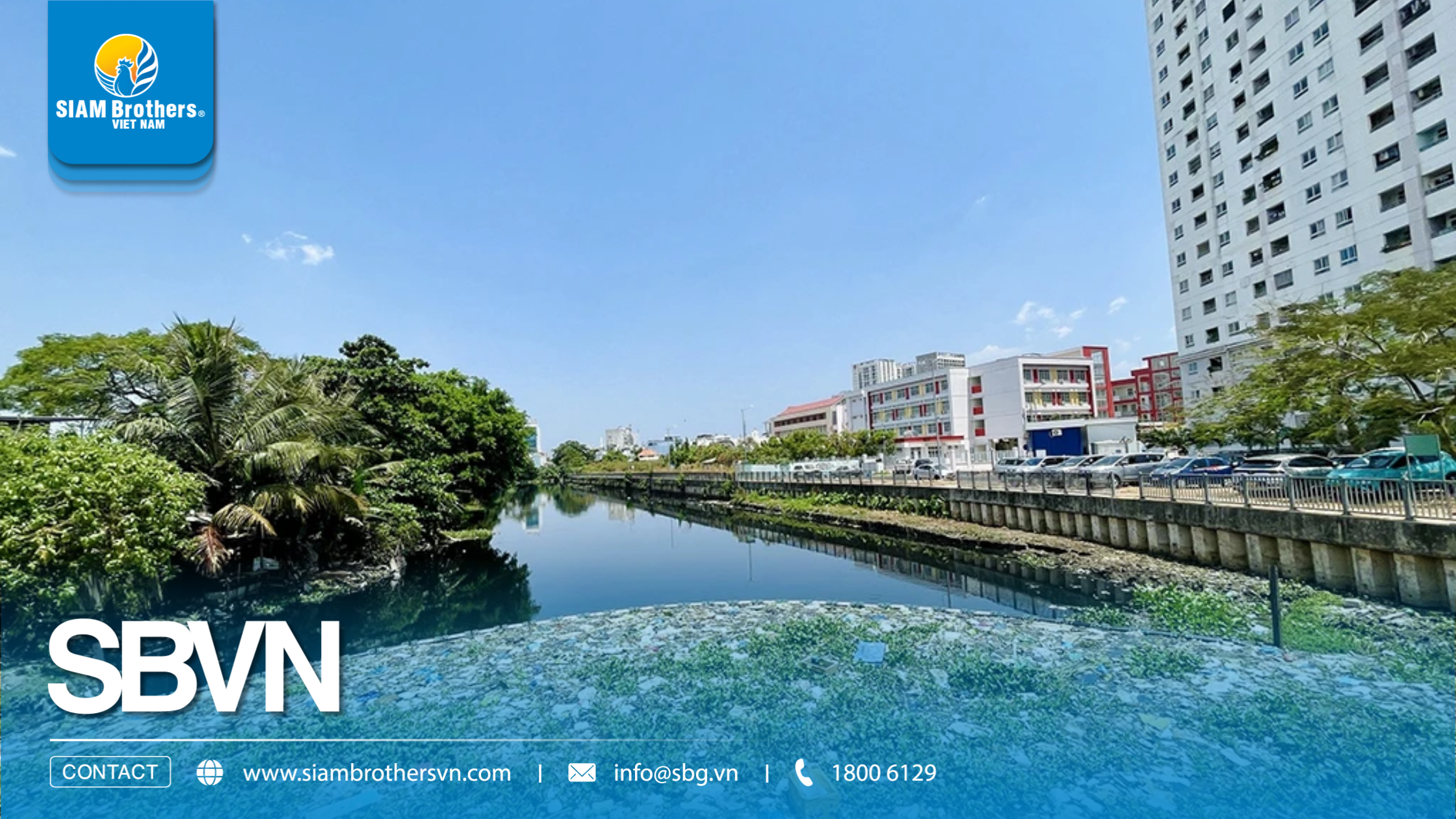
A DIY trash barrier is a floating debris-control system put together by the installer or operator, often using materials already available on-site. This approach is commonly considered for smaller projects, limited budgets, or early trials to see where a barrier might work best.

Materials may include:

  • Plastic containers, drums, or reused floats: Provide buoyancy, but their strength and watertightness need to be checked before use.
  • Ropes, cables, or connecting lines: Join the components and hold the barrier in place.
  • Netting, tarpaulins, or debris screens: Help retain certain types of floating waste, depending on the design.
  • Posts, anchors, or existing tie-off points: Secure the barrier at the installation site.

The appeal of a DIY system is that it can reuse available materials and be adjusted to fit the location. However, if its components differ in size, buoyancy, or strength, the barrier may shift out of position, lose connections, or become unstable in stronger currents.

2. Purpose-Built Floating Trash Booms vs. DIY Barriers: Key Differences

2.1. Durability and Resistance to Environmental Conditions

  • Purpose-built floating trash booms: These are generally designed for use on the water, with materials and construction suited to their intended purpose. Choosing the right product can help the system perform more reliably outdoors and reduce damage caused by unsuitable materials.
  • DIY barriers: Durability depends heavily on the reused materials, how they are connected, and installation quality. An old plastic container may provide buoyancy initially, for example, but you still need to check for leaks, impact resistance, and deterioration before relying on it long-term.
  • Keep in mind: Currents, sunlight, heat, waves, large pieces of trash, and impacts from drifting objects can affect either system. A purpose-built boom isn't automatically suitable for every environment. Always check its technical specifications against actual site conditions.

2.2. Upfront Costs and Ongoing Maintenance

  • Purpose-built floating trash booms: Initial costs may be higher because you need suitable floats, connecting hardware, and a mooring system. On the plus side, components designed to work together can make installation, inspection, and replacement more straightforward.
  • DIY barriers: Reusing available materials may lower the initial cost. But you'll still need to budget for labor, reinforcement, replacing damaged parts, and time spent dealing with failures.
  • How to compare them fairly: Don't stop at the purchase price of the materials. Look at the total cost over the expected service period, including installation, cleaning, maintenance, and replacement.

For example, imagine a trash barrier on a canal with a steady current. If the DIY connections keep coming apart or the barrier regularly drifts out of position, repair and labor costs can add up. By contrast, a simple, properly designed and inspected system may be adequate for a small pond with very little water movement.

2.3. Installation and Replacement of Components

  • Purpose-built booms: Float sections and connectors may come in a defined configuration. Depending on the product design, that can make it easier to join sections, extend the barrier, or replace individual parts.
  • DIY barriers: Installation can be flexible, but it depends on how well the chosen materials work together. If each section uses a different float or connecting line, modifications and repairs can take longer.

Practical installation tip: Before you start, establish the required barrier length, anchoring locations, current direction, and how workers will reach the accumulated waste for collection. Larger projects should have a clear layout or installation plan rather than relying on guesswork.

2.4. Performance in Currents and Changing Water Levels

  • Purpose-built floating trash booms: These can be selected and configured for specific site conditions. However, tensile forces, anchor spacing, and barrier layout still need to be considered to prevent drifting or excessive resistance to water flow.
  • DIY barriers: They may work in relatively calm water. When currents change, water levels fluctuate, or debris accumulates quickly, the system's buoyancy, connections, and strength need closer attention.
  • What to assess: The type of debris, current speed, water depth, changes in water level, and the risk of waste building up against the barrier. A barrier that's too restrictive or poorly positioned can increase the load on its floats and mooring lines.

For rivers, drainage canals, and areas with frequent heavy rain, pay particular attention to forces from both moving water and accumulated waste. Don't make the decision based only on float size or the number of float units.
Phao chắn rác nổi chuyên dụng và hệ thống chắn rác tự chế: Nên chọn phương án nào?

2.5. Quick Comparison: Purpose-Built vs. DIY Trash Barriers

Criteria Purpose-Built Floating Trash Boom DIY Trash Barrier
Upfront cost May be higher, depending on the configuration May be lower when suitable materials are already available
Durability Depends on materials, design, and operating conditions Depends on material condition and assembly quality
Installation Can be simpler when components are designed to work together Flexible, but compatibility needs to be checked
Maintenance Parts may be easier to replace when compatible components are available May require additional reinforcement or replacement materials
Adaptability Can be configured for specific site conditions Depends heavily on the design and installation skills
Best suited for Projects that need a clearly engineered solution Smaller, simpler locations where safety can be assured


3. When Should You Choose a Purpose-Built Floating Trash Boom or a DIY Barrier?

3.1. When a Purpose-Built Floating Trash Boom Makes More Sense

A purpose-built floating trash boom is worth prioritizing when your project involves one or more of these conditions:

  • Rivers and canals: Moving water can put considerable force on the floats, mooring lines, and connections. The system needs an appropriate design to reduce drifting and damage.
  • Long-term operation: If the barrier will be used regularly, selecting materials suited to outdoor exposure makes ongoing operation and maintenance easier to plan.
  • Larger volumes of floating waste: As debris accumulates, loads on the barrier may rise quickly. Float configuration, connectors, and anchors should be selected for actual site conditions.
  • Resorts, tourist destinations, and landscaped waterways: These locations often need a tidy, stable system that fits the surrounding environment.
  • Future expansion or component replacement: A system with coordinated components and accessories may be easier to extend or repair.
  • Difficult maintenance access: If the barrier is far from shore or repairs require significant labor, favor a solution with clear technical specifications and a practical maintenance plan.

For these applications, LLDPE floats are worth considering because of their flexibility and corrosion resistance. SIAM Brothers Vietnam's floating buoy products use 100% virgin LLDPE. Before choosing a model, though, confirm its dimensions, load-bearing characteristics, and installation configuration against your project's requirements.

3.2. When a DIY Trash Barrier May Be Suitable

A DIY system can be a reasonable option when the task is fairly simple and you can verify the quality of the materials. Situations worth considering include:

  • Small ponds or lakes with little current: Calmer water generally makes a barrier easier to keep in place than a fast-flowing channel.
  • Limited amounts of relatively small debris: A simple barrier may meet initial needs if it's properly designed.
  • Testing a collection location: If the best installation point isn't clear yet, a small-scale trial may help before you invest in a complete system.
  • Suitable materials on hand: Reused plastic containers, floats, and connecting lines should only be used after checking watertightness, buoyancy, condition, and strength.
  • Regular supervision and maintenance: DIY systems should be inspected for leaks, loose joints, broken lines, and movement out of position.

Whatever option you choose, don't overlook anchoring and the extra load created by collected waste. If you're using recycled materials, make sure they won't break down, shed plastic fragments, or introduce more pollution into the water.

3.3. What Should You Survey Before Choosing a Floating Trash Boom?

Before buying a purpose-built boom or designing your own barrier, clarify the following:

  • Installation site: Is it a river, lake, drainage canal, aquaculture pond, or coastal area?
  • Currents and water levels: Does water flow continuously? How much does the water level change during the rainy season or with the tides?
  • Types of debris: Are you trying to catch leaves, plastic bags, bottles, or larger drifting objects? The answer affects the barrier layout and whether additional netting is needed.
  • Barrier length: Are you covering a short section or creating a longer barrier line? Length affects float quantity, anchoring points, and connection requirements.
  • Installation and maintenance access: Can crews collect debris from shore? How easy will it be to repair or replace components?
  • Budget and service period: Is this a temporary setup or a long-term system? Include installation and maintenance costs, not just material prices.

From a technical standpoint, the survey team should assess water conditions, expected loads, and mooring arrangements together before recommending a configuration. That's far more reliable than choosing floats by size or price alone.

3.4. Which Floating Trash Barrier Works Best in Different Situations?

  • Small ornamental pond: A DIY barrier may be worth considering when waste volumes are low, the water is calm, and regular inspections are possible.
  • Residential drainage canal: Prioritize a solution designed around currents, debris loads, and changing water levels, especially during the rainy season.
  • River with regular floating debris: Consider a purpose-built floating boom system with suitable moorings and a practical waste-collection plan. A careful survey is needed to avoid excessive resistance as debris builds up.
  • Tourist destination or aquaculture facility: Choose a solution that suits daily operation, the visual setting, and local environmental conditions. For long-term use, prioritize materials with clear technical specifications.

​​Phao chắn rác nổi chuyên dụng và hệ thống chắn rác tự chế: Nên chọn phương án nào?

4. Frequently Asked Questions About Floating Trash Booms

4.1. Can Floating Trash Booms Be Used in Saltwater?

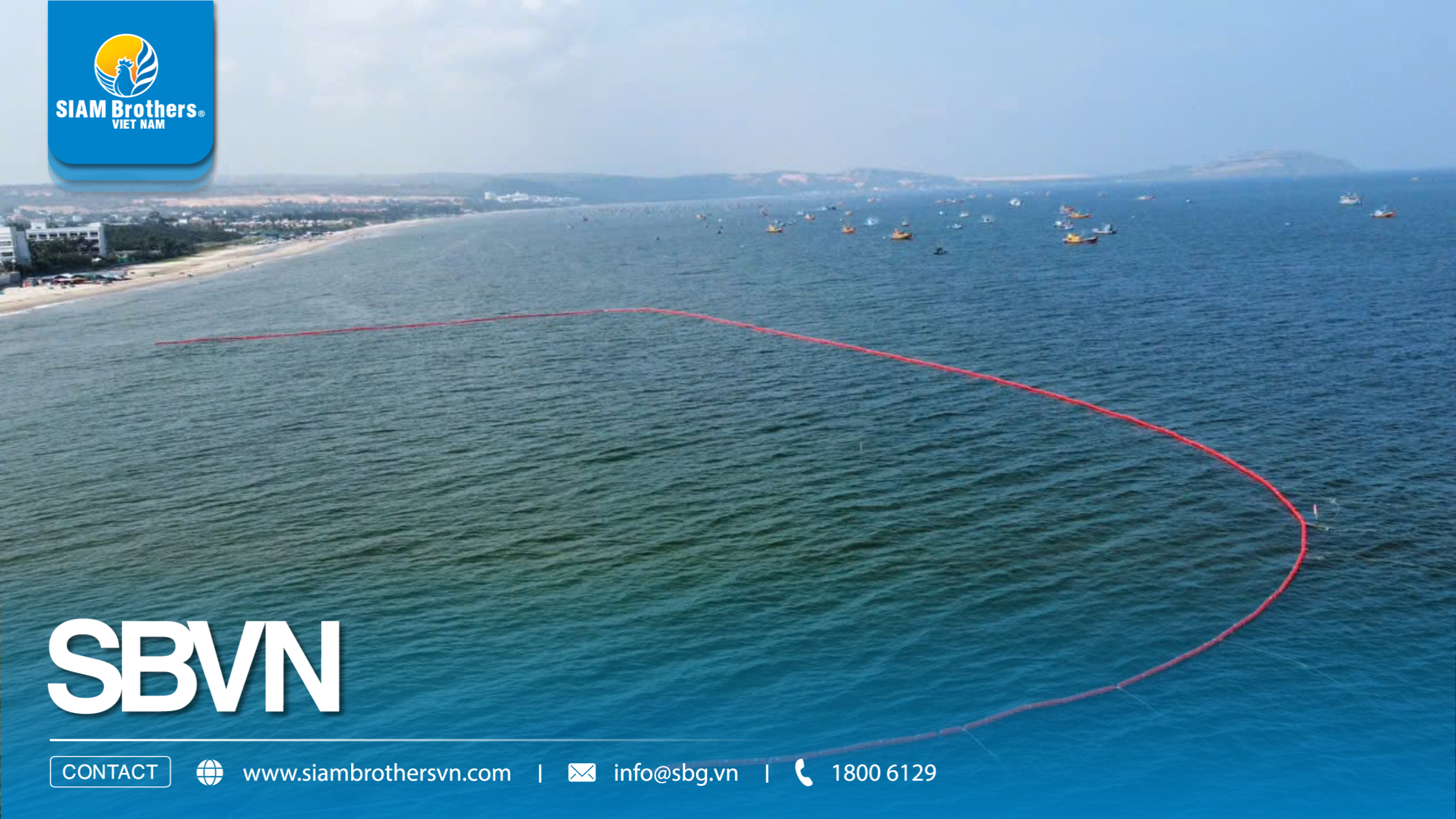
Yes, provided the floats and their accessories are suitable for saltwater conditions. LLDPE resists corrosion, but mooring lines, connectors, and metal components also need to be checked for corrosion resistance. Before installing a system near a river mouth or along the coast, assess waves, tides, wind, and currents.

Don't assume that a corrosion-resistant float body means the entire system will perform reliably in every marine environment.

4.2. What Types of Waste Can a Floating Trash Boom Catch?

Floating trash booms mainly intercept or redirect waste on the water's surface, such as leaves, plastic bags, bottles, and some other drifting objects. Smaller debris that could pass through gaps may require additional netting or an appropriate debris screen.

Actual performance depends on the barrier design, gaps between components, current direction, and collection method. A standard floating boom does not remove waste that has sunk to the bottom.

4.3. Are Purpose-Built Floating Trash Booms Always Cheaper Than DIY Systems?

No, not always. A DIY barrier may cost less upfront if suitable materials are already available. A purpose-built boom, meanwhile, may be easier to assemble consistently or repair by replacing individual components.

For a meaningful comparison, include material costs, installation labor, cleaning, maintenance, repairs, and replacements over the expected service period. A simple system may be enough for a small, calm pond. In areas with stronger currents or heavier debris loads, however, stability and loading need careful assessment before you decide.

4.4. What Information Should You Provide When Asking About Floating Trash Booms?

To help the supplier recommend a suitable product and give you a more realistic cost estimate, prepare:

  • Installation location: River, lake, canal, tourist destination, or coastal site.
  • Barrier length: Approximate length and planned layout of the barrier line.
  • Water conditions: Whether currents are strong or weak, and whether water levels change often.
  • Types of waste: Leaves, plastic bags, bottles, or larger drifting debris.
  • Additional requirements: Whether you need netting, mooring lines, connectors, or installation assistance.
  • Photos or videos of the site: Visual information can make the initial assessment more specific.

At SIAM Brothers Vietnam, understanding the intended use and actual site conditions is the starting point for advising on a suitable float product. Projects with more demanding technical requirements should have an on-site survey and confirmed product specifications before the final configuration is approved.

4.5. Do LLDPE Floating Trash Booms Need Regular Maintenance?

Yes. Even when the floats are made from corrosion-resistant material suited to outdoor use, the entire system still needs regular inspection. Check float bodies, connectors, mooring lines, and anchoring points for cracks, loose joints, or movement out of position. Remove accumulated waste promptly to prevent excessive loading, particularly after heavy rain or during stronger currents.

Set the inspection frequency according to actual site conditions. Locations with more debris, waves, or fluctuating currents generally need closer monitoring.
Phao chắn rác nổi chuyên dụng và hệ thống chắn rác tự chế: Nên chọn phương án nào?

So, should you choose a purpose-built floating trash boom or a DIY system? It depends on the installation site, the amount of debris you need to control, water-flow conditions, and your budget. For a small pond or lake with limited water movement, a properly designed DIY system may be sufficient if the materials and structure are safe. For rivers, canals, or sites that require long-term operation, a purpose-built boom is worth considering because its materials, accessories, and layout can be selected to fit the project. SIAM Brothers Vietnam's LLDPE floats may be an option for suitable trash-barrier applications. Explore the solutions from SIAM Brothers Vietnam and contact the team to discuss a floating trash boom that matches your site conditions and operational needs.

Source: SIAM Brothers Vietnam


Contact us:

► Address: 5th floor, VRG Building, 177 Hai Ba Trung Street., Xuan Hoa Ward, Ho Chi Minh City, Vietnam

► Hotline: 1800 6129

► Tel: (+84) 28 38 912 889

► Email: info@sbg.vn

► Follow us for more details at: Facebook - Zalo OA - Tiktok - Youtube - LinkedIn

Download SBVN ID app here:

► CHPlay

► Appstore

Phao chắn rác nổi chuyên dụng và hệ thống chắn rác tự chế: Nên chọn phương án nào?