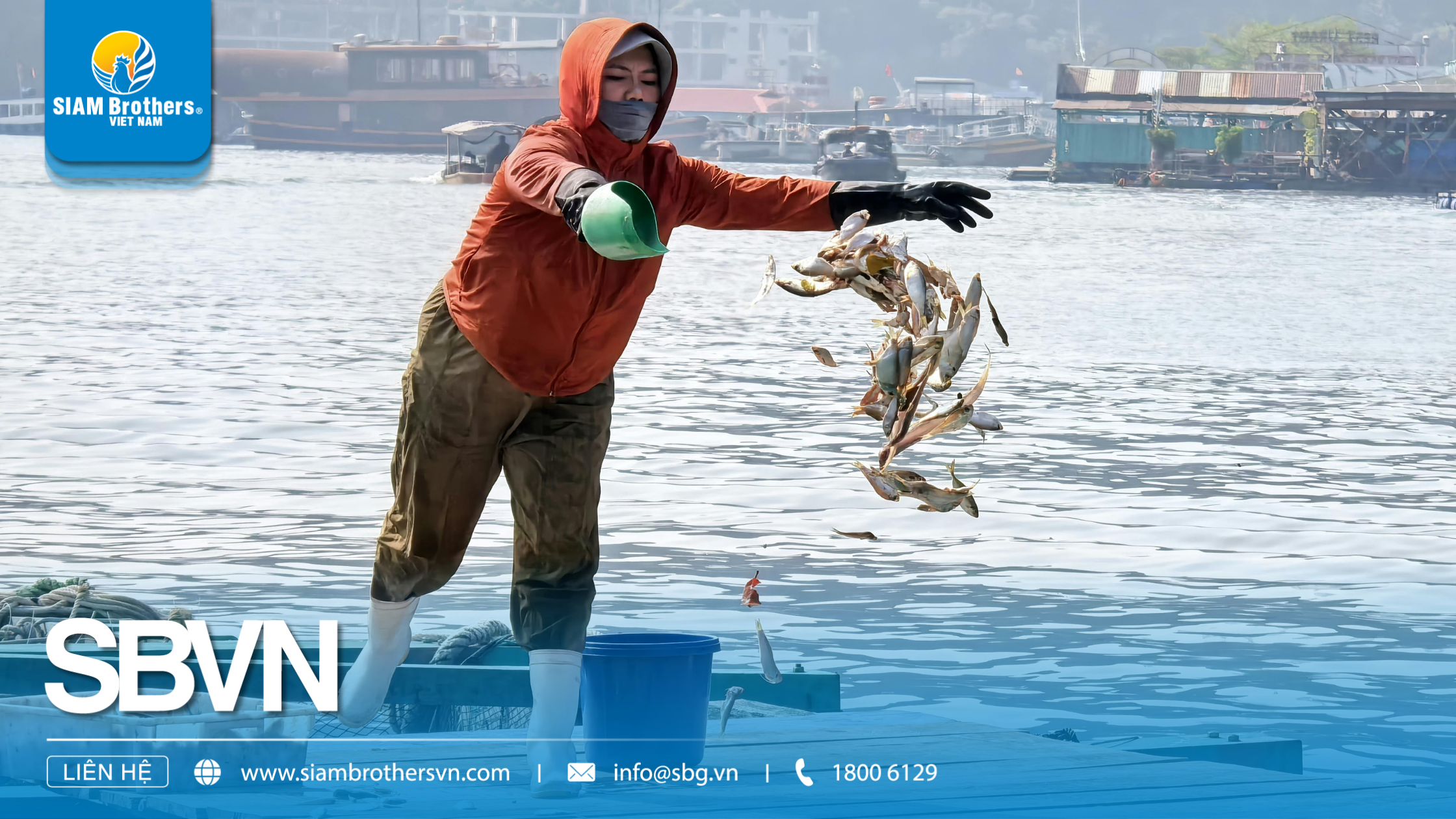
Industry News

Freshwater Fish Farming Techniques in Earthen Ponds for High Productivity

  • 16/03/2026

Freshwater Fish Farming techniques in earthen ponds help increase productivity while reducing operational costs

Freshwater Fish Farming is increasingly becoming a sustainable production model that generates stable income for households and aquaculture farms in Vietnam, thanks to its reasonable investment costs and the ability to utilize existing pond areas. However, to achieve high productivity and minimize disease risks, farmers must apply proper Freshwater Fish Farming techniques in earthen ponds, from pond preparation and fingerling selection to optimal stocking density, feeding management, and water quality control.

Therefore, mastering a scientific farming process, selecting suitable aquaculture equipment, and applying practical experience will help fish grow faster, reduce production costs, and improve overall profitability. In this article, SIAM Brothers Vietnam will guide you through effective steps for successful earthen pond fish farming.

1. What is Freshwater Fish Farming in Earthen Ponds?

1.1 Definition of Freshwater Fish Farming in Earthen Ponds

Freshwater Fish Farming in earthen ponds is a method of raising fish in ponds constructed or improved from natural soil, where water conditions are managed to create an optimal environment for fish growth and development.

Key characteristics of this farming model include:

  • Using natural soil ponds or excavated ponds as the main farming area
  • Water sources primarily come from rivers, canals, streams, or groundwater
  • Suitable for both monoculture and polyculture systems to maximize natural food sources
  • The farming process includes pond preparation, stocking, feeding management, water quality control, and harvesting

Thanks to its flexibility and low initial investment, Freshwater Fish Farming in earthen ponds is widely adopted by households, farms, and aquaculture cooperatives.
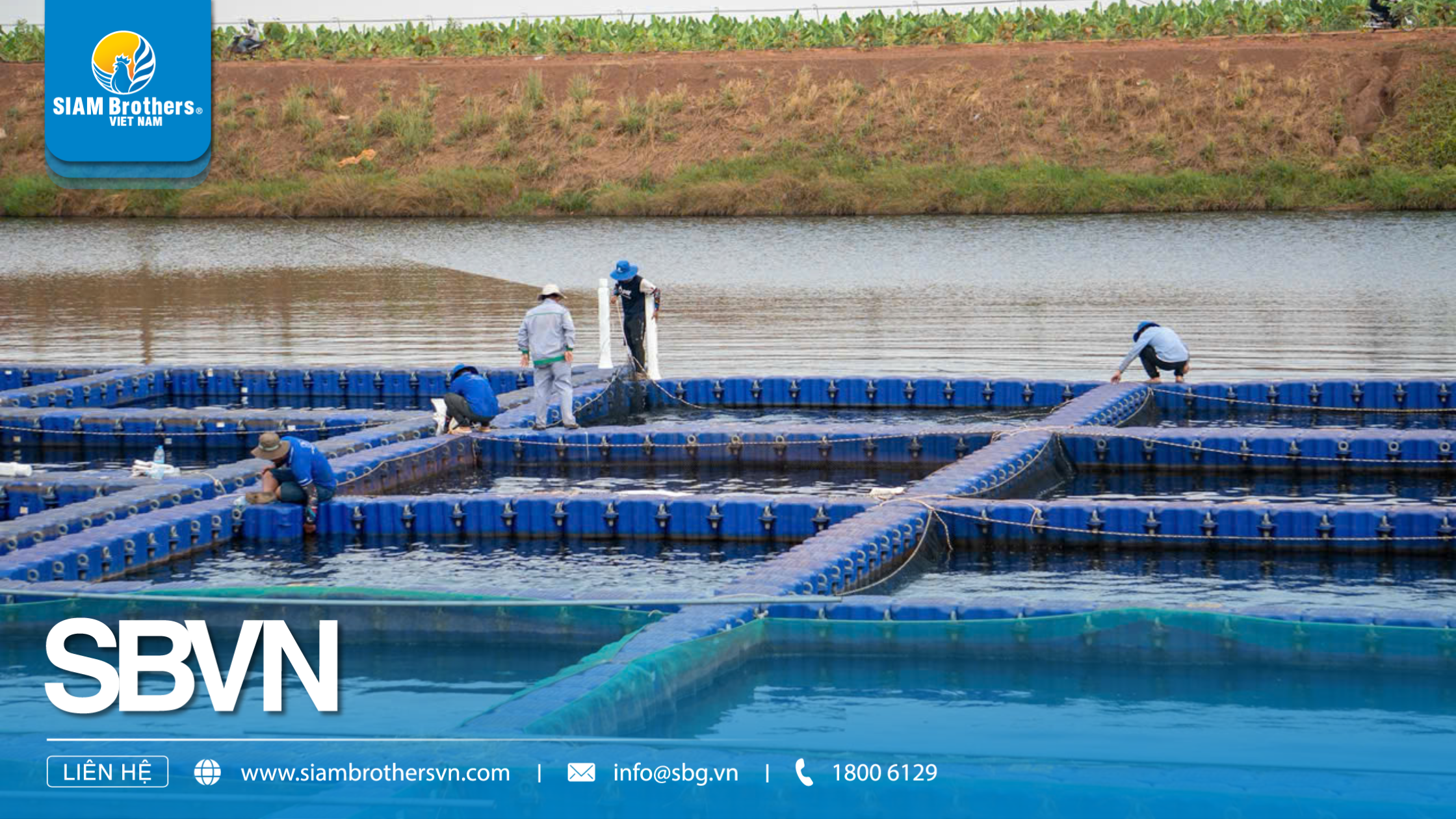
Kỹ thuật nuôi cá nước ngọt trong ao đất cho năng suất cao

1.2 Why is Freshwater Fish Farming in Earthen Ponds Widely Applied?

In practice, many farmers choose this model due to its practical benefits in aquaculture production.

1.2.1 Relatively Low Initial Investment Cost

  • Existing household ponds can be utilized or upgraded at a low cost
  • No requirement for complex systems like recirculating aquaculture systems
  • Suitable for small-scale farmers, medium-sized farms, and distribution-linked aquaculture operations

1.2.2 Suitable Environmental Conditions for Various Fish Species

  • Earthen ponds provide a natural-like habitat that supports fish adaptation
  • Natural food sources in ponds contribute to fish growth
  • Multiple freshwater species can be cultured to optimize productivity

1.2.3 Easy Management and Scalability

  • Farmers can easily monitor fish growth and health conditions
  • Pond areas can be expanded as production scales up
  • Suitable for commercial farming targeting both domestic and export markets

2. Advantages of Freshwater Fish Farming in Earthen Ponds

2.1 Reasonable Initial Investment Cost

One of the key reasons farmers choose Freshwater Fish Farming in earthen ponds is the relatively low investment compared to high-tech aquaculture models.

Cost-related advantages include:

  • Utilizing natural ponds or upgrading existing earthen ponds for fish farming
  • No need for complex infrastructure like closed-loop systems
  • Suitable for small households, medium-scale farms, and aquaculture supply chains
  • Lower construction costs compared to concrete tanks or industrial systems

2.2 Efficient Use of Natural Food Sources

Earthen ponds often contain rich natural ecosystems that support the growth of freshwater fish.

Benefits of natural food sources include:
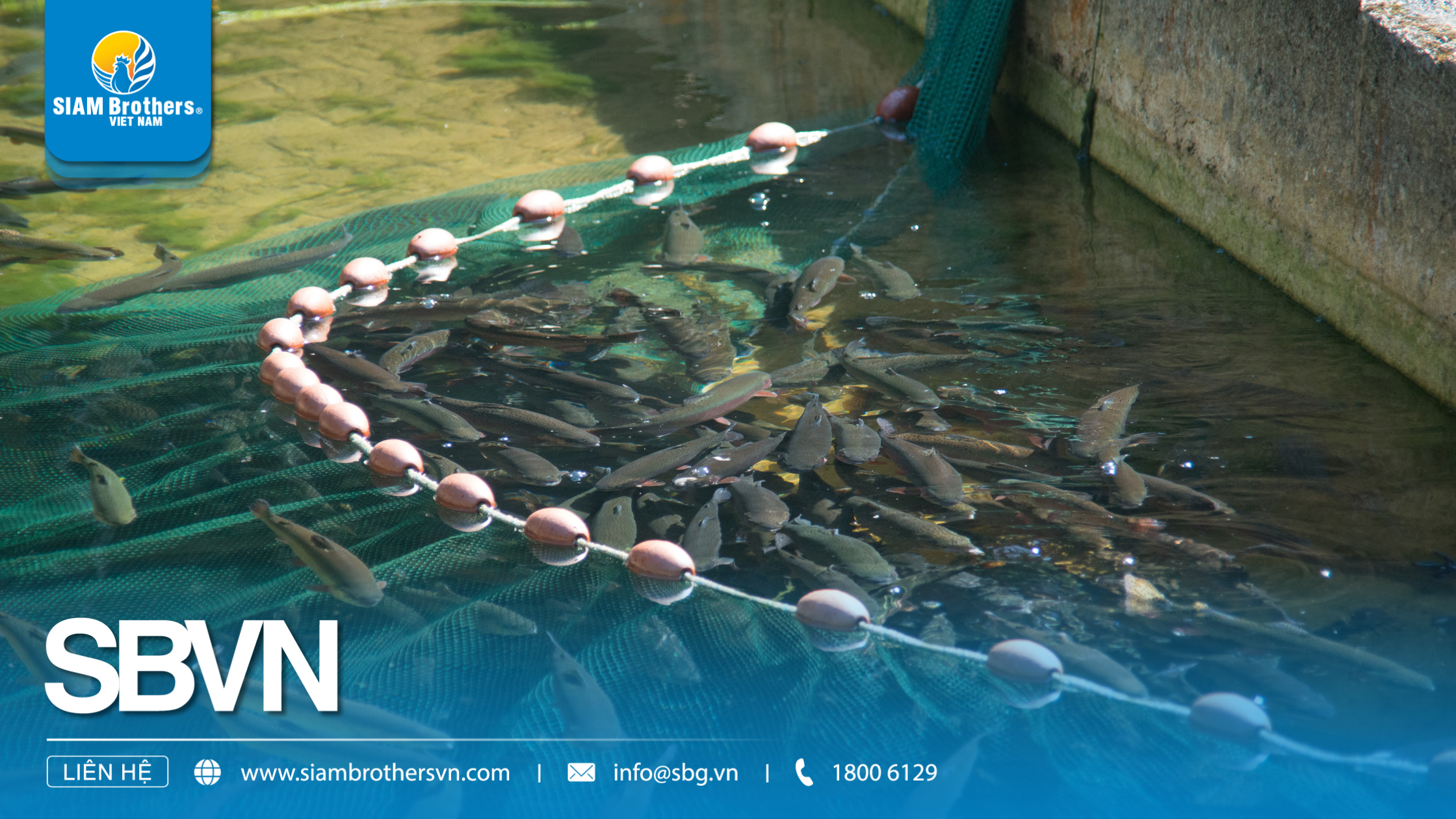
  • Development of plankton and microorganisms as natural feed
  • Utilization of algae, aquatic plants, and bottom organisms
  • Reduced feed costs during early farming stages
  • Improved adaptability of fish to the pond environment

Kỹ thuật nuôi cá nước ngọt trong ao đất cho năng suất cao

2.3 Suitable for a Wide Range of Freshwater Fish Species

Earthen ponds allow farmers to culture various fish species depending on water conditions and market demand.

Common species include:

  • Tilapia, known for fast growth and strong adaptability
  • Grass carp, which utilize plant-based food sources
  • Common carp, suitable for polyculture systems
  • Pangasius, a high-value species for commercial production
  • Snakehead fish, popular due to stable market demand

3. Preparing Standard Earthen Ponds for Freshwater Fish Farming

3.1 Selecting the Right Location and Pond Design

In Freshwater Fish Farming, pond location is the first critical factor to consider. The pond must ensure a stable water source and allow efficient water supply and drainage.

Key criteria for selecting a suitable pond location include:

  • Located near clean water sources such as rivers, canals, or irrigation systems
  • Situated in areas with minimal pollution from residential or industrial activities
  • Accessible to electricity and transportation for efficient farm management

When designing the pond, farmers should ensure the following technical specifications:

  • Pond area typically ranges from 500 m² to 5,000 m² depending on farming scale
  • Average water depth between 1.5 m and 2.5 m
  • Strong pond embankments to prevent leakage

Separate water inlet and outlet systems for better environmental control

A properly designed pond ensures that Freshwater Fish Farming in earthen ponds operates efficiently and maintains stable environmental conditions.

3.2 Pond Preparation Before Stocking

Pond preparation is essential to eliminate harmful elements and create a suitable environment for fish growth.

Common pond preparation steps include:

  • Draining the pond completely and removing sludge, debris, and aquatic plants
  • Repairing and reinforcing pond banks to prevent erosion
  • Eliminating predatory fish, harmful organisms, and disease pathogens
  • Drying the pond bottom for an appropriate period to destroy harmful microorganisms

Proper pond preparation creates a safe environment for Freshwater Fish Farming and reduces disease risks during the early stages.

3.3 Water Treatment Before Stocking Fish

After pond preparation, water treatment is necessary to ensure optimal environmental conditions for fish development.

Key water treatment steps include:

  • Applying lime to stabilize pH and improve pond bottom quality
  • Filling the pond gradually to control water depth and quality
  • Monitoring key parameters such as pH, alkalinity, and water transparency
  • Establishing a natural microbial ecosystem before stocking fingerlings

Effective water quality management helps fish adapt quickly and improves survival rates in Freshwater Fish Farming systems.

3.4 Preparing Equipment and Aquaculture Materials

In addition to pond preparation, farmers must prepare essential equipment to manage the farming system effectively.

Common materials used in Freshwater Fish Farming include:

  • Protective nets or fencing systems to prevent fish escape
  • Ropes and multipurpose lines for securing nets and farming structures
  • HDPE floats to support net systems or floating equipment
  • Tools for monitoring water quality and environmental conditions

Applying durable aquaculture materials contributes to long-term efficiency and sustainability in fish farming operations.
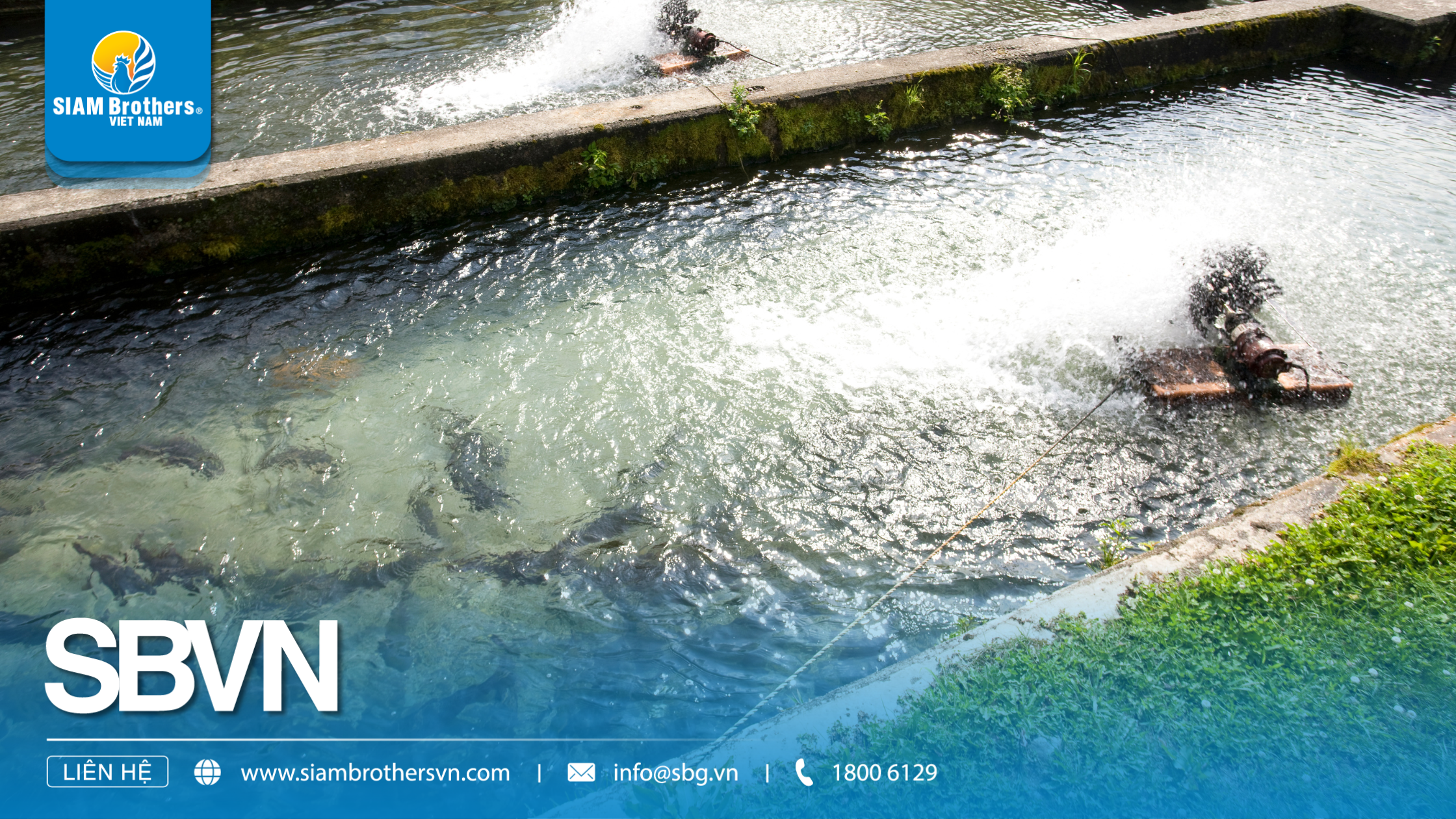
Kỹ thuật nuôi cá nước ngọt trong ao đất cho năng suất cao

4. Fish Care and Management Techniques in Earthen Ponds

4.1 Feed and Nutrition Management

In Freshwater Fish Farming, feed directly affects fish growth performance. Proper feeding practices ensure stable growth and minimize feed waste.

Key feeding principles include:

  • Selecting appropriate feed types based on species and growth stages
  • Feeding at fixed times to establish consistent feeding habits
  • Providing balanced feed quantities to avoid water pollution
  • Monitoring feeding behavior to adjust feed ratios accordingly
  • Utilizing natural food sources in the pond to reduce costs

Effective feed management improves uniform growth and enhances economic returns.

4.2 Water Quality Management

Water quality is a critical factor in Freshwater Fish Farming in earthen ponds. Poor water conditions can lead to stress, slow growth, and increased disease risks.

Key parameters to monitor include:

  • pH levels suitable for specific fish species
  • Water transparency to maintain ecological balance
  • Dissolved oxygen levels sufficient for fish respiration
  • Water temperature appropriate for growth

Measures to maintain stable water conditions include:

  • Periodic water exchange to reduce waste accumulation
  • Applying lime or biological products to improve water quality
  • Controlling excessive algae growth

Proper water management ensures healthy fish growth and reduces farming risks.

4.3 Monitoring Fish Growth

Throughout the Freshwater Fish Farming cycle, farmers should regularly monitor fish development to adjust management strategies.

Monitoring activities include:

  • Tracking growth rates at different stages
  • Observing swimming behavior and fish responsiveness
  • Evaluating stocking density and adjusting when necessary

Regular monitoring helps detect issues early and ensures stable production.

4.4 Disease Prevention in Fish Farming

Disease prevention is essential to maintain productivity and minimize losses in Freshwater Fish Farming.

Effective preventive measures include:

  • Selecting healthy fingerlings with clear origins
  • Maintaining clean and stable water conditions
  • Avoiding overstocking
  • Supplementing nutrients and vitamins to enhance immunity
  • Observing abnormal signs for timely intervention

Proactive disease management supports sustainable aquaculture operations.
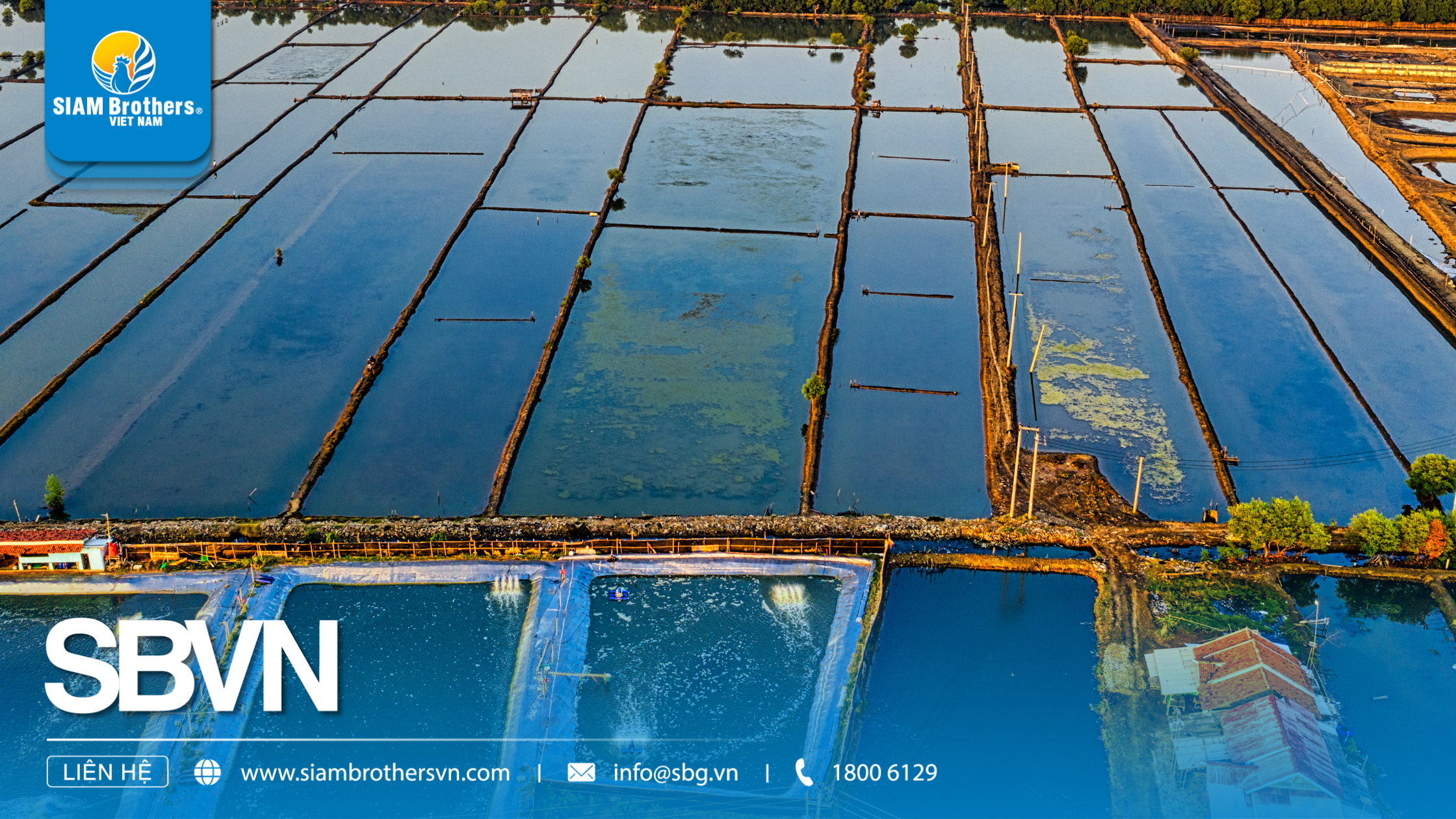
Kỹ thuật nuôi cá nước ngọt trong ao đất cho năng suất cao

5. Frequently Asked Questions (FAQs)

5.1 How long does it take to harvest freshwater fish?

Harvest time in Freshwater Fish Farming depends on species, stocking density, environmental conditions, and feeding practices.

Typical timelines include:

  • Tilapia: 5–7 months
  • Carp and grass carp: 7–10 months
  • Snakehead fish: 4–6 months
  • Pangasius: 6–8 months

Proper management can shorten farming cycles and improve productivity.

5.2 Which freshwater fish species are easy to farm for beginners?

For beginners in Freshwater Fish Farming, selecting adaptable species is crucial.

Common choices include:

  • Tilapia for fast growth and resilience
  • Carp for easy management and low disease risk
  • Grass carp for utilizing natural plant-based feed
  • Snakehead fish for high market value

Choosing suitable species simplifies management and improves efficiency.

5.3 What is the ideal pond size for freshwater fish farming?

Pond size varies depending on farming scale:

  • Household ponds: 500–1,000 m²
  • Commercial farms: 1,000–5,000 m²
  • Water depth: 1.5–2.5 m
  • Separate inlet and outlet systems required

Proper pond design ensures efficient operation and environmental control.

5.4 How to help fish grow faster and stay healthy?

Key practices include:

  • Selecting high-quality fingerlings
  • Preparing ponds according to technical standards
  • Managing feed properly to avoid water pollution
  • Regularly monitoring and adjusting water quality
  • Observing fish behavior to detect early warning signs

Kỹ thuật nuôi cá nước ngọt trong ao đất cho năng suất cao

Freshwater Fish Farming in earthen ponds is a practical and cost-effective aquaculture model suitable for households, farms, and businesses. By applying proper techniques—from pond preparation and fingerling selection to feed management and water quality control—farmers can improve survival rates and achieve stable productivity.

In addition, using high-quality aquaculture materials and maintaining regular monitoring play a crucial role in ensuring long-term efficiency and sustainability. If you are looking for reliable solutions such as aquaculture ropes, HDPE floats, or supporting equipment, explore SIAM Brothers Vietnam’s product range to find the most suitable options for your fish farming system.

Source: SIAM Brothers Vietnam


Contact us:

► Address: 5th floor, VRG Building, 177 Hai Ba Trung Street., Xuan Hoa Ward, Ho Chi Minh City, Vietnam

► Hotline: 1800 6129

► Tel: (+84) 28 38 912 889

► Email: info@sbg.vn

 Follow us for more details at: Facebook - Zalo OA - Tiktok - Youtube - LinkedIn

Download SBVN ID app here:

 CHPlay

► Appstore

Kỹ thuật nuôi cá nước ngọt trong ao đất cho năng suất cao