
- 1800 6129

Types of Floating Buoys play a crucial role in the safety, load-bearing performance, and service life of fish cage systems—especially as the storm season approaches. Choosing the wrong buoy may seem like a small decision, but it can lead to structural damage, fish loss, costly repairs, and unexpected downtime.
So, which floating buoy performs best in rough seas, strong winds, and harsh marine environments?
In this guide, SIAM Brothers Vietnam explores the most common Types of Floating Buoys used in aquaculture today. We'll compare different buoy materials, highlight their strengths and limitations, and share practical tips for selecting the right solution based on your farming conditions. Whether you're operating offshore fish cages or planning to upgrade your floating infrastructure before storm season, this guide will help you make a more informed investment.
For many fish farmers, the storm season is the most challenging time of the year. Strong winds, rough waves, and changing currents place tremendous stress on floating cage systems. In many cases, system failures don't begin with the cage frame or mooring lines, they start with selecting Types of Floating Buoys that aren't designed for the actual operating conditions.
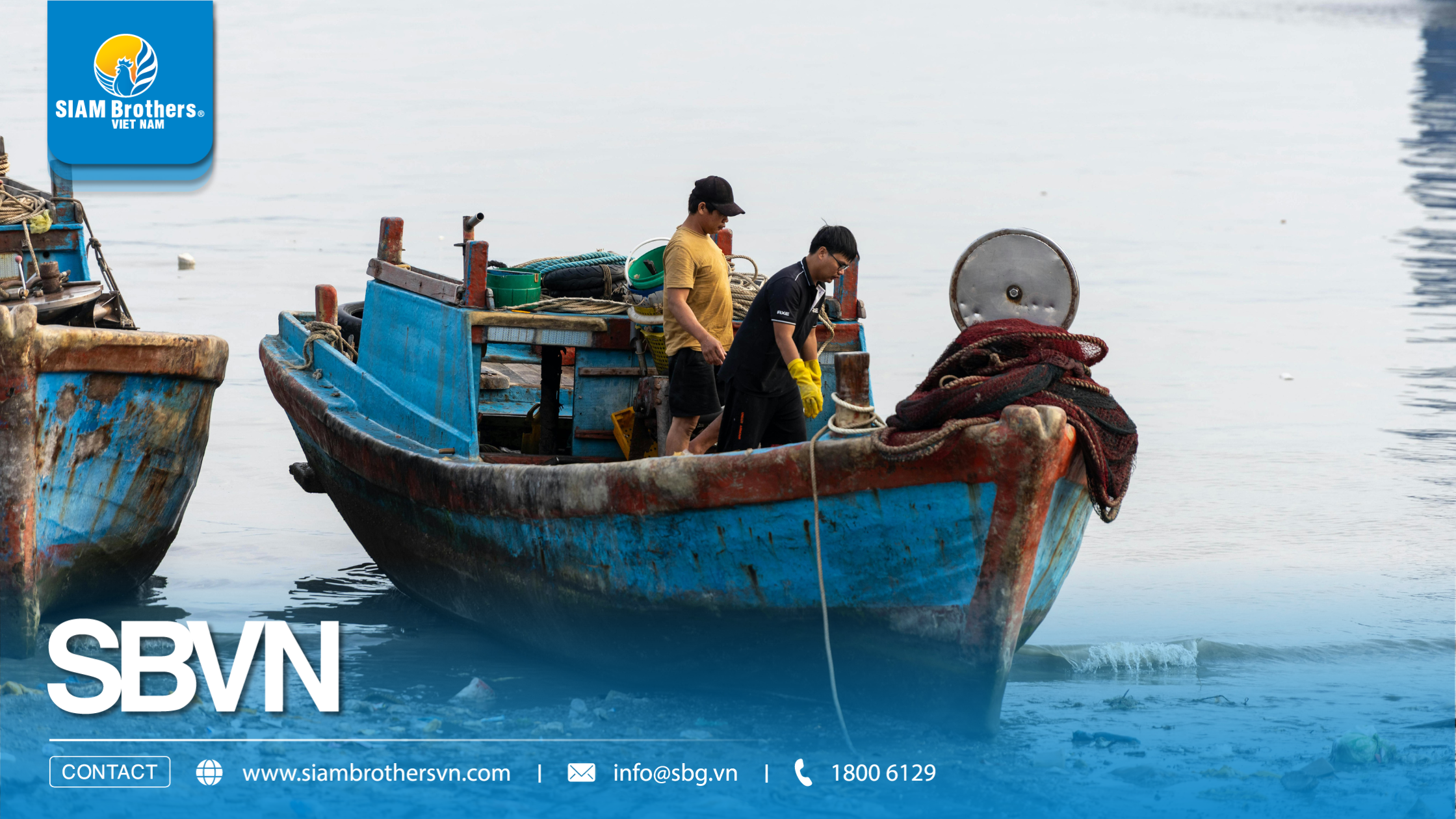
Investing in the right floating buoys before the storm season is one of the most effective ways to improve system stability, reduce maintenance costs, and protect your aquaculture investment over the long term.
Not every floating buoy is suitable for every aquaculture project. Wave height, water conditions, cage size, and operating loads vary from one location to another, so buoy selection should always be based on real operating requirements rather than price alone.
A properly designed floating buoy system offers several important benefits:
For example, offshore aquaculture farms located in regions frequently affected by tropical storms often achieve better long-term stability by using high-quality HDPE floating buoys instead of products made from materials that degrade quickly or have lower impact resistance.
Under normal conditions, floating buoys mainly support the weight of the cage frame, walkways, equipment, and fish biomass. During the storm season, however, these structures must withstand significantly greater forces.
Some of the biggest challenges include:
Choosing the right floating buoy starts with understanding the strengths and limitations of each option. Among today's Types of Floating Buoys, every material is designed to meet different operational needs, water conditions, and investment budgets.
For offshore fish farming, durability and structural stability are often the top priorities. In calmer waters, however, a more cost-effective solution may be sufficient. Understanding these differences will help you select the most suitable buoy system while avoiding unnecessary maintenance and replacement costs in the future.
Among the most widely used Types of Floating Buoys, HDPE Floating Buoys have become the preferred solution for commercial fish farms and offshore aquaculture projects. Their exceptional durability and long service life make them well suited for demanding marine environments where strong waves, saltwater, and harsh weather are constant challenges.
Key Features
Best Suited For
What to Consider Before Buying
Before choosing HDPE floating buoys, it's worth checking a few key specifications:
Based on the experience of SIAM Brothers Vietnam's engineering team, HDPE floating buoys consistently deliver reliable performance in coastal areas exposed to high waves and seasonal tropical storms, thanks to their ability to maintain long-term buoyancy and structural integrity.
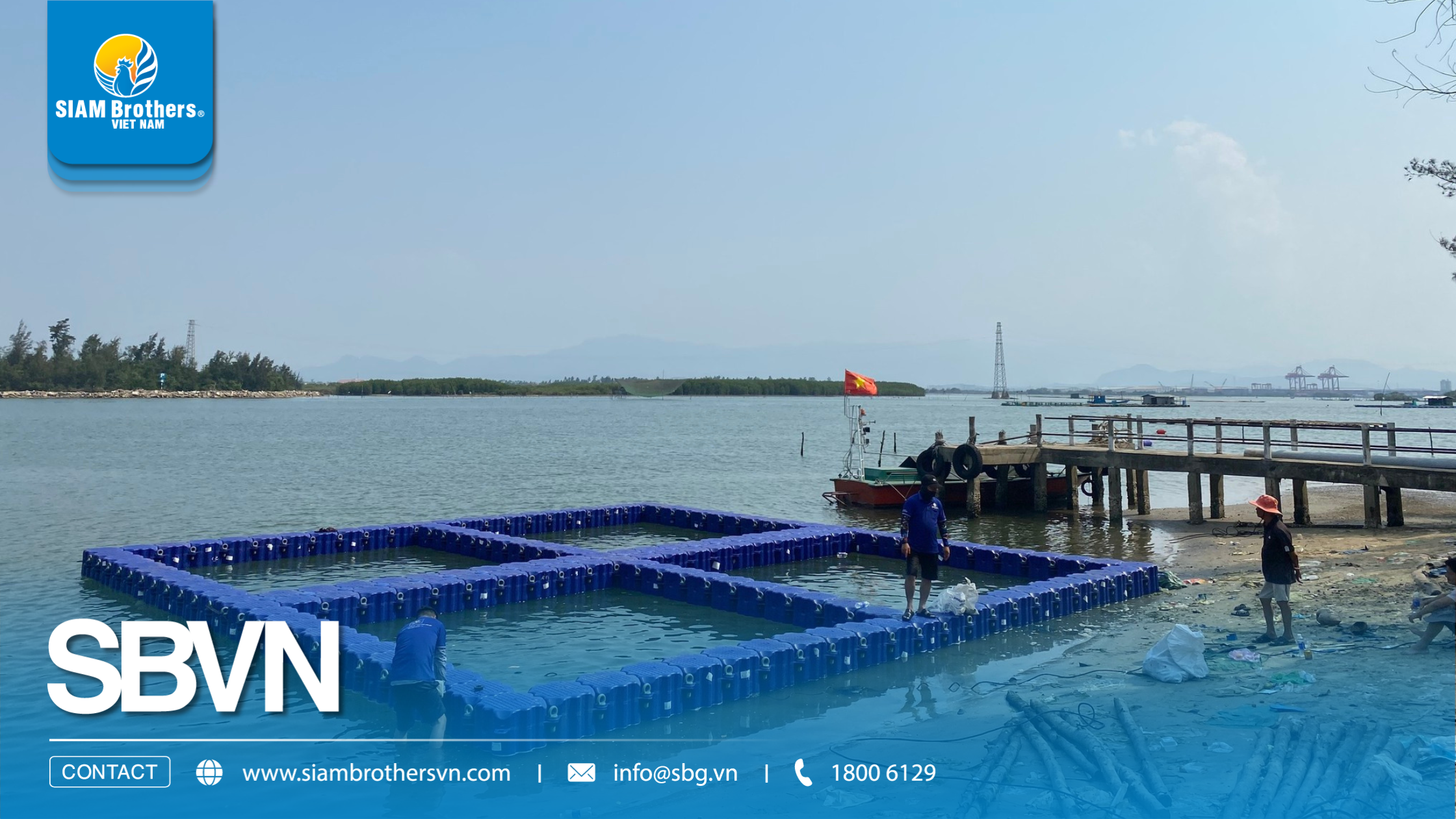
EPS floating buoys have long been used in traditional aquaculture because of their affordable initial cost. They can perform well in calm inland waters, but they may not be the best option for offshore fish farming where environmental conditions are much more demanding.
Advantages
Limitations
Best Suited For
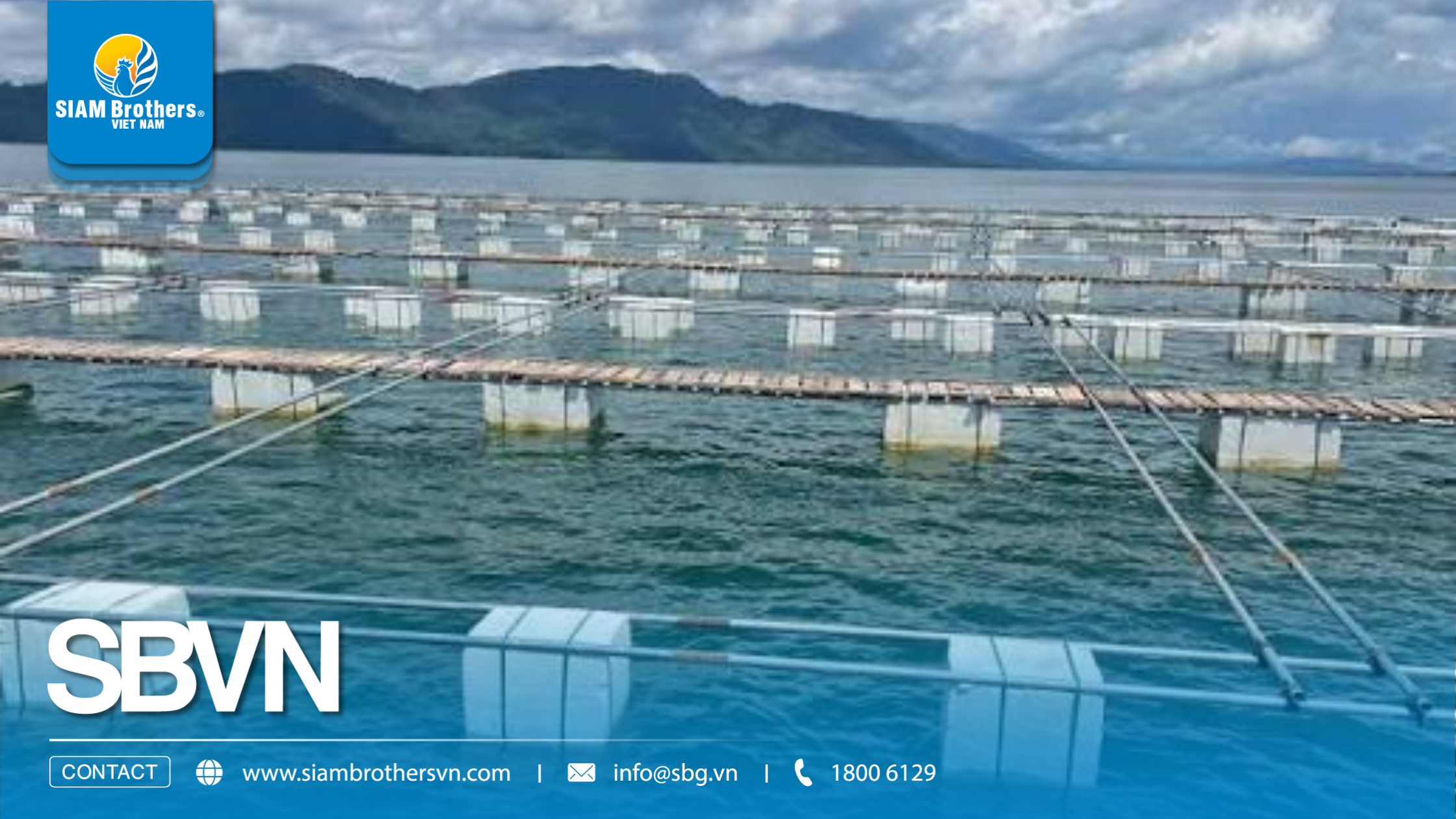
| Criteria | HDPE Floating Buoys | Plastic-Coated EPS Floating Buoys | Composite Floating Buoys |
| Performance in rough waves | Excellent | Poor | Good |
| UV resistance | Excellent | Moderate | Good |
| Seawater corrosion resistance | Excellent | Moderate | Good |
| Impact resistance | Excellent | Poor | Fair |
| Stability in strong winds | Excellent | Poor | Good |
| Service life | Long | Moderate | Long |
| Maintenance cost | Low | High | Moderate |
| Initial investment | Medium to High | Low | High |
| Recommended for offshore aquaculture | Highly recommended | Not recommended | Suitable for selected applications |
| Suitable for freshwater ponds and reservoirs | Yes | Yes | Yes |
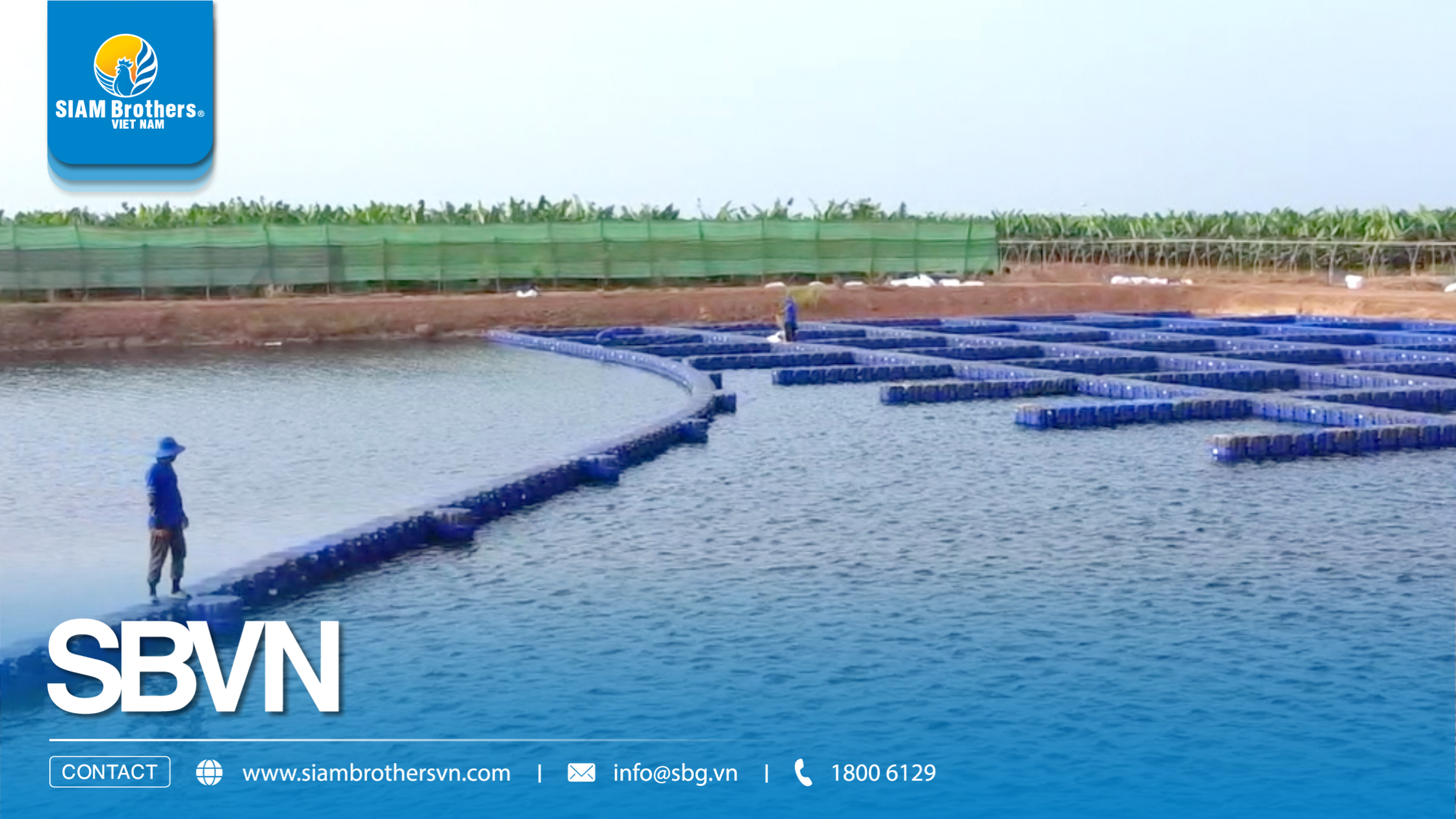
When comparing different Types of Floating Buoys, HDPE Floating Buoys consistently stand out as the preferred solution for offshore aquaculture. Their superior durability, excellent buoyancy, and long service life make them particularly well suited for coastal regions that experience frequent storms, rough seas, and strong currents.
Based on the engineering expertise and project experience of SIAM Brothers Vietnam, HDPE buoy systems provide a dependable, long-term solution that helps fish farmers reduce operational risks while improving overall system reliability.
In rough marine conditions, floating buoys are constantly exposed to waves, wind, and changing ocean currents. If the material lacks sufficient strength, deformation or structural damage can occur much sooner than expected.
HDPE Floating Buoys are widely trusted because they offer:
For example, offshore farms located in high-wave coastal regions often experience greater structural stability when using HDPE floating buoys compared to products made from materials with lower impact resistance.
During the storm season, floating cage systems must withstand far more than environmental loads.
Common challenges include:
Using floating buoys with poor impact resistance significantly increases the risk of structural damage.
HDPE Floating Buoys help minimize these risks through:
Many buyers compare Types of Floating Buoys based solely on their purchase price. However, for fish cage systems expected to operate for many years, long-term maintenance costs often have a much greater impact on the total investment.
HDPE Floating Buoys help reduce operating expenses by:
For large-scale offshore aquaculture businesses, minimizing operational interruptions can translate into substantial long-term financial savings.
Today's offshore aquaculture industry is moving toward safer, longer-lasting, and more scalable floating infrastructure.
HDPE Floating Buoys support these goals by offering:
As a result, HDPE buoy systems have become the preferred solution for many commercial aquaculture projects seeking greater operational efficiency and lower lifecycle costs.
Through years of research, manufacturing, and field implementation, the engineering team at SIAM Brothers Vietnam has learned that there is no universal solution for every aquaculture site.
However, in coastal areas frequently affected by storms, HDPE Floating Buoys consistently demonstrate superior long-term performance because they adapt well to harsh marine operating conditions.
When recommending floating buoy solutions, SIAM Brothers Vietnam evaluates several key factors:
Based on these assessments, the engineering team recommends the most suitable buoy configuration to maximize system reliability while optimizing long-term investment costs.
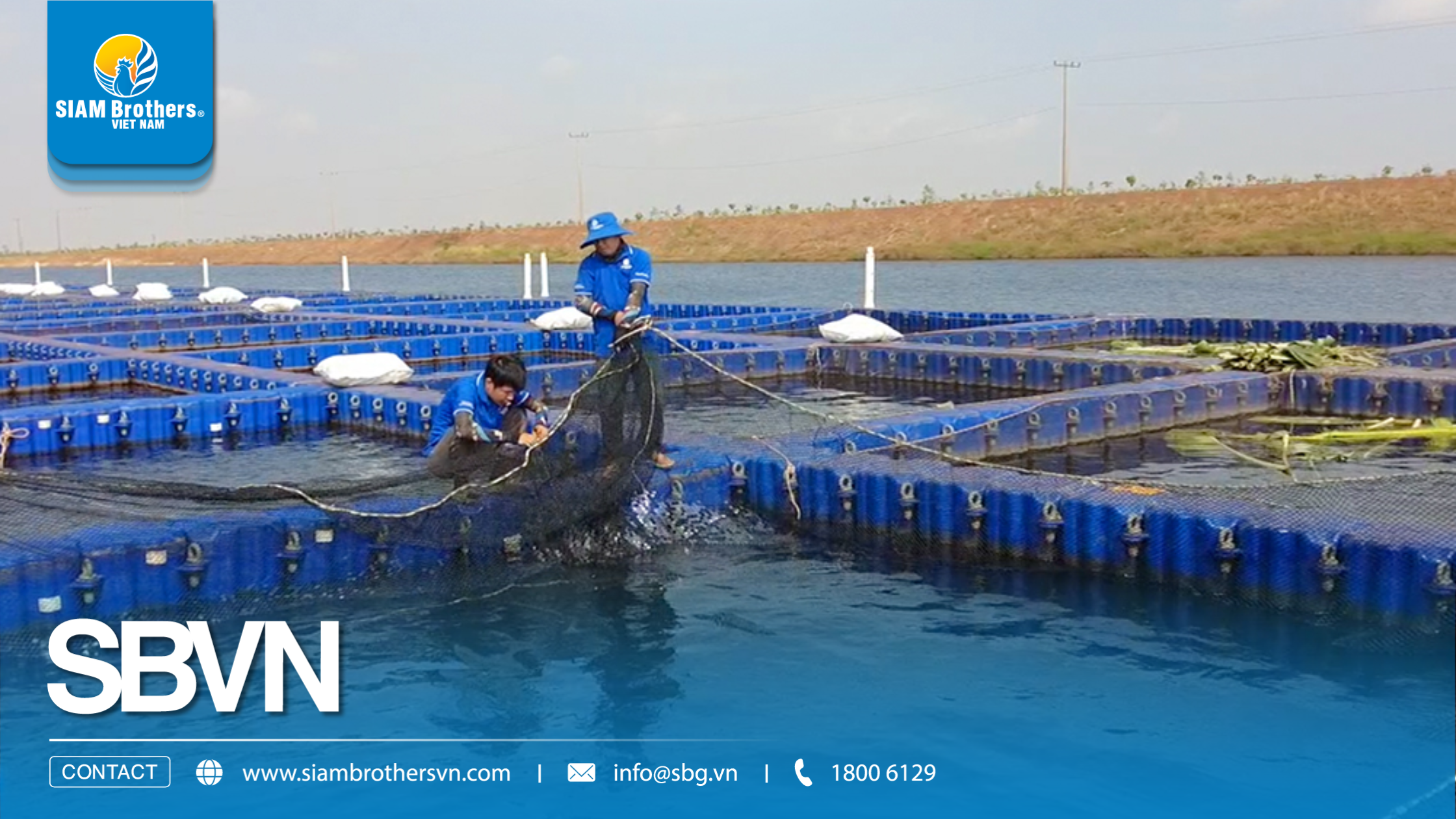
For offshore farms exposed to rough seas and strong winds, it's best to choose Types of Floating Buoys that offer high load-bearing capacity, excellent UV resistance, and superior seawater corrosion resistance.
Among today's available options, HDPE Floating Buoys are widely preferred thanks to their outstanding durability, impact resistance, and long service life in outdoor marine environments.
You should consider replacing floating buoys if you notice one or more of the following signs:
Replacing damaged buoys at the right time helps protect the entire aquaculture system and reduces the risk of unexpected failures.
Not necessarily.
A complete system inspection should always come first.
If individual buoys remain structurally sound and continue to provide adequate buoyancy, replacing only damaged components is often sufficient.
However, if a significant portion of the system has deteriorated or no longer meets the required load capacity, upgrading the entire buoy system can improve operational safety and ensure more consistent performance throughout the storm season.
If there's one factor that matters most, it's selecting floating buoys that match your actual operating conditions.
Choosing the lowest-cost option may lead to higher maintenance expenses and premature replacement if the product isn't designed for your environment.
Before making an investment, consider:
This practical, engineering-based approach is the same one used by SIAM Brothers Vietnam when recommending floating buoy solutions for commercial aquaculture projects. The goal is to help customers build safer, more reliable fish cage systems that continue performing efficiently throughout the storm season and beyond.
Types of Floating Buoys play a vital role in protecting fish cage systems from rough seas, powerful waves, and extreme weather during the storm season. Choosing the right buoy solution not only enhances structural stability but also reduces maintenance costs, extends service life, and improves the overall efficiency of aquaculture operations. If you're looking for high-performance HDPE Floating Buoys backed by experienced engineering support, SIAM Brothers Vietnam is ready to help you select the most suitable solution for your fish farming project and local operating conditions.
Source: SIAM Brothers Vietnam
Contact us:
► Address: 5th floor, VRG Building, 177 Hai Ba Trung Street., Xuan Hoa Ward, Ho Chi Minh City, Vietnam
► Hotline: 1800 6129
► Tel: (+84) 28 38 912 889
► Email: info@sbg.vn
► Follow us for more details at: Facebook - Zalo OA - Tiktok - Youtube - LinkedIn
Download SBVN ID app here:
► CHPlay
► Appstore









Specializing in Agricultural and Fisheries Products & Multipurpose Wire