
- 1800 6129

Trellis Cucumber Plants may seem like a simple gardening task, but doing it correctly can make a significant difference in vine health, fruit production, and overall harvest quality. Proper vine training helps cucumbers grow upright, reduces the risk of stem damage, improves air circulation, and creates better conditions for flowering and fruit development.
In this guide, you'll learn the best time to trellis cucumber plants, a step-by-step tying method, common mistakes to avoid, and practical tips for protecting your vines throughout the growing season. The experts at SIAM Brothers Vietnam also share their recommendations on choosing durable, crop-safe agricultural ropes for home gardens, commercial farms, and greenhouse production, helping growers achieve healthier plants, higher yields, and more efficient cultivation.
Based on the experience of the engineering team and agricultural rope specialists at SIAM Brothers Vietnam, choosing the right rope and applying proper trellising techniques does more than simply support the vines. It also protects the stems, minimizes rope replacement costs, and improves long-term growing efficiency, especially for commercial growers and large-scale farms.
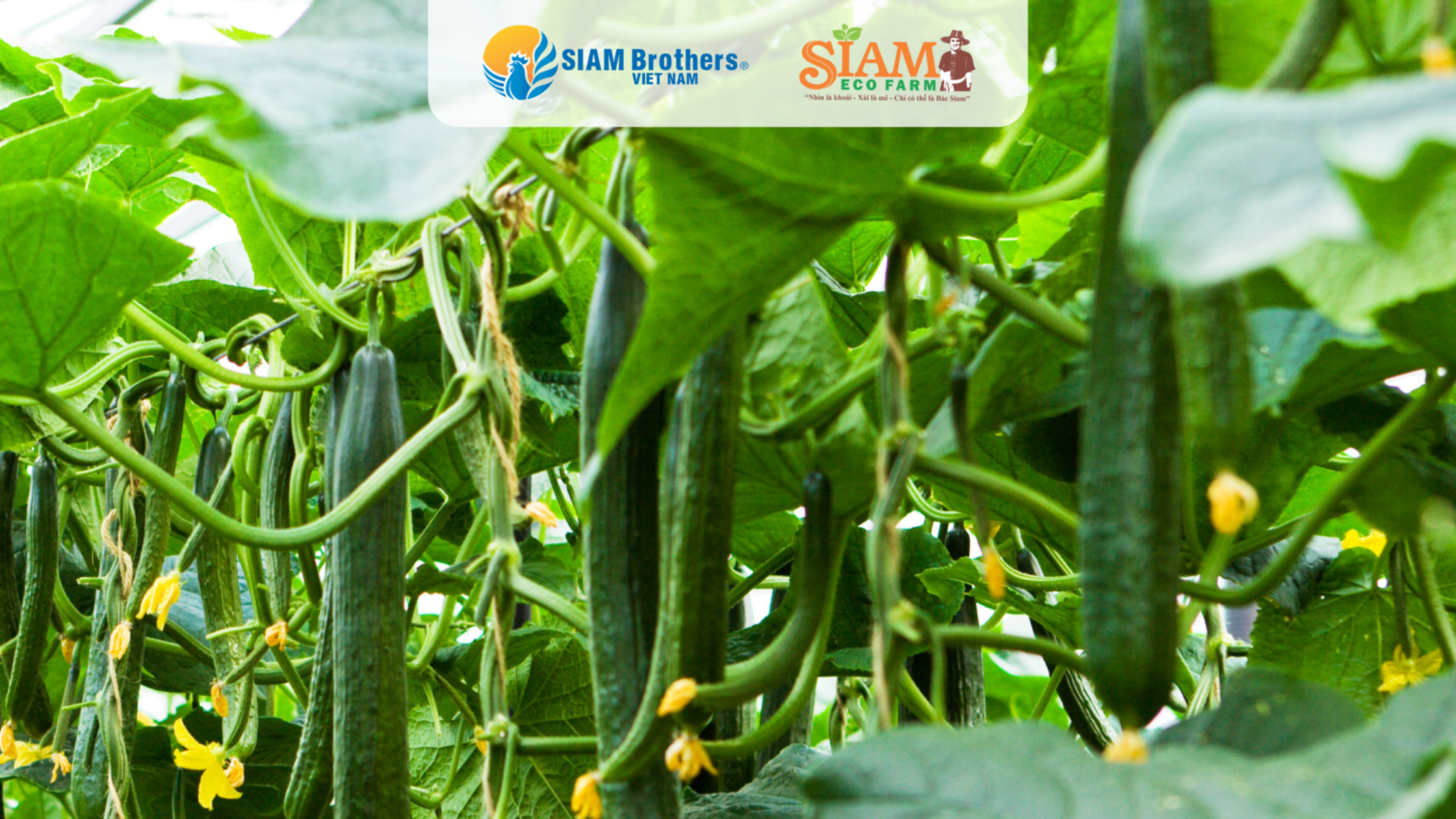
As cucumber vines begin producing runners, training them onto a trellis encourages vertical growth instead of allowing them to spread across the ground.
Key benefits
For example, cucumbers grown outdoors during the rainy season are more likely to collapse if they aren't supported. Once the vines remain in contact with wet soil for extended periods, the risk of disease increases significantly.
Keeping vines and foliage off the ground creates a cleaner, drier growing environment around the plant.
Benefits you'll notice
Improves airflow throughout the canopy.
This is why many experienced growers install their trellis systems and support ropes early in the growing season instead of waiting until the vines become difficult to manage.
Healthy cucumber plants require plenty of sunlight and consistent airflow. When vines are trained correctly, leaves receive more even light exposure, allowing photosynthesis to work more efficiently.
Practical advantages
For commercial cucumber production, these improvements often translate into higher-quality produce and lower post-harvest losses.
Properly trellising cucumber plants benefits not only the crop but also the grower.
Why it matters
For growers managing larger planting areas, these small efficiencies can significantly reduce labor costs while improving overall productivity.
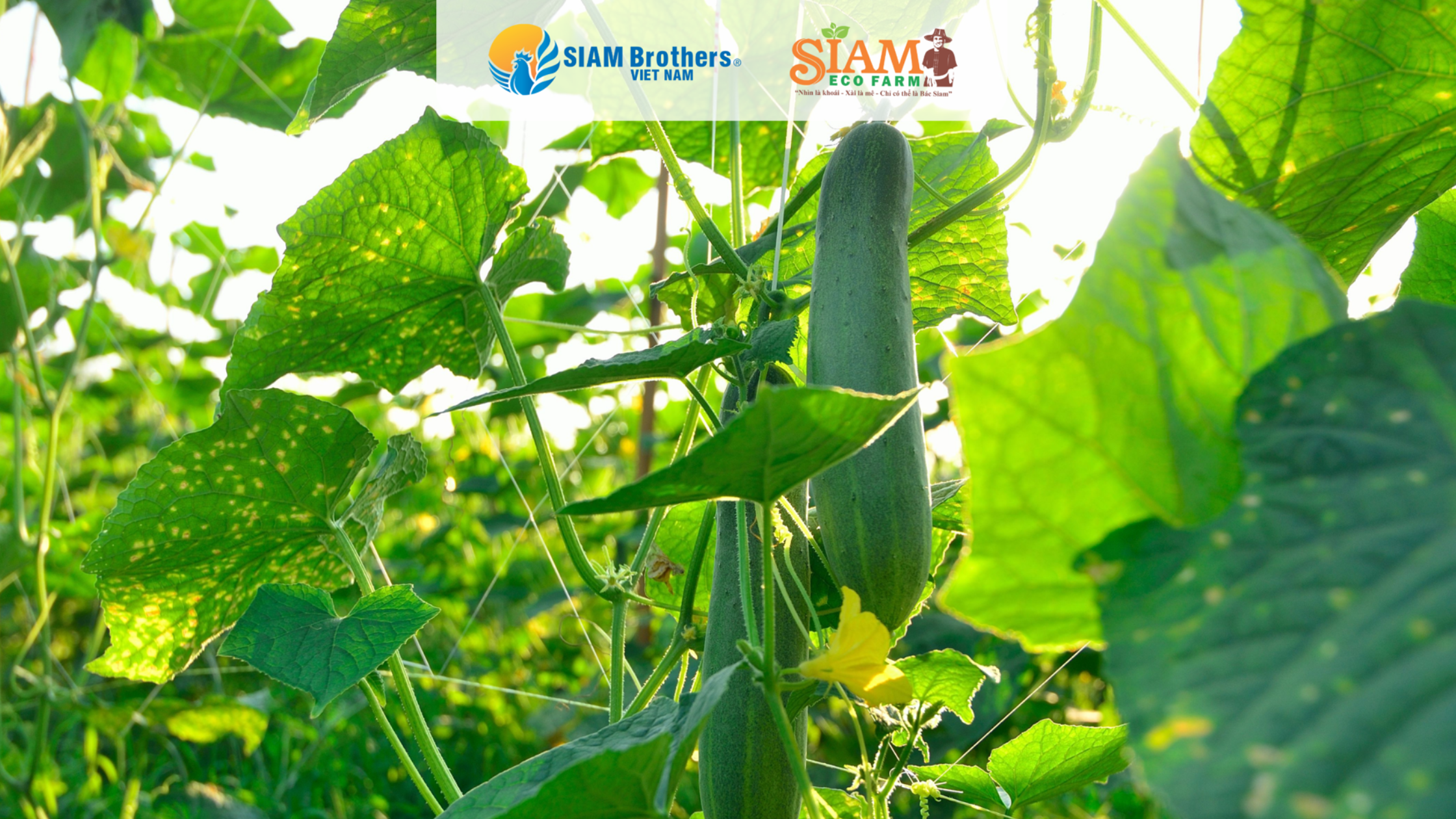
Before you begin to trellis cucumber plants, taking a few minutes to prepare the right materials will make the process easier and help your vines develop more consistently. A reliable support system and the right agricultural rope not only protect the plants but also reduce maintenance throughout the growing season.
The support rope stays in direct contact with cucumber vines for weeks or even months. For this reason, it's important to choose a rope that is durable, gentle on the stems, and suitable for outdoor growing conditions.
What to Look For
Choosing a quality agricultural rope from the beginning can reduce maintenance and improve the overall efficiency of your growing operation.
Ideal for growers looking for a lightweight yet durable solution.
Advantages
Best for
PE rope is valued for its flexibility and ease of handling.
Advantages
Best for
For commercial operations and long-term cultivation, purpose-built agricultural rope is often the most cost-effective choice.
Benefits
For example, if you're growing only a few cucumber plants in your backyard, a thinner rope may be sufficient. However, commercial farms managing thousands of plants usually benefit from investing in stronger ropes that require less maintenance over the season.
Even the best rope cannot perform well without a sturdy trellis.
Before tying any vines, inspect the entire support structure to ensure it can handle the weight of mature cucumber plants.
A weak or unstable trellis may loosen over time, making it difficult for vines to stay upright during windy or rainy weather.
Having a few simple tools nearby makes the job faster and more organized.
These basic tools are especially useful when trellising a large number of cucumber plants, helping growers save both time and effort.
This step is often overlooked, but it plays an important role in preventing unnecessary damage to young vines.
Before tying the plants, check that:
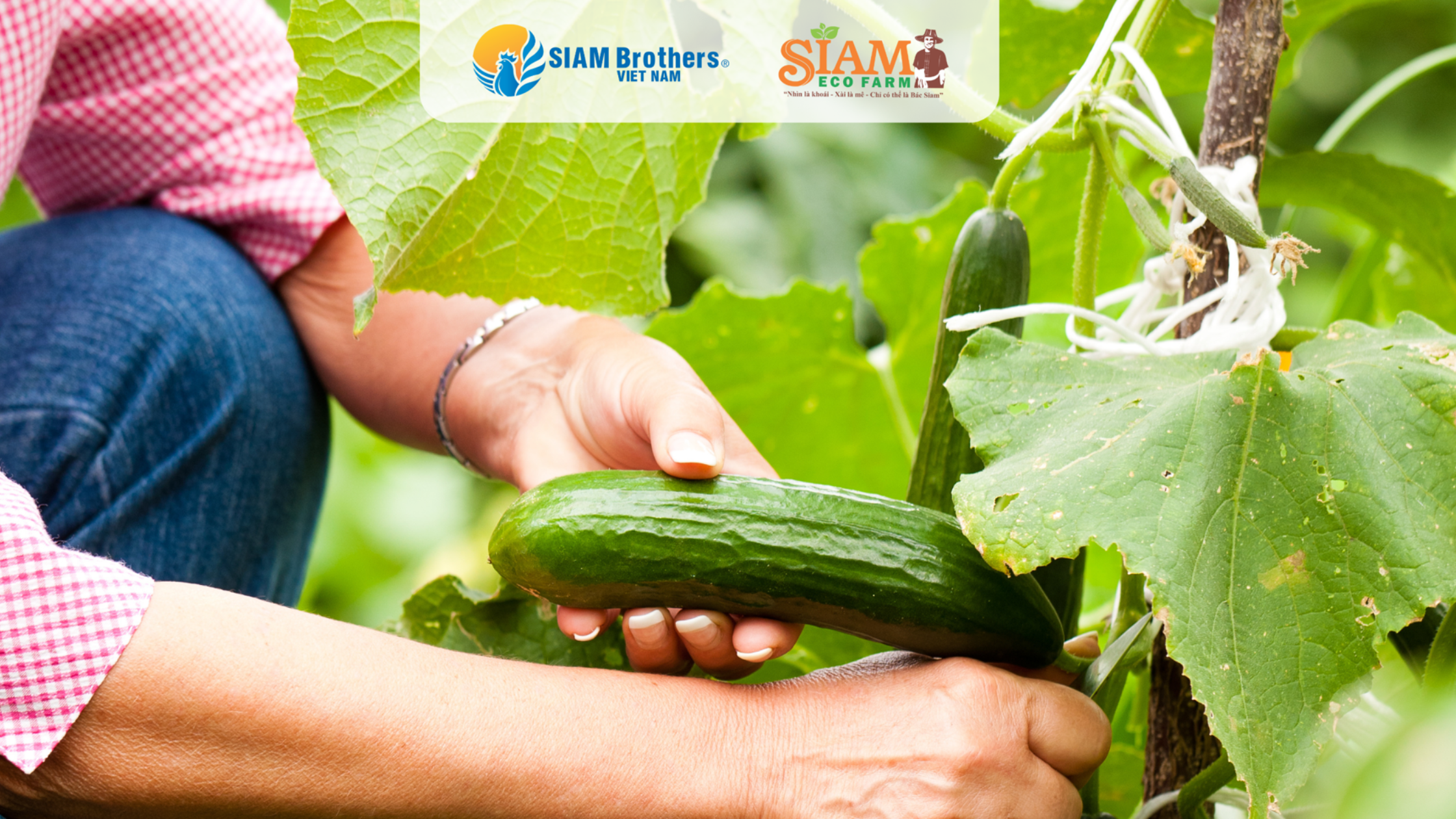
Once your trellis system and support rope are ready, it's time to train your cucumber vines. Following these simple steps will help the plants grow upright, reduce stem damage, and improve fruit production throughout the season.
Start by tying one end of the rope firmly to the top crossbar or overhead support.
How to Do It
If you're growing cucumbers in multiple rows, keep all ropes aligned in the same direction. This creates a cleaner growing area and makes maintenance much easier.
After securing the upper end, guide the rope down alongside the main stem.
Best Practices
For example, if the rope constantly rubs against the stem in windy conditions, it may cause abrasions that increase the risk of disease.
This is the most important step when you trellis cucumber plants.
Proper Technique
There's no need to wrap the vine too many times. A few gentle turns are enough to guide healthy vertical growth.
The rope should provide support without restricting the plant.
In windy regions, inspect the rope regularly to keep vines stable and prevent unnecessary movement.
Cucumber vines grow quickly, especially during flowering and fruit production.
Routine inspections help identify small problems before they affect plant health or reduce yield.
Following the basic steps is important, but a few additional practices can make your trellising system even more effective.
Recommended
Avoid
Even when growers understand the basics, small mistakes can reduce plant performance and lower yields. Avoiding the following issues will help your cucumber plants remain healthy throughout the growing season.
Timing is critical.
Common Mistakes
Possible Consequences
For instance, tying a 10 cm (4-inch) seedling too tightly can damage its soft stem, especially during windy weather.
This is one of the most common mistakes among beginner growers.
Warning Signs
Why It Matters
Always leave a small gap between the rope and the stem to allow natural expansion.
Not every rope is suitable for supporting cucumber vines throughout an entire growing season.
Poor Choices
Better Options
For commercial farms, investing in high-quality rope from the beginning usually reduces labor costs and minimizes replacements later.
Some growers tie their plants once and never check them again.
Common Problems
Best Practice
Just a few minutes of regular inspection can prevent major problems later in the season.
Trellising is only one part of successful cucumber production.
Continue With
Even perfectly trained vines cannot achieve high yields without proper nutrition and routine care.
Some growers spend time learning the right trellising method but choose inexpensive ropes that don't last.
Keep in Mind
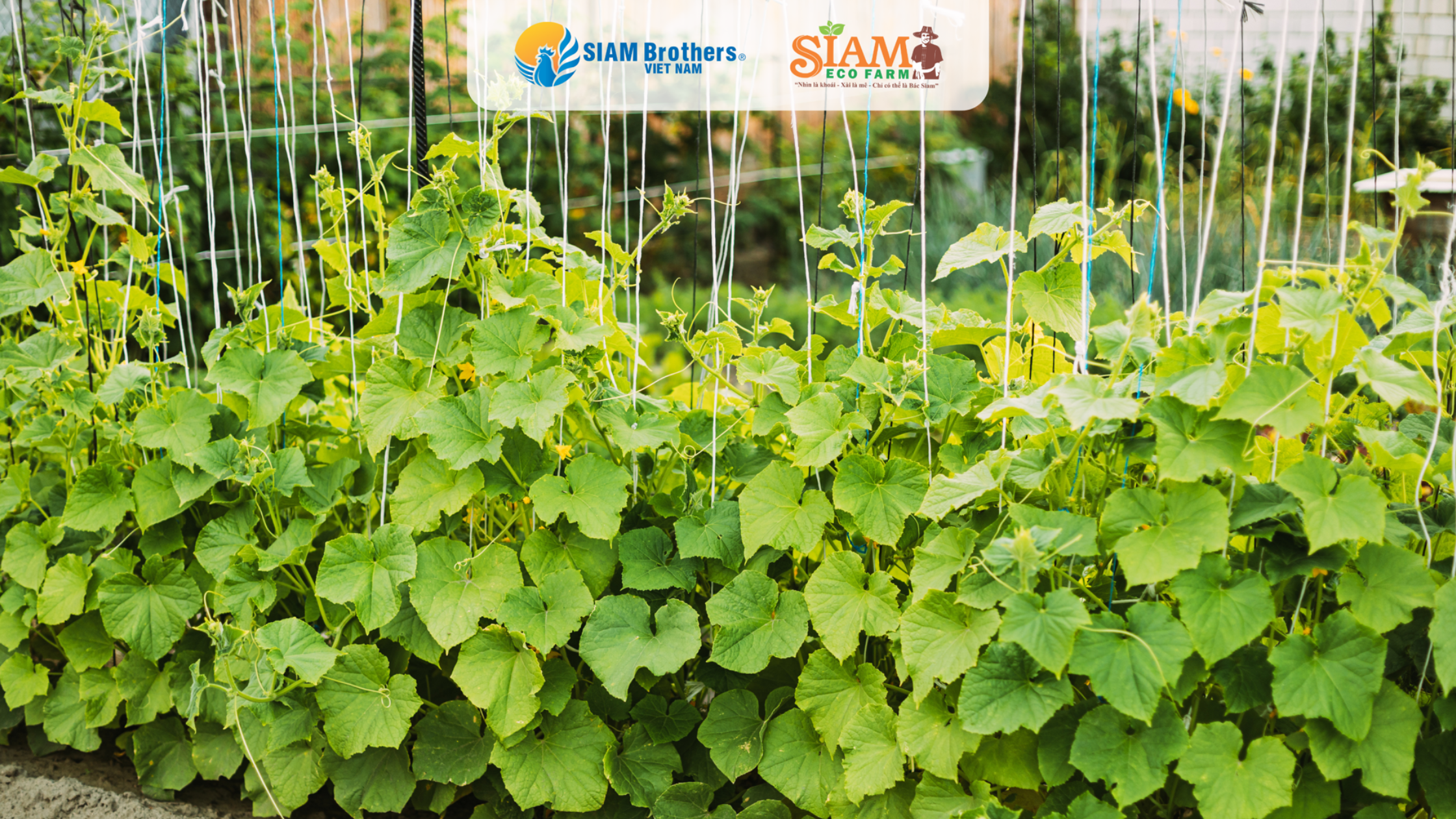
Selecting the right support rope is just as important as learning how to trellis cucumber plants correctly. A high-quality rope keeps vines securely supported, reduces maintenance, and helps lower production costs throughout the growing season.
A reliable trellis rope should meet both technical requirements and long-term performance expectations.
Key Selection Criteria
For growers harvesting cucumbers continuously over several months, investing in durable rope can significantly reduce replacement costs and labor.
PP Rope (Polypropylene Rope)
Advantages
Best Suited For
PE Rope (Polyethylene Rope)
Advantages
Best Suited For
Advantages
More likely to stretch or deteriorate after prolonged outdoor exposure.
Requires more frequent replacement during extended growing seasons.
Different growing operations have different support requirements.
Home Gardens
Choose soft, easy-to-handle rope.
Minimize stretching as vines become heavier.
Commercial Farms
This approach is widely adopted by professional vegetable producers looking to improve operational efficiency while reducing long-term costs.
Unlike general-purpose rope, agricultural rope is specifically designed for long-term outdoor use.
Key Benefits
According to the technical specialists at SIAM Brothers Vietnam, investing in the right rope from the beginning often delivers better long-term value than purchasing lower-cost alternatives that require frequent replacement.
No.
During periods of rapid growth, inspect your plants every 3–5 days.
If the rope becomes loose, begins pressing against the stem, or the vine has outgrown its original support position, make adjustments immediately to prevent growth problems.
Both materials perform well when manufactured to high quality standards.
Choose the material that best matches your growing conditions, production scale, and budget.
Yes.
First, assess the extent of the damage.
Future trellising should always be done carefully during the cool morning or late afternoon to reduce plant stress.
Purchase agricultural rope from trusted manufacturers or authorized suppliers that provide clear product specifications, material information, and outdoor performance ratings.
For commercial growers, cooperatives, and greenhouse operations, investing in durable agricultural rope can reduce replacement costs, improve labor efficiency, and provide consistent support throughout the growing season.
We hope this guide helps you trellis cucumber plants with greater confidence and achieve better growing results. When proper vine training is combined with high-quality support materials and regular crop care, cucumber plants develop stronger vines, healthier foliage, and consistently higher yields.
If you're looking for durable agricultural rope designed for home gardens, commercial farms, or greenhouse cultivation, contact SIAM Brothers Vietnam. Our technical specialists are ready to help you select the right solution for your growing needs and provide a fast, customized quotation.
Source: SIAM Brothers Vietnam
Contact us:
► Address: 5th floor, VRG Building, 177 Hai Ba Trung Street., Xuan Hoa Ward, Ho Chi Minh City, Vietnam
► Hotline: 1800 6129
► Tel: (+84) 28 38 912 889
► Email: info@sbg.vn
► Follow us for more details at: Facebook - Zalo OA - Tiktok - Youtube - LinkedIn
Download SBVN ID app here:
► CHPlay
► Appstore









Specializing in Agricultural and Fisheries Products & Multipurpose Wire