
- 1800 6129

What sets agricultural rope manufacturing at a modern factory apart from conventional rope-making workshops? The answer lies in a tightly controlled production process that begins with premium plastic resin and continues through every stage until the finished rope is ready for use. At SIAM Brothers Vietnam, every step from raw material blending, filament extrusion, yarn winding, rope twisting and braiding, to final winding and quality inspection is carried out on an integrated production line. This ensures every rope delivers high tensile strength, excellent durability, UV resistance, and reliable performance across a wide range of agricultural applications.
In this article, SIAM Brothers Vietnam takes you inside our agricultural rope manufacturing process, helping businesses, distributors, cooperatives, fishermen, and farmers understand how high-quality agricultural rope is made. You'll also learn the key factors to consider when choosing a reliable manufacturer for consistent product quality, stable supply, and long-term value.
Not all plastic resins produce the same level of rope performance. The quality of the raw material plays a major role in determining how the rope performs throughout its service life.
Using high-quality plastic resin provides several important advantages:
For example, a dragon fruit farm may need to tie thousands of branches every growing season. If the rope wears out quickly or breaks easily, workers must replace it repeatedly, increasing both labor and operating costs.
Besides premium plastic resin, agricultural rope also requires carefully selected additives to withstand demanding outdoor conditions.
These additives help:
This is especially important for ropes used in orchards, greenhouses, shade-house structures, and crop trellis systems that remain outdoors year-round.
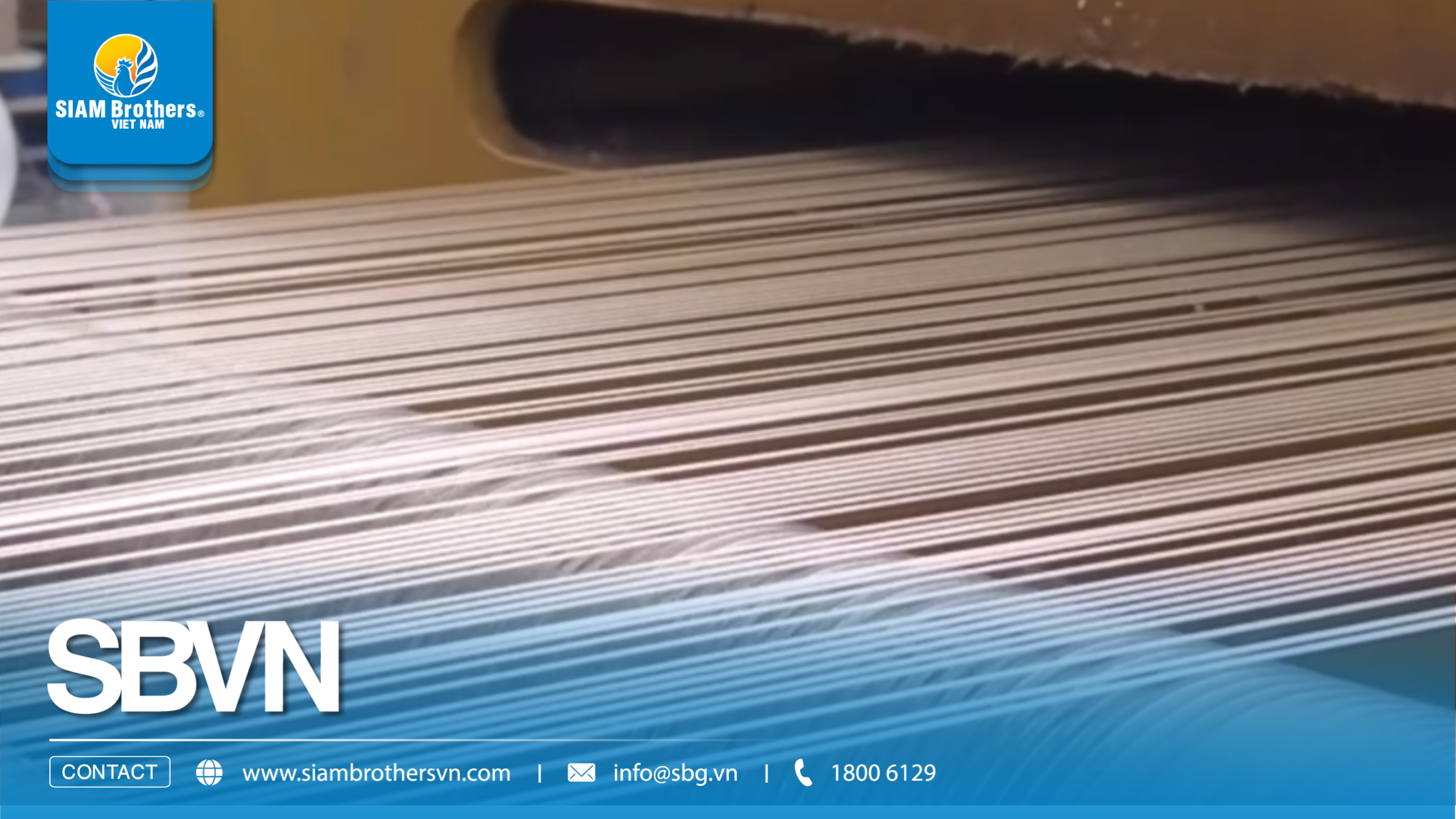
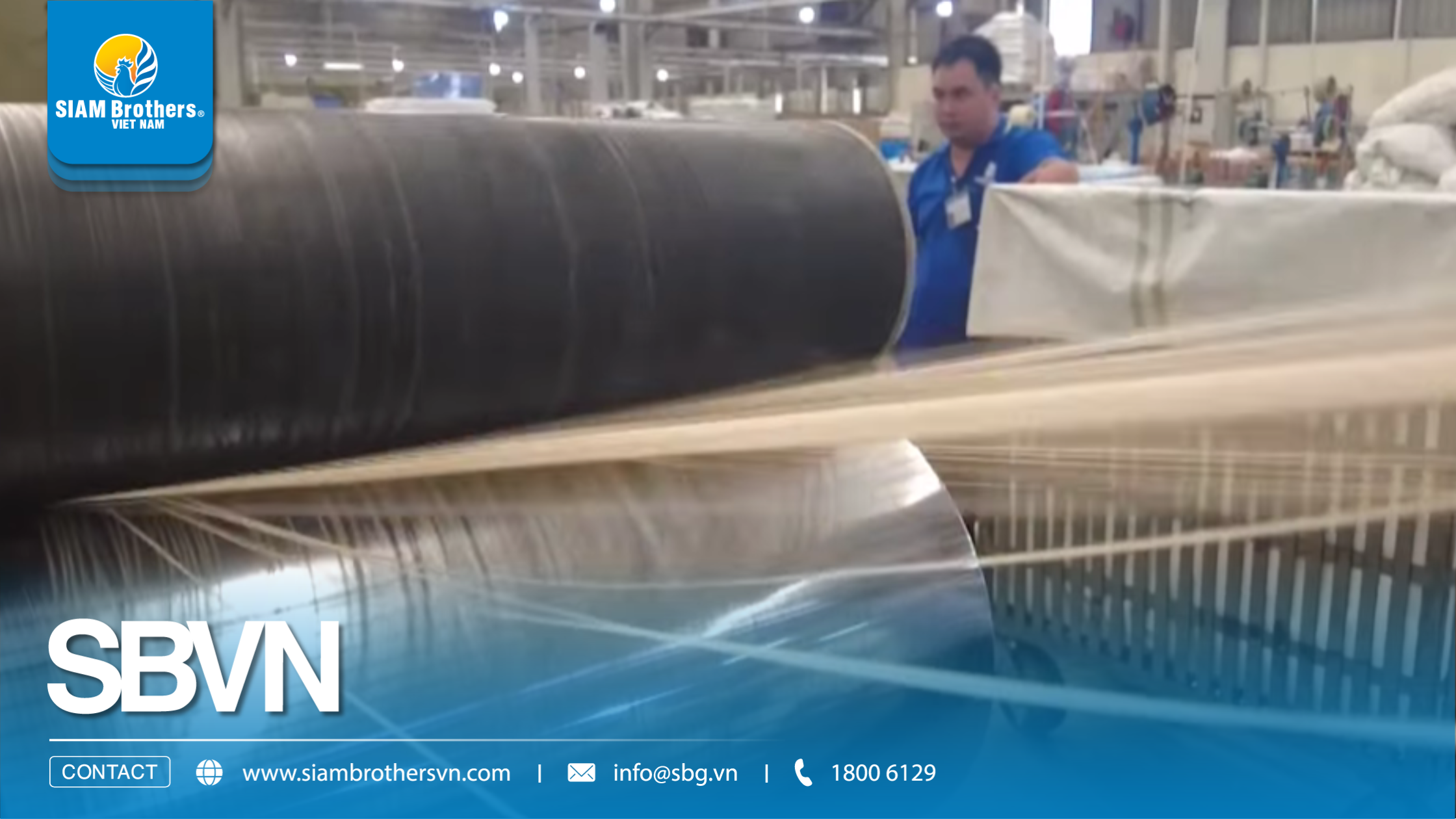
Even when the same raw materials are used, rope quality can vary significantly if the manufacturing process lacks precision and consistency.
Inside the SIAM Brothers Vietnam factory, every stage of agricultural rope manufacturing is carefully synchronizedfrom filament extrusion and yarn winding to rope twisting and final finishing.
This integrated production process delivers several key benefits:
For distributors and businesses purchasing in large volumes, this level of consistency means dependable product quality across every shipment.
Professional agricultural rope manufacturing does not end once the rope has been twisted and wound. Every batch undergoes comprehensive quality inspection before leaving the factory.
The quality control process typically includes:
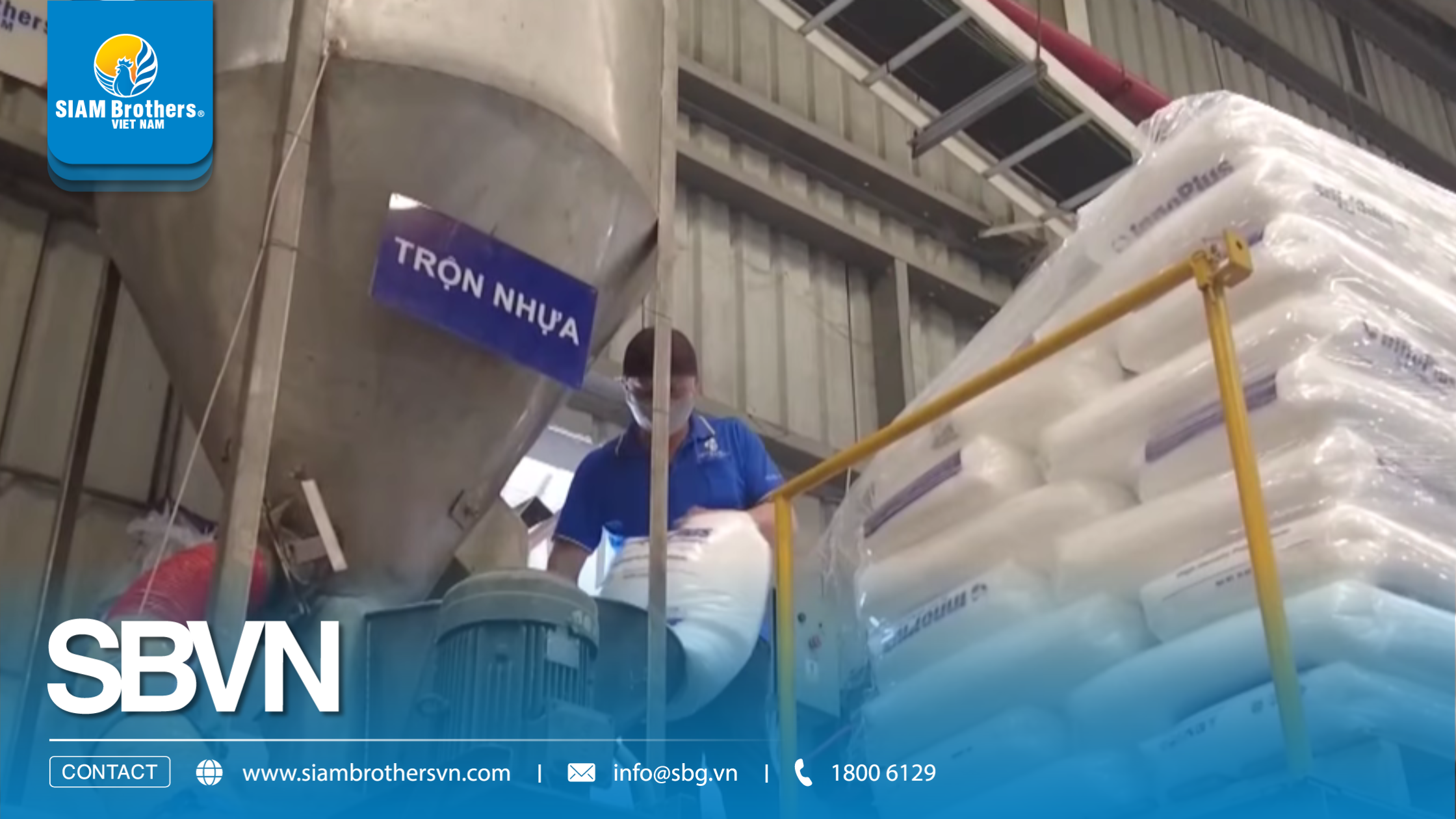
This is the very first stage of the agricultural rope manufacturing process and serves as the foundation for the quality of the finished product.
Every production batch begins with strict raw material inspection to ensure consistent product performance.
To ensure reliable outdoor performance, the plastic resin is blended with carefully selected additives at optimized ratios.
These additives help:
For example, tomato and cucumber farms use agricultural rope throughout the growing season. UV-resistant rope lasts significantly longer under continuous sun exposure, helping reduce replacement costs over time.
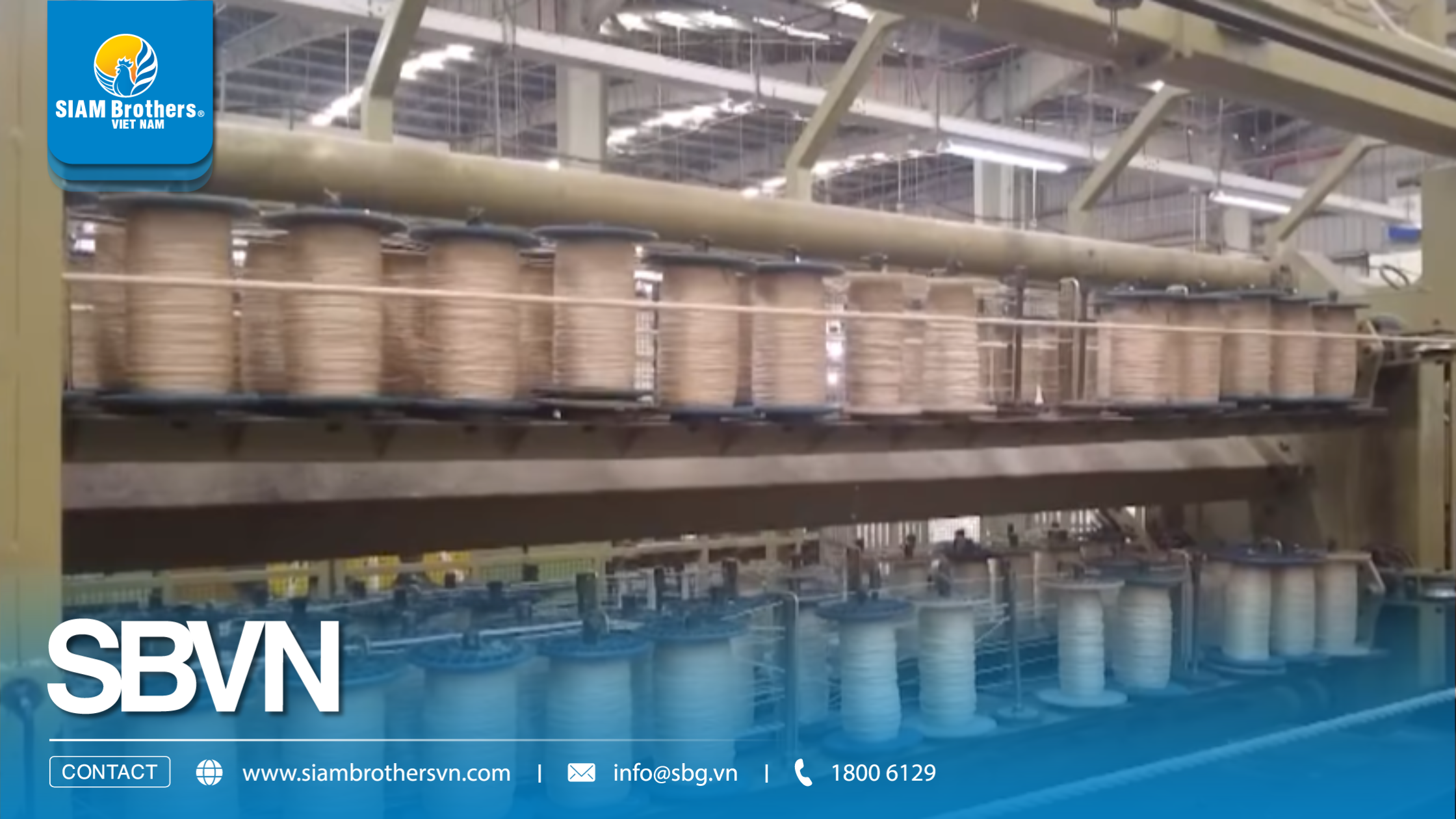
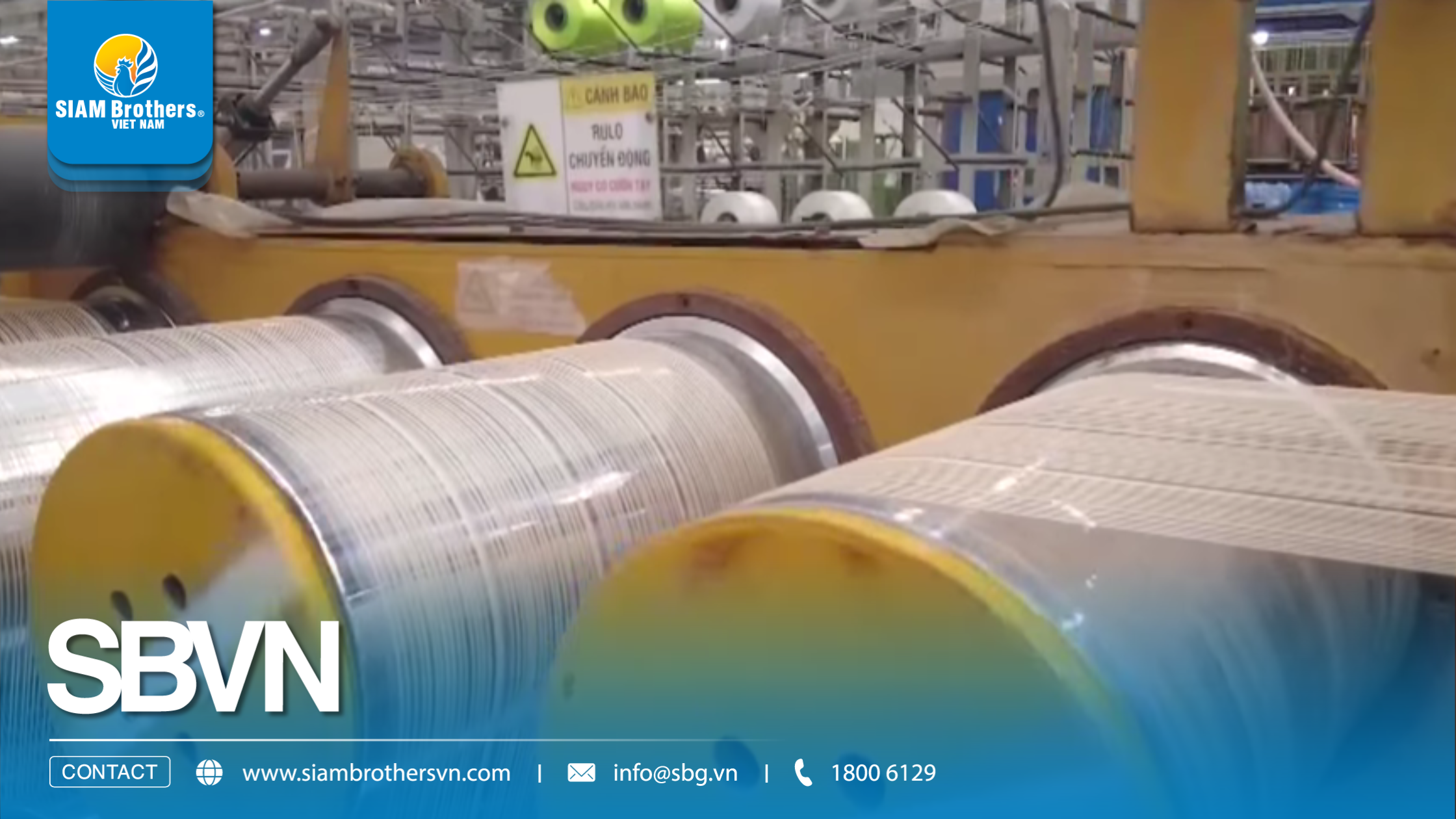
Once the raw materials have been prepared, the blended resin is fed into the extrusion system to produce continuous plastic filaments.
The extrusion process is carefully controlled to ensure consistency.
The factory's engineering team continuously monitors the extrusion process to ensure:
This stage is critical because inconsistent filament quality directly affects the strength and durability of the finished rope.
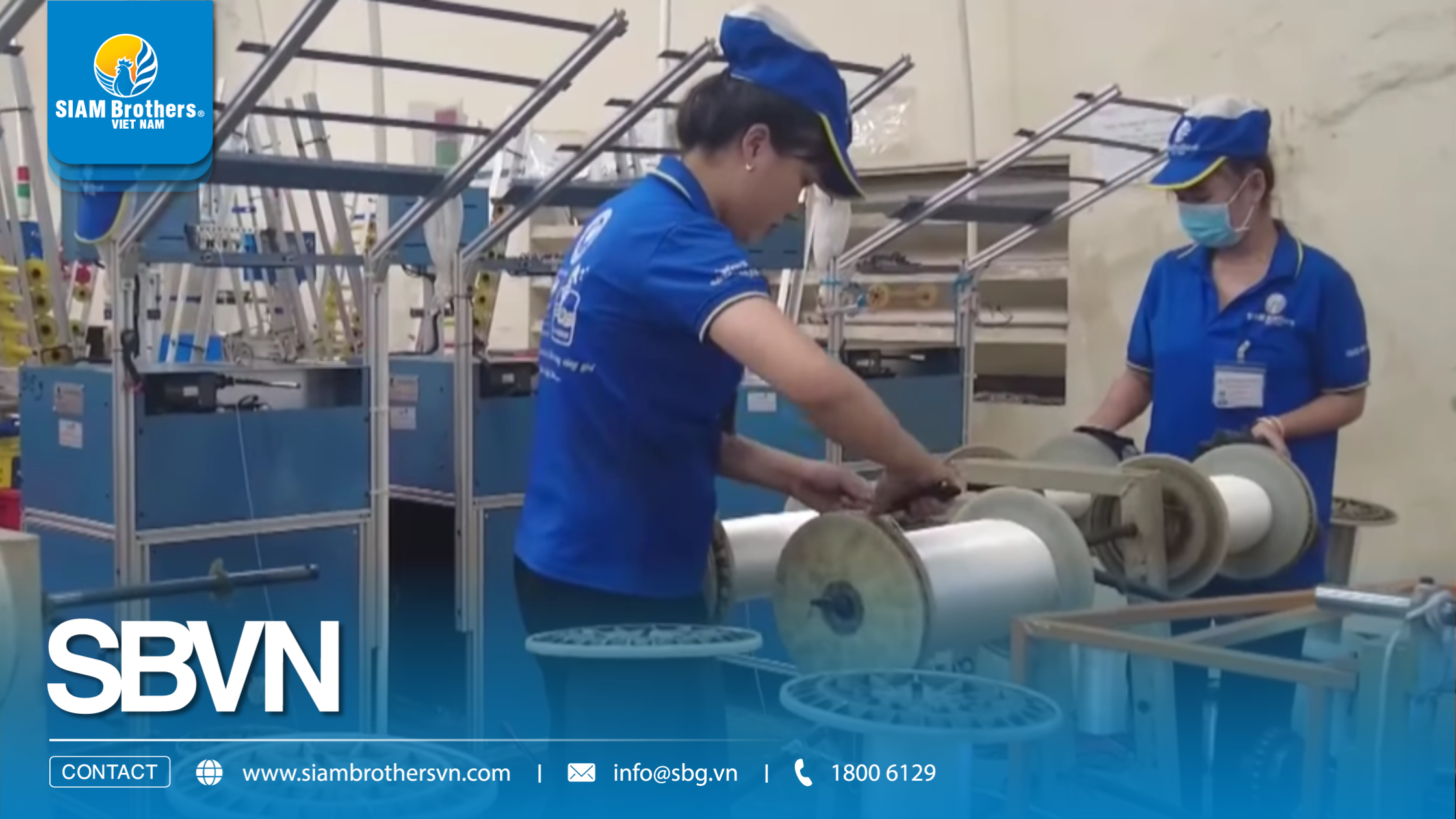
After extrusion, the continuous filaments are automatically wound onto bobbins in preparation for the twisting and rope-making process.
The winding process is designed to maintain filament quality.
Proper bobbin winding helps:
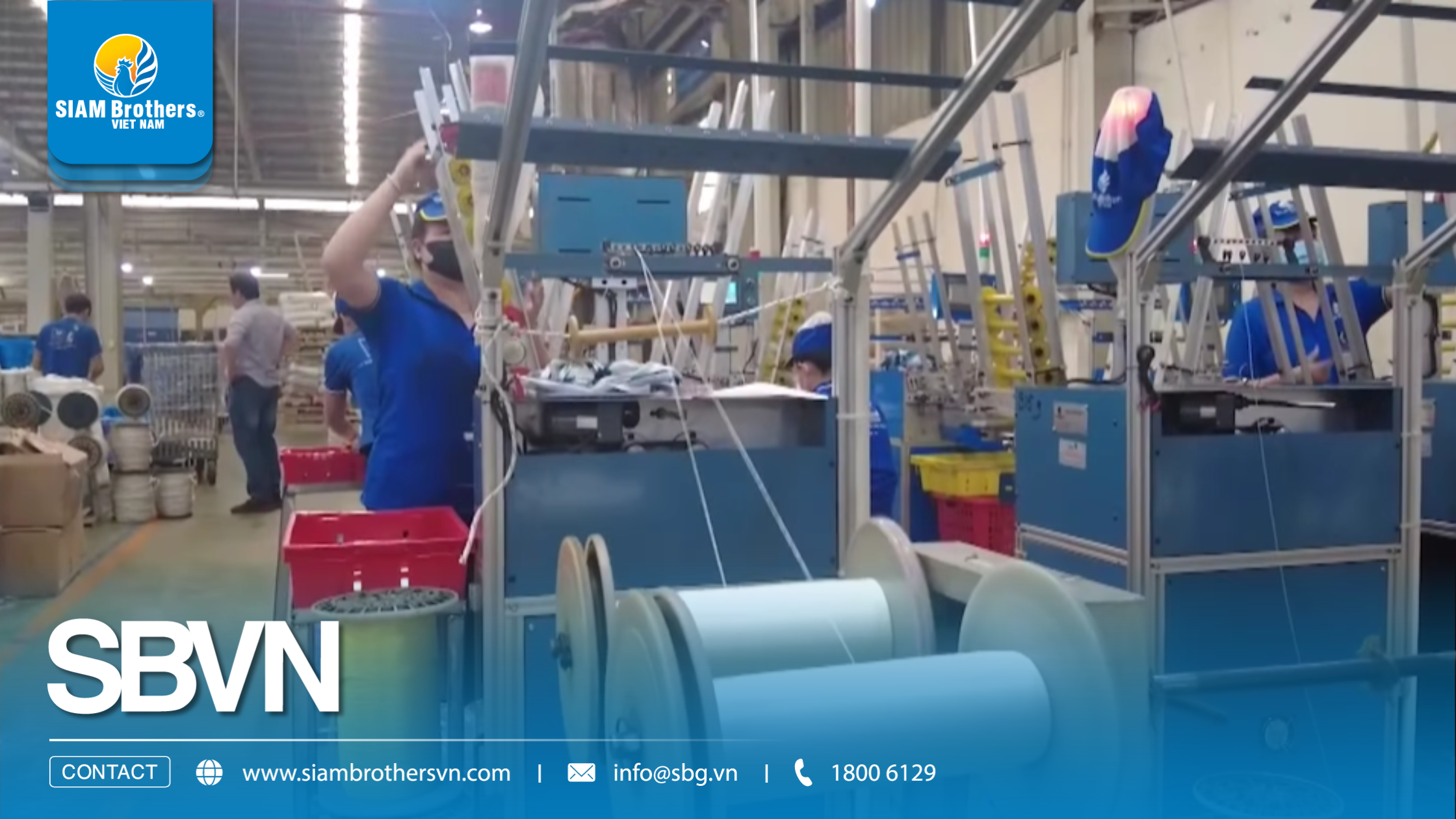
This is the stage where the rope gains its structure, strength, and performance characteristics.
Multiple bobbins operate simultaneously on the production line.
Thanks to synchronized rope-twisting technology, the finished products offer several key advantages:
These are also the performance characteristics demonstrated throughout SIAM Brothers Vietnam's modern manufacturing process.
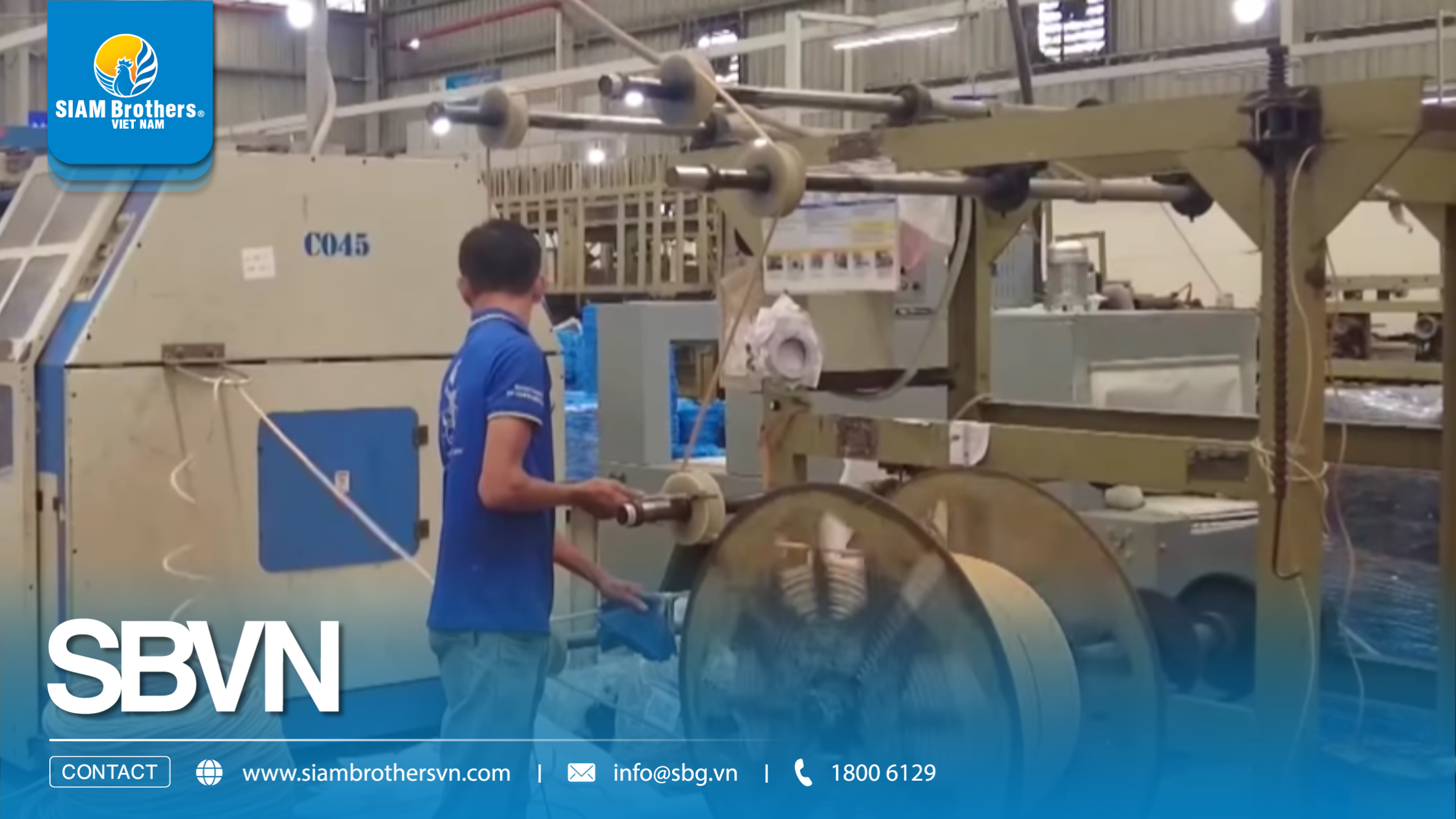
Once production is complete, the rope moves to the automatic winding system.
Each spool is prepared according to customer or market requirements.
2.5.2. Meeting Diverse Market Requirements
Agricultural rope can be manufactured in a wide range of specifications, including:
Before reaching the market, every production batch undergoes a final quality inspection.
The engineering team and Quality Control (QC) department inspect:
Compliance with product specifications and manufacturing standards.
Once all quality requirements have been met, the agricultural rope is:
One of the most common uses of agricultural rope is supporting fruit trees throughout their growing and harvesting cycles.
Supporting Healthy Tree Growth
Agricultural ropes are widely used to:
For example, during harvest season, many growers use support ropes to secure heavily loaded durian branches. A high-strength rope keeps branches stable for longer, reducing the need for frequent replacements.
Many climbing crops require ropes that provide excellent strength and long-term outdoor performance.
Improving Farming Efficiency
Agricultural ropes are commonly used for:
Using consistently manufactured rope creates stronger trellis systems while reducing the risk of breakage as plants mature or during adverse weather conditions.
Agricultural rope isn't only used during cultivation—it also plays an important role in post-harvest handling and logistics.
Faster and More Efficient Packaging
Common applications include:
For agricultural cooperatives and produce distributors, durable rope minimizes breakage during loading, unloading, and transportation, improving overall operational efficiency.
Agricultural rope is not only essential for farmers but also a valuable product for agricultural suppliers and distributors.
It is widely used for:
Thanks to SIAM Brothers Vietnam's integrated agricultural rope manufacturing process, every production batch maintains consistent quality. This gives distributors and businesses confidence when purchasing large quantities and building long-term supply partnerships.
Strength is one of the first factors customers consider when selecting agricultural rope.
Reliable Performance Under Heavy Loads
High-quality agricultural rope offers:
For example, a single durian branch during harvest season can support several dozen kilograms of fruit. High-tensile rope helps stabilize the branch and minimizes the risk of breakage.
Vietnam's climate ranges from intense sunlight to prolonged rainy seasons, making weather resistance an essential requirement.
Lower Replacement Costs
Modern agricultural rope provides:
This long service life is particularly valuable for commercial farms and agricultural cooperatives seeking to reduce maintenance costs.
An essential part of agricultural rope manufacturing is incorporating performance additives that improve environmental resistance.
Stable Performance Under Intense Sunlight
Quality agricultural rope helps:
UV-resistant rope significantly reduces the frequency of rope replacement throughout the year.
Besides durability, ease of use greatly affects day-to-day farming efficiency.
Saving Time During Installation
Agricultural rope is designed to:
For example, workers tying hundreds of tomato or cucumber plants each day benefit from soft, flexible rope that speeds up installation while reducing hand fatigue.
At modern manufacturing facilities like SIAM Brothers Vietnam, agricultural rope manufacturing follows a carefully controlled production sequence.
The major steps include:
Every stage is monitored to ensure excellent durability, tensile strength, and product consistency.
Yes. Many businesses and distribution partners require customized products to match their market needs.
Depending on production capabilities, manufacturers can provide:
Discussing requirements early with the manufacturer helps streamline production and ensures the final product meets project specifications.
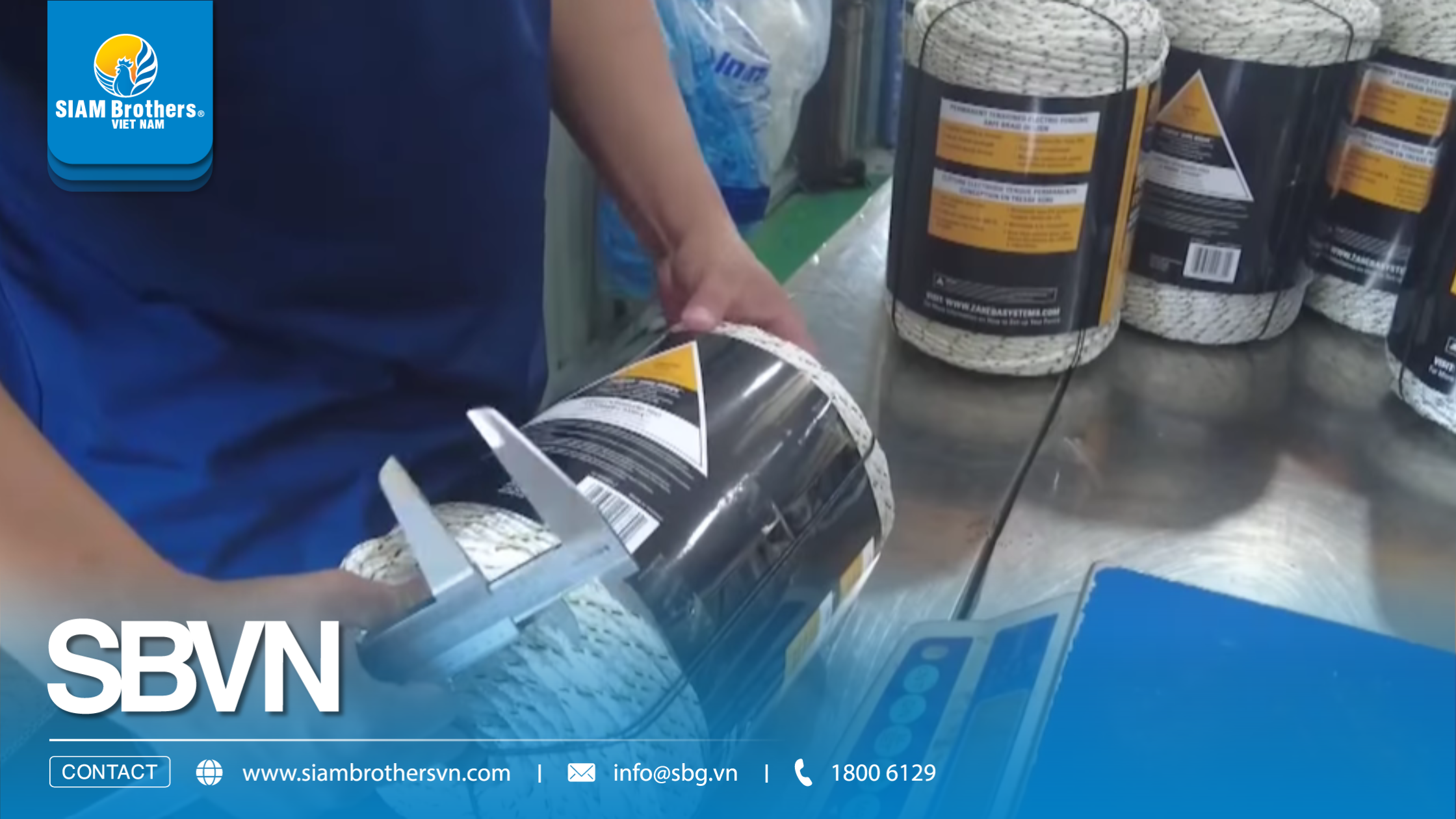
Modern agricultural rope manufacturing supports a wide variety of farming applications.
Agricultural rope is commonly used for:
Choosing the right rope for each application helps improve productivity while reducing long-term operating costs.
SIAM Brothers Vietnam has invested in modern manufacturing facilities, advanced production technology, and comprehensive quality control systems to meet the growing demands of domestic and international markets.
Our key advantages include:
Agricultural rope manufacturing involves far more than simply producing a finished spool of rope. It combines carefully selected raw materials, advanced manufacturing technology, and rigorous quality control at every stage of production. Backed by decades of expertise in technical rope manufacturing, SIAM Brothers Vietnam delivers high-quality agricultural rope solutions for businesses, distributors, cooperatives, and farmers across Vietnam. If you're looking for a reliable agricultural rope manufacturer or need expert advice on selecting the right rope for your farming operation, contact SIAM Brothers Vietnam today. Our team is ready to help you find the most suitable solution and provide a competitive quotation.
Source: SIAM Brothers Vietnam
Contact us:
► Address: 5th floor, VRG Building, 177 Hai Ba Trung Street., Xuan Hoa Ward, Ho Chi Minh City, Vietnam
► Hotline: 1800 6129
► Tel: (+84) 28 38 912 889
► Email: info@sbg.vn
► Follow us for more details at: Facebook - Zalo OA - Tiktok - Youtube - LinkedIn
Download SBVN ID app here:
► CHPlay
► Appstore









Specializing in Agricultural and Fisheries Products & Multipurpose Wire