
- 1800 6129

The rapid development of high-tech agriculture has made greenhouse tomato cultivation increasingly popular. In addition to providing better control over growing conditions, greenhouses offer significant advantages in yield, fruit quality, and disease prevention. However, many growers still wonder whether growing tomatoes in a greenhouse is truly different from growing them outdoors. This greenhouse tomato growing guide will help you understand the key differences while providing essential techniques for building a productive and efficient cultivation system. Let's explore this topic with SIAM Brothers Vietnam through the article below.
Tomatoes are one of the most valuable and widely consumed crops worldwide. However, they are also highly sensitive to weather conditions, especially heavy rainfall, high humidity, and pest infestations.
In recent years, greenhouse tomato cultivation has expanded rapidly in Vietnam, particularly in regions such as Da Lat, Lam Dong, Son La, and other high-tech agricultural zones.
Unlike traditional outdoor farming, greenhouses allow growers to control various environmental factors, including:
Temperature
Humidity
Light intensity
Irrigation systems
Plant nutrition
As a result, tomato plants can grow under more stable conditions throughout the production cycle.
Today's consumers are not only concerned about production volume but also focus on quality, consistency, and food safety. This is one of the main reasons many farms and agricultural enterprises are shifting toward greenhouse cultivation.
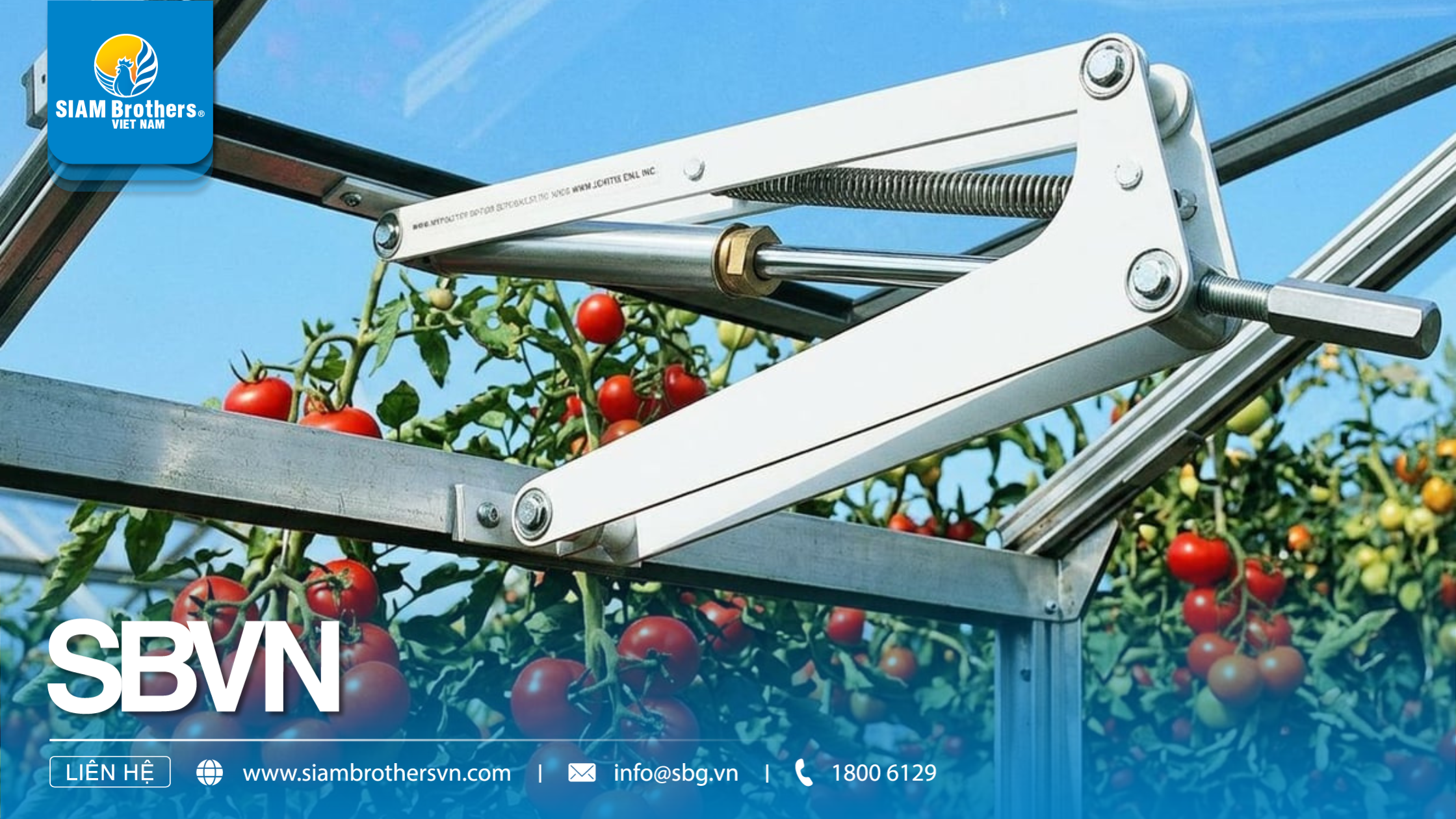
Growing tomatoes in a greenhouse - Source: greenhousestores.co.uk
This is one of the most common questions among people interested in modern agricultural systems.
The biggest difference between greenhouse and outdoor cultivation lies in environmental control.
When grown outdoors, tomato plants are completely exposed to natural conditions such as:
Rain
Sunlight
Wind
Temperature fluctuations
In contrast, greenhouses help minimize the impact of adverse weather and create a more stable growing environment.
Prolonged rainfall and high humidity often encourage the development of fungal diseases in tomato crops.
Inside a greenhouse:
Direct rain exposure is eliminated
Disease transmission risks are reduced
Insect populations can be better controlled
As a result, the need for crop protection chemicals may be significantly reduced.
One of the main reasons growers invest in greenhouse systems is the potential for increased productivity.
Tomato plants grown under optimal conditions generally exhibit:
Uniform growth
Consistent flowering
Higher fruit set rates
Longer harvesting periods
Greenhouses help reduce issues such as:
Fruit cracking caused by rain
Sunburn damage
Surface scratches
Pest attacks
As a result, tomatoes tend to have a more attractive appearance and higher market value.
The first step toward successful cultivation is choosing suitable tomato varieties.
Popular greenhouse tomato varieties include:
Cherry tomatoes
Beef tomatoes
Specialty cherry cultivars
Disease-resistant grafted tomatoes
When selecting seeds, prioritize:
High germination rates
Strong disease resistance
Adaptability to local growing conditions
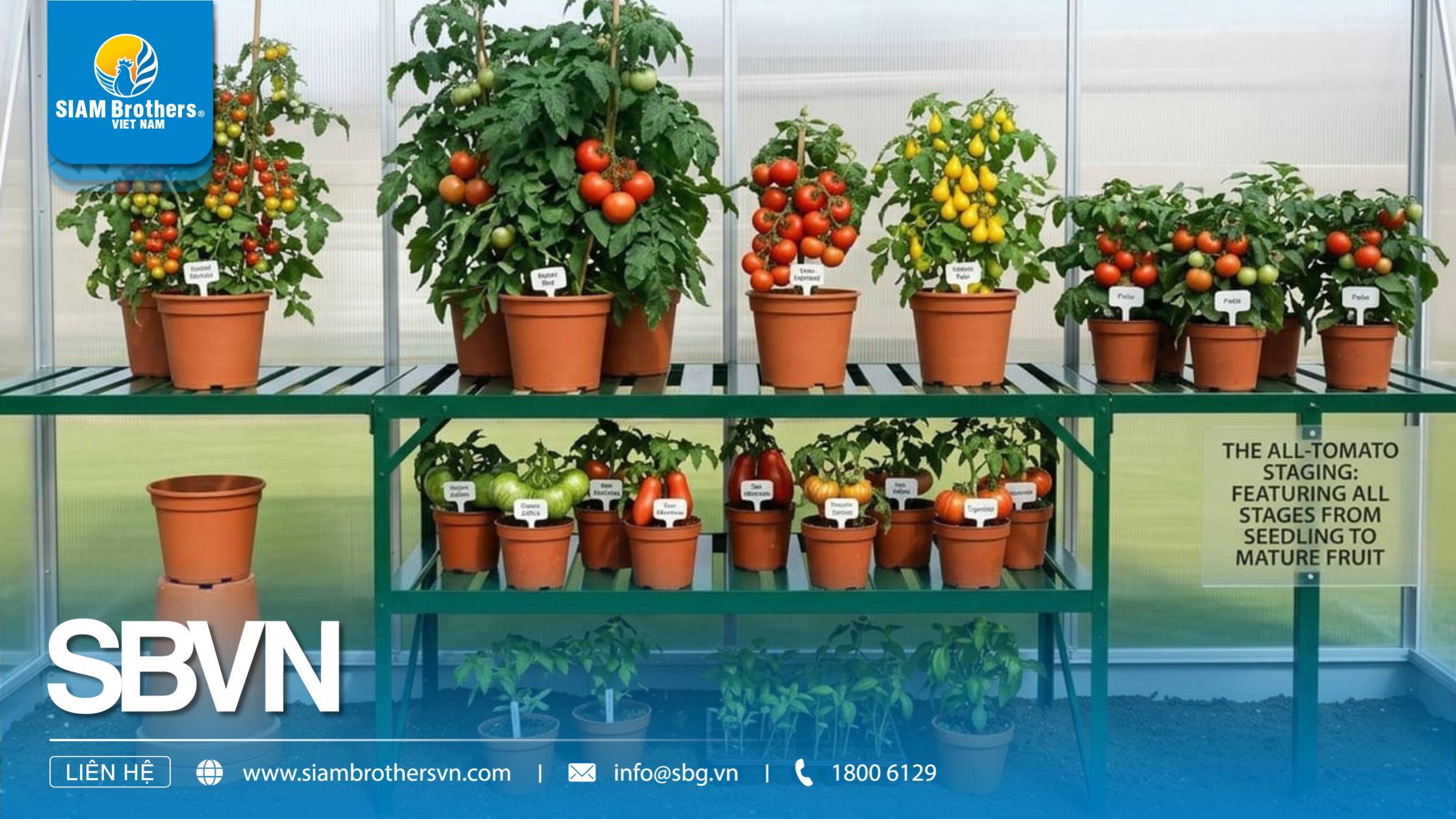
Growing tomatoes in a greenhouse - Source: greenhousestores.co.uk
Modern greenhouse systems commonly use:
Coconut coir substrates
Grow bags
Hydroponic systems
Improved soil beds
The growing medium should provide:
Good drainage
Adequate moisture retention
Rich nutrient availability
Most modern greenhouse operations utilize drip irrigation systems.
Benefits include:
Water conservation
Precise nutrient delivery
Reduced leaf moisture and disease risks
Drip irrigation is widely considered the most effective solution for greenhouse tomato cultivation.
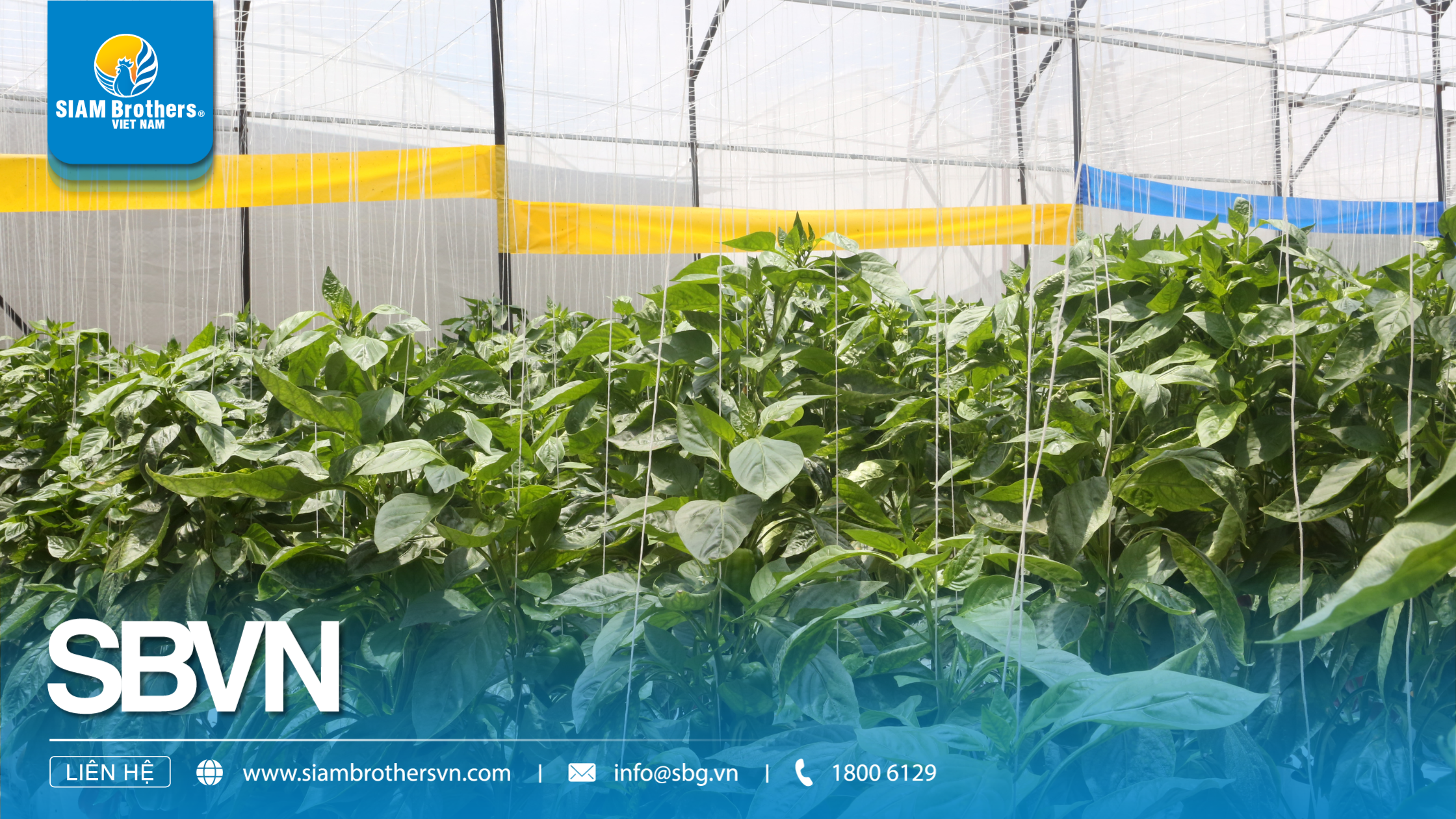
Growing tomatoes in a greenhouse - Source: SIAM Brothers Vietnam
Depending on the variety, tomato plants can grow between 2 and 5 meters tall.
Without proper support systems, plants may experience:
Stem breakage
Lodging
Fruit touching the ground
Increased disease risks
Therefore, modern farms use specialized greenhouse twine systems to train plants vertically.
Using specialized support twine provides numerous advantages:
Maximizes growing space
Improves light distribution
Enhances air circulation
Reduces disease pressure
Makes harvesting easier
Greenhouse twine has become an essential component of high-tech tomato production systems.
The ideal temperature range for tomato cultivation is between 18°C and 28°C.
Excessively high temperatures may cause:
Flower drop
Reduced fruit set
Slower growth
Likewise, temperatures that are too low can negatively affect plant development.
During growth, tomato plants produce numerous side shoots.
Removing unnecessary shoots helps:
Direct nutrients to fruit production
Improve air circulation
Reduce disease risks
Greenhouses generally contain fewer natural pollinators than outdoor environments.
As a result, many growers use:
Manual pollination
Bumblebee pollination
Flower vibration devices
These methods help improve fruit set and overall productivity.
Many growers assume that planting more crops automatically increases production.
However, excessive plant density may result in:
Insufficient sunlight
Poor air circulation
Increased disease outbreaks
Some growers use low-quality support materials that lack sufficient strength.
This may lead to:
Twine breakage
Stem damage
Yield losses
Tomatoes do not tolerate:
Waterlogging
Prolonged drought stress
Therefore, irrigation schedules should be carefully adjusted according to each growth stage.
Demand for safe, high-quality produce continues to increase worldwide.
This trend is driving:
Expansion of greenhouse facilities
Adoption of IoT technologies
Greater automation in agriculture
Tomatoes produced in greenhouses typically offer:
Attractive appearance
Consistent quality
Reliable traceability
These advantages make greenhouse-grown tomatoes highly competitive in export markets.
This greenhouse tomato growing guide demonstrates that greenhouse cultivation offers significant advantages compared to traditional outdoor farming. From environmental control and disease management to improved yields and fruit quality, greenhouse production is becoming an essential part of modern agriculture.
To achieve the best results, growers should focus on variety selection, irrigation system design, environmental management, and the use of support materials such as greenhouse twine. When properly implemented, greenhouse tomato cultivation can significantly increase productivity while providing long-term economic benefits.
Read more: 10 Interesting Facts About Greenhouses You May Have Never Known
Source: SIAM Brothers Vietnam
FAQ – Frequently Asked Questions About Greenhouse Tomato Cultivation
Yes. Greenhouses provide better environmental control, reduce disease pressure, and improve fruit set rates, often resulting in higher yields.
Yes. Most greenhouse tomato varieties require support systems to hold the plants upright and optimize growing space.
Popular options include cherry tomatoes, beef tomatoes, and disease-resistant grafted varieties.
Yes. Many growers use bees or assisted pollination methods to improve fruit set and maximize yields.
Yes. Greenhouses minimize exposure to rain, insects, and other external disease-causing factors, helping maintain healthier crops.
Contact us:
Address: 5th floor, VRG Building, 177 Hai Ba Trung Street, Vo Thi Sau Ward, Ho Chi Minh City, Vietnam
Tel: (+84) 28 38 912 889
Hotline: 1800 6129
Facebook: www.facebook.com/siambrothersvn
Email: info@sbg.vn
YouTube: youtube.com/@siambrothersvietnam1728
OA Zalo: zalo.me/1402339229697925373
App SBVN ID:
CHPlay: https://bit.ly/SBVNID-Android
Appstore: https://bit.ly/SBVNID-iOS








Specializing in Agricultural and Fisheries Products & Multipurpose Wire